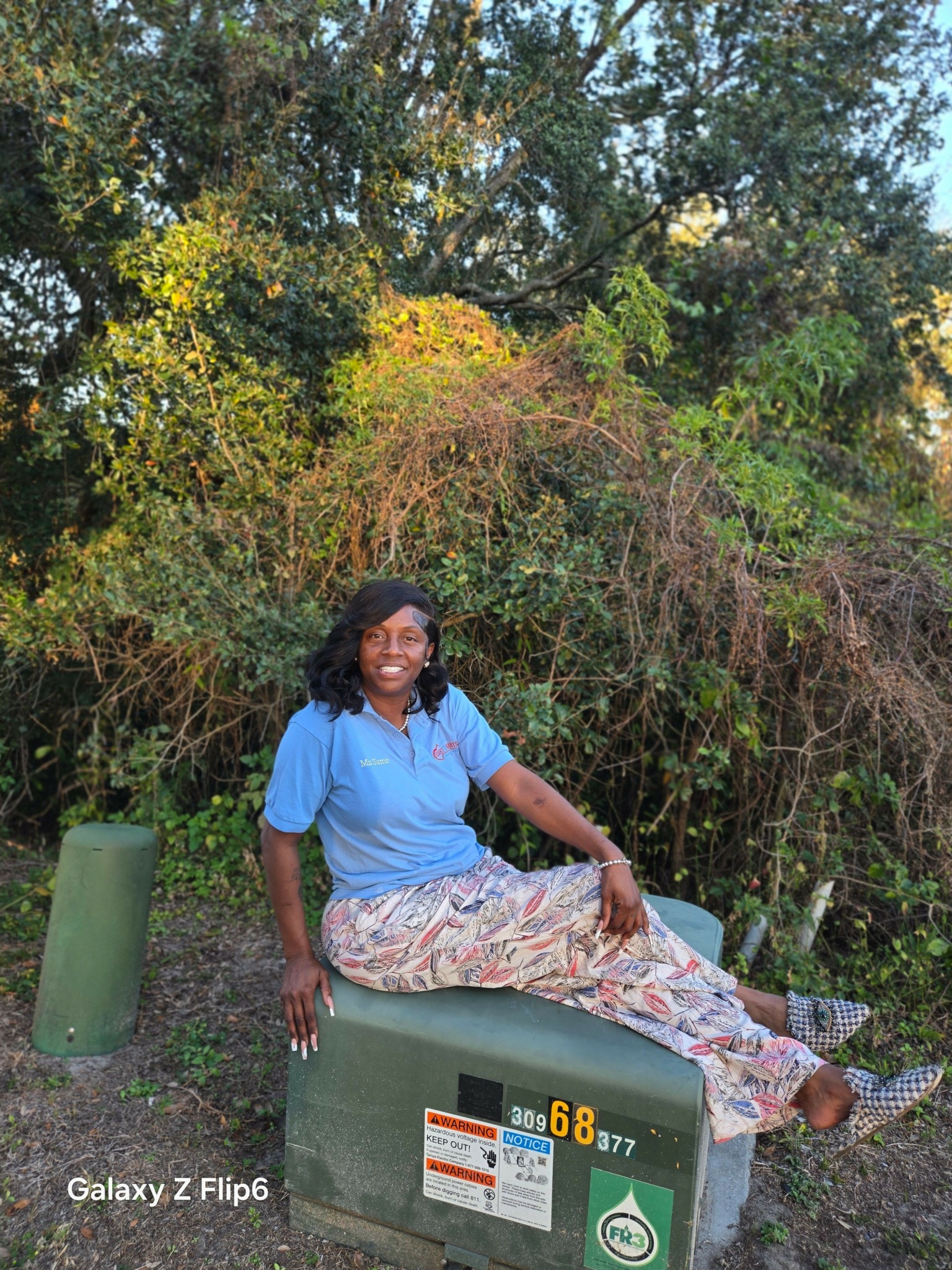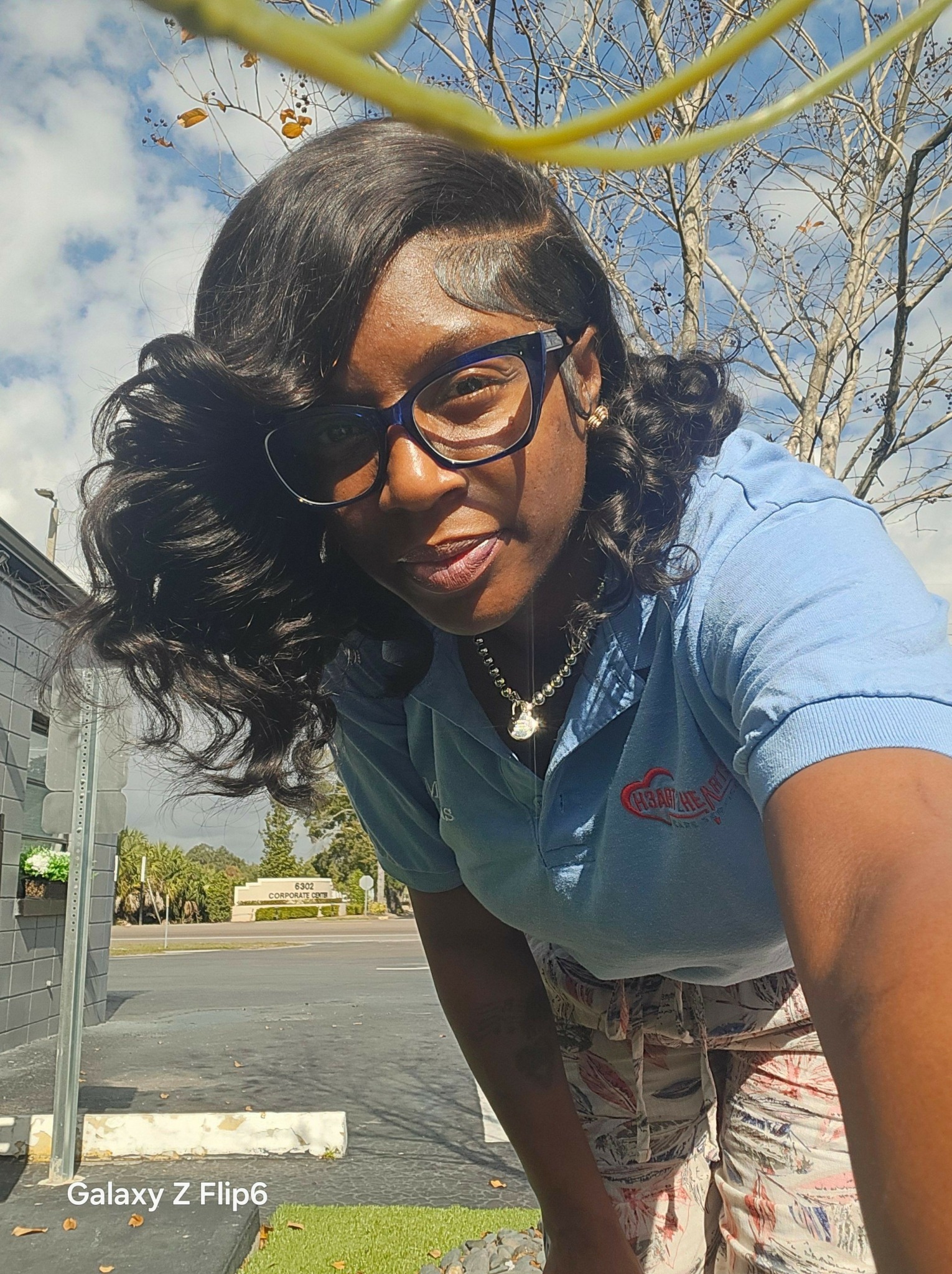

Alright – so today we’ve got the honor of introducing you to Whitney Sams. We think you’ll enjoy our conversation, we’ve shared it below.
Whitney, thanks for taking the time to share your stories with us today Alright, so you had your idea and then what happened? Can you walk us through the story of how you went from just an idea to executing on the idea
My business didn’t start with a grand plan or a perfectly mapped-out strategy. It started with proximity—being close to the work, close to the gaps, and close to the people who needed help.
I was already working in healthcare, seeing firsthand where systems broke down. Clients needed services that were consistent and compassionate. Workers needed structure, training, and support. Agencies needed compliance, organization, and leadership—but many were missing one or more of those pieces. The idea formed quietly: there has to be a better way to do this.
The shift from idea to execution didn’t happen overnight. The very next day wasn’t about launching—it was about learning. I started asking questions, researching regulations, understanding licensing requirements, and figuring out what “doing it right” actually meant. I focused less on branding and more on foundations: legal structure, compliance, policies, and procedures.
In the early months, everything was hands-on. I was the administrator, the scheduler, the problem-solver. I learned quickly that execution isn’t glamorous—it’s repetitive, detailed, and often uncomfortable. I had to figure out insurance, staffing, documentation, billing systems, and how to build trust with clients one relationship at a time.
As the months turned into years, the business grew because the structure grew. Systems replaced guesswork. Training replaced chaos. What started as an idea rooted in lived experience became an operation built on accountability and purpose.
Looking back, the most important step wasn’t the launch—it was the decision to move forward before everything felt ready. Execution, for me, has always been about showing up consistently, learning in real time, and building something solid enough to last.
Great, appreciate you sharing that with us. Before we ask you to share more of your insights, can you take a moment to introduce yourself and how you got to where you are today to our readers.
I’m a healthcare administrator and business owner with over a decade of hands-on experience in the medical and care services space. I didn’t enter this industry from the outside looking in—I came up through the work itself. I’ve been in the homes, in the facilities, and behind the scenes, seeing both the human side of care and the operational gaps that too often get overlooked.
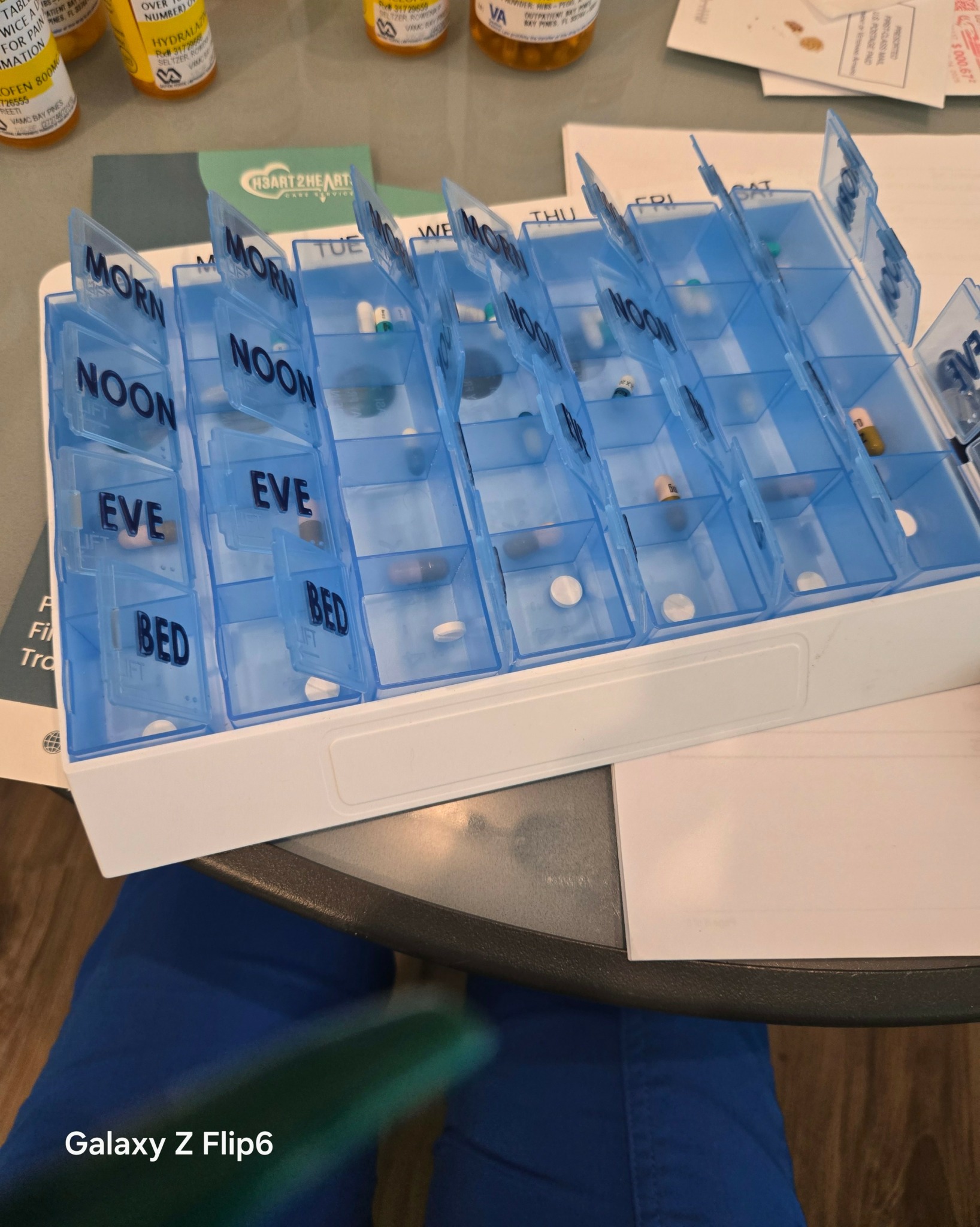
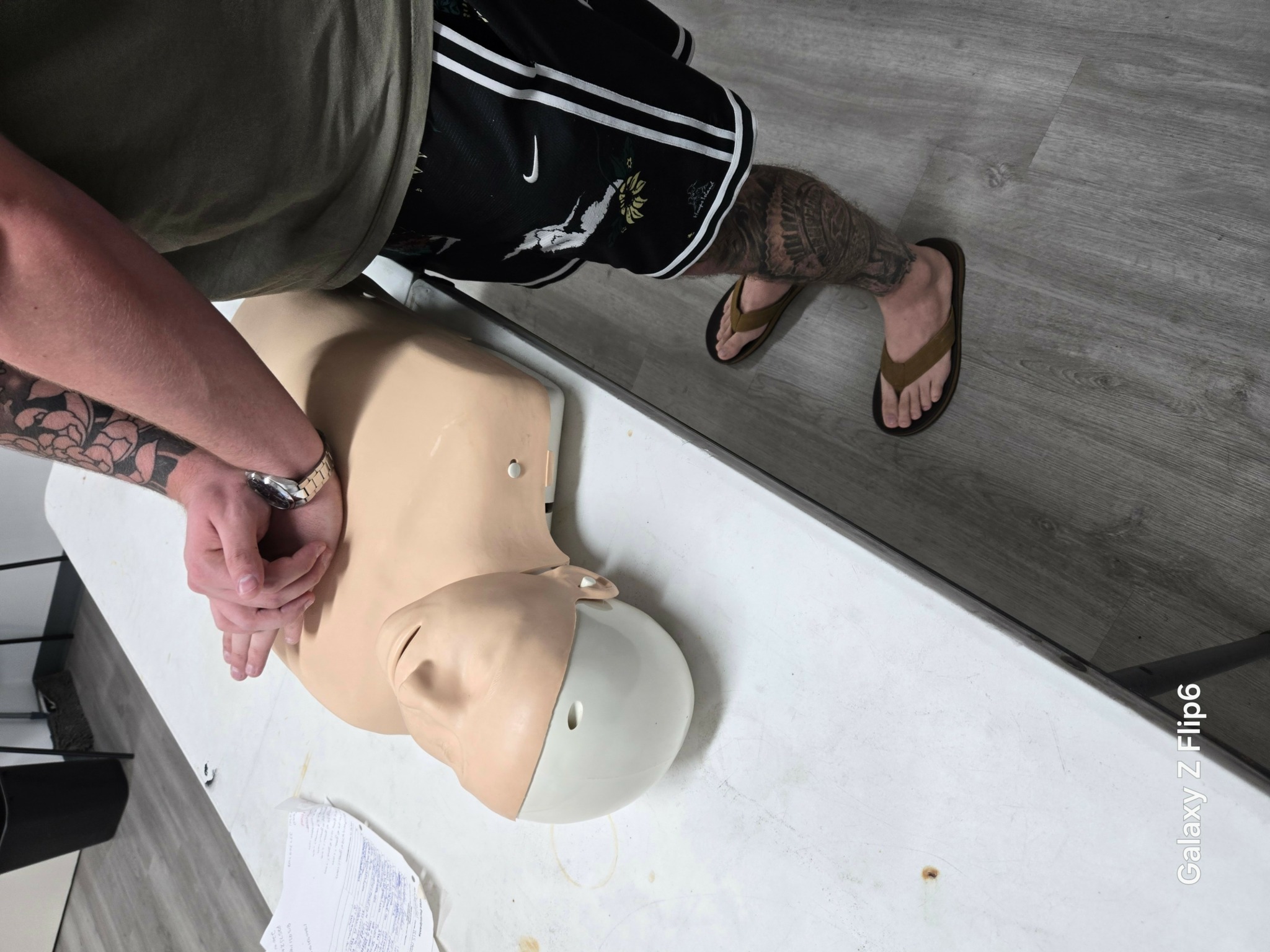
My work sits at the intersection of healthcare operations, workforce development, and compliance. Through my business, I provide home care services, healthcare training, and administrative support designed to help both clients and workers function within systems that are structured, ethical, and sustainable. At its core, my brand is about building foundations—whether that’s for a client receiving care, a worker entering the field, or an organization trying to grow without cutting corners.
What sets me apart is that I don’t just offer services—I build systems. I focus heavily on compliance, policies, procedures, and execution because I’ve seen what happens when those things are missing. Many people have good intentions in healthcare, but intention without structure leads to burnout, inconsistency, and failure. My role is often to bring clarity, order, and accountability to spaces that need it most.
The problems I solve are rarely surface-level. I help organizations and individuals move from confusion to structure, from survival mode to sustainability. That might look like setting up proper operational workflows, training staff correctly, or ensuring that care is delivered in a way that protects both the client and the provider.
What I’m most proud of isn’t growth for growth’s sake—it’s longevity. I’ve built something that lasts because it’s rooted in lived experience, discipline, and a refusal to skip steps. I want people to know that my work is intentional, practical, and purpose-driven. I don’t believe in loud branding or shortcuts. I believe in execution, consistency, and doing the work the right way—even when no one is watching
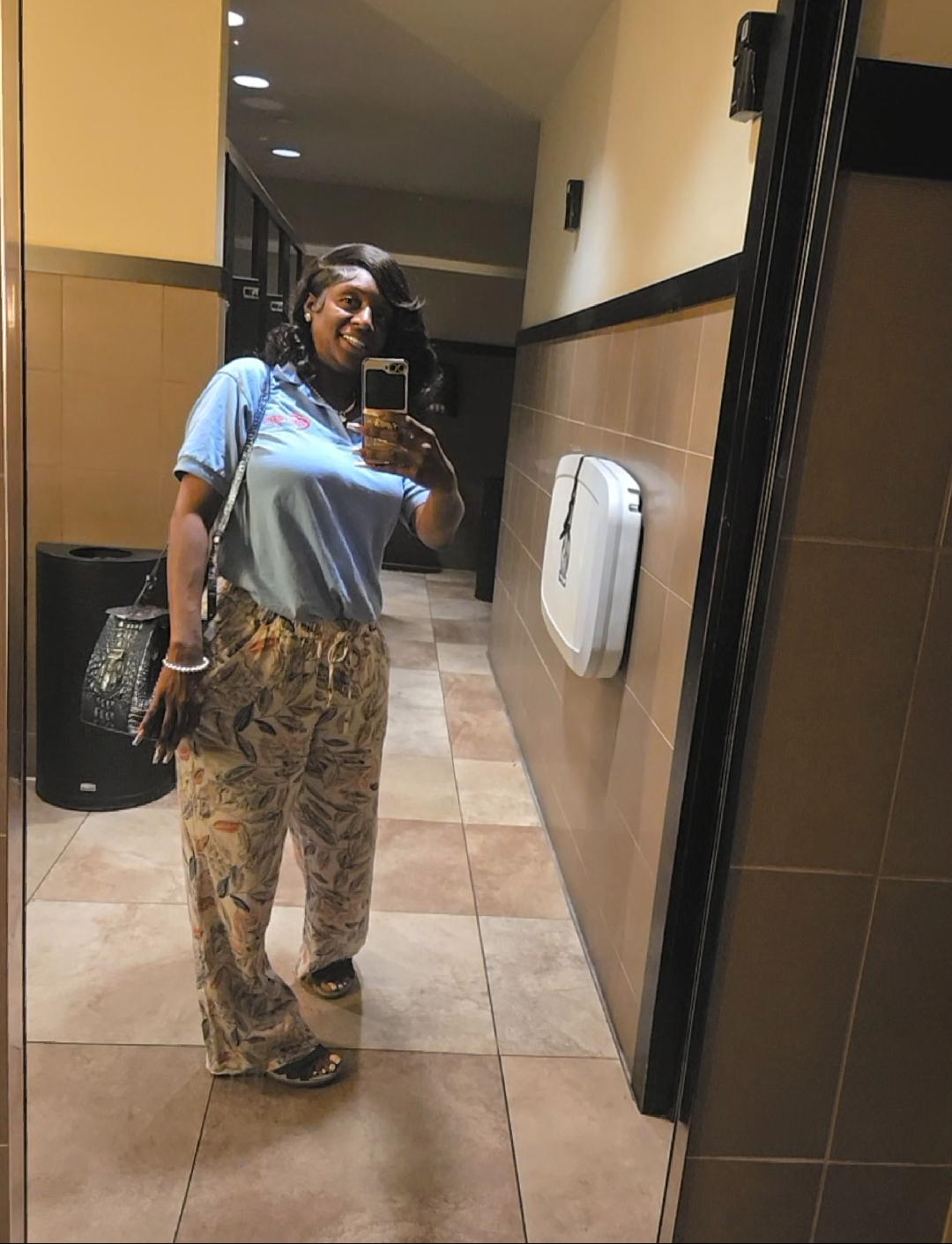
Can you talk to us about how your side-hustle turned into something more.
What started as a side hustle was never meant to stay small—it was a proving ground. I began by taking on work outside of my primary role, filling gaps I was already seeing in healthcare operations and care delivery. At that stage, the goal wasn’t scale; it was consistency and competence. I wanted to make sure the work could stand on its own before asking it to replace anything else.
The first major milestone was realizing the demand wasn’t occasional—it was recurring. Clients weren’t just satisfied; they were referring others. That told me the model worked. From there, I focused on formalizing the business: proper licensing, compliance, policies, and systems that could support growth without compromising quality.
Another key milestone was transitioning from doing everything myself to building structure around the work—clear workflows, documentation, and accountability. That’s when the business stopped relying on my presence alone and started operating as an organization.
The shift to full-time wasn’t impulsive. It was data-driven. Once the business demonstrated sustainability, predictability, and alignment with my long-term vision, I made the transition confidently. Scaling wasn’t about doing more—it was about doing things correctly, consistently, and in a way that could last.
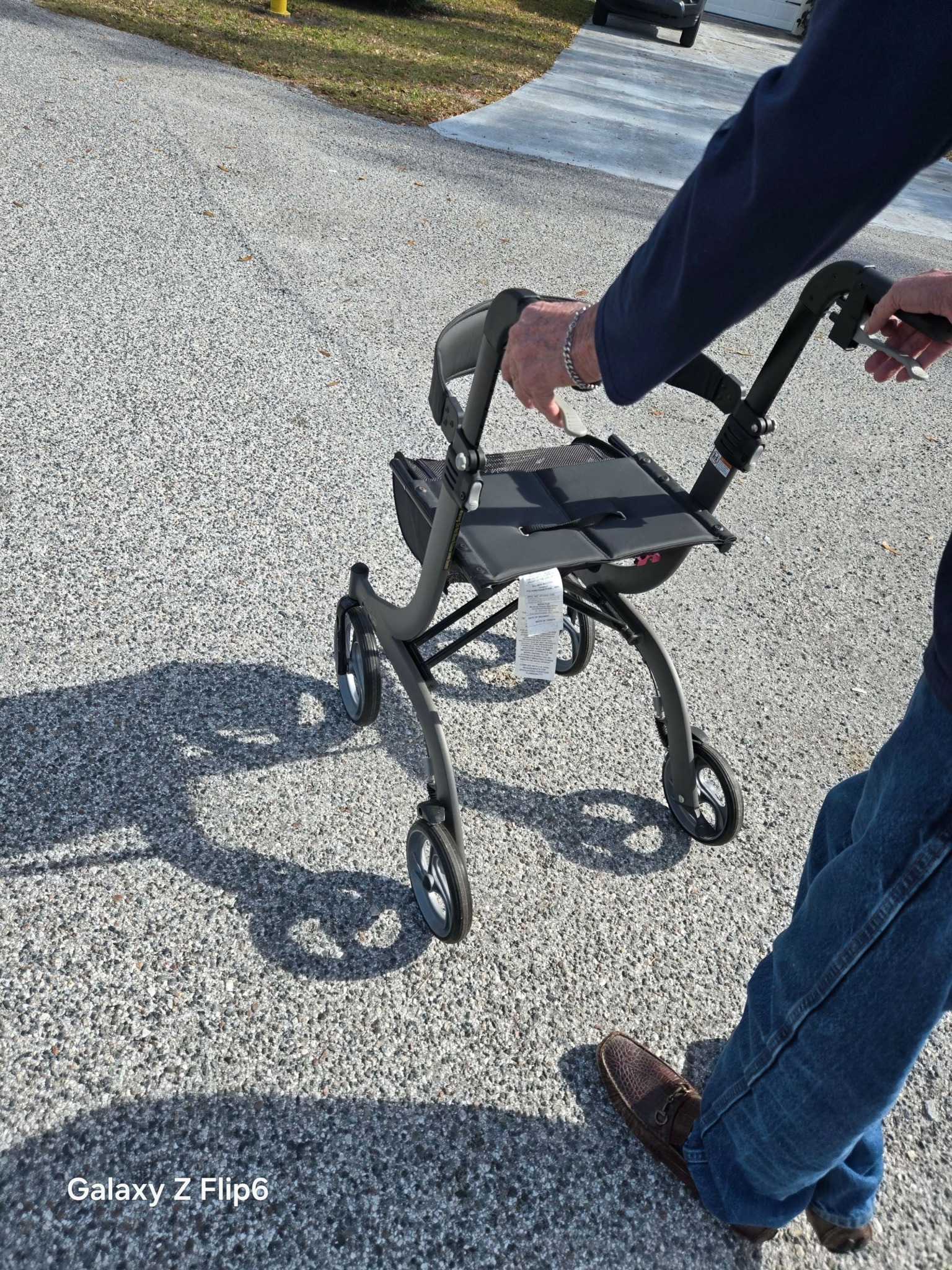
How do you keep your team’s morale high?
Managing a team starts with clarity. People perform better when expectations are clear, roles are defined, and standards are consistent. In my experience, morale doesn’t come from constant motivation—it comes from structure, fairness, and trust.
I focus on setting systems that support people rather than overwhelm them. That means proper training, clear communication, and processes that remove unnecessary confusion. When team members know what’s expected and feel equipped to do their jobs well, confidence follows naturally.
Another key element is accountability paired with respect. High morale isn’t about lowering standards—it’s about holding people to standards while treating them like professionals. I’ve found that consistency builds trust far more than over-promising or trying to please everyone.
Ultimately, morale is sustained when people feel their work has purpose and their leadership is steady. My role is to create an environment where people can show up, do meaningful work, and know the structure supports them—even on hard days
Contact Info:
- Website: https://Www.H3art2Hearts.net
- Linkedin: Whitney Sams