

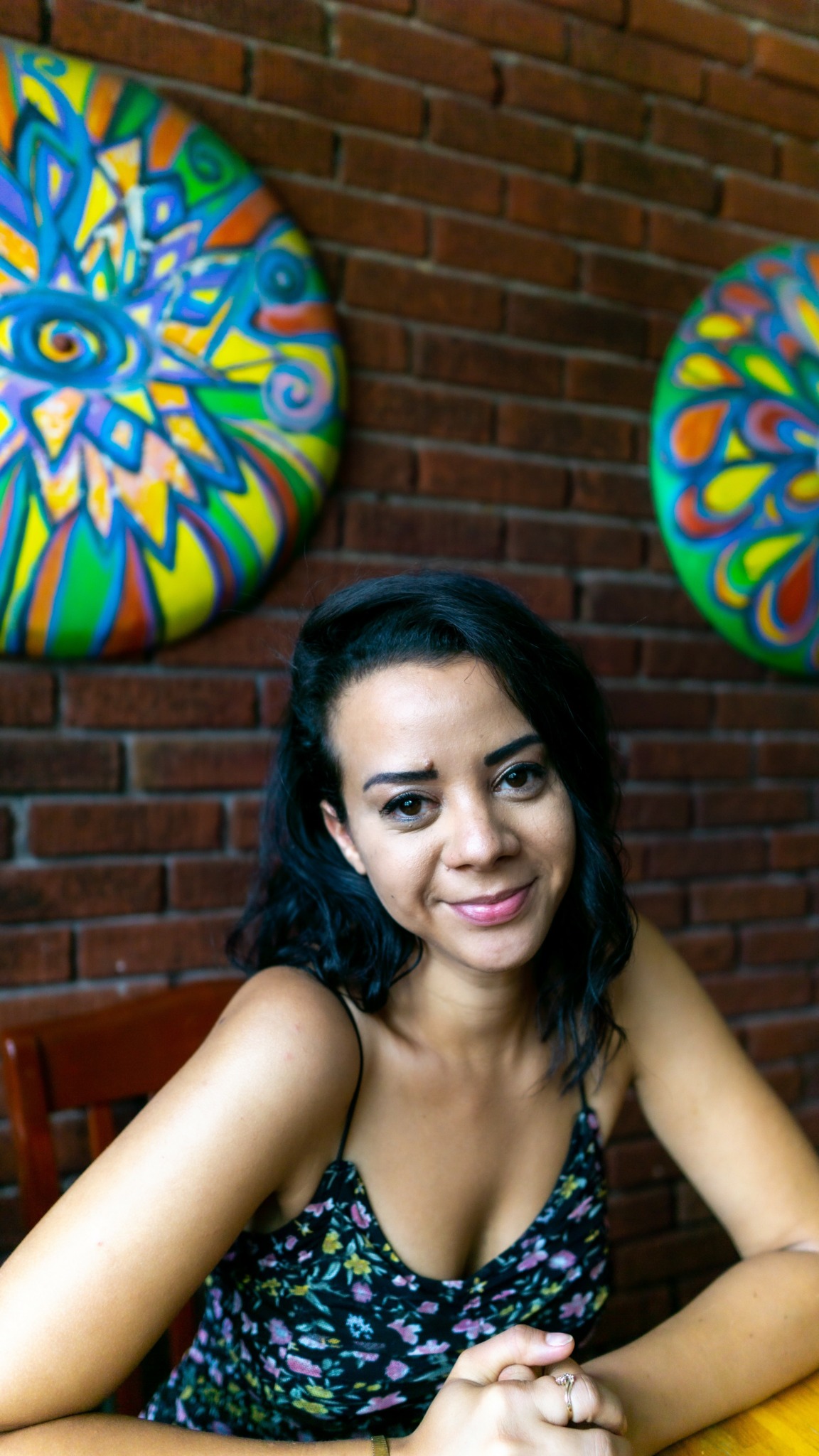

Alright – so today we’ve got the honor of introducing you to Whitney Bentley. We think you’ll enjoy our conversation, we’ve shared it below.
Hi Whitney , thanks for joining us today. What’s been the most meaningful project you’ve worked on?
I’m currently working on what I feel is my most meaningful project. In 2014, I began doing commissioned artwork for clients and in 2019, a full time business owner. I have been able to stay fairly busy with client projects through digital art, graphic design, and painting commissions. However the downside of that is less time for my own creative projects.
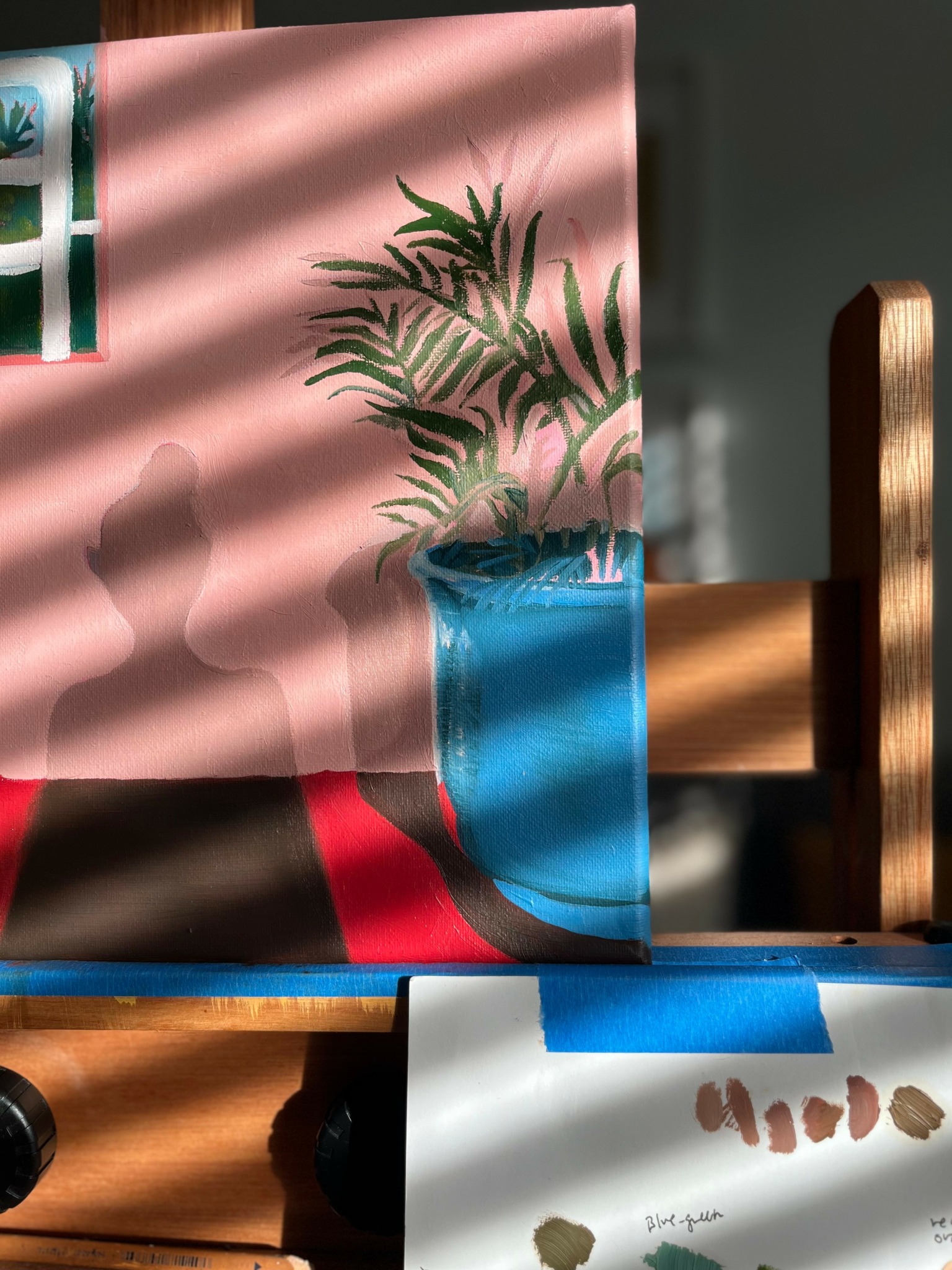
More recently though, I felt the need to turn inward and prioritize some long term personal projects. One of those is a series of paintings based on travel to Puerto Rico. All of my images are referenced from photos and videos that I took while traveling with friends to various cities across the island. My trips to Puerto Rico have been both made possible and inspired by friendship, love lost, healing, celebration, and resourcefulness. In that sense, creating from personal experiences adds value to each of these pieces. So far, I have completed seven pieces and it will be my first cohesive collection of paintings. One of my goals this year is to complete approximately 10-15 pieces and share this body of work with the public.
I wrote a full artist statement for this series and found the through-line in every piece are shadows, bright colors, architecture, and plant life. I can’t wait to complete this body of work because I think the overarching themes in this series will transport the viewer.
Whitney , love having you share your insights with us. Before we ask you more questions, maybe you can take a moment to introduce yourself to our readers who might have missed our earlier conversations?
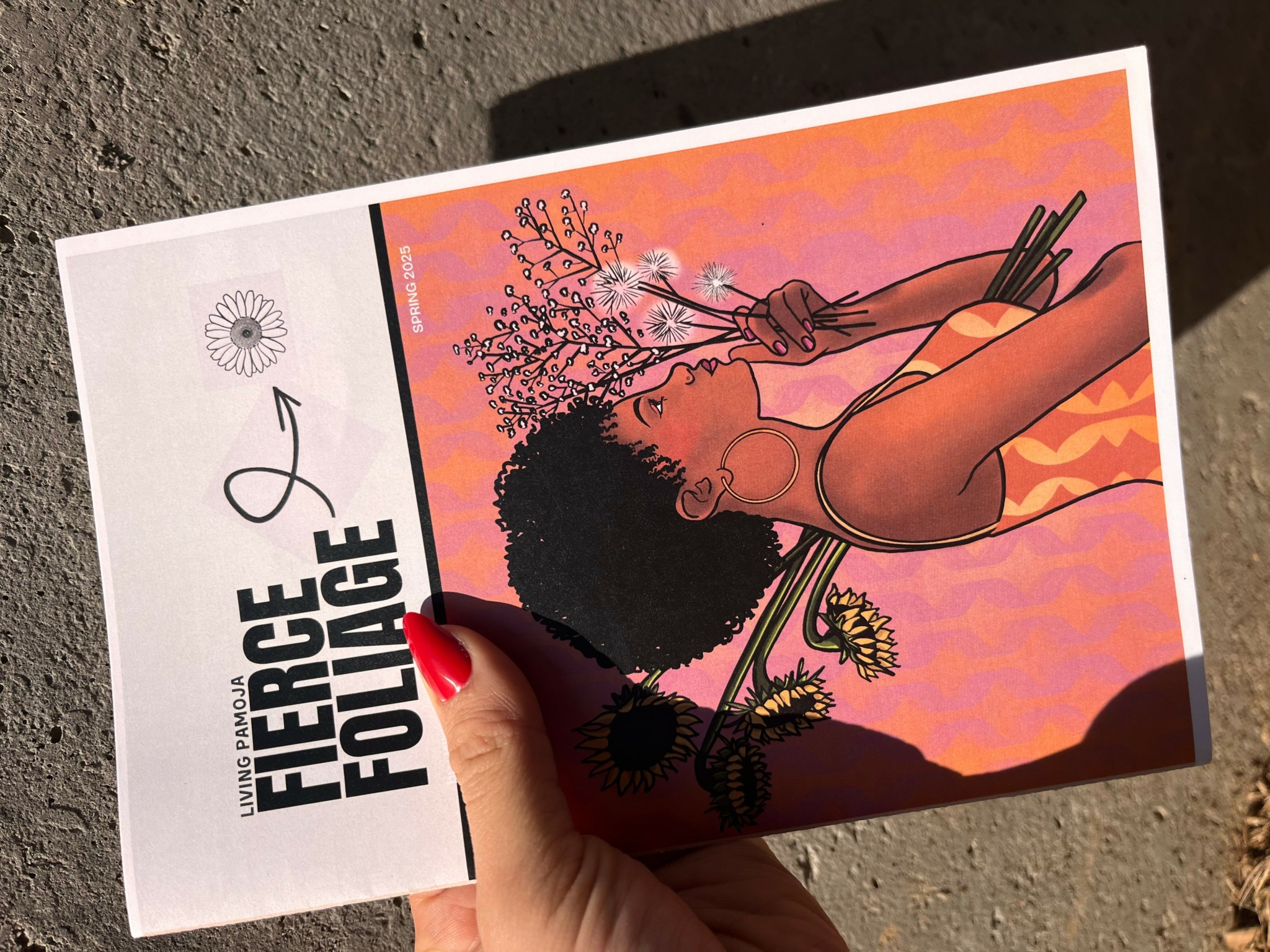
As the owner of Pamoja Keepsakes, I wear many hats. Over the years, I’ve had the privilege of delivering graphic design work and original illustrations for nonprofits and private collectors alike.
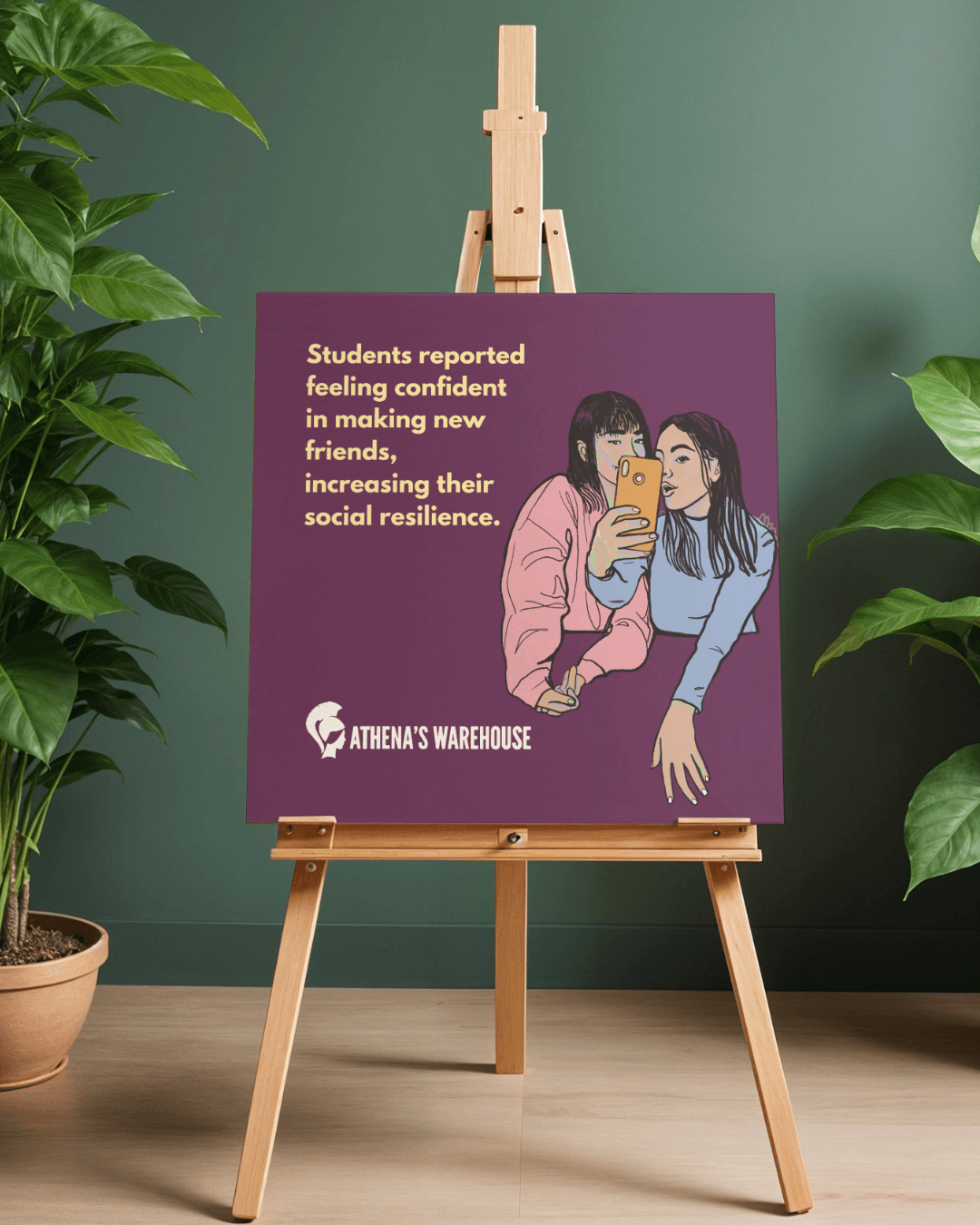
For nonprofits, the work I do goes beyond aesthetics, it’s about storytelling. I help organizations translate their impact into compelling digital assets, simplified annual reports, and merchandise that resonate with their audiences. Keeping donors informed isn’t just good communication; it has a direct effect on donor retention. When supporters can clearly articulate an organization’s programs, services, and outcomes, the nonprofit’s mission becomes something the whole community can champion and sustain.
One of the things I’m most proud of is how this work has built, and continues to build, genuine community in my life. Since 2019, the majority of my clients have come through relationships and referrals rather than cold outreach. That includes connections made through social media and paying clients who became advocates. My audience may not be the largest, but it’s organic, rooted in real-world relationships, and a true reflection of the trust people place in what I create. To me, that kind of growth: slow, steady, and sincere means everything.
What do you find most rewarding about being a creative?
I share this perspective with creatives that I get to know: we are powerful. Often as creatives we have more ideas than we have time to execute them. Often this can feel like a burden, an embarrassment, or even failure. This simply isn’t true. Our unexecuted ideas and projects are a form of wealth. I remind any creative reading this that your creative ideas -brought to completion or not- are a superpower. It’s easy to get discouraged in the era of AI where “products of creativity” are just a prompt away. True creative people understand that the good stuff really takes time, and that’s okay. We don’t have to rush, execute, or monetize for our ideas to carry value because the ideas themselves are an asset.
What can society do to ensure an environment that’s helpful to artists and creatives?
The future of creative people having the ability to monetize is under a very real threat.
Supporting real people and real creative work comes with a responsibility we all share. That means being willing to accept a little personal inconvenience — whether it’s being more intentional about how we use AI tools or advocating for ethical practices in our industry. The environmental toll of data centers and the ongoing theft of intellectual property are issues worth actively standing against.
I read recently about an author who every time he publishes a book there are 2-3 “companion” books that will come out the same day that his releases. In fact, Amazon has put a limit of publishing 3 books per day per user because of the predatory practices that AI has enabled. This is an example of what authors and the publishing industry are currently facing, and it’s not sustainable.
We have a responsibility as consumers to do our due diligence and demonstrate to the market that we are not willing to invest in products made from stolen intellectual property. This impacts not only visual artists but music, literature, etc. Creators need to invest in legally protecting our work and consumers need to be intentional about who and what their money is going towards.
Contact Info:
- Website: https://pamojakeepsakes.com
- Instagram: @pamojakeepsakes
- Other: Substack: @LivingPamoja,
Stampfans.com: https://www.stampfans.com/livingpamoja – get new art in your mailbox every month,
A NEW dashboard for my interactive newsletter is coming soon. Follow me on IG to stay tuned for the launch date!
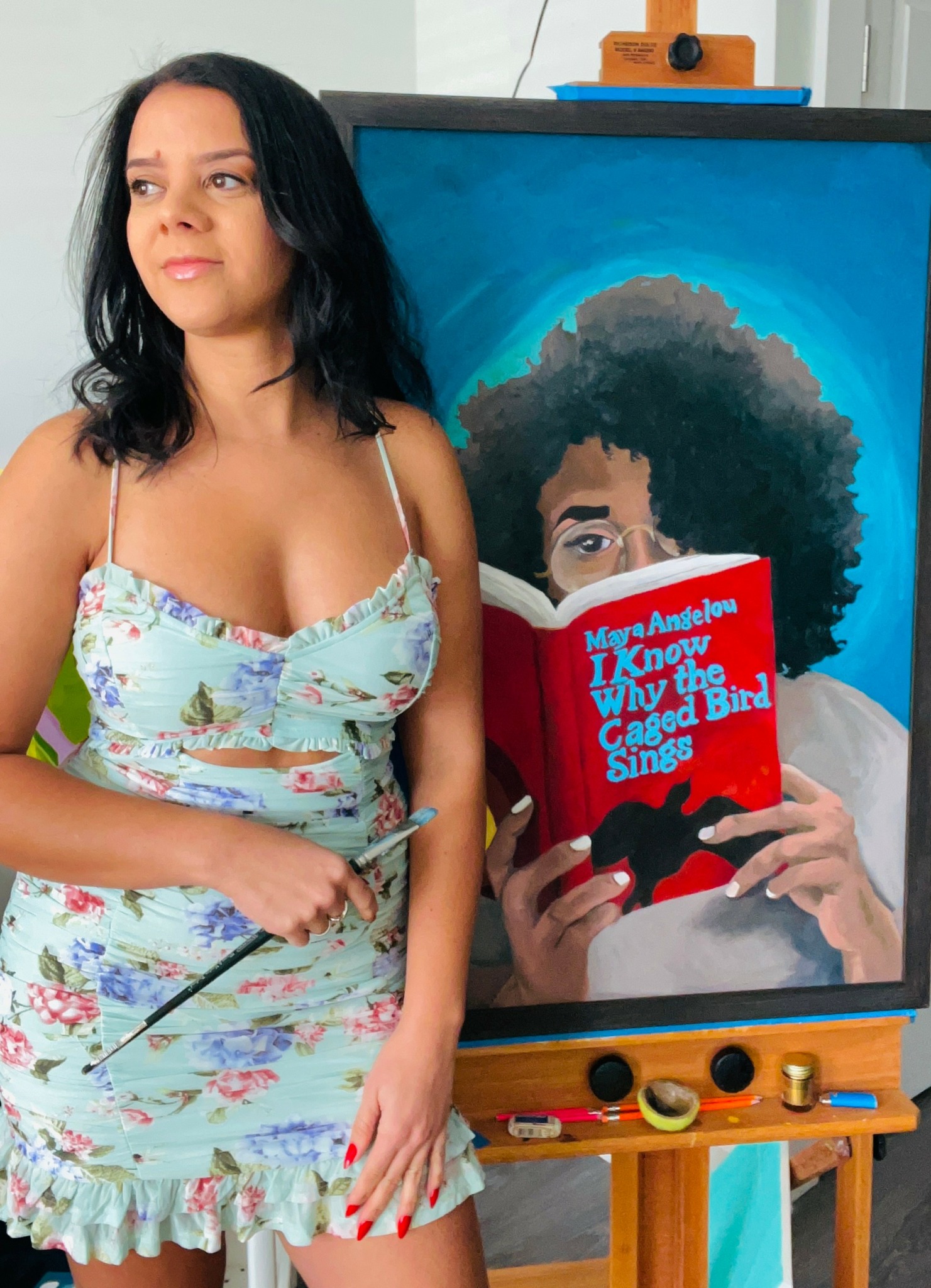
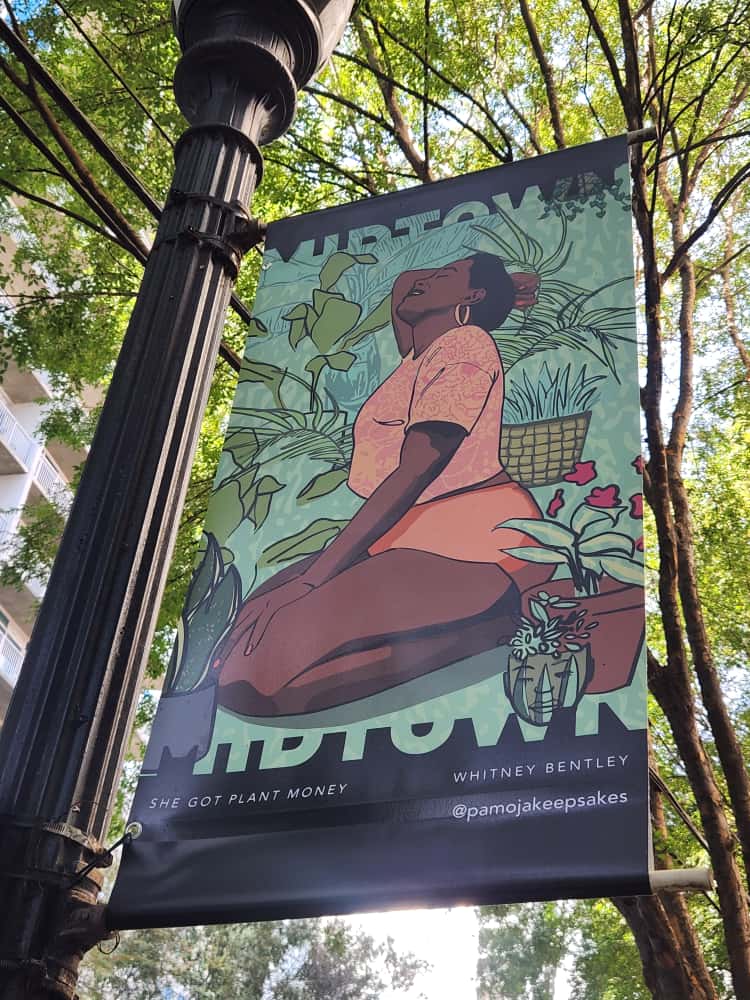
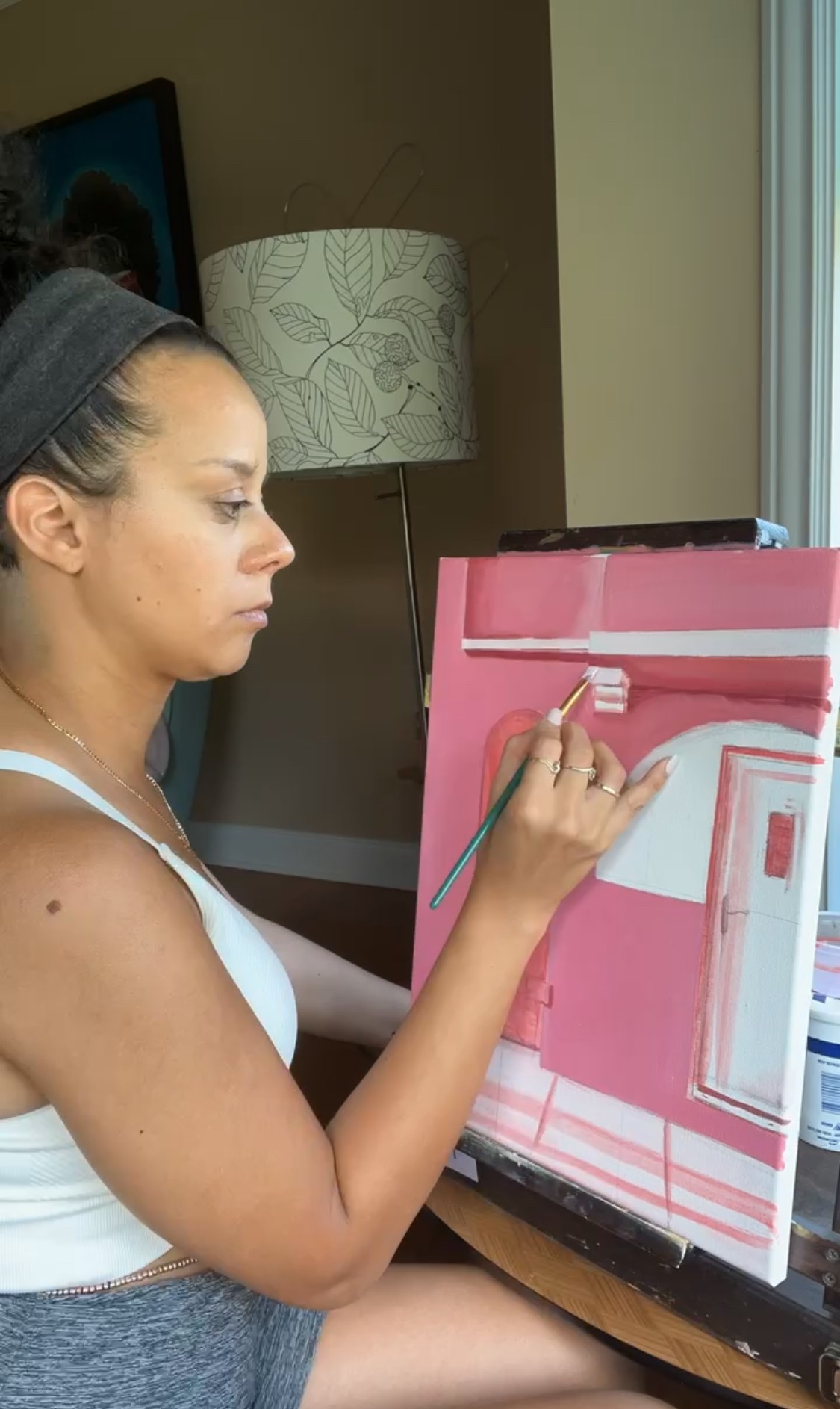
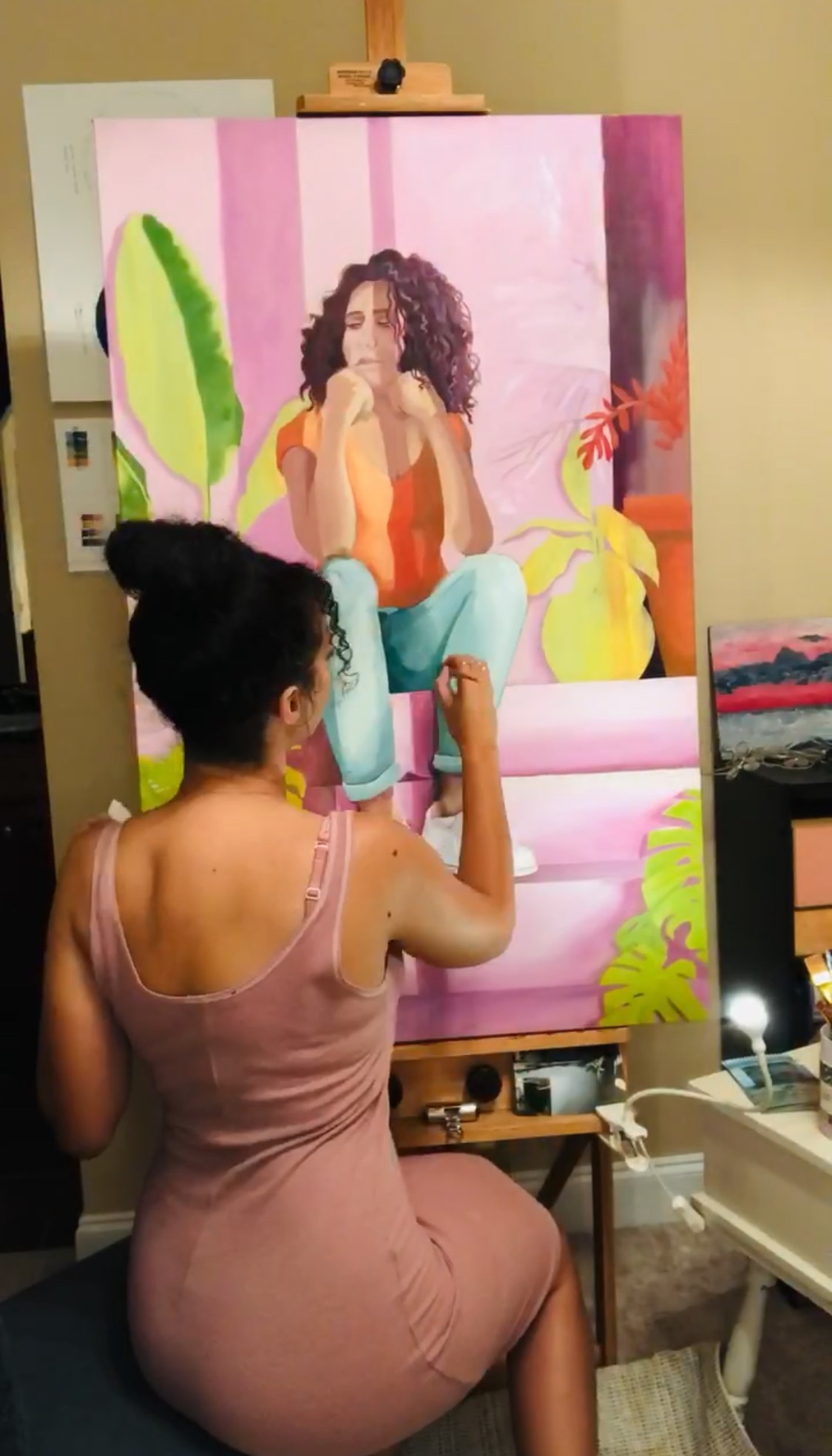
Image Credits
Mannie Rivers