

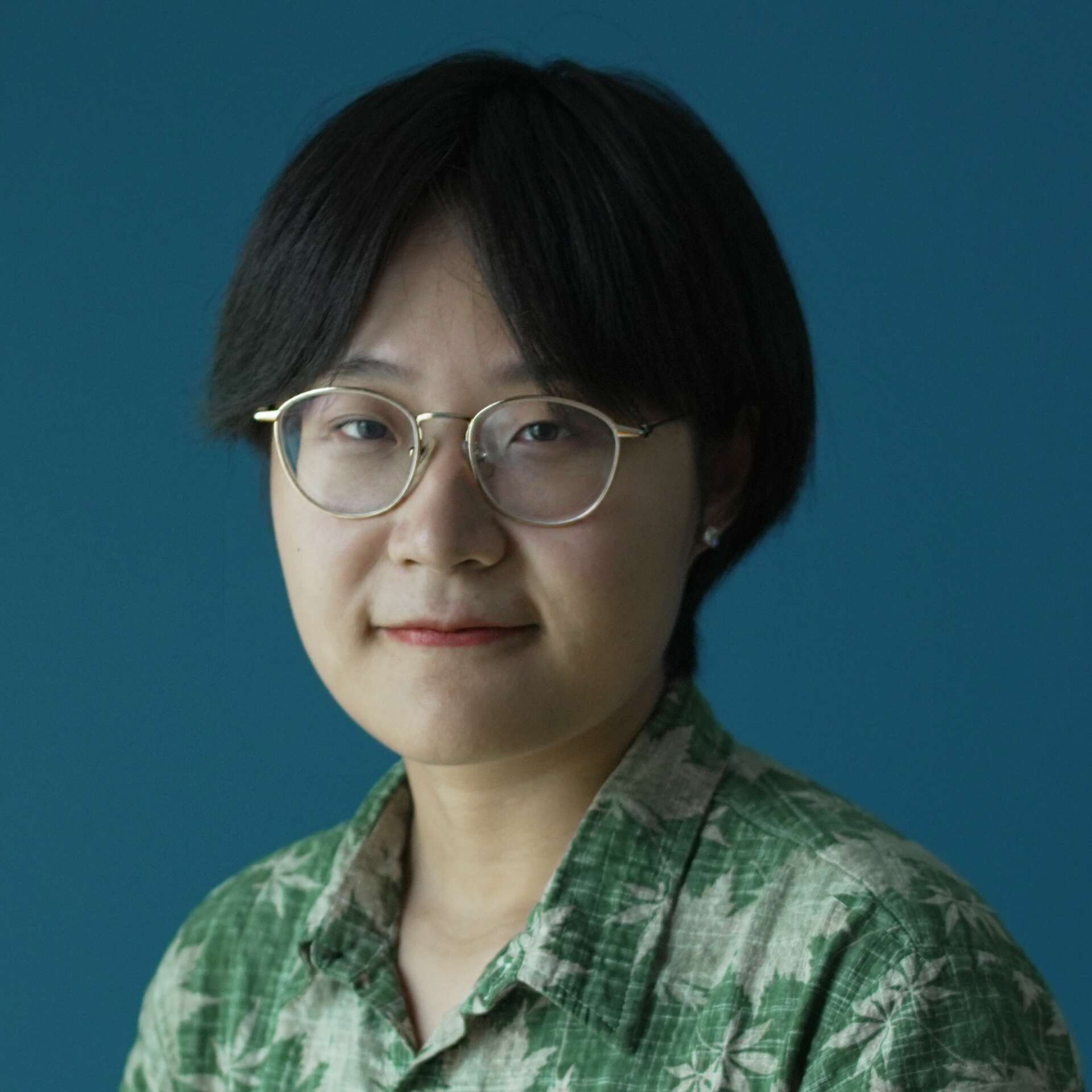

We were lucky to catch up with Wenjin(Kris) Xi recently and have shared our conversation below.
Wenjin(Kris), thanks for taking the time to share your stories with us today Learning the craft is often a unique journey from every creative – we’d love to hear about your journey and if knowing what you know now, you would have done anything differently to speed up the learning process.
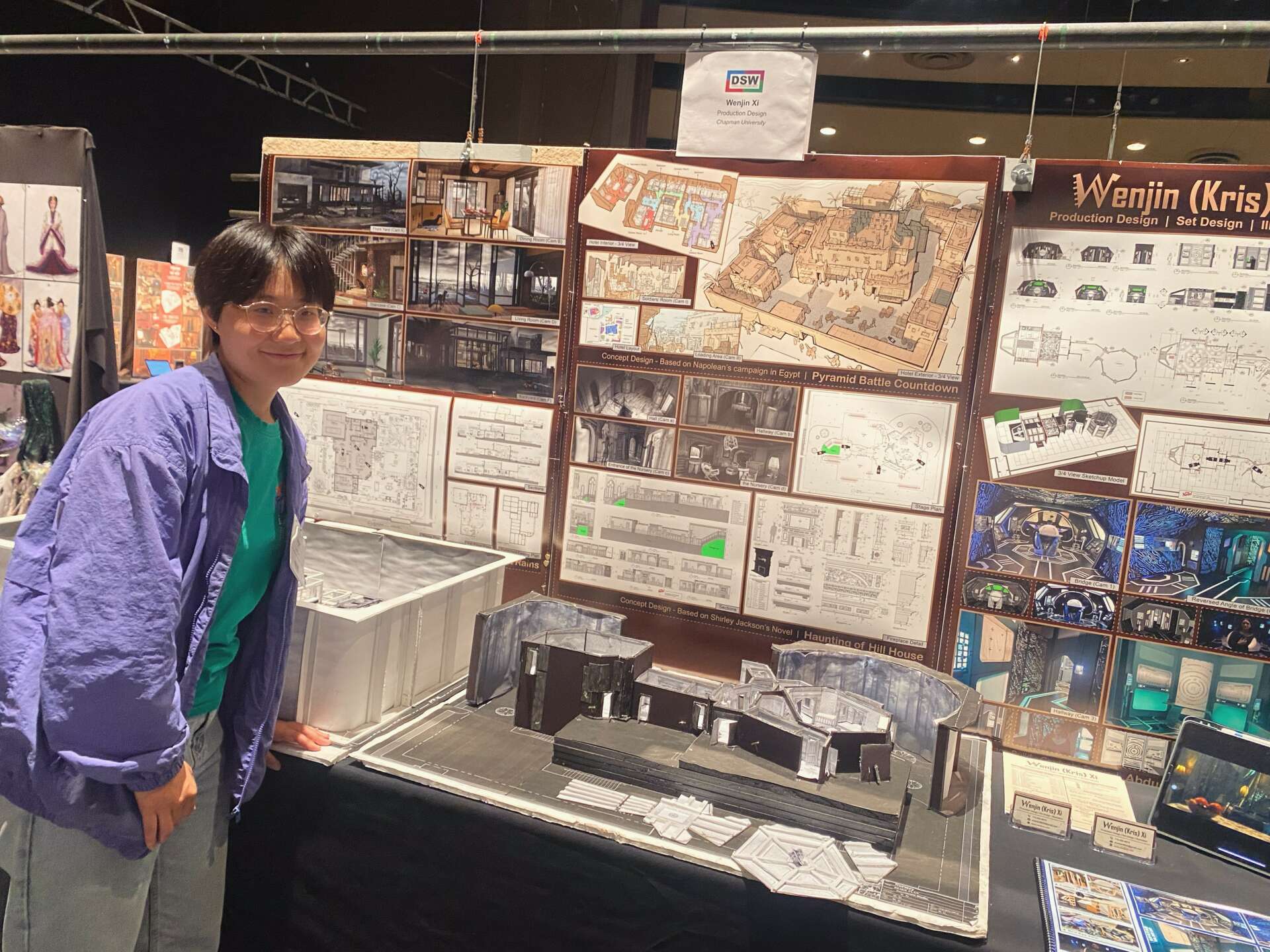
“How did you learn to do what you do?” Working in the art department of the film industry demands a diverse skill set: researching, establishing vision, crafting digital and physical models, creating illustrations, managing budgets and schedules, and collaborating with the crew. I acquired these skills through various means, including film concept art courses that improved my illustrative abilities. I pursued an MFA in production design at Chapman University, learning about model making, drafting, and set construction. Through work, I honed communication, planning, and research skills while collaborating on diverse projects with various directors. Combining classroom learning with work experience deepened my grasp of ‘production design’.
“Knowing what you know now, what could you have done to speed up your learning process?”
If I could have accelerated my learning process, I would have commenced by pursuing a bachelor’s degree in architecture with a minor in film studies. These fields are pivotal for a production designer. Architecture instills knowledge in environmental design, logical thinking, and practical skills, while film studies broaden comprehension of film history and cinematic language. Subsequently, I would still have pursued a master’s degree in production design from a film school and aimed to join a union to engage with high-budget studio films. As dedicated resources specifically teaching ‘production design’ techniques are scarce, experiential learning from industry professionals is paramount.
“What Skills do you think were most essential?”
Possessing strong organization, communication, and self-learning skills is paramount. Firstly, organization is essential due to the time and resource constraints of film design. Effective planning ensures timely project completion and prudent budget management. Additionally, teamwork is vital in filmmaking. Articulating ideas clearly and nurturing positive relationships with colleagues are vital, and communication skills are imperative. Lastly, the ability to learn autonomously is indispensable. Production design constitutes a lifelong learning journey, facilitated by readily accessible online resources for acquiring software proficiency, technical skills, and knowledge. Your passion and willingness to learn are key determinants of success.
“What obstacles stood in the way of learning more?”
The primary obstacle to greater learning is the ‘lack of time’. Filmmaking can be strenuous, frequently demanding 12-hour workdays. Finding the energy to learn after work is challenging, necessitating a strong passion to sustain this commitment.”
Wenjin(Kris), before we move on to more of these sorts of questions, can you take some time to bring our readers up to speed on you and what you do?
I am Wenjin ‘Kris’ Xi, born and raised in Shanghai, China. I began learning painting in kindergarten and have nurtured my dream of becoming a designer from a young age. I earned my bachelor’s degree in Fashion Design and Engineering from Donghua University in China. During my undergraduate thesis on studying and restoring 19th-century corsets, I discovered a stronger passion for historical design over modern design. Recognizing film’s potential to fuel this new passion, I transitioned to the entertainment industry to explore its possibilities.
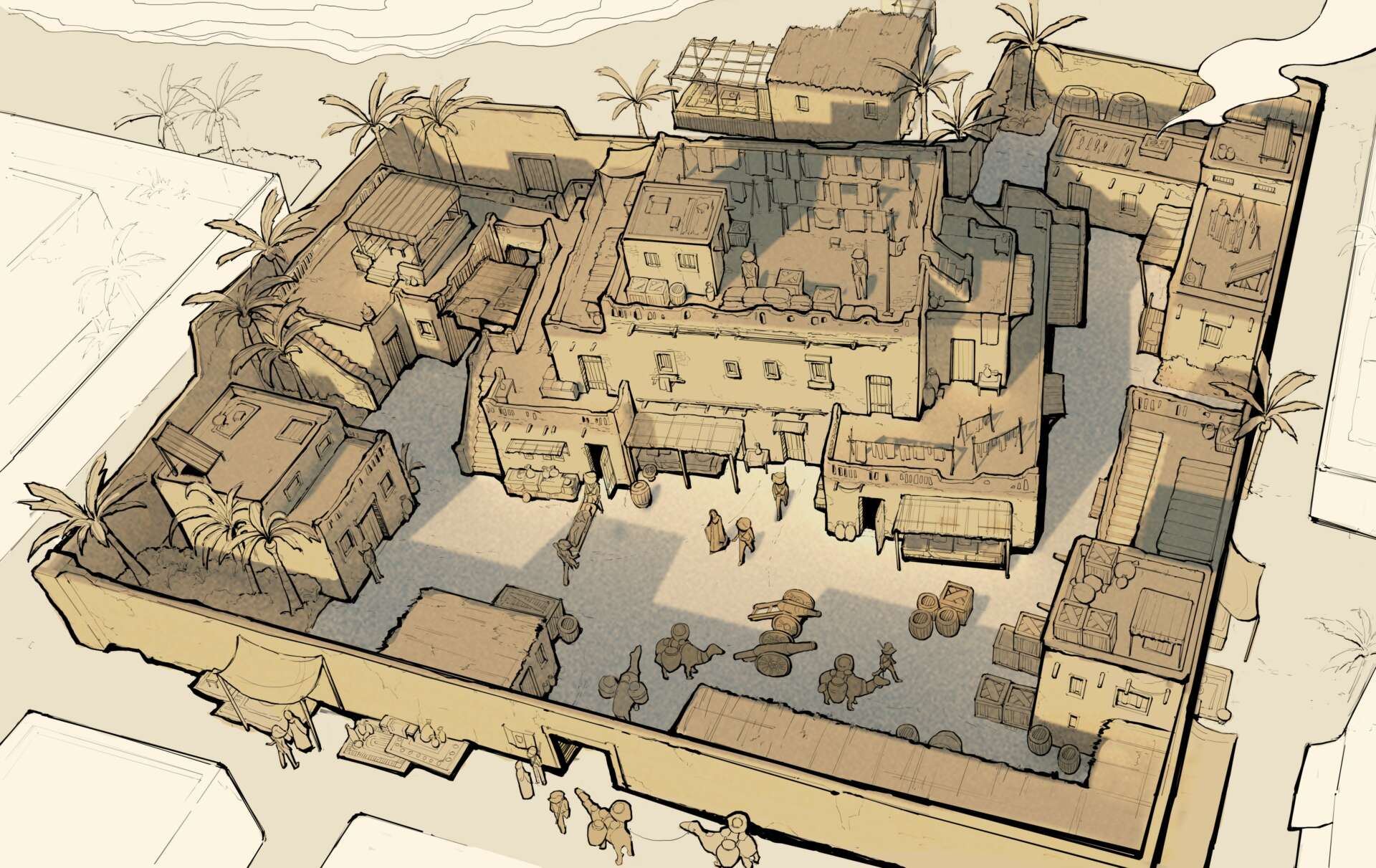
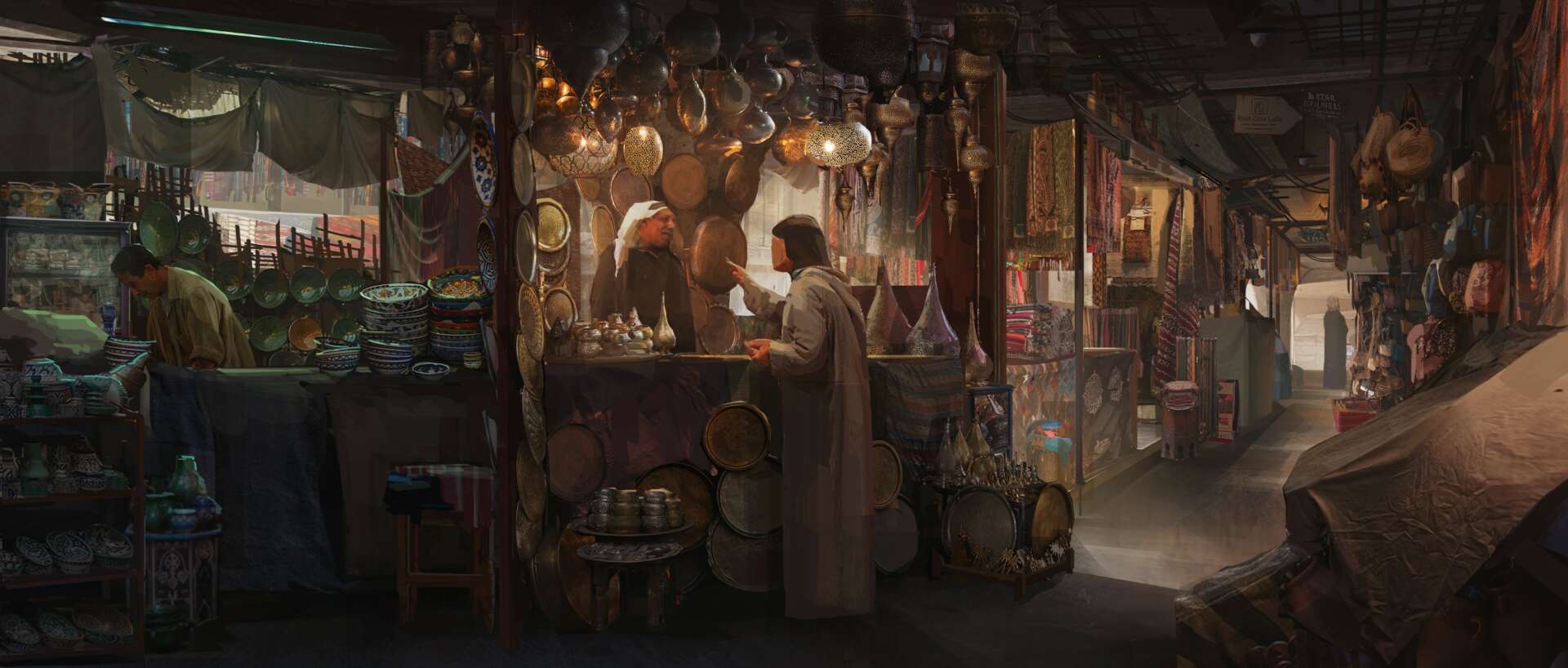
Initially, I was unaware of ‘production design’. My knowledge was limited to the existence of ‘concept designers’ in the film industry, owing to the impressive illustrations I encountered online. Thankfully, my proficiency in drawing led me to believe it could be my entry point into the film world. I undertook a 4-month full-time film concept art course in Beijing under the guidance of renowned Chinese concept artist Chenglong (Ivan) Zheng. This course equipped me with techniques for becoming a film illustrator, including creating illustrations and crafting interior and exterior environments with proper layout, composition, mood, and lighting for film. It was during this course that I discovered the art department’s role in creating entire cinematic worlds like Hogwarts in Harry Potter or spaceships in Star Trek.
After completing the concept art course, I secured a position at an escape room company. Surrounded by talented art directors, interior designers, and draftsmen, I gained valuable experience. However, after a year, I realized my limitations. While I excelled in envisioning and illustrating concepts, I lacked the knowledge to transform them into tangible realities due to a deficit in architecture, materials, and construction understanding. This realization spurred my interest in designing functional and realistic environments, transcending mere visual appeal.
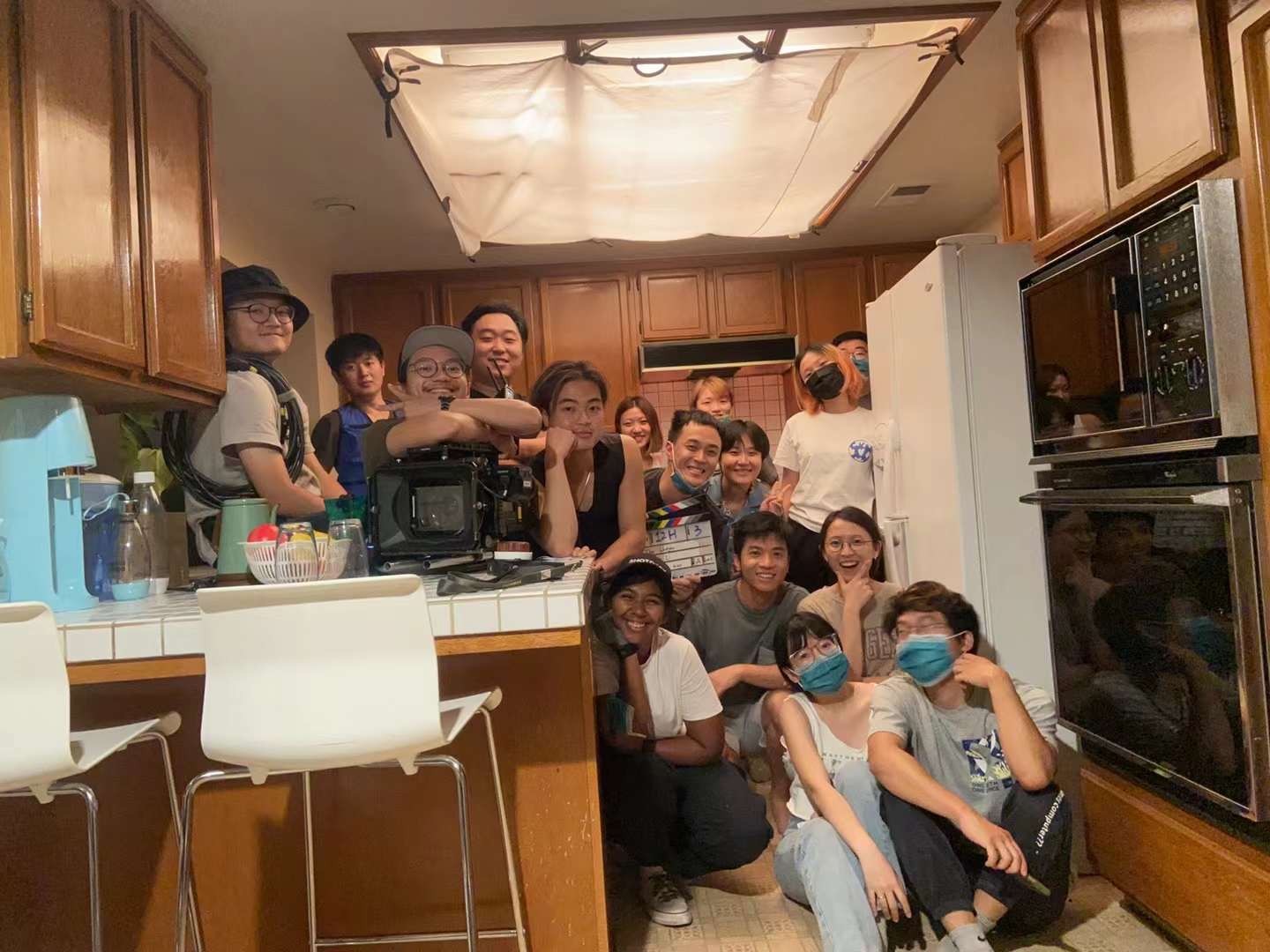
To enhance my expertise, I pursued a production design degree at Chapman University in the United States. During this period, I acquired drafting and model-making skills, as well as stagecraft and management skills, under the guidance of esteemed art directors like John Chichester, ADG and Dan Jennings, ADG. Concurrently, I contributed to over 20 short films, honing organizational and collaborative abilities while working with diverse directors. Some of them has won awards in several international film festivals.
Post-graduation, I earned a place in the 2023 Production Design Initiative Program of the Art Directors Guild, affording me the privilege of continuous learning from accomplished designers. Simultaneously, I continued working as a production designer, art director, and set designer for indie feature films and commercials.
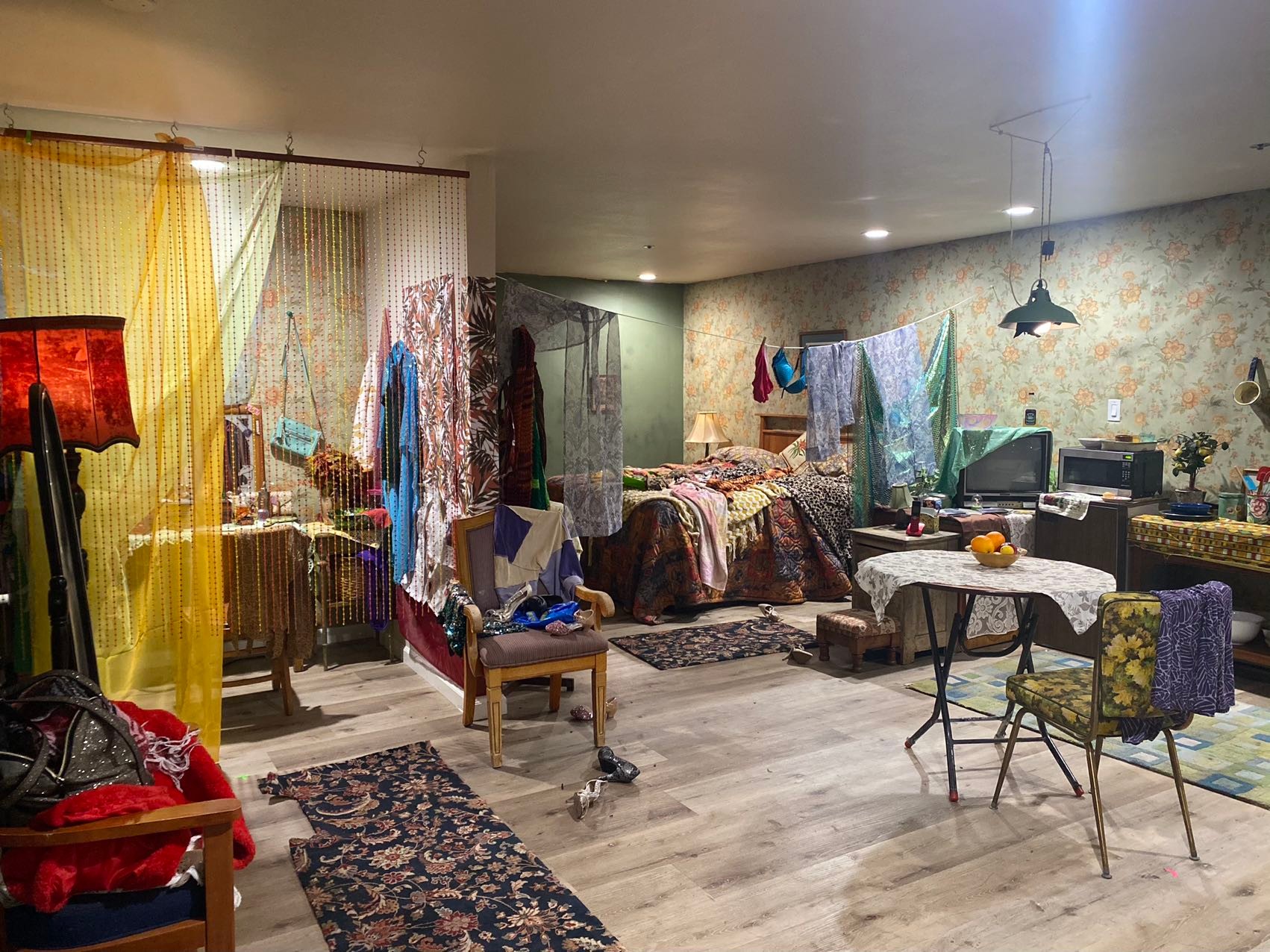
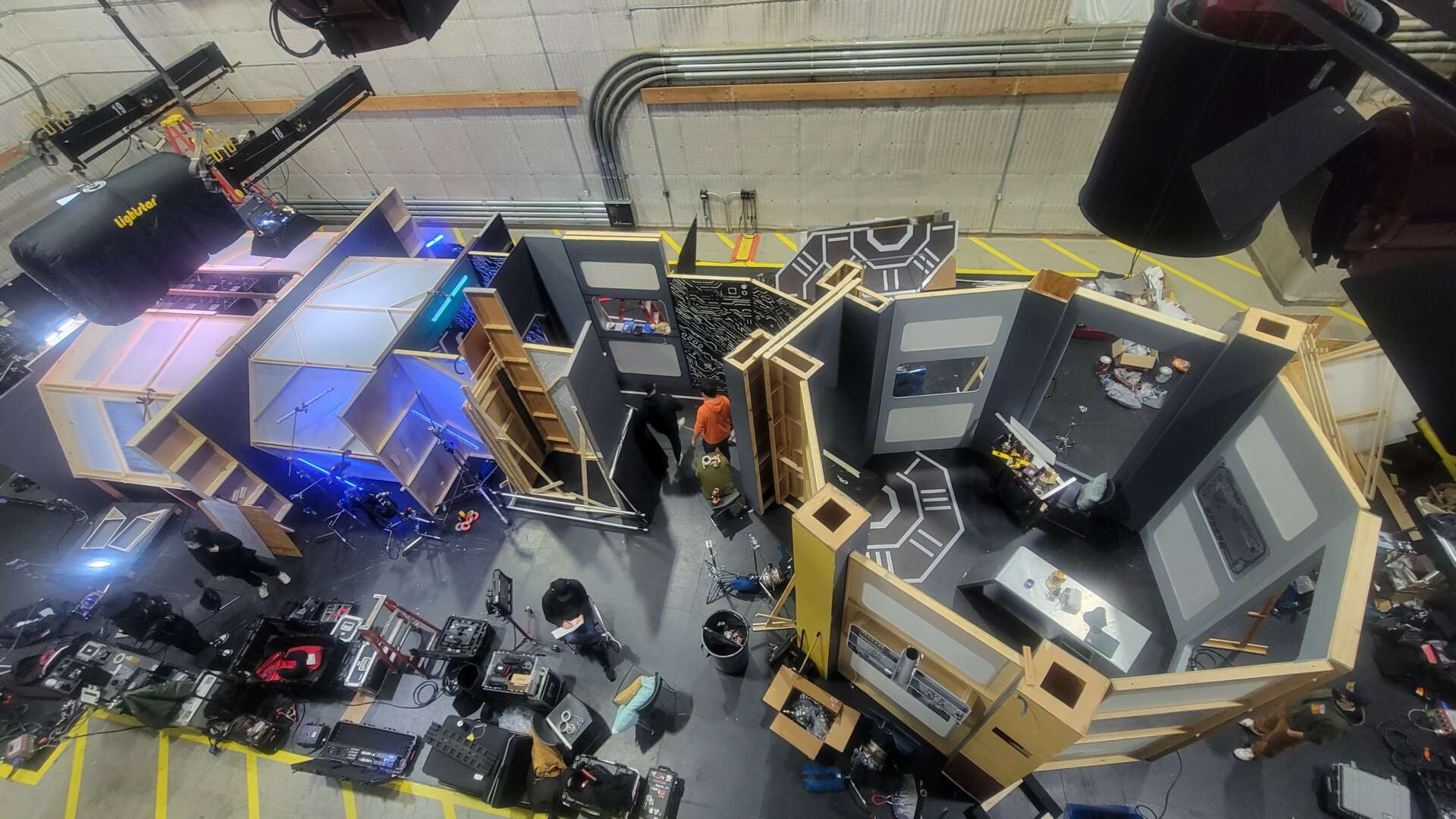
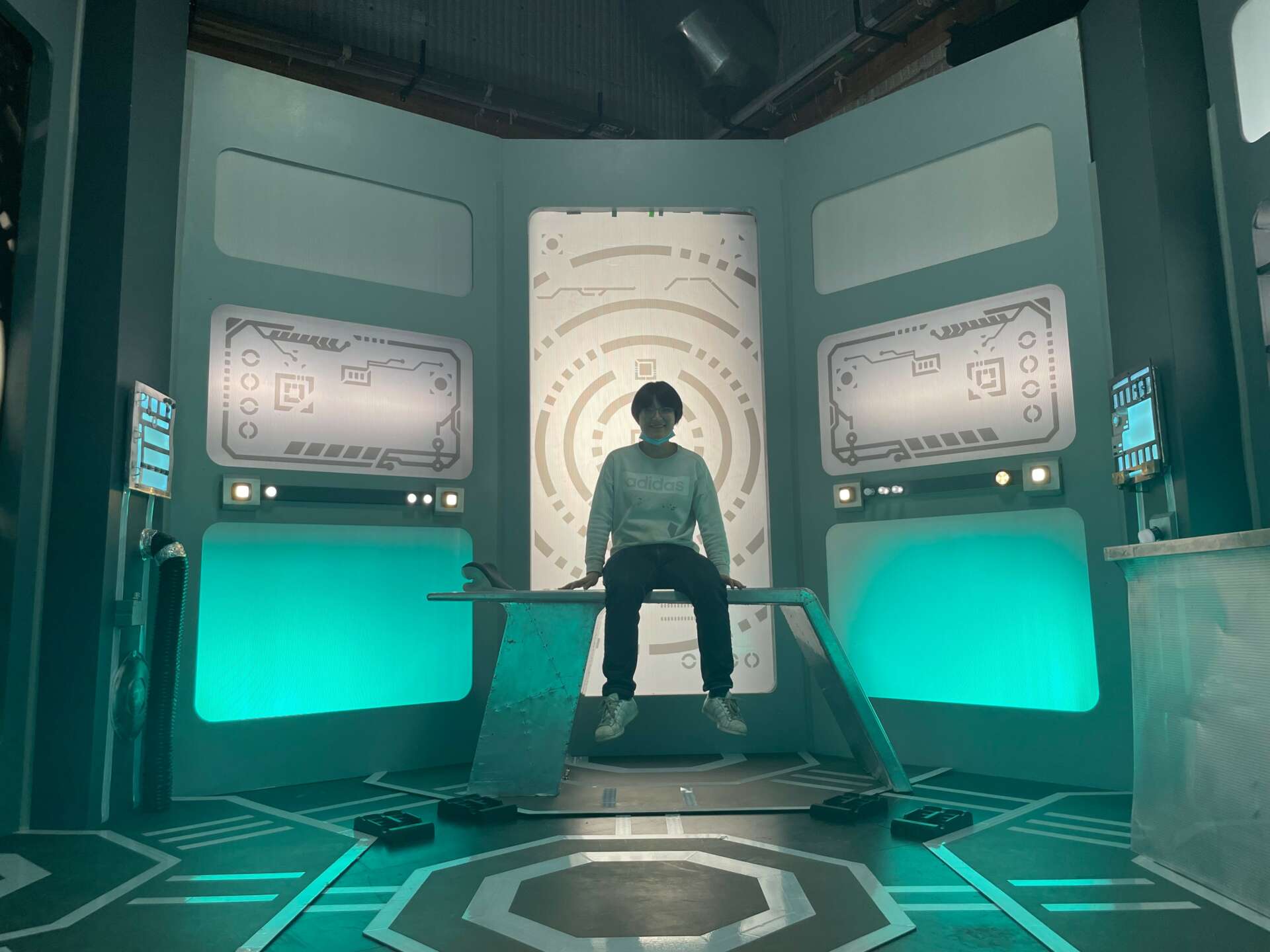
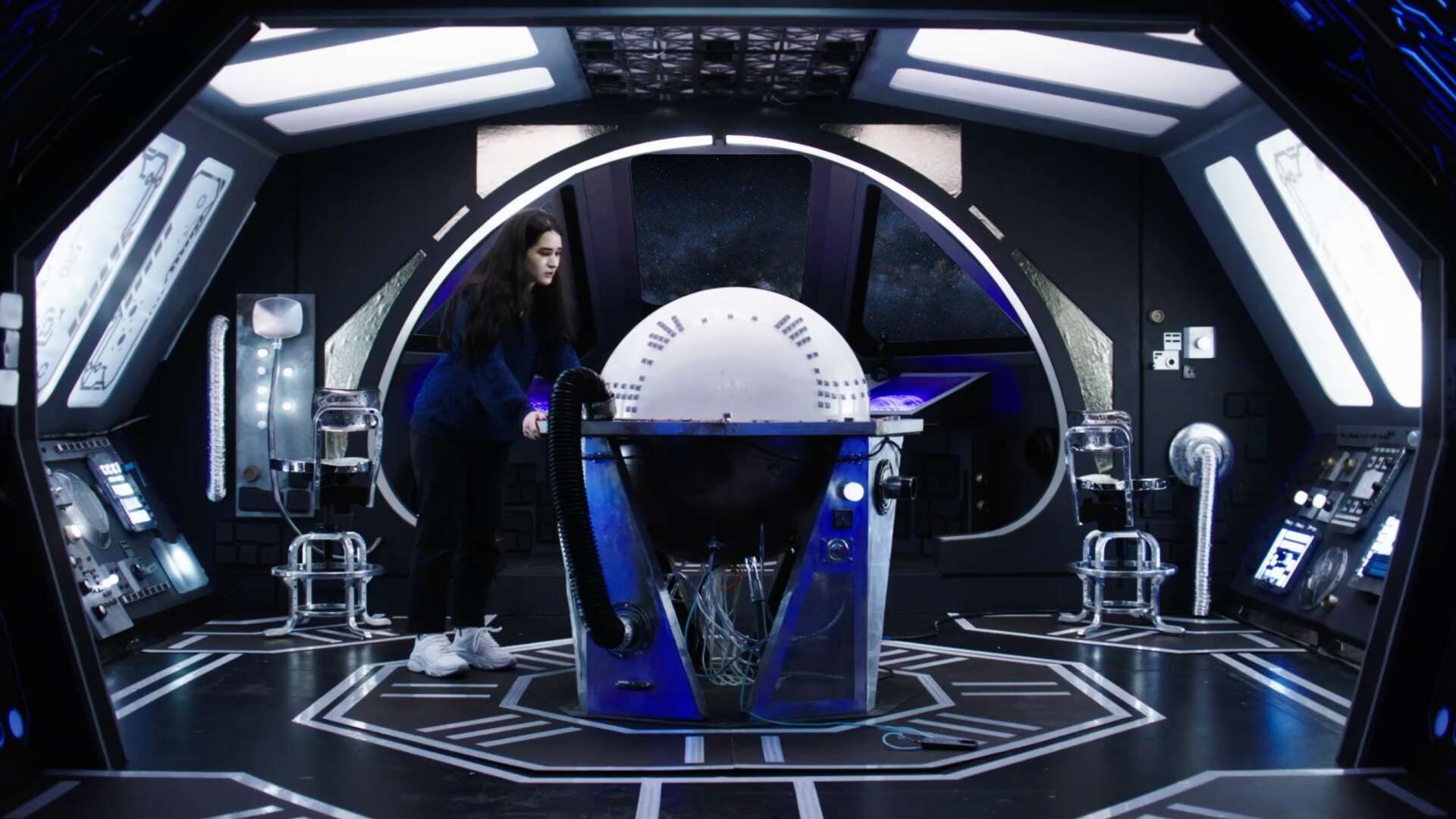
My role as a production designer for film involves devising a realizable environment vision suitable for the story, leading the art team to meet design deadlines within budget constraints. Occasionally, I offer support to other production designers to manifest their imaginative worlds.
What distinguishes me is my comprehensive training across multiple disciplines, aligning with my diverse background. I possess a versatile skill set enabling me to fulfill various roles within the art team, supplying a spectrum of creative support to directors and DPs. My fashion background enables a holistic approach, considering characters and environments simultaneously. Training in set design and drafting facilitates effective communication with carpenters. Professional concept art training expedites conveying visual ideas, promoting shared understanding within the creative team.
What do you think helped you build your reputation within your market?
A good working attitude and professional skills are essential.
Firstly, a good working attitude holds great significance. Each project presents new challenges and experiences for a designer. Regardless of a project’s scale or the issues encountered, I always strive to remain calm, give my best to complete the work, and rectify any mistakes. Additionally, I maintain an open mindset, humbly learning from every member of the crew. On set, where diverse and unusual situations arise, my colleagues appreciate my steady demeanor and problem-solving disposition. This instills reliability and trust in me.
Simultaneously, you must exhibit professionalism in your domain and possess problem-solving capabilities. My MFA degree in production design and training from industry experts have equipped me with proficiency. Continuously taking courses and dedicating my spare time to learn various techniques further refines my skill set, enhancing my capabilities in the field.
These two qualities have contributed to building my reputation in the market and facilitated job opportunities through recommendations. The film industry is interconnected; when you consistently deliver quality work and exhibit good behavior in projects, your reputation naturally spreads. Colleagues will refer you to more potential clients, expanding your reach.
What’s the most rewarding aspect of being a creative in your experience?
It’s incredibly satisfying when your set design translates well onto the monitor. That moment is the most rewarding for a production designer. It’s a wonderful feeling to successfully bring a story from paper to reality, especially when it involves turning a fantastical world from imagination into the tangible. Every child dreams of visiting Hogwarts or being enchanted by the realm of the Lord of the Rings. You know that your work will impact numerous audiences and kindle their dreams. During those moments, regardless of the challenges and exhaustion faced during the process, you’ll feel that every bit of effort was entirely worthwhile.
Contact Info:
- Website: wenjinxi.com
- Instagram: @kris_xiiii
- Facebook: Wenjin Xi (Kris)