
We were lucky to catch up with Wei Li recently and have shared our conversation below.
Wei, looking forward to hearing all of your stories today. Earning a full time living from one’s creative career can be incredibly difficult. Have you been able to do so and if so, can you share some of the key parts of your journey and any important advice or lessons that might help creatives who haven’t been able to yet?
To earn a full-time living from my creative work is rooted in my belief in growth, hard work, and the sense of achievement that comes from overcoming obstacles. In another word, I’m full of optimism in my creative career life. In the early stages of my career, I faced constant rejections and struggled to find projects. But instead of letting setbacks defeat me, I used each one as motivation to improve my craft. For instance, when I edited the feature film, Youth Crossing the Breeze, I didn’t just focus on the technical aspects. I pushed myself to understand the emotional beats of the story. By doing so, I was able to enhance the narrative flow and make each scene more impactful, which ultimately helped the film resonate with audiences. The positive reception of the film reaffirmed my belief in my abilities and reinforced my drive to keep pushing forward.
Similarly, when I worked on Burrow, a horror feature film, I was confronted with the challenge of editing sensitive, heavy content. I knew the film had to strike a delicate balance between delivering an important message and keeping the audience engaged without overwhelming them. My ability to structure the film in a way that conveyed the gravity of the issue while maintaining a coherent and powerful narrative was a turning point for me, showing me the power of storytelling through editing.
My work in vertical series, like Tempting Luna Identify and Dracula’s Kiss, is another testament to my optimistic outlook. Vertical content is still relatively new, and I had the chance to be at the forefront of developing workflows for this format. Seeing these series achieve millions of views on platforms like DramaBox and Sereal+ felt like a major validation of both my skills and my willingness to embrace new challenges. Pioneering in this space has shown me that being adaptable and forward-thinking opens up new opportunities in an evolving industry.
What really sets me apart is my passion for continuous learning and innovation. I’ve always loved diving into new technologies and discovering ways to improve my workflow, which allows me to deliver creative solutions faster than others. My desire to challenge myself in each project, whether it’s trying a new editing technique or finding creative transitions, keeps me excited about my work and fuels my optimism for the future.
Ultimately, my optimism isn’t just a mindset. It’s a result of the experiences I’ve had and the progress I’ve made. Every project I complete, every hurdle I overcome, adds to my belief that hard work and a positive attitude can turn even the most difficult situations into opportunities for growth. I know that my skills and determination will continue to carry me forward, no matter what challenges come my way.
Awesome – so before we get into the rest of our questions, can you briefly introduce yourself to our readers.
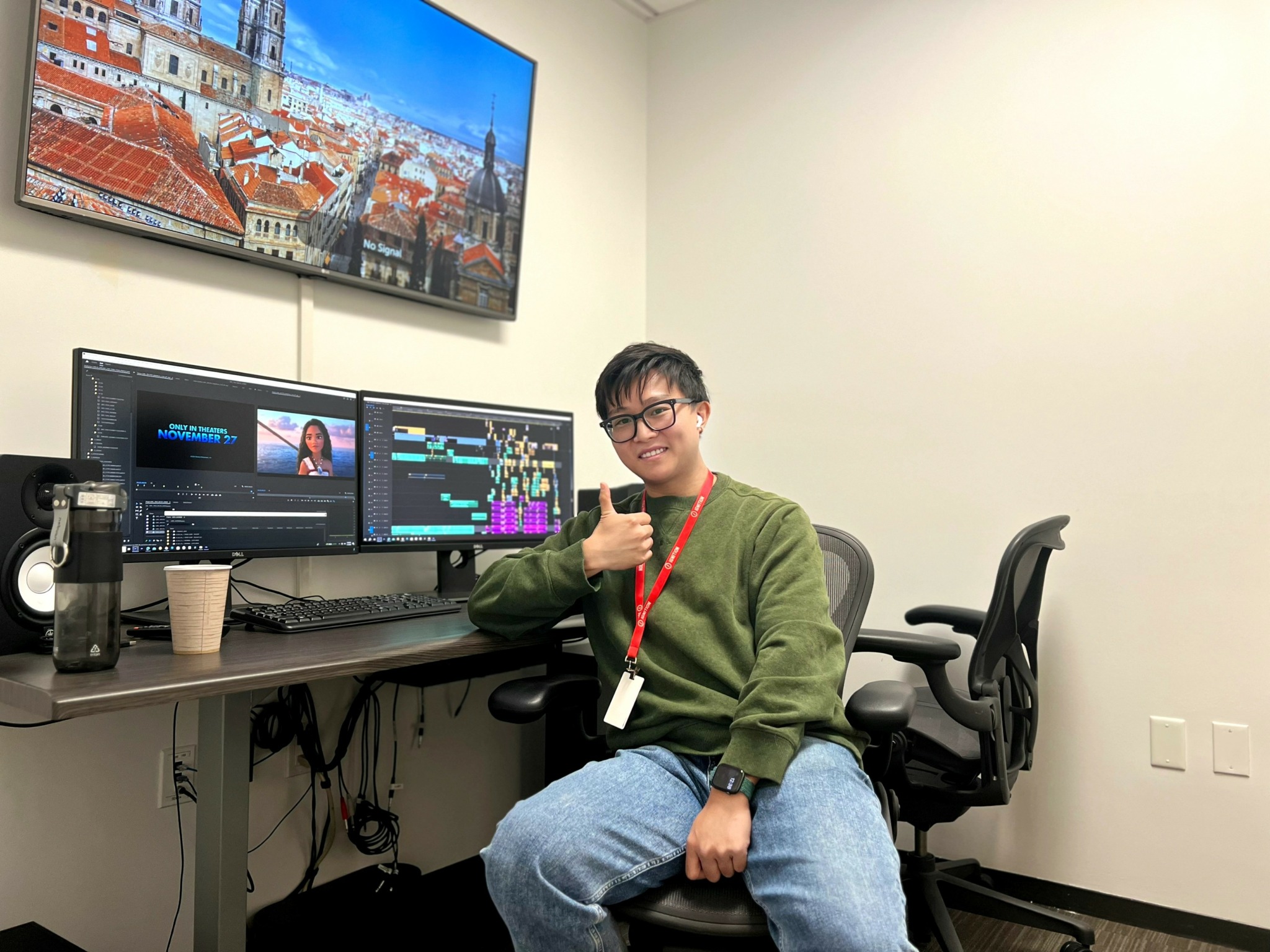
As a lead editor and post-production Supervisor, my journey has been a thrilling blend of creativity and technical expertise across diverse platforms and genres. My work spans feature films, trailers, and even the rapidly evolving world of vertical series. For me, the most exciting part of editing is the endless opportunities to push the boundaries of storytelling, whether through the emotional pacing of a feature film or the fast, impactful cuts needed for a trailer.
For example, the feature film Youth Crossing the Breeze allowed me to craft a deeply resonant narrative, using editing to balance pacing and emotion in a way that truly connected with audiences. Meanwhile, in the feature documentary 26 Seconds, my editing helped structure a compelling and powerful story about global human trafficking, ensuring the message hit hard without overwhelming the viewers.
My experience in trailer editing has been equally rewarding. Working on high-profile films like Bullet Train, Pinocchio, Champions, and Mythic Quest Season 3 taught me the art of condensing complex narratives into concise, high-energy previews. This kind of editing requires both technical precision and a deep understanding of audience engagement, skills I’ve honed through years of experience.
In recent years, I’ve been a pioneer in the vertical series format, working on projects such as Tempting Luna Identify and Dracula’s Kiss, Spellbound by a Doppelganger. These series, with millions of views on platforms like DramaBox and Sereal+, represent a new frontier in storytelling. I’ve played a key role in shaping the editing workflows for mobile-first content, which is an exciting new challenge in the industry. The overwhelming success of these series is proof of how quickly this format is growing, and it’s an honor to be part of setting the standard.
One of my most significant projects was editing the horror feature film, Burrow. This film, which explores complex themes of identity and reality, pushed me to use new editing techniques to build suspense and maintain narrative tension. It was an exciting challenge to immerse myself in a new genre, and the film’s success.
What truly sets me apart is my passion for learning and innovation. I thrive on discovering new tools, exploring new techniques, and challenging myself to find better, more creative ways to tell stories. Whether working on a feature, a trailer, or a vertical series, I’m always pushing myself to find that perfect balance between technical mastery and creative expression. This passion drives me to continuously evolve in an ever-changing industry, ensuring that my work remains fresh, exciting, and impactful.
Moving forward, I’m eager to keep expanding my skill set and exploring new genres and formats. I love the diversity of editing work, from emotional narratives to high-intensity trailers to experimental formats, and I’m excited to see where my passion for storytelling will take me next.
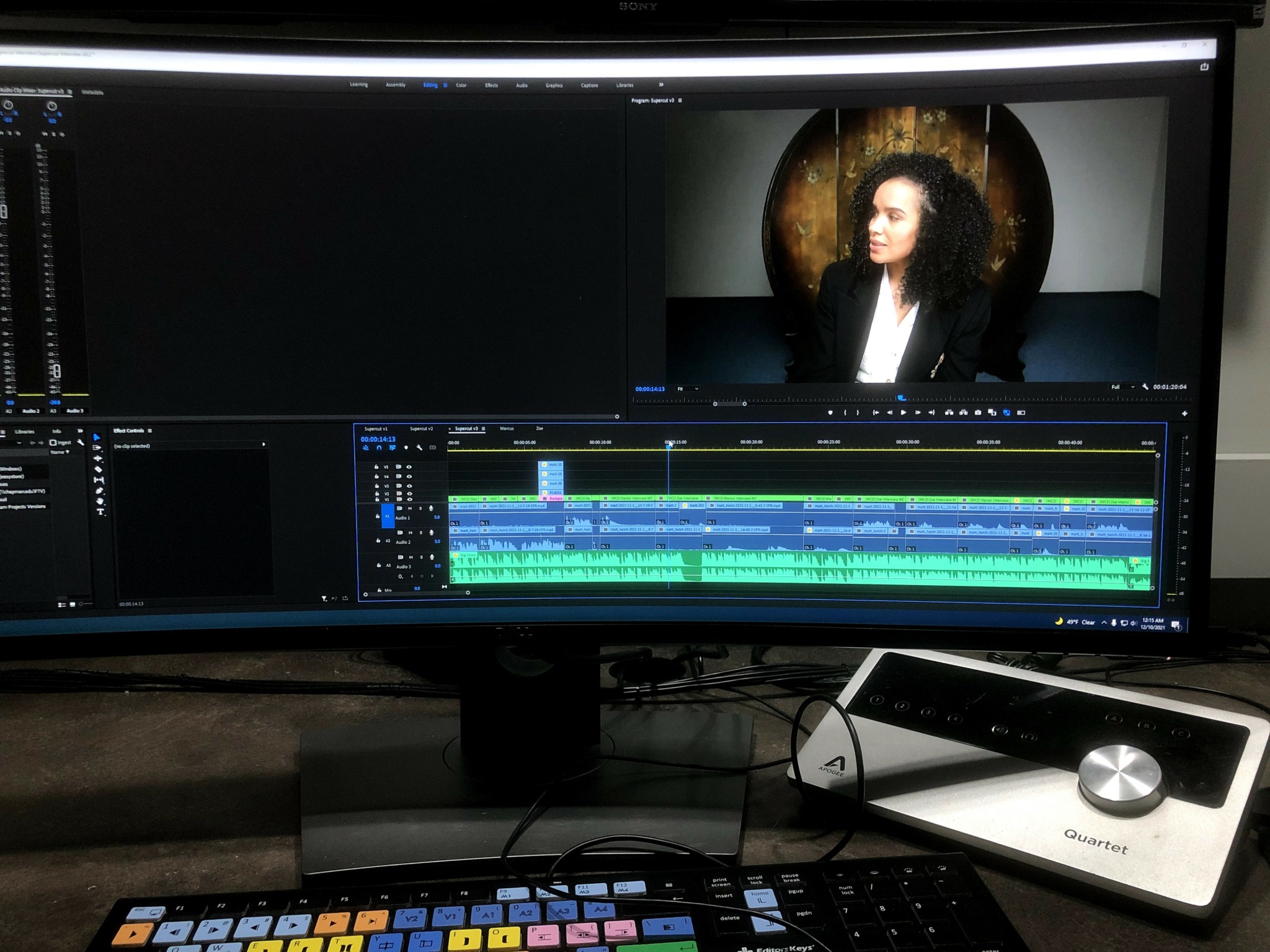
We’d love to hear a story of resilience from your journey.
As a lead editor, I’ve faced moments where the pressure felt immense, not just from the demanding nature of film work, but from personal challenges as well. Living alone in a foreign country while working in the high-pressure film industry can be isolating at times, especially when combined with my experience of depression. I was diagnosed with depression, and I take medication daily to manage it. On top of the work stress, I also feel pressure from my family and various aspects of life. It’s tough when you don’t have family close by for support, but I’ve developed my own coping strategies. Maintaining a routine has been key, as has building a supportive network of friends and colleagues in the industry.
Work can be overwhelming, especially when juggling multiple projects like Burrow or vertical series with millions of viewers. There are tight deadlines, high expectations, and constant revisions. In those moments, breaking tasks down into smaller steps helps me regain control. I remind myself that each part of the process is a stepping stone toward completing the bigger picture.
But beyond work, managing personal struggles has been equally important. Depression adds another layer of complexity to my life. Some days, it’s tough to stay motivated, and the pressure from family or personal expectations can feel overwhelming. What has helped me is maintaining a routine, both for my work and my mental health. Taking care of my physical and emotional well-being has become as crucial as any technical skill I’ve developed. Staying connected with supportive people in my life and seeking professional help when needed has also been invaluable.
Living on my own has also taught me to be independent and resilient. I’ve learned to rely on myself and to embrace moments of solitude as opportunities for reflection and personal growth. While it can feel overwhelming at times, this experience has made me more determined to succeed, both professionally and personally. Every challenge I face helps me grow stronger, and I’m proud of the progress I’ve made.
I’ve also learned to communicate openly with my team and those around me about my limits, something that has taken time to develop. Recognizing that it’s okay to ask for help and knowing when to step back has been vital. For example, during the editing of Reshape, a particularly intense project, I found that taking regular breaks and staying mindful of my mental health allowed me to approach the work with a clearer, more focused mindset.
My advice for anyone struggling with similar issues is to prioritize your well-being, both mentally and physically. Whether it’s therapy, medication, or simply creating healthy work boundaries, find what works for you. It’s easy to get caught up in the demands of work or family, but your health comes first. And don’t be afraid to share your challenges. It’s something many of us face, and by being open about it, you’ll often find more support than you expect.
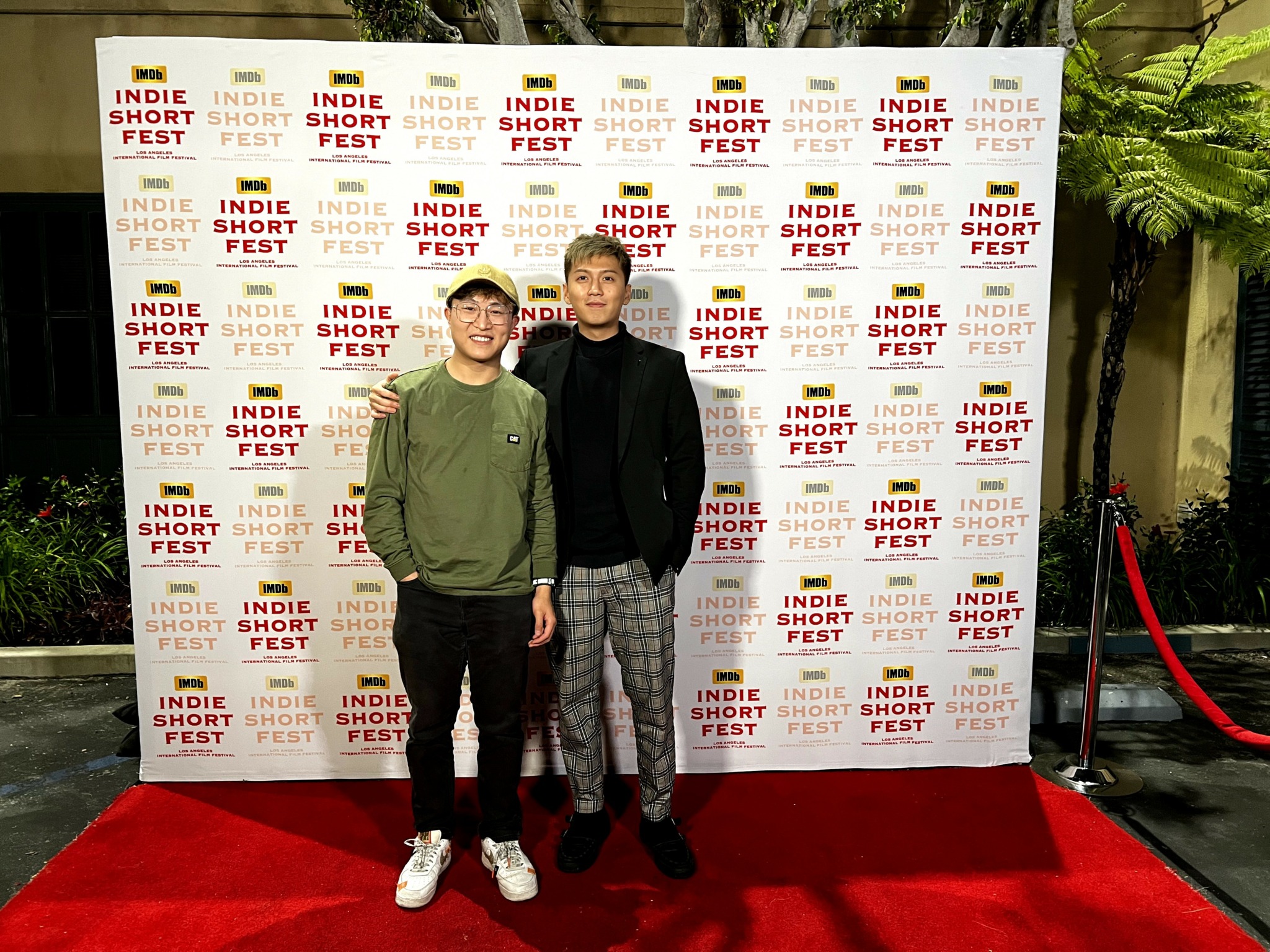
What do you think helped you build your reputation within your market?
Looking back, I think a few key things have helped me build my reputation in this industry.
First, resilience and consistency. The film industry is unpredictable. There are dry spells, strikes like the one in 2023, and fierce competition. Showing up persistently and delivering quality work even through difficult periods built trust with the people I worked with. Clients and collaborators remember who stayed reliable when things got hard.
Second, adaptability. I made a point of not boxing myself into one niche. Transitioning between genres and formats, from traditional feature films to vertical series, showed that I could bring value across different types of projects. That versatility made me a go-to person for a wider range of work, which naturally expanded my network and reputation.
Third, investing in a broader skill set. Early in my career, I took sound design courses to complement my editing work. That decision paid off because it allowed me to contribute more to a project than just one function. Clients noticed that I brought more to the table, and word spread. Staying current with the latest tools and technology also signaled to people that I was serious about my craft.
Ultimately, I think reputation is built through the accumulation of small and consistent actions, just like doing good work, being easy to collaborate with, and always looking to grow. Those things compound over time.
Contact Info:
- Website: https://weilifilm.com
- Linkedin: https://www.linkedin.com/in/lwmui
- Other: IMDB: https://www.imdb.com/name/nm11336588/