

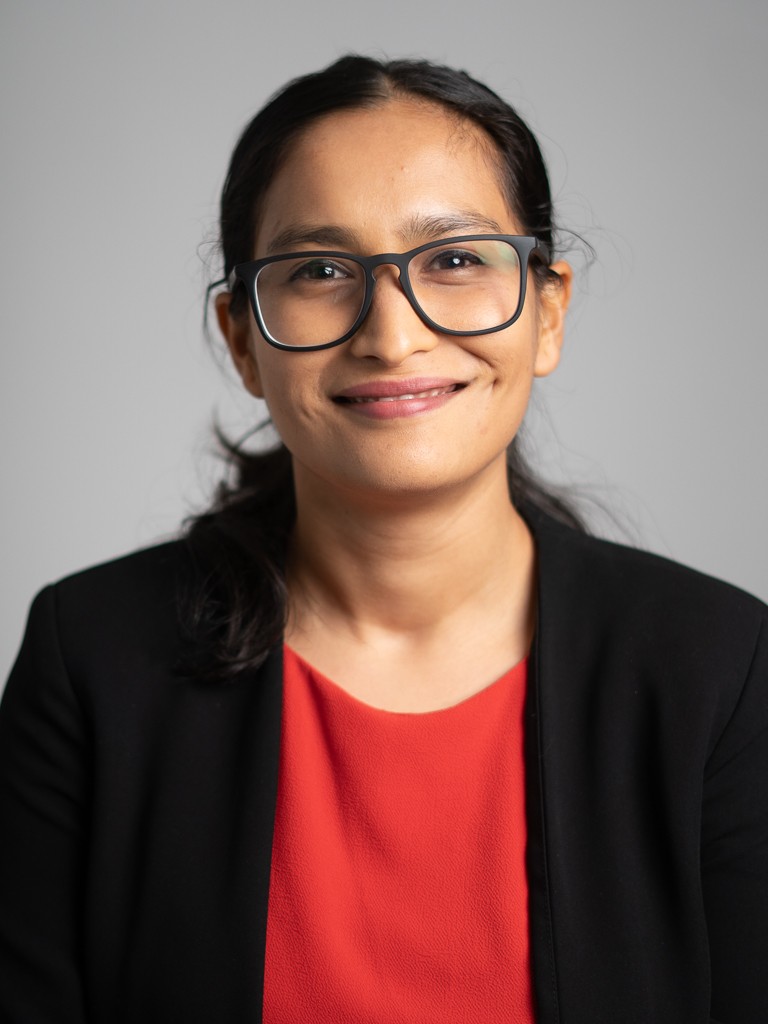

We recently connected with Vizan Giri and have shared our conversation below.
Vizan , thanks for taking the time to share your stories with us today How did you come up with the idea for your business?
I had been working with my father, Vikrant Giri, on our primary business, Gallant International. We’ve been making organic cotton bags, pouches, totes for non-profits, corporates, celebrities — anyone that needed customized merchandise. We’d been focused on using an organic cotton supply chain, working directly with farmers in India, and our bags were manufactured in Fair Trade facilities. The whole enterprise was and is still today a B Corp. Yet, when we looked around at the bag market, we didn’t see anyone doing everyday bags out of natural materials. Most bags on the market, particularly backpacks, duffles, sling bags, are made out of polyester, or leather if its a more premium option. That was our “aha” moment: could we bring to market bags made out of a natural material, that too sourced organically and made with Fair Trade practices? Definitely. Thus, Terra Thread was born.


Vizan , love having you share your insights with us. Before we ask you more questions, maybe you can take a moment to introduce yourself to our readers who might have missed our earlier conversations?
So much of fashion today is based on polyester, which is essentially petroleum. While there is some research underway on how to recycle all this polyester into new materials, it’s not a perfect, or completely circular, solution.
Thus, we wanted to offer a natural solution that we couldn’t find on the market: durable, everyday bags made out of traceable organic cotton, manufactured in Fair Trade-certified factories, and giving back to communities here in the US. When we think about how many people use a bag or accessory daily for going to to school, college, or work, we thought, gosh, that’s alot of polyester potentially going into a landfill when it breaks or is no longer useful. Why not make it out of a natural material instead that will break down, and is more environmentally-friendly?
Our parent company also became certified last year for Regenerative Organic Certification; thus, we’re working with farmers across India to help them transition to regenerative organic farming, which will help rebuild soils, ensure that their farms will yield more fruitfully in years to come, and allow them to have other crops that they can sell in between harvests. We’re proud to be a leader in this regenerative movement.


Let’s talk about resilience next – do you have a story you can share with us?
Importing goods from Asia became quite pricey during the pandemic. Container prices were nearly 10x what they were a few months before. That meant we had to double down and become even more lean to allow for these increased costs. Running a small business, you never know what is going to be thrown your way. But rarely do you get a week where one curveball hasn’t come at you.
The pandemic was tough because costs went up, our manufacturing partners had to quickly pivot to make sure workers were safe. And ofcourse, people were not thinking about buying bags as much. But we weathered the storm, we sold masks made out of organic cotton, we supported our growers and workers as much as possible, and we took pay cuts ourselves.
Yet, one thing we’ve been clear on is that we wanted our products to be affordable, and on par with conventional, polyester-based products. So we didn’t increase prices. We know that a major criticism of sustainable brands is that they’re often premium, and thus more pricey. We really want everyone to join us on this regenerative movement. So, we’ve worked hard to absorb these costs, and keep prices steady.


Can you open up about how you funded your business?
We’re 100% self-funded and bootstrapped. Since we’ve been so mission-focused, it was important for us to be able to make decisions quickly and feel confident about the people we work with. So we didn’t take on funding. While this has give us freedom in decision-making, it’s also meant we have had to be a very lean operation. And I mean, a very lean operation. We are doing much of it ourselves: from fulfillment to social media to customer service. It’s meant learning new skillsets, and new languages, such as when you start working big box retailers and their online platforms. It’s literally like discovering a whole new world (that most of us don’t see when we’re shopping at these stores). It can be daunting some days, but it’s also deeply rewarding when things do work out.
Contact Info:
- Website: https://terrathread.com/
- Instagram: @terrathread
- Facebook: https://www.facebook.com/terrathread/
Image Credits
Terra Thread