
We were lucky to catch up with Vera Belova recently and have shared our conversation below.
Hi Vera, thanks for joining us today. We’d love to have you retell us the story behind how you came up with the idea for your business, I think our audience would really enjoy hearing the backstory.
I know the exact date Murmur was born: August 21, 2025. I was in a conversation with a friend who is also a gifted business consultant, and something clicked into place. Everything I had built and lived up to that point suddenly made sense together: my love for theatre as an audience member, my years of professional experience in the Silicon Valley tech scene, and my expertise in building learning programs.
I first fell in love with live theatre in high school in Saint Petersburg, Russia in the late 90s. At 16, I often saw multiple shows a week, and it was an important part of my life. But I never went beyond being an audience member or found a circle of people who shared my passion.
For college, I moved to California and went the “practical” route, getting a degree in economics from UC Berkeley, which led me into marketing analytics in Silicon Valley. Getting trained as a coach eventually led me to build learning programs at ed-tech companies like Coursera and to earn a Master’s degree in Organization Development and Leadership. Theatre just quietly became my “another lifetime” dream. To be completely honest, over the years I’ve had recurring dreams of missing theatre performances – and I just accepted that as my reality.
The shift came in 2024. After Covid, a separation, and a period of deep reflection, I felt strongly that I needed to find a creative outlet. Just then, social media served me an ad for an Intro to Theatre Journalism class starting that week, taught by a prominent Russian theatre critic, held live and remotely, at times that worked perfectly with my schedule. I wasn’t looking for a theatre connection at that moment, but it felt too perfect an offer from the universe to turn down, so I signed up.
That course became the first “permission” since college to lean into my writing and my interest in theatre, and to be recognized for it. I still have a note of encouragement from my teacher framed on my shelf as a reminder of that. Six months later, I walked away with a reinvigorated love for theatre – and a commitment to focus on the theatre that was most accessible to me: Bay Area theatre specifically.
I started going to more shows and falling deeper in love with what was happening here. But it was still mostly a solo experience. I didn’t know who to talk to about what I was seeing, or how to bring my friends into it. There wasn’t really a shared cultural conversation about Bay Area theatre in my world, mostly made up of Silicon Valley professionals who largely didn’t know the scene existed.
Everything came together in that August conversation. My friend helped me remember the theatre kiosks in Saint Petersburg – a single place across the whole city where you could see what was playing at any theatre and just go. That’s what was missing here: not better marketing for individual theatres, but a shared front door for the whole scene, built for people who aren’t already in the know.
I also realized I was uniquely qualified to build it. I understand systems and how to build them, and having spent years in Silicon Valley startup culture, building something feels very natural to me. I know the Bay Area tech mindset from the inside. And having grown up in a major theatre city in Russia, I have a strong sense of what a culture where theatre is part of everyday life can look like. I had spent years on the audience side myself, wanting in, not quite finding the door.
Murmur became not a project, but my connection to theatre.
As always, we appreciate you sharing your insights and we’ve got a few more questions for you, but before we get to all of that can you take a minute to introduce yourself and give our readers some of your background and context?
I consider myself a Silicon Valley professional native. Theatre was my unfulfilled love for over two decades – until Murmur.
Most of my career has lived at the intersection of people and systems: first marketing analytics for tech companies, later shifting into program management for learning programs, career coaching, and organization development. What runs through all of it is curiosity about how people think and what motivates us. I’m a systems thinker, and I value alignment at the deepest level – in systems, organizations, and people. Murmur is the most personal expression of that – and my attempt to bring that same alignment to Bay Area theatre audiences.
Right now, Murmur (the-murmur.com) exists in its Version 1 form as a comprehensive, searchable listings database of what’s playing across Bay Area theatres. But the listings are just the entry point – there is much more to be developed. What I’m really trying to build is conditions for people to fall in love with Bay Area theatre. I want to close the gap between a thought of “wouldn’t it be fun to go to the theatre” and a purchased ticket. The Bay Area has a rich theatre scene, and my goal is to make it more discoverable and accessible.
Where Murmur goes from here is something I’m still exploring, intentionally. There are multiple directions that feel alive to me – a more social experience for planning and going to shows together, conversations about what theatre stirs in us, eventually maybe a structure that helps fund audience access across theatres. What I know for certain is that Murmur exists to support the amazing work of theatre artists, never to undermine them or compete for resources with them.
Can you tell us the story behind how you met your business partner?
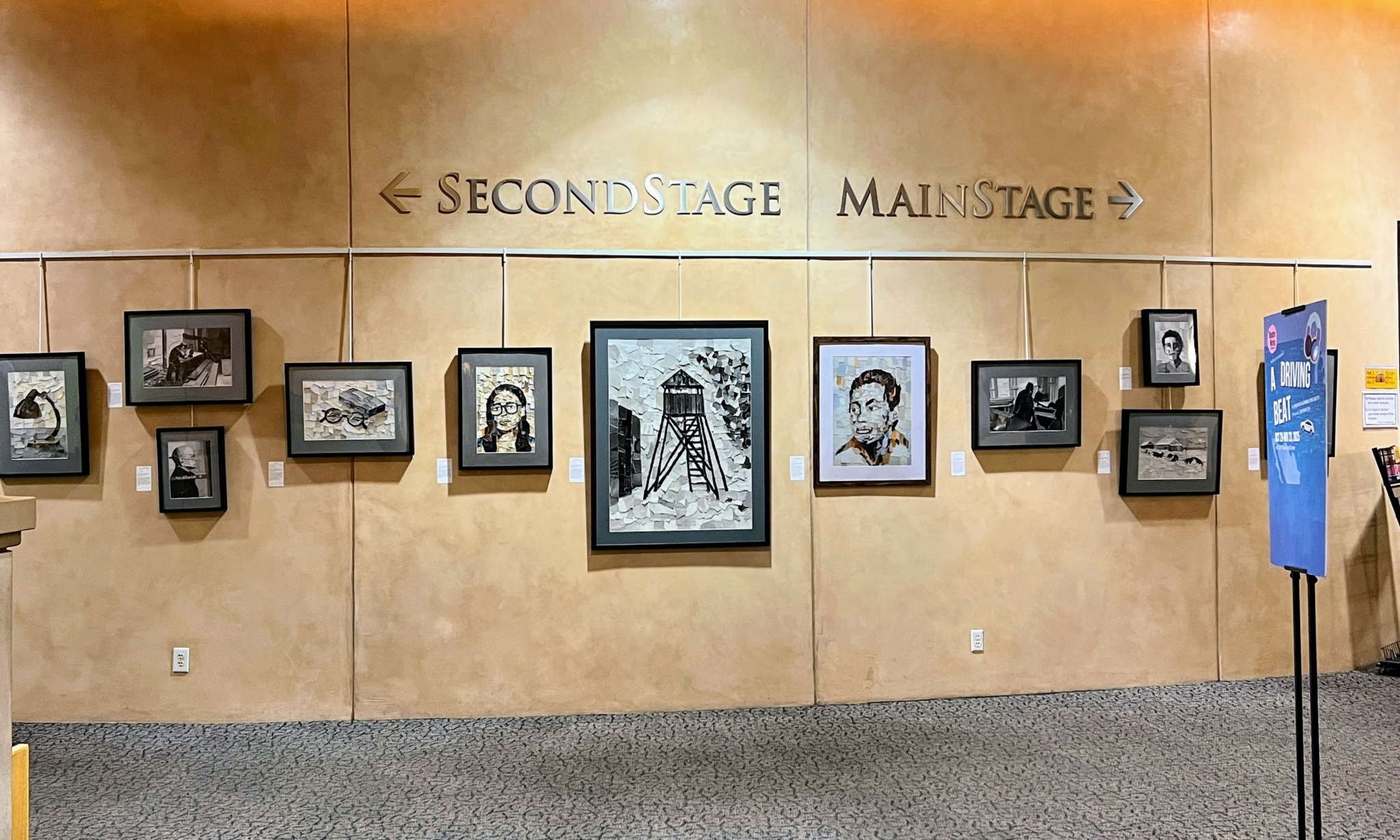
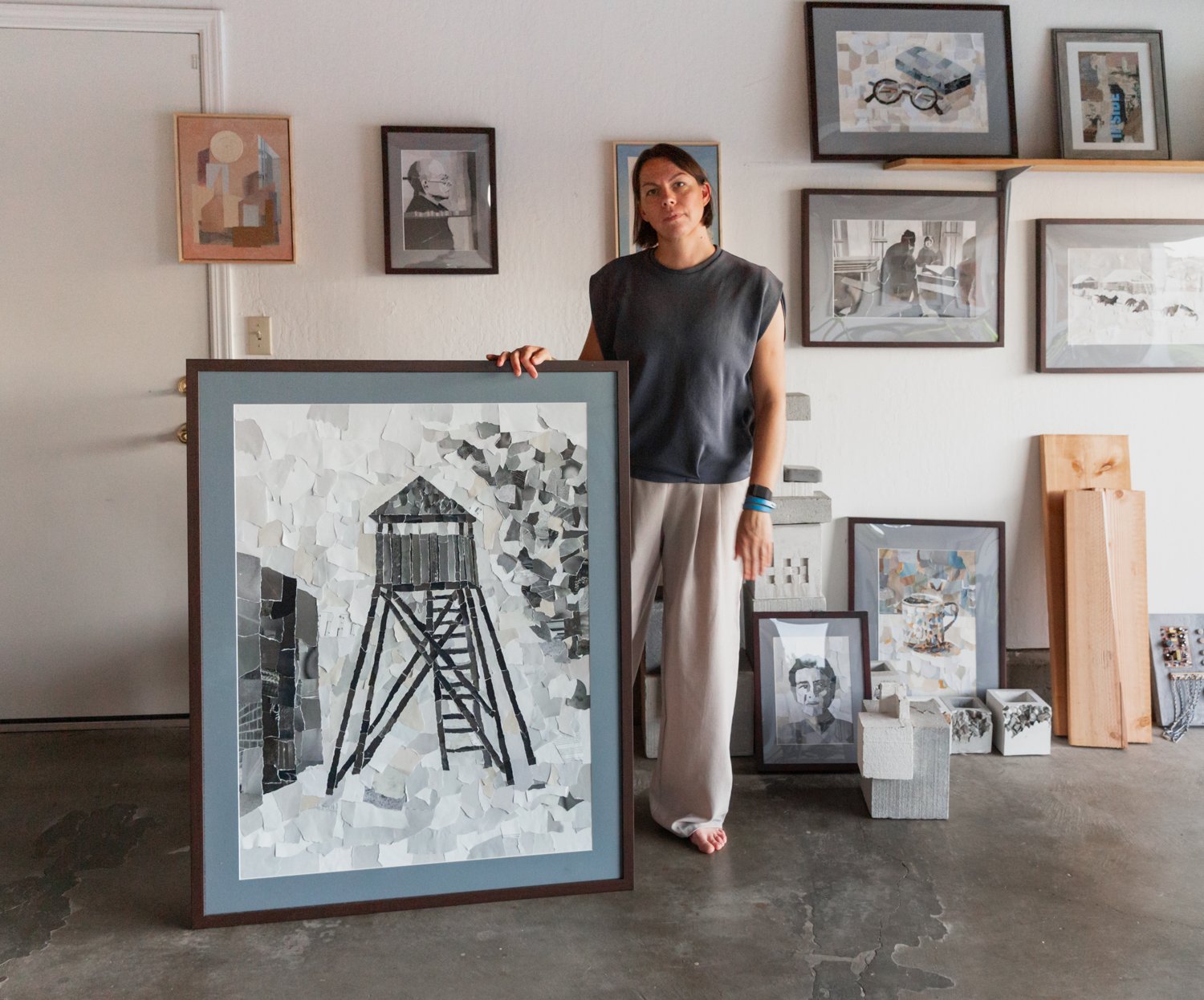
Murmur likely wouldn’t have happened without Nata Drachinskaya – an incredible Bay Area-based visual artist and product designer.
I met Nata in May 2025, before the idea of Murmur was even born. It was Silicon Valley Open Studios weekend – a large organized event where tens of artists open their spaces across the area. I love open studios, but that particular weekend I had made a conscious decision not to go. And then, on the way home from an errand, I drove by three signs in a row pointing to a nearby location. I took it as a hint from the universe, walked in ten minutes before closing time, and found myself in Nata’s space.
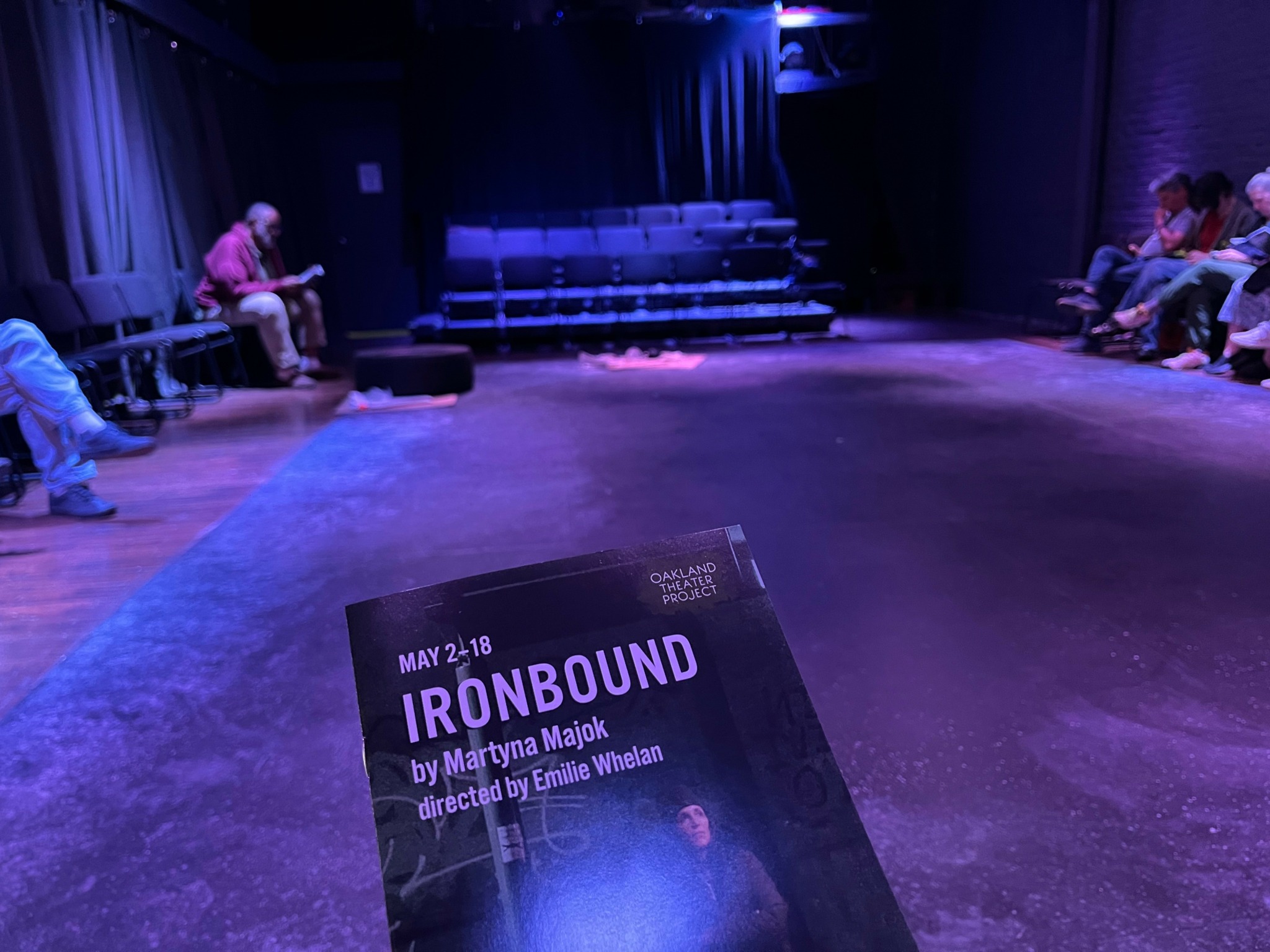
Nata and I talked for a long time about our shared love for theatre in Russia and our parallel experiences as Bay Area transplants. I promised her there were things worth seeing in the Bay Area theatre scene and that I would take her to something. That finally happened about four months later when I had an extra ticket to Oakland Theater Project’s Hamlet. By then the idea of Murmur had just been born, and I naively thought a publicly viewable spreadsheet would be enough. During the long drive to the other side of the Bay Area, Nata asked “who’s doing your UX design?” and next thing I knew she was conducting user research and developing wireframes.
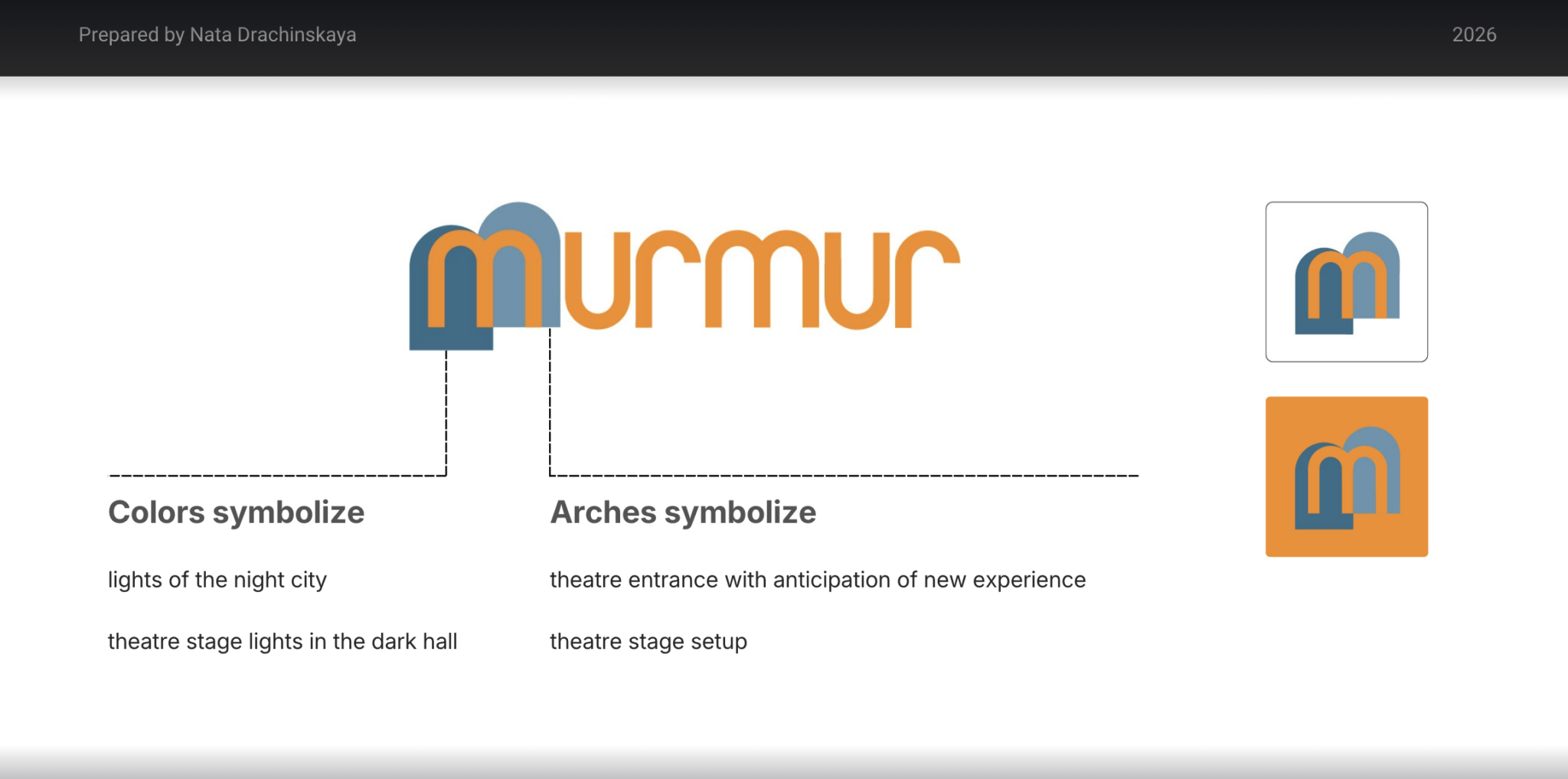
She developed the UX, logo, and brand book, and was my patient and wise thought partner throughout. Then, when the initial design was complete, Nata leaned into AI tools to actually build the-murmur.com with all its functionality. That conversation on the way to Hamlet was the third beat in the birth of Murmur – after the theatre journalism class that rekindled my love for theatre, and the August conversation that turned it into a concept.
Are there any books, videos, essays or other resources that have significantly impacted your management and entrepreneurial thinking and philosophy?
One resource I often think about is Laura Vanderkam’s TED Talk on time management. Her core argument is that time is not something we find – it’s something we choose.
That reframe has been important for me in building Murmur. I work full time and have a family, so time is precious as it is. I had to intentionally make Murmur and theatre the third major pillar of how I spend my time – which means regularly saying no to other activities and people I love. It’s not always an easy choice, but it’s an intentional one, and it makes me happy. I put as much as possible on the calendar to support my time committment: theatre tickets booked ahead, dedicated time blocks for Murmur work on weekends, meetings and conversations scheduled rather than improvised. The goal is to treat Murmur like any other professional obligation – scheduled, not squeezed in.
That experience has also shaped how I think about Murmur’s audience. If someone like me – who loves theatre deeply and is actively building a platform for it – still has to fight to make it happen, imagine how much harder it is for someone who is just curious, just dipping a toe in. Most people who don’t go to theatre don’t lack interest – they lack the habit, the ease, the social infrastructure that makes it feel like a natural use of an evening. Murmur is an attempt to lower that friction and make theatre feel like a natural, easy choice.
Contact Info:
- Website: https://the-murmur.com/
- Instagram: https://www.linkedin.com/in/veraabelova/
- Linkedin: https://www.linkedin.com/in/veraabelova/