


We were lucky to catch up with Una Lo recently and have shared our conversation below.
Una, thanks for joining us, excited to have you contributing your stories and insights. How did you come up with the idea for your business?
The core of my practice was born from observing the starkly different ways we navigate the end of life across cultures. Growing up in Hong Kong and later moving to the UK, I became fascinated by our collective impressions of death. In many Asian traditions, there is a deep, ritualistic connection to ancestors, yet a lingering taboo around the physical reality of passing. Conversely, in European contexts, I often encountered a “memento mori” perspective that felt heavy or macabre—where the skeleton is a shadow, a warning, or a symbol of what has been lost.
One day, while working at my bench, I had a realisation that shifted my entire perspective: we treat skeletons as symbols of what is gone, but they are actually the only part of us that stays.
I looked at the “Tiny Man” figures I was crafting and began to see them not as omens of mortality, but as the ultimate architecture of a life well-lived. Our bones are the scaffolding that holds every memory, every connection, and every “climb” we have ever made. I felt a visceral need to paint a different picture—one where mortality isn’t a frightening shadow, but a joyful culmination of all the light we have gathered.
I knew this was a worthwhile endeavour because I saw a profound gap in how we handle modern grief and the “loneliness epidemic.” Traditional commemorative objects often feel heavy, dated, or emotionally distant. I saw a need for “vessels for comfort”—tactile anchors that people can touch and hold to feel physically grounded during times of flux.
What excites me most right now is the evolution of this scale. While I will always be a jeweller, cherishing the intimacy of a piece that sits against the skin, I have realised that some stories are simply too big for the body. This is why I am expanding my practice into sculptural assemblages. I am not leaving jewellery behind; I am scaling up the “scaffold.” I want to explore how that sense of comfort transforms when, instead of holding a piece of my work in your hand, you can stand inside the work and feel truly “held” by it.
Awesome – so before we get into the rest of our questions, can you briefly introduce yourself to our readers.
For those meeting me for the first time, I am a Hong Kong-born, UK-based designer-maker. My work sits at the intersection of fine craft and deep human emotion, functioning as what I describe as ‘vessels for comfort’. My journey into this discipline was not a linear path; I began in the fashion industry but soon felt a pull toward something more permanent—objects that could be held for a lifetime rather than worn for a season. This led me to move across the world to the UK to study Jewellery and Metalwork, eventually finding my creative home in Sheffield.
My practice is currently in a beautiful state of evolution. While my foundation lies in conceptual jewellery, I am expanding into sculptural assemblages. I aim to solve a problem of perception; in an era marked by a loneliness epidemic and post-pandemic grief, traditional symbols of remembrance can feel dark or frightening. I take skeletal forms, which society often views as macabre, and reframe them as the beautiful, enduring ‘scaffolding’ of our lives. Whether it is a delicate ring or a large-scale sculpture, my work provides a tactile anchor, reminding us that our connections and memories with others are the most solid things we own.
What sets my brand, UNA THE WIMPER, apart is this balance between material intimacy and monumental themes. I approach mortality not with sadness, but with gratitude, focusing on the ‘light’ we gather throughout our journey. I am incredibly proud to have my work held in the Sheffield Assay Master Collection, to have received the Silver Award in Conceptual Jewellery at the 2025 Goldsmiths’ Craft & Design Council Awards and the Sheffield Assay Masters Recognition Award – Highly Commended in 2024. These milestones proved to me that there is a place in the world for “difficult” themes like mortality when they are handled with craft, beauty, and empathy. I want my followers to know that the end is not a shadow; it is a culmination. I invite you to follow this journey as I continue materialising solace and celebrating the ‘luminous remains’ that define our shared human experience.
Have you ever had to pivot?
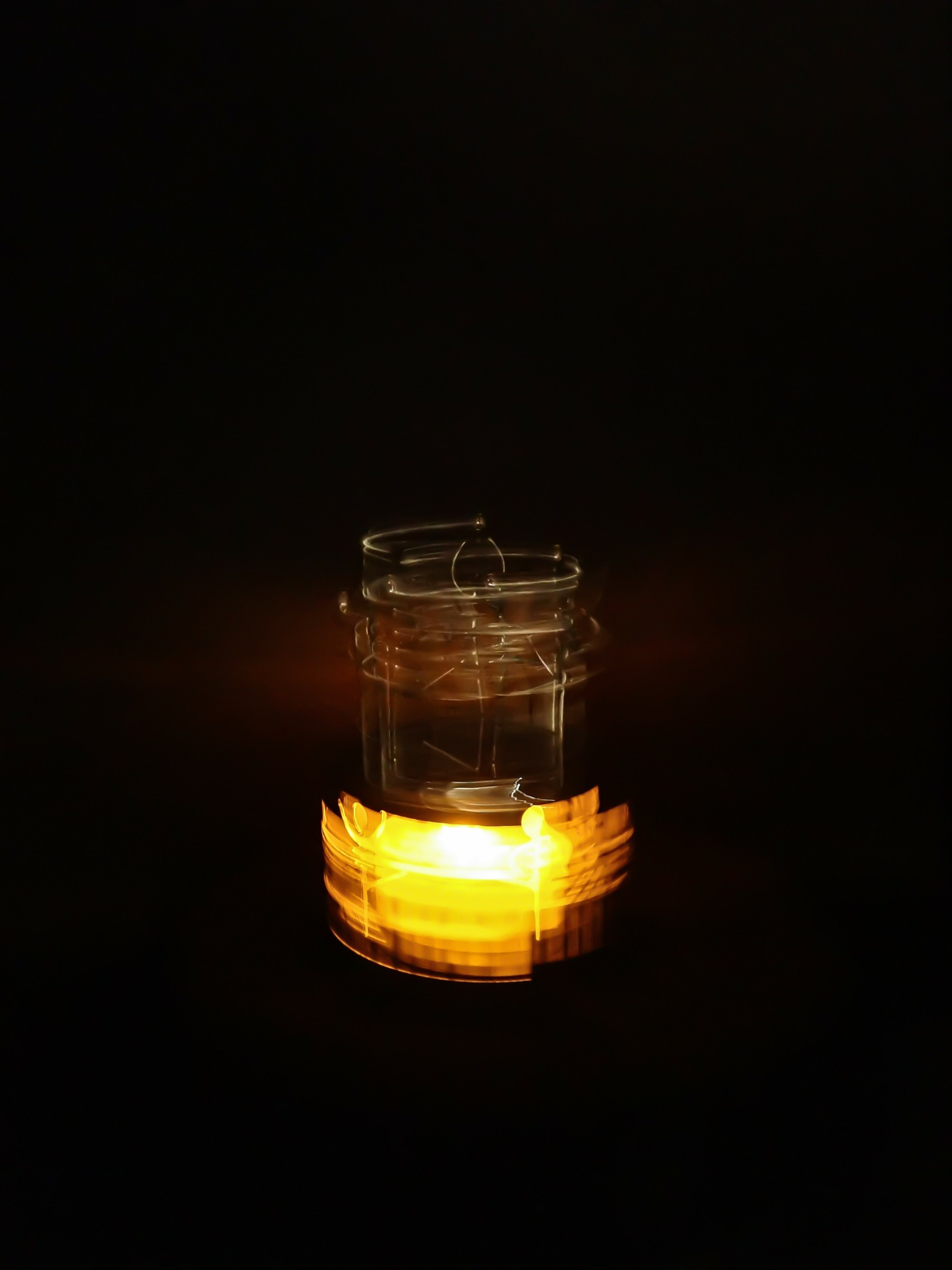
For a long time, I defined myself strictly as a jewellery designer-maker, believing that to be successful, I had to stay within the traditional ‘box’ of wearable accessories. However, I recently made a significant conceptual pivot. This shift was driven by the deepening of my brand philosophy; as I refined my ideas on life and mortality, I began to envision sculpture as a more powerful medium to express these themes. I realised that to truly communicate the ‘scaffolding’ of human experience, I am ambitious to scale up my work, moving beyond the body to provide an immersive, atmospheric experience for the audience.
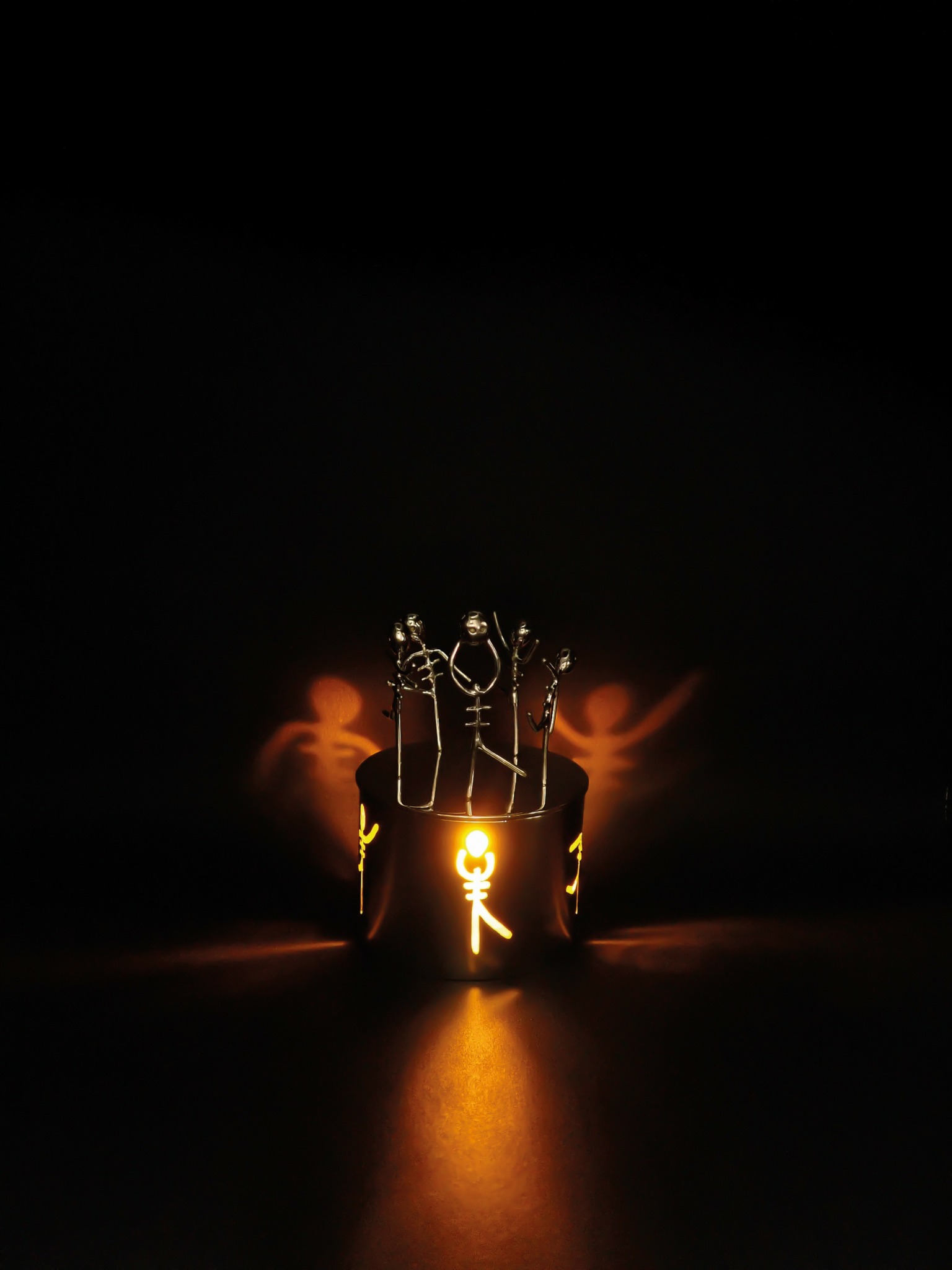
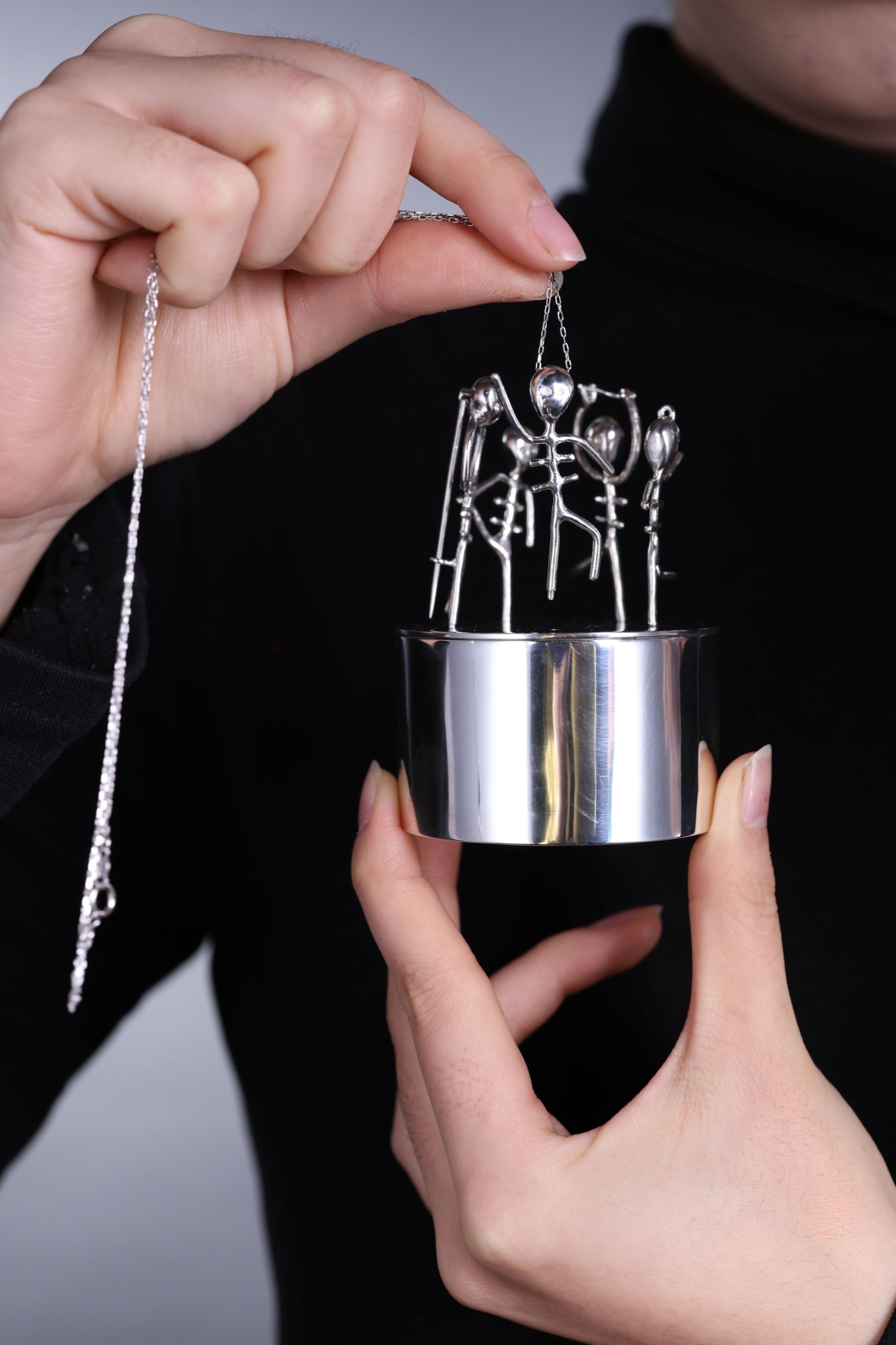
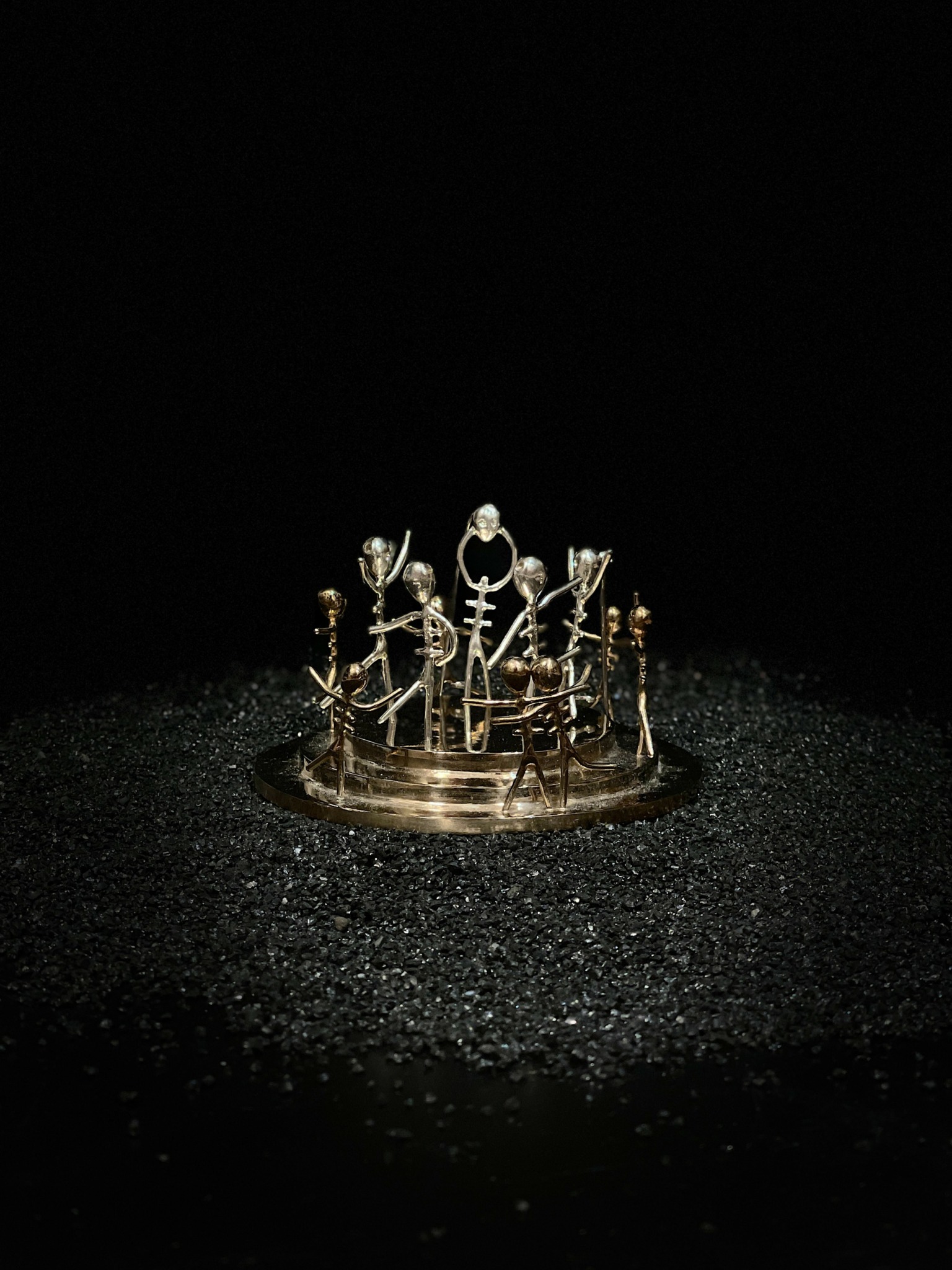
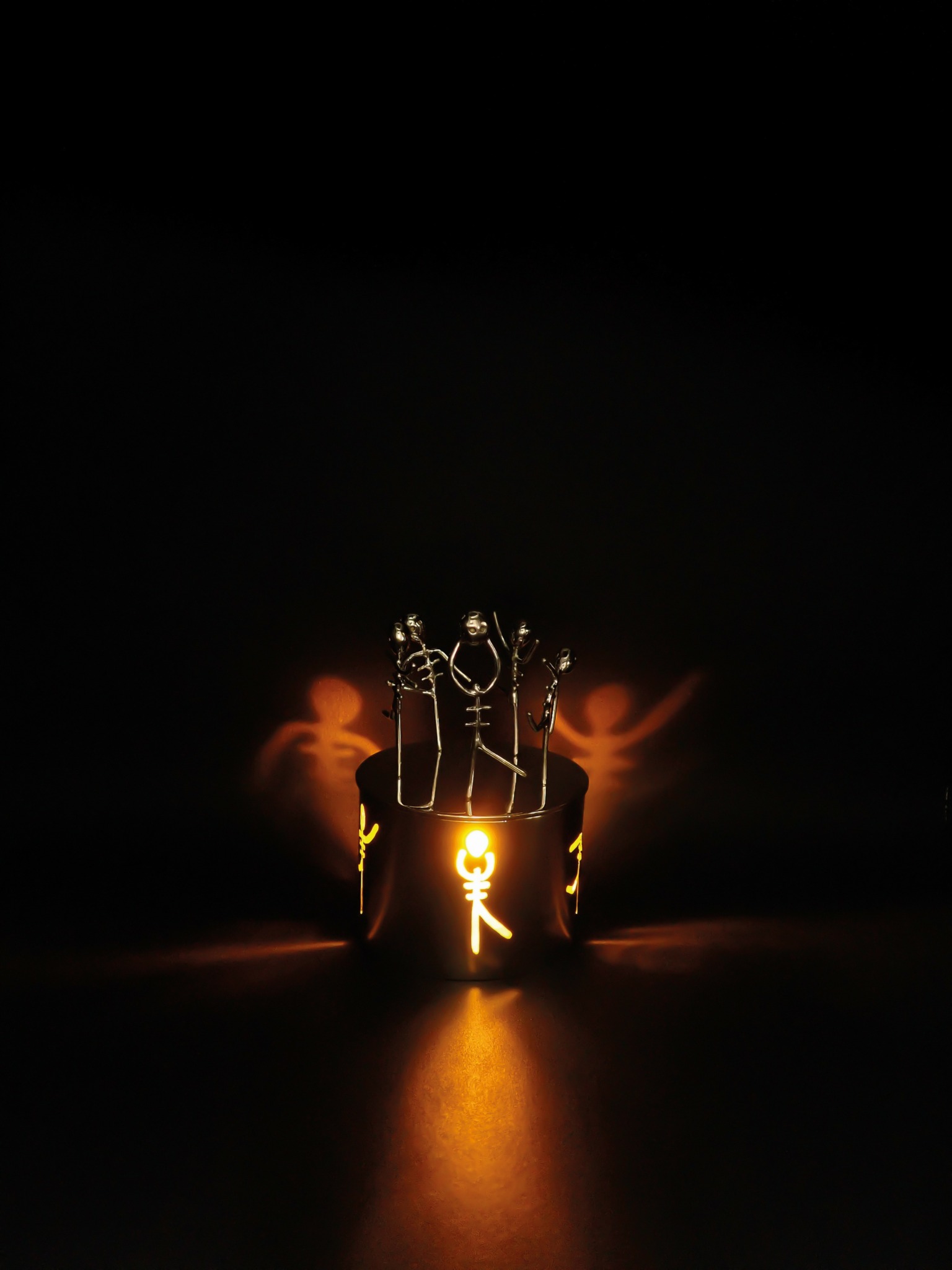
This was not just a change in size, but a transformation of my business model and creative identity. It led me to explore the synergy between fine craft and immersive art, such as in my The Dance of Death series. In this work, the boundaries are blurred: the piece functions as a sculptural installation to decorate a room, yet it is also comprised of individual jewellery components that can be worn. It even acts as a ritual piece that people can experience together.
Stepping out of a niche where I was already winning awards to become a ‘beginner’ at a larger scale was daunting. It required me to master base metals for large-scale scaffolds while retaining precious metals for the intimate, hand-crafted details. However, this transition has been essential. It has allowed my work to evolve from a ‘product’ into a holistic experience—offering solace through both the intimacy of the skin and the shared atmosphere of a space.
Can you talk to us about manufacturing? How’d you figure it all out? We’d love to hear the story.
I am a ‘designer-maker’ in the truest sense; I do not just design my pieces, I manufacture them myself to ensure the soul of the concept survives the process. From the beginning, I have utilised lost-wax casting. I experimented with sand casting early on but found the results lacked the necessary refinement; to preserve the intricate, delicate details of my carvings, lost-wax casting became my essential language.
A central lesson in my manufacturing process is that true uniqueness cannot be entirely mass-produced. While I do occasionally use moulds for certain structural elements to maintain consistency, I insist on hand-carving the defining details of my figures. It would be far simpler—and significantly more cost-effective—to cast multiple identical pieces from a single master mould, but doing so would dilute the core philosophy of my work. Instead, I treat each piece as an individual; the facial features, postures, and expressions are hand-finished to ensure no two are exactly alike. This process leads to much higher costs in both time and materials, but I maintain this approach because I believe every piece should be as distinct as the life it represents.
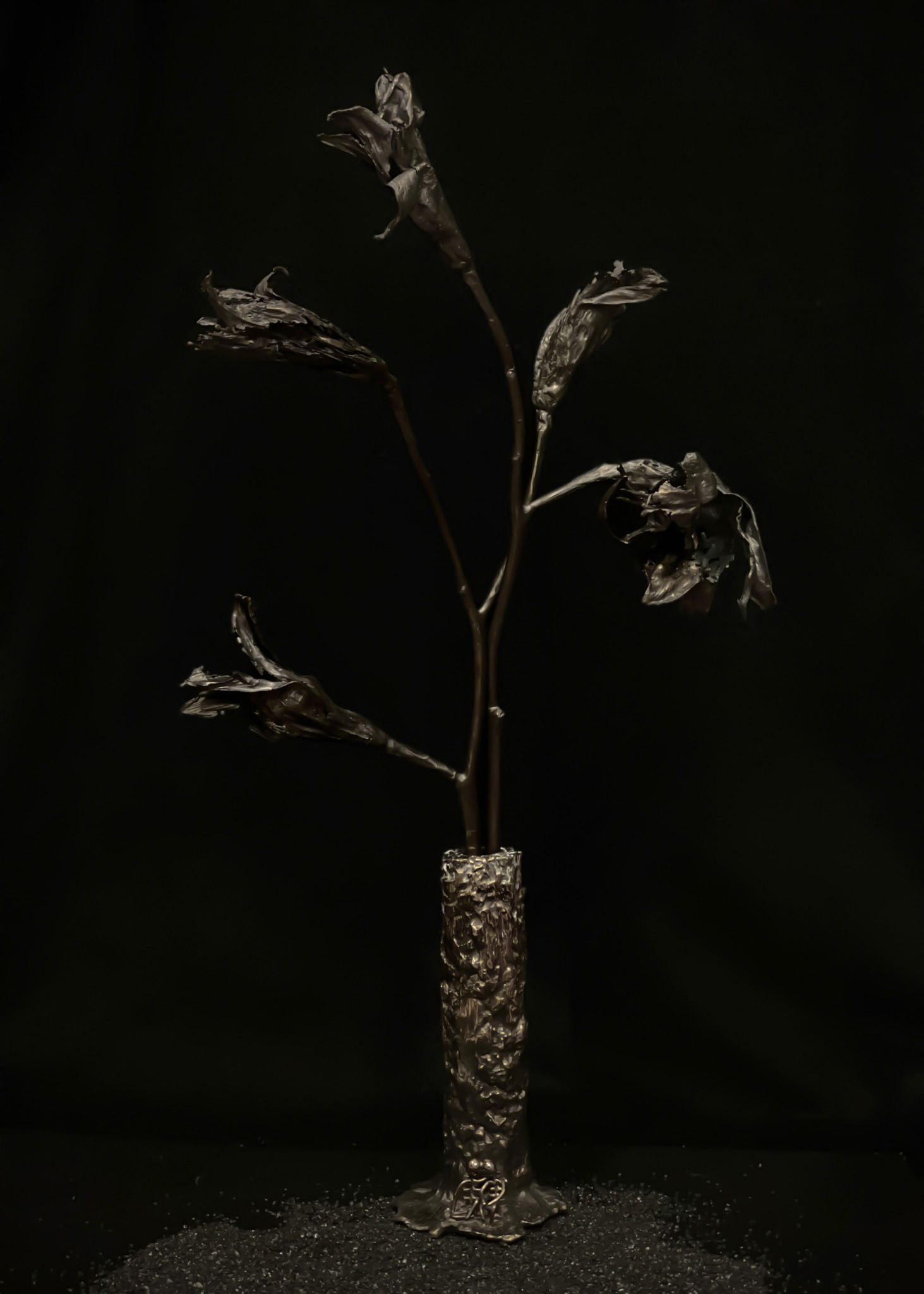
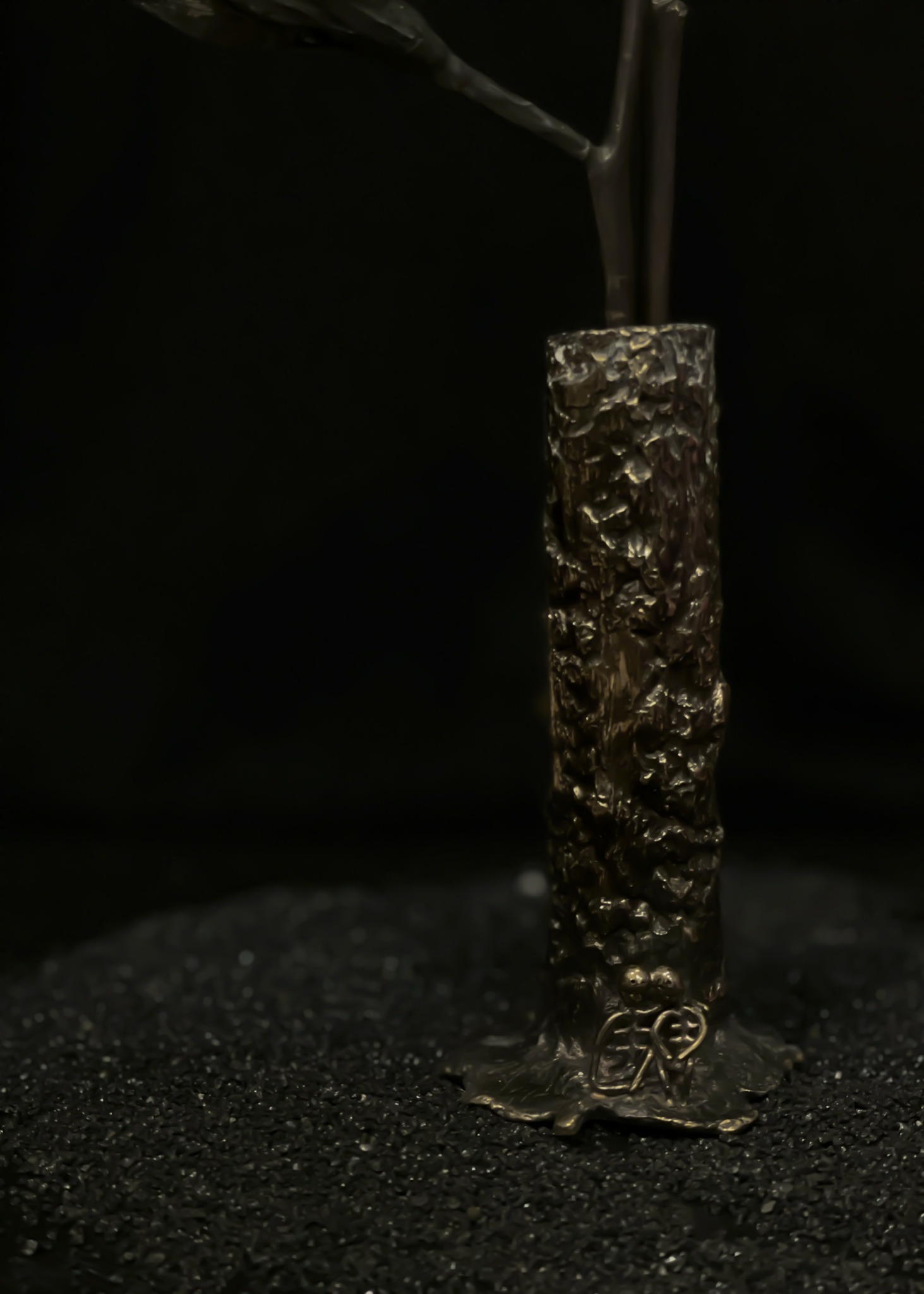
I have also learned that perfection is often the enemy of emotion. In an industry that prizes high-polish and flawlessness, I choose to embrace the ‘scars’ of the making process. For instance, in my Love and Loss piece, I preserve the organic imperfections of the casting to represent our own human flaws—the very things that make us who we are. Each wax petal is carved specifically for that one piece, meaning even a similar design will have its own character. As I scale up to sculpture, I carry this commitment to ‘material intimacy’ with me, ensuring that even my largest scaffolds retain the warmth of a hand-crafted touch.
Contact Info:
- Website: https://www.unathewimper.com
- Instagram: https://www.instagram.com/una.the.wimper/
- Facebook: https://www.facebook.com/unathewimper
- Linkedin: https://www.linkedin.com/in/una-lo-1bb306224/
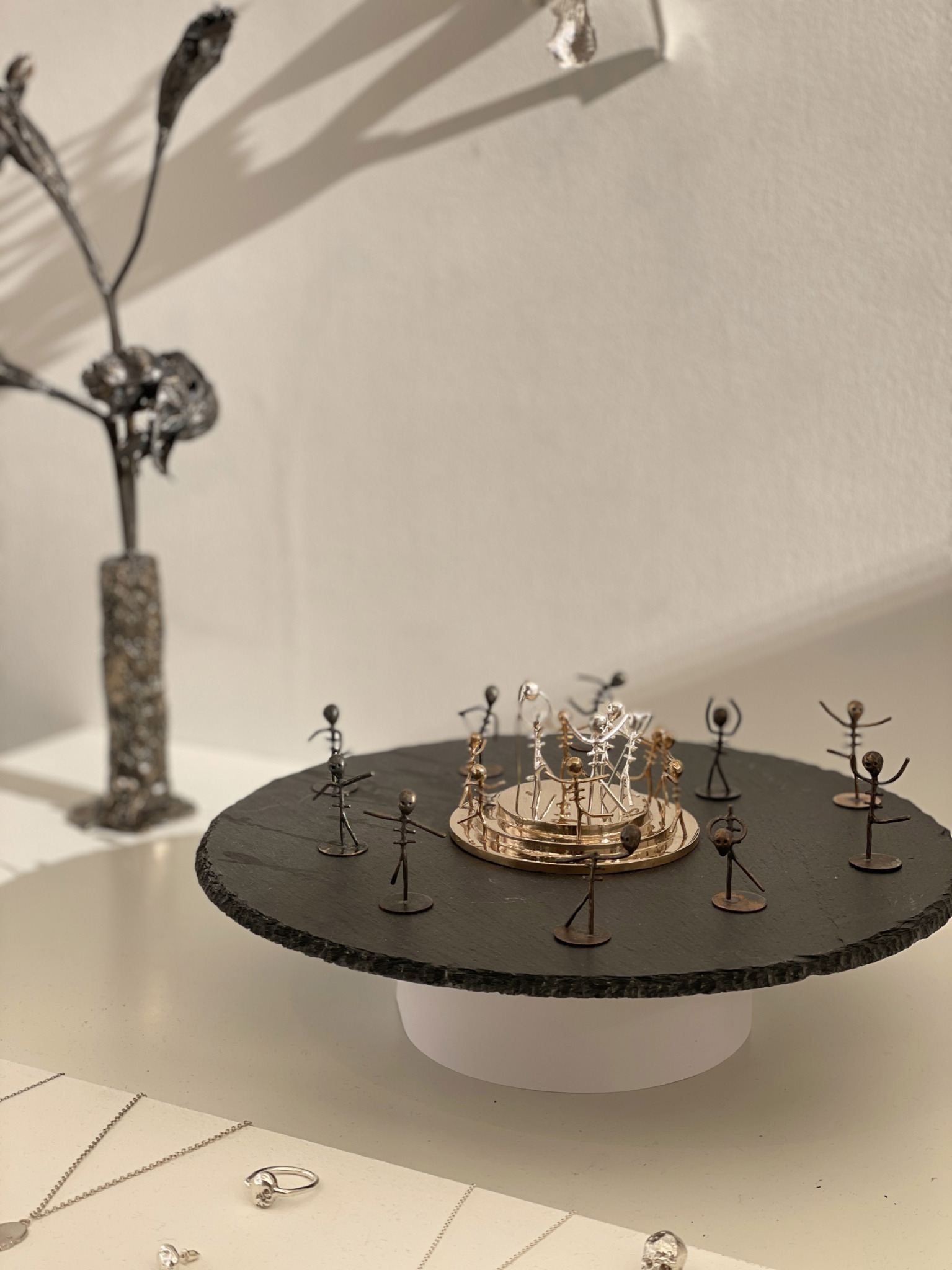
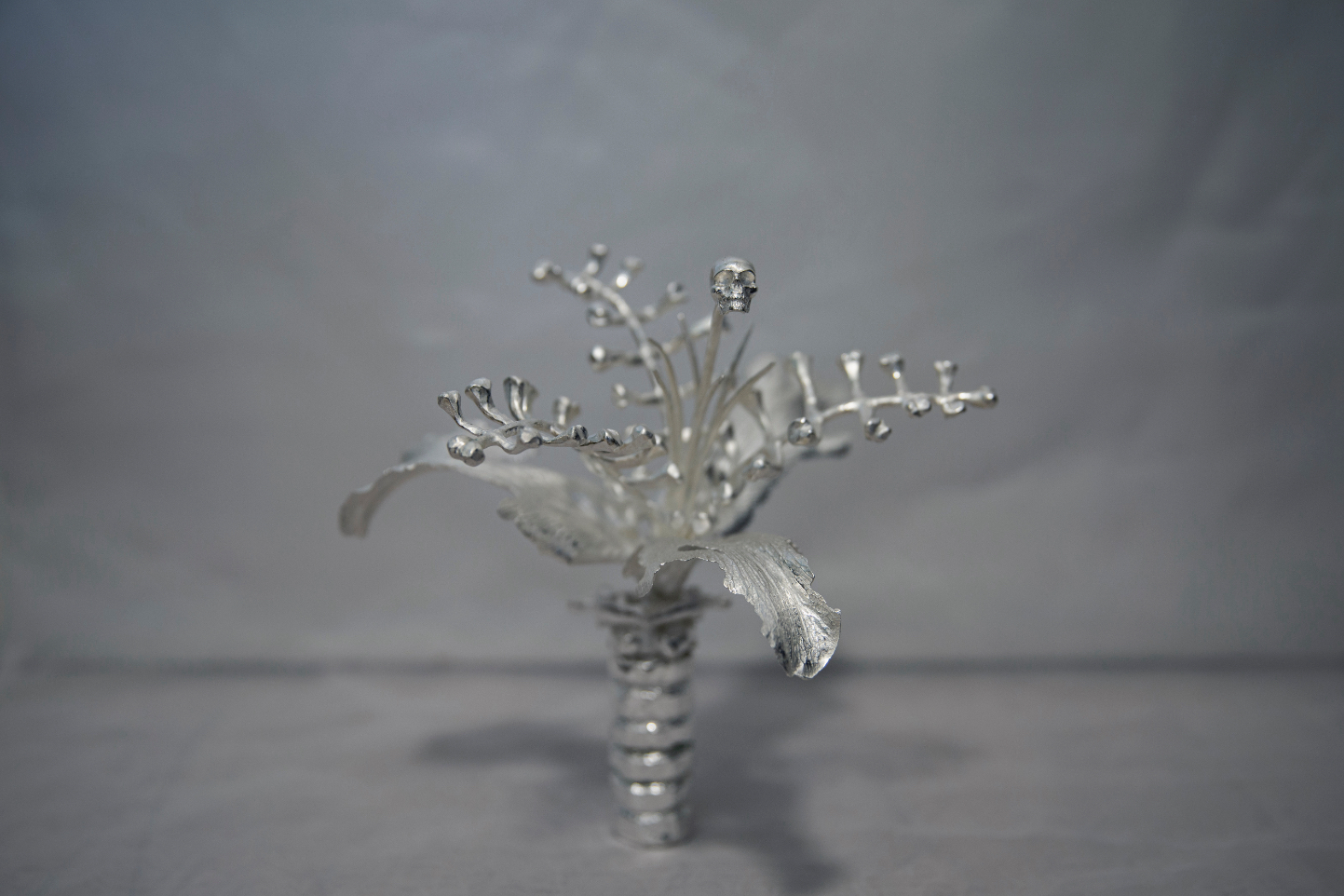
Image Credits
All artist’s own