
We recently connected with Nicole Utama and have shared our conversation below.
Alright, Nicole thanks for taking the time to share your stories and insights with us today. It’s always helpful to hear about times when someone’s had to take a risk – how did they think through the decision, why did they take the risk, and what ended up happening. We’d love to hear about a risk you’ve taken.
Moving halfway across the world is one of the biggest risks I have ever taken. I was born and raised in Indonesia, and I made the decision to move to the United States to pursue my Bachelor’s degree in interior design. Growing up, I had always dreamed of studying abroad. Both my mom and older brother had done it, so I knew I wanted to do the same. With that mindset, I applied to schools in the U.S. and was fortunate to receive a scholarship to attend the Savannah College of Art and Design in Savannah, Georgia.
Looking back, I do not think I gave myself enough credit for how big that transition really was. Adapting to a completely new environment and stepping out of my comfort zone was not easy, especially as an introvert. I was initially intimidated by the idea of meeting new people and finding my place, but over time I pushed myself to open up, starting with small conversations that gradually turned into meaningful connections.
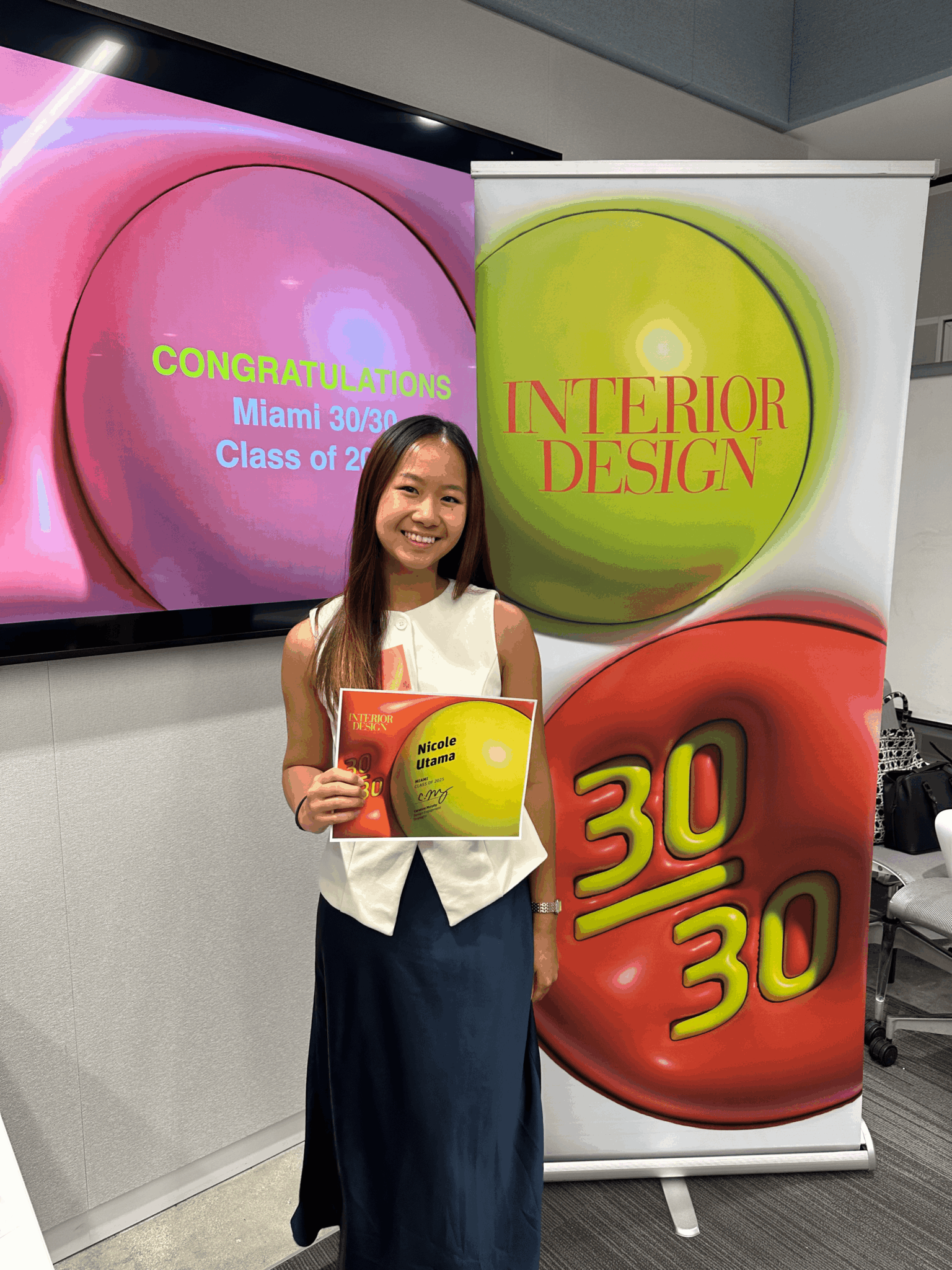
Choosing to study abroad turned out to be one of the best decisions I have ever made. Beyond my education, it shaped me as a person. I met incredible people from all over the world, built lasting friendships, and learned from inspiring professors who played a big role in my growth. It also opened doors I never imagined, giving me the opportunity to study in France, complete an internship in Singapore, and receive recognition for my design work.
Nicole, love having you share your insights with us. Before we ask you more questions, maybe you can take a moment to introduce yourself to our readers who might have missed our earlier conversations?
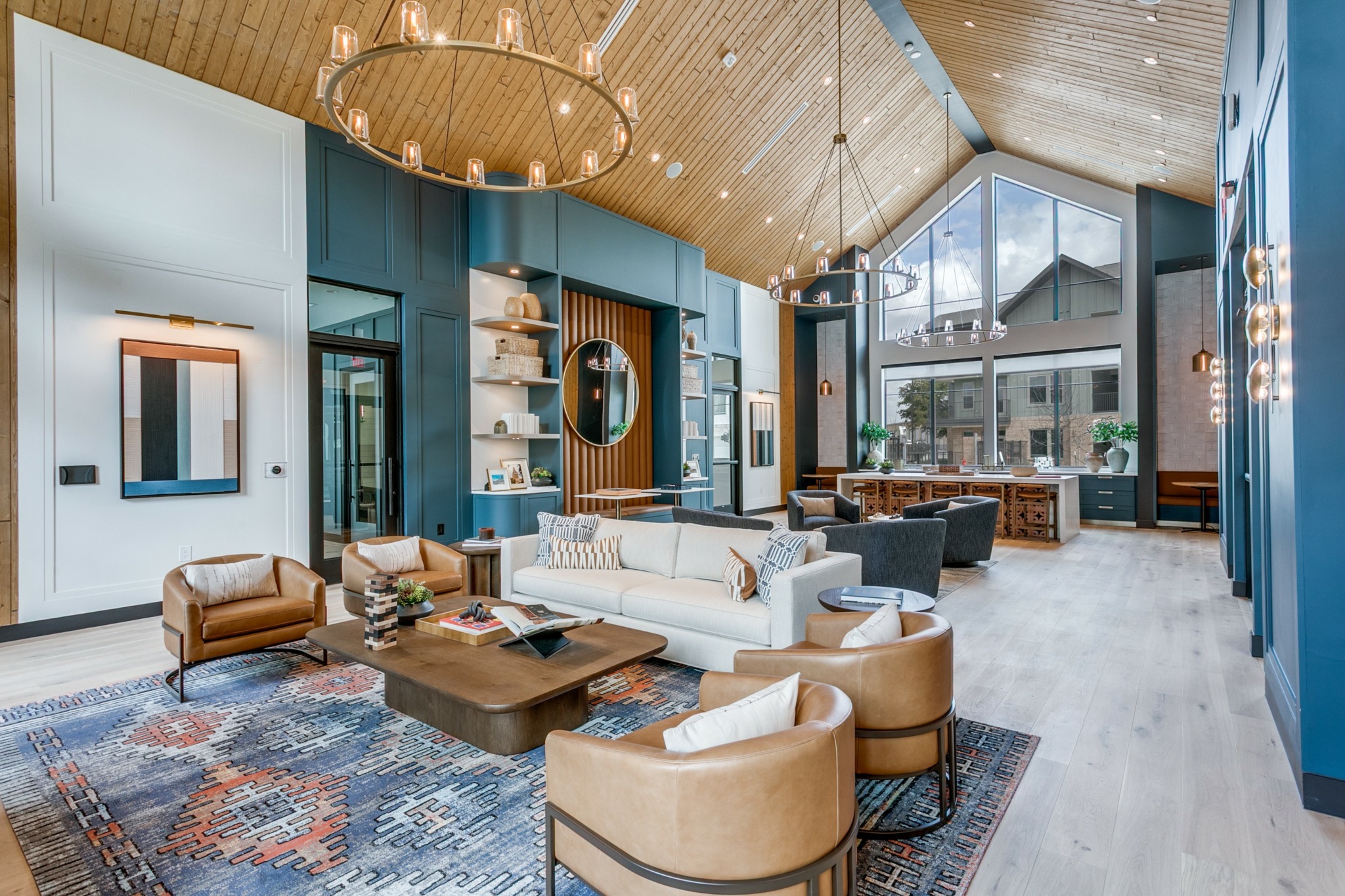
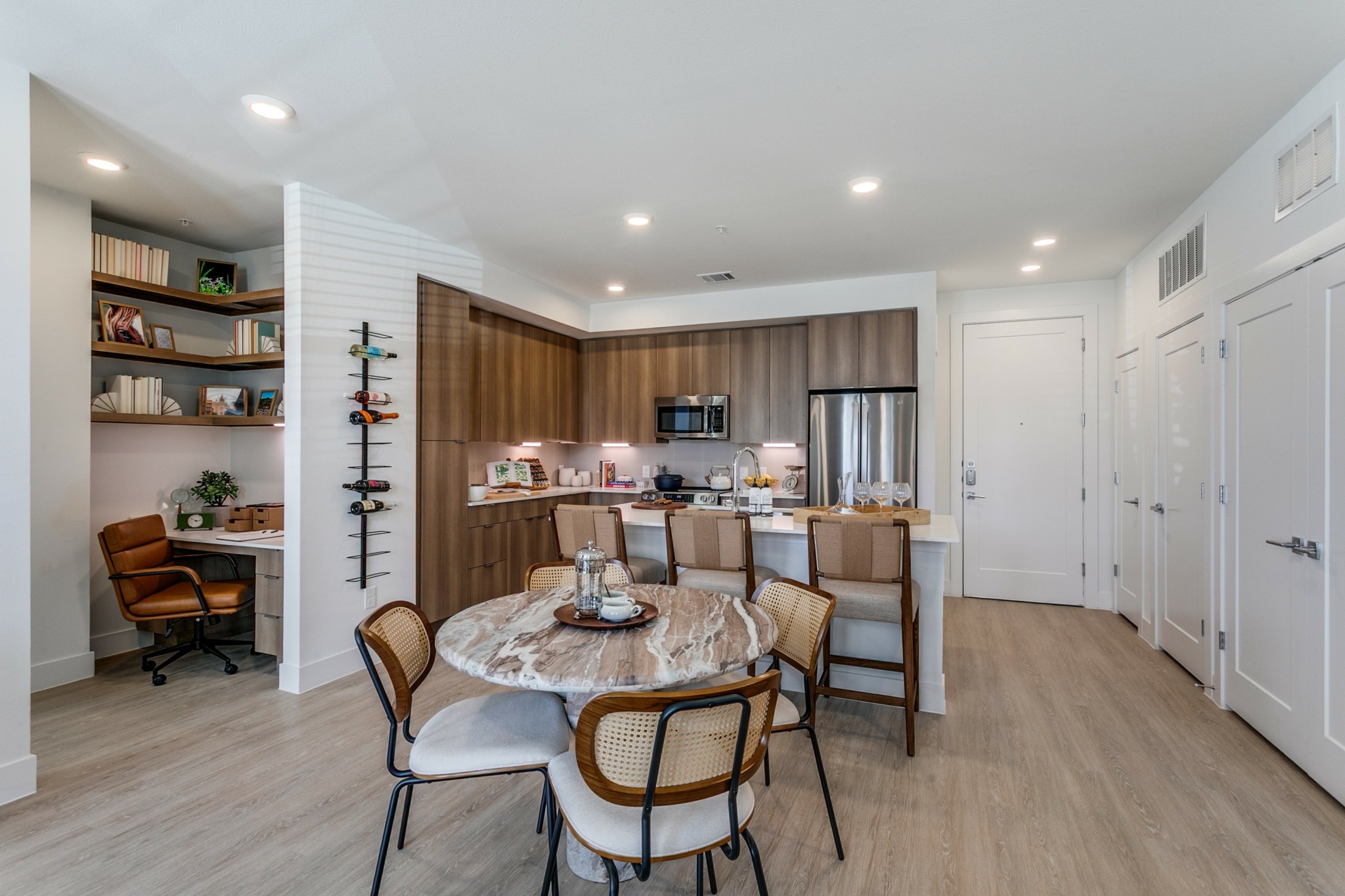
I’m an interior designer currently working as a Design Assistant at a boutique design firm in Miami, Florida, where I focus on multi-family residential projects. I work on both common areas and model units for developers, with projects spanning across Florida and Texas. Stepping into the industry straight out of college has quickly taught me how to balance creativity with real-world considerations from functionality, budgets, client needs, and user experience, while maintaining a strong sense of design integrity.
My passion for design has been there for as long as I remember. Growing up, I enjoy creating new things and learning new skills, from sewing, making bracelets, doing scrapbooks, calligraphy, and making handmade gifts. So, choosing design as a career came naturally to me. I stumbled upon Interior Design as a career as I was researching on what to study in college. I was drawn to the idea of how it incorporates art and psychology, creating spaces that invite exploration, foster connection, and leave a lasting impression.
What many people don’t realize is that design is only a portion of what we do. In my day-to-day work, I’m involved in everything from selecting finishes and furniture to space planning, creating presentations, producing construction documents, and coordinating with procurement teams, clients, and architects. In reality, the creative aspect makes up about 30% of the process. The rest lies in technical execution, detailing, coordination, and problem-solving. It’s in those details where a project truly comes to life.
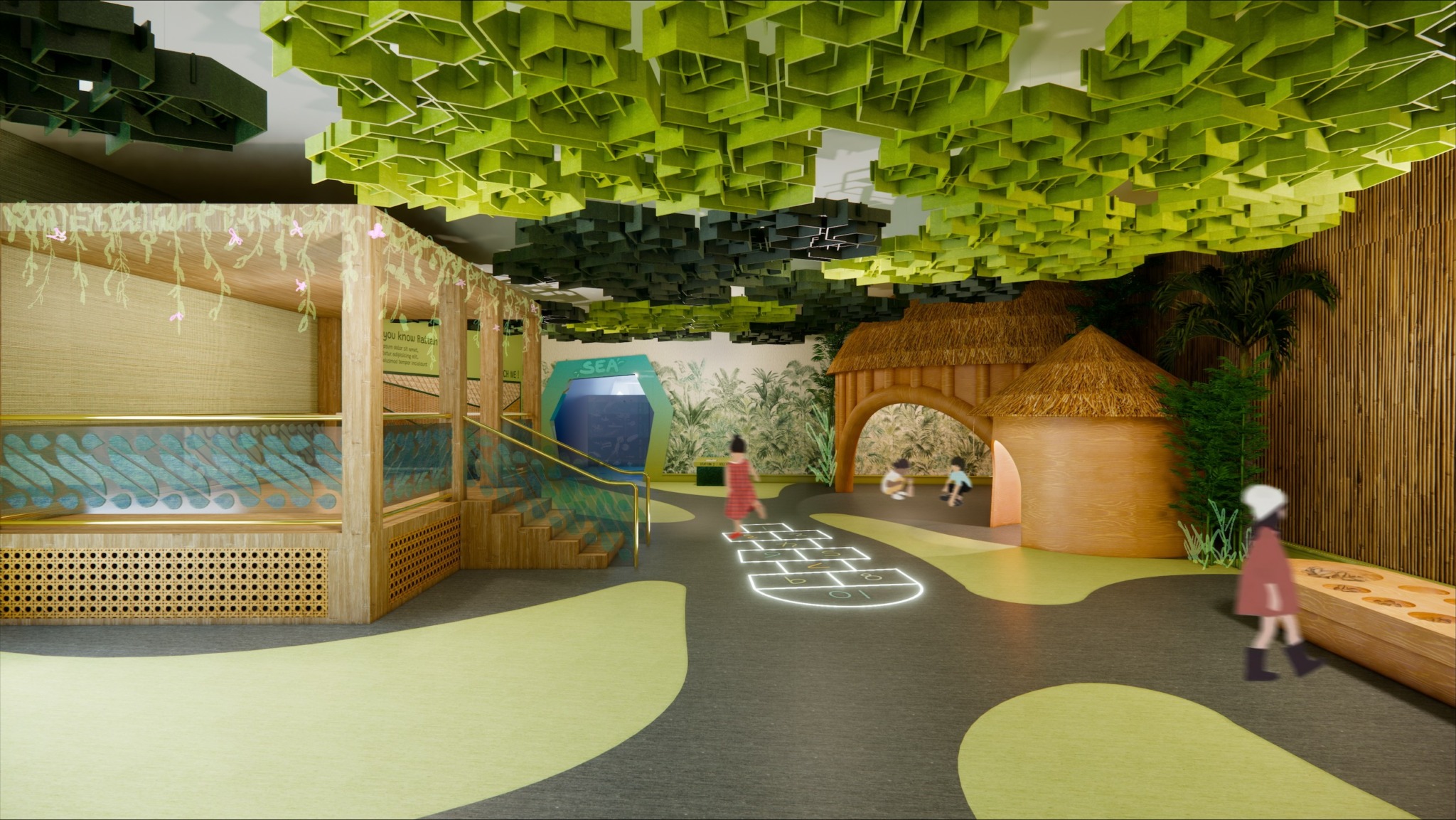
What sets my approach apart is a strong attention to detail paired with an understanding of both the creative and practical sides of design. I’m drawn to creating spaces that feel intentional, cohesive, and elevated, while still being functional and livable. I am especially interested in designing environments with a strong sense of place, spaces that tell a unique story and invite people to experience it fully.
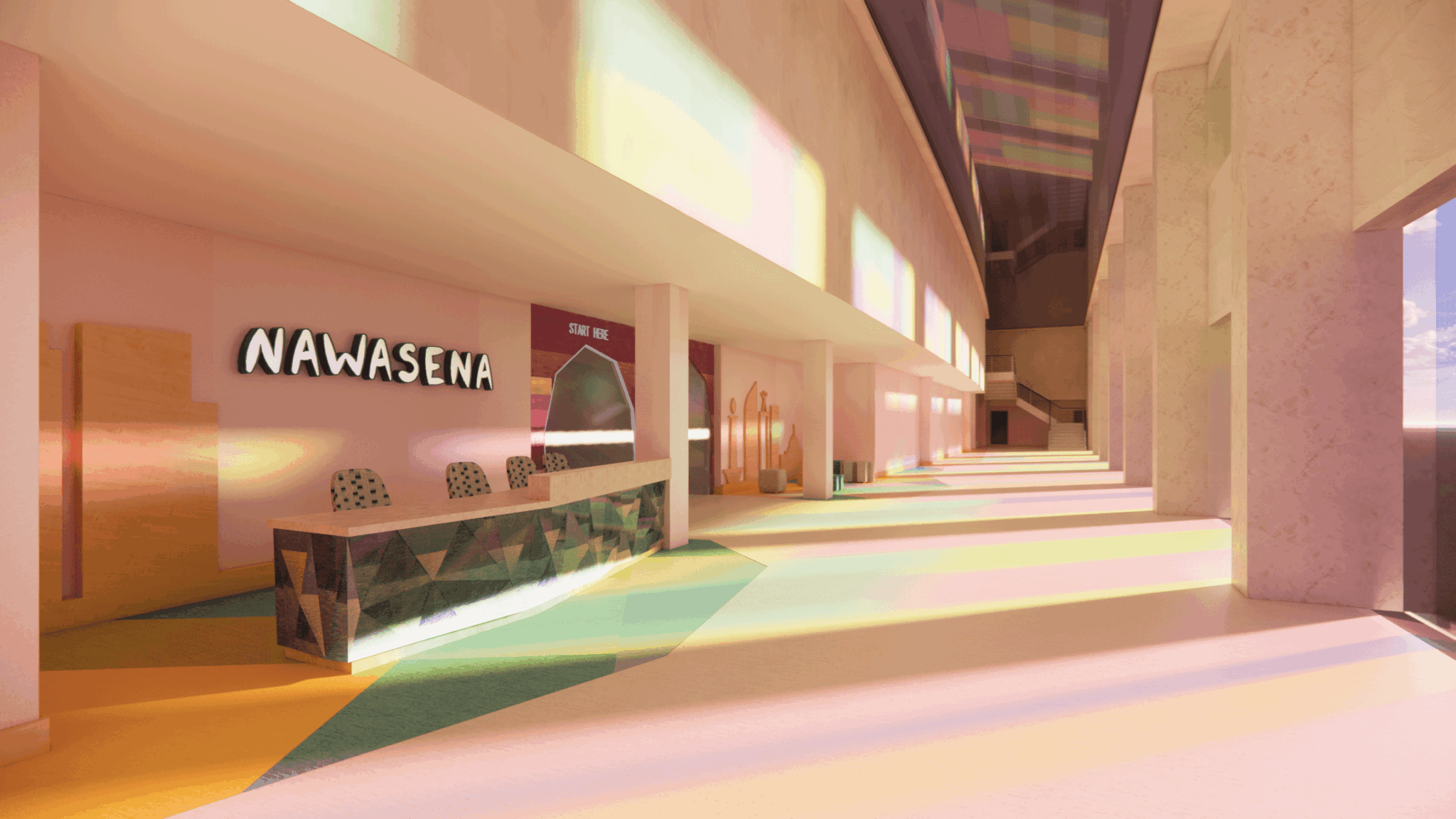
For you, what’s the most rewarding aspect of being a creative?
For me, the most rewarding aspect of being a creative is seeing a project come to life and watching clients connect with the design you produce. Unlike some other design fields, interior design often takes time before you can experience the finished result. I recently worked on a project where I selected furniture and accessories for model units and common areas. Seeing the space come alive beyond mood boards and construction drawings, and witnessing how all the details come together, is an incredibly fulfilling experience. Moments like that are what keep me passionate about my work.
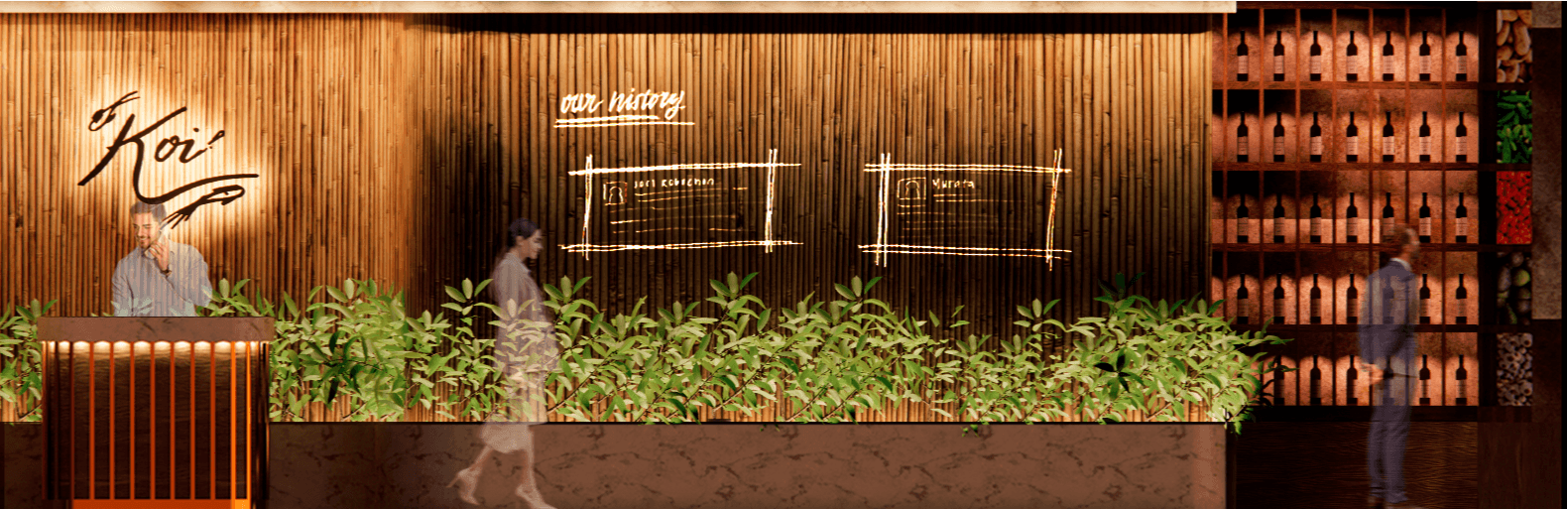
How can we best help foster a strong, supportive environment for artists and creatives?
I think creatives are often underappreciated compared to other fields. One of the most important ways society can support artists and designers is by recognizing the time, effort, and thought that goes into creating meaningful work. Valuing the process as much as the final product and acknowledging the dedication behind it can help build a thriving creative ecosystem. When people truly understand the work involved, it allows artists and designers to continue pushing boundaries and creating spaces, objects, and experiences that enrich our lives.
Contact Info:
- Linkedin: https://www.linkedin.com/in/nicoleutama