

Alright – so today we’ve got the honor of introducing you to Tzvi Prochnik. We think you’ll enjoy our conversation, we’ve shared it below.
Alright, Tzvi thanks for taking the time to share your stories and insights with us today. Let’s start with inspirations and heroes. Are there any historical figures you look up to?
One of my main therapy heroes is named Carl R. Rogers. He was a practicing psychotherapist and researcher who was prominent from the 1950s-1980s. He was involved in creating a therapeutic approach known as humanistic psychology. Humanistic psychology is a client-centered, non-directive approach. By using active listening and reflection techniques, the therapist can help clients increase their understanding of themselves, their issues and how they want to address them. This theory was a big departure from the dominant therapeutic theories at the time which didn’t treat clients as equal partners in the therapeutic relationship, but rather viewed the therapist as the expert who would tell clients how to solve their problems. I learned about Carl Rogers in graduate school at UT Austin, when I was studying to get my Master’s in Social Work, but didn’t really dive deeper into his work until I became a practicing therapist with Enteave Counseling 2 years ago. There are some great videos of client sessions he did on Youtube where you can witness his incredible talent at allowing the client to guide the session while maintaining presence and compassion with whatever is coming up for them. I think it was tempting early on in my journey as a psychotherapist to act as a teacher or expert in my sessions in order to feel in control of where the session was going and to present a “professional” persona to my clients to increase credibility. What I’ve come to realize, however, is that clients have the capacity within themselves to create change and just need the right conditions to do so. This approach has made my work as a therapist more rewarding and creates better results for my clients as well. I think it can work well for any issue, but especially with clients who have drug or alcohol use issues. Those clients in particular are often tired of people telling them what they should do to fix their lives. If you talk to people who have issues with drugs or alcohol, they are usually well aware of how those substances are damaging their health, relationships, functioning, etc. They have very likely had well-meaning people tell them that they should stop drinking or using. Rather than just telling them what they should do, when I work with those individuals I help them explore their motivation for making a change, if that is indeed what they want, and how they can get there if they do want to stop using. A big component of this is exploring their ambivalence, or their conflicting feelings about change. This theory has not only been impactful for me in my work, but also in my personal life. Like anyone, I struggle with conflicting feelings about change and find it hard to maintain positive changes once I do decide to shift a behavior that is no longer serve me. This therapeutic approach allows me to grow in tandem with my clients.

Tzvi, love having you share your insights with us. Before we ask you more questions, maybe you can take a moment to introduce yourself to our readers who might have missed our earlier conversations?
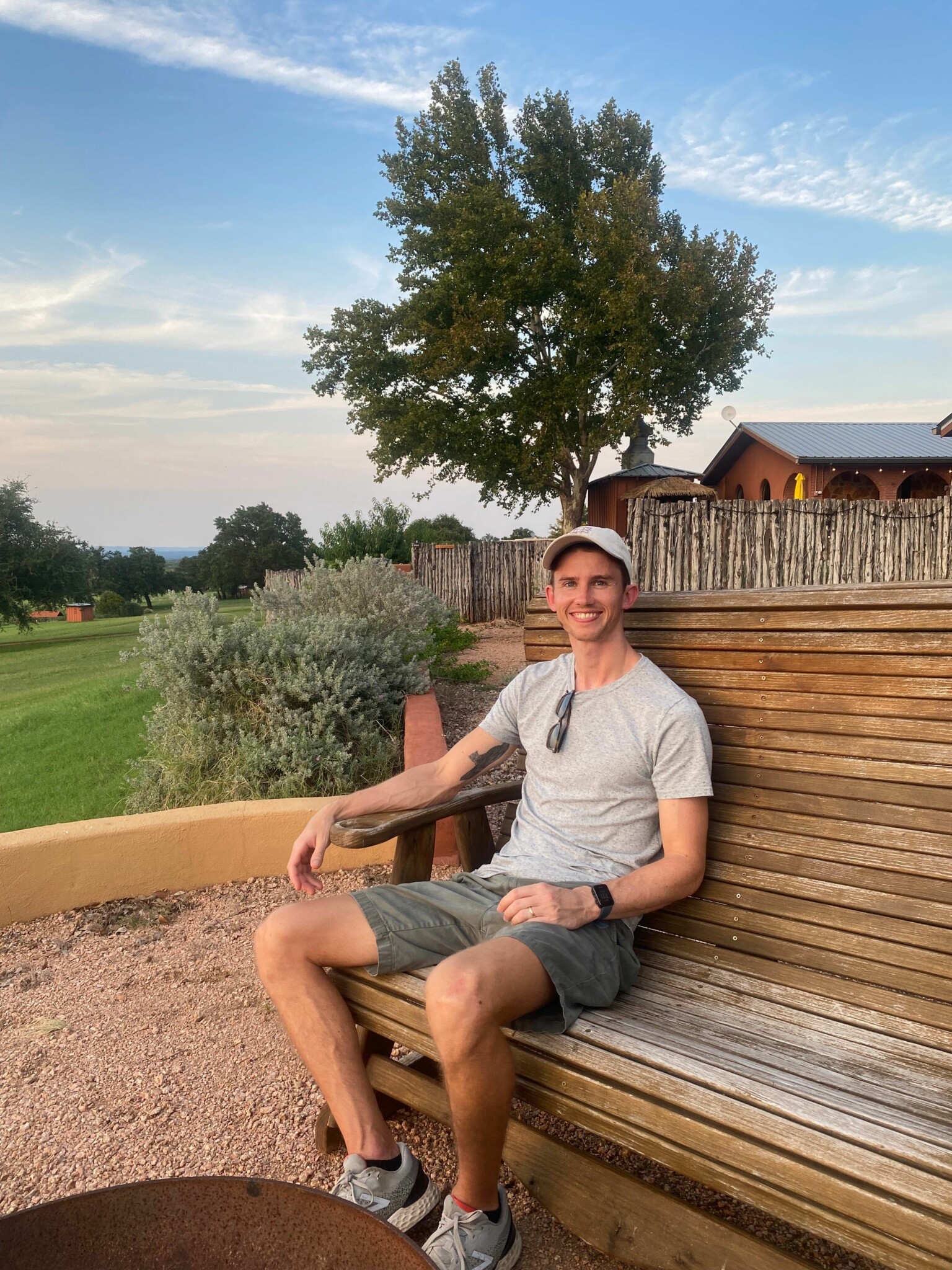
I am a psychotherapist with Enteave Counseling and I see adults (18+) for individual counseling sessions. I have worked with clients experiencing a wide range of issues including depression, anxiety, substance abuse, life transitions, grief/loss, relationship issues, academic stress, and more. I believe the most important element for positive change is the therapeutic alliance which is why I work hard from the very beginning to make my clients feel respected and understood. As a licensed clinical social worker, I take a kind, nonjudgmental approach. I have experience with Cognitive Behavioral Therapy, EMDR trained, mindfulness and motivational interviewing. I accept insurance and have a range of availability. Reach out to our scheduling team: scheduling@enteave.com if you are interested in learning more or want to get scheduled.
What do you think helped you build your reputation within your market?
The thing that has helped me build my reputation as a psychotherapist with Enteave Counseling has been continue to push myself to learn and grow. A couple years ago, I got trained in Eye Movement Desensitization and Reprocessing (EMDR) which is a evidence-based trauma therapy approach. I have found it immensely useful in working with clients dealing with traumatic memories and PTSD. For trauma work it is important not to just focus on what happened on a cognitive level, but to address the way the trauma is being stored in the body. Interestingly, it can also be helpful for working through negative core beliefs that the majority of individuals with or without trauma deal with. I also make sure to keep up to date with clinical literature and techniques to improve my skills as a therapist and provide the best help I can for my clients.
Learning and unlearning are both critical parts of growth – can you share a story of a time when you had to unlearn a lesson?
Early on in my therapeutic journey, I thought it was the job of the therapist to formulate an understanding of my client’s problems, create a plan for how I was going to help them solve these issues and then teach them how to do so. I have come to learn however, that not only is this approach ineffective; we as humans tend to resist what someone tells us what to do, even if we know it’s the right answer, but also clients are capable of creating change on their own provided the right conditions. My job as a therapist is really to act more as a guide along a client’s journey towards understanding what they need. Over time I’ve become more comfortable with learning how to help clients reach their own conclusions about what they need and often this ends up making the work more rewarding both for myself and my client.
Contact Info:
- Website: https://enteave.com/tzvi-prochnik
- Instagram: https://www.instagram.com/enteavecounseling/