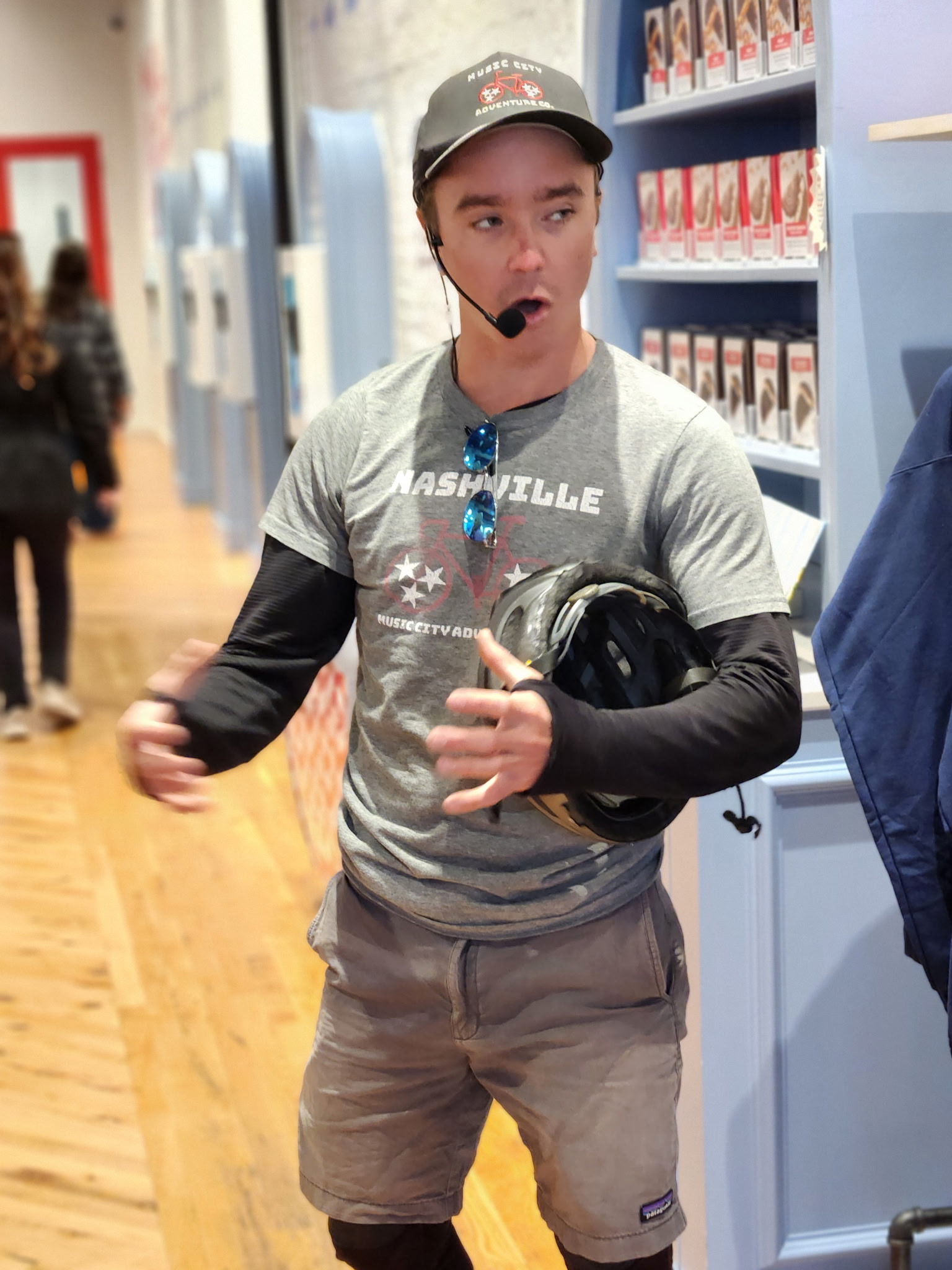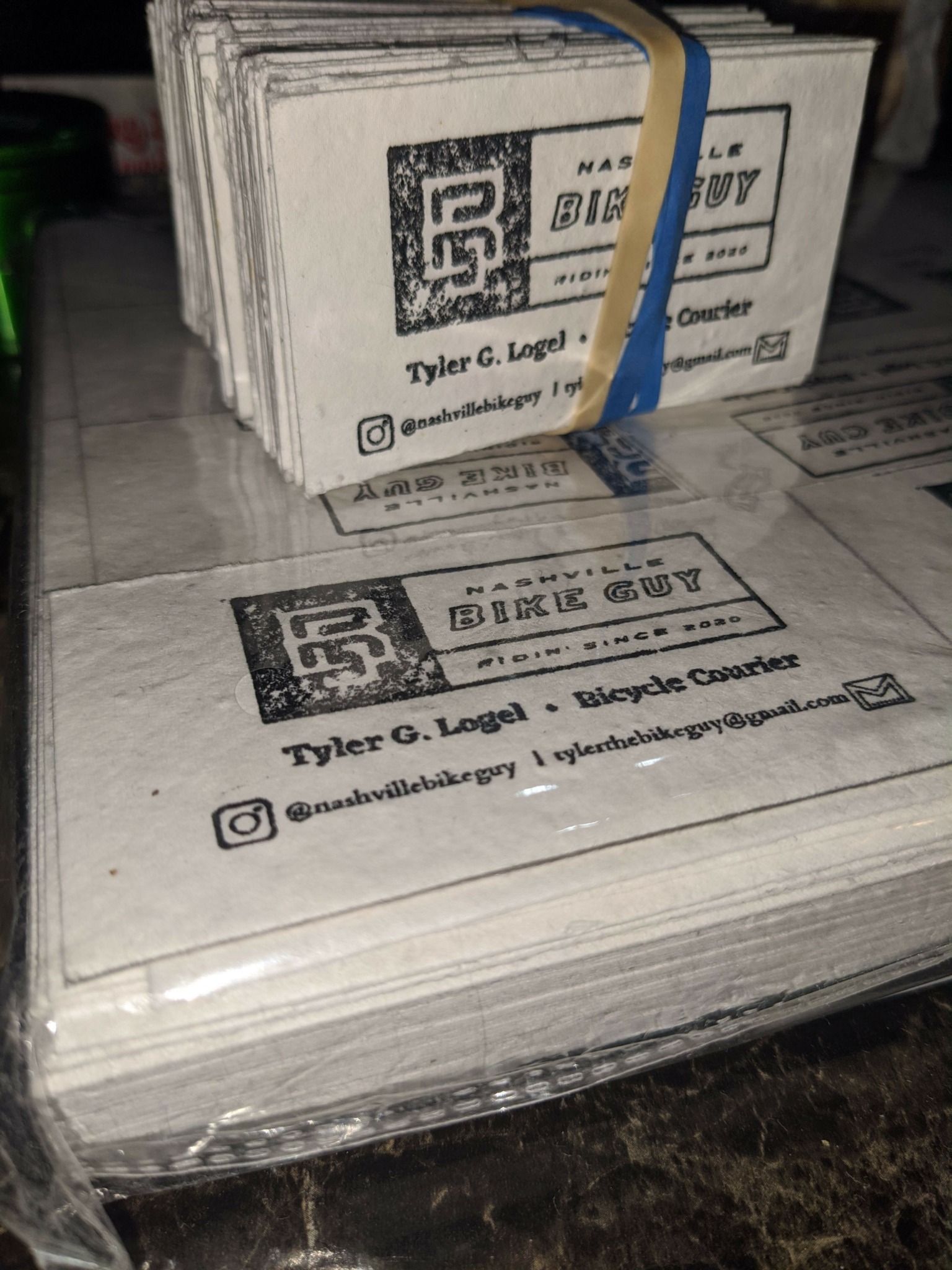

We were lucky to catch up with Tyler Logel recently and have shared our conversation below.
Tyler, thanks for joining us, excited to have you contributing your stories and insights. It’s always helpful to hear about times when someone’s had to take a risk – how did they think through the decision, why did they take the risk, and what ended up happening. We’d love to hear about a risk you’ve taken.
I think the biggest risk I ever took didn’t feel big in the moment. It felt messy, uncertain, and honestly terrifying.
A few years back, I was working a normal office job. It was stable, it paid the bills, and it felt like I was on top of the world. Then COVID hit, and that security disappeared almost overnight. With work gone and the future a little hazy, I started riding my bike more just to clear my head. At first it was about exercise and fresh air, but pretty quickly I realized I loved moving through the city and feeling connected to it. That’s when the question started creeping in…Could I actually make a living on a bike?
I decided to play with my luck. Without much of a plan or a safety net, I became a bike courier in New Orleans. That choice alone felt risky. There was no guaranteed income, no benefits, and no protection from traffic, weather, or burnout. There were days I questioned myself, especially after close calls with cars or the brutal Louisiana heat. But something unexpected happened. The work just felt right. I liked being in motion, learning the city street by street, and showing up for people in a tangible way. I started to see my bike not just as transportation, but as a tool and a way of life.
The bigger risk came when I decided to move to Nashville and start Nashville Bike Guy from scratch. I didn’t have clients waiting for me or money backing me. I had a bike, some experience, and a belief that this city could benefit from a different way of moving goods and supporting local businesses. Nashville isn’t known for being bike-friendly, and that made the decision even scarier. Every day meant riding in traffic, dealing with unpredictable infrastructure, and trusting that people would understand what I was trying to build.
Those early months were humbling. I rode hundreds of miles a week through heat, rain, and cold. Some days were slow. Some days were dangerous. There were moments when I wondered if I should have taken the safer route and gone back to a traditional job. Instead, I kept showing up. I talked to business owners, built relationships, and focused on being reliable and human. Slowly, the work turned into momentum.
Looking back now, that risk didn’t just work out. It reshaped my life. I’m healthier, more connected to my community, and doing work that aligns with my values. I don’t just deliver packages. I represent what’s possible when you trust a different path and commit to it fully.
What I learned is that risk doesn’t always look dramatic from the outside. Sometimes it’s simply choosing a life that feels true to who you are instead of one that only feels safe on paper. For me, betting on the bike was worth every mile.
As always, we appreciate you sharing your insights and we’ve got a few more questions for you, but before we get to all of that can you take a minute to introduce yourself and give our readers some of your back background and context?
I’m Tyler Logel, but everyone around town just knows me as “The Bike Guy”.
I didn’t come into this with a long-term business plan or a traditional background in logistics. I found my way here by realizing that the thing I loved most, riding my bike, could also be a way to support myself and my community. When my work life shifted during the pandemic, I took that as an opportunity to rethink what I wanted out of a career and decided to build something that aligned with my values instead of just chasing stability. Third-party food delivery apps have become a huge part of the courier industry in the last decade, which in my opinion has led to a decline in quality.
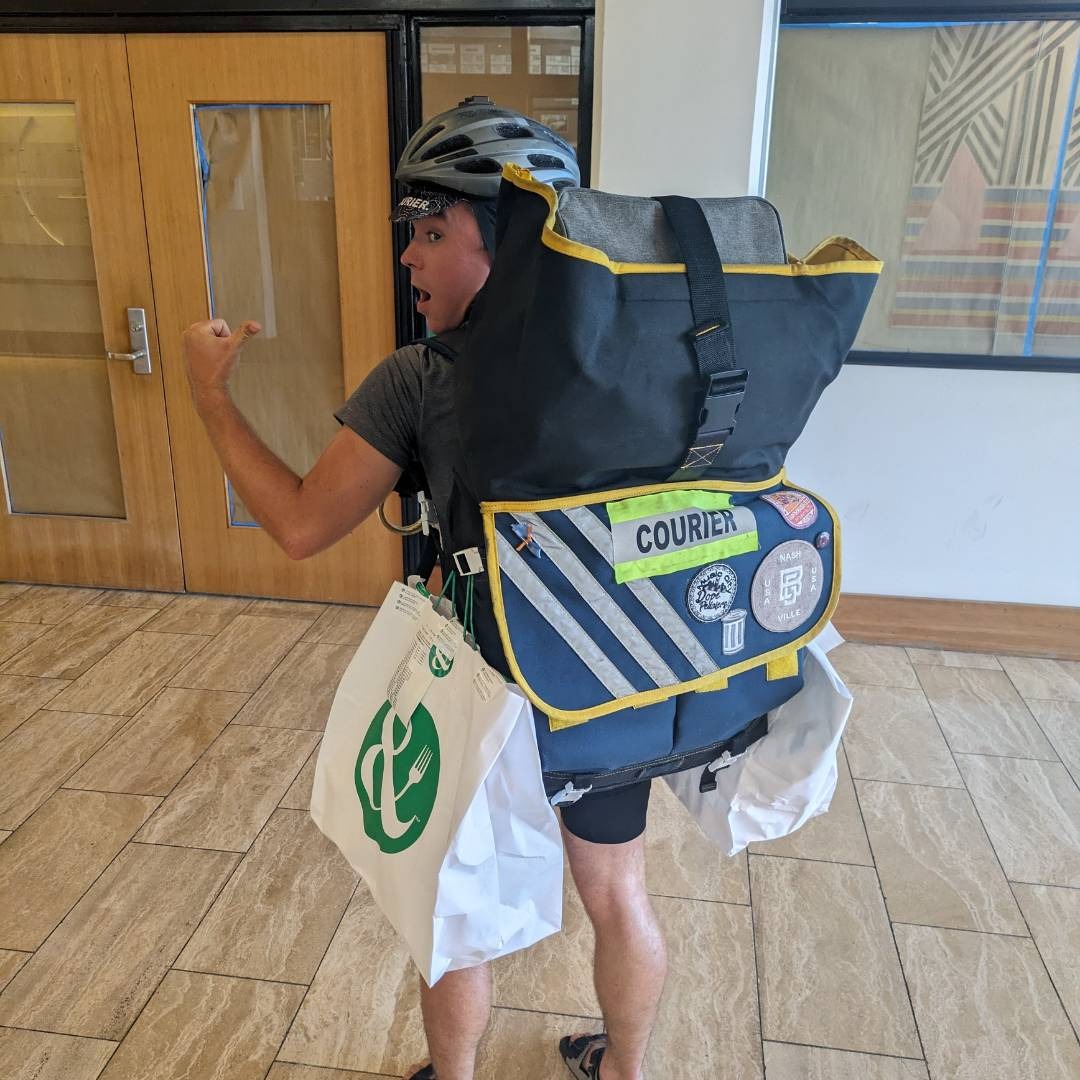
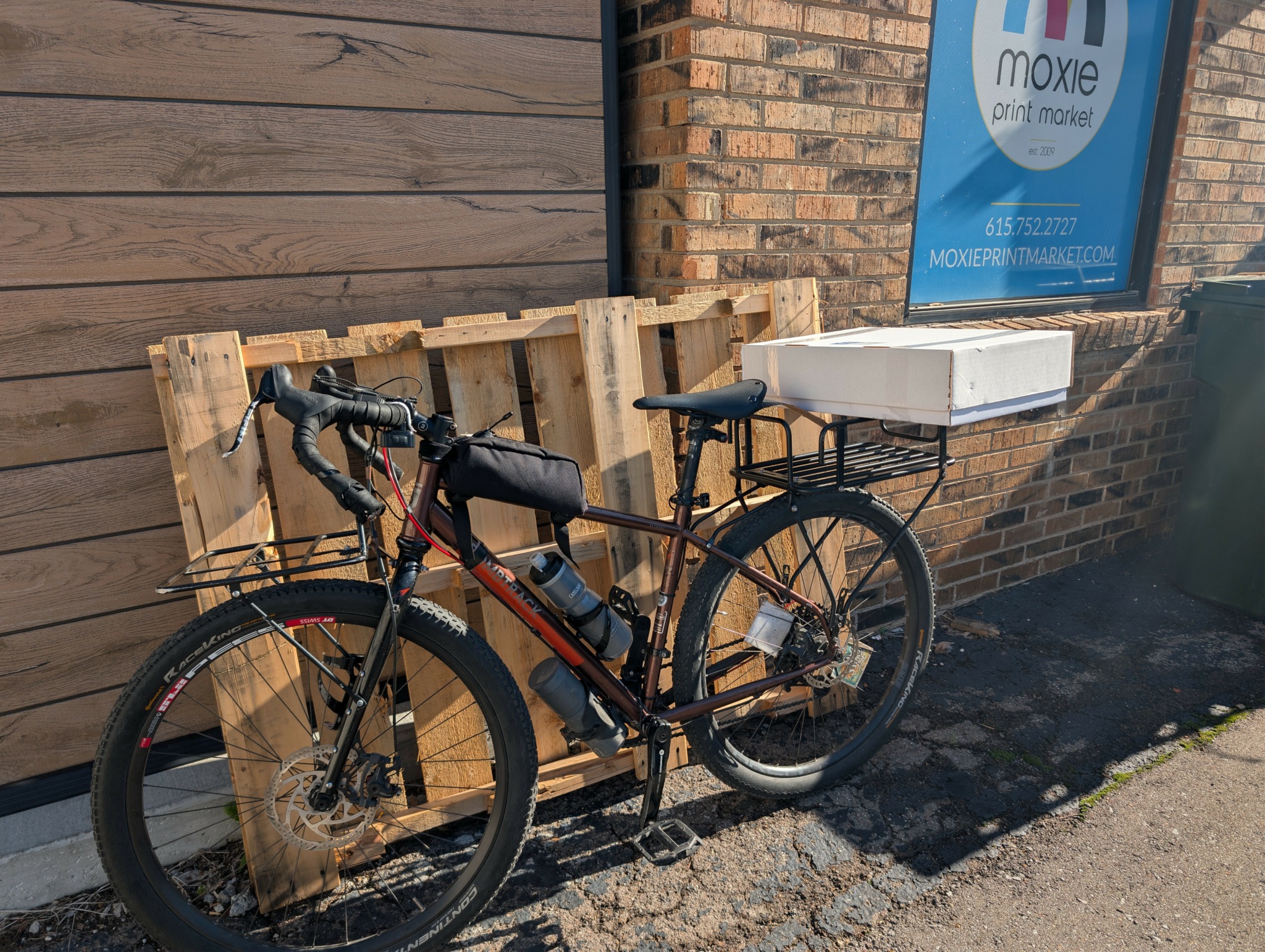
Nashville Bike Guy provides same-day and on-demand bicycle delivery for local businesses. That can mean food, retail items, documents, or custom deliveries that don’t fit well into big app-based systems. What I really offer is reliability and a personal connection. Clients know exactly who is handling their deliveries, I see them every week, and they know I’ll treat their business with care. I help businesses move things efficiently while also cutting down on traffic and environmental impact.
What sets me apart is that I’m not managing this from behind a screen. I’m out there riding hundreds of miles a week in all weather, navigating the city firsthand. That visibility and consistency matter. People see me, recognize the brand, and understand that this is a real, human-powered service, not an anonymous platform.
What I’m most proud of is building something honest and sustainable. I’ve focused on relationships over rapid growth and on showing up every day instead of scaling for the sake of scaling. I want potential clients and supporters to know that Nashville Bike Guy stands for local support, sustainability, and proving that bikes belong in this city in a real and practical way.
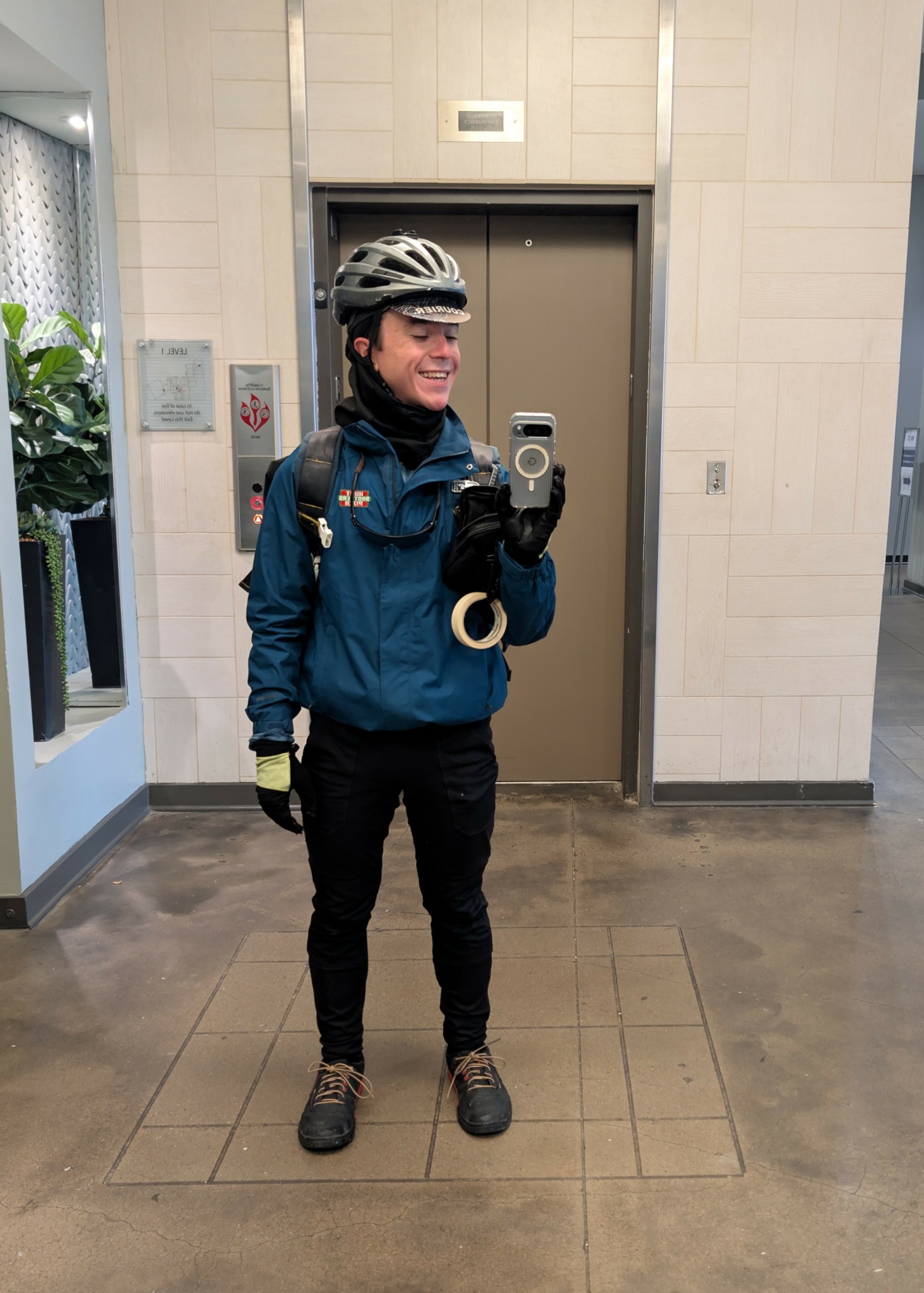
We’d love to hear about how you keep in touch with clients.
I believe grassroots brand loyalty starts with being human and consistent. I keep in touch with clients the same way the business was built, through direct, personal communication. Most of my clients have my phone number, and a lot of our coordination happens through simple texts, calls, or quick check-ins. There’s no ticket system or automated responses. If someone reaches out, they’re talking to me.
I also foster loyalty by showing up and doing exactly what I say I’ll do. Reliability goes a long way. When clients know their delivery will be handled carefully, on time, and by the same person every time, trust builds naturally. That consistency is a big part of why people keep coming back.
Beyond logistics, I make an effort to build real relationships. I learn how each business operates, what their busy days look like, and how I can make their lives easier. Sometimes that means adjusting routes or timing. Sometimes it’s just checking in to see how things are going. Those small details make clients feel seen, not processed.
I also stay visible. Riding through the city every day, sharing my work on social media, and being present in the community helps reinforce the brand in an organic way. People don’t just recognize the name. They recognize me. That familiarity creates a sense of connection and accountability that you don’t get from larger delivery platforms.
At the end of the day, loyalty comes from trust, transparency, and follow-through. I treat every delivery like it matters because it does, and I think people feel that.
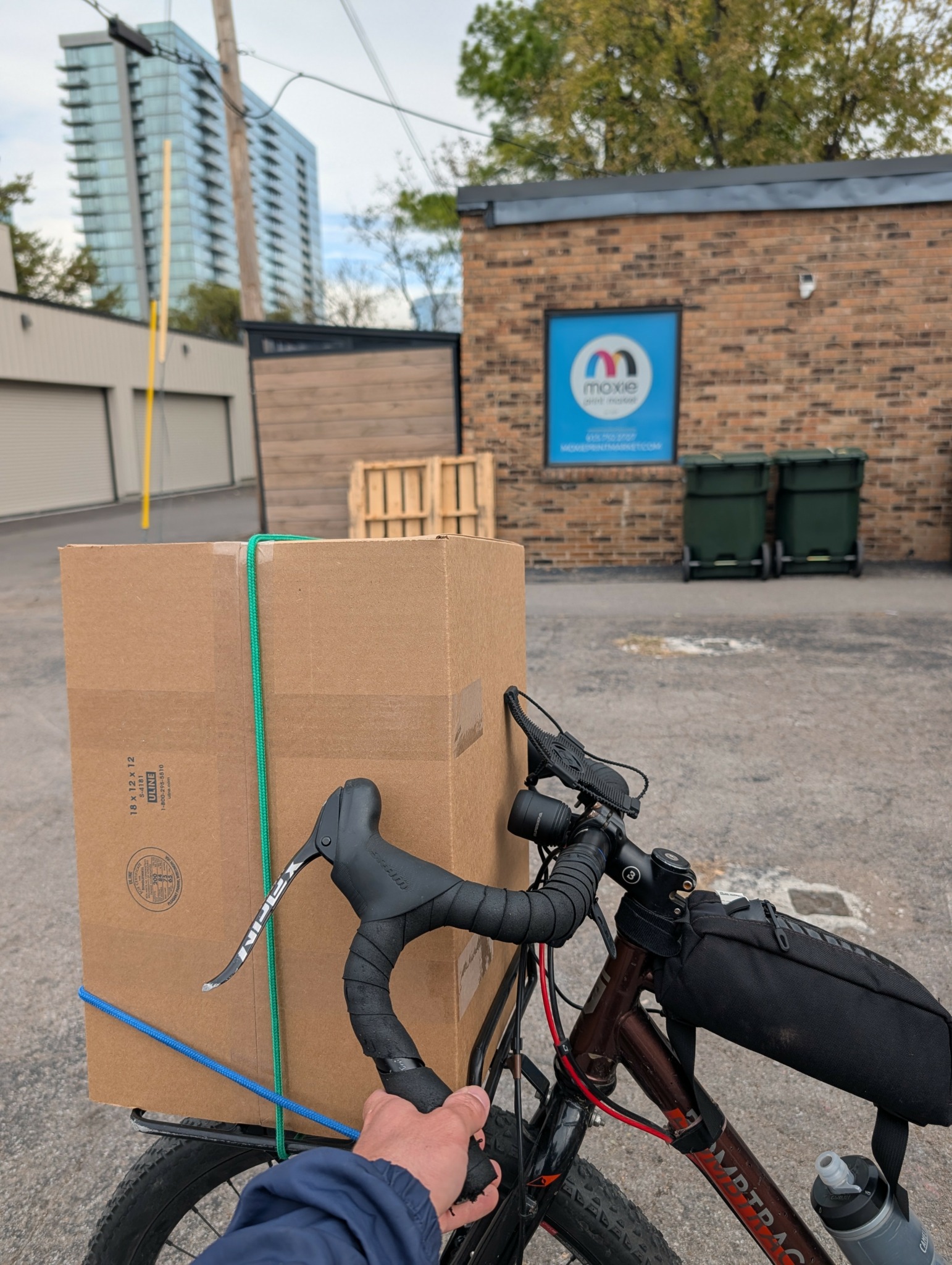
How do you keep your team’s morale high?
For me, managing a team and maintaining morale starts with respect and shared ownership, not hierarchy. I’ve always been inspired by cooperative business models and bicycle courier collectives, where the people doing the work have a real voice in how the work gets done. That mindset shapes how I think about growth and leadership, even as a small operation.
Our team has recently been working with the Southeast Center for Cooperative Development, and that’s been huge for re-framing what “team building” can look like. Instead of focusing only on efficiency or output, the conversation shifts to values, communication, and long-term sustainability for the couriers involved. When people understand the why behind the work and feel included in decisions, morale naturally improves.
My biggest advice is to build transparency into everything. Be clear about expectations, challenges, and goals, and don’t pretend you have all the answers. Creating space for open dialogue and feedback makes people feel trusted and invested. In democratically run or cooperative-style businesses, that shared responsibility isn’t just philosophical, it’s practical. People take better care of the work when they feel some ownership over it.
Also, don’t underestimate the power of care. That means checking in on how people are actually doing, not just how the work is going. Sustainable businesses are built on sustainable people. When a team feels heard, valued, and aligned around shared principles, motivation doesn’t have to be forced. It grows naturally.
Contact Info:
- Website: https://allmylinks.com/tylerthebikeguy
- Linkedin: https://www.linkedin.com/in/tyler-logel-9a982259/
- Other: tylerthebikeguy@gmail.com