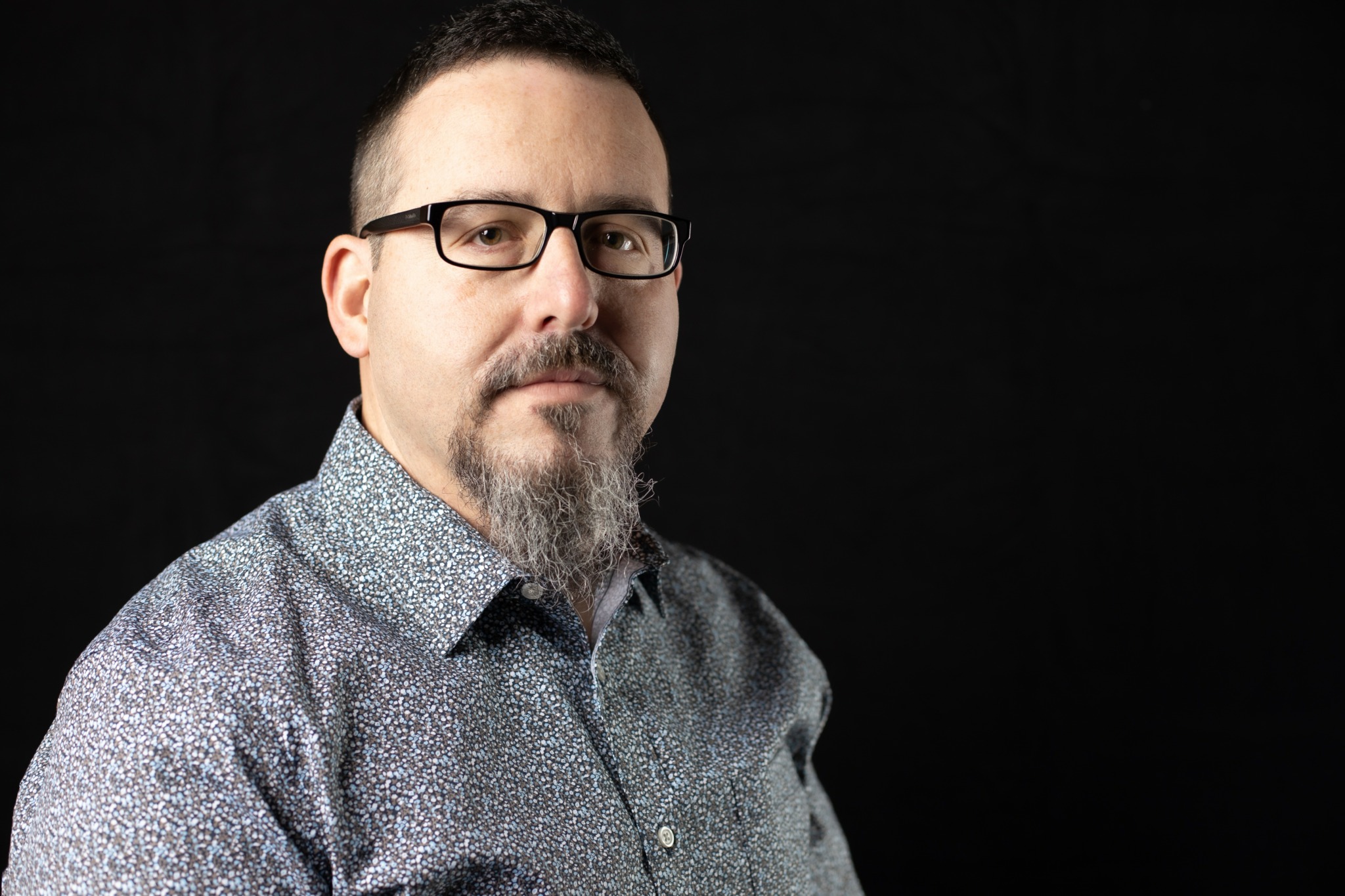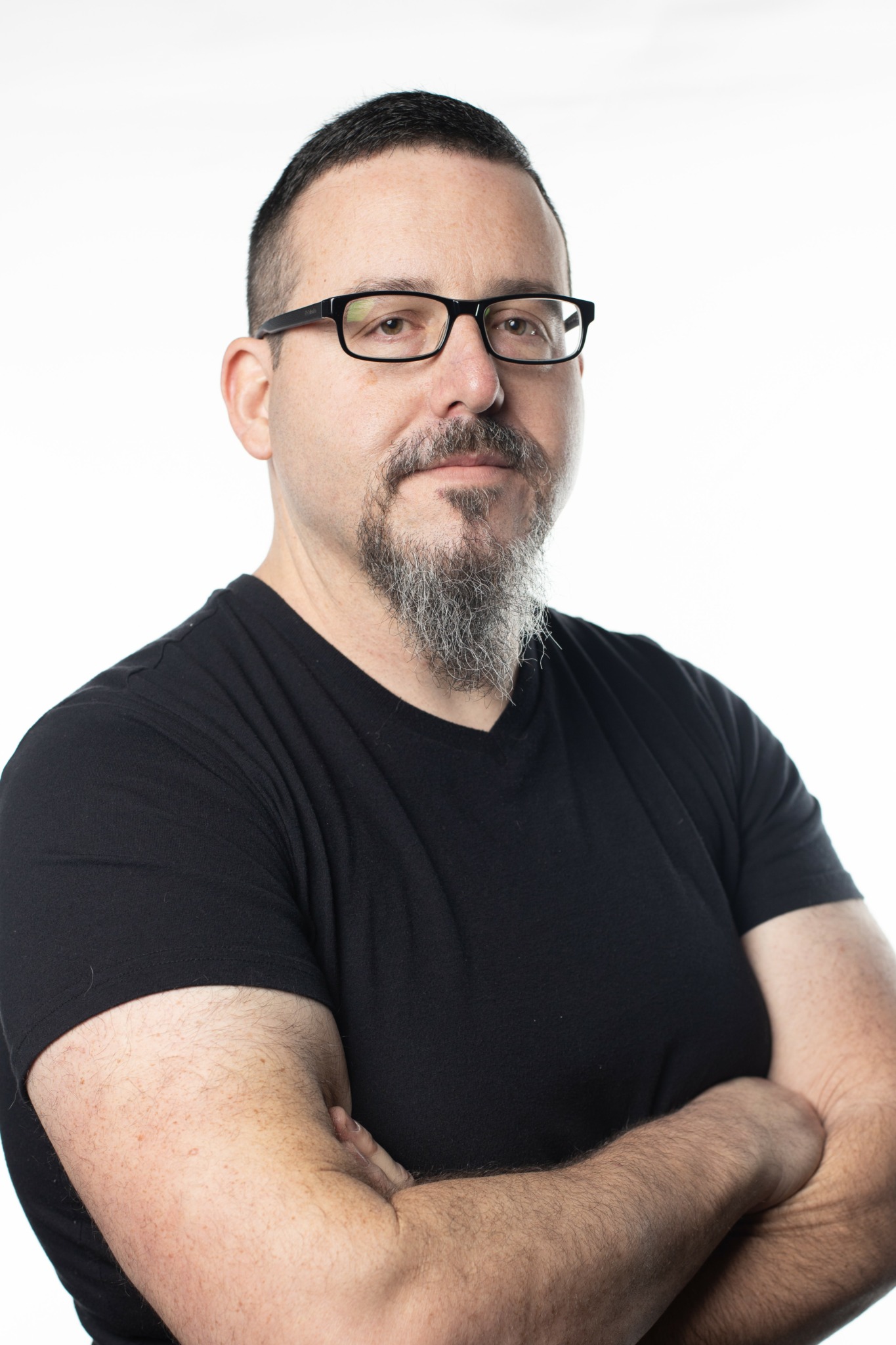

We recently connected with Tyler Cartwright and have shared our conversation below.
Tyler, thanks for taking the time to share your stories with us today We’d love to have you retell us the story behind how you came up with the idea for your business, I think our audience would really enjoy hearing the backstory.
With LMNT, we had been in the world of low carb and ketogenic diets and the science behind them for a number of years. As my partners and I were all athletes of some variation in the past, we understood how loading electrolytes when someone was in a low insulin state (like low carb) could help to make things so much better for their exercise performance, recovery, and overall health. As we started looking into it, we found that so many groups of people were benefitting in ways that we had not necessarily considered – breastfeeding parents, the POTS (positional orthostatic tachycardia syndrome) community, and frequent travelers who were struggling to remain hydrated on airplane travel. It pushed us to refine what was a rather basic formulation early on, and to find forms of the salts that were the best for performance and mouth texture and feel, as well as flavor. From there, we were just committed to spreading the message that the notion that salt = bad that we’ve been told for years was unsupported as an across-the-board recommendation. We were offering higher-dosed electrolytes in a simple package that allowed people to add them to water however they wanted. While we weren’t the first in the market space (I mean, Gatorade and Powerade had been around for years), we were novel in our delivery system, we were science-backed from the start, and we had spent years building communities based on truth, transparency, and a commitment to sifting through a mountain of promises and snake oil to find things that were actually helpful. The reception was absolutely amazing and it took off faster than any of us expected.
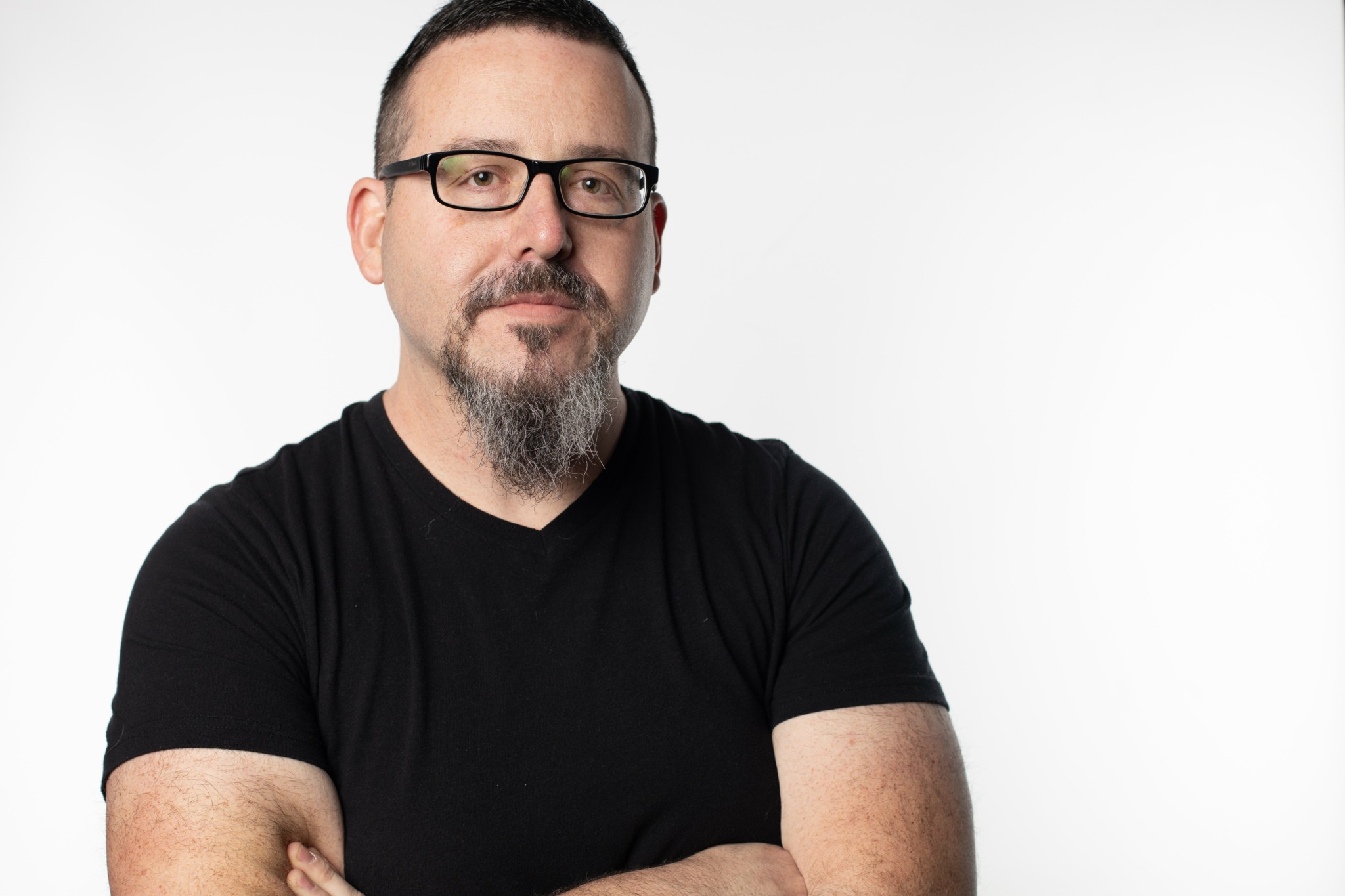
Awesome – so before we get into the rest of our questions, can you briefly introduce yourself to our readers.
I’ve spent most of my adult life trying to solve problems that I first had to live through myself. I’ve been morbidly obese, clinically depressed, broke, and broken. I clawed my way out by studying physiology, nutrition, psychology, and behavior change—not because I was academic about it, but because survival demanded it. That work eventually became Ketogains, then LMNT, and now Higher Standard. Each of those started the same way: find something that’s confusing or overhyped, cut through the noise, and make a solution that actually works for real people in the real world.
At LMNT, we fixed hydration and electrolyte balance by making it stupid-simple: salt, potassium, magnesium, and no sugar. At Higher Standard, we’re doing the same thing for functional supplements. Every gummy has a clear outcome—sleep, focus, libido, mood—and a dose that actually moves the needle. We take the guesswork and the gimmick out of wellness.
What sets me apart isn’t just the formulas; it’s the framework. I design products the way I coach people: start with the outcome, test everything, and be ruthlessly honest about what works and what doesn’t. That philosophy has carried through every company I’ve helped build and every founder I’ve mentored. I don’t believe in proprietary fairy dust. I believe in transparency, accountability, and calling bullshit where it lives.
These days, what I’m proudest of isn’t the products—it’s the people. The community that grew out of the work. I’ve been able to watch customers, clients, and other founders take pieces of my experience and build something bigger than me. I have a daughter, and when she’s grown, I want her to see that her dad didn’t just build businesses; he built better tables for others to sit at. That’s what drives me now—helping others win, using what I’ve already learned, and leaving the world a little less confused than I found it.
Can you share a story from your journey that illustrates your resilience?
When people talk about resilience in business, they usually mean “grinding harder.” But real resilience isn’t about working longer hours or pretending to be bulletproof—it’s about rebuilding when the old version of you, or your company, doesn’t fit anymore.
A few years back, I was lying in a hospital bed in Mexico City after losing nearly 300 pounds. I’d built a new body, but I felt hollow. I thought discipline alone could fix everything, that success meant getting to the finish line. What I learned instead was that there is no finish line—only the next version of the work. That same truth applies to business. The best founders I know, myself included, have all had to kill off a version of themselves that no longer served the mission.
That realization changed how I build. Ketogains was born from failure and self-experimentation. LMNT came from solving a simple problem the industry had overcomplicated. Higher Standard exists because I got tired of seeing wellness companies underdose products and oversell hope. Every venture has been an evolution—a willingness to burn the old playbook and start again with what’s true.
Resilience, in my experience, isn’t endurance—it’s adaptability. It’s the ability to stand in the wreckage, take notes, and rebuild better. If there’s one message I’d leave for aspiring entrepreneurs, it’s this: don’t be afraid to outgrow your own success. The version of you that got started isn’t the one who will finish the job. The trick is learning to keep rebuilding forward.
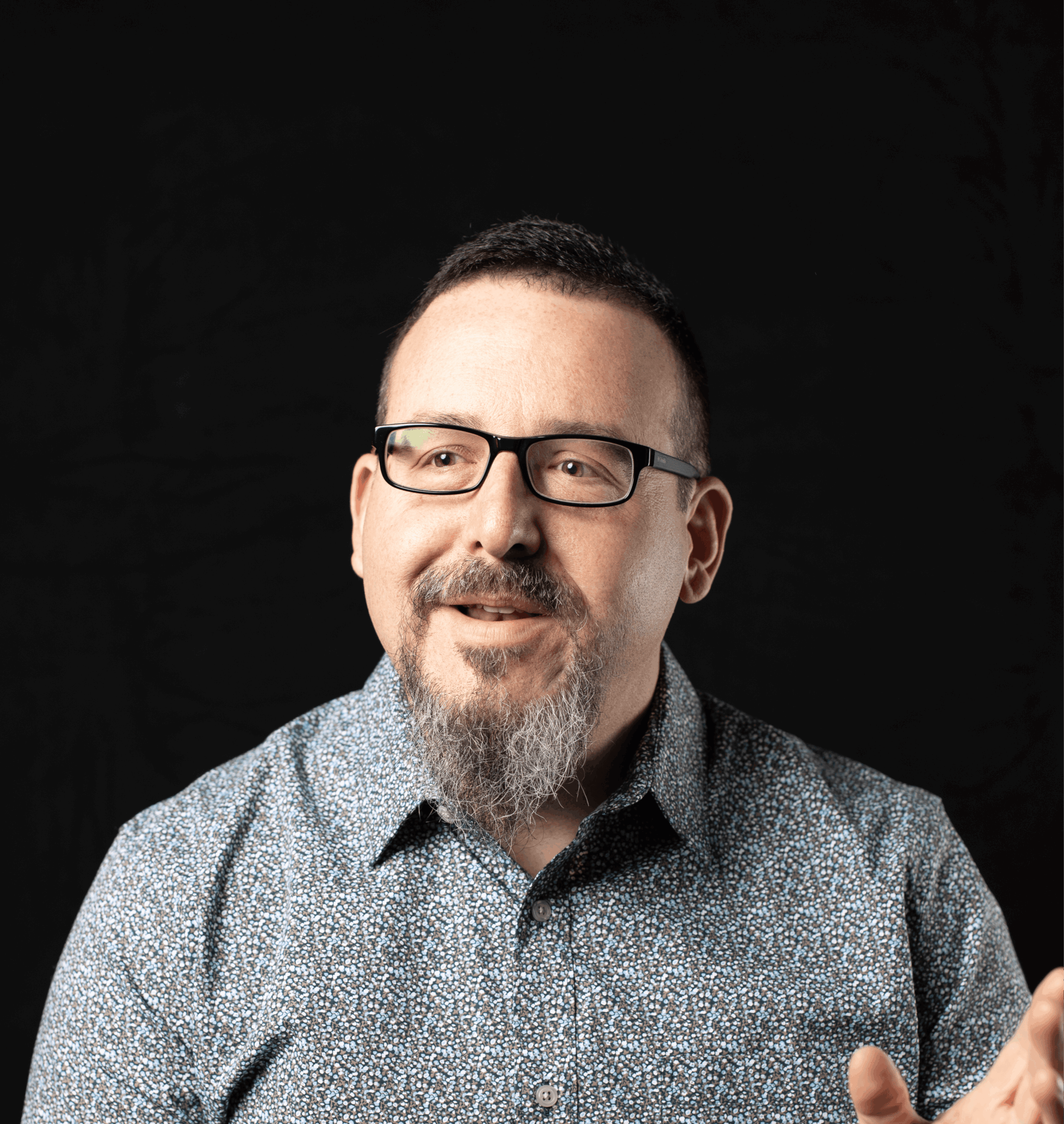
How about pivoting – can you share the story of a time you’ve had to pivot?
Early on, I thought building a business was about mastery—know more, work harder, and outthink everyone in the room. That belief worked right up until it didn’t. I built systems, grew communities, launched products, and then found myself stuck inside the very frameworks that had once made me successful.
My biggest pivot came when I realized that what built one company couldn’t build the next. I’d co-founded ventures that worked because I was in the trenches every day—coaching, testing, refining. But when those companies began to scale, the skills that got us there became liabilities. Control had to give way to trust. Doing had to become delegating. And that’s not a comfortable shift for someone wired to fix things.
I learned that every business eventually forces its founder to evolve or get replaced by someone who will. You can’t lead future growth with yesterday’s operating system. That’s when I started focusing on frameworks instead of formulas—building companies and teams that could think independently, not just execute my playbook.
That pivot reshaped everything for me. It’s why I invest now, and why I build products and mentor founders who want to do meaningful work without burning themselves to the ground. The lesson is simple: you can either cling to what made you relevant, or you can build what makes you replaceable. The first feeds your ego; the second builds your legacy.
Contact Info:
- Website: https://www.tylercartwright.com
- Instagram: https://instagram.com/ty_cartwright
- Facebook: https://www.facebook.com/tyler.cartwright.56/