

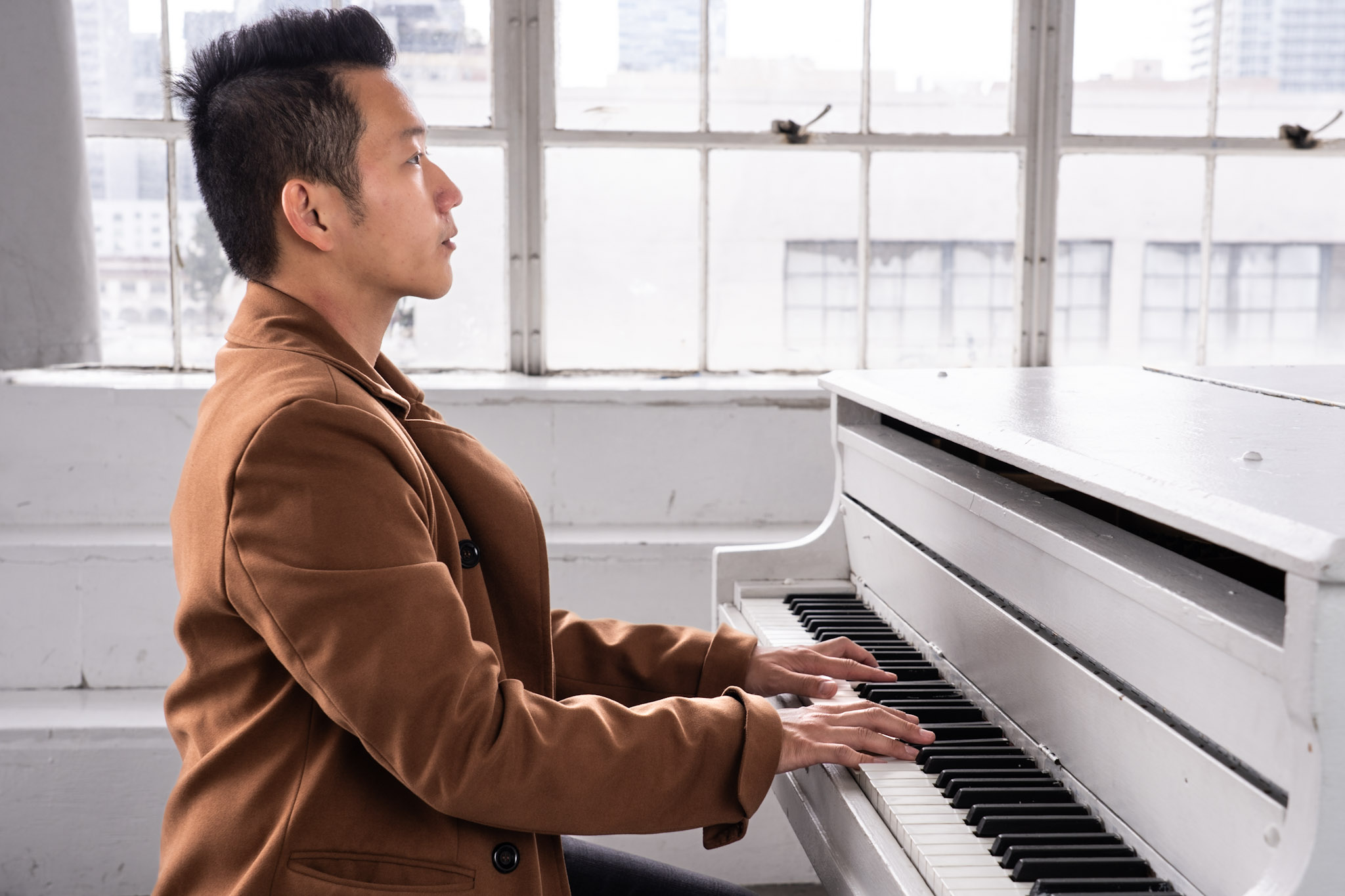

We were lucky to catch up with Ty Xiong recently and have shared our conversation below.
Hi Ty, thanks for joining us today. How did you learn to do what you do? Knowing what you know now, what could you have done to speed up your learning process? What skills do you think were most essential? What obstacles stood in the way of learning more?
In the beginning years of my music interest, I was completely self taught. When I was 12 years old, I was playing on a cheap digital keyboard that my parents gave me when I was 12 years. Since then, I was always creating tunes and play music from ear. I wasn’t formally trained until I got older. I am one out of five siblings. The budget of having lessons was not within my parent’s budget at the time.
My family was fairly middle class, but I was exposed to inner city schools and lifestyle. That kind of upbringing can have someone easily get involved in gang violence and crime. I would admit that I have extended family and friends that were a part of the gang life. When I was young, I would use the piano as a way to not get myself in trouble with what is going on out in the streets and school, so I’ve kept myself busy by putting my attention to music.
When I started studying Classical music, my peers would say, “Wow, you’re playing white people’s music.” Those kind of remarks would often annoy me because it had such a negative connotation. Pop and hip hop music was the more popular choices, but I did like to do what is not common. Everyone would always refer to me as “the classical piano guy.”
As the years went on, I am glad that what I decided to invest for myself made me a more competent artist.
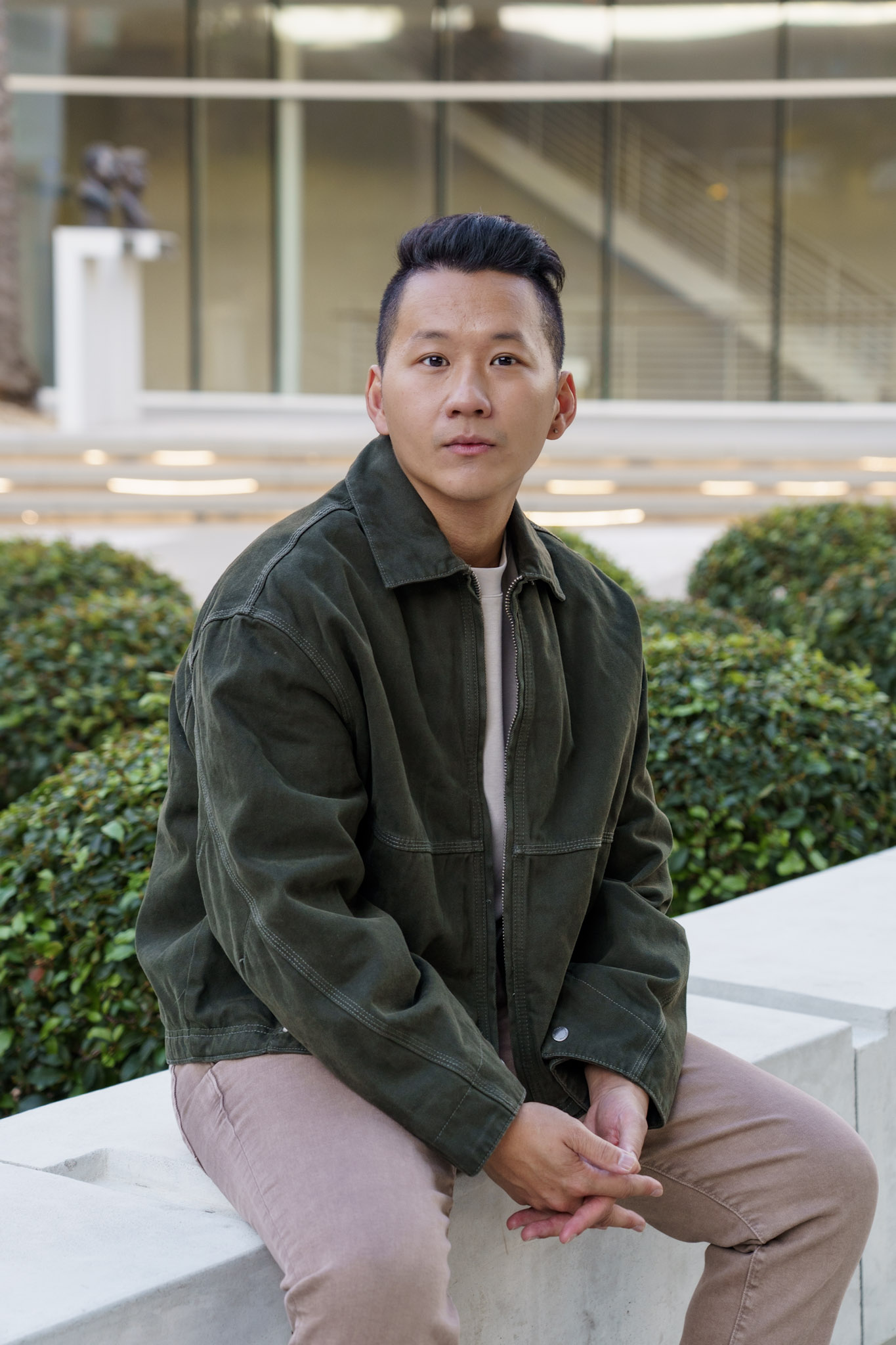
Ty, before we move on to more of these sorts of questions, can you take some time to bring our readers up to speed on you and what you do?
My name is Ty Xiong. I am a pianist and composer. I am currently based in Los Angeles, California. I create musical compositions as a solo artist, film projects, and stage performance.
When I try to compose something for myself or working with collaborators, I always want my audience to feel some form of sophistication, but at the same time still digestible to listen to. Melodies are what grab our hearts. If I can create something that people can enjoy, I am happy.
With the rise of AI and other advance technology in this industry, I would like for my audience and collaborators to know that music is nothing without the human playing the notes. I take pride of my musicianship that I can compose but at the same time perform my own music. Electronic music is definitely a great tool to use, but it can never replace human artistry. There is a big difference between a recording of a human playing the violin and a electronic violin playback. I always strive to make sure the human soul is never absent when creating music.
In your view, what can society to do to best support artists, creatives and a thriving creative ecosystem?
Don’t forget to go and enjoy a movie at the movie theaters. Go to live music shows. Put your child or yourself in music lessons. Invest money into music education in schools. These are things we can always do to support artists and educators. Music and art is never a waste of time. When the world is in crumble, we all look towards art.
What do you find most rewarding about being a creative?
I am going to speak for myself and maybe others may agree, but it helps feeds my soul. Creating is what makes life feel meaningful. It makes life feel like it’s fast forwarding.
Contact Info:
- Website: https://tyxiong.com
- Instagram: ty_xiong_tzx
- Facebook: https://www.facebook.com/TZXiong/
- Youtube: TyXiongMusic
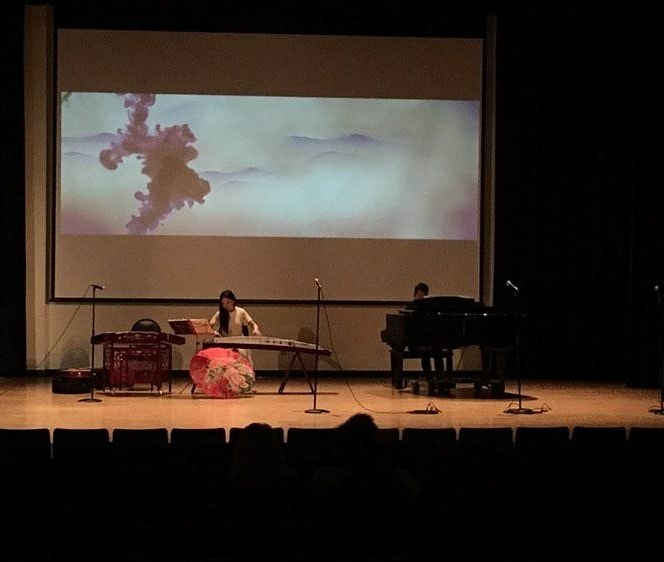
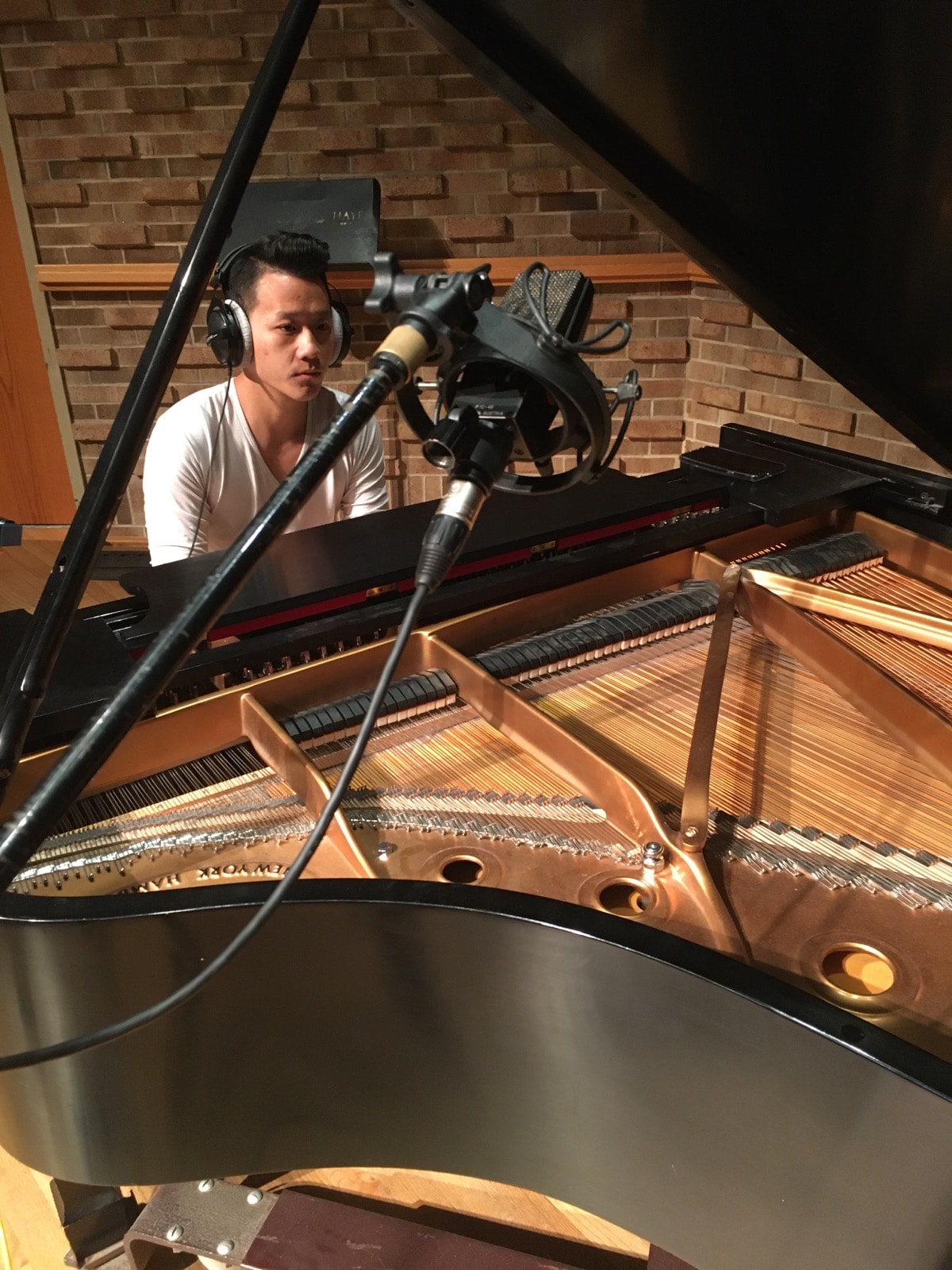
Image Credits
Tracy Hang, Chen Jiang