



We were lucky to catch up with Troy Richardson recently and have shared our conversation below.
Troy, looking forward to hearing all of your stories today. Can you talk to us about how you learned to do what you do?
Songwriting is a lifelong learning process — I’d say some of it is an unlearning process, too. It has a technical and ethereal aspect.
I’m sure there are a few songwriters who don’t play an instrument or know any music theory, but that’s probably rare. These are skills that a songwriter needs to create. It would be like trying to build a house without tools — maybe even like trying to build a house without wood. I’m sure there are songwriters who don’t play an instrument, just as there are probably some successful mud huts around, but it’s rare. No one needs to be a virtuoso instrumentalist to write compelling songs, but it’s hard to get ideas across without playing at all. As far as music theory goes, a lot of people misunderstand it. It’s not a set of rules that we have to play by. It’s a roadmap of all that came before us. Composers listened and came up with a certain 12 notes that people used, with eight of them used together a lot. They heard things such as when scale steps four and seven are played together, people really want to hear scale step one next. Knowing that kind of stuff doesn’t stifle creativity. It’s a toolbox to build something better than you could imagine.
The ethereal aspect is a lot harder to define, obviously. I’d say it’s hard to speed that up. I think songwriters need some crushes gone bad, a divorce or two, some bad news, or a few failures to get in touch with the world. Maybe that’s just me. If someone has a life with only a bunch of great things happening and that puts them in touch with how people feel, that’s a very lucky person. We need some miles under us to tap into the human experience. We need empathy, too. There’s no great songwriter that I know of that doesn’t seem to understand what’s in other people’s hearts and minds. It’s just one of those things that takes some time. I do think the talent for feeling or at least comprehending what other people are going through is something that’s in songwriters before they write their first song. If it weren’t, we wouldn’t find the creation process very interesting.
As always, we appreciate you sharing your insights and we’ve got a few more questions for you, but before we get to all of that can you take a minute to introduce yourself and give our readers some of your back background and context?
I began writing songs when I was around 16. A lot of it was probably because I wasn’t good enough at playing other people’s music on the guitar, so I just started writing my own. I’ve always enjoyed reading and creative writing, so songwriting allowed me to incorporate both words and music.
Somehow, I was accepted into Berklee College of Music in Boston. It was quite overwhelming at first, but I persevered and graduated with a degree in songwriting.
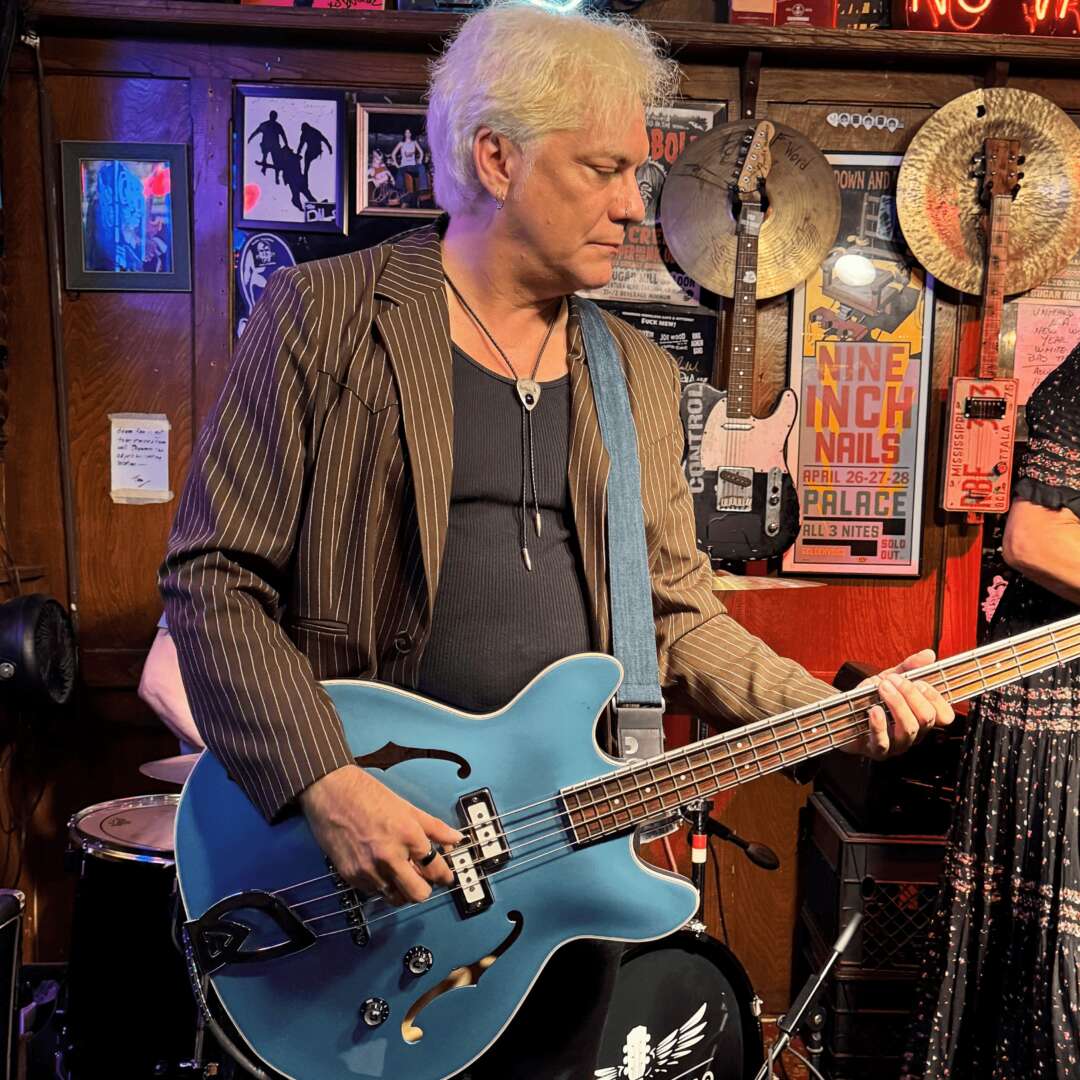
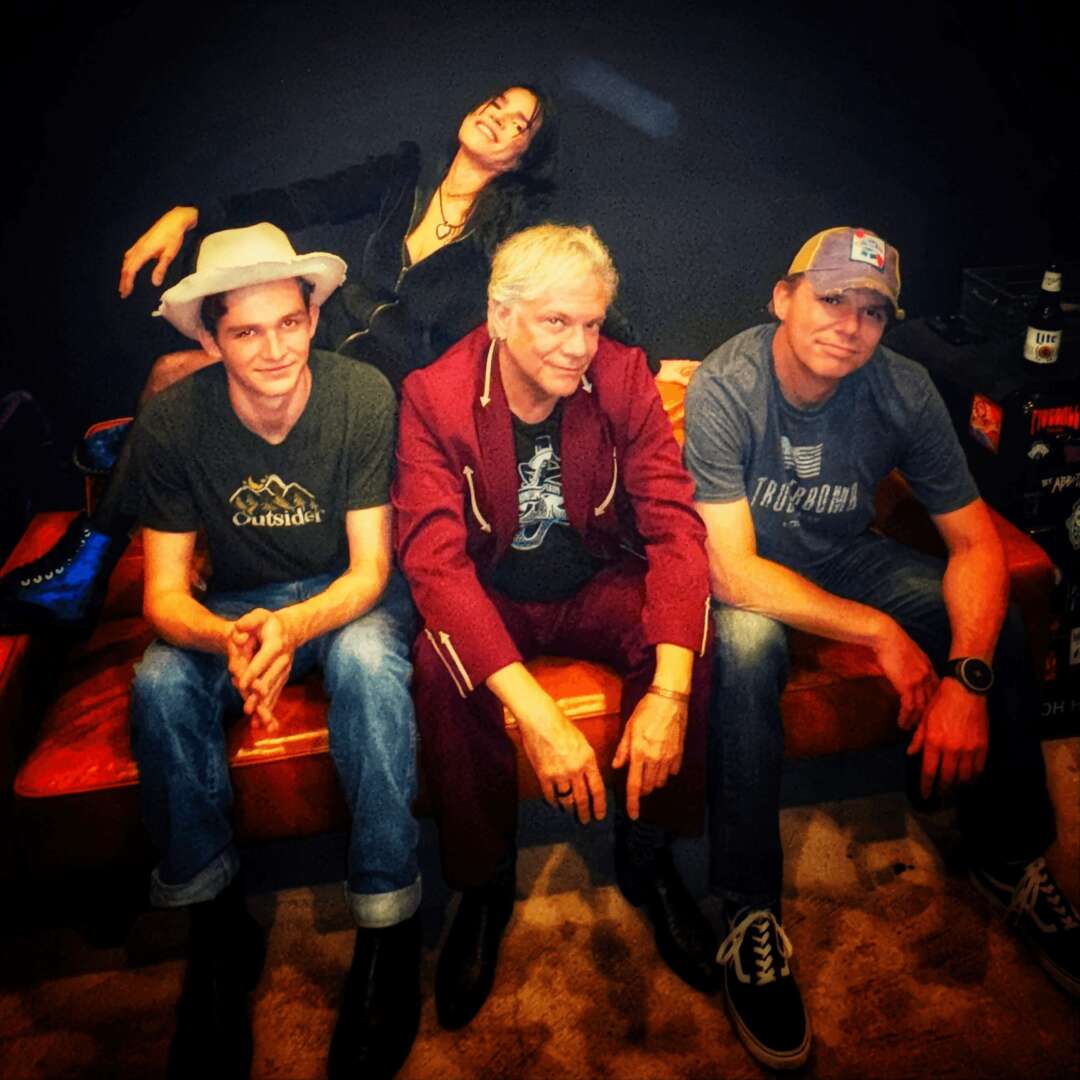
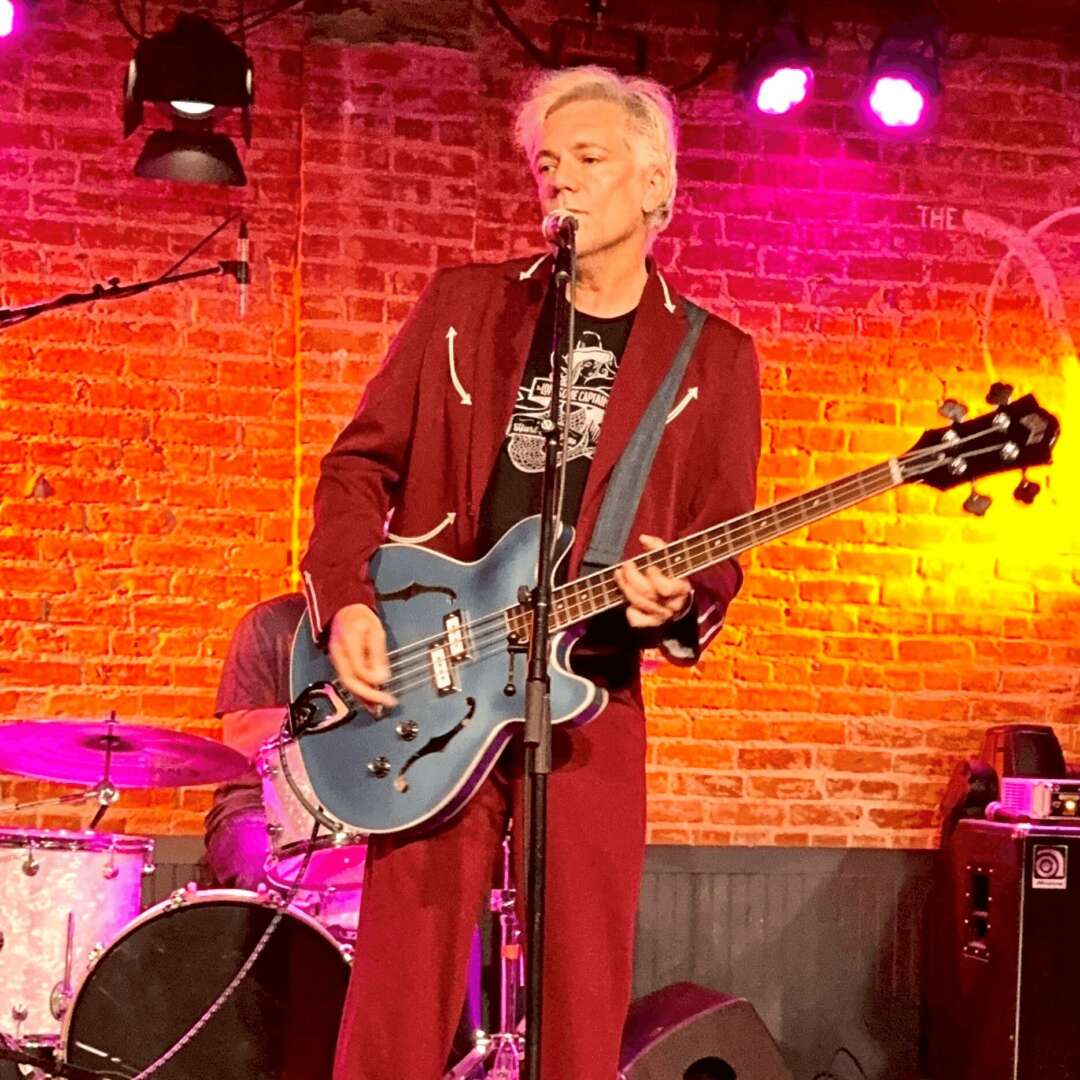
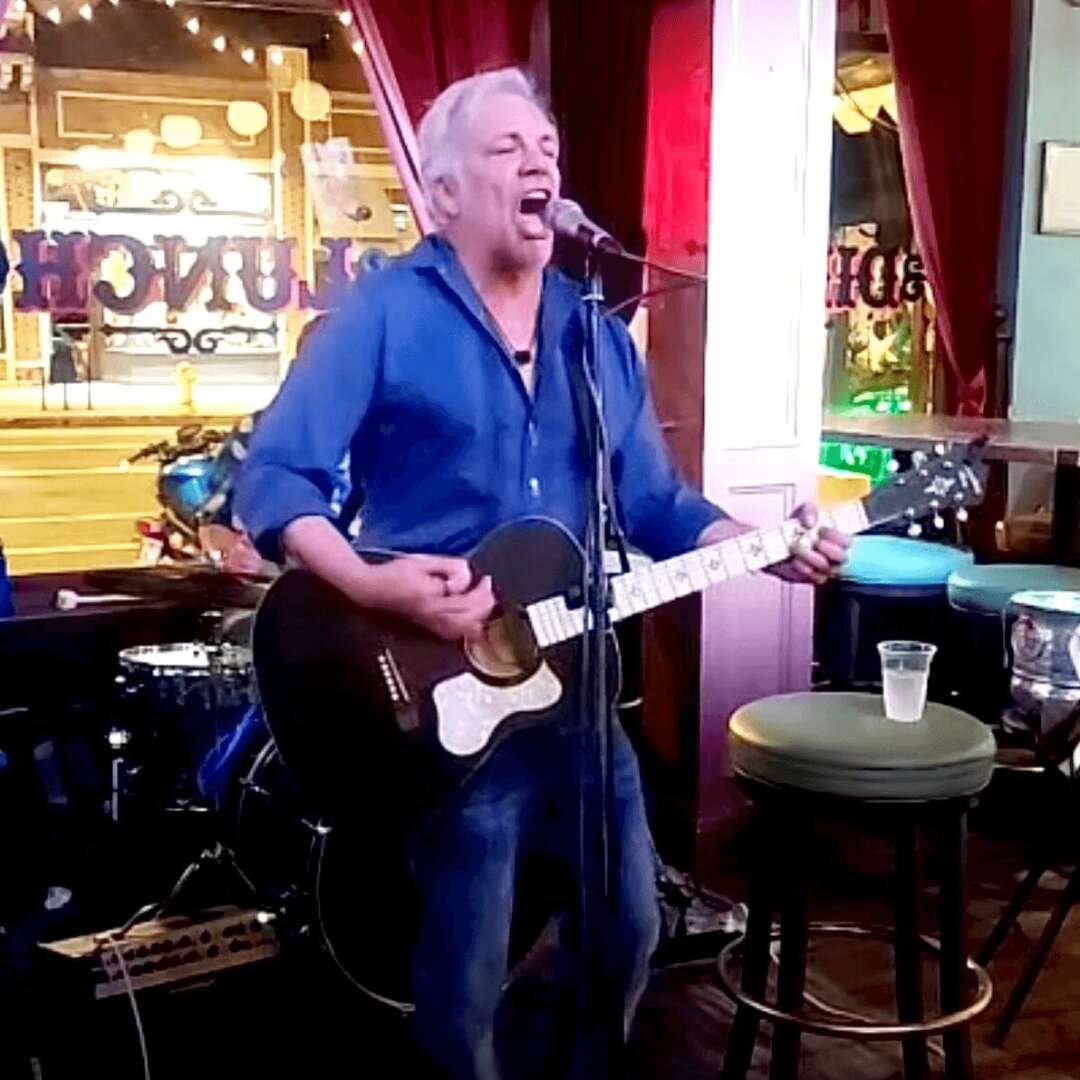
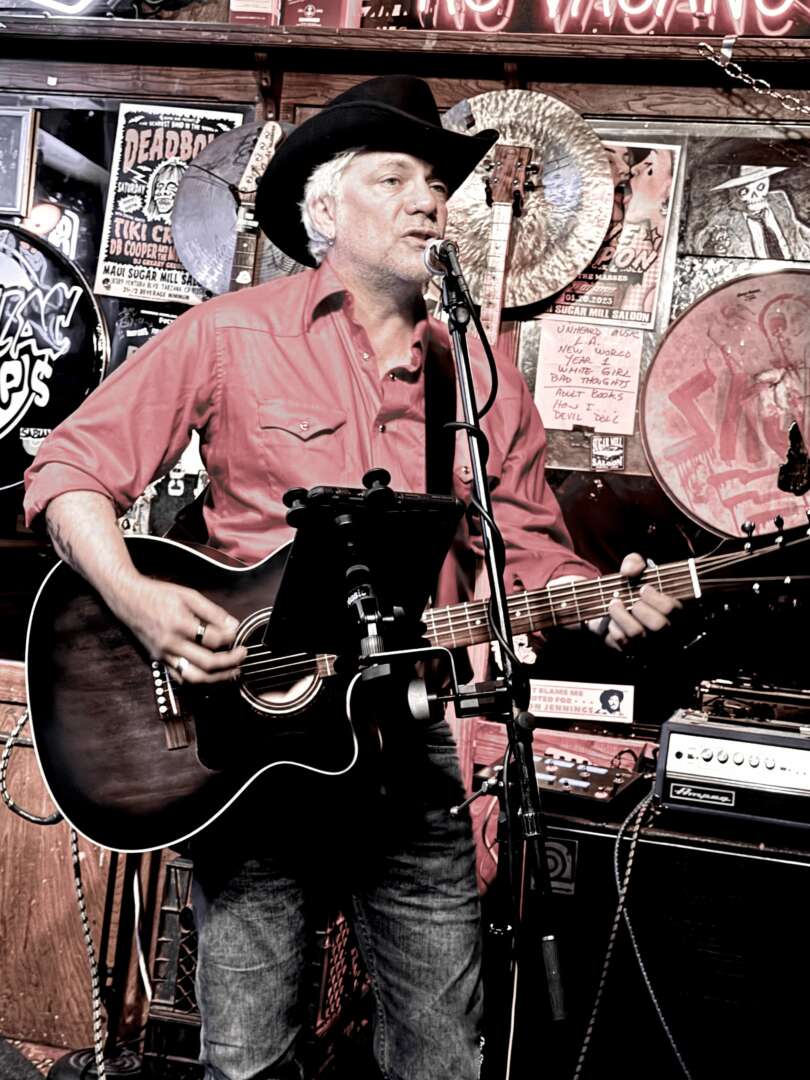
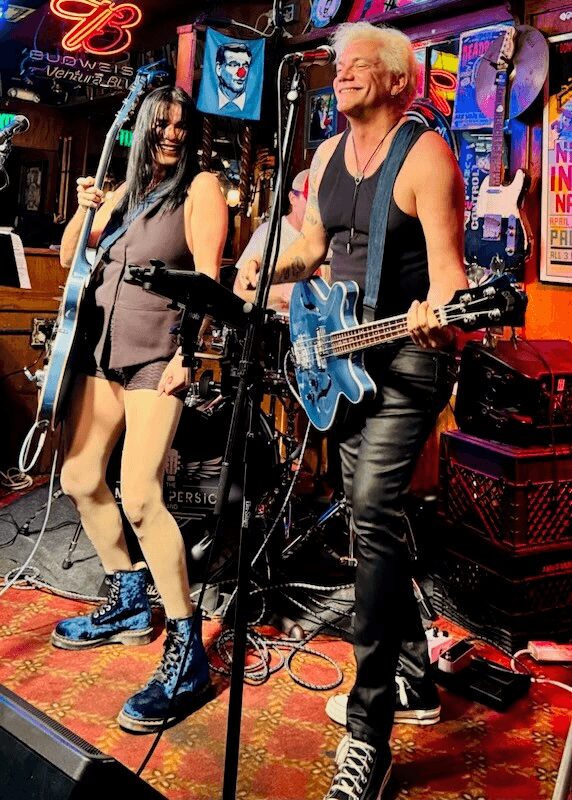
I played bass in a few bands, wrote songs, and sang in others. About six years ago, I formed TruckerBomb, which has been my most successful band to date. I wanted to combine country, alternative and rock, kind of like what Southern Rock did in the ’70s and ’80s. My singing and songwriting are really coming together, and I’m very happy with what we’ve accomplished.
What can society do to ensure an environment that’s helpful to artists and creatives?
Nothing that pleases an artist more than to know someone is listening. I don’t mean streaming our tunes, but we do appreciate that. A share on social media is huge. An actual comment on a post rather than a “like” is super cool. Coming to see a live show is cherished by us. We know it’s hard to get out of the house after a long day, traffic is a drag, and parking is yet another hassle. I’m sure most of us would create no matter what but sometimes it’s just so daunting when it seems as though no one is listening. Like, “Damn, I’m sure making a lot of trees fall in this forest, now what?”
I think all of us can get by with little to no money and little or no “fame” in the traditional sense, but what will stop us from moving forward is thinking no one is listening to what we do. As a songwriter, you’re basically sharing with the world that you have voices in your head. We don’t know if that’s a good thing or not, or if anyone cares. When someone comes up to me and says, “That new song about Van Nuys … that one’s really something,” that’s the kind of thing that will keep me going for about two years. There are a few people who can quote some of the song lyrics, too. And when people sing along to the songs. I can’t begin to explain how happy that makes me.
How about pivoting – can you share the story of a time you’ve had to pivot?
I don’t think anyone has a smooth road in music. We have to pivot all the time. The biggest obstacle is probably that every artist must devote themselves to their craft as if it were a full-time job. The problem is that almost all of us need a full-time job that isn’t music. It’s hard to write, produce, rehearse, perform, and be a booking agent, social media manager, and PR manager, all while doing something else for 40 hours a week.
Personally, my other challenge was with alcohol. I don’t have any crazy drunk stories to be proud of. I just wasted a lot of time drinking. I got sober in 2011, and in many ways, I feel that’s when I became serious as a musician and songwriter.
Contact Info:
- Website: https://truckerbomb.com
- Instagram: https://instagram.com/truckerbombband
- Facebook: https://facebook.com/truckerbombband
- Youtube: https://www.youtube.com/@truckerbomb
- Soundcloud: https://soundcloud.com/truckerbombband
- Other: https://linktr.ee/truckerbomb
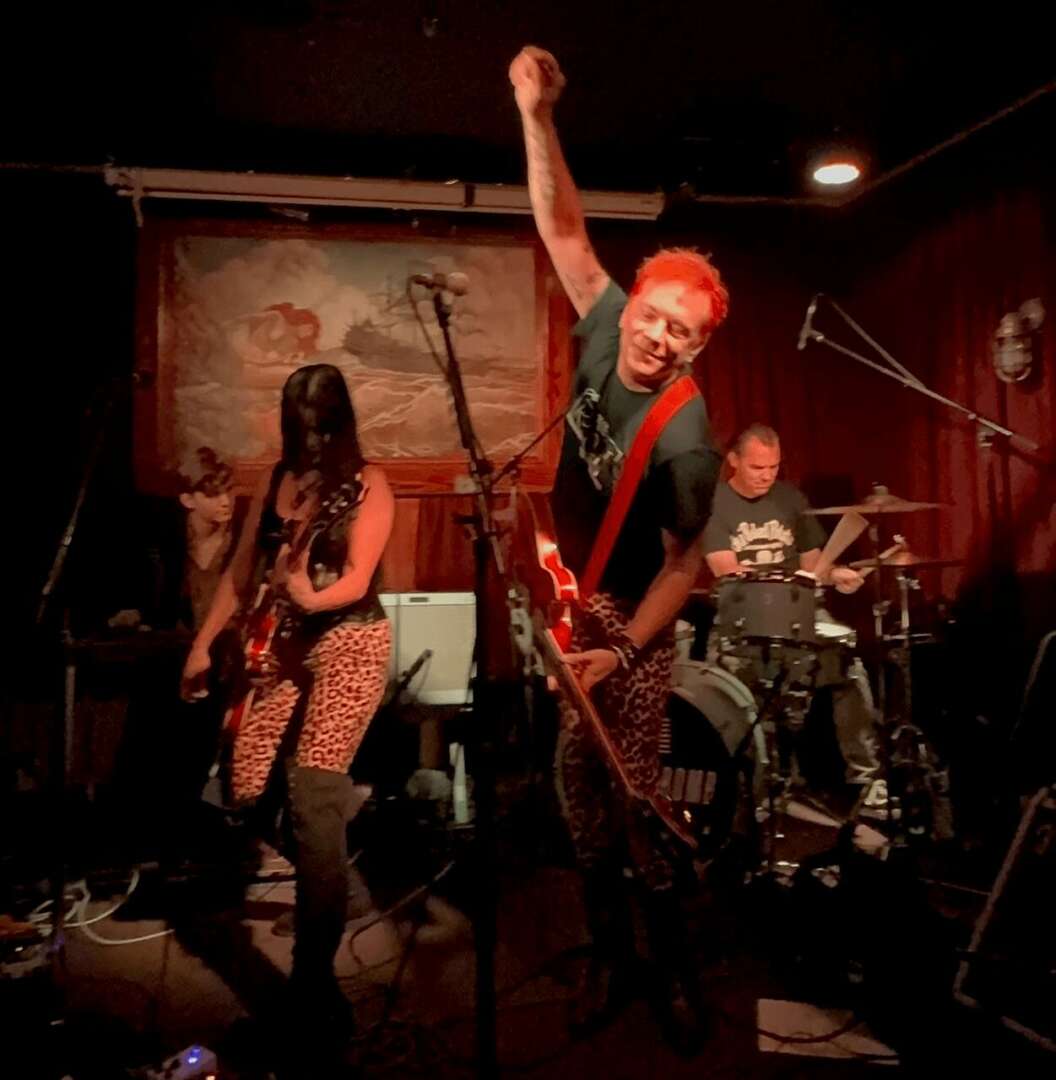
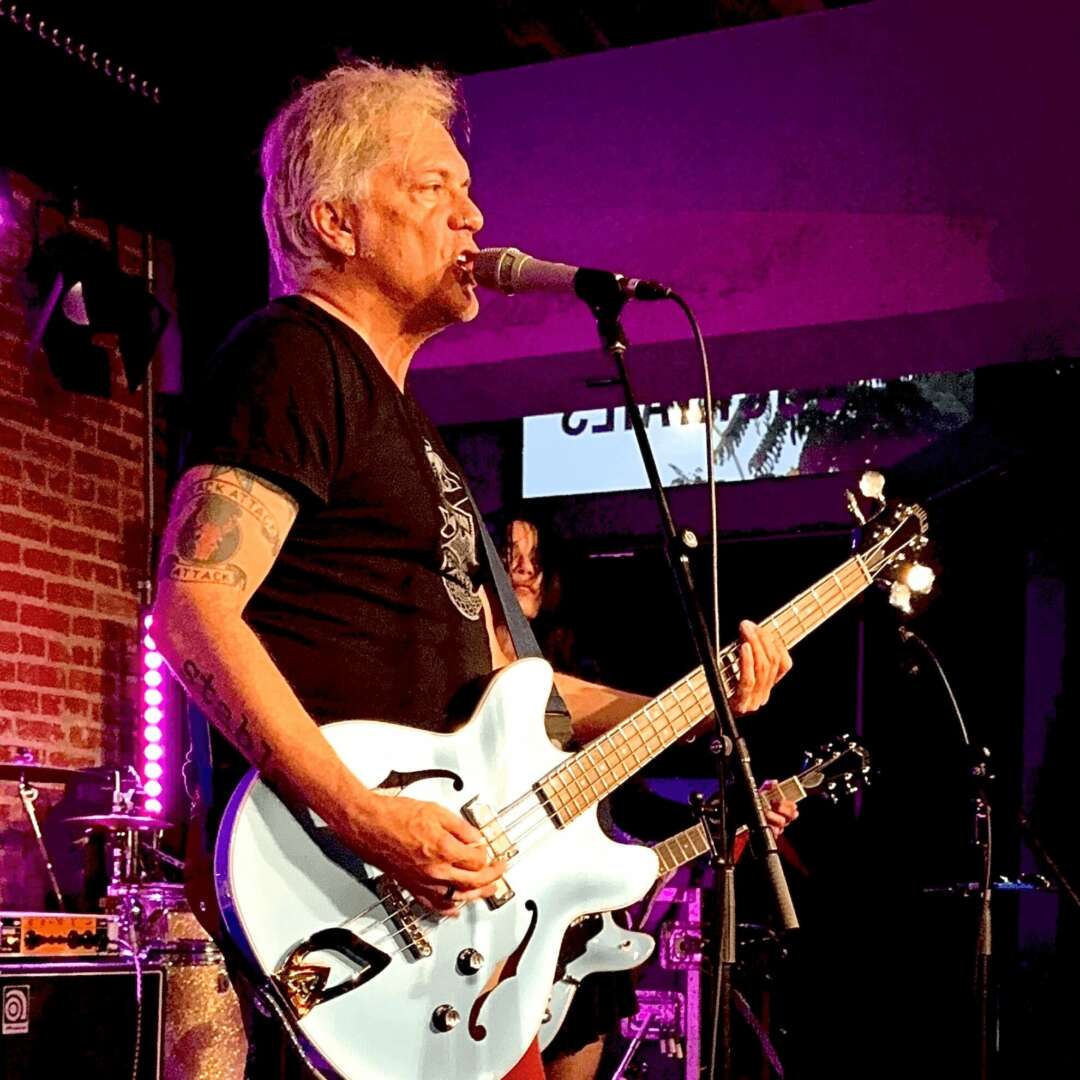
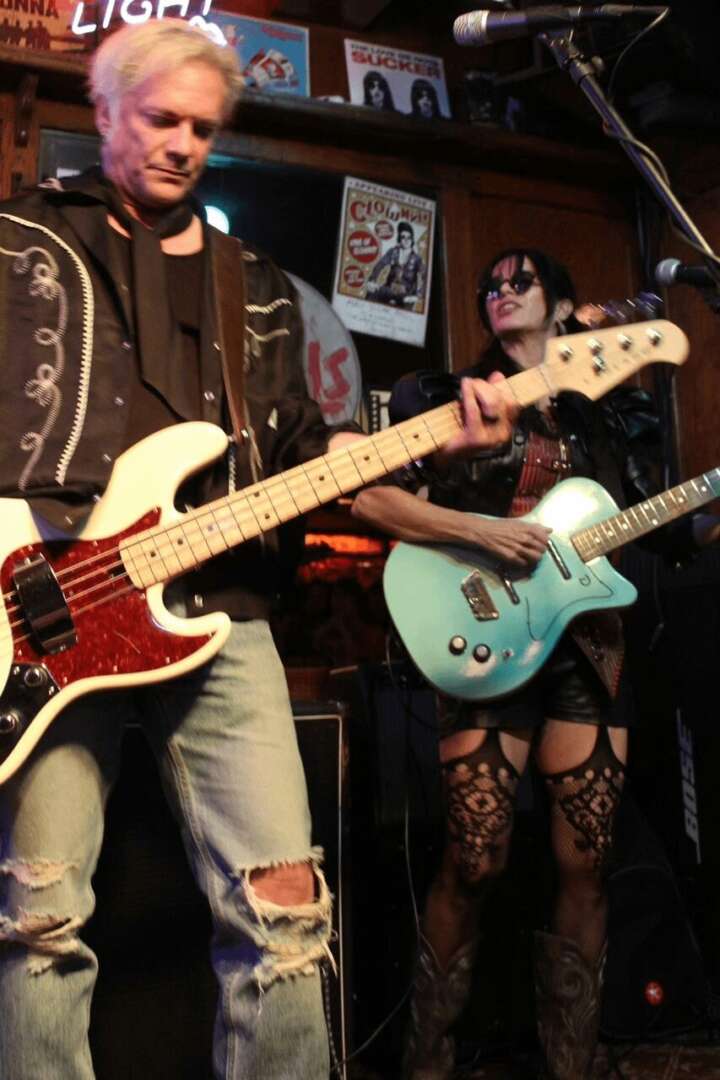
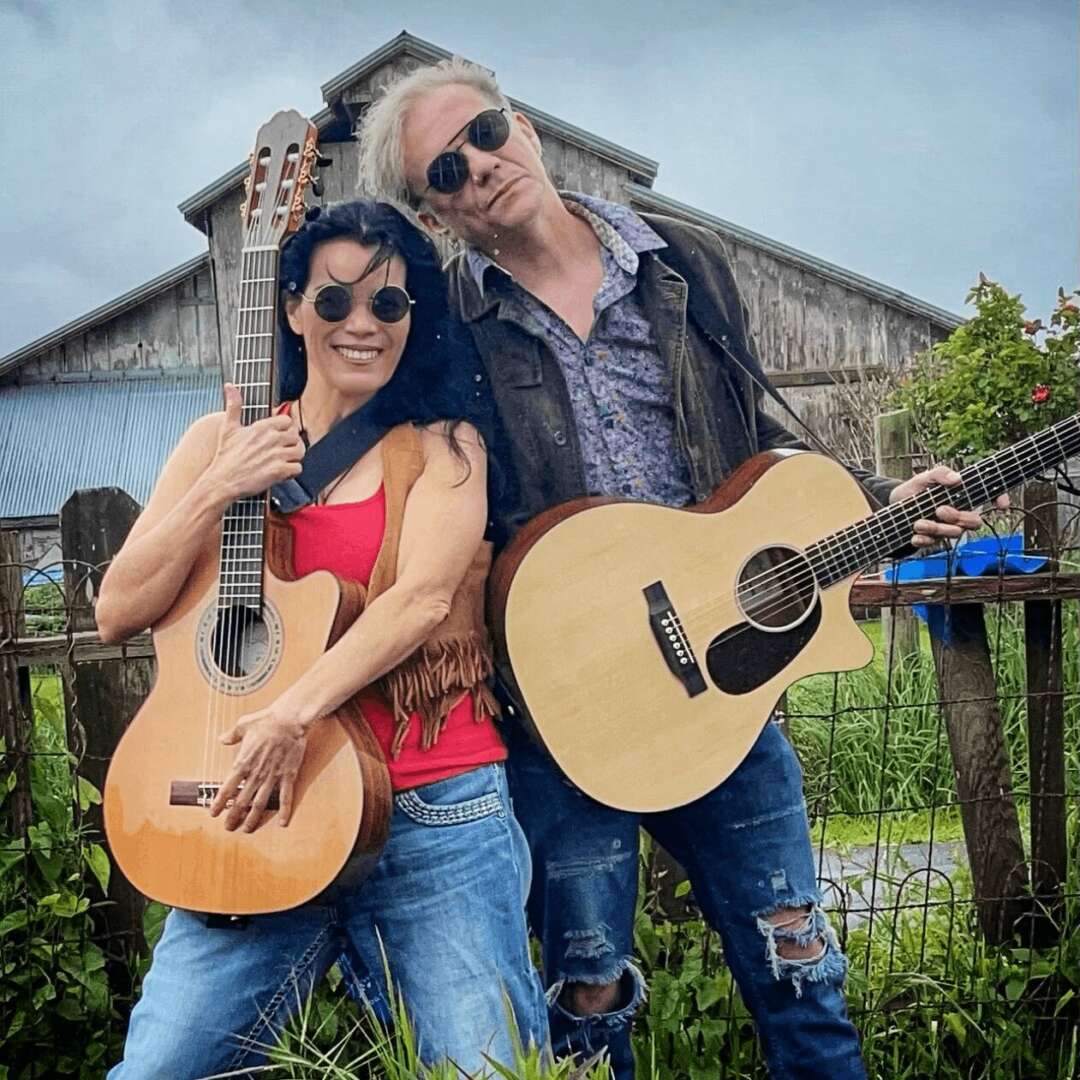
Image Credits
Pierre Robert