
Alright – so today we’ve got the honor of introducing you to Daniel Carr. We think you’ll enjoy our conversation, we’ve shared it below.
Daniel, looking forward to hearing all of your stories today. We’d love to hear about when you first realized that you wanted to pursue a creative path professionally.
This seems like an appropriate question to start on because it addresses a vague point in all creatives’ journey. It’s not the same for everyone and there’s no moment where eureka hits and all is clear…
For me, it was years after my first company shuttered because of the pandemic. Several of my friends had died and everything that I’d planned for almost the past ten years was reduced to nothing. Needless to say, I wasn’t feeling great, and that’s usually where music comes in. For me, I was writing with some friends and they suggested that we should have somewhere to play. So I found somewhere to play, and things just kept growing. I realized that not only was this music group helping me, but there were others that needed it as well.
I decided that if these people were going to rely on me to deliver something, then I was going to take it seriously and try to be reliable. So, to answer the question, I’m sure there wasn’t an exact moment that everything was clear to me that this is what I wanted to do; it just slowly evolved into something that was possible. As with all things in our industry, when it’s good, it’s really good; when it’s not good… Well, you know how that goes.
As always, we appreciate you sharing your insights and we’ve got a few more questions for you, but before we get to all of that can you take a minute to introduce yourself and give our readers some of your back background and context?
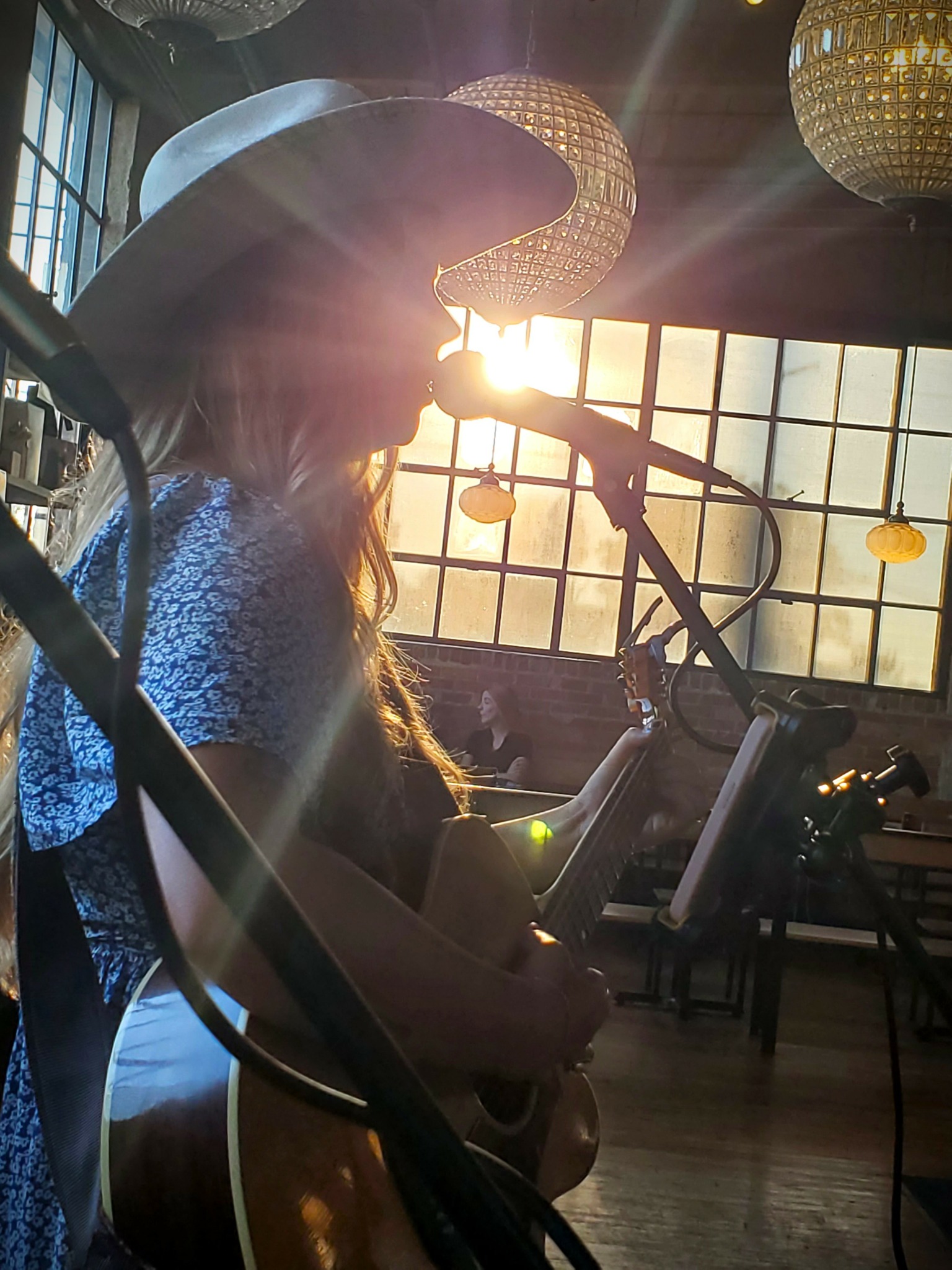
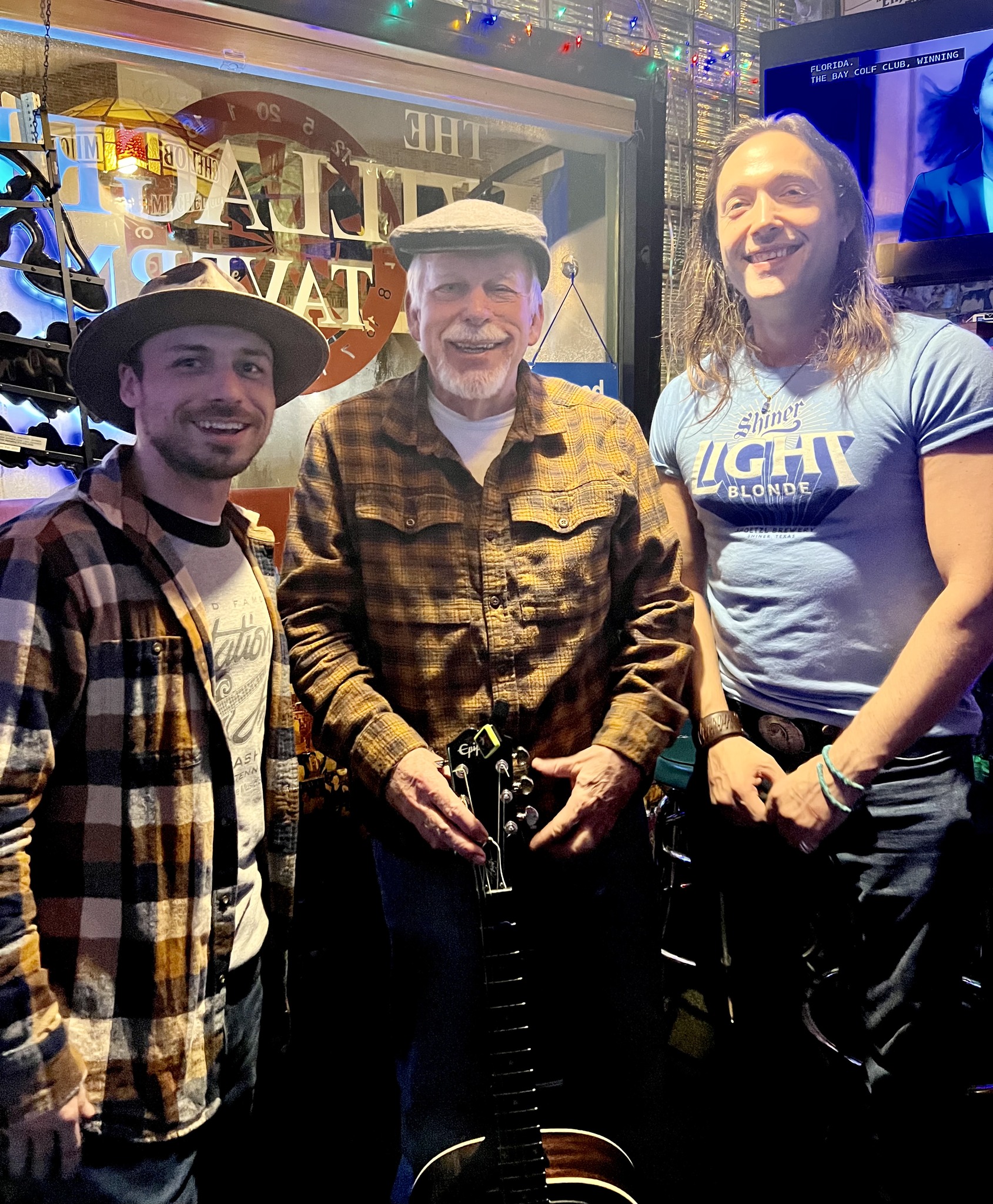
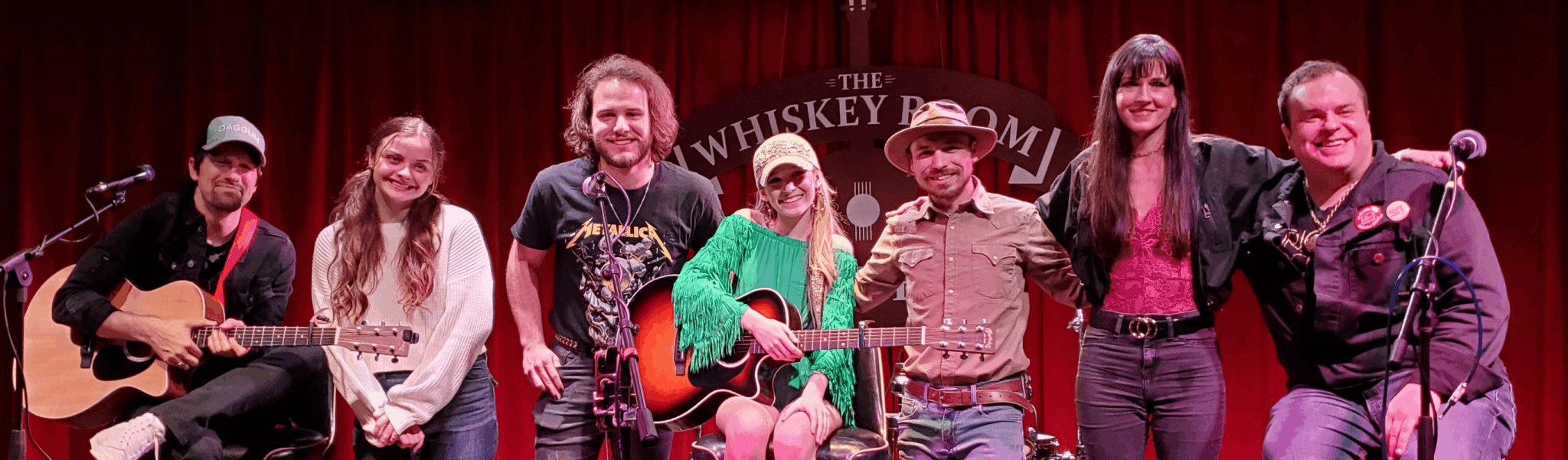
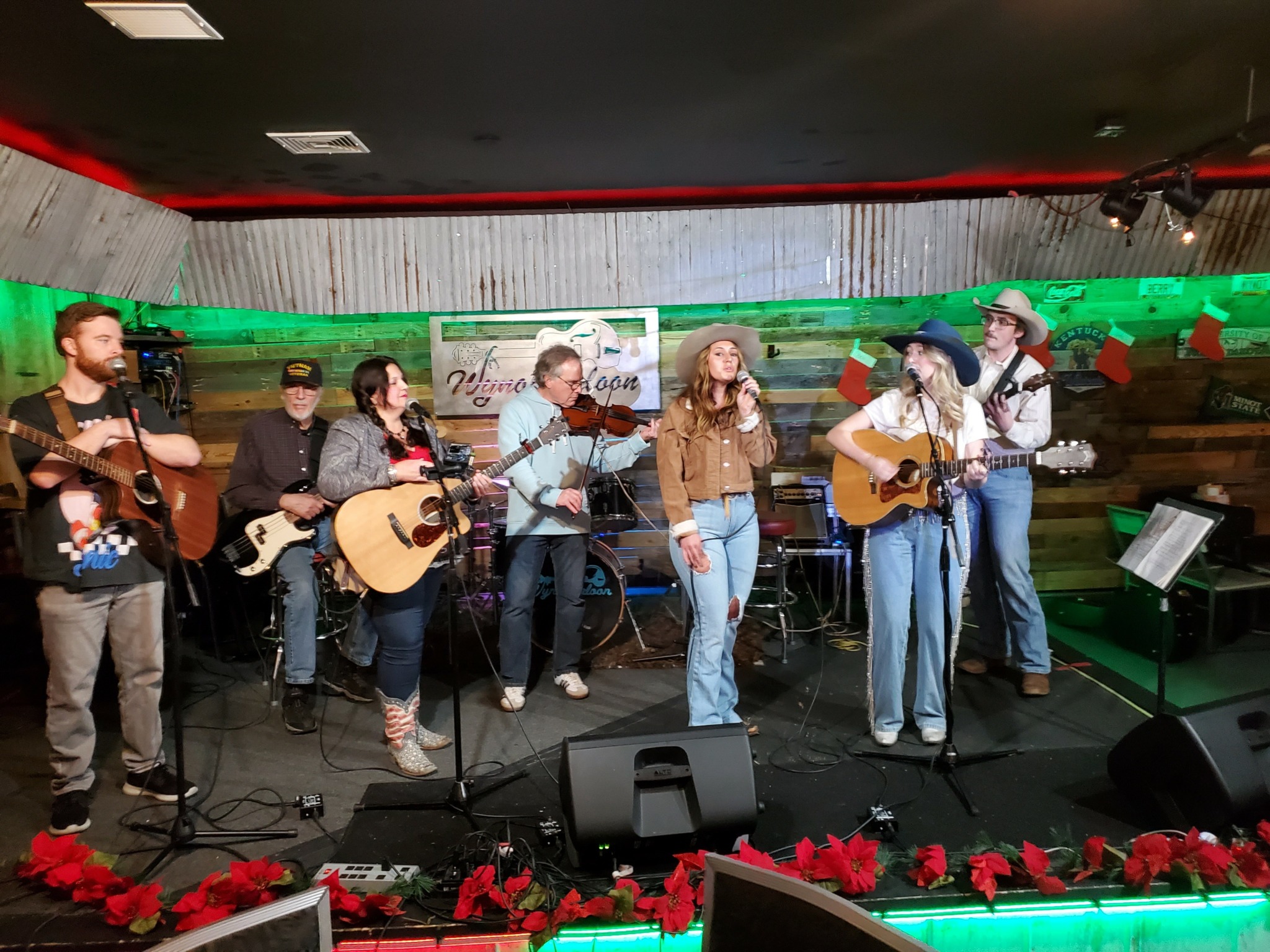
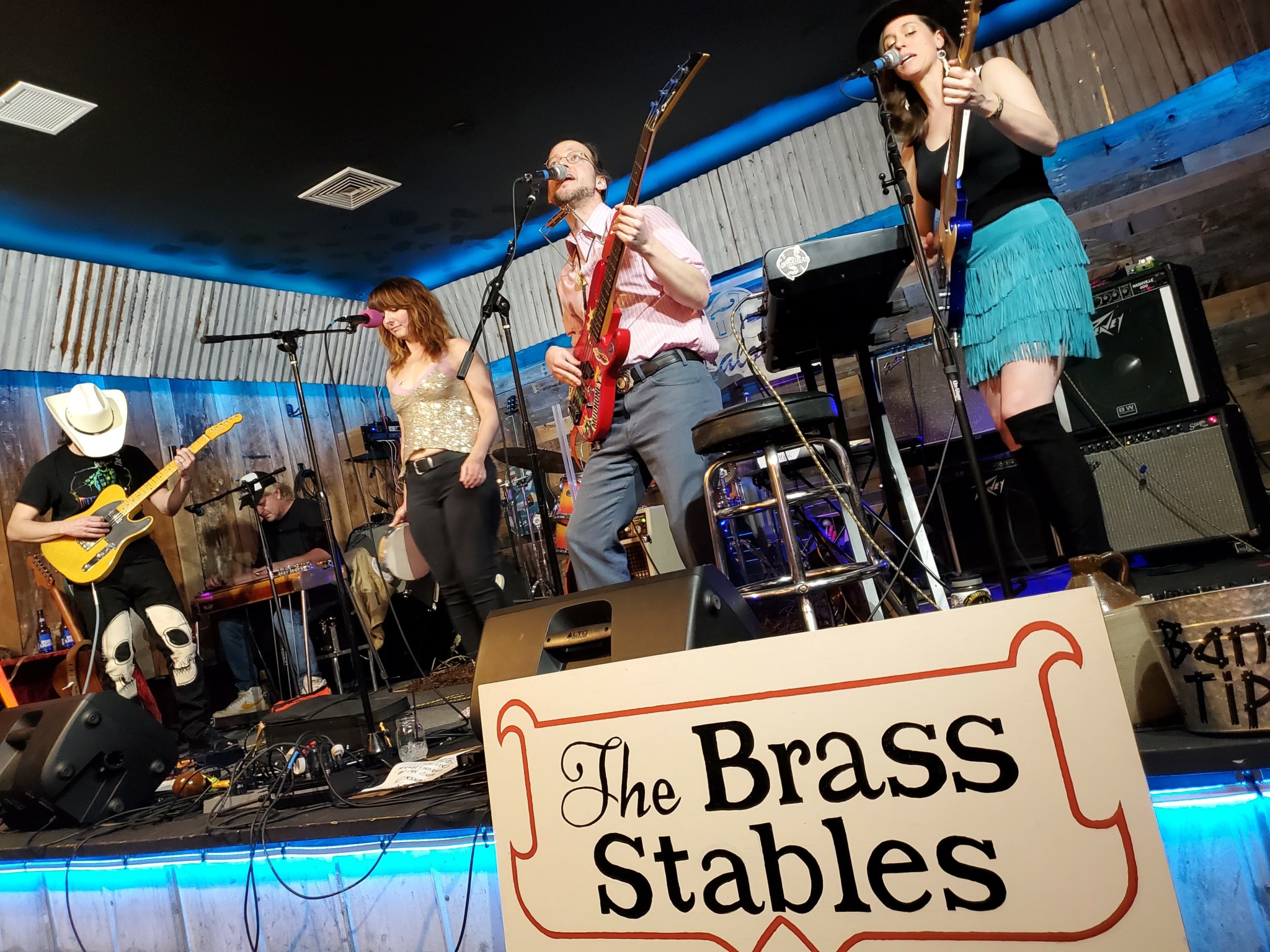
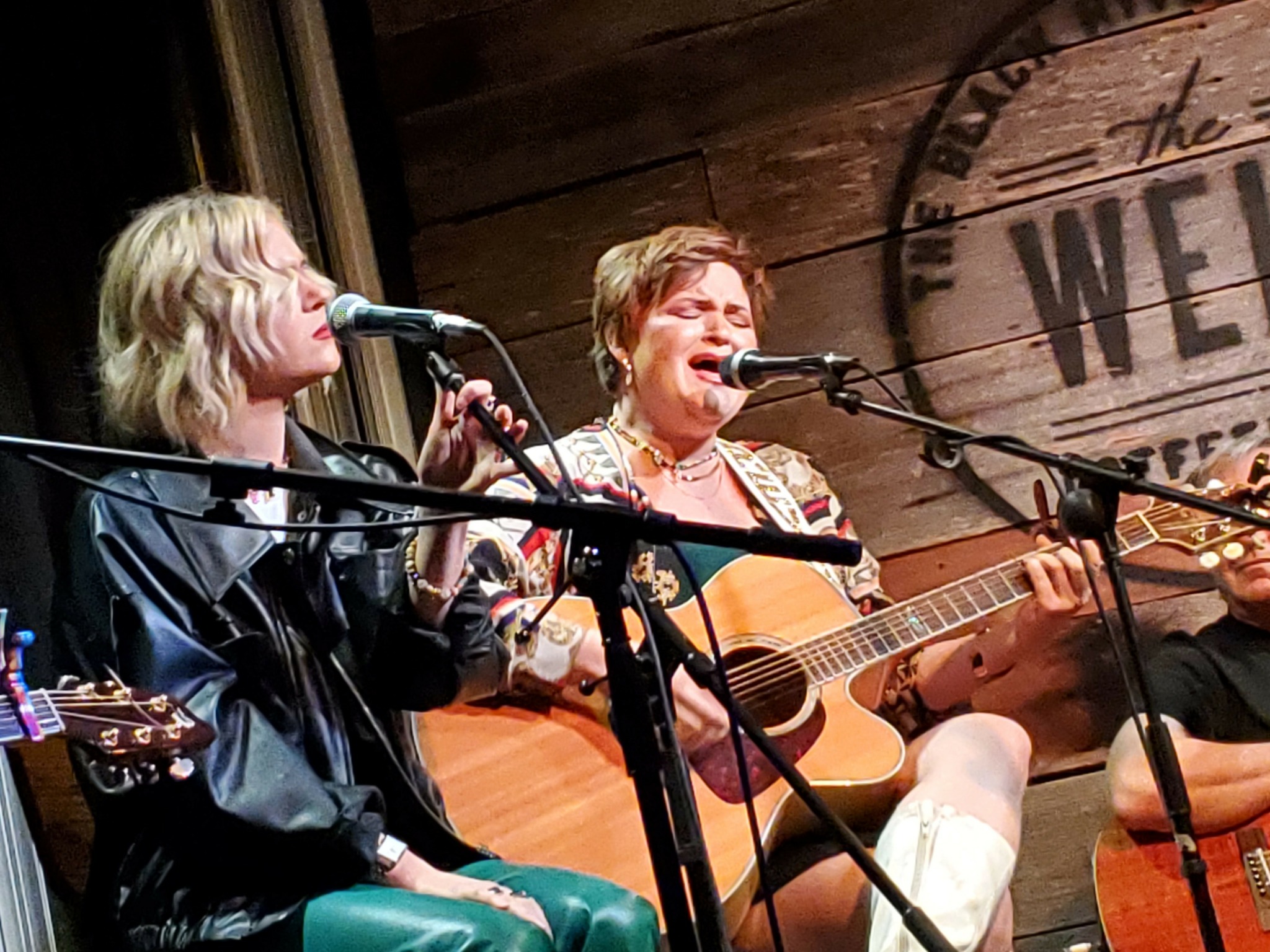
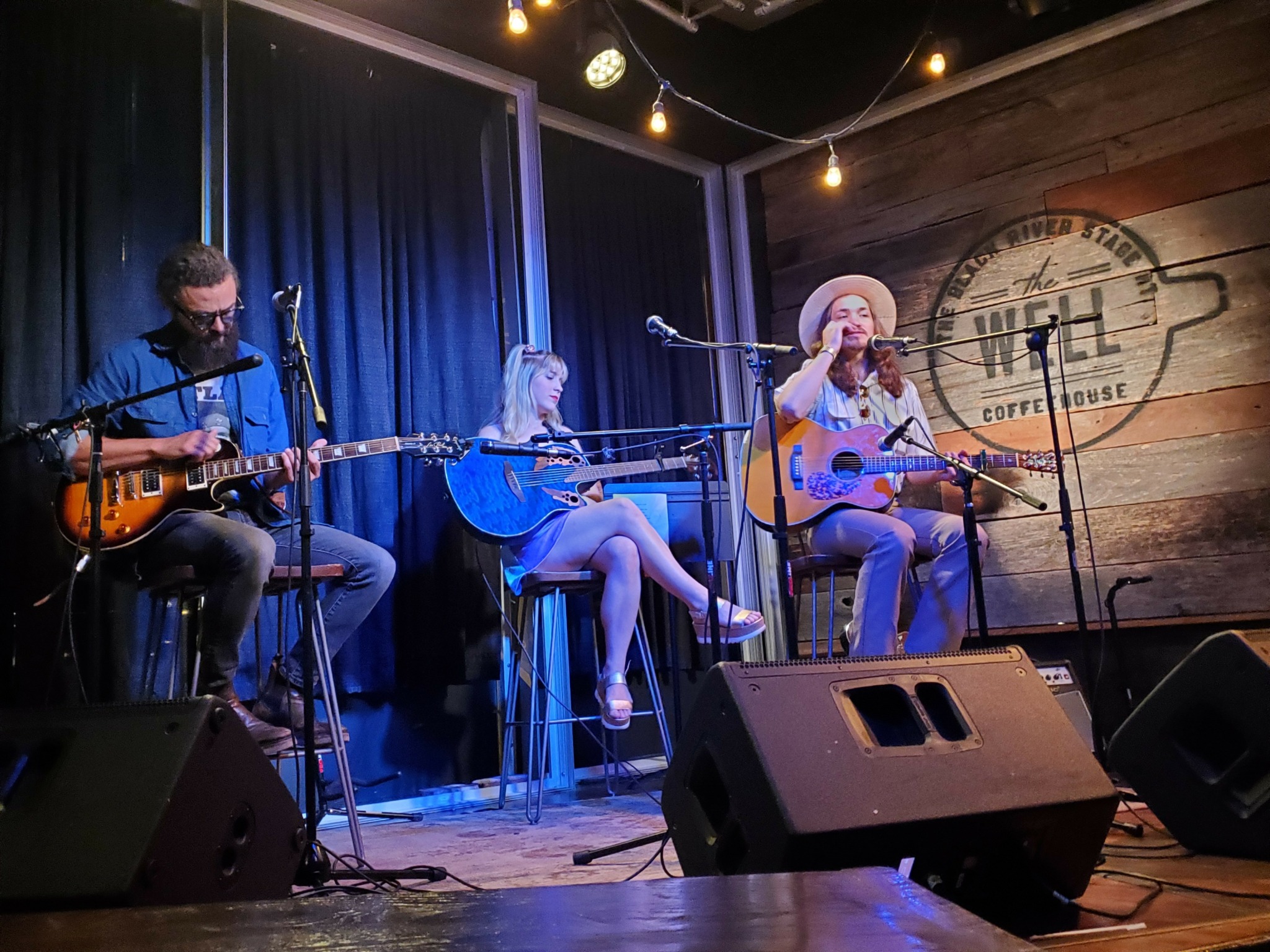
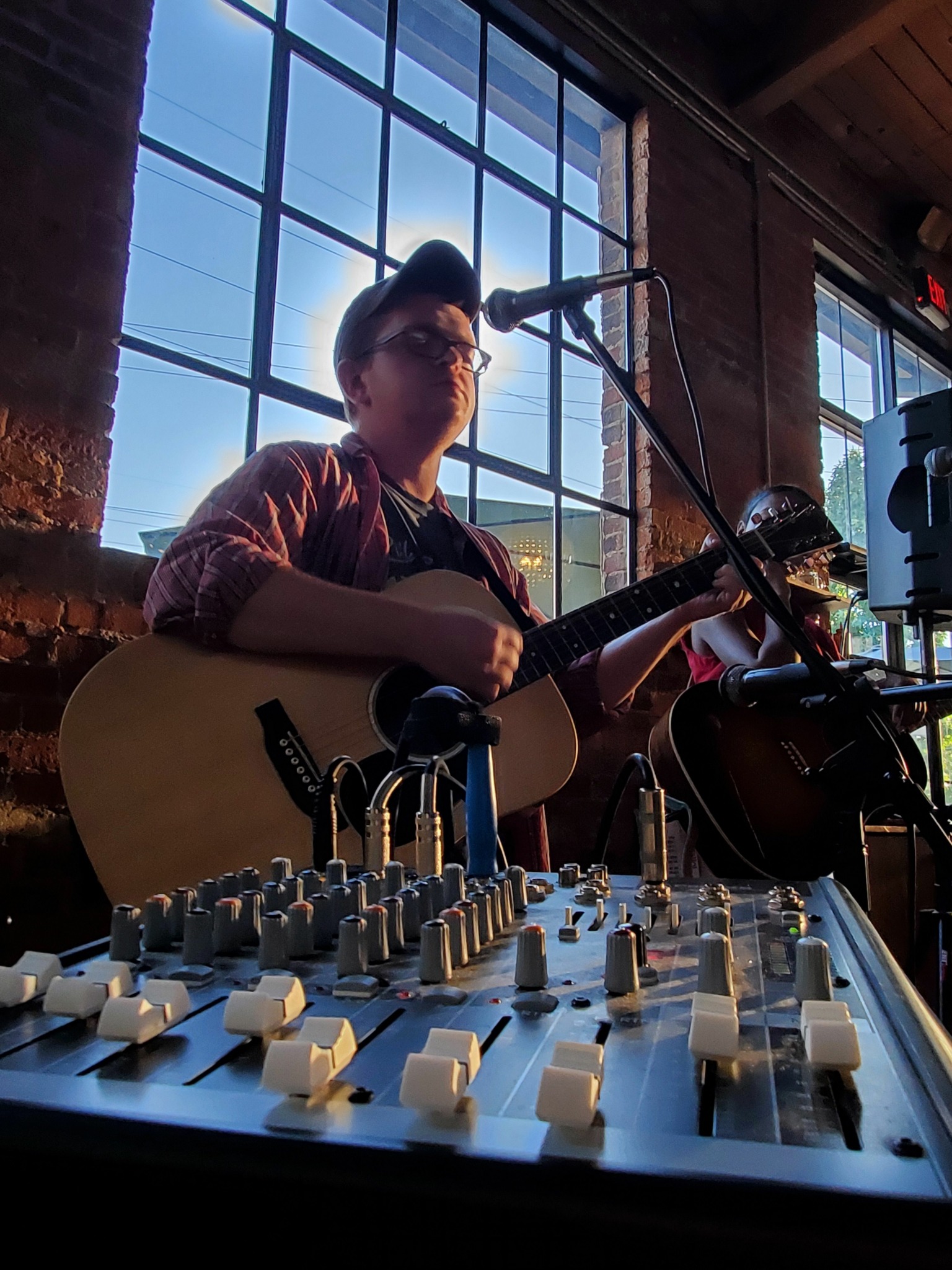
In a nutshell, I operate a group of singer/songwriters and bands around Nashville. We play in venues all over town under “Storytellers in Songwriting”, or “Trick Arrow Publishing”… We’re going into our third year and while the group started with just a handful of us, now there’s close to 100!
I think I’m most proud of that detail; how many people have contributed and wanted to be a part of it. I’ve never created anything or done anything in my life that people wanted to be a part of like this group has. We’re all there for each other and understand that we’re going to get through it together – there isn’t much that can replace that. There has been a lot of work, trial and error, and learning curves that have come along with the journey and I think one of the most important details is that we’re still going strong. This town sees thousands of musicians come and go, so it’s good to be able to measure the footprint that we’re leaving.
As far as what we do: we create/design and execute live music showcases. From bands, to writers rounds, to special showcases, I like to think we can do pretty much any show we could imagine. While there are tons of rounders in town, and companies that specialize in booking artists, there is one thing that makes us stand out: community. We don’t invade communities shaking down small businesses to pay us to play songs that no one wants. We are a part of the communities where we book our showcases, which gives us stake in what we’re doing. Not only do all these artists work together as friends, there’s a deep support for the venues that allow us to come play. We want to be as entrenched in the communities that we’re entertaining. The size and commitment of our community allows us to emphasize having a personal impact. We aren’t interested in being a rotating door or gatekeeper to music city; we want to build lasting art from artists that are committed and passionate about collaboration.
Learning and unlearning are both critical parts of growth – can you share a story of a time when you had to unlearn a lesson?
There’s too many lessons to really zero in on one of them. If you’re growing as an artist, you should be constantly reinstalling and updating information you already have.
I didn’t choose a specific story to unpack here but I think I may be able to address an important one for me, and one that is important to young people coming up…
I worked in film for a while, and before I got going there, college was the next best thing to the real thing. Unfortunately, there are a lot of instructors in college that want you to believe that mistakes are unforgivable. I couldn’t tell you how many times I heard that if you made this kind of mistake or that kind of mistake, that you’d never find work again. I’ve come to learn that there’s a small list of unforgivable sins on a film set -even elite ones with ultra high pressure. Learning from a mistake is never easy or fun; film had a way of really making you feel the weight of a mistake -But they never cast you out entirely, if you were interested in getting better.
When you realize you’ve made a mistake, or someone tells you (sometimes in unpleasant ways), it’s something you have cope with, and it’s better to already have a system in place to help you deal with that. I had to unlearn that mistakes will bury you because quite frankly mistakes are going to happen… A good approach is to practice critical thinking and awareness at your job. Pay attention before, during, and after your job is done; this will solve most problems within your control, or at least tell you that those problems are coming.
How did you build your audience on social media?
This is a fun one but I won’t get too into it for a few reasons; 1: I’m not a social media marketing guy; 2: I don’t have a million followers on anything…
For what it’s worth, most creatives (songwriters in my world) do not have the luxury of also being business minded. While it isn’t unheard of, most creatives want to spend their time and energy doing art -not pushing some algorithm that no one really understands. Those of you that aren’t naturally a social media personality, have no fear, you don’t have to be. While it is important to create and maintain a brand with a digital footprint, that doesn’t mean it has to be entirely on you. What I find in common with the majority of influencers and artists that are popular online is that they all seem to be having fun. There has to be a part of the process that’s genuinely “you” or represent something that others want to see. Usually that looks like you having fun. People tend to follow and engage with someone that looks like they’re enjoying themselves, and inviting others to do the same. Once you get your audience and surroundings, you’ll have a more natural idea on how to cater to them.
Contact Info:
- Website: https://storytellersinsongwriting.com
- Instagram: https://www.instagram.com/trickarrowpublishing/
- Facebook: https://www.facebook.com/TAPsTrickArrowPublishing/
- Other: When more social media comes out, it will most likely be available on our website and Instagram.