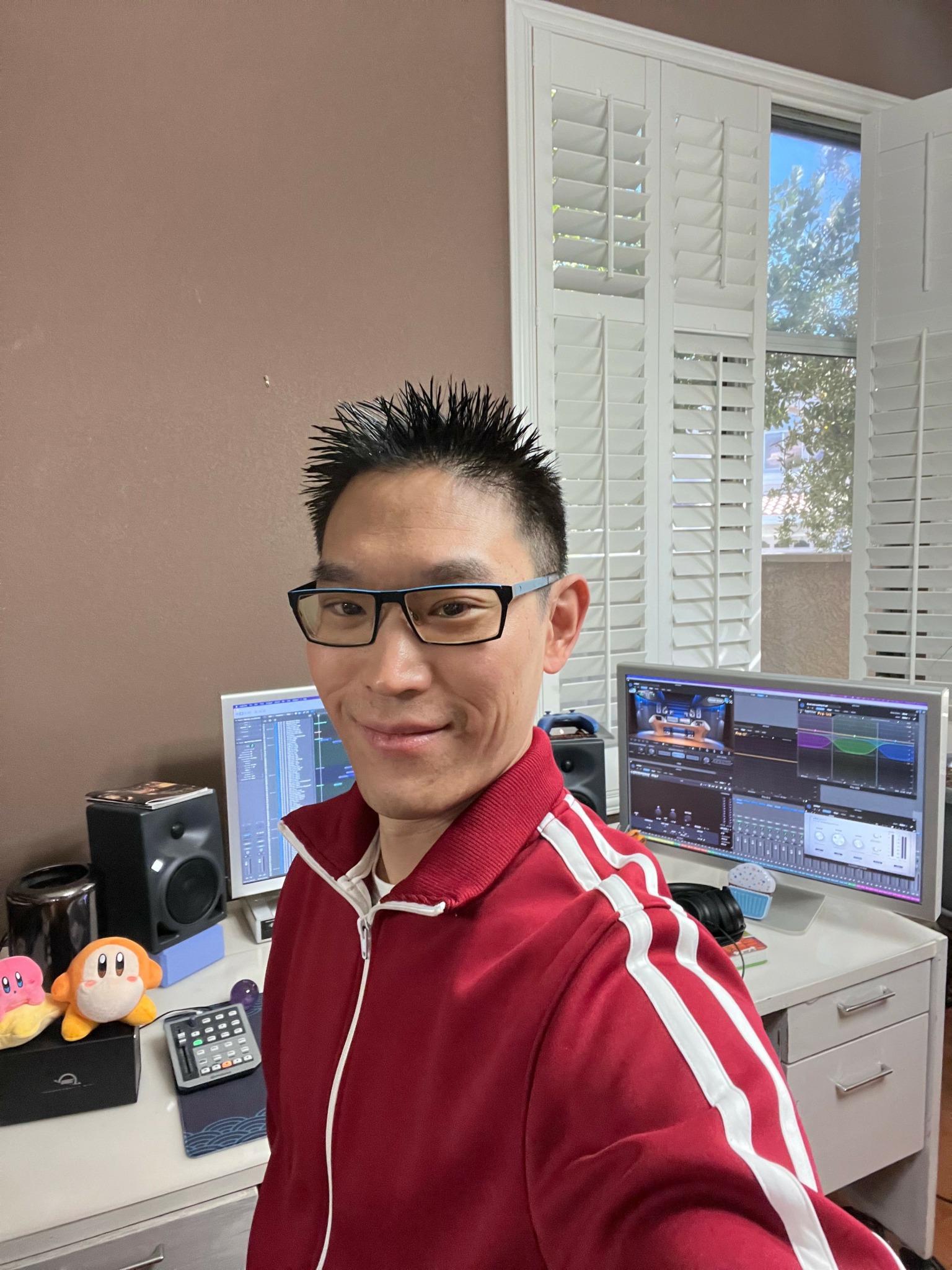

We recently connected with Travis Lohmann and have shared our conversation below.
Travis, thanks for taking the time to share your stories with us today Can you talk to us about how you learned to do what you do?
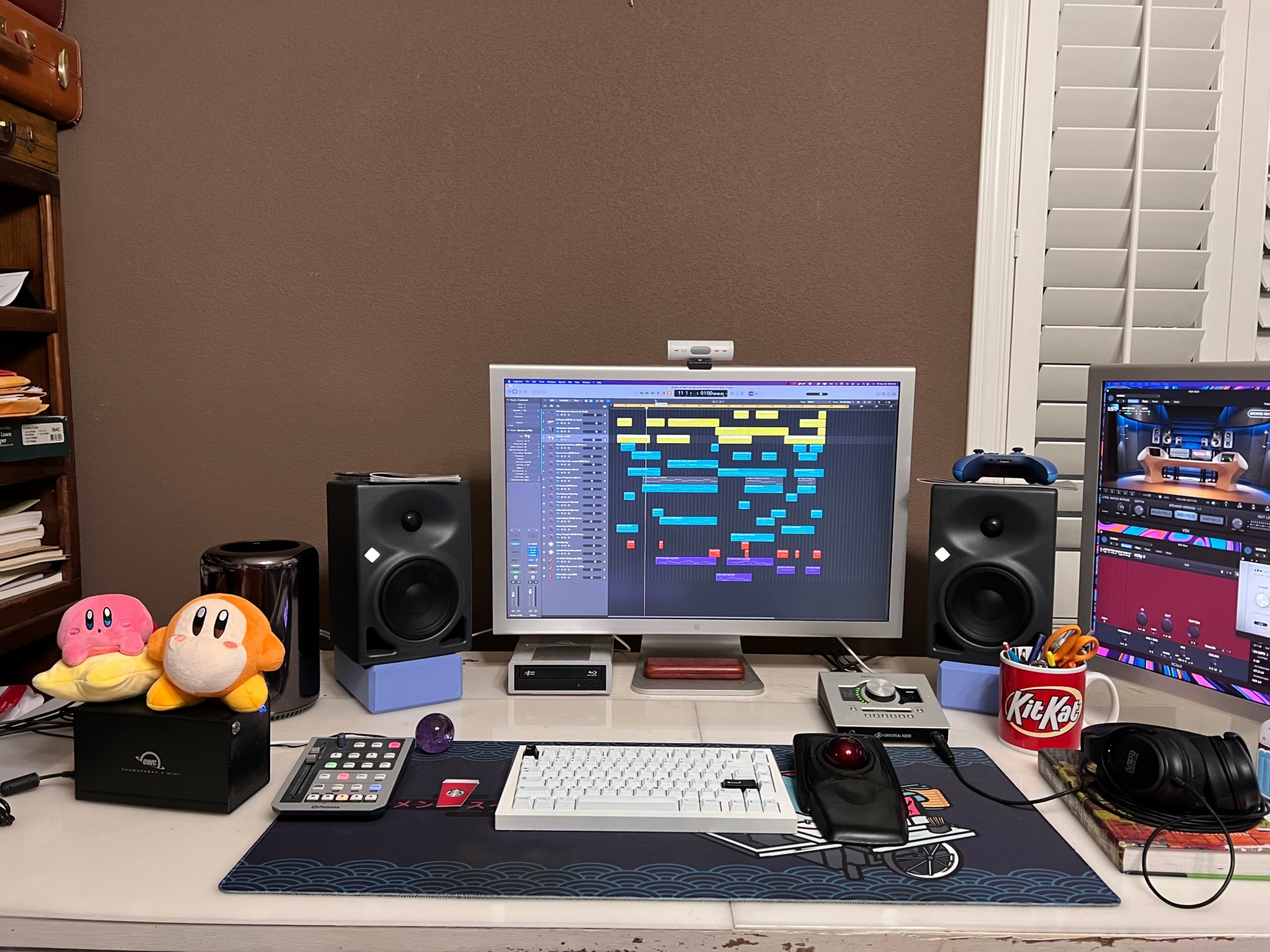
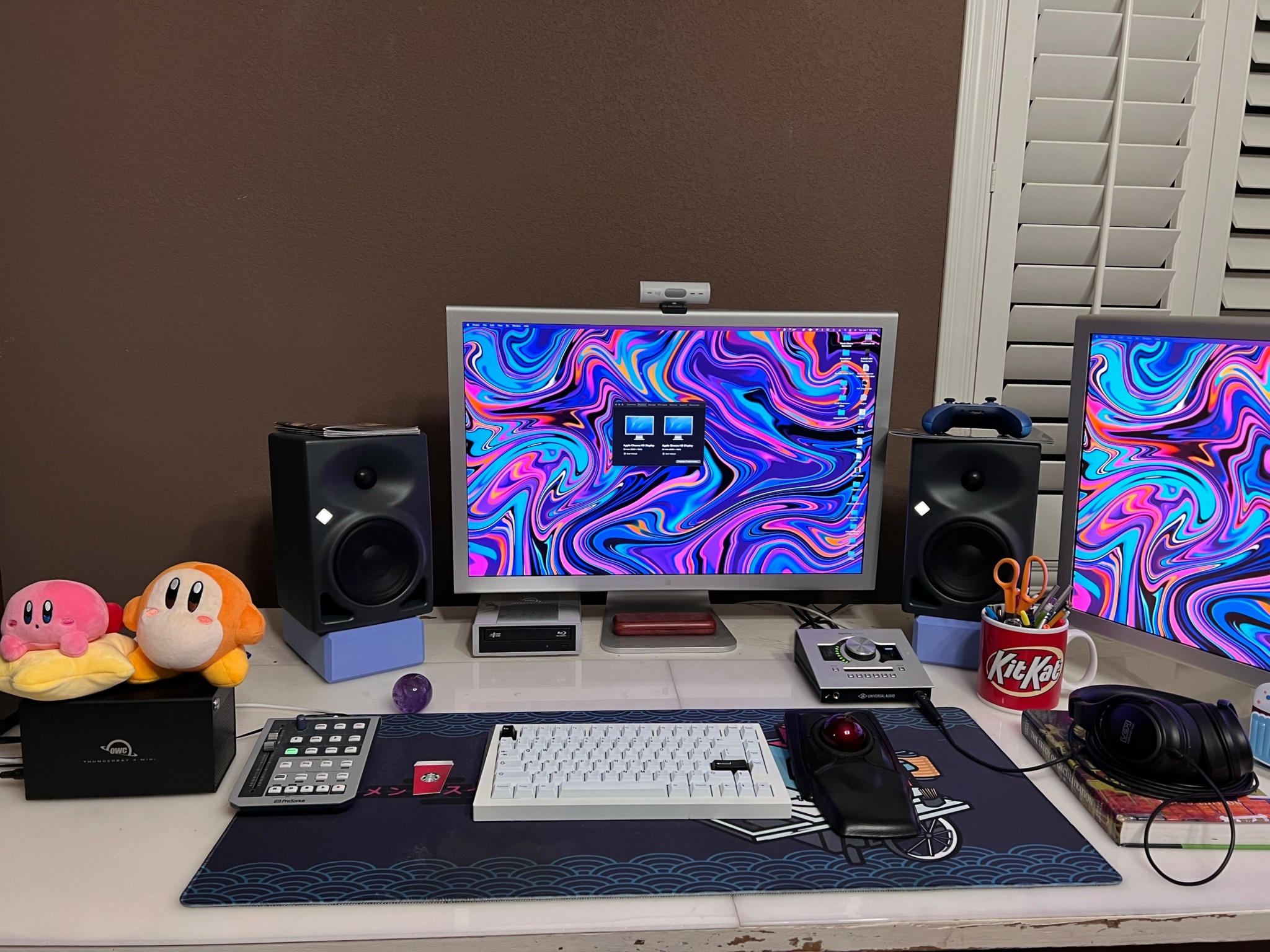
I first started composing music in my early college years, informally- through FL Studio 6. Prior to starting my composing journey, my musical education consisted of classical piano training from age 4-17. While being steeped in formal music education at a young age had immense benefits- in terms of instrument proficiency, I feel that what could have helped speed up the process more (composing-wise), was actually spending time when I was younger, attempting to get all the sounds in my head- out in some tangible form. I do feel that being proficient in piano definitely helped with the speed of composing, though- lack of formal training for composition at the time, also meant – I was merely throwing ideas on the wall, and seeing what would stick. Not exactly the most productive of ways to work.
Great, appreciate you sharing that with us. Before we ask you to share more of your insights, can you take a moment to introduce yourself and how you got to where you are today to our readers.
My formal journey into music composition started when I was a freshman in college. Having attended the University of Nevada Las Vegas, and enrolled as a Jazz Performance major, this gave me a plethora of opportunities to not only hone my piano skills, but also begin my journey into literally penning music down to paper. In addition, I was extremely fortunate to network with the local university’s Film program- and started expanding into the realm of scoring to picture, with both student short films and feature films. One of the projects I’m most proud of, is the 2015 short film “Trivia Night”, directed by Michael Evans.
The first major accomplishment I had was in summer of 2012, when I got to score an independent feature film. This hour and some long film, was my first paid project- and while the quality of music (by my standard today)- wasn’t the greatest, it was definitely a wonderful learning experience in HOW to score to picture. Since then, I’ve done a slew of independent short films, as well as a couple more independent feature films.
As of 2017, I ventured more into composing music which gets wider usage for more TV usage- and over the past few years- I’ve been able to sign with various publishing labels under Warner Chappell Production Music, as well as Universal Music Group. I love solving creative problems where I’m given a specific style of music to write- and then allow my creative wheels to spin when crafting an original work. I believe my attention to detail, as well as patience to receiving feedback and ideas are definitely my strong suit.
What I’m most proud of is both some of my short film scores I wrote during college, as well as other compositions which were performed at live gala and charity shows in recent years. As good fortune would have it, I’ve had multiple experiences writing for the Cure for the Kids Foundation and their “Circus Couture” galas in 2015, 2017, 2018, and 2023. It’s always difficult writing music to a tight deadline, but it definitely keeps you accountable.
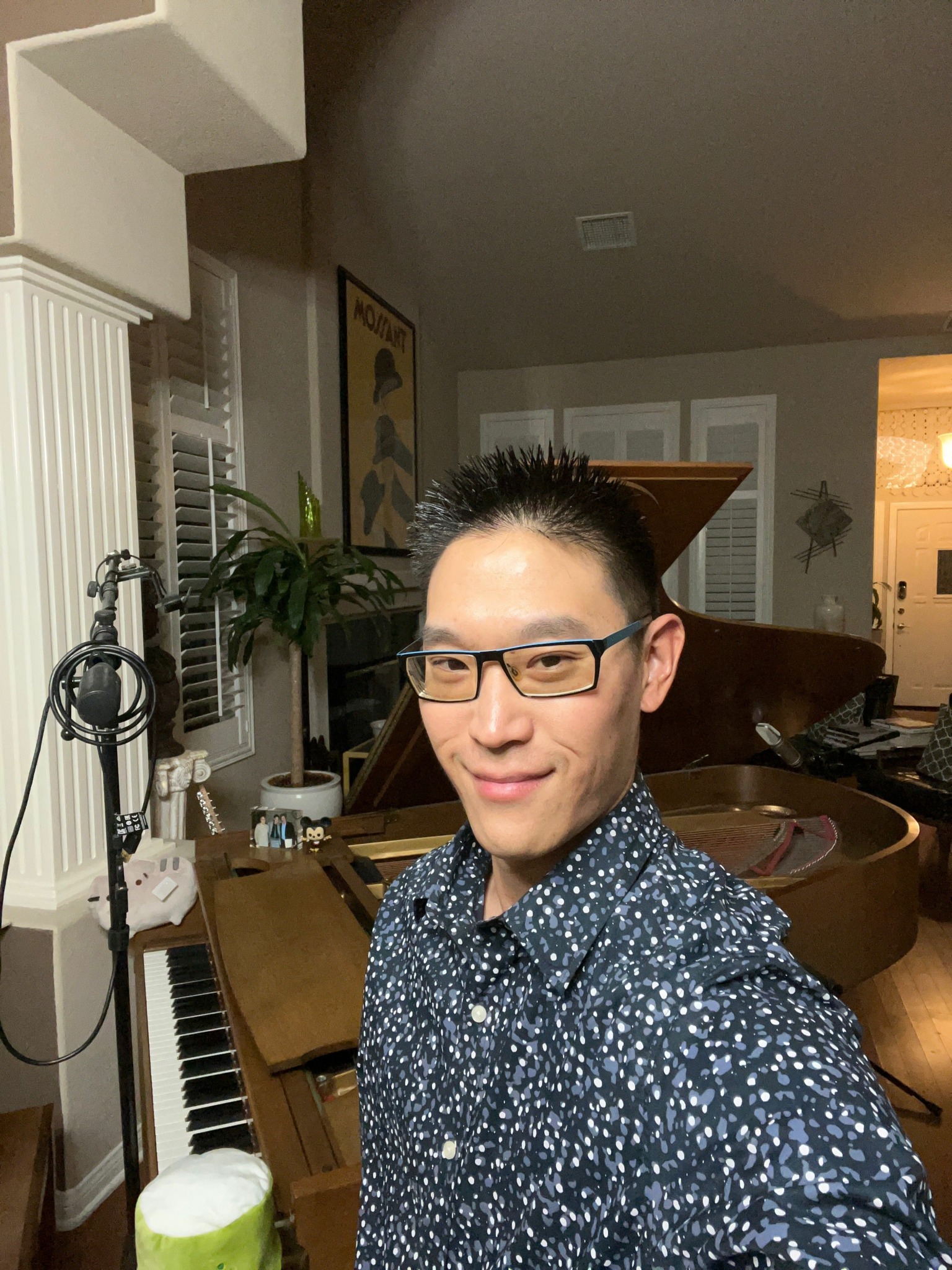
What do you find most rewarding about being a creative?
The most rewarding aspect of being an artist or creative, is I enjoy having the opportunity to collaborate with other creative individuals in seeing their artistic endeavors come true. Whether it’s writing to picture and getting a chance to hear a director’s artistic vision, or writing music for a live-action event gala, seeing and hearing the final project come together is a beautiful symbiotic relationship, and it’s always a true testament to the power of collaboration and creative vision.
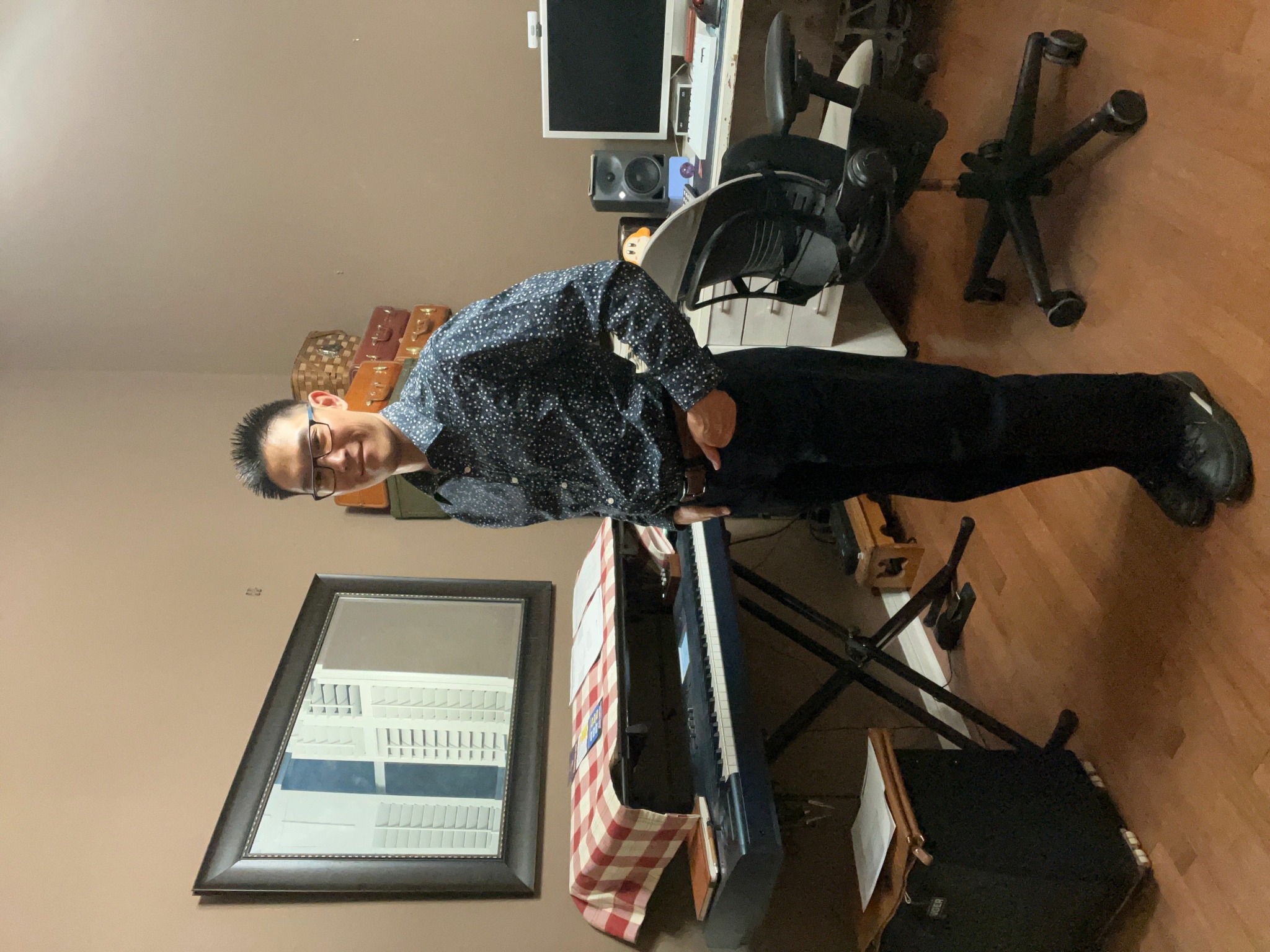
How can we best help foster a strong, supportive environment for artists and creatives?
As the rising advent of artistic creations using A.I. rapidly shift the landscape of what it means to be a creative, I feel that society can do its best to support artists and creatives by remembering the sheer amount of labor and dedication it takes to create art. Whether its photography, paintings, music, and more- the human spirit which is imbued in creating these works of art. Society can support these artists not only by appreciating their work, but also by supporting and purchasing their works- if they enjoy it. It serves as a stark reminder that, art is not ‘free labor’. A.I. cannot replace the human spirit, and the human creative factor which is intertwined within every work of art. Society should learn to embrace and revere the creation and dedication it takes to chase after your artistic career.
Contact Info:
- Website: https://www.travislohmannmusic.com
- Instagram: https://www.instagram.com/tsloh088/
- Facebook: https://www.facebook.com/lohtra
- Youtube: https://www.youtube.com/@TravisLohmannMusic
- Soundcloud: https://soundcloud.com/travislohmannmusic