

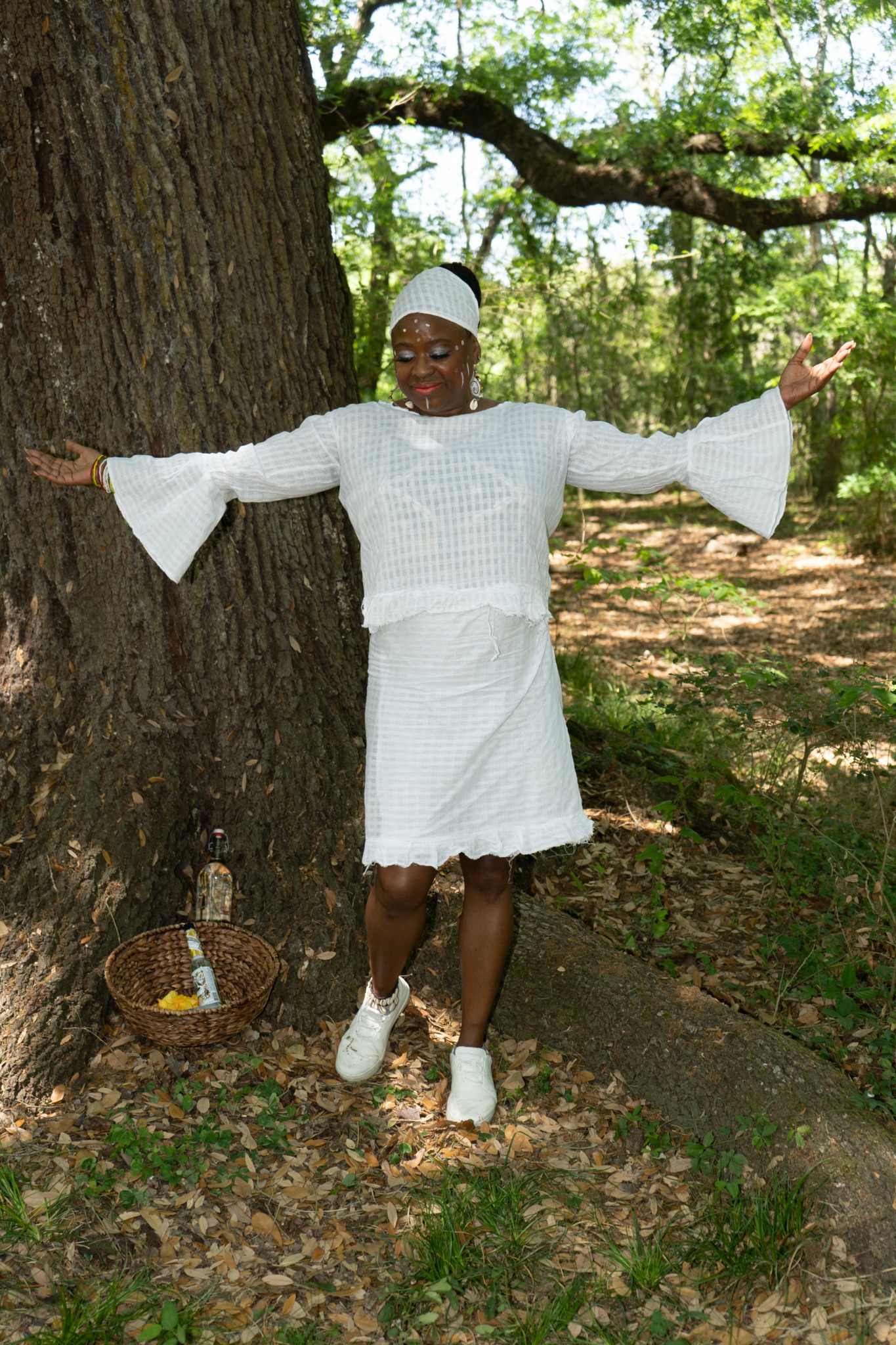

Alright – so today we’ve got the honor of introducing you to Tracie Jackson. We think you’ll enjoy our conversation, we’ve shared it below.
Tracie, thanks for taking the time to share your stories with us today Can you talk to us about how you learned to do what you do?
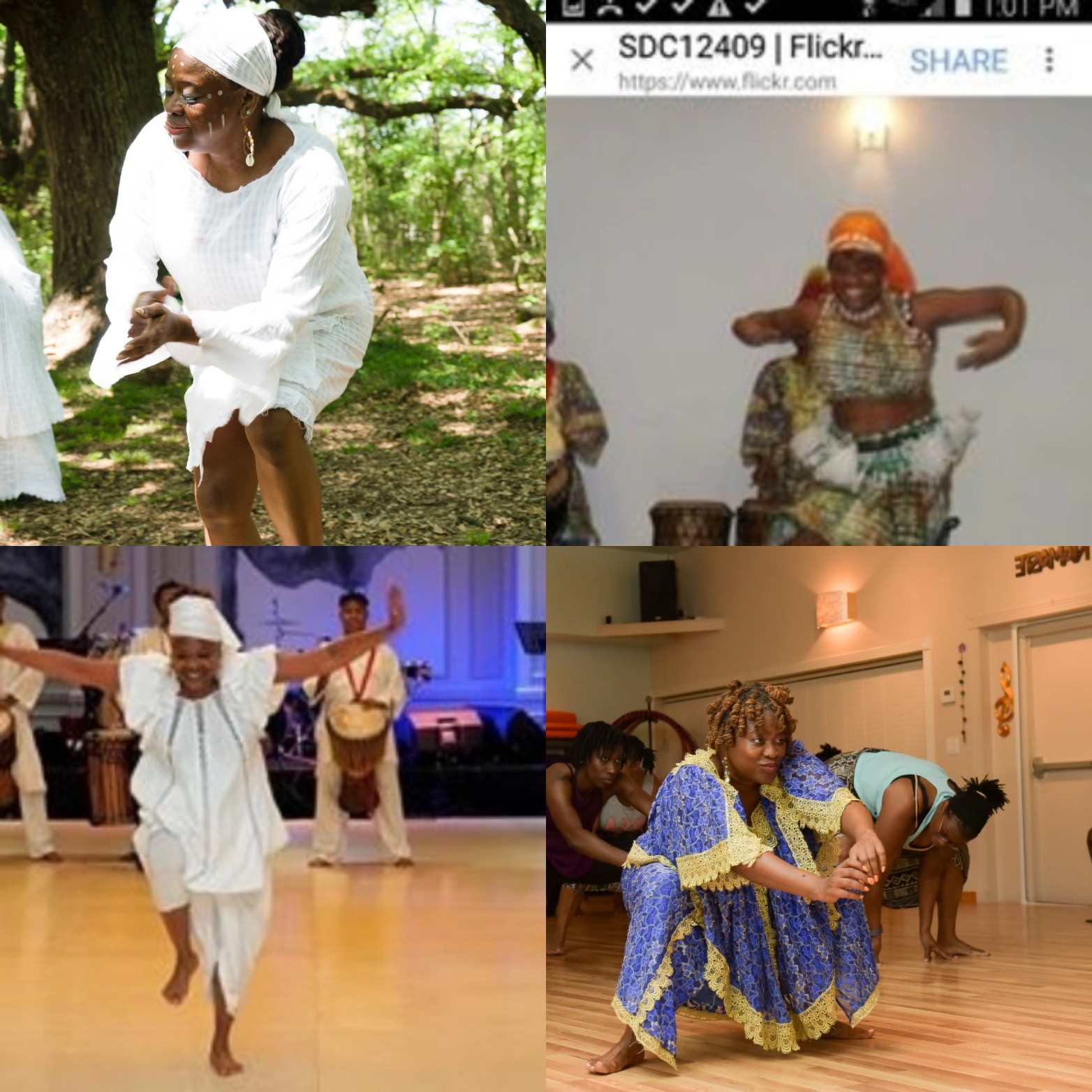
I was introduced to traditional drum and dance rhythms from West Africa and the diaspora at the age of 30 in New Orleans, Louisiana in 1995. I had never seen or heard of the art form before. I attended classes at Tulane University that were accompanied by live drumming and thought it was the best “work out” ever. I remember cringing when the teacher would explain the meaning of the rhythms and sing the songs that represented the rhythms. After all, I was merely interested in the work out not the culture, history or significance. Further, I was not an experienced dancer. I was not conditioned, not flexible, and had never trained as a dancer. However, as I continued to take classes over my ten -year span in New Orleans, the rhythms and music began to take hold. I moved to Houston, Texas in June of 2005, knowing only my then husband and two young sons. In an effort to adjust, I sought out African dance classes. The classes provided a sense of comfort and familiarity. I learned from African Master Artists who were nearby in person or by watching their instructional videos. My awareness of the historical and cultural influence of this art form on music and dance genres across the world was growing and I knew I wanted to share it with anyone who would listen. It was when one of my African Master Artist teachers left Houston, that I felt the need to fill the void that would be created. That was the start of Intuitive African Dance and Drum Culture.
In dance as with many things in life, you never stop learning. Traditional dances from Africa were born out of purpose and emulation of everyday living experiences that occurred centuries ago. It is very much a community art form, however there are performance aspects. My greatest challenge in continuing to hone my skills is “letting go” or “releasing” into my spirit and letting it lead so that my body can accurately portray the messages of the rhythms via technique and nuances.
Tracie, before we move on to more of these sorts of questions, can you take some time to bring our readers up to speed on you and what you do?
Intuitive African Dance and Drum Culture provides educational entertainment services using the platform of traditional drum and dance rhythms from the countries of West Africa. We educate participants via classes and performances and connect the dots between the centuries-old traditional rhythms to past and present contemporary dance and music genres in the United States and the diaspora. I believe the exploration and application of this connection is what sets us apart from the other African drum and dance companies. I am very proud of the growth the company has seen since its inception in 2007. It makes my heart very happy when I see the reactions we receive from class participants or those who have viewed our performances. Seeing small children reach for the drums; adults smiling as they dance across the floor; participants telling me they have found their rhythm; students understanding how this art form has influenced various world dance and music genres; and watching animals, yes animals react and stop to listen to the drums, all validate the why in what I do.
How did you build your audience on social media?
As I stated, I moved to Houston in June of 2005 not knowing a soul. Social media is how I built Intuitive’s brand and following. It has provided a mechanism to build relationships with total strangers from all over the world. I share posts exhibiting how traditional drum and dance rhythms from West African countries have evolved in the United States and the diaspora. I post videos of talented artists playing authentic drums and dancing the dances. I post stories about the countries these rhythms come from. All of these postings are made with the intention and desire for the viewer to connect and understand. A crucial component to getting exposure for our classes and interest in our performances is sponsoring ads on social media. It is an inexpensive way to grow your audience. I highly recommend it.
Can you share a story from your journey that illustrates your resilience?
All I can say is that my passion for this art form has seen me through some challenging times. Since starting the company in 2007, I left a marriage that turned abusive; was a full-time Mother to athletic sons who also served as the company’s drummers; was embroiled in a six-year very public legal battle with a former employer; and managed a small law practice. Through all of this, I continued to teach dance classes and engage in performances. The art form literally kept me going and saved my life. I attribute this to my gratitude for the opportunity to learn and experience a sliver of the African culture that was snatched away from me.
Contact Info:
- Website: https://Intuitiveculturalhealing.com
- Instagram: @Intuitiveafricandance
- Facebook: Intuitive African Dance and Drum Culture
- Linkedin: Intuitive African Dance and Drum Culture
- Yelp: Intuitive African Dance and Drum Culture
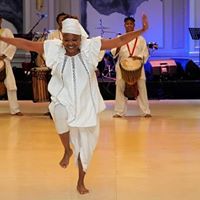
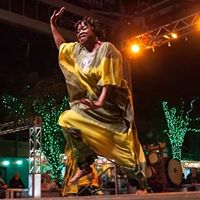

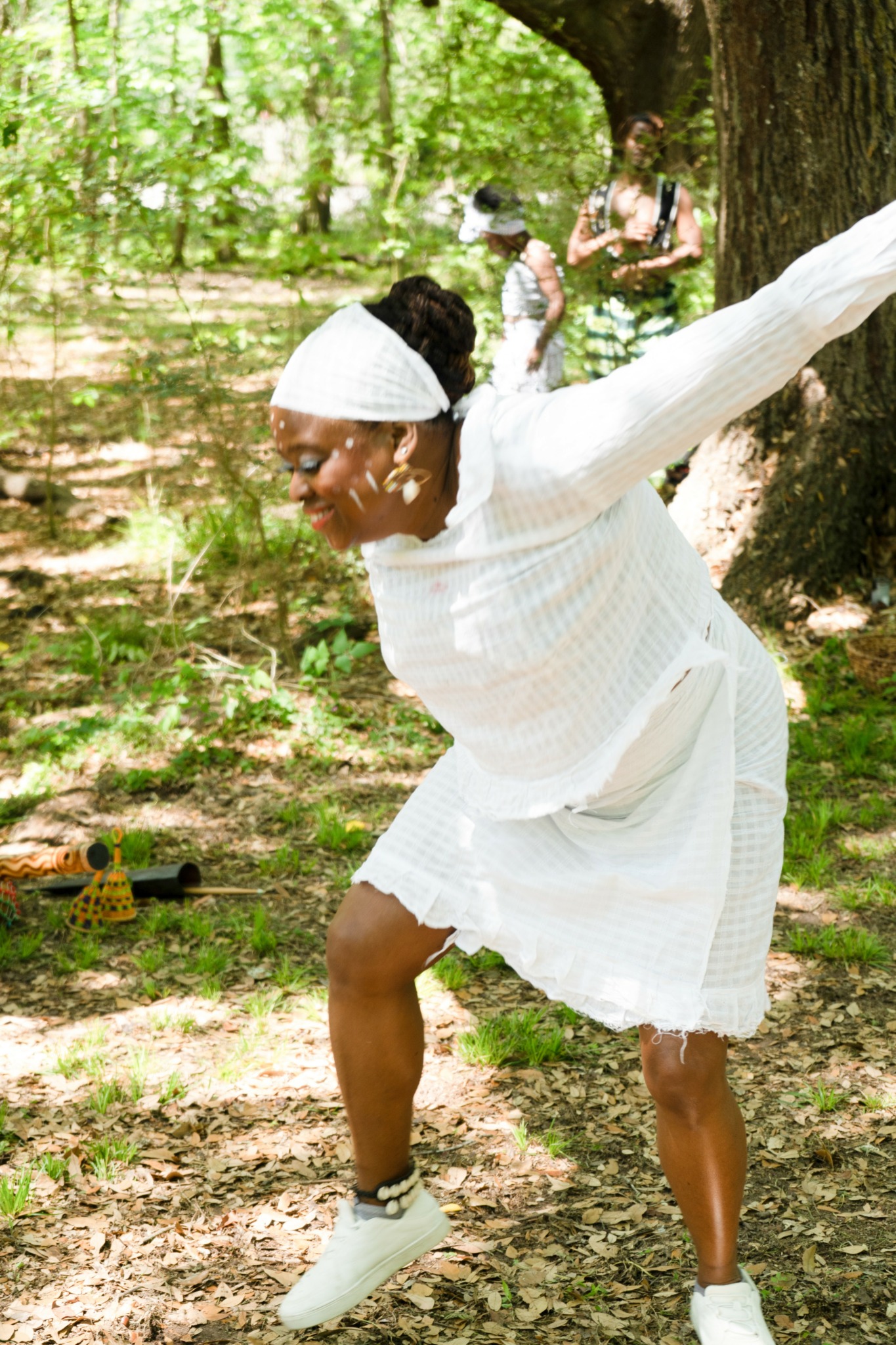
Image Credits
Blue Treasure Photography; Images by NK