

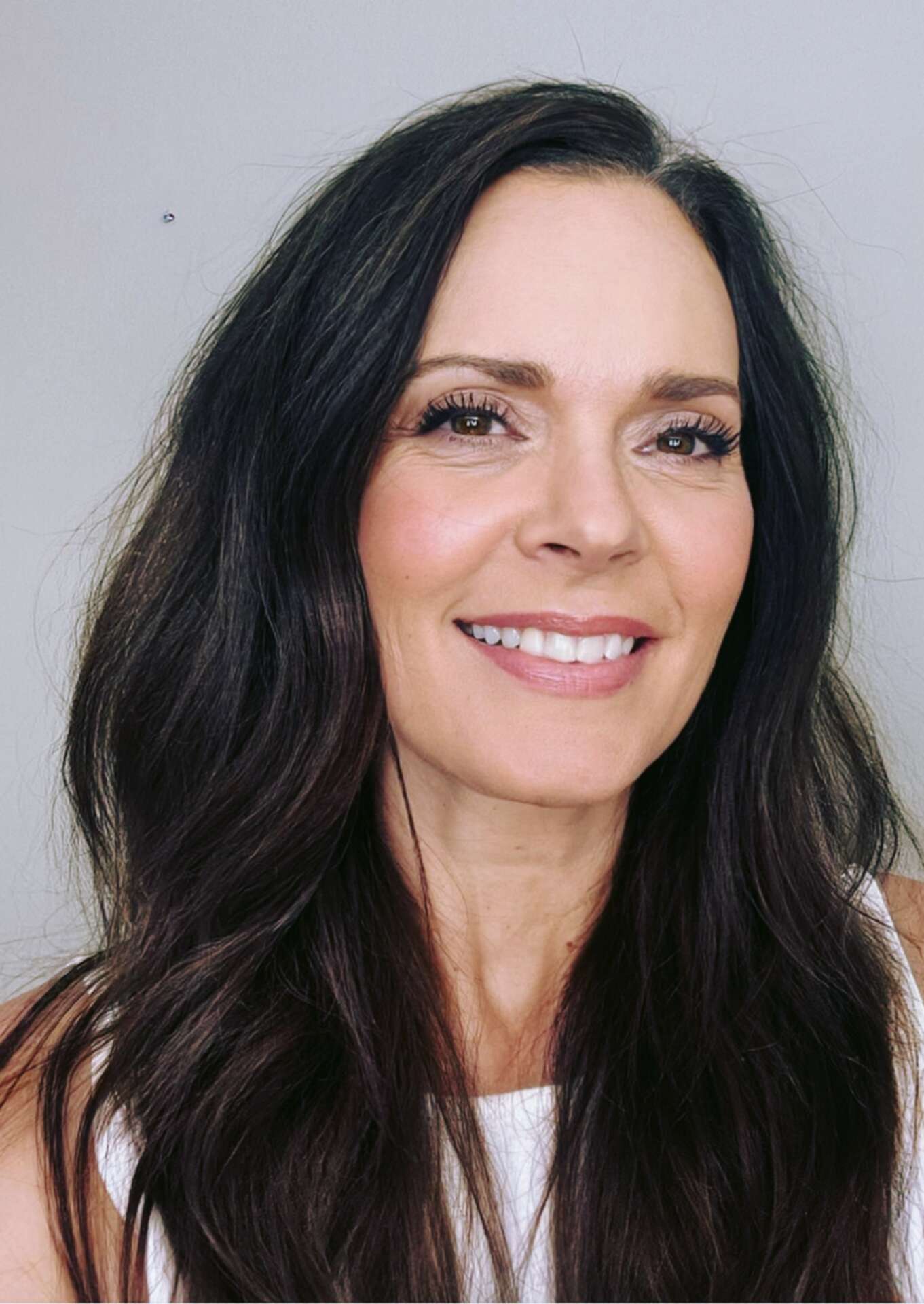

We caught up with the brilliant and insightful Traci Callandrillo a few weeks ago and have shared our conversation below.
Traci, appreciate you joining us today. Was there an experience or lesson you learned at a previous job that’s benefited your career afterwards?
I spent the first chapters of my career in higher education leadership and administration- providing services as a mental health clinician, then transitioning into management and university leadership roles. Higher education is a dynamic industry that is also in some ways slow to change and dependent on organizational structures. It is also an industry that is heavily regulated, and compliance with regulations and accreditation credentials is non-negotiable. So with this as the backdrop, an important lesson for me that helped my career came in the form of my first role as a large team lead. I was promoted internally in a large organization within a very large university, and presented with the task of improving service delivery and morale for this team. Because I was promoted internally, I had my own experience operating within the service structure, and I had my own opinions of the pros and cons of the system. My supervisor was direct in telling me that there were some elements of the system that had to stay the same, and some deliverables that had to be maintained- but beyond that, I was expected to be innovative and make changes that would enhance productivity and morale. I chose to approach this work by putting together a working group tasked to make recommendations that would be presented to the leadership team, and then to the larger group of staff. I intentionally added members who were very skeptical of the current system but were actively engaged, along with other members who expressed positivity about the current system. Long story short, we developed a dynamic of strong debate paired with high team cohesion, and this resulted in a set of recommendations that was approved by the leadership team and implemented with the larger team, to strongly positive results. The lesson I learned from this was the importance of listening to a diversity of voices, and developing the internal ability to seek out those who are willing to express their disagreement with my own perspective.
As always, we appreciate you sharing your insights and we’ve got a few more questions for you, but before we get to all of that can you take a minute to introduce yourself and give our readers some of your back background and context?
I am the owner and primary consultant at the Callandrillo Consulting Group LLC (CCG). I have a Ph.D. in Counseling Psychology and am certified by the International Coaching Federation at the ACC level. After a long career as a provider and administrator in higher education, I launched the CCG to provide consultation and guidance to organizations around team cohesion and strategy, and executive coaching for new managers and experienced leaders looking to level up their skills. Higher education requires a very broad management skill set, with depth of content knowledge and ability to navigate a variety of risks. I bring this background into my work with individual leaders where we start with identifying their personal goals for coaching, and ways in which they want to expand on their strengths. Because so many industries need leaders who have insight into themselves while also that ability to navigate risk, I provide consulting to companies what want to enhance capacity in their teams. My content expertise around well-being, particularly mental health, risk assessment and strategic approaches to service delivery make me a great fit for organizations that need a consultant who can provide input and guidance on structure as well as team and leader development. I also provide group coaching sessions for individuals who are looking to further their own development in a group setting where they can learn from and support others as well- for many people, this is the most dynamic way to benefit from coaching. Finally, I am an engaging speaker and coach who is willing to get to know the people I work with and empower them to maximize their strengths.
Have you ever had to pivot?
My spouse and I were married on September 1, 2001. I was working as a psychologist in a university counseling center, and he was in the process of separating from the military and job-searching for the first time as a civilian. Note the date of our wedding- ten days later the US experienced a seminal event on September 11. Shortly after that day, my spouse was directed to a military base to resume his service, and we spent the next years navigating the possibility of his deployment, while I advanced at work and we welcomed our first child. A few months later, he received official word of his impending deployment and I was promoted into a new and larger leadership role at my job. These two events occurring in the same period, along with raising a baby, prompted me to pivot towards a different strategy for work. Prior to this, my mindset had been to think of my ‘work self’ as defined by my professional training- I was a psychologist building her professional presence. But instead, I needed a mindset that allowed me to have multiple identities that influenced each other- I was a boss, a mother, a partner, a therapist, and all the other relational roles that filled my life. I navigated my leadership at work with the understanding that I had to balance work with parenting and with supporting my partner from a long distance. And while I’ve learned that multitasking as a day to day approach isn’t always optimal, I do believe that a mindset that allows for the influence and lessons from the various parts of my life have allowed me to be a much more empathic, connected, and grounded leader.
Do you have any insights you can share related to maintaining high team morale?
Having been a leader in a large higher education institution during the pandemic, I have experienced important lessons for managing teams and striving to maintain high morale. Here are some of these lessons: 1. Know your team as people. Identify what boundaries around personal disclosures you have, and then be curious about who they are, and invite them to share with you what makes them tick at work. Encourage them to know each other, within those work boundaries. Practice this with reciprocity- share with them what makes you tick at work, and show appreciation when they share with each other and you.
2. When the team is building towards a major change, set out as clearly as you can what is negotiable and what is non-negotiable. I have found that teams are ultimately more appreciative of knowing this at the beginning, even if they don’t like what those non-negotiables are. As a part of this, get comfortable with that disappointment that can happen when boundaries are set- do not take it personally, and accept that the team doesn’t have to like the boundary at first to make it work. The alternative- working within an illusion that a change is possible when it is not, is ultimately much more toxic to productive change, and it only pushes that disappointment down the road, losing trust in the process.
3. Cultivate a practice of having a reserve of resources- for yourself and your team. Just as you need a savings account, you need to build a reserve of resource (energy, time, money, etc.) for unexpected challenges. We can all think of examples of this from the pandemic when we had to call on that reserve to get what needed to be done accomplished- and just how bad it could be if a team doesn’t have that reserve.
4. If you can relate to them, tell them. Be a person at work who uses your insight and experience to build up your team. And listen to their experiences that are different than yours as well. By creating an atmosphere at work that allows for a growth mindset and space for both individual differences and shared experience, you are creating the conditions for psychological safety. This includes building your skills as a leader in being clear about expectations and developing behavioral models for your team’s work.
5. Admit it when you don’t know something, or you’ve made a mistake. You don’t have to be perfect and know everything- you aren’t, and you don’t. By freeing yourself up of this expectation, and owning it when you don’t know or made a misstep, you expand the platform that you and your team operate on- and this creates space for growth.
Contact Info:
- Website: www.callandrillogroup.com
- Linkedin: www.linkedin.com/in/callandrilloconsultinggroup