
We were lucky to catch up with Tommy Arnold recently and have shared our conversation below.
Tommy, thanks for joining us, excited to have you contributing your stories and insights. Looking back, do you think you started your business at the right time? Do you wish you had started sooner or later
I spent most of my teens and twenties playing in bands and working toward becoming a touring musician. While I wouldn’t change anything about that what I would have done is gone to school for Film Composing much earlier. After many years of being live music performance, I ended up getting married and starting a family.
When you have a family with kids touring all the time as your primary source of income just didnt make much sense anymore. I ended up enrolling in Berklee College of Music right before I turned 30. So in a way I was starting over with a new industry. While I was still working on a career in music, being a film composer you are really in the film and tv industry, not the music industry.
The one thing I guess I would do different would have been to start a production company or music license company earlier while I was younger. I think most musicians would benefit from owning some kind of business within the niche they are in.
Tommy, before we move on to more of these sorts of questions, can you take some time to bring our readers up to speed on you and what you do?
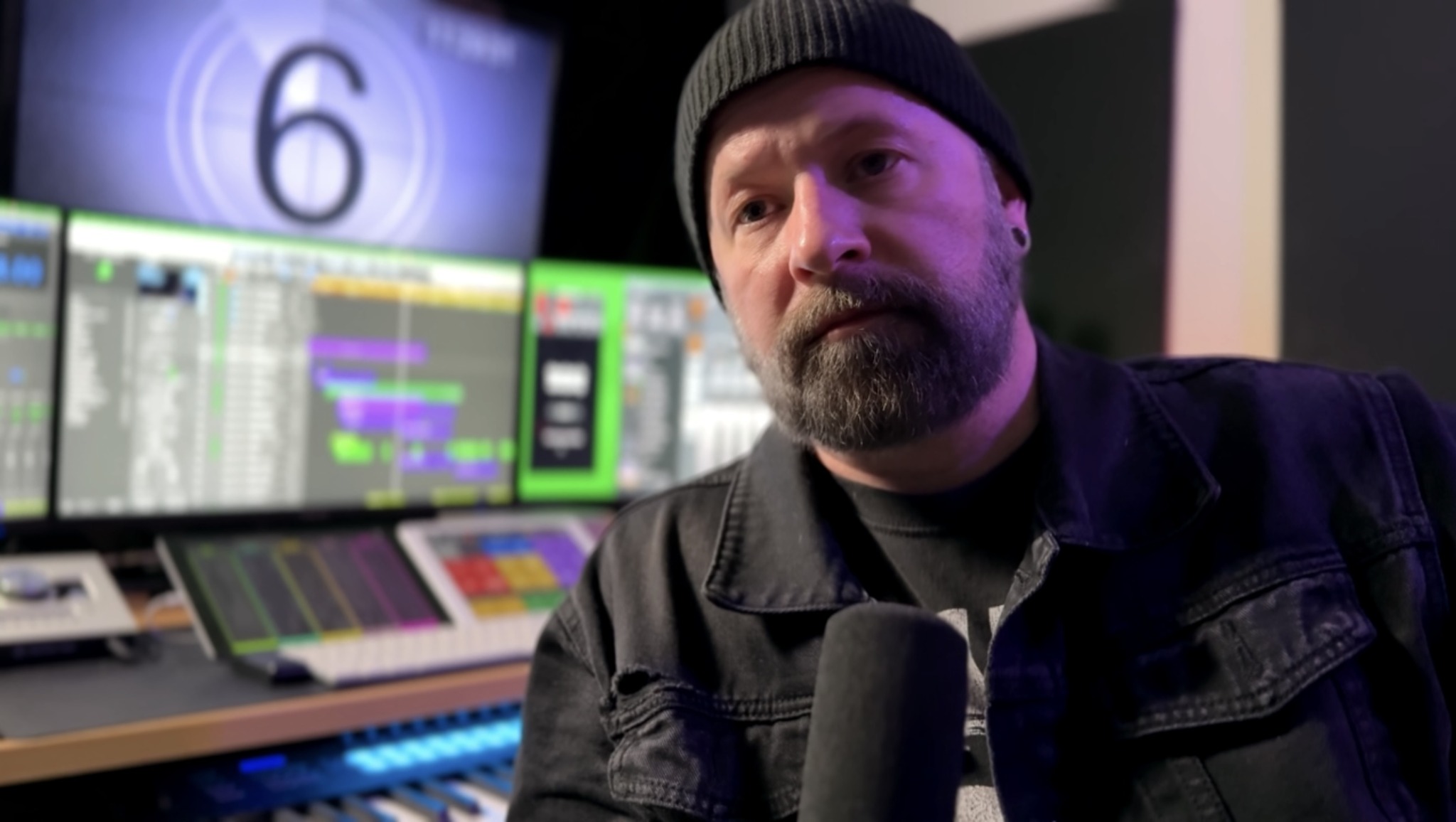
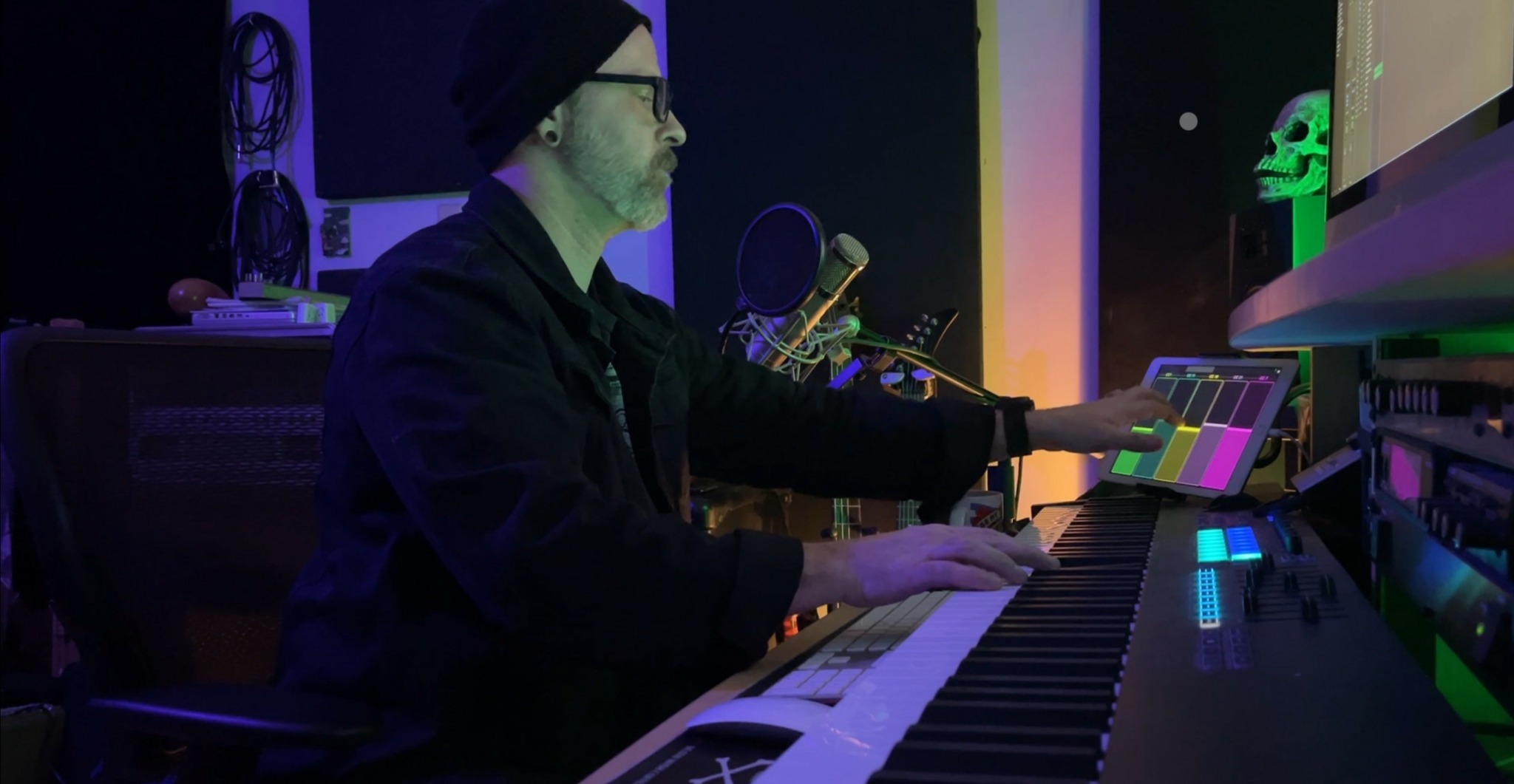
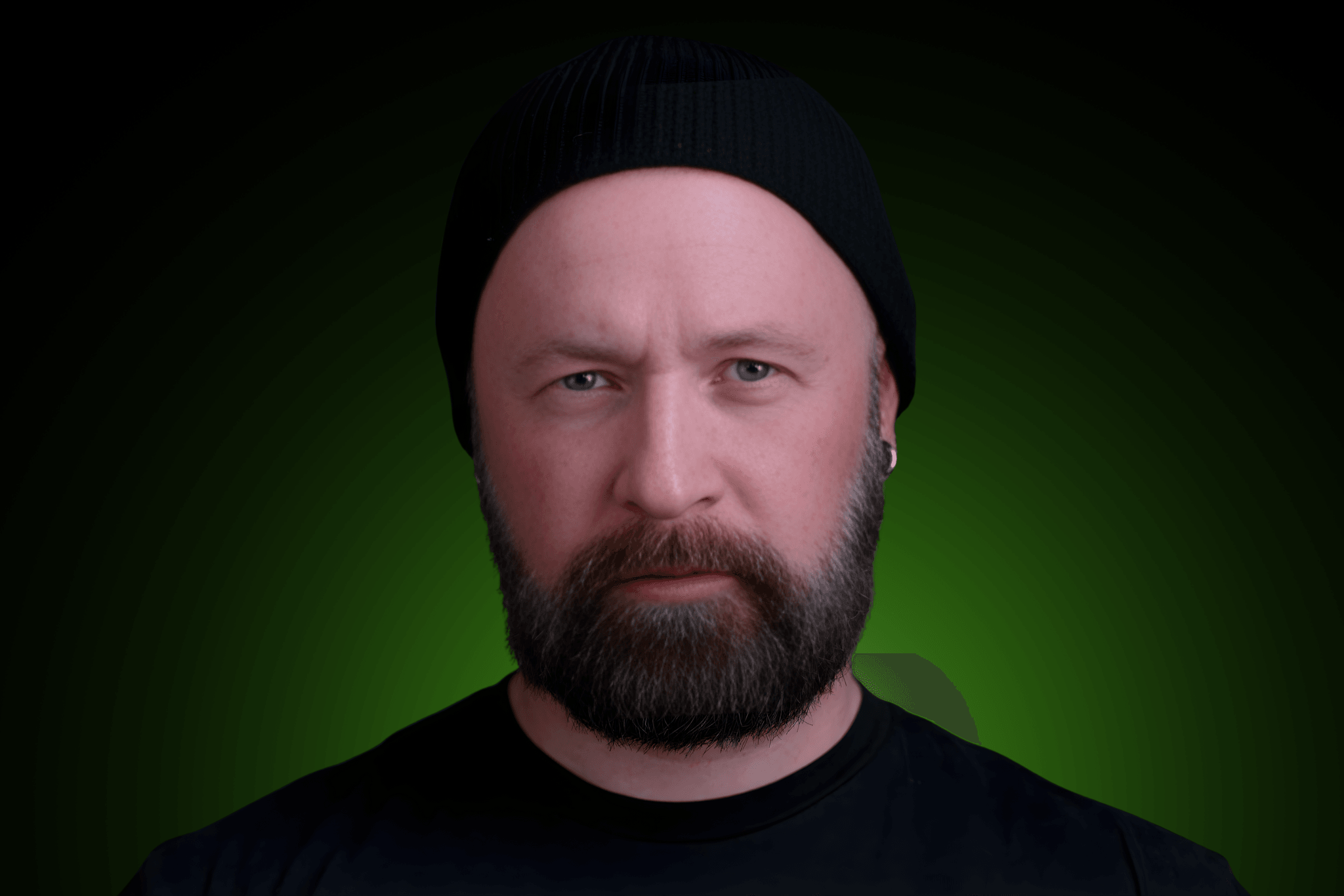
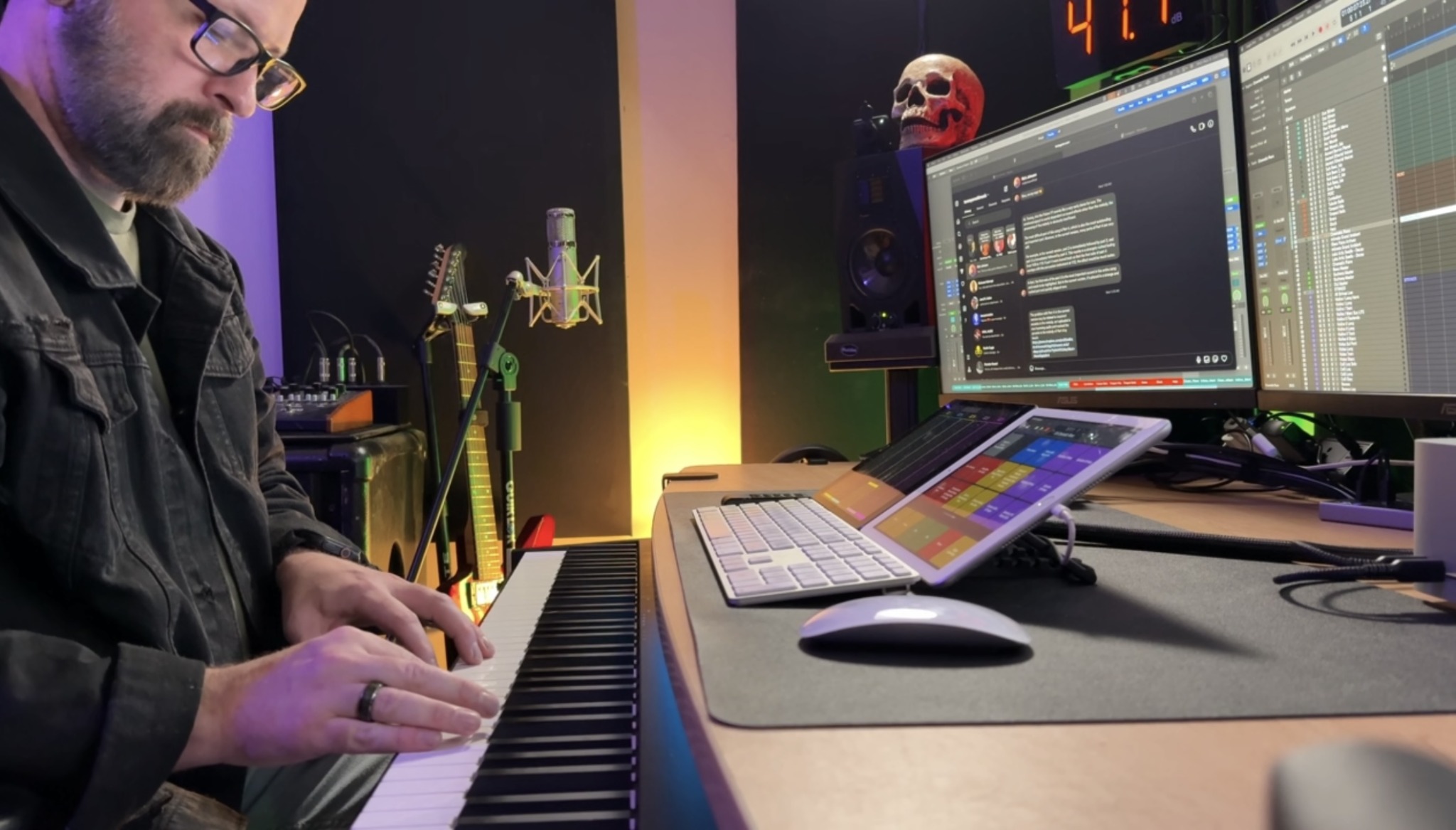
I’m a film and television composer based in Memphis, TN, where I live with my wife and children. My work spans short films, feature films, and collaborations with music production companies whose music editors place music in TV shows and streaming services.
Beyond composing, I have a deep passion for music education. I run a YouTube channel and am building a growing line of products and services under my educational brand, designed to help aspiring composers learn to write music for visual media — without the financial burden of expensive degree programs or courses.
What most people don’t see is that I’m also working a full-time day job while running my music business. Both demand around 40 hours a week. For me, that’s just the reality of building something from the ground up when you have a family depending on you. You can’t walk away from financial security until you’ve built something solid enough to replace it — so you find a way to do both. That means early mornings, late nights, and lunch breaks at the keyboard. Any free time that’s left goes to my family. It’s a tight schedule, but it’s intentional, and it’s temporary. The goal is to transition fully into my music business once it can sustain that leap.
Have you ever had to pivot?
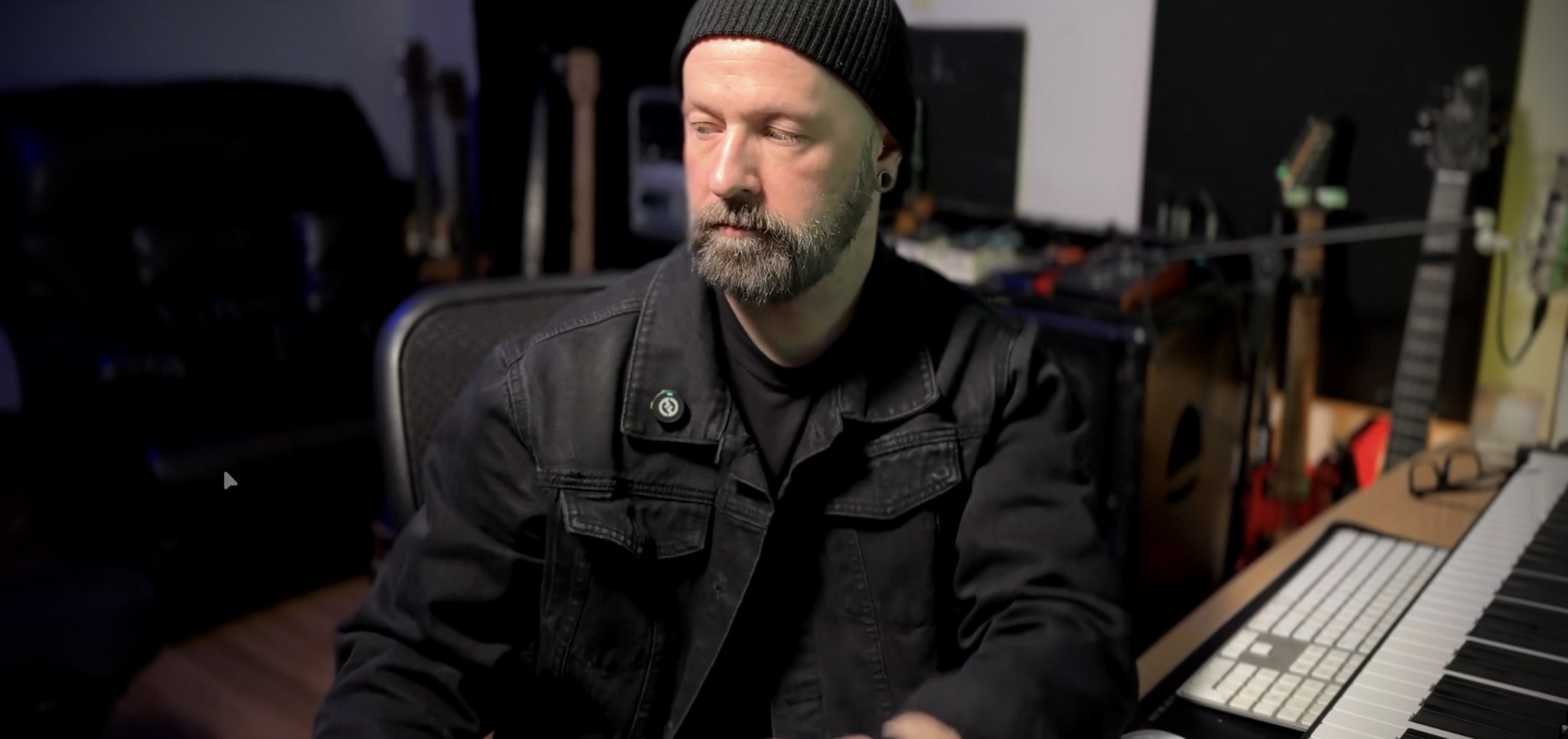
Honestly, starting a family was a turning point. I realized the path I was on in music wasn’t going to work long-term. When I left the band I’d played with for over a decade, I did consider stepping back and treating music purely as a hobby — but I couldn’t shake the feeling that if I didn’t pursue something more, I’d always wonder what I could have accomplished.
A big part of that was thinking about my kids. I wanted them to look back one day and see that their dad really fought for something and made it happen — not that he gave it all up when things got hard.
The turning point came when my wife looked at me one day and asked, “If you went back to school, what would you do?” I’d always been drawn to film composition. The idea that the music you write can completely shift the emotional experience of an entire audience in a theater — that fascinated me. So I made the decision to enroll at Berklee and study part time while keeping my day job. It took nearly five years, but I finished it.
Then I looked around and realized I was essentially starting over in a brand new industry. But I was determined. I spent every available hour networking, building relationships, and establishing myself within the film and television world.
Any insights you can share with us about how you built up your social media presence?
If you’re a creative business owner today, social media isn’t optional — it’s essential. That said, it didn’t come naturally to me. Before starting my business I rarely posted anything online, and the idea of putting myself on Instagram or TikTok genuinely stressed me out. I couldn’t stand the sound of my own voice on camera. I’d spend an hour shooting and never like a single take.
What shifted my mindset was a simple realization: the people who might have something negative to say about my content aren’t paying my bills, and they won’t matter to me at all a year from now — so why let them hold me back? I started by posting on Instagram and TikTok as consistently as I could, and what I discovered was that most of my work was coming directly from that online presence. It stopped feeling like a chore and actually became fun.
In 2024 I launched my YouTube channel, and I love it. Honestly, I believe YouTube will eventually replace most traditional television — so why wouldn’t you want your business on that platform? What’s been most rewarding is that the channel has grown completely organically, without any paid promotion. The community building there feels authentic, and the audience is genuinely engaged with the content.
But what I love most about YouTube is the creative freedom. It’s your channel, your rules. No gatekeepers, no bosses telling you what to cover. You create, you publish, and the world can find you. We’re living in an incredible time for that kind of independence, and I don’t take it for granted.
Contact Info:
- Website: https://www.tommyarnoldmusic.com
- Instagram: https://www.instagram.com/tommyarnoldmusic
- Facebook: https://www.facebook.com/tommyarnoldmusic
- Youtube: https://www.youtube.com/@tommy_arnold
- Other: https://www.tiktok.com/@tommyarnoldmusic