
We were lucky to catch up with Tissa Richards recently and have shared our conversation below.
Hi Tissa, thanks for joining us today. Can you talk to us about a risk you’ve taken – walk us through the story?
I’ve never been particularly interested in the “safe” path. I went straight into startups – building, joining, and sometimes walking away from things that looked successful from the outside but didn’t feel aligned. I’ve learned to trust that instinct, even when it doesn’t make sense to anyone else.
That pattern has followed me from my days as a cybersecurity software founder/CEO to my current work running a leadership development and keynote practice.
Years ago, I realized that one of the most common pieces of career advice we all receive – to develop and practice your “elevator pitch” – was not helping people at all. In fact, it was downright damaging. Because in practice, it made people tend to spew out a boring, generic, autobiographical narrative about themselves that made everyone in their vicinity’s eyes glaze over. Nothing specific, nothing memorable. Nothing to cognitively grab onto and say, “aha! Now this is someone I can introduce to so-and-so.” (Pay attention at the next networking event and you’ll recognize this immediately!)
So, I started telling people that the advice to have an elevator pitch was – counterintuitively – the worst advice they’d ever been given. And I start advising clients to ditch the elevator pitch. Saying that out loud felt risky at first, but the results were undeniable. Qualitative and quantitative results started flooding into my practice. Greater clarity. Better presence. Elevated confidence. More precision and memorability. Accelerated time to their next role or funding round. 20-40% increases in compensation. Today, I don’t hesitate to say, “Ditch the elevator pitch – I know you’ll thank me very soon.”
The most recent and most consequential example of this pattern of naming uncomfortable truths is my work on resilience.
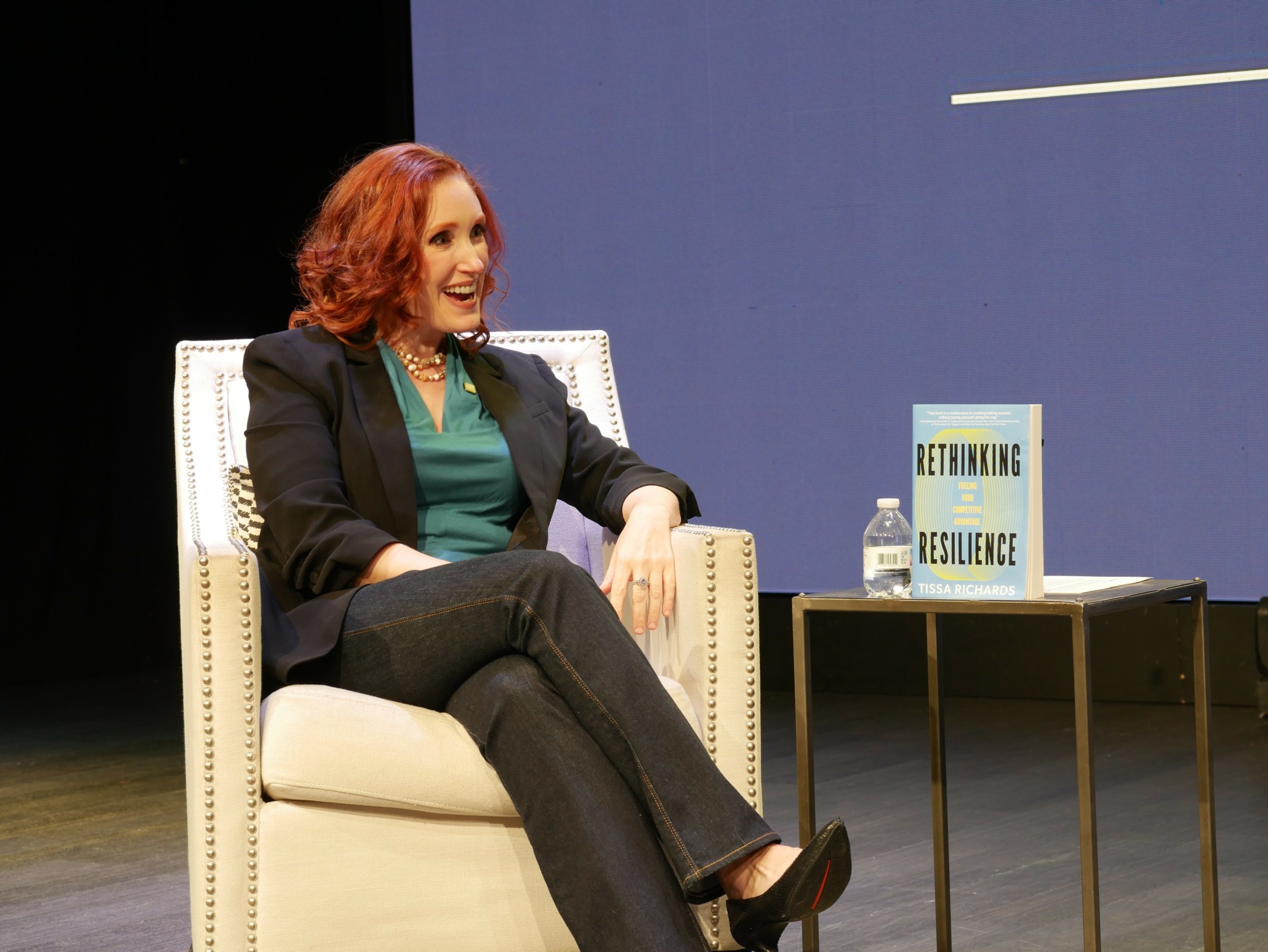
For decades, resilience has been defined as toughness, grit, endurance, and the ability to “bounce back” from hard things. It sounds admirable – like a badge of honor – but it doesn’t hold up in the world we’re operating in. I kept running into the same pattern. Leaders end up in constant survival mode, normalizing exhaustion, and confusing grit with strength. The real costs show up later: health, decision quality, relationships, careers, burnout. Worse, we miss opportunities we never even see coming because we’re only primed to look for crisis.
I felt viscerally like something was very wrong here, but taking a contrary position on resilience felt riskier than my position on the elevator pitch. Resilience is such a deeply embedded concept in our lives and in leadership culture. Challenging it meant pushing against language that is widely accepted, and widely unquestioned.
But I had to say something. We couldn’t have people feeling like they were failing at resilience, when really, it’s the definition that’s failing us. Especially as our world becomes more uncertain and more disruptive. Bouncing back has never been a winning strategy, and it’s never been less of one than it is today.
So I began to develop a different model. One grounded in intention rather than reaction. Instead of asking people to wait for something to happen and then scramble to adapt, I focused on helping them proactively establish clarity, boundaries, and repeatable practices. Muscle memory that’s already in place before you need it, and built to recognize not just challenges, but opportunities and innovation. I call it Intentional Resilience.
What happened next was immediate. No one pushed back. They leaned in. People told me it was the first time resilience felt tangible and real. And the impact on leaders, teams, and people in their everyday lives has been remarkable.
I’m already at work on my next book, which continues this same pattern of questioning and reframing ideas we tend to take for granted.
Awesome – so before we get into the rest of our questions, can you briefly introduce yourself to our readers.
I work with senior leaders at pivotal moments – when the stakes are high and how they think, communicate, and position themselves actually matters.
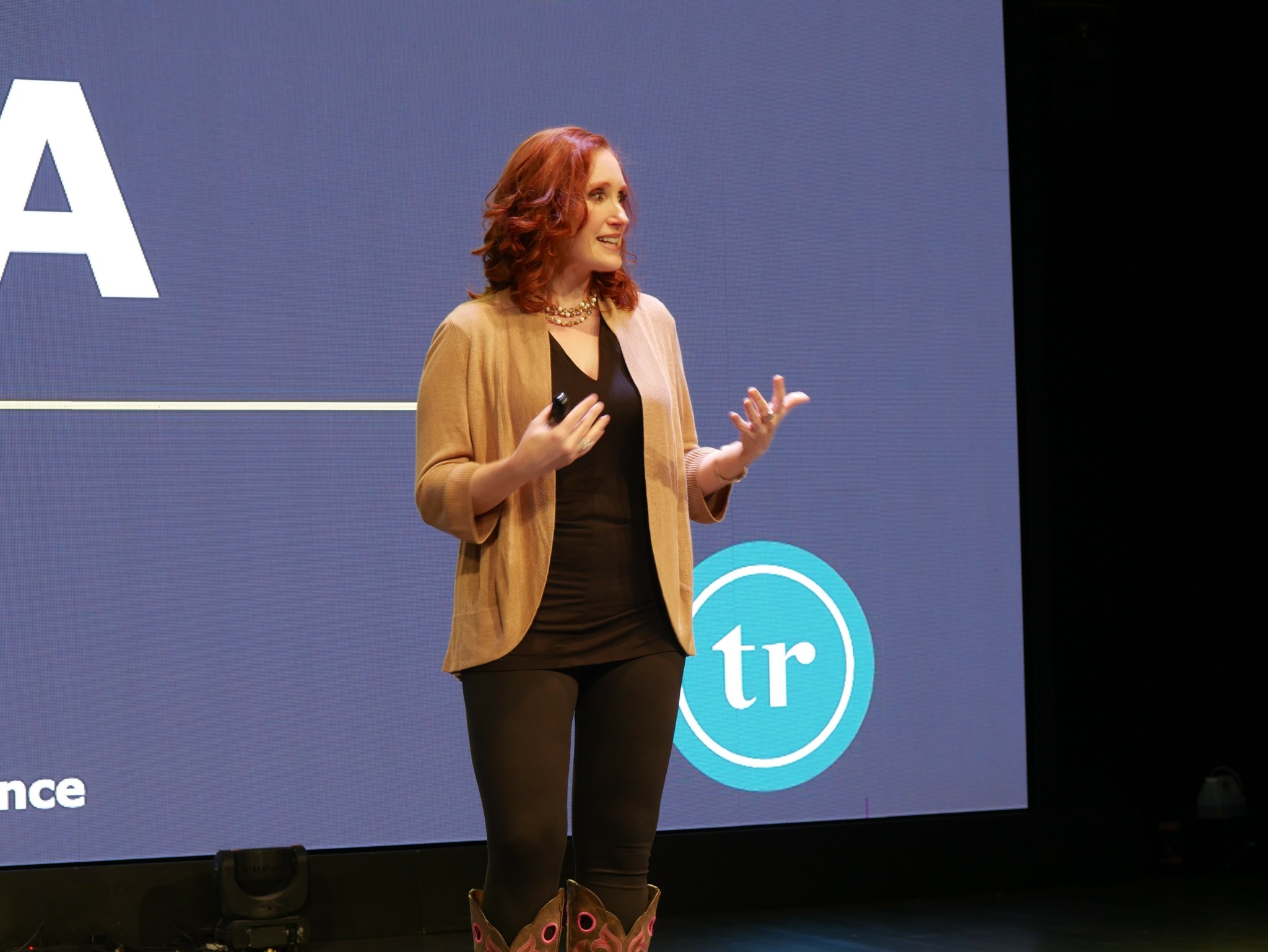
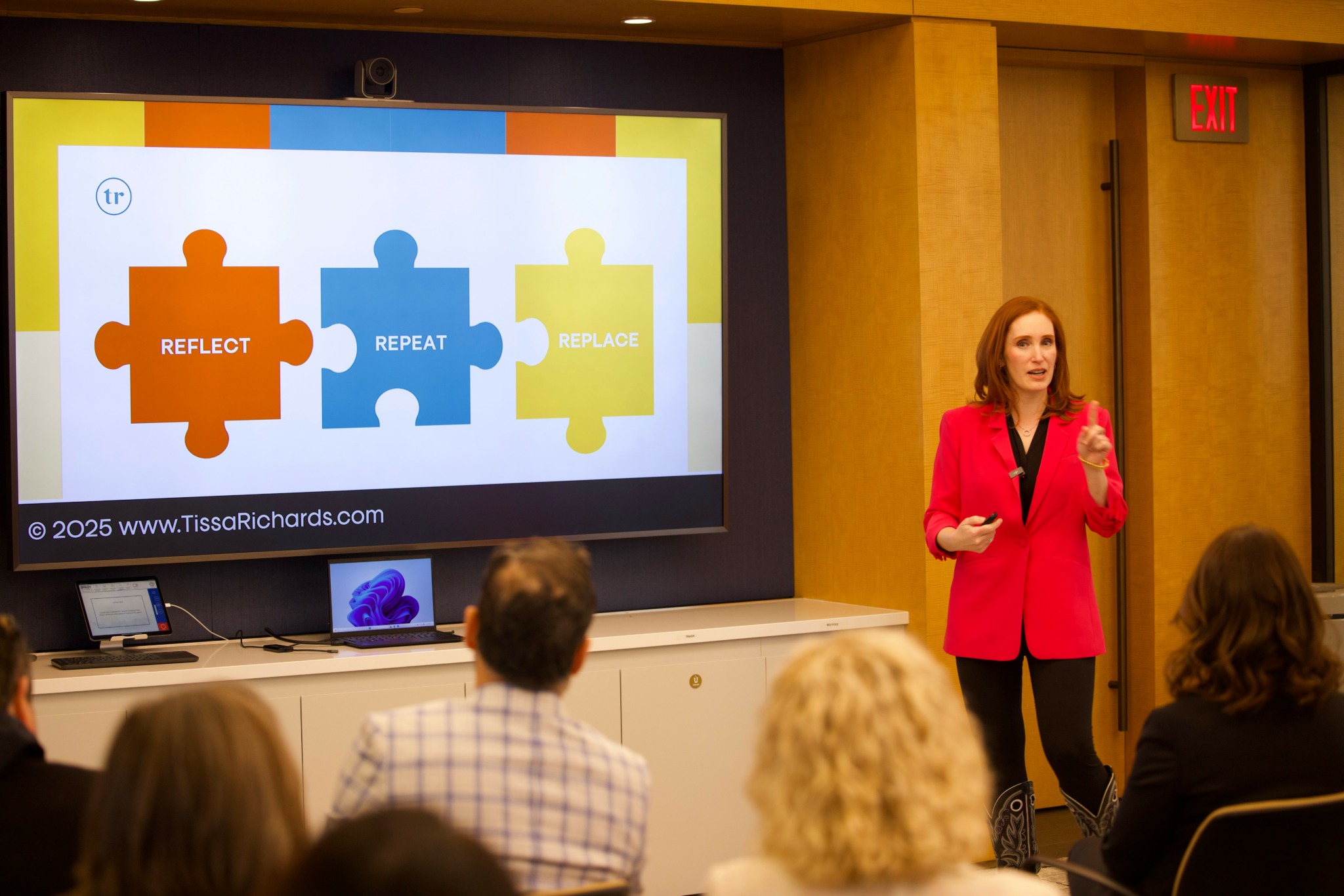
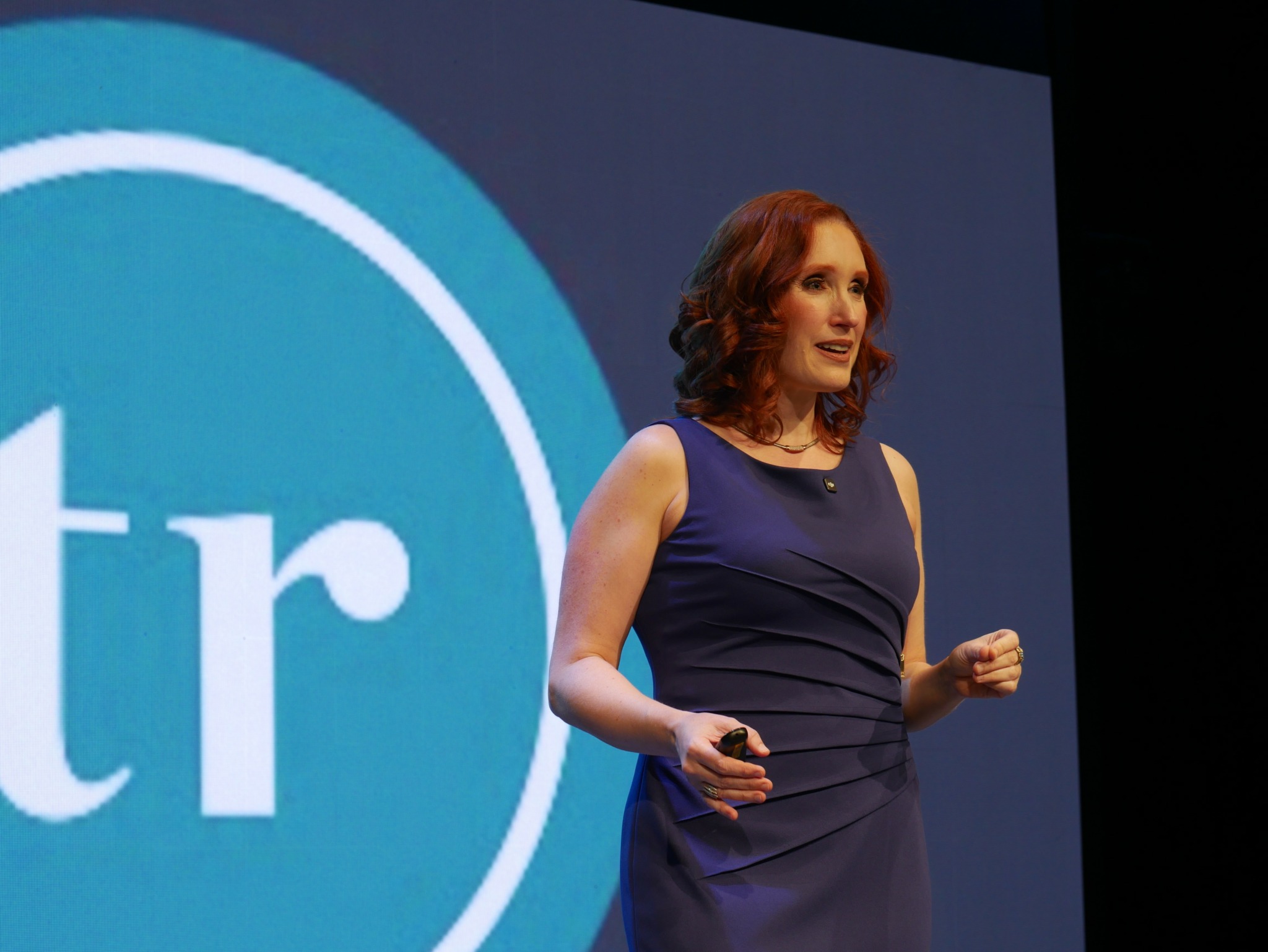
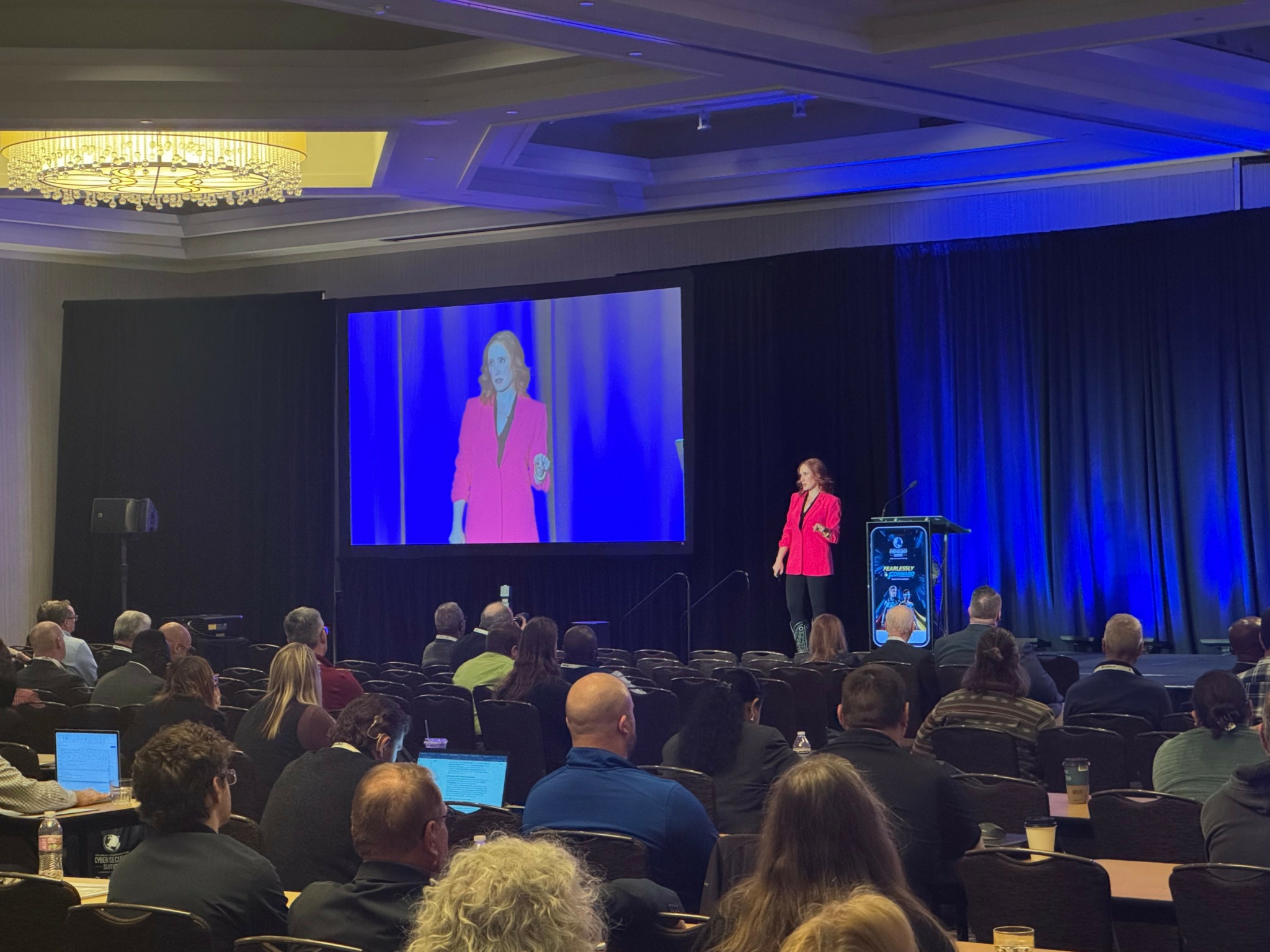
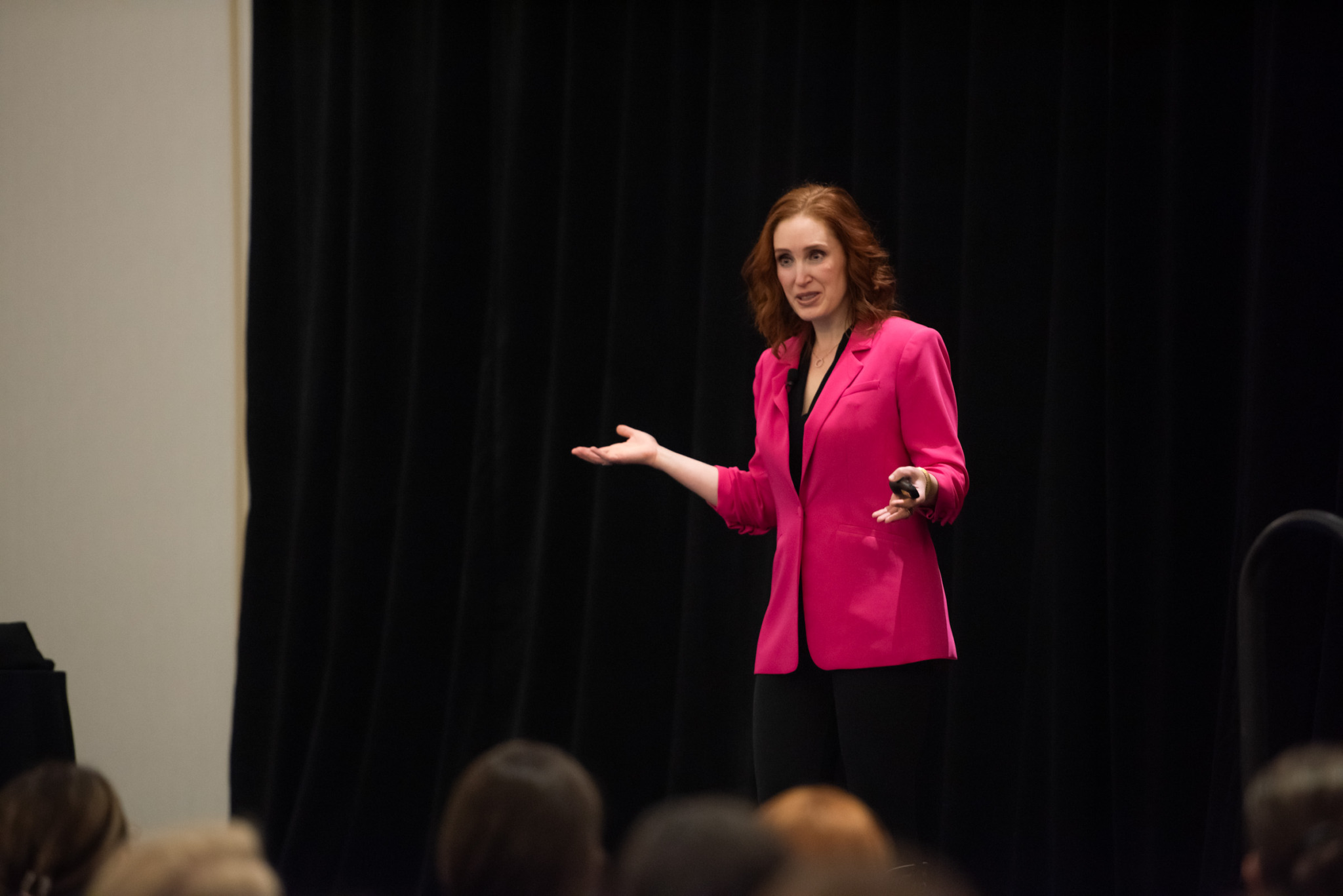
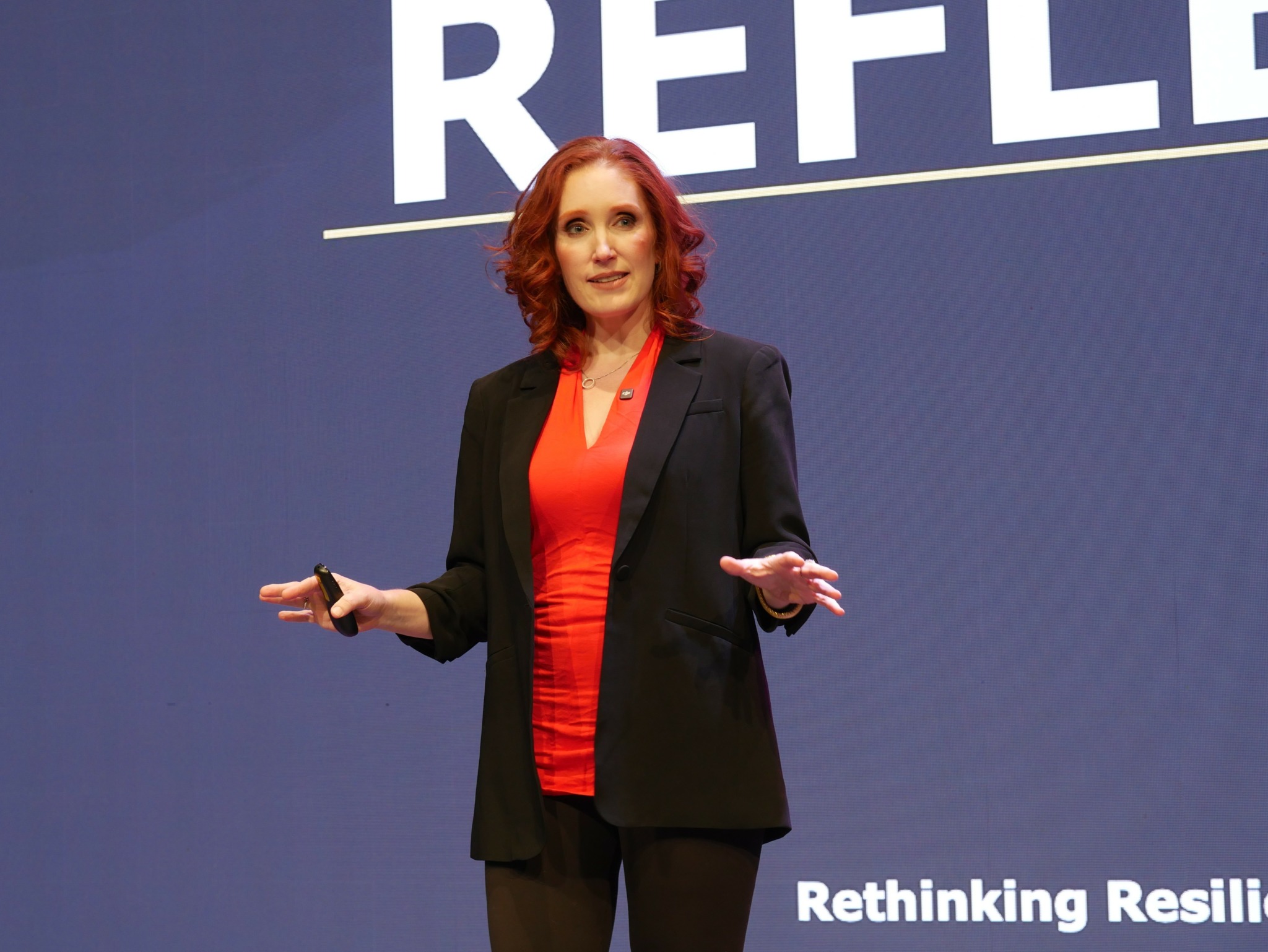
The most visible way people engage with me is through keynote speaking. I’m on large stages with executive teams, associations, and leadership communities challenging how leaders think about clarity, decision-making under pressure, and what sustainable strength looks like. My work on Intentional Resilience disrupts the glorification of grit and gives leaders the steadiness, conviction, and practical tools they can use the minute they leave the room. In addition to large stages, I also host intimate leadership retreats for leaders, creating space for deeper reflection, recalibration, and connection away from the noise.
Behind the scenes, I’m an executive advisor to senior leaders navigating expansion, transition, or increased visibility. These are the moments where everything gets louder – expectations, scrutiny, pressure – and clarity is a real advantage. I help leaders get clear on how they think, how they communicate, and how they operate, so they’re not walking into those situations second-guessing themselves or reacting to noise. They know exactly what they’re there to do. And they’re unshakable in how they do it.
I also work closely with executives pursuing corporate board roles or building portfolio careers. The challenge at that level isn’t experience – it’s how they are understood and remembered. I help leaders define how they create enterprise value, sharpen how they are understood in boardrooms and by search firms, and align their narrative with the roles they want. The result is that they’re talked about in rooms they’re not in. Other people can clearly articulate their value and advocate for them. They get pulled into the right conversations, considered for the right roles, and ultimately land board roles faster.
I’m most proud of the tangible outcomes I create with people: executives stepping into larger scopes, securing board seats, increasing compensation. At the end of the day, my work is about helping leaders operate from steadiness rather than noise. When there’s clarity at the highest level, everything else stabilizes.
What sets my work apart is that it’s grounded in lived experience. I’ve been a founder & CEO. I’ve raised capital. I’ve navigated boards and investors. I understand what it feels like when the stakes are personal and public at the same time. That perspective shapes how I speak, how I advise, and how quickly I call out bullshit.
Any stories or insights that might help us understand how you’ve built such a strong reputation?
I built my reputation by being unapologetic about how I work – and who I work with.
Early on, I developed what I call the ALT: the Asshole Litmus Test, alongside a strict No Assholes Policy. It’s simple: if I don’t like how someone shows up – if they disrespect my time, my boundaries, or my worth – I don’t work with them.
That might sound blunt, but it’s grounded in experience. As a software founder, I learned quickly that not all money is created equal. The wrong investor, client, or partner can cost you far more than the check is worth. Alignment isn’t a “nice to have” – it’s non-negotiable.
That mindset carried into my advisory and speaking practice. I’m not afraid to take things off the table. If someone balks at a price, I don’t apologize or negotiate against myself. I don’t question my value or justify the price. Instead, I calmly explain I’m not a good fit for them at the moment.
This approach creates relational value. It’s the difference between doing work and building relationships. And it’s why my business is almost entirely referral based.
Over time, this philosophy has allowed me to curate a network I genuinely marvel at. I invest in it deliberately. Every day, I block 60 minutes on my calendar for thoughtful connection – curating introductions and facilitating conversations without any immediate expectation of return.
When you invest in people who are aligned with how you operate, it comes back to you exponentially. Conversations get easier and deeper. Opportunities show up in a more natural, organic way. Relationships are more durable.
So, the most accurate answer isn’t that I “built” my reputation. I’ve consistently protected my standards, trusted my instincts, and been very intentional about who I spend time with and how.
How about pivoting – can you share the story of a time you’ve had to pivot?
Being a startup founder and CEO, you get very comfortable pivoting. Not just quarter-by-quarter, but day-by-day, sometimes meeting-by-meeting. You’re constantly taking the measure of how the market – and investors – are responding, and adjusting accordingly.
But what’s harder is pivoting how YOU operate.
I’ve always had a clear set of leadership values. I can explain them easily: respect, transparency, integrity. I lead from the belief that people do their best work when they feel valued, have the information they need, and trust that you’ll do the right thing regardless of the cost. It’s something I also help leaders define for themselves.
Earlier this year, after a life-threatening health event, my doctor asked me a question that stopped me cold: “Tissa, what are your values?” I answered quickly: respect, transparency, integrity. She stopped me. “No – your personal values.” I told her they were the same.
Then she asked three follow-up questions: Why are they important in your life? How do they show up? And how are you honoring them right now, in recovery? That’s when I knew I needed to make a pretty major pivot in my life. I couldn’t operate at 130% and recover at the same time.
So I made some intentional changes:
• Max 2 cities per week (down from 3)
• Max 4 hours of calls per day (down from 6)
• 2 meeting-free days per week for deep work (down from none)
•. No work I don’t love, even if I’m good at it
I pivoted my business model, schedule, pricing, and expectation setting – all anchored in my values: Respecting myself enough to hold the line. Being transparent about it. And having the integrity not to budge.
What surprised me was how quickly everything adjusted. Despite doing less, my business didn’t suffer. People leaned in and understood. I just needed to operate the way I was telling everyone else to.
Contact Info:
- Website: https://www.tissarichards.com
- Linkedin: https://www.linkedin.com/in/tissa-richards/
- Youtube: https://www.youtube.com/@Tissa_richards
- Other: https://www.tissarichardsleadership.com/