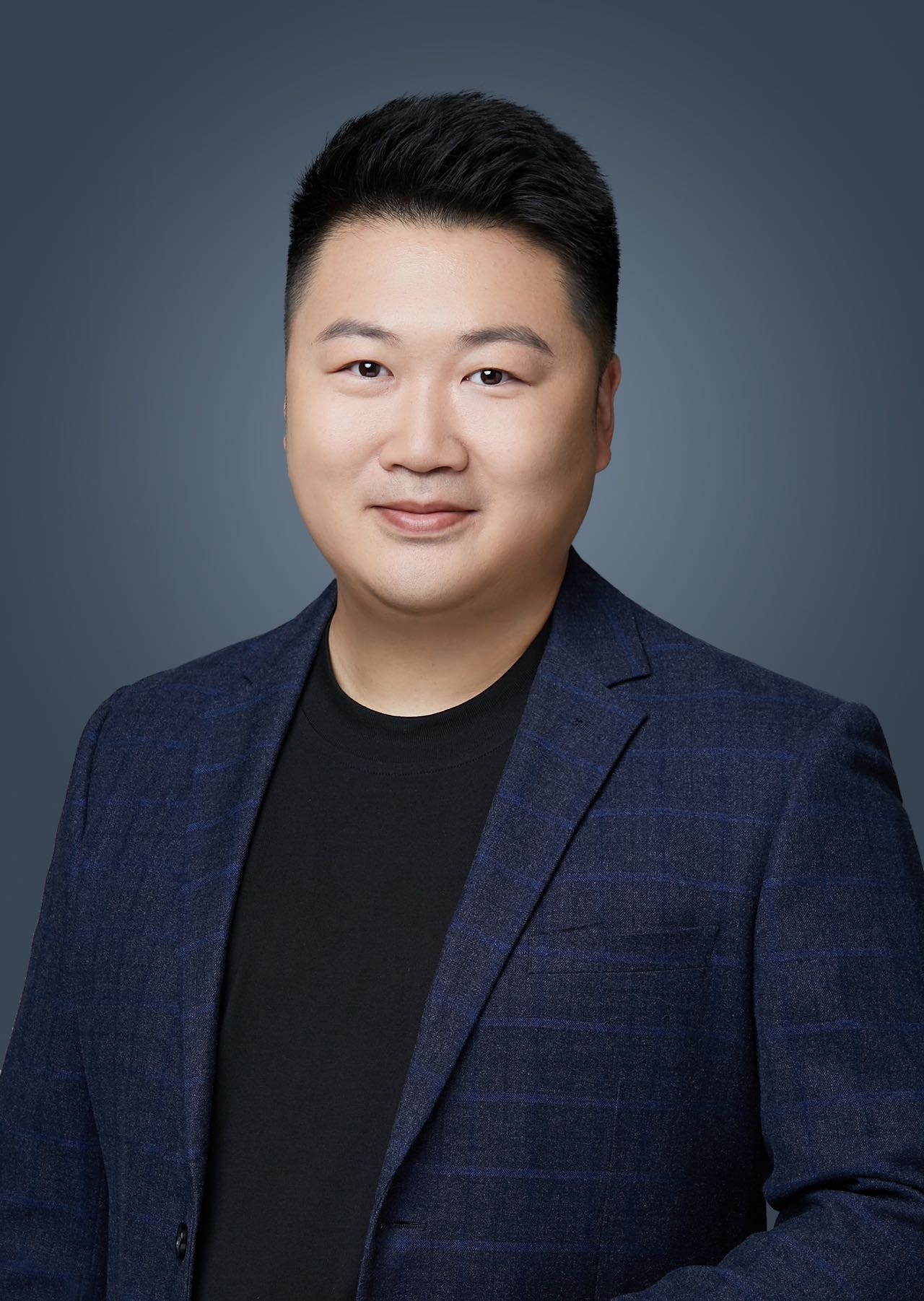

We caught up with the brilliant and insightful Tianshi Wang a few weeks ago and have shared our conversation below.
Tianshi, thanks for joining us, excited to have you contributing your stories and insights. Did you always know you wanted to pursue a creative or artistic career? When did you first know?
I think my path to becoming a creative professional was not defined by a single childhood moment, but by a long process of studying, exploring, and gradually understanding where I could create the most value.
I studied Animation Directing at the Beijing Film Academy, which is widely regarded as one of the top film schools in China. After that, I pursued an MA in Animation Production at Arts University Bournemouth in the UK, and later an MFA in Visual Development at the Academy of Art University in San Francisco. Throughout those years, I was constantly searching for my place in the creative industry. I knew I wanted to build a professional life in art, but I was still figuring out what role I wanted to play and what kind of impact I wanted to have.
The turning point came while I was studying in San Francisco. A former classmate from my undergraduate years in Beijing reached out to me and asked for help purchasing an online Visual Development course, because he did not have access to an international payment method. I helped him buy the course and sent him the materials. Since I was also curious, I watched some of the lessons myself and found them incredibly valuable.
About two weeks later, I asked him what he thought of the course. I expected him to be excited, but instead, he told me that after watching part of the first lesson, he never continued. The reason was simple but painful: he had overestimated his English ability, and he could not truly follow the content well enough to learn from it.
That moment stayed with me. It made me realize how fortunate I had been to study across different countries, languages, and cultural systems. More importantly, it made me realize that there are many talented artists who are eager to learn and grow, but cannot access the same opportunities simply because of language, geography, systems, or resources.
That was the moment when I began to see my professional path more clearly. I no longer wanted to pursue art only for my own creative growth. I wanted to build something bigger around the idea of “artists helping artists.” I wanted to use my background as an artist, educator, and cross-cultural creative professional to help more artists gain access to learning, growth, and professional development opportunities they might not otherwise have.
That was the moment I realized my path in art was not only about personal creation, but also about creating access and opportunity for other artists. It was about building bridges.
Awesome – so before we get into the rest of our questions, can you briefly introduce yourself to our readers.
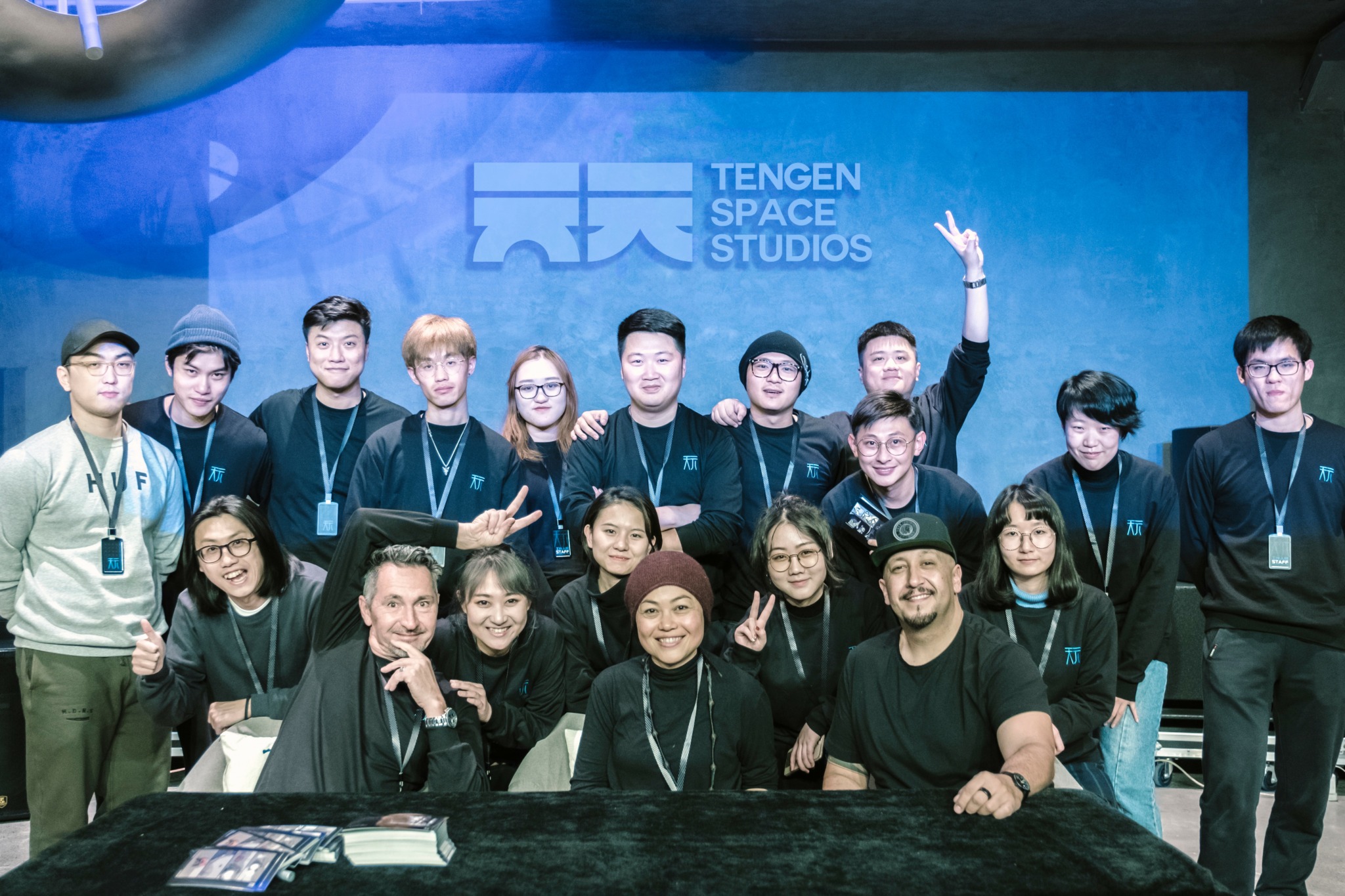
In 2018, after returning to China, I founded my own creative platform, Tengen Space Studios. The name “Tengen” comes from the central point on a Go board in Chinese culture. It represents origin, balance, and the point from which everything expands outward. For me, it reflects a creative philosophy of returning to what is most essential—helping artists reconnect with the core of their voice, their vision, and the deeper purpose of art itself. I wanted to build not just a studio, but a space that could connect artistic talent, cultural exchange, and meaningful creative opportunity.
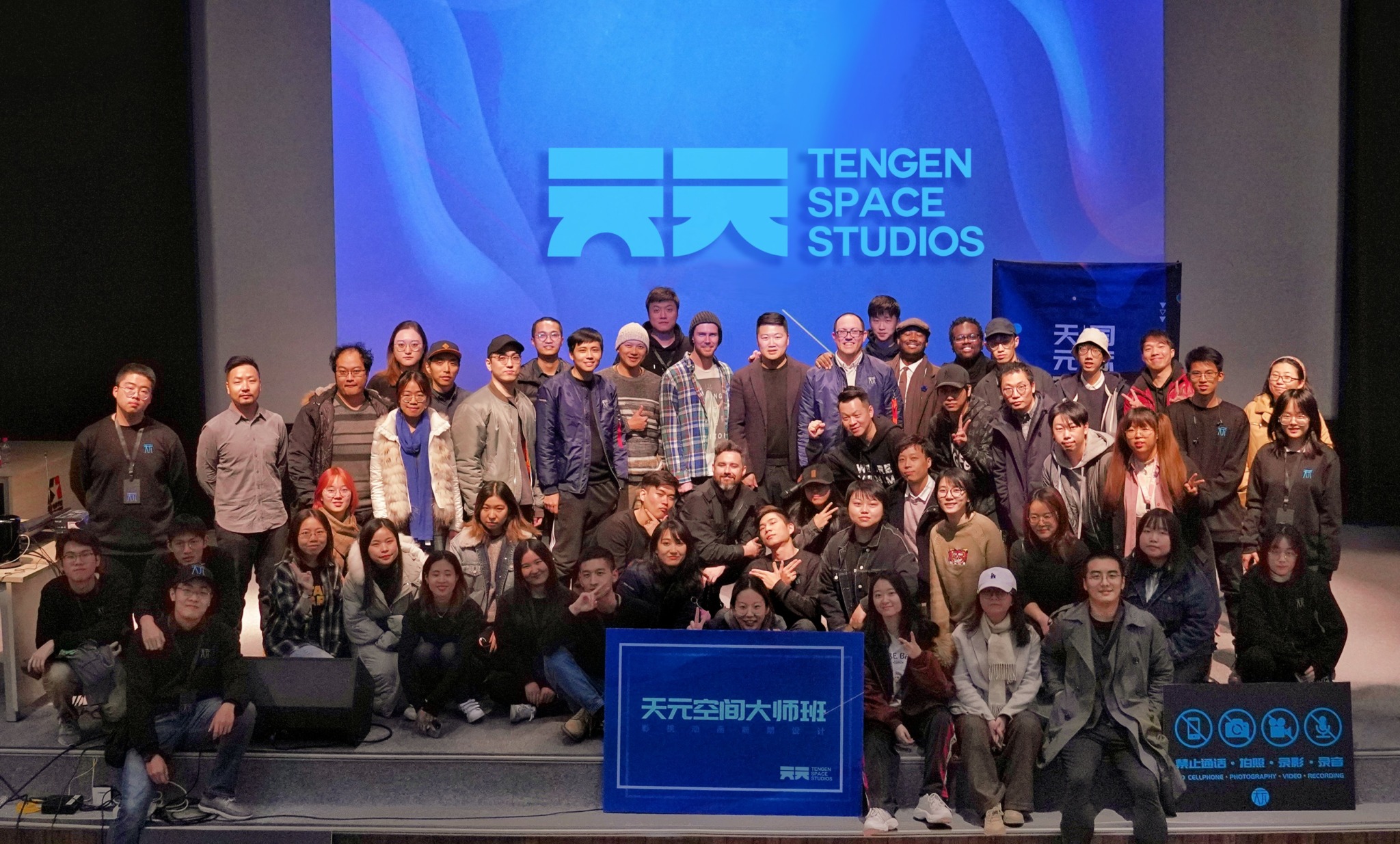
At the beginning, I invited several artists I had met in San Francisco from Pixar Animation Studios, Disney Animation Studios and Sony pictures animation, —including creatives who had worked as the art directors on Spider-Man: Into the Spider-Verse and The Incredibles, and a storyboard artist and animatior on Coco and Monsters University—to come to China and lead workshops for artists working in the Chinese animation and film industry. Around the same time, my alma mater, the Beijing Film Academy, invited me to serve as an animation lecturer. Through that role, I brought these internationally respected artists to some of China’s top art universities, creating learning opportunities for emerging artists and future industry professionals. The response was overwhelmingly positive and showed me how powerful this kind of bridge-building could be.
As our work expanded, I began to see a pattern. In China, there is an extraordinary community of visual artists working in film and animation—highly skilled, deeply professional, and creatively rich—but many of them remain invisible to the public because they work behind the scenes as part of large production systems. They often contribute to major creative industries, but rarely have the chance to present their own artistic voice independently.
That realization shaped the next stage of my work. We began collaborating directly with individual artists to help them bring their personal work and original IP to a wider audience. That included exhibition planning, art merchandise development, brand collaborations, and strategic support for turning their artistic language into something both visible and sustainable. In other words, we worked to help “behind-the-scenes” artists step into the spotlight—not only by increasing their visibility, but also by helping them find new economic opportunities through their own creative work.
What sets me apart is that I work at the intersection of art, education, and creative infrastructure. I am not only an artist and educator; I also think deeply about how to create systems of support for other artists—whether through teaching, international collaboration, IP development, exhibitions, or commercial partnerships. My work is not just about creating images. It is about creating platforms, access, and long-term possibilities.
What I am most proud of is helping talented artists who may have been overlooked gain both recognition and real-world opportunity. I believe great art deserves not only appreciation, but also advocacy. If there is one thing I want people to know about me and my work, it is this: I care deeply about building bridges—between cultures, between industries, and most importantly, between artists and the opportunities they deserve.
Can you share a story from your journey that illustrates your resilience?
One story that best illustrates resilience in my journey happened during the pandemic.
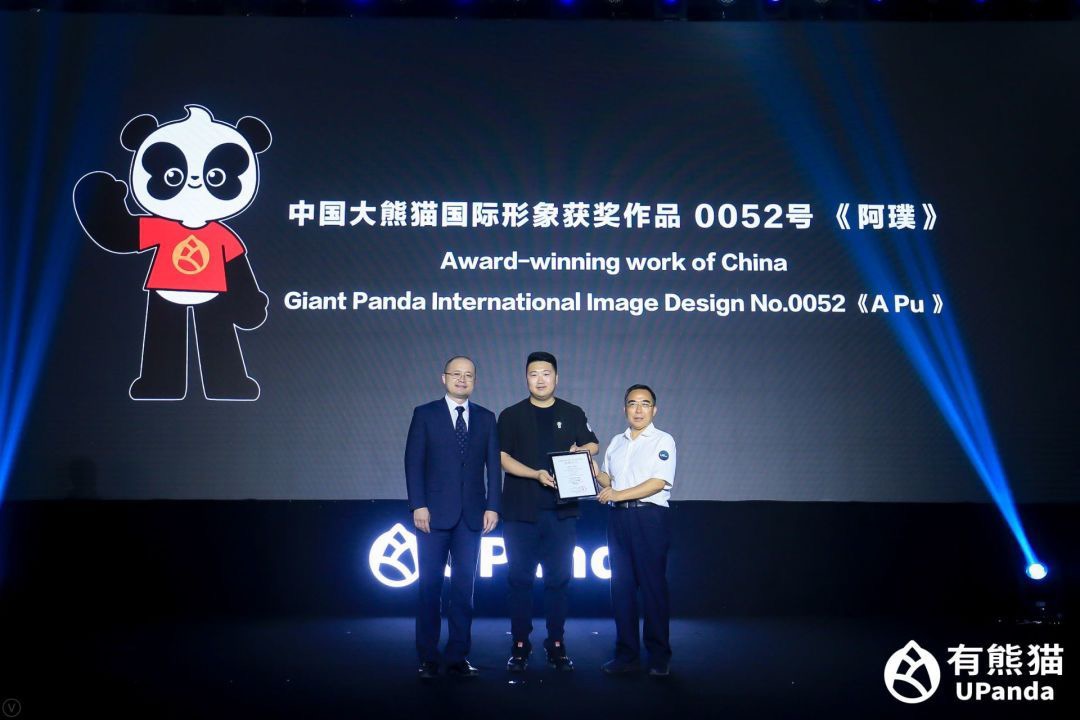
After founding my art studio in 2018, things were growing quickly. In 2019, we organized multiple in-person workshops in China with international artists, and my design team also received major recognition for the national mascot design projects. The mascot I later designed led to collaborations with major international brands, including Pop Mart and Coca-Cola. At that time, it truly felt like everything was moving upward.
Then, in early 2020, the pandemic changed everything. International artists could no longer travel to China for in-person workshops, and strict shutdowns made it impossible for many companies and studios to operate normally. Like many others in the creative industry, we entered a very difficult period. I watched many companies and independent studios struggle, and some did not survive.
In early 2020, while restrictions were still in place, I gathered with several founders of animation and visual art studios and listened to them talk about what was happening. Many said that even highly talented artist-led studios were on the edge of collapse. I found that deeply heartbreaking. These were extraordinary creative teams, but in the face of a major crisis, many of them had no real support system and were left to face it alone.
That was when I had what many people thought was a crazy idea: instead of retreating, I wanted to create a major gathering for artists—a festival dedicated to brilliant creative talent. I wanted to give the industry a sense of energy again, to remind the public that these artists were still here, still creating, and still deserving of visibility and support.
At the time, almost no one understood why I would want to do something so ambitious in the middle of such financial uncertainty. Organizing a large-scale festival was on a completely different level from producing a regular exhibition. It required funding, partnerships, trust, and a tremendous amount of coordination. When I first shared the idea, many people thought I was unrealistic. Some questioned it, and others tried to discourage me. But I kept going.
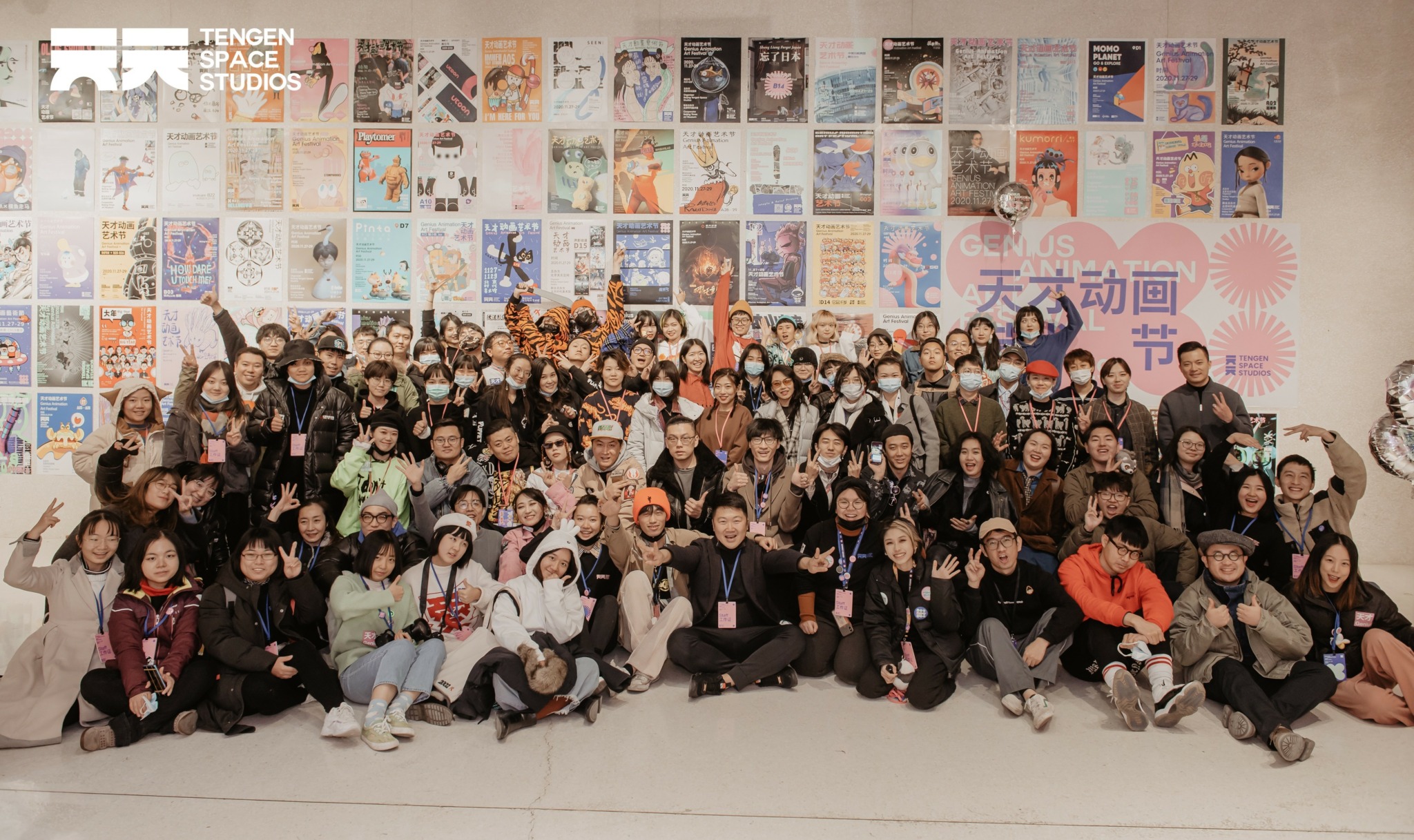
Through persistence, sincerity, and a belief in the event’s purpose, I was able to move people. Artists, companies, and collaborators gradually came together around the vision. In November 2020, my team and I successfully launched the Genius Animation Art Festival, a large-scale creative event held in a 2,000-square-meter art museum in central Beijing. The festival brought together more than 80 individual artists, over 30 companies, more than 30 international industry artists for talks and lectures, animation screenings from 7 top Chinese universities, and over 10,000 works exhibited during the event. Over the course of three days, more than 20,000 visitors attended, and the event was even covered by China Central Television.
To me, resilience is not just about enduring hardship—it is about continuing to create meaning, opportunity, and community when circumstances make all of that feel impossible. That experience reminded me that in difficult times, creative leadership is not only about protecting your own path, but also about helping others keep going. In many ways, that spirit was captured in our art festival slogan: “Genius inspires genius, and inspiration awakens inspiration.”
Can you tell us about a time you’ve had to pivot?
For years, my work had centered on helping artists grow—first through my own practice, then through supporting working artists, building platforms, organizing workshops, creating exhibitions, and helping overlooked creative voices gain visibility and opportunity. Over time, I began to realize that if I truly cared about helping artists, I also needed to pay attention to where their journeys begin.
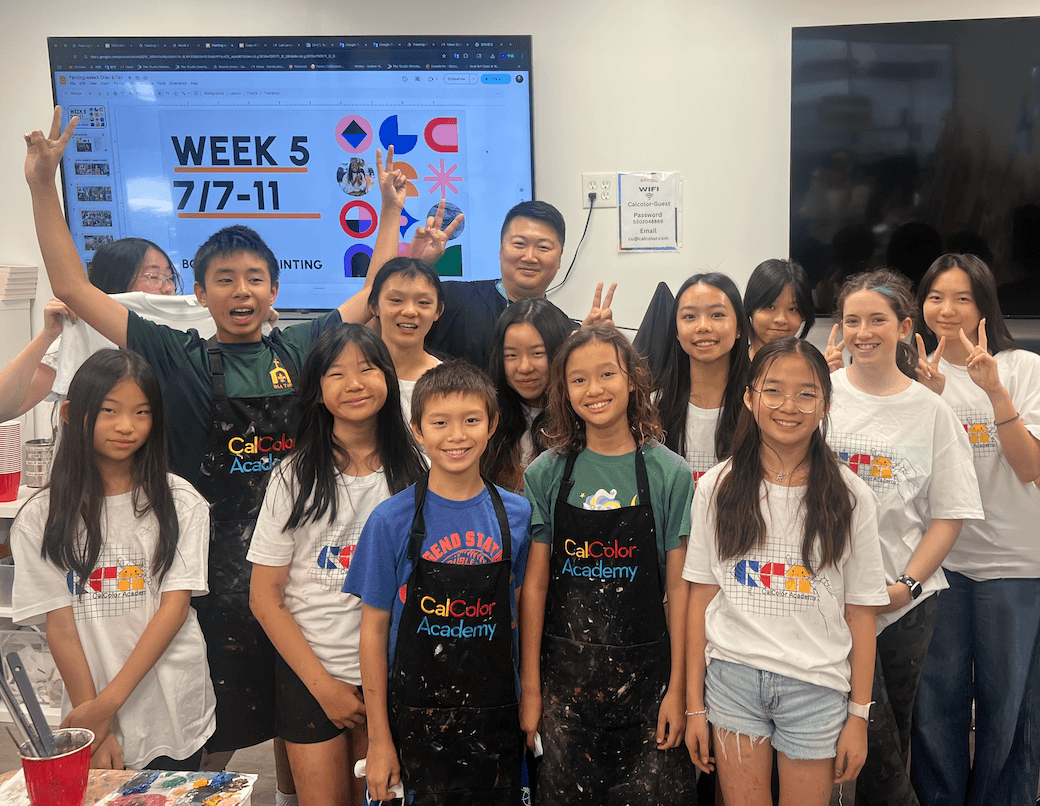
A major pivot in my journey came at the end of 2023, when I accepted an invitation from an artist friend to join a youth art training institution in the US, where I began teaching portfolio development for college applications and AP Art courses to high school students. On the surface, this may have looked like a shift from one professional role to another—from visual development and art direction into art education. But for me, it felt like a much deeper continuation of everything I had already been building toward.
I started to see that so much of an artist’s confidence, direction, and long-term development is shaped much earlier than people think. By the time someone enters the professional world, many opportunities have already been shaped by the guidance, training, and encouragement they received—or did not—when they were young. That realization made education feel not like a detour, but like a return to the source.
So this pivot was meaningful for me. It was a shift from being only an artist to supporting artists to actively helping shape the next generation of artists. In many ways, it brought my work closer to the root of what I care about most: using art as a way to open doors, build confidence, and create possibilities for others.
Since then, I’ve had the privilege of helping my students earn dozens of Gold Keys in the Scholastic Art & Writing Awards, guiding many students to earn top scores of 5 in AP Art, and supporting students in gaining admission to leading art and design schools such as RISD, ArtCenter, and Pratt Institute.
What makes this pivot especially meaningful to me is that it reminded me that impact can take many forms. Sometimes it comes from creating your own work. Sometimes it comes from building platforms for others. And sometimes it comes from helping a young artist believe, perhaps for the first time, that their talent has a future.
Contact Info: