

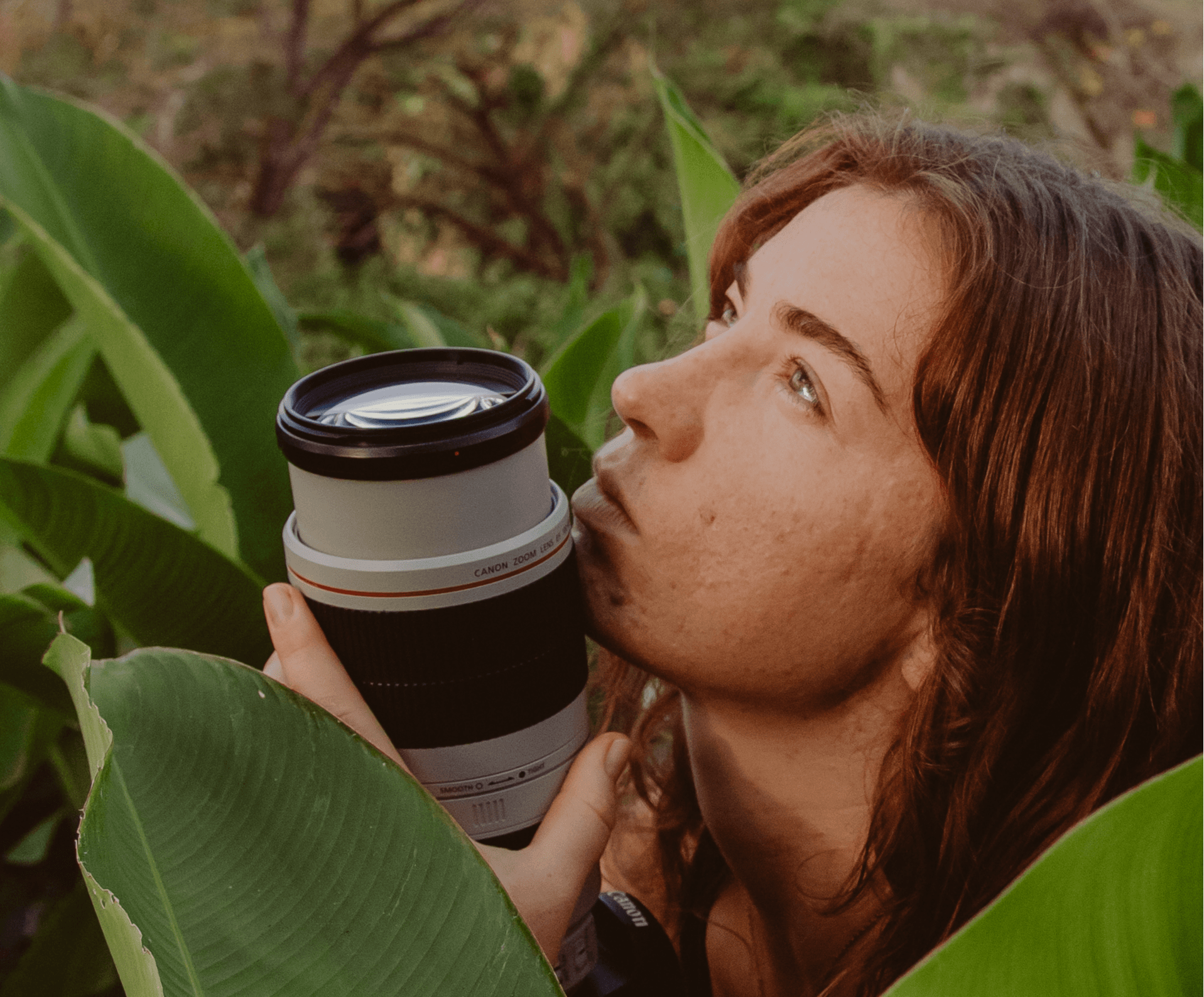

We’re excited to introduce you to the always interesting and insightful Tessa Donchula. We hope you’ll enjoy our conversation with Tessa below.
Tessa, thanks for joining us, excited to have you contributing your stories and insights. Can you talk to us about a project that’s meant a lot to you?
The most meaningful project I’ve worked on is my documentary Heart of Mine.
The film follows musician Kyle Krone as he leaves Los Angeles to record an album in the jungle of Costa Rica, searching for a deeper connection to his art and to life itself. On the surface, it’s a story about music. Beneath that, it’s a story about presence — about slowing down enough to truly feel what we’re creating and why.
What made this project so significant to me wasn’t only the subject, but the context in which it was created. There was no large crew or production infrastructure behind us. It was intimate, independent, and built on trust. I had to fully step into the role of director — making decisions in real time, holding space for vulnerability, and shaping a narrative that was unfolding organically.
Filming in the jungle reminded me why I’m drawn to cinema in the first place. The environment wasn’t just a backdrop; it became a character in the film. The ocean, the silence, the rhythm of the days — all of it shaped the emotional tone of the story.
Through this process, I realized that documentary filmmaking, for me, is a form of meditation. It requires presence, sensitivity, and the discipline to witness without controlling. Heart of Mine marked the moment I stopped seeing myself as someone who simply “makes videos” and fully embraced my identity as an independent film director.
It was more than a completed project. It was a turning point — a transition into a clearer artistic voice and a deeper commitment to the stories I’m here to tell.
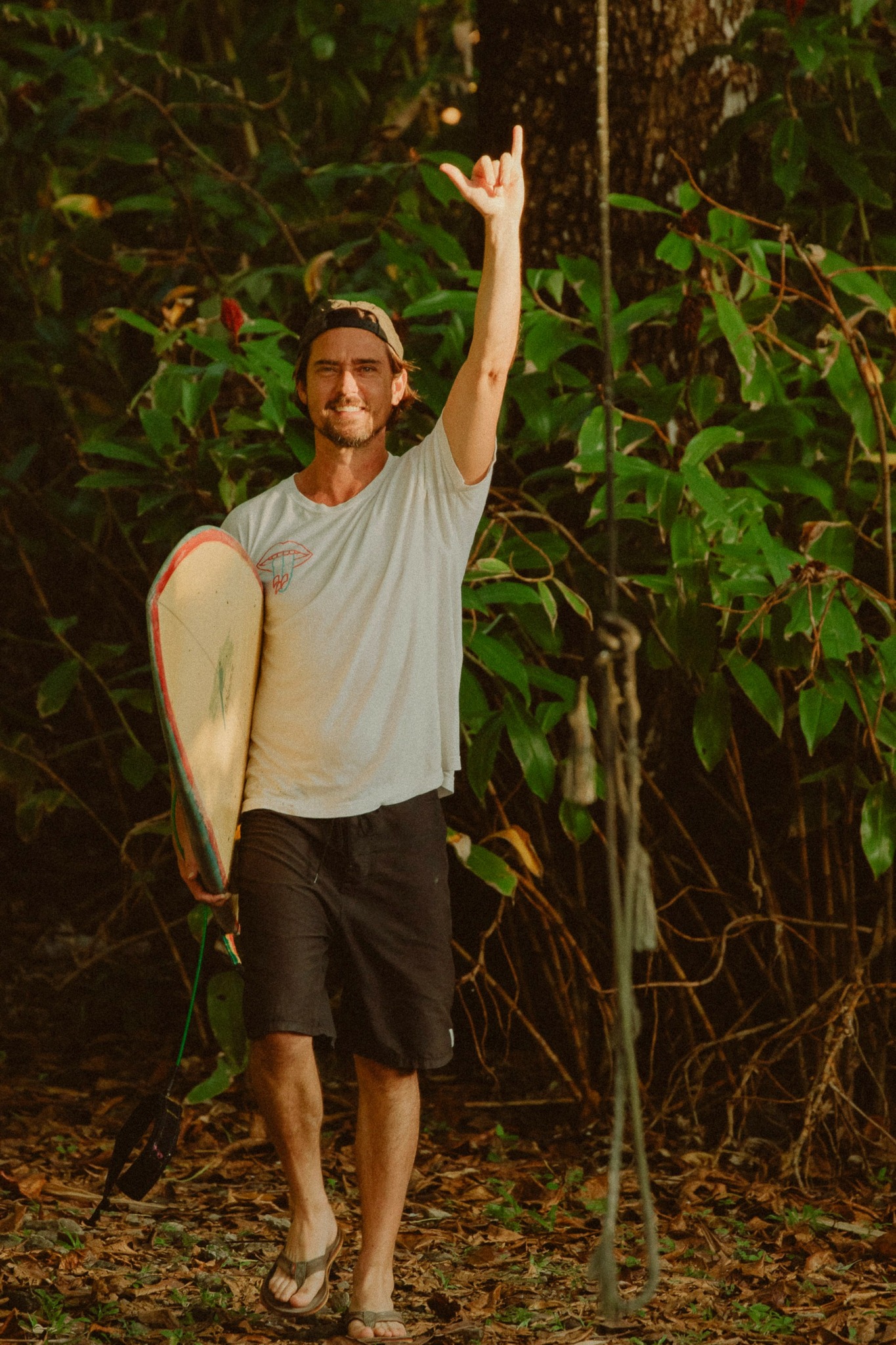
Tessa, before we move on to more of these sorts of questions, can you take some time to bring our readers up to speed on you and what you do?
I’m an independent film director working primarily in documentary cinema. My work explores the intersection between nature, human emotion, and inner awareness. I’m drawn to stories that feel alive — stories that invite us to slow down, observe more deeply, and reconnect with what it means to be fully present.
I didn’t initially set out to become a film director. My path began through photography. I was fascinated by light, landscapes, and the quiet details that often go unnoticed. Photographing nature — especially at sunrise and sunset — became a practice of presence. It wasn’t just about capturing beauty; it was about learning how to truly see and feel.
Over time, I realized that what moved me wasn’t the image itself, but the essence within it. I became interested in people’s inner worlds — their motivations, vulnerabilities, and transformations. That curiosity naturally evolved into filmmaking. Cinema gave me duration — space to explore silence, emotional nuance, and the subtle unfolding of real life. Documentary became my language because it allows truth to emerge organically rather than be artificially constructed.
Today, I direct independent documentaries and visual storytelling projects rooted in authenticity and emotional depth. I focus on intimate, human-centered narratives, often set in natural environments that become characters in their own right. My work blends visual sensitivity with narrative intention — balancing intuition with structure.
What sets me apart is the way I approach directing as both an artistic and relational act. I prioritize trust, presence, and emotional awareness on set. When people feel safe and truly seen, their most honest stories surface. My role is to hold that space, listen carefully, and shape the material with clarity and purpose.
In addition to author-driven documentary work, I collaborate on visual storytelling projects for individuals and brands seeking depth over surface-level content. I help translate their vision into cinematic narratives that are not only visually compelling, but emotionally resonant and intentional.
A pivotal milestone in my journey was directing my documentary Heart of Mine, which marked a turning point in how I see myself and my career. It was the moment I fully stepped into the identity of filmmaker — not simply someone creating images, but someone shaping stories with intention and responsibility.
I’m most proud of choosing an independent path. Building a career in film without a traditional institutional route requires resilience, self-trust, and clarity of vision. I’ve embraced that challenge because I care deeply about the integrity of the stories I tell.
Looking ahead, my vision is to create feature-length documentaries that reach international audiences while remaining intimate and grounded in truth. I want my work to remind people of their connection to nature, to one another, and to their own inner voice.
If there’s one thing I hope people understand about my work, it’s this: I’m not interested in noise or trends. I’m interested in stories that feel real — stories that carry presence and leave space for reflection.
For me, cinema is not just a craft. It is a way of paying attention to life.
Do you think there is something that non-creatives might struggle to understand about your journey as a creative? Maybe you can shed some light?
One thing I believe non-creatives often struggle to understand is the level of uncertainty that comes with choosing a truly independent creative path.
There is no predefined roadmap. No linear structure. No guaranteed sequence of steps that leads from one project to the next. When you commit to creating original work, you’re stepping into territory that doesn’t yet exist — because no one has created exactly what you are here to create.
In more traditional careers, there’s a visible ladder. In creative life, there’s more of a compass.
For me, that compass has always been internal.
There was a moment when I felt I had completed a chapter of my life as a photographer. From the outside, nothing was “wrong.” But internally, I knew something was shifting. I made the decision to move to Costa Rica not because I had a structured plan, a school to attend, or a project lined up. I moved because it felt aligned — even without evidence.
Three months later, I met Kyle. That meeting eventually led to directing Heart of Mine. Three years later, the film came to life.
No one could have mapped that sequence in advance.
What people often don’t realize is that creative life requires comfort with the unknown. You may have a lighthouse — a vision, a desire to direct films, to tell meaningful stories — but you don’t always know when the next story will arrive, or through whom.
The work becomes less about chasing opportunities and more about becoming the kind of person who is ready when the right collaboration appears. The right story doesn’t always come from force. Often, it emerges when you are fully yourself, in the right place, paying attention.
This path is not for everyone. It’s not systematized or socially pre-approved. There’s no universal template for how an artist “should” live. When you truly commit to creating art, you step into a uniquely personal journey — and that requires self-trust, resilience, and the courage to move forward without constant external validation.
Living creatively means living with uncertainty. But it also means living with alignment.
And over time, I’ve learned that trusting that inner compass has guided me to the right people, the right stories, and the right moments — even when the path wasn’t visible yet.
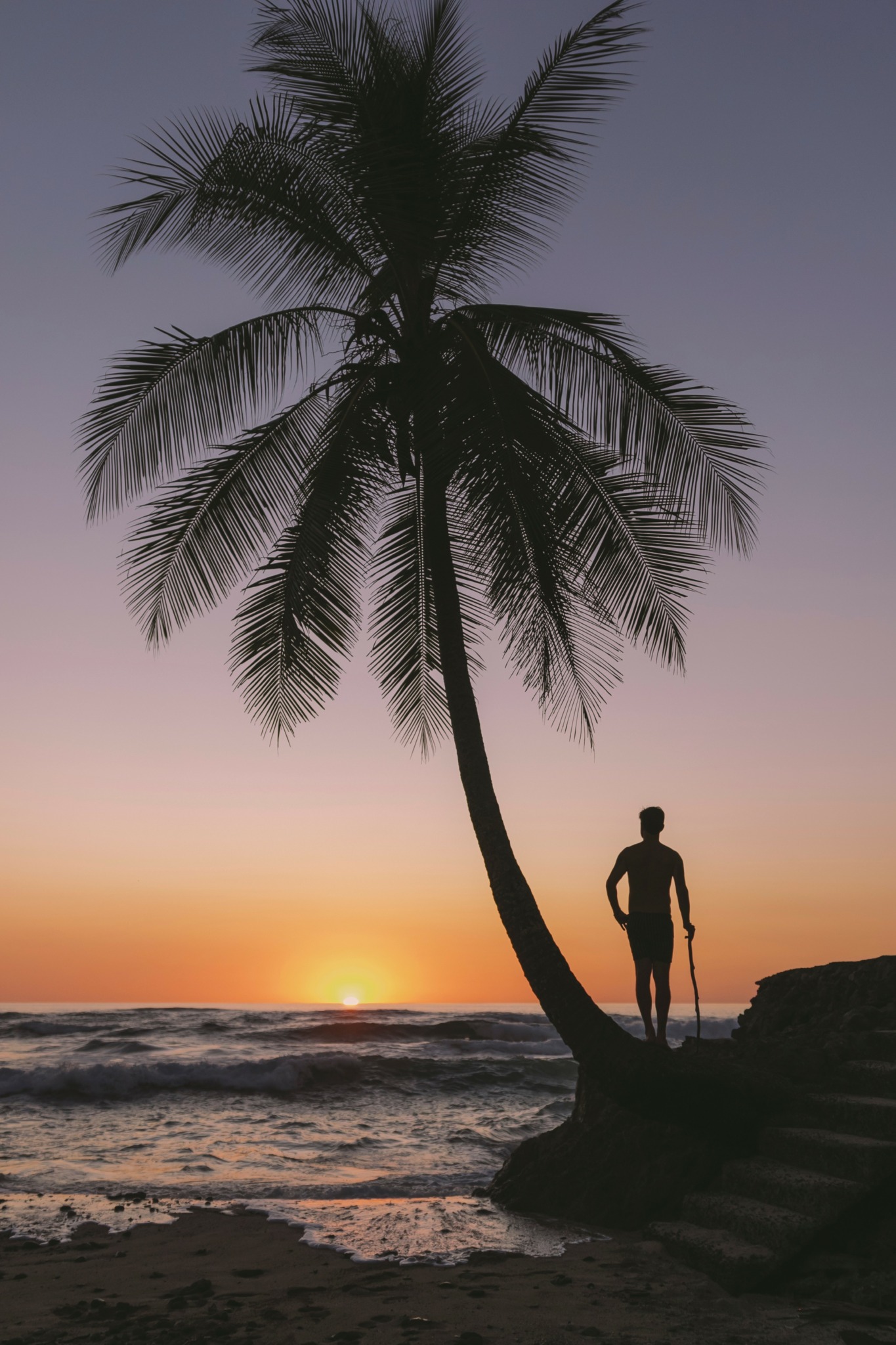
Can you share a story from your journey that illustrates your resilience?
A defining moment of resilience in my journey happened during the post-production of my documentary Heart of Mine.
When it came the time to edit the film, I initially planned to shape it myself. I felt deeply committed to the project and believed I should be able to carry it through every stage. But once I sat down to structure the narrative — beyond the technical process of editing — I found myself struggling. The footage was meaningful, but shaping it into a cohesive emotional arc didn’t come naturally or fluidly.
What was difficult wasn’t the software. It was recognizing that forcing the structure would compromise the film.
Letting go of the edit was not easy. It required trust — trust that the right collaborator would eventually appear, and trust that stepping back didn’t mean failure. It meant protecting the integrity of the story.
About a year and a half later, an editor, Estanislao Céliz, came into my life unexpectedly. He connected deeply with the film and genuinely wanted to be part of it. We initially believed we would complete the edit within a few weeks in Costa Rica, but circumstances changed and he became unavailable for an in-person intensive process.
Instead of rushing, we chose to edit remotely, on a timeline that respected his personal rhythm and wellbeing. For me, this was a conscious decision. I didn’t want the film to be shaped under pressure or urgency. I wanted it to carry presence — to feel grounded, intentional, and alive.
Resilience, in that moment, was not about pushing harder or demanding faster results. It was about patience. It was about honoring the creative process and trusting that timing matters. By prioritizing human wellbeing over speed, we allowed the film to develop with clarity and authenticity.
That experience reinforced something essential for me as a director: protecting the emotional integrity of a project is more important than meeting arbitrary deadlines. Sometimes resilience looks like persistence. Other times, it looks like surrender — and trusting that the right collaboration will unfold when it’s ready.
Contact Info:
- Instagram: https://www.instagram.com/tessadonchula/
- Youtube: https://www.youtube.com/@tessa.donchula
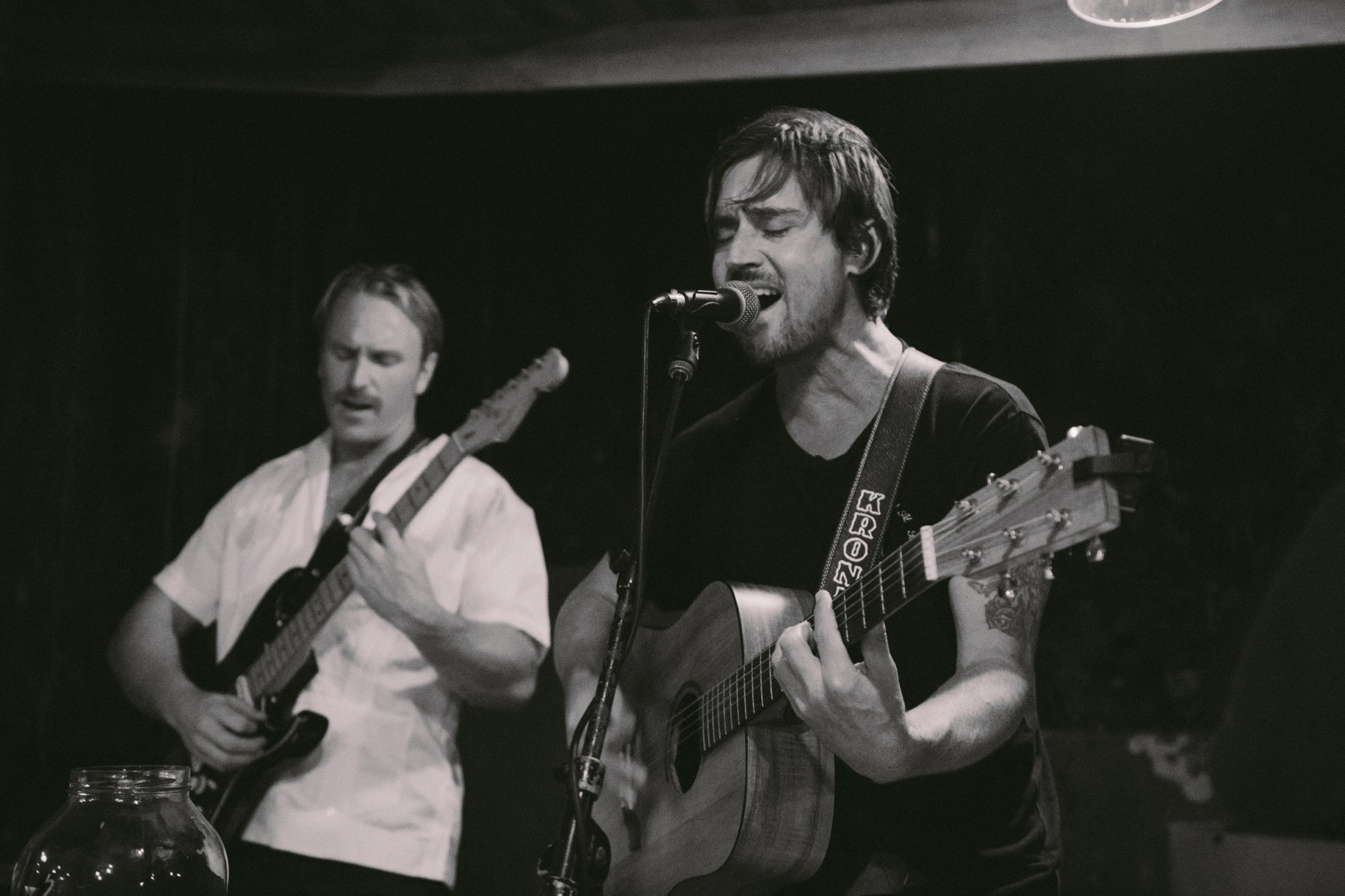
Image Credits
Tessa Donchula