


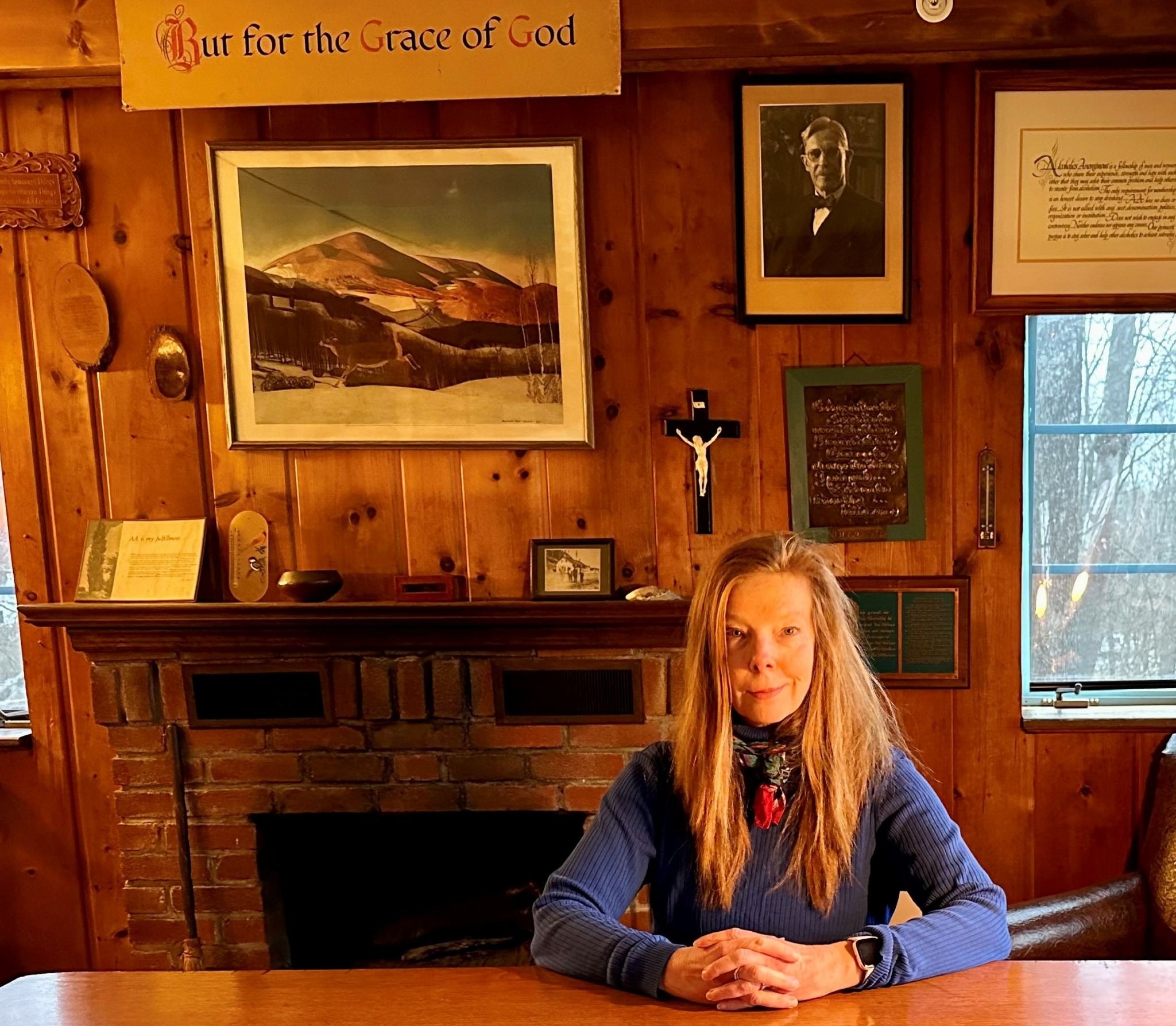
We’re excited to introduce you to the always interesting and insightful Teresa Bergen. We hope you’ll enjoy our conversation with Teresa below.
Hi Teresa, thanks for joining us today. What’s been the most meaningful project you’ve worked on?
The most meaningful project I’m currently working on is helping to normalize nondrinking. I’m a writer and a long-time sober person. This is a great time to be a nondrinker, because more and more people are being sober out loud—that is, we’re asking for alternative drinks at regular events, more events that don’t include or focus on alcohol, and more emphasis on mental health.
In January I went to a gathering in Orlando called Amplify Sober Voices. We had about 60 sober writers, influencers, podcasters, coaches and other interested people show up and work together on this mission. It was really inspiring to see so many people having a fun and joyous time around an issue that’s been long-stigmatized.
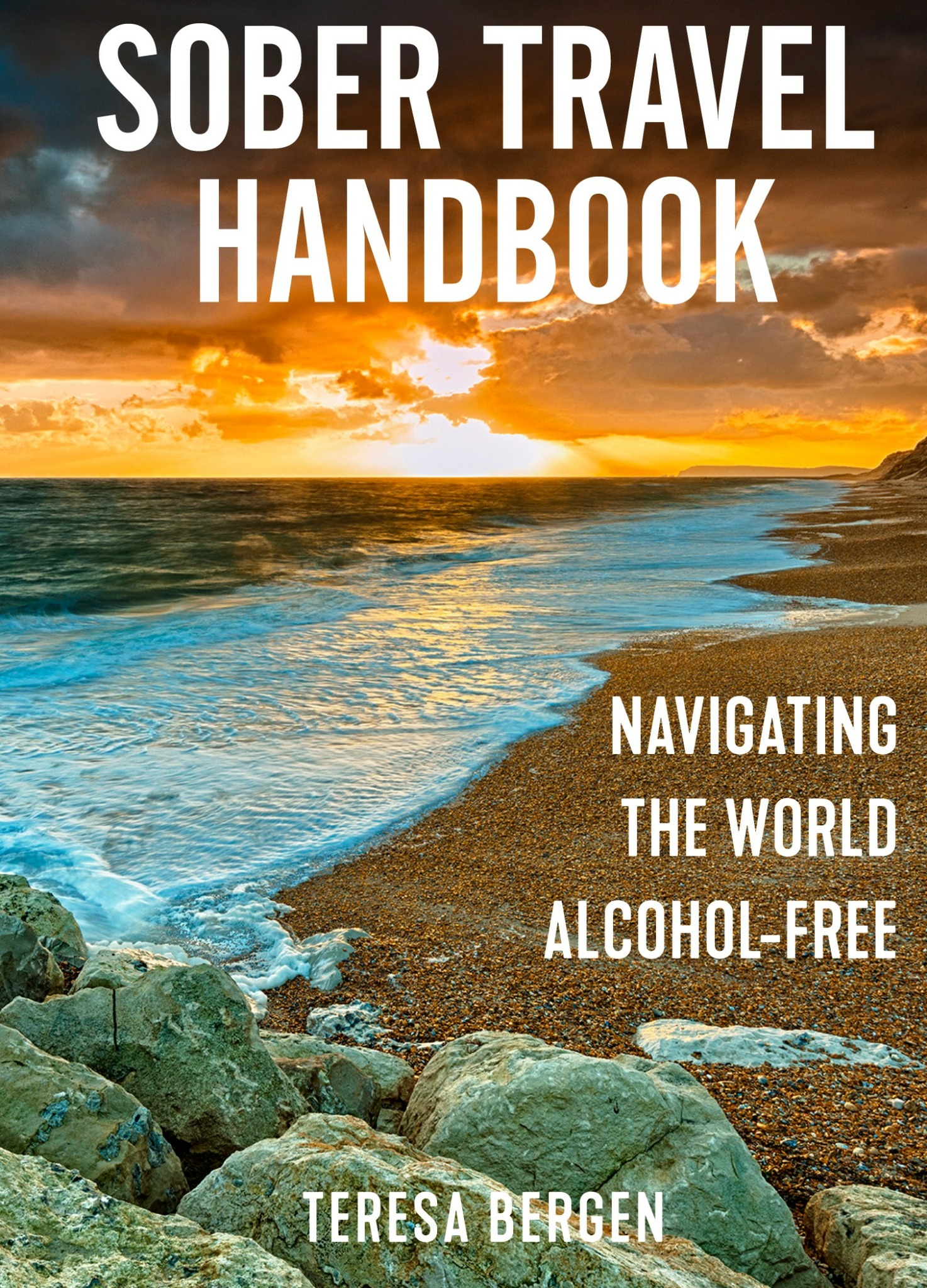
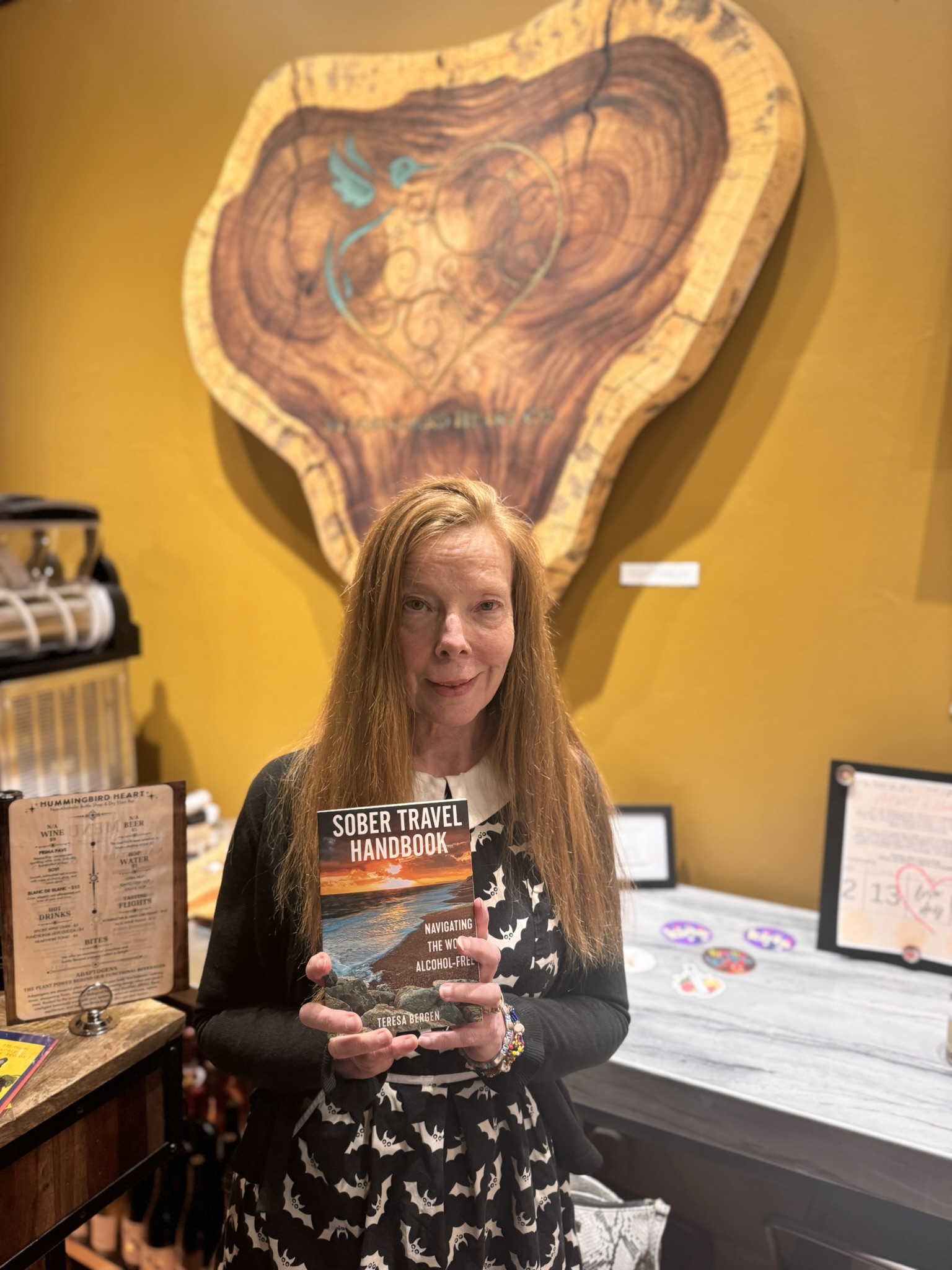
For my part, I’ve been writing about sober travel and also the connection between yoga and recovery. My new Sober Travel Handbook came out in January. My zine about sobriety and yoga philosophy Sober Yoga: Yamas and Niyamas was released in March. For both publications, I combined my own experience with interviews with many other people to get their viewpoints on sober travel and sober yoga. I also write regularly for the leading sobriety publication The Sober Curator, and oversee its Sober Retreats Calendar.
This has all been a shift for me. I’ve been a nondrinker for ages, but it’s only in the last few years that I started talking about it more publicly. Airbnb tapped me last year to start leading a local hike up Portland’s urban volcano with a nonalcoholic tasting at the top. And I joined Podmatch, which is like a dating app for podcast hosts and guests. I’ve been on a lot of international podcasts this year talking about sober travel, including one in India and three in Nigeria! And I’ve started to speak about sober travel to organizations within the travel industry about how they can better welcome nondrinking guests.
As always, we appreciate you sharing your insights and we’ve got a few more questions for you, but before we get to all of that can you take a minute to introduce yourself and give our readers some of your back background and context?
I’ve been a writer since childhood. Nowadays I specialize in writing about the outdoors, wellness, eco, vegan and sober travel. I’m the author of Sober Travel Handbook, Easy Portland Outdoors and Transcribing Oral History, and co-author of Historic Cemeteries of Portland, Oregon.
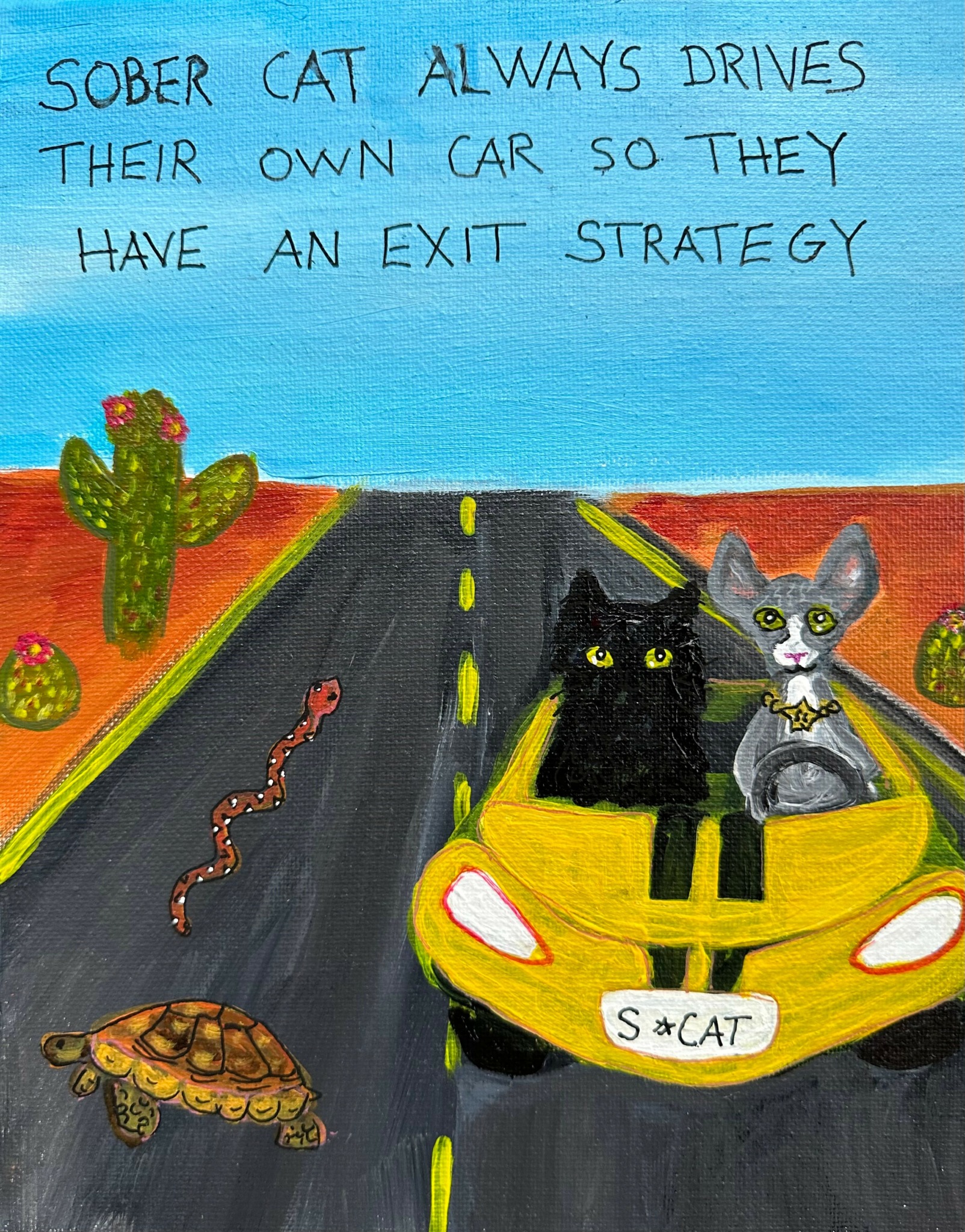
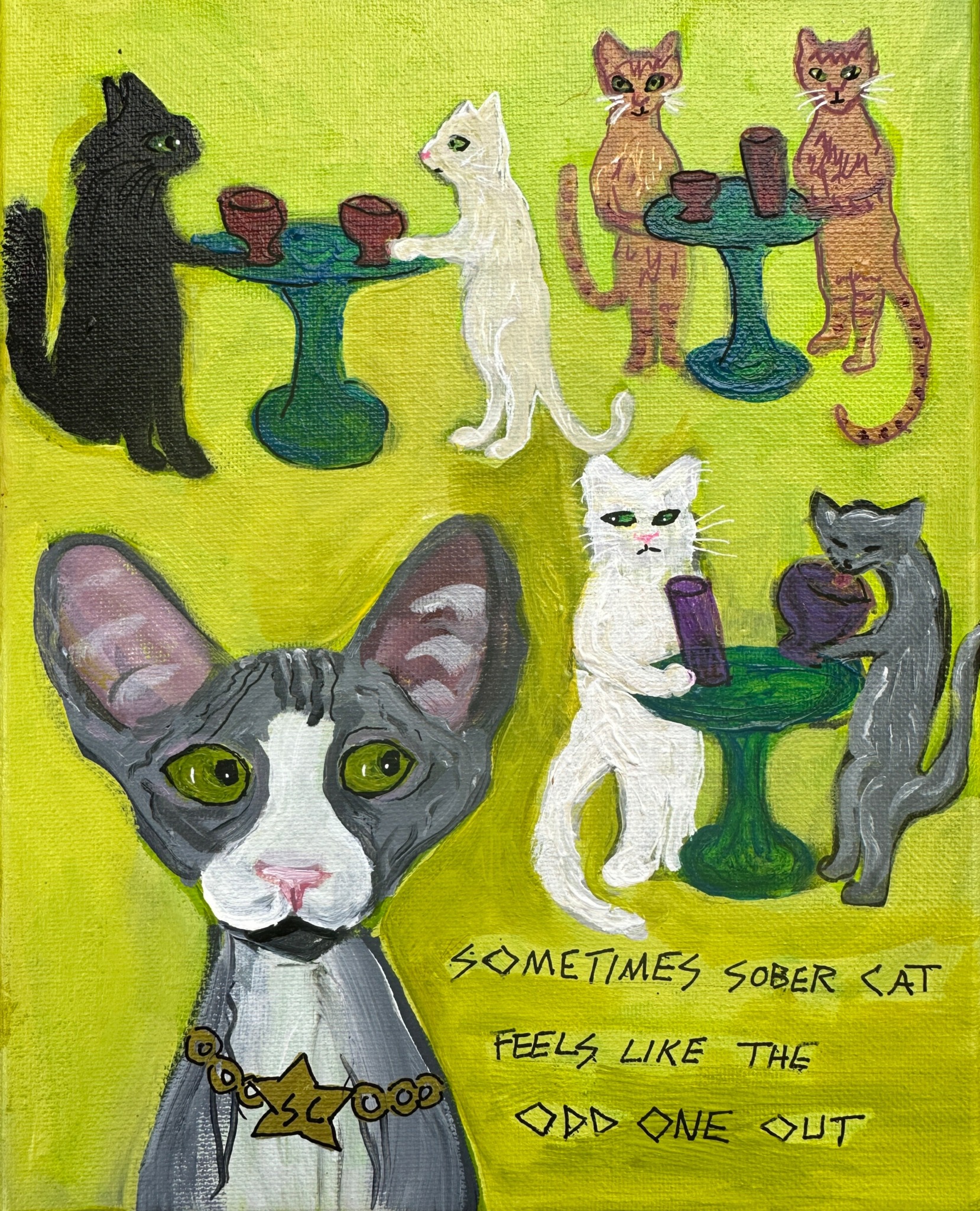
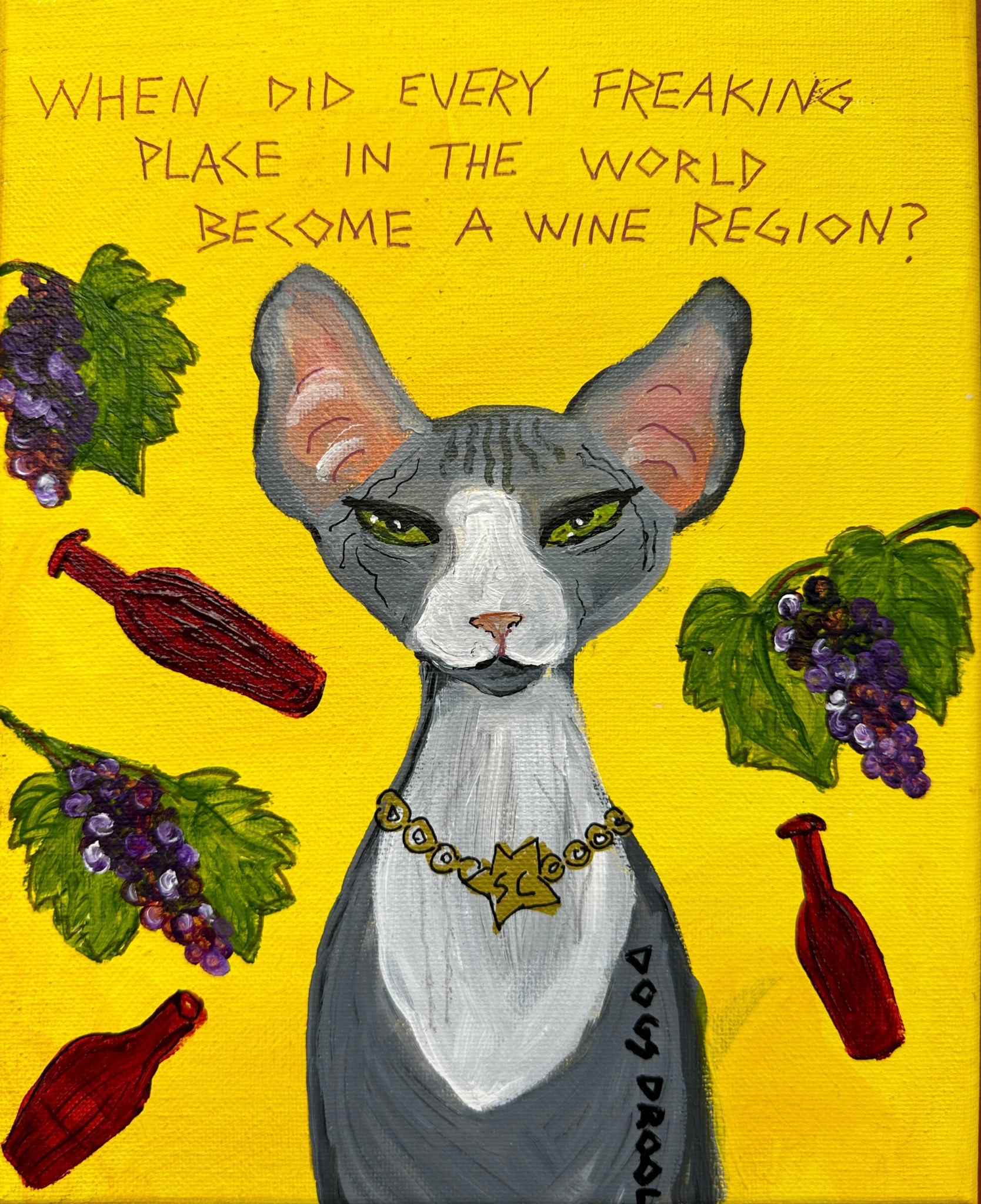
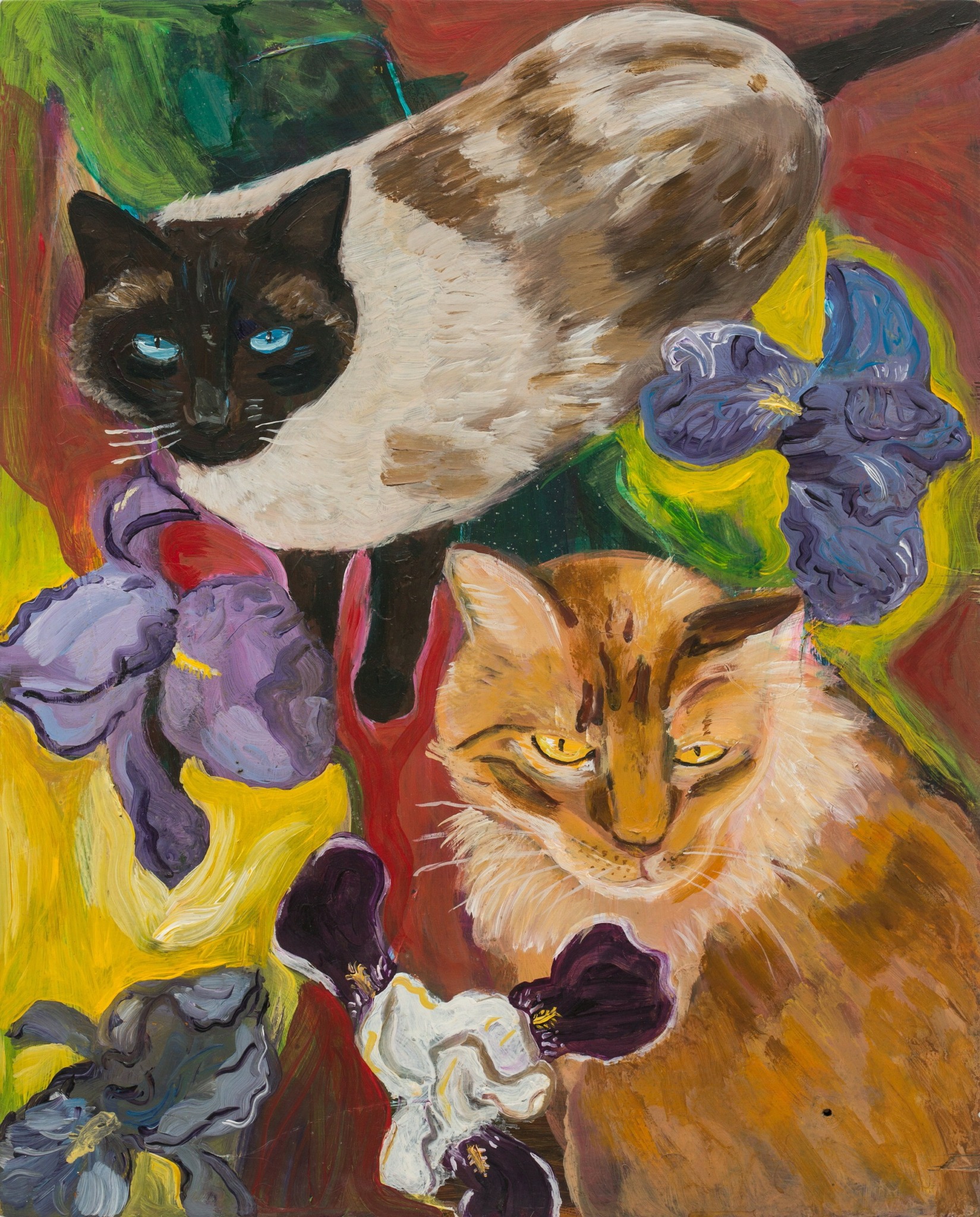
I also paint and teach yoga. My favorite thing to paint is animals, especially cats. I sell my artwork locally in Portland, Oregon at Sidestreet Arts and Gifty Kitty.
Like many creative people, I have a kind of weird mix of things to offer. I do word-related things such as writing, editing, proofreading, indexing and transcribing. I can teach you yoga, paint your cat, lead a tour or speak at your event. It can be a bit hard to explain how I put together my work, but it makes life interesting.
How’d you build such a strong reputation within your market?
I’ve been a lot of things in my years, but in this case I’m talking mostly about my reputation as a sober travel writer. It’s all been about showing up and collaborating. I go to travel industry events in person and online. I tell people what I write about. I look for opportunities to work with other people.
For example, I’m a member of SATW (Society of American Travel Writers). We’re a mix of journalists, editors and PR people representing destinations. If you join an organization, it doesn’t mean anything unless you show up. So I go to the conferences as much as possible. I volunteer to serve on committees. I started a Sober Travel Affinity Group within SATW. All this stuff makes me visible to others as somebody who’s serious about doing work.
I also pitch a lot. I email strangers whose work might be aligned with mine. Sometimes we find a way to collaborate on something, sometimes I get a brief note, often I hear nothing. I throw a lot of spaghetti at the wall and try not to take it personally when all the pieces don’t stick.
Sometimes I go after opportunities I’m not sure about. Again, some take and some don’t. It can be uncomfortable to back out of situations and commitments when you realize they’re mistakes. But I tend to err on the side of trying for too much rather than too little. I’ve seen too many people miss great opportunities because they doubt themselves.
When something works, I stick with it as long as possible. For example, I cold-emailed The Sober Curator, a leading sobriety-focused website, and asked if I could write an article. Now, two and a half years later, I’m a senior contributor, have made friends with other contributors and participated in in-person events with the site. It’s been a very meaningful collaboration.
Is there a particular goal or mission driving your creative journey?
How many addicts die from their addiction? There’s not really a reliable figure, but it seems like a hell of a lot. So I was extremely lucky to get sober when I was only 20 years old. Most people don’t have this good fortune. So I feel like I need to make the most of it. I want to do things in the world that lift up as many people as possible—me, my closest friends and family, acquaintances, readers, yoga students, people who hear me talk about sobriety on podcasts. Obviously I’m not everybody’s cup of tea, but I like to think that here and there somebody reads something I write or hears something I say and it helps them improve their lives in small or maybe even big ways.
Contact Info:
- Website: https://teresabergen.com/
- Instagram: https://www.instagram.com/teresa.bergen/
- Facebook: https://www.facebook.com/teresa.bergen.3
- Linkedin: https://www.linkedin.com/in/teresa-bergen-1083463a
Image Credits
Photos courtesy of Teresa Bergen.