

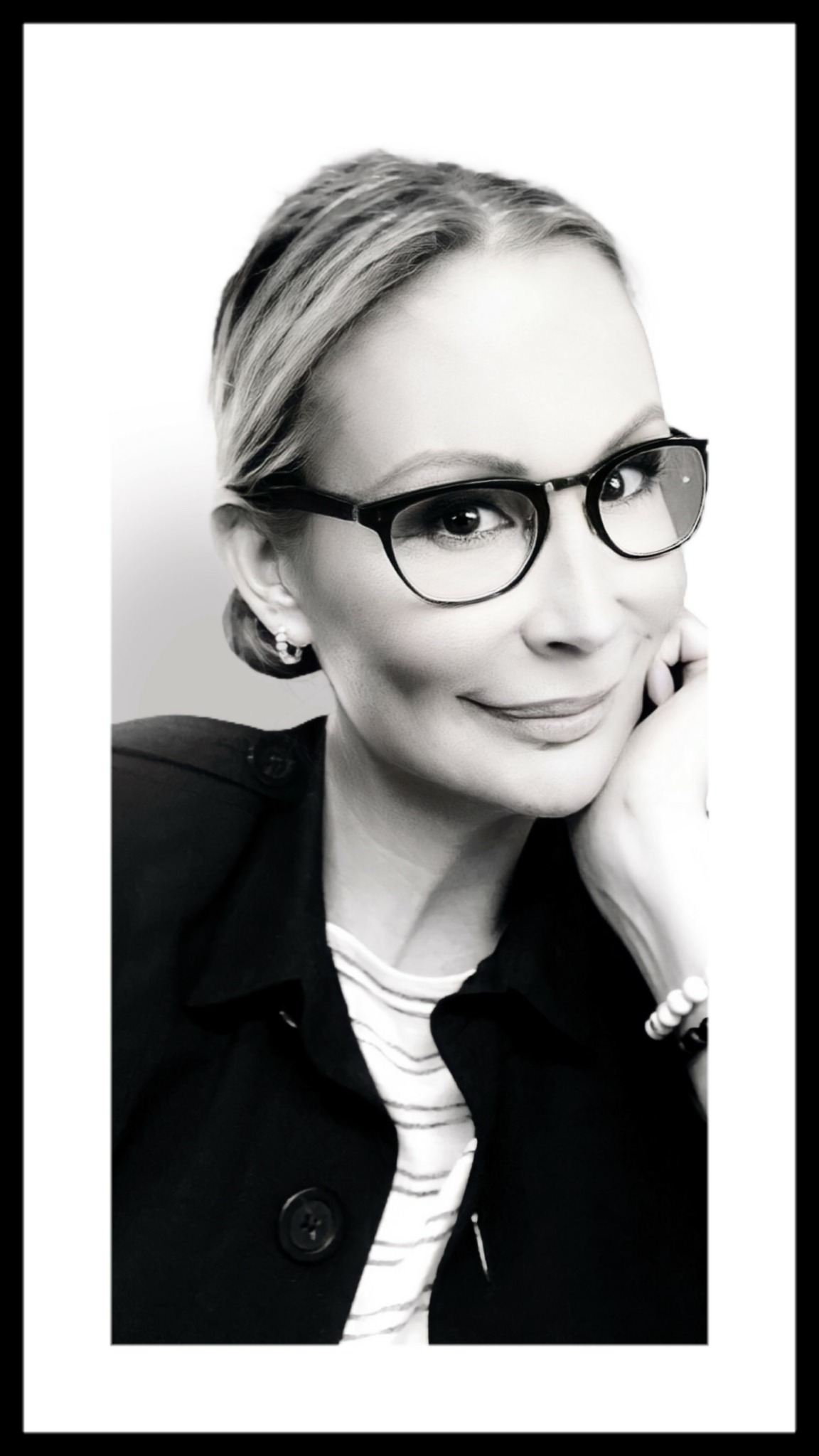

Alright – so today we’ve got the honor of introducing you to Taylor Lianne Chandler. We think you’ll enjoy our conversation, we’ve shared it below.
Alright, Taylor Lianne thanks for taking the time to share your stories and insights with us today. What did your parents do right and how has that impacted you in your life and career?
My beginnings were shadowed by loss before I was old enough to understand what loss even meant. My mother was eighteen years and eighteen days old when she fell asleep at the wheel on a quiet road in Maine, returning home from the horse races where my father — a harness jockey — had been competing. He survived, unharmed in the passenger seat, while she did not. I was three months old. I never knew her face except from photographs.
My father made his decision quickly and without much ceremony: he didn’t want me. So he handed me to his parents, and in doing so, accidentally gave me the greatest gift of my life.
My grandparents were fixtures of Limerick, Maine — a small town where everybody knew your name and your business, sometimes before you did. And business, for them, was quite literally the point. They ran the George E. Fitch Agency, an insurance firm that had the kind of quiet, confident presence that only comes from decades of earning a community’s trust. Their name on the door wasn’t just a sign — it was a promise.
I called my grandfather Bumpa.
From the time I could walk, I wanted to be wherever he was, and Bumpa was usually at the office. I would trail behind him through the door and immediately make myself at home — rifling through desk drawers, arranging paper clips with great seriousness, pressing the caps of pens to make sure they clicked just right. To anyone watching, I was just a little girl playing pretend. But in my mind, I was conducting business. I had a desk. I had supplies. I had purpose. The hum of that office — the phones, the rustling paper, the low murmur of grown-up conversations — felt more like home to me than anywhere else.
I knew, even then, exactly what I wanted my life to look like.
Insurance itself never captured my imagination the way it did my grandparents’. What I loved wasn’t the policies — it was the people. The way Bumpa could walk into a room and make someone feel heard. The way a well-asked question could change the entire direction of a conversation. I didn’t want to sell people protection from uncertainty. I wanted to help them grow.
In 2004, I turned that instinct into something real. I launched my first consulting business, taking on clients across real estate, design, and retail — industries that, on the surface, had little in common, but underneath shared the same hunger: teams that needed direction, leaders who needed language for what they were trying to build, and organizations stuck somewhere between where they were and where they knew they could be. I walked into boardrooms and back offices alike, asking the kinds of questions that made people uncomfortable in the most productive way possible.
What I was really selling, I came to understand, was the same thing Bumpa had sold all those years ago from behind his desk in Limerick — trust. The belief that someone sitting across from you actually understood your situation and had the tools to help. The packaging was different. The work looked different. But the DNA was identical.
TLC Consulting & Solutions grew from those early engagements into something I could never have sketched out on paper as a child, yet somehow always knew was coming. Fortune 100 companies. Organizational transformation. Workforce development at a scale that little girl with her paper clips could scarcely have imagined. And yet, at the core of every engagement, every training room, every leadership conversation — there was still that same kid at Bumpa’s desk, absolutely certain she had something important to do there.
She was right.
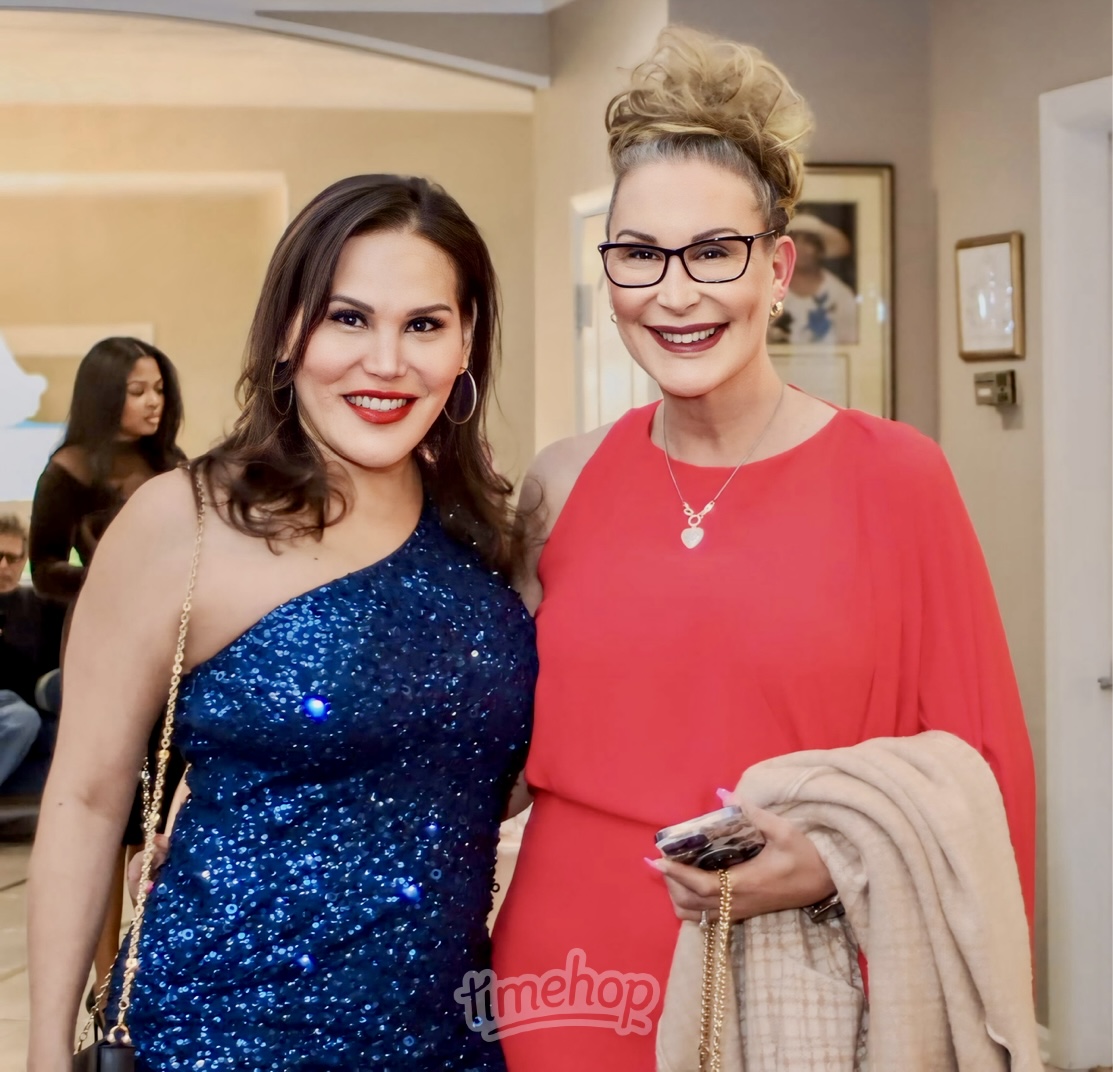
Taylor Lianne, love having you share your insights with us. Before we ask you more questions, maybe you can take a moment to introduce yourself to our readers who might have missed our earlier conversations?
Some people find their way into their life’s work gradually, through a series of careful decisions and well-timed opportunities. My path looked nothing like that. It was forged through loss, shaped by love, tested by fire, and rebuilt — more than once — entirely by my own hands.
I am Taylor Lianne Chandler, Principal of TLC Consulting & Solutions, organizational development strategist, workforce consultant, certified sign language interpreter, crisis navigator, advocate, and survivor. But before any of those titles meant anything, I was a little girl in Limerick, Maine, sitting at her grandfather’s desk, absolutely certain she had important work to do in the world.
I was right. It just took a lifetime of proving it.
From Interpreting to Consulting — A Career Built on Human Connection
Before I ever sat across from a corporate client, I spent years as a certified sign language interpreter — work that trained me in ways no business school could replicate. Interpreting demands that you be fully present in every exchange, that you hold two worlds simultaneously, that you never lose the thread of meaning even when the words are flying fast and the stakes are high. It taught me to read a room, to understand what isn’t being said, and to bridge gaps between people who desperately need to understand one another but don’t yet have the tools.
Those skills translated — quite literally — into consulting.
In 2004, I launched my first consulting business, taking on clients across real estate, design, and retail. I walked into boardrooms and back offices, asking the kinds of uncomfortable questions that unlock real change. What I discovered quickly was that the industry didn’t matter nearly as much as the people inside it. Every organization, regardless of what it sold or built or created, was really a collection of human beings trying to communicate, trying to lead, trying to grow — and mostly getting in their own way.
Over time, my work evolved to match my ambitions. TLC Consulting & Solutions now serves some of the largest organizations in the country, including Fortune 100 companies, providing organizational development strategy, workforce consulting, leadership training, and change management support. I help organizations not just perform better — I help them understand themselves better, which is always where lasting performance begins.
What I provide isn’t a template dropped into your company from the outside. It’s a deeply customized process built on listening first, diagnosing honestly, and then building solutions that your people will actually own and sustain. I don’t believe in transformation that evaporates the moment the consultant leaves the building.
2014 — When the World Decided to Tell My Story For Me
In September 2014, Michael Phelps — the most decorated Olympian in history, and at that time, the man I loved — was arrested for a DUI. Within hours, I was no longer a private person. My name, my history, my identity, and my life became public fodder in a media storm I had no control over and no warning of.
I want to be honest about all of it, because honesty is the only thing that has ever actually served me.
The public scrutiny was disorienting and brutal. Being outed so publicly — losing ownership of my own narrative at a moment not of my choosing — was a particular kind of violation that is difficult to describe to anyone who hasn’t experienced it. The professional fallout was real. The financial consequences were real. The emotional unraveling was real. And the rebuilding — slow, unglamorous, and entirely self-directed — was also real.
I didn’t have a publicist managing the aftermath. I didn’t have a crisis team. I had myself, a lifetime of resilience built on harder beginnings than most people know, and the absolute refusal to let someone else’s moment become my permanent definition.
What I built back wasn’t just a career. It was a clearer, sharper, more grounded version of everything I had always been. The crisis didn’t create my strength — it revealed it. And it gave me something I now bring into every consulting engagement, every training room, every leadership conversation: I know, from the inside, what it costs to lose everything and rebuild it from scratch. More than once.
That is not something you can learn in a classroom.
What Sets TLC Apart — And What I Want You to Know
There is no shortage of consultants. There is a significant shortage of consultants who have actually lived the complexity they’re being asked to help you navigate.
I bring to every engagement a career that spans sign language interpretation, organizational development, workforce strategy, crisis management, and decades of work across industries as different as retail and Fortune 100 corporations. I am not a specialist in the narrow sense — I am a specialist in people, in systems, and in the gap between where organizations are and where they’re capable of going.
I am intersex, and I have spent a lifetime navigating institutions, systems, and power structures that were not designed with me in mind. That experience doesn’t just inform my advocacy work — it informs every piece of consulting I do. I understand what it means to exist outside the assumed default, and I bring that understanding to diversity, equity, and organizational culture work in ways that go far beyond surface-level compliance.
I have built everything I have — twice, in some cases — entirely on my own terms. No family money carried me through the hard years. No powerful network caught me when I fell. What I have, I earned, and I know precisely what it took to earn it.
That is what I offer my clients: not a polished presentation and a binder full of frameworks, but a genuine partner who has navigated real adversity, built real organizations, trained real people, and knows the difference between a solution that looks good on paper and one that actually changes lives.
What I’m Most Proud Of
Not the Fortune 100 logos. Not the titles. Not even the survival, as hard-won as it was.
What I am most proud of is this: every single time the ground shifted beneath me — and it shifted often, and it shifted hard — I found a way to stand back up, rebuild, and come back with more clarity, more skill, and more purpose than I had before.
That is the throughline of my life, from that desk in Limerick to every boardroom I’ve walked into since. And it is, I believe, exactly the quality that makes me most useful to the people and organizations I serve.
Because I don’t just teach resilience. I am it.
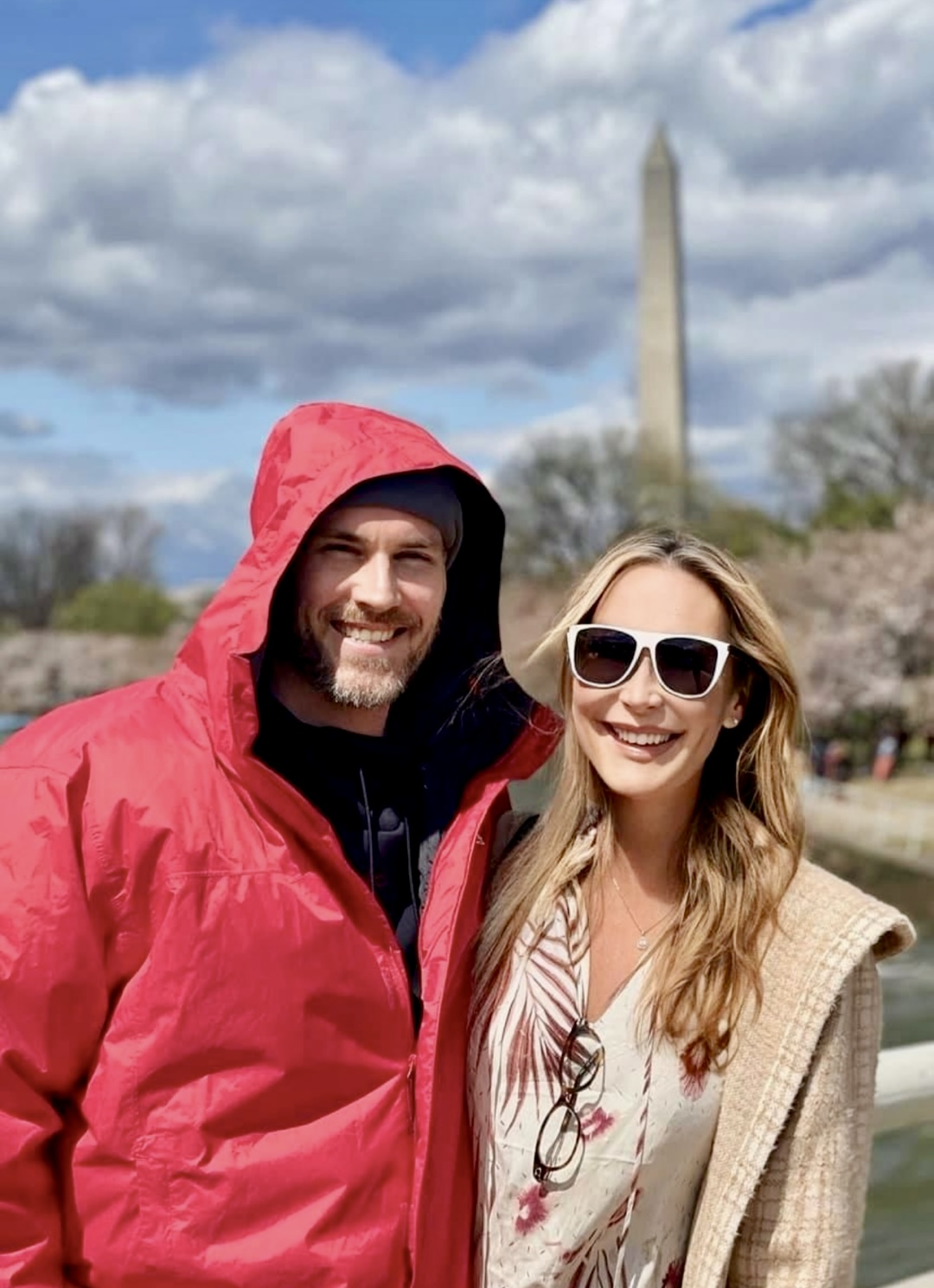
We’d love to hear a story of resilience from your journey.
The truest measure of who I am isn’t found in any consulting contract or client testimonial — it’s found in the moments when everything collapsed and I chose, every single time, to rebuild. I came into this world having already lost my mother, handed off by a father who didn’t want me, and yet I thrived. I built a career from scratch in 2004 with nothing but skill, instinct, and relentless drive. Then in September 2014, a single news cycle stripped away my privacy, my sense of safety, and the professional footing I had spent a decade constructing — and I still got back up. No safety net. No rescue. Just the same stubborn certainty that had sat me down at Bumpa’s desk all those years ago and whispered that I had important work left to do. Every version of my life that has been dismantled has been rebuilt into something stronger, sharper, and more authentically mine than what came before it. That is not luck. That is not circumstance. That is a choice I have made, over and over again, in the hardest possible moments — and it is the foundation on which everything I offer my clients is built.

What’s a lesson you had to unlearn and what’s the backstory?
For most of my early life, I believed that surviving was enough. That if you could just hold on, stay standing, and keep moving forward, you were winning. It was an understandable lesson to absorb — I had learned it young, in circumstances that demanded toughness before tenderness. But somewhere in the wreckage of 2014, when holding on and staying standing weren’t options anymore, I was forced to confront the truth that survival and living are not the same thing. Survival is defensive. It is braced, contracted, always waiting for the next blow. Living requires you to open back up — to your own needs, your own grief, your own desires — even when every instinct trained by a hard life is screaming at you to stay closed. Unlearning survival mode was the most difficult and most important work I have ever done. It didn’t happen in a single moment. It happened slowly, in the quiet spaces between the chaos, when I finally allowed myself to ask not just how do I get through this — but what kind of life do I actually want on the other side? That question changed everything.
Contact Info:
- Website: https://Www.tlcconsultingsolutions.com
- Instagram: RealTayChaTLC
- Twitter: RealTayChaTLC
- Youtube: RealTayChaTLC
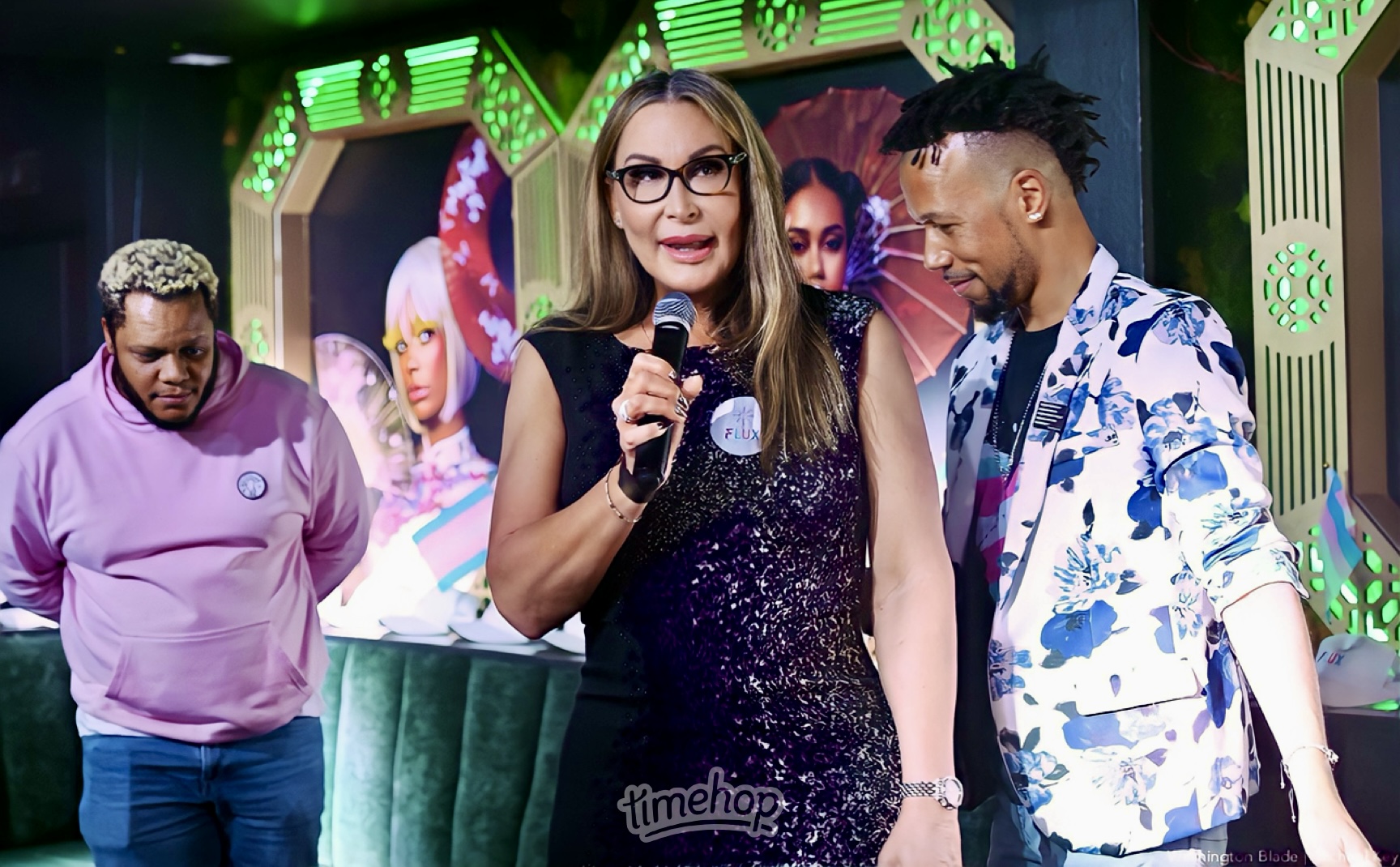
Image Credits
All my phhotos