
We were lucky to catch up with Taylor Guglielmo recently and have shared our conversation below.
Hi Taylor, thanks for joining us today. What’s the kindest thing anyone has ever done for you?
Michelle Hillman gave me a way to do something with my grief.
On March 27, 2023, my son hid behind a copy machine at The Covenant School while it was under attack by a mass shooter. In a matter of minutes, he lost his innocence. And I lost any ability to sit quietly and wait for change. I’ve never been wired to sit still. But grief like that? It can paralyze you. It’s heavy, disorienting, and if you’re not careful, it just turns into anger with nowhere to go.
Michelle—and the Ad Council—gave me somewhere to put it.
They didn’t just offer support. They offered a path. A way to channel all of that fear, anger, and urgency into something constructive. Something that could actually move the needle. Gun reform is nearly impossible take a chunk out of. It’s political, it’s polarizing, and it’s covered in landmines. But the Ad Council did something incredibly smart—they found the one thing everyone agrees with: guns should not be the number one killer of kids in this country. That insight became the foundation for the “Agree to Agree” campaign. It’s not about solving everything overnight. It’s about earning progress in inches. Right now, we’re focused on changing a simple, tangible behavior—safe storage. Locking guns up. It’s a small step that could prevent close to half of annual shootings involving children.
That’s the gift Michelle gave me: direction. A way to take one of the worst days of my life and turn it into forward motion.
Taylor, before we move on to more of these sorts of questions, can you take some time to bring our readers up to speed on you and what you do?
I fell in love with advertising early. When I was 10, I was my dad’s plus one on a work trip to NYC. Our hotel room overlooked Times Square, and I spent my time concepting my own versions of those big flashy billboards. That turned into an advertising degree and a one-track mind: get back to New York, no backup plan.
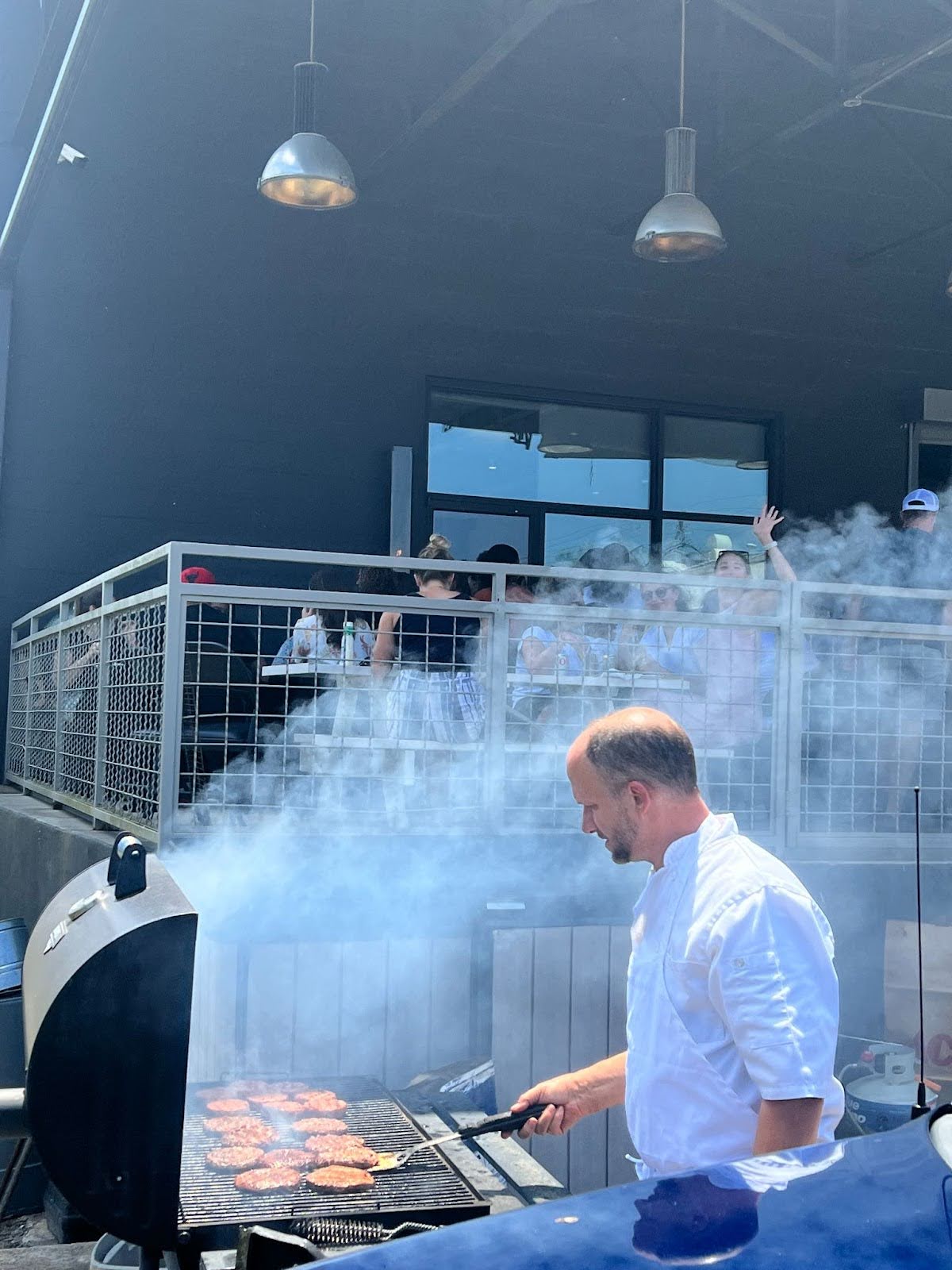
I graduated right after 9/11, so ad jobs were hard to come by. A mentor told me to make my resume personal, so I shipped it to a handful of agency leaders—attached to a rack of Rendezvous ribs (I’m a Memphis girl). Alison Burns, then President of Fallon New York, was the only one who responded: “I’m not carnivorous, but you got my attention.” She created an internship for me at Fallon, which led to my first job at McCann Erickson.
And man, did I love McCann. It was intense in the best way. You couldn’t really tell where work ended and life began. There was a shared energy—everyone pushing, questioning, building on each other’s ideas. We were exhausted, slap happy, and completely obsessed with making the work better.
And that’s exactly what we’ve built into Chemistry.
We are a creative and technology lab and we live and die by our mission of doing the best work of our lives while living our best lives. We embrace the simple truth that creative experimentation solves business problems because outlearning beats outspending every time. And that mindset shows up in how we work. No silos. No handoffs. Just constant motion, constant feedback—and when you’re pushing hard enough, a little bit of that slap-happy delirium where the best ideas tend to show up.
We have an expression at Chemistry: What’s the best that can happen? We don’t think optimism is naive—we think seeing potential in the unknown is the ultimate business advantage. We’re pretty relentless about building a place—and an industry—where that kind of thinking, that kind of energy, and that kind of joy in the work actually thrives. Because in the words of my mentor, Tim Smith: “Fun is the best thing to have.”
Can you share a story from your journey that illustrates your resilience?
This probably isn’t the answer you’re looking for. I don’t have a big, dramatic story about learning resilience through work-life hustle. I’ve learned resilience through my faith.
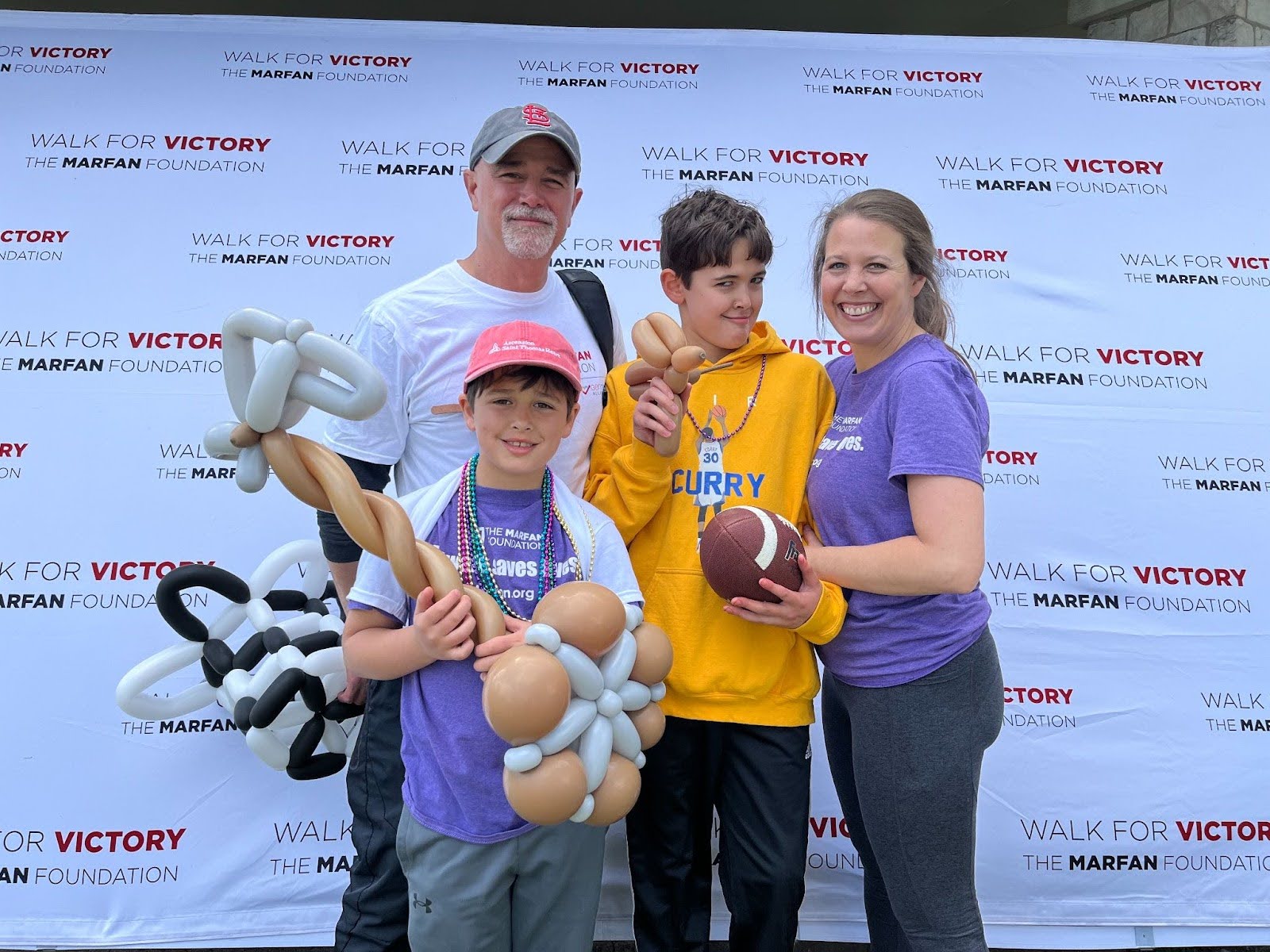
And it’s not a single moment—it’s a learned behavior, built through a thousand tiny paper cuts. But if I had to point to one defining shift, it would be the day we learned our oldest son had Marfan Syndrome. It’s a connective tissue disorder that affects a lot of things, but the scariest is the risk it poses to the heart. I don’t remember details of that time, but I remember a very specific turning point. I went from an overwhelming sense of dread to a peace that passed understanding—almost instantly.
That’s where resilience really comes from for me. Not from powering through or pretending things don’t shake you, but from learning how to return to that place of peace, over and over again, no matter what’s happening around you.
Life and work is full of fires. Constantly. Resilience is the ability to move through them without letting them consume you. To keep perspective. To stay steady. To, as we like to say in my house, sweateth not the itty bitties. And the only way I’ve found to do that consistently is by having something bigger than the moment to ground you in it.
My son is doing amazingly well I should add. A Freshman in high school and the Youth Ambassador for the Marfan Foundation. Being connected to the Marfan community is important to us and I welcome more conversation about it with anyone, anywhere, any time.
Do you have any insights you can share related to maintaining high team morale?
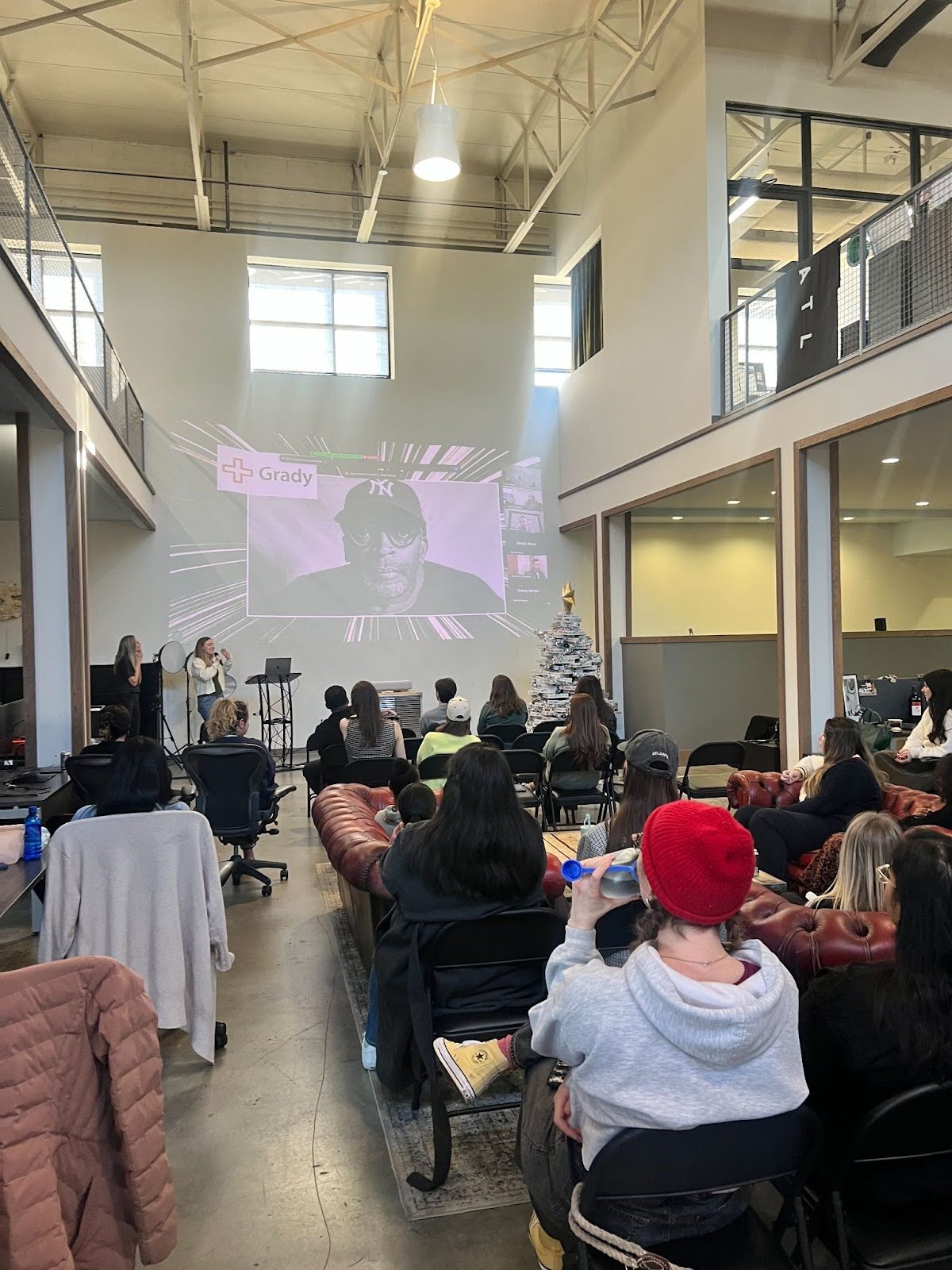
Morale doesn’t come from perks. It comes from momentum. People are at their best when they feel like what they’re doing is actually working—when they’re learning, growing, and part of something that’s moving forward. And just as important, when they understand their role in that progress. So my job as a leader is to create that environment.
First, clarity. Everyone should know what success looks like—not in vague terms, but in real, tangible outcomes—and how their specific contribution ladders up to it. If people can’t see their impact, they disconnect.
Second, ownership. People don’t stay motivated when they’re just executing. They stay motivated when they feel responsible for the result. That means giving them space to think, to challenge, and to bring solutions—not just problems.
And third, pace. Nothing kills morale faster than stagnation. We build for speed—testing, learning, iterating—because progress, even imperfect progress, is energizing. We also have an expression at Chemistry: What’s the best that can happen? When teams are encouraged to see possibility in everything, they think bigger and have a helluva lot more fun.
At the end of the day, people don’t want easy. They want meaningful. They want to feel like they’re part of something that matters—and that they’re getting better while doing it.
If you can deliver that, morale takes care of itself.
Contact Info:
- Website: https://www.chemistryagency.com
- Linkedin: https://www.linkedin.com/in/taylor-guglielmo-67591a6