

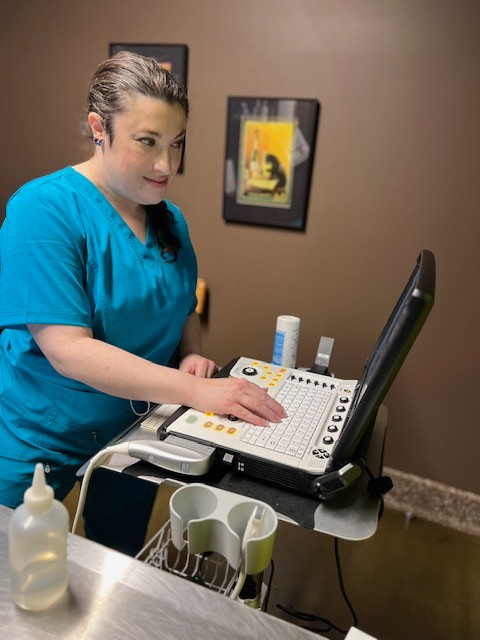

We caught up with the brilliant and insightful Tara Ghormley a few weeks ago and have shared our conversation below.
Alright, Tara thanks for taking the time to share your stories and insights with us today. It’s always helpful to hear about times when someone’s had to take a risk – how did they think through the decision, why did they take the risk, and what ended up happening. We’d love to hear about a risk you’ve taken.
I developed long COVID after my infection in March of 2020. I was able to work full time at a specialty practice for a few years after becoming ill. As time passed, my health worsened due to the workload and long hours. I knew I needed to leave traditional clinical practice and my best friend put forth an idea for a mobile ultrasound and consulting company. I never saw myself as a business owner and in fact had previously decided it was too much hassle to own my own clinic. However, when my friend proposed the idea of a mobile business, I knew it was the perfect opportunity given my personal needs at that time. Thankfully my husband was extremely supportive of this idea, knowing that it would be a financial strain. Luckily, my husband is an IT technician and was able to set up our network, website, and other systems. I was completely unfamiliar with how to start a business and my partner and I had to learn on the spot how to submit appropriate documents and manage finances. This new endeavor was a complete change from where I saw my career going.
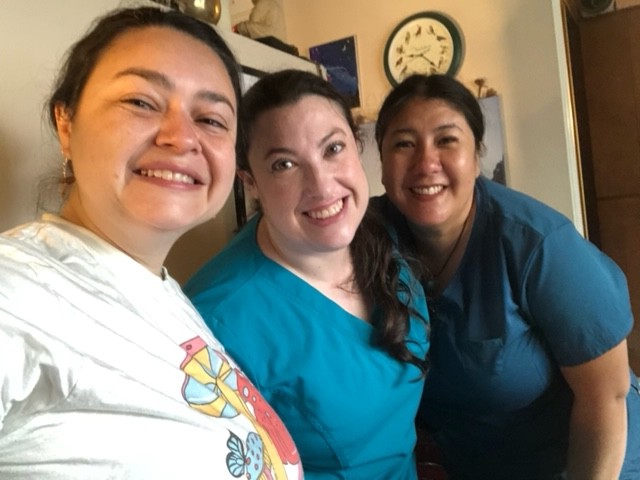
Awesome – so before we get into the rest of our questions, can you briefly introduce yourself to our readers.
I have always loved animals but did not want to become a veterinarian until my sophomore year of college. I graduated from Colorado State University in 2009 with my DVM degree and subsequently obtained an additional 5 years of training to become board certified in small animal internal medicine. Prior to starting my own business, I worked full-time in traditional specialty practices. We hope to offer a unique service to both veterinarians and pet owners. There are not enough veterinary specialists to care for the animals that need referral. Additionally, some medicine cases can be appropriately managed by a primary veterinarian. Our goal is to help the veterinarian determine which cases they can comfortably manage and provide them a roadmap to care for these patients. This will hopefully allow clients to in-depth care quicker while allowing specialists to focus on the patients that require more intensive treatment. We also support mobile primary veterinarians and will join them during in-home visits to provide our services.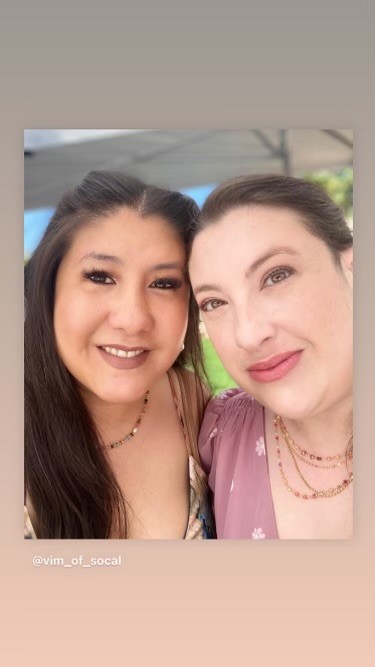
If you could go back in time, do you think you would have chosen a different profession or specialty?
Even though veterinary medicine has its issues, I still would pursue the same career track. I love the varied cases I see and the challenges these often present. I am constantly learning to improve the care I offer to my patients and clients.
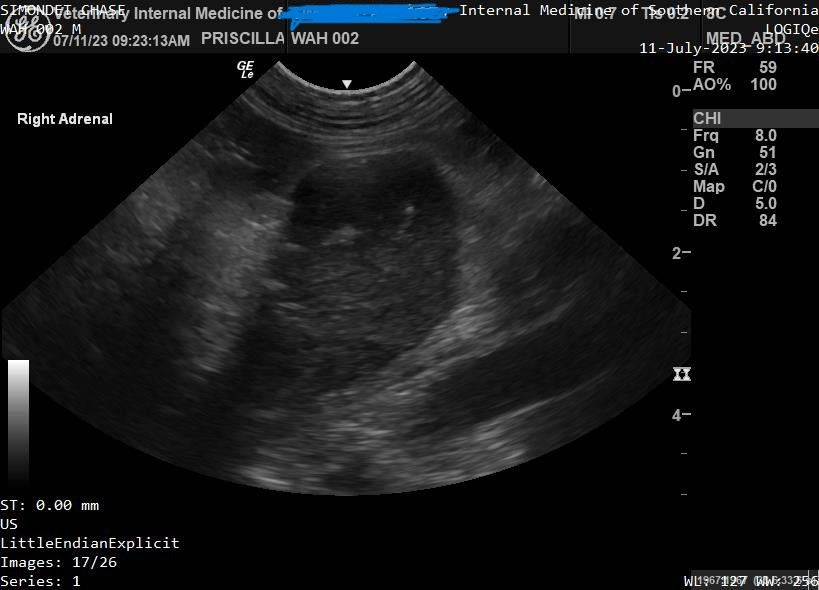
Putting training and knowledge aside, what else do you think really matters in terms of succeeding in your field?
Veterinary medicine is a tough field. Many people will decide to go to veterinary school without experiencing the day-to-day operations of a hospital. I think it is imperative that prospective students spend time in veterinary hospitals, ideally doing more than just volunteering. Knowing how a clinic operates, from reception to nursing to kennel help, will allow them to decide if they really want to become a veterinarian. Additionally, learning how to talk to clients is a skill that cannot be taught and only comes with experience. Speaking with authority is difficult for new veterinarians but is important so clients are confident in their skills. Being able to empathize with a client’s state of mind will help veterinarians with their interactions. These traits are important regardless of the focus of the veterinarian. 
Contact Info:
- Website: www.vimsocal.com
- Instagram: vim_of_socal
- Linkedin: https://www.linkedin.com/company/90751018/admin/feed/posts/