

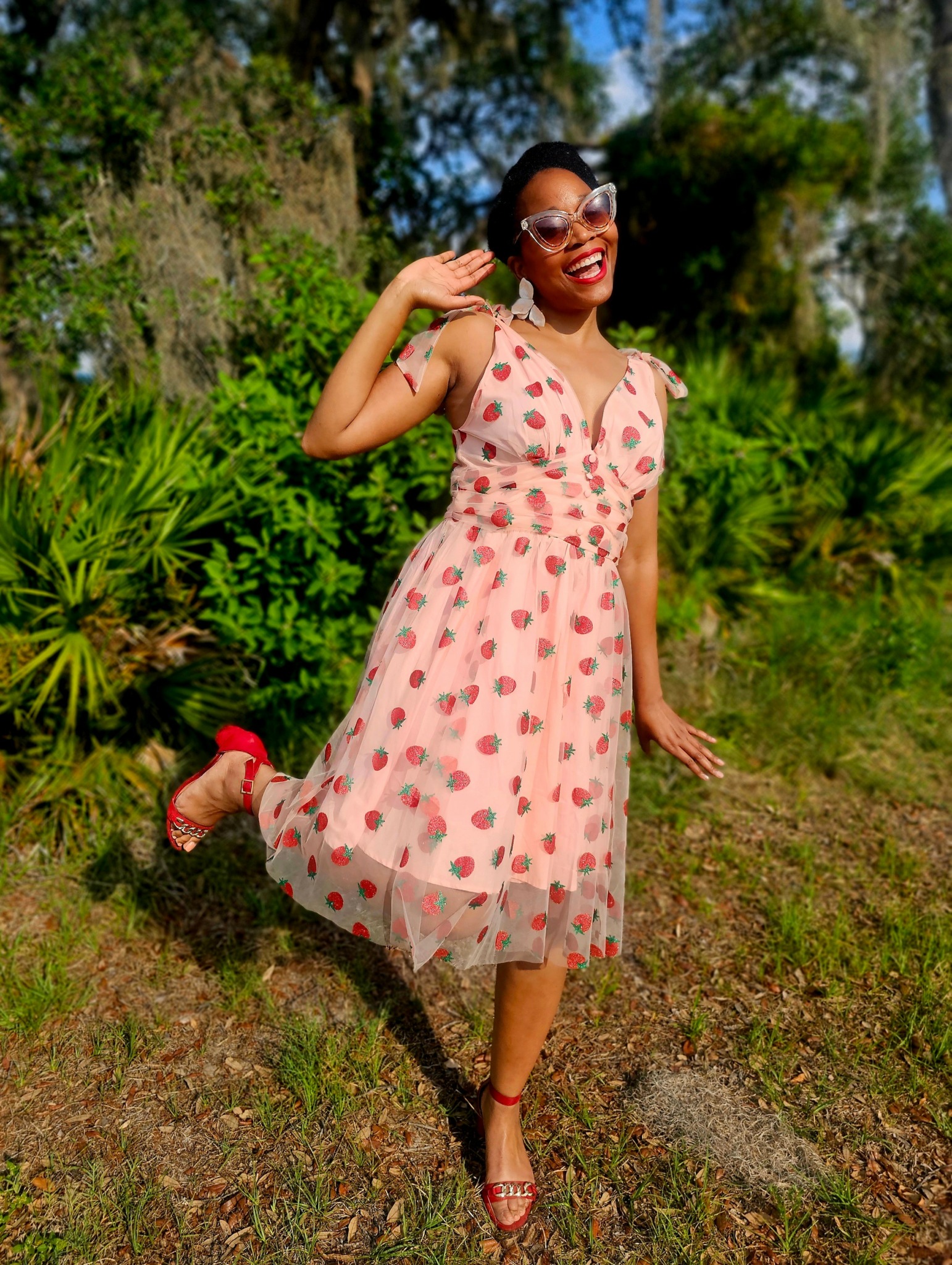

Alright – so today we’ve got the honor of introducing you to Tamara Thomas. We think you’ll enjoy our conversation, we’ve shared it below.
Hi Tamara, thanks for joining us today. Did you always know you wanted to pursue a creative or artistic career? When did you first know?
My name is Tamara Thomas, and I am an artist, designer, creative strategist, author, speaker, and community builder. At my core, I am a creator. Whether I am painting, designing, writing, speaking, mentoring, or building communities, I approach everything through a creative lens.
My journey into the creative industry began in an unexpected way. In 2001, I met Sharyn Louise Cordice, a professional makeup artist who worked in theater, television, film, and fashion. She became one of the most influential mentors in my life. At the time, I was studying psychology and had never seriously considered that creativity could be a career. Sharon challenged that thinking. She saw the artwork my siblings and I had created and asked why we were pursuing careers that didn’t align with the gifts God had placed inside of us.
That conversation changed everything.
Over the next year, I had the opportunity to work alongside Ms. Sharyn on a variety of projects. She brought me onto movie sets, theater productions, bridal events, and creative projects throughout the city. Interestingly, she wasn’t training me to become a makeup artist. She was training my eye as an artist.
She taught me to study lighting, color, reflection, texture, composition, and mood. I learned that the makeup used for television was different from the makeup used for theater because the lighting was different. Every creative decision had intention behind it. Sharon helped me understand that creativity is not simply about making something beautiful—it’s about understanding how people experience what they see.
Around that same time, I began working at Lord & Taylor, where I eventually became a cosmetics counter manager. Ironically, I often joked that I knew very little about makeup and barely wore it myself. Yet every experience seemed to be pointing me back toward creativity. As I continued praying and seeking direction, I found myself walking into The Art Institute and applying for Graphic Design. That was the moment I knew I was fully committed to a creative life.
Since then, creativity has become more than a profession—it has become a way of living.
Throughout my career, I have created murals, illustrations, graphic designs, community art projects, written works, and visual storytelling experiences. Sharon even encouraged me to paint directly onto clothing that she sold in her storefront. She pushed me to think beyond traditional artistic boundaries and taught me to see creativity in everything around me.
As always, we appreciate you sharing your insights and we’ve got a few more questions for you, but before we get to all of that can you take a minute to introduce yourself and give our readers some of your background and context?
Today, my work is centered around helping people see possibilities where others see limitations.
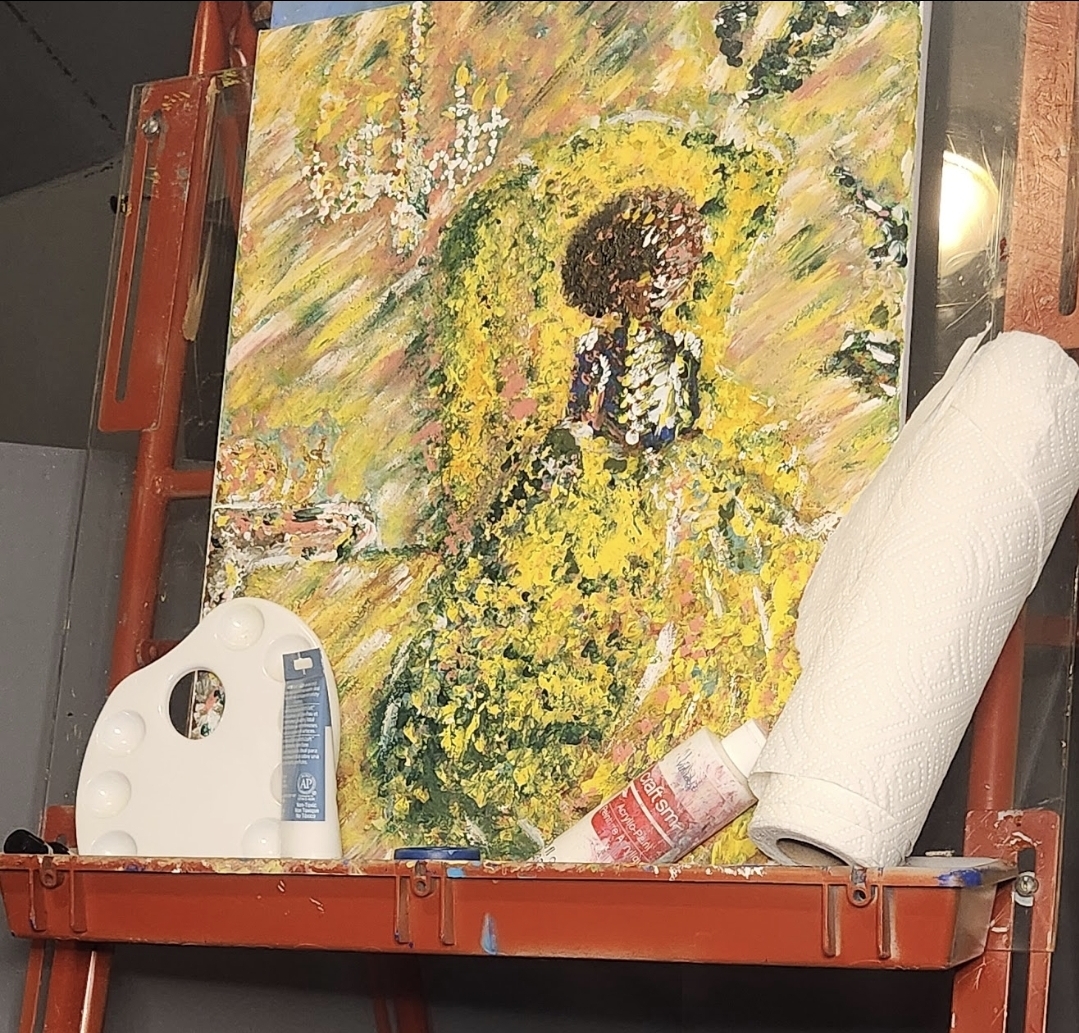
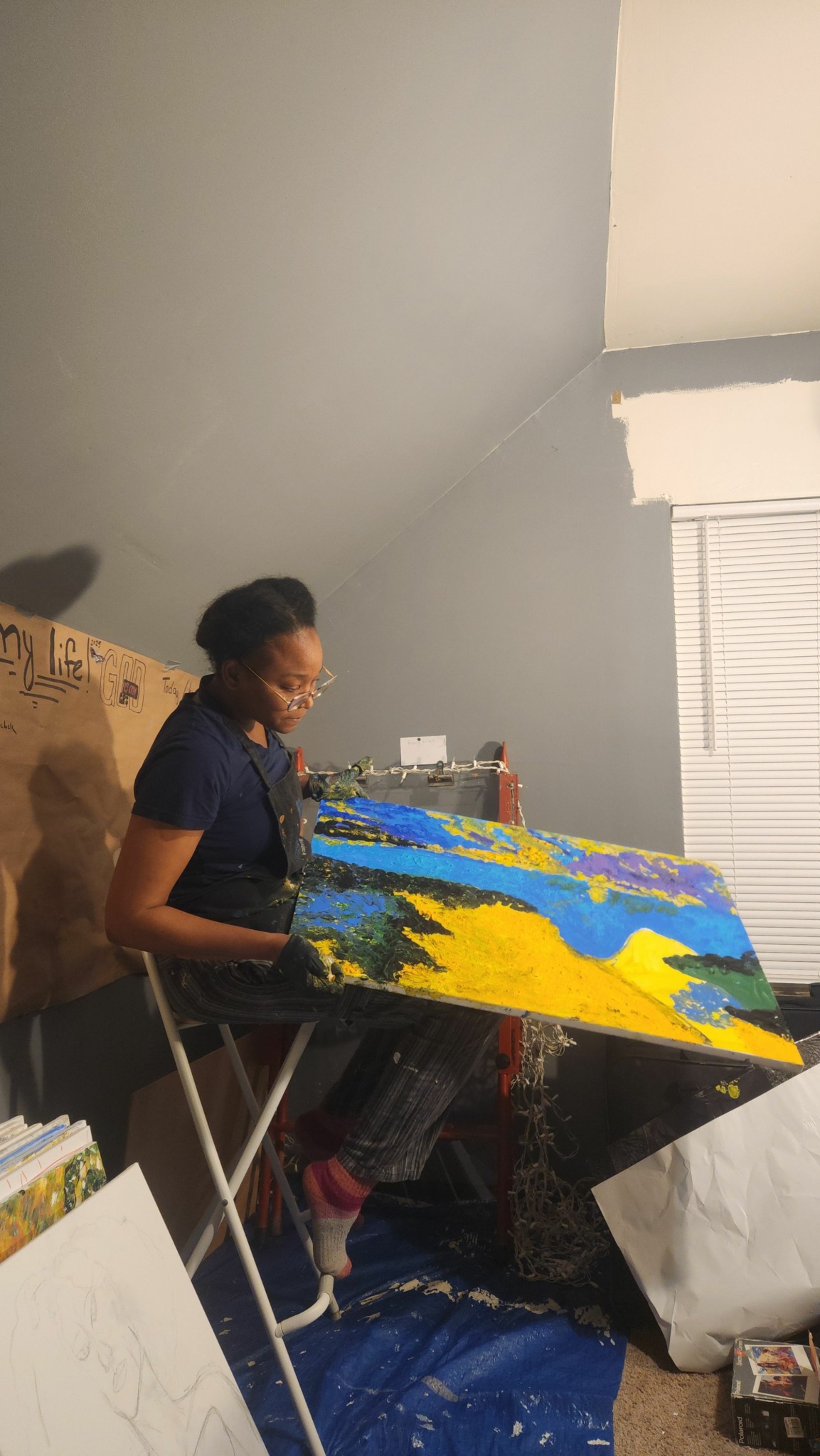
One of the things that sets my work apart is my unconventional painting technique. Over the last three years, I have developed a style that I call “Paper Towel Pointillism.” Rather than using traditional paintbrushes, I create many of my paintings using paper towels.
People are often surprised when they hear that.
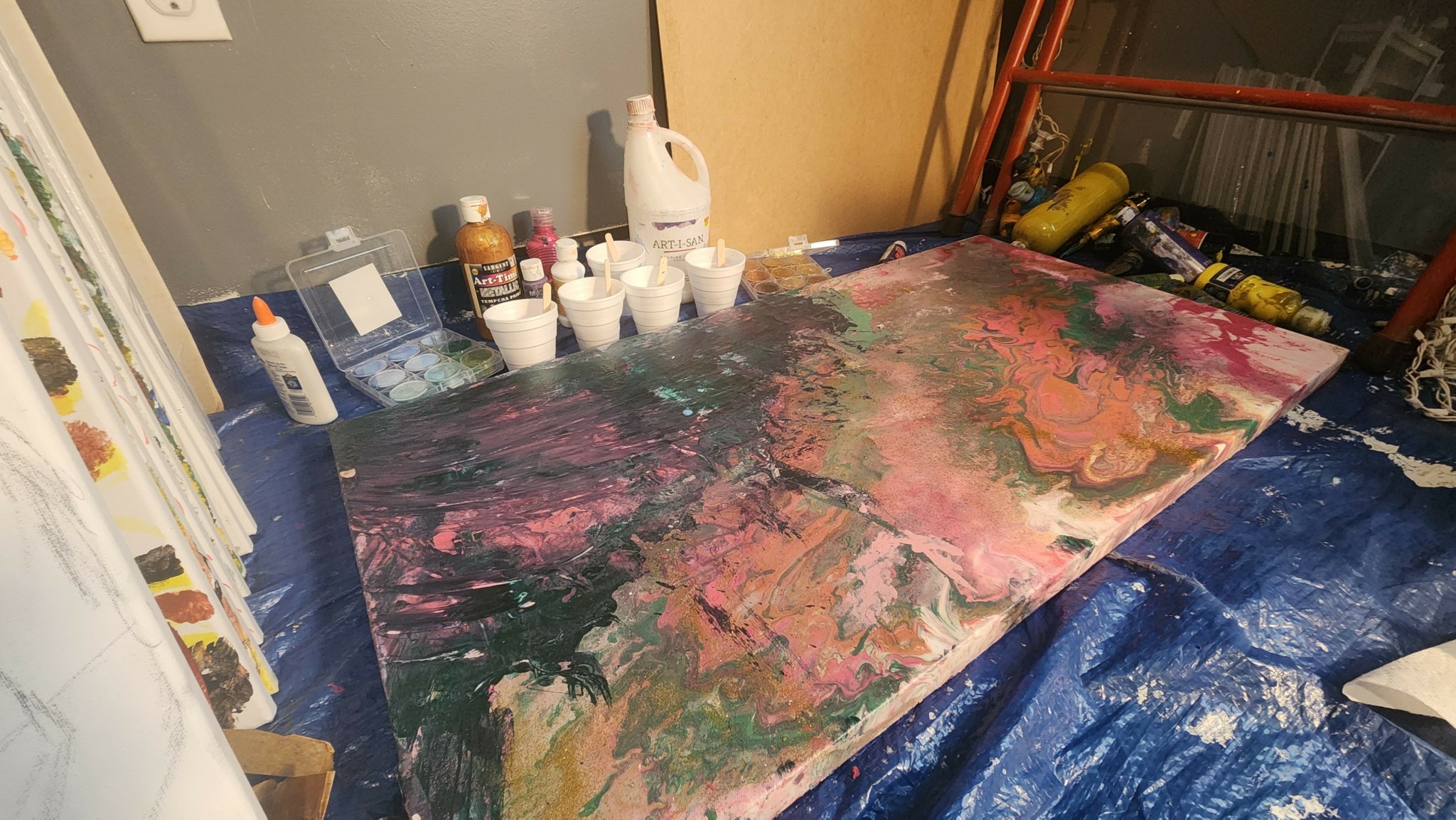
Painting with a paper towel is challenging because it requires a completely different approach to texture, movement, layering, and control. What I love most about the technique is the freedom it creates. The paper towel allows me to build rich layers of color, create depth, and produce a unique visual texture that gives the work movement and emotion. Depending on the application, the paint can appear almost wet or alive on the canvas.
More importantly, the technique represents something deeper.
Paper Towel Pointillism is my personal statement about challenging conventional thinking. It reminds people that there is more than one way to achieve a result. Just because something has traditionally been done one way does not mean that it is the only way. Creativity invites us to explore, experiment, and discover what works uniquely for us.
When people view my work, I want them to experience freedom, elevation, and possibility. I want them to slow down, look closer, and ask questions. Often, two people can stand in front of the same painting and see completely different stories. I love that. Art should create space for interpretation, reflection, and personal discovery.
What I am most proud of is not any single painting, mural, or project. I am most proud of remaining committed to creating authentically and encouraging others to do the same. Through my art, my writing, my podcast, my speaking engagements, and my community work, my goal is to help people discover their God-given creativity and have the courage to express it in their own unique way.
If there is one thing I want people to know about me and my work, it is this: creativity is not limited to artists. Creativity is a way of seeing the world. It is the courage to imagine something different, trust the process, and create what has never existed before. That philosophy guides everything I do.
In your view, what can society to do to best support artists, creatives and a thriving creative ecosystem?
Society can best support artists and a thriving creative ecosystem by encouraging people to create, providing access to resources and opportunities, and valuing the role of storytelling through the arts. Artists are more than creators of beautiful objects—they are storytellers, cultural historians, and emotional translators who help us understand ourselves and the world around us. Through painting, sculpture, textiles, performance, writing, and other forms of expression, artists challenge assumptions, preserve collective memory, and inspire change. A healthy society recognizes and supports artists as essential contributors to its cultural and social well-being.
Can you share a story from your journey that illustrates your resilience?
One story that illustrates my resilience happened while I was attending the Art Institute of Pittsburgh. It was a difficult season of my life. I had lost my job, struggled to afford food and transportation, and was piecing together income through photography, makeup artistry, mural painting, and other creative work just to stay afloat.
At the same time, I faced discouragement from some instructors who told me I wasn’t good enough and should quit. Instead of breaking me, those comments fueled me. I’ve always been someone who sees a challenge as motivation. When people say I can’t do something, it makes me work even harder to prove that I can.
One of my professors, Shawn O’Mara, was known for having challenging classes. Many students avoided them, but I intentionally enrolled because I wanted to grow. After taking several of his courses, he pulled me aside one day and shared something that stayed with me. He told me that when I entered his classes, I was often one of the weaker or intermediate students, but by the end of each course I consistently became one of the strongest. He noticed that I intentionally surrounded myself with the most talented students and pushed myself until I could perform at their level—or beyond. Hearing that from a professor I respected meant a great deal to me.
Then, just two weeks before graduation, disaster struck. The school’s server was cleared, and I lost most of my digital portfolio—the work I had spent years creating and curating. While my classmates were finalizing their portfolios, I was suddenly starting over.
Instead of giving up, I put a notebook beside my bed and prayed for inspiration. Each morning I would wake up with ideas, sketches, and concepts from the night before. I would arrive at school before sunrise and spend every possible hour creating, illustrating, designing, and rebuilding my portfolio from memory and imagination. For two weeks, I poured everything I had into the work.
On portfolio review day, I submitted my portfolio and left. When I returned, several professors who had mentored and encouraged me gathered around. As I prepared to leave, Professor O’Mara told me to open my portfolio and look at the results. Inside was an A.
As tears filled my eyes, he told me, “We don’t give those out. You earned it.”
The faculty shared their belief in me and told me they saw a bright future ahead. That experience taught me that resilience isn’t about avoiding setbacks—it’s about continuing to create, adapt, and move forward when everything seems to be working against you. I trusted my faith, embraced the challenge, and discovered that I was capable of more than I realized. It’s a lesson that continues to guide me today.
Contact Info:
- Website: https://thetamarathomas.com/
- Instagram: https://www.instagram.com/the_tamarathomas/
- Facebook: https://www.facebook.com/tamara.marie.540891
- Youtube: https://www.youtube.com/@tthomas_08
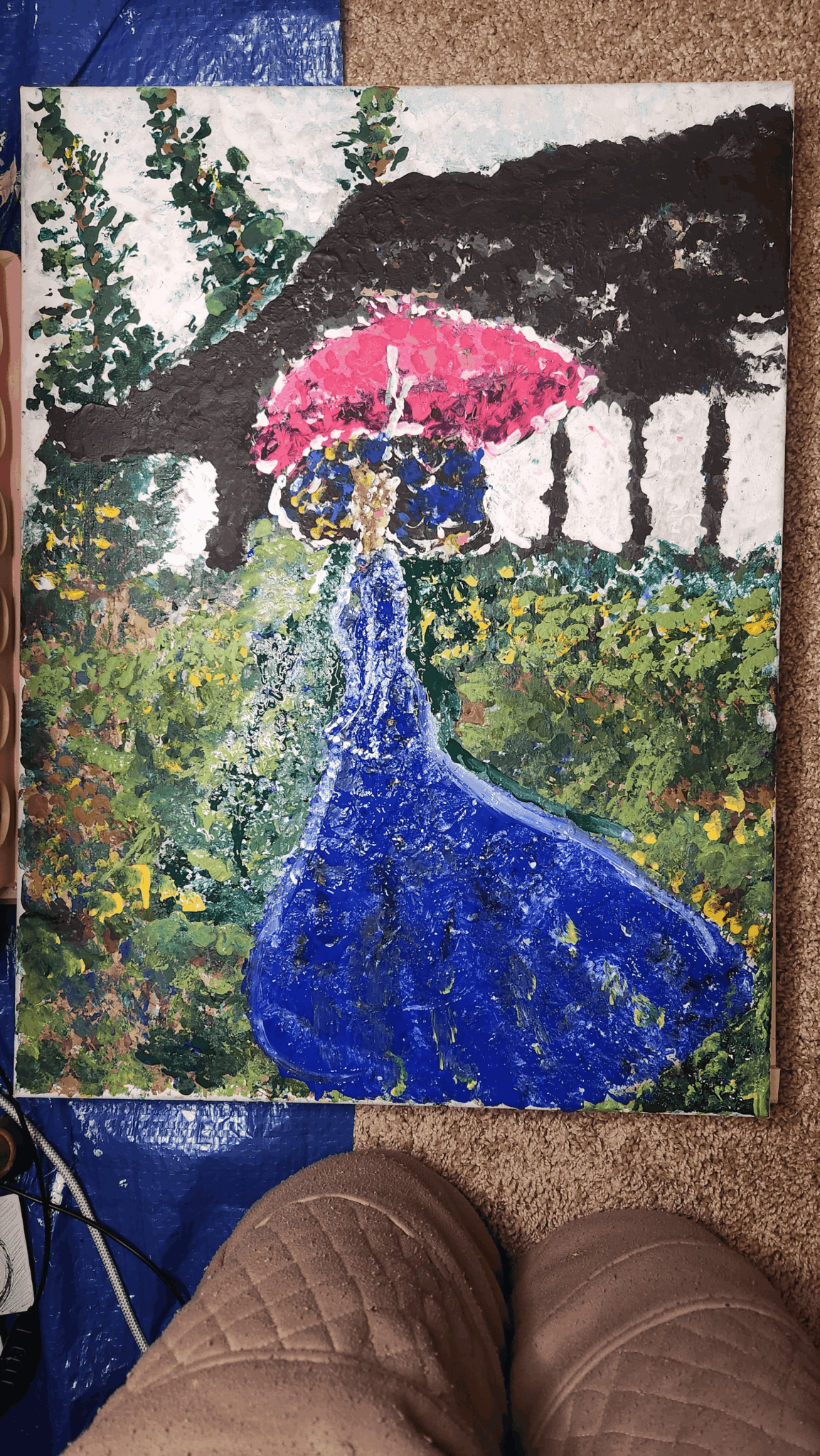
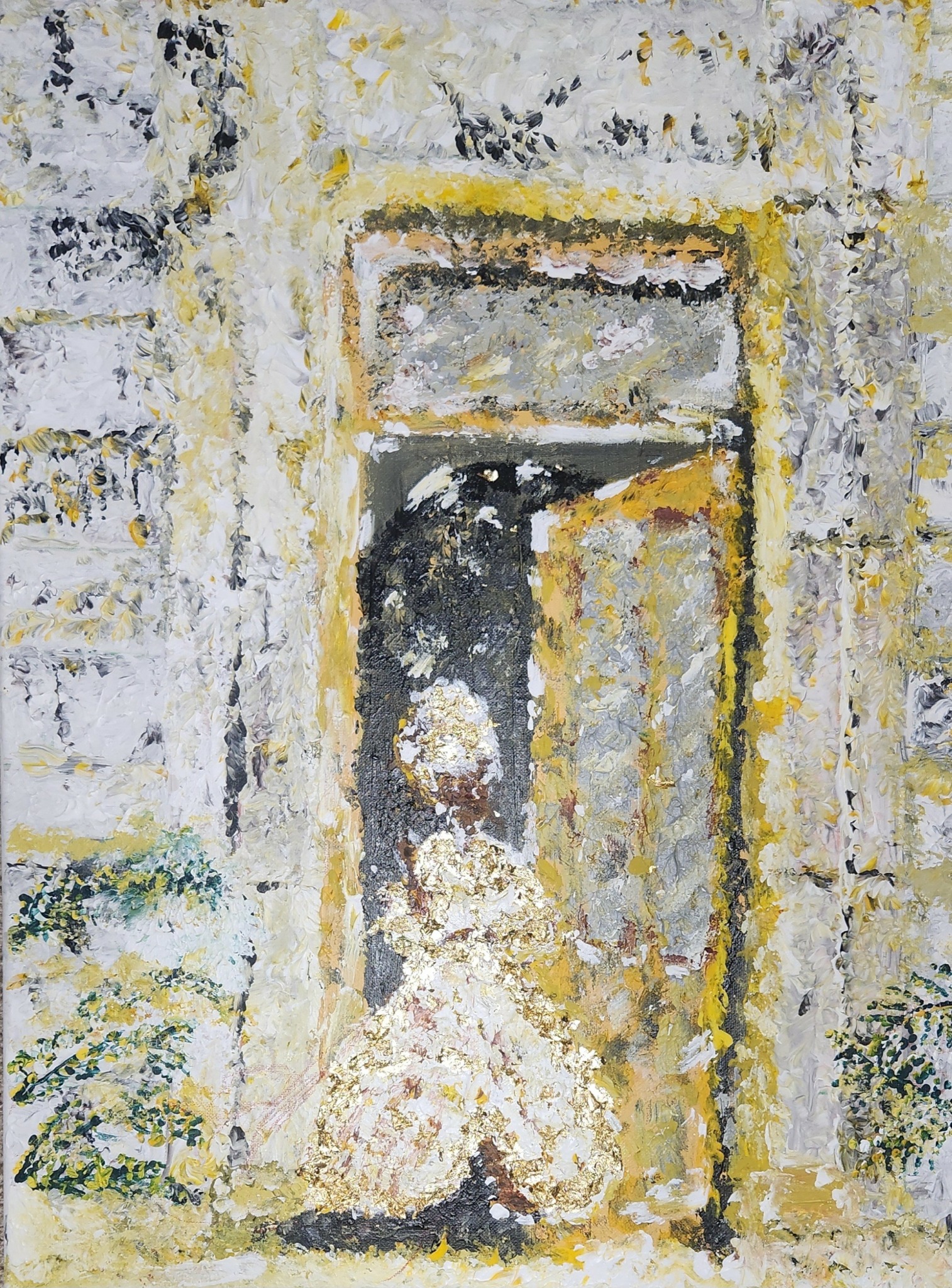
Image Credits
Strawberry dress: Errol “Ajanie” Williams-Photographer
Painting: Tamara Thomas