
We’re excited to introduce you to the always interesting and insightful TAERIM KIM. We hope you’ll enjoy our conversation with TAERIM below.
Alright, TAERIM thanks for taking the time to share your stories and insights with us today. Are you happy as a creative professional? Do you sometimes wonder what it would be like to work for someone else?
I do feel happier as an artist, but I wouldn’t describe it as a simple or constant kind of happiness. It’s more layered than that—there’s a sense of purpose and alignment that I don’t think I could find in a more conventional path, even though it often comes with uncertainty.
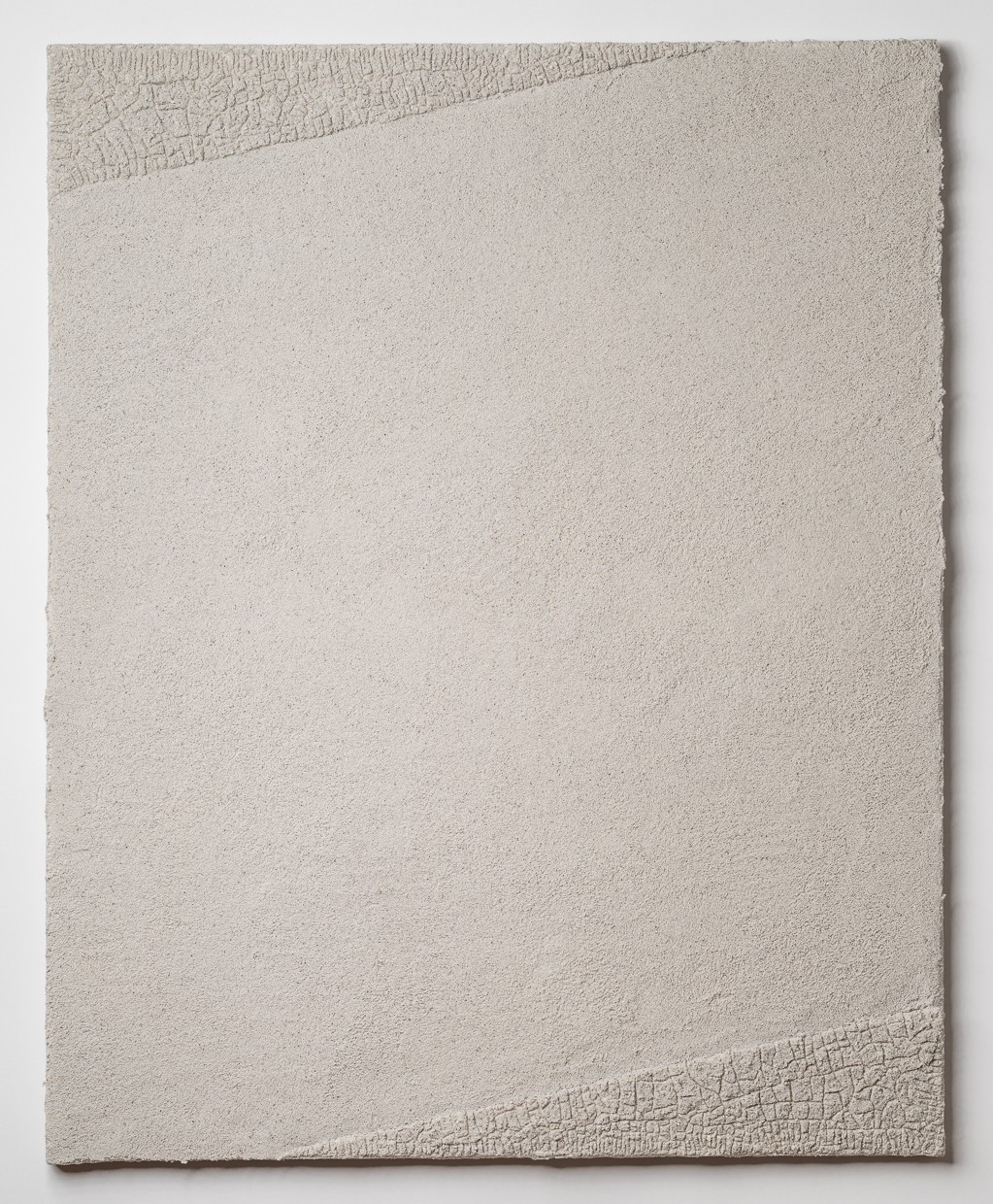
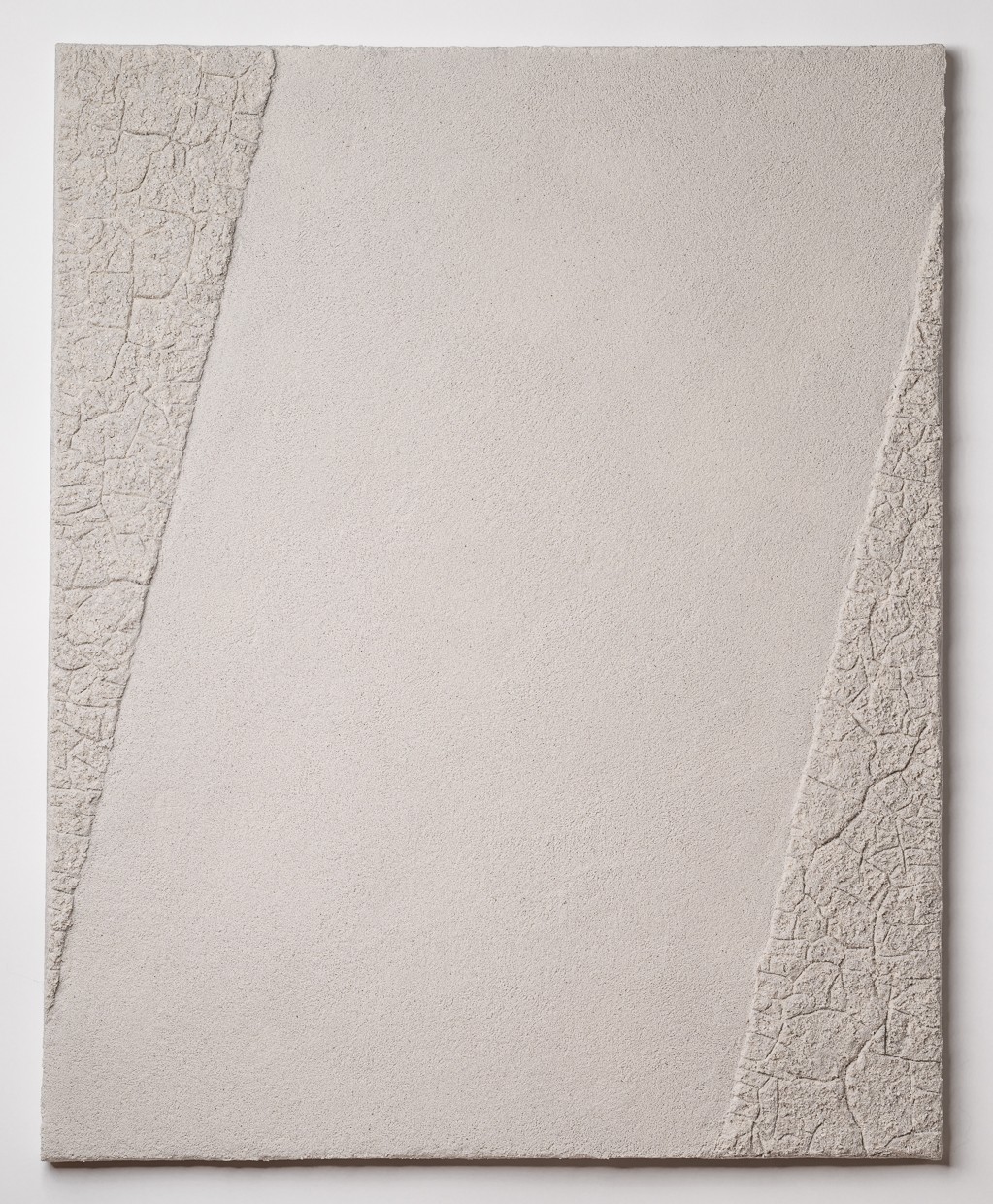
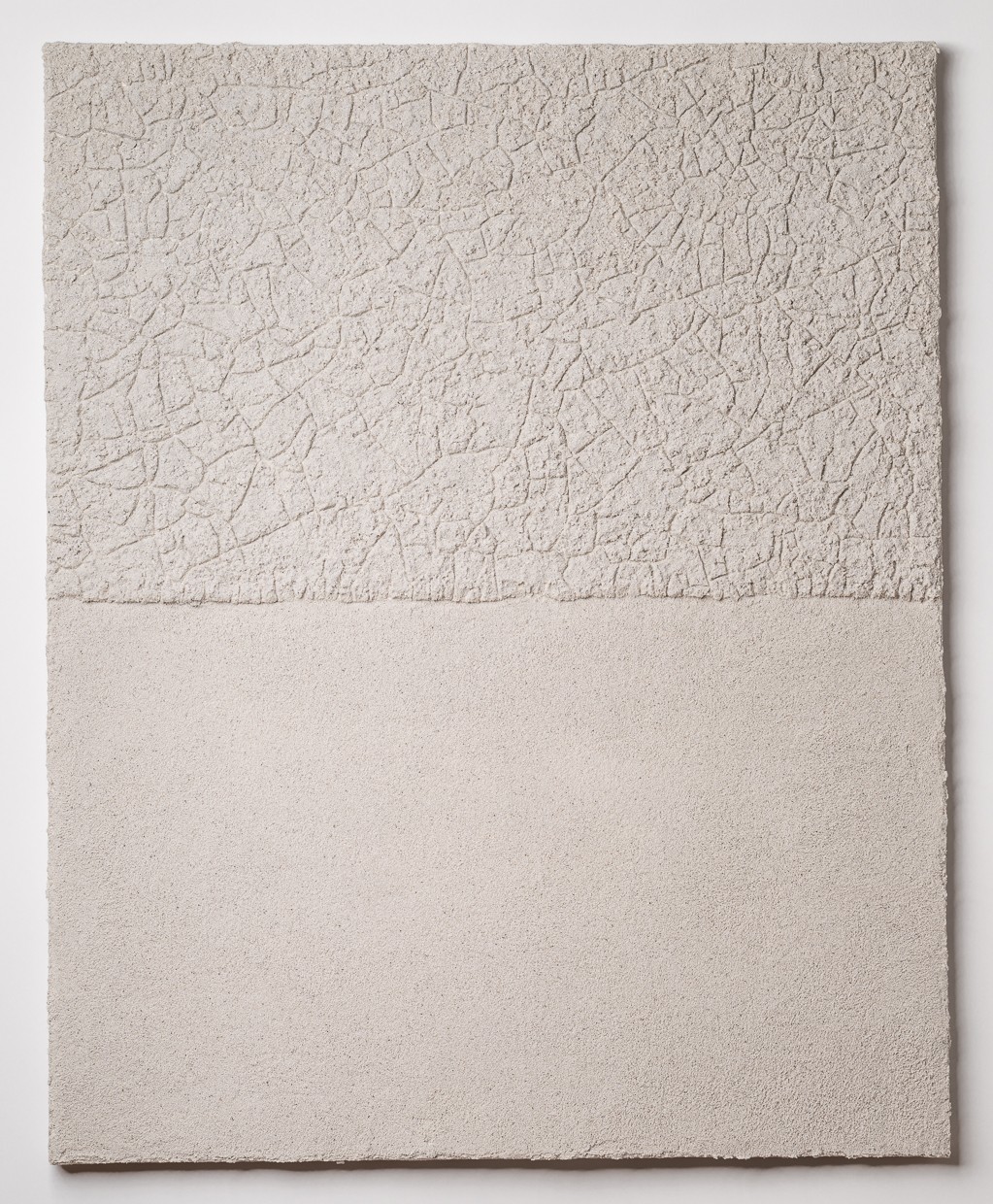
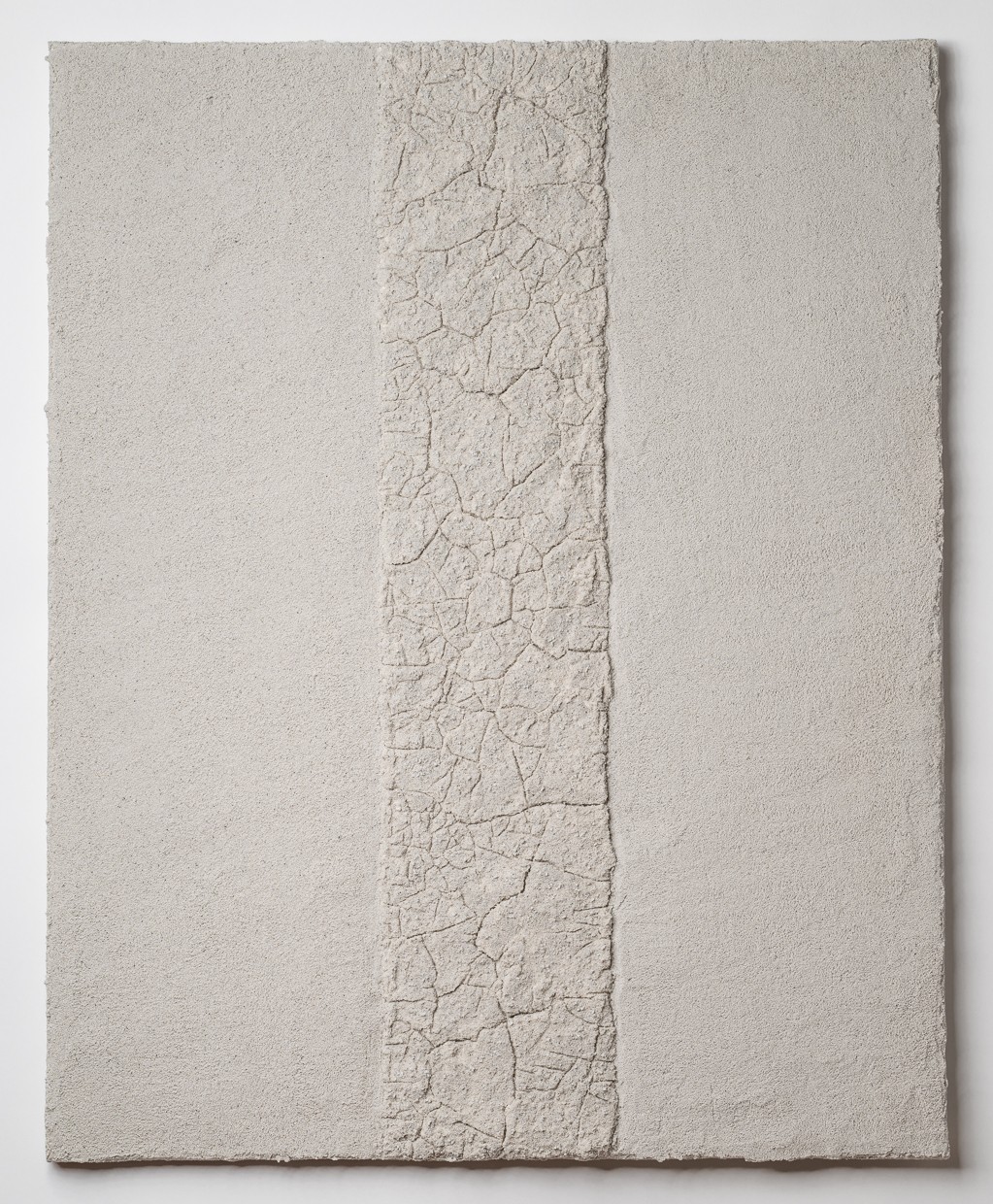
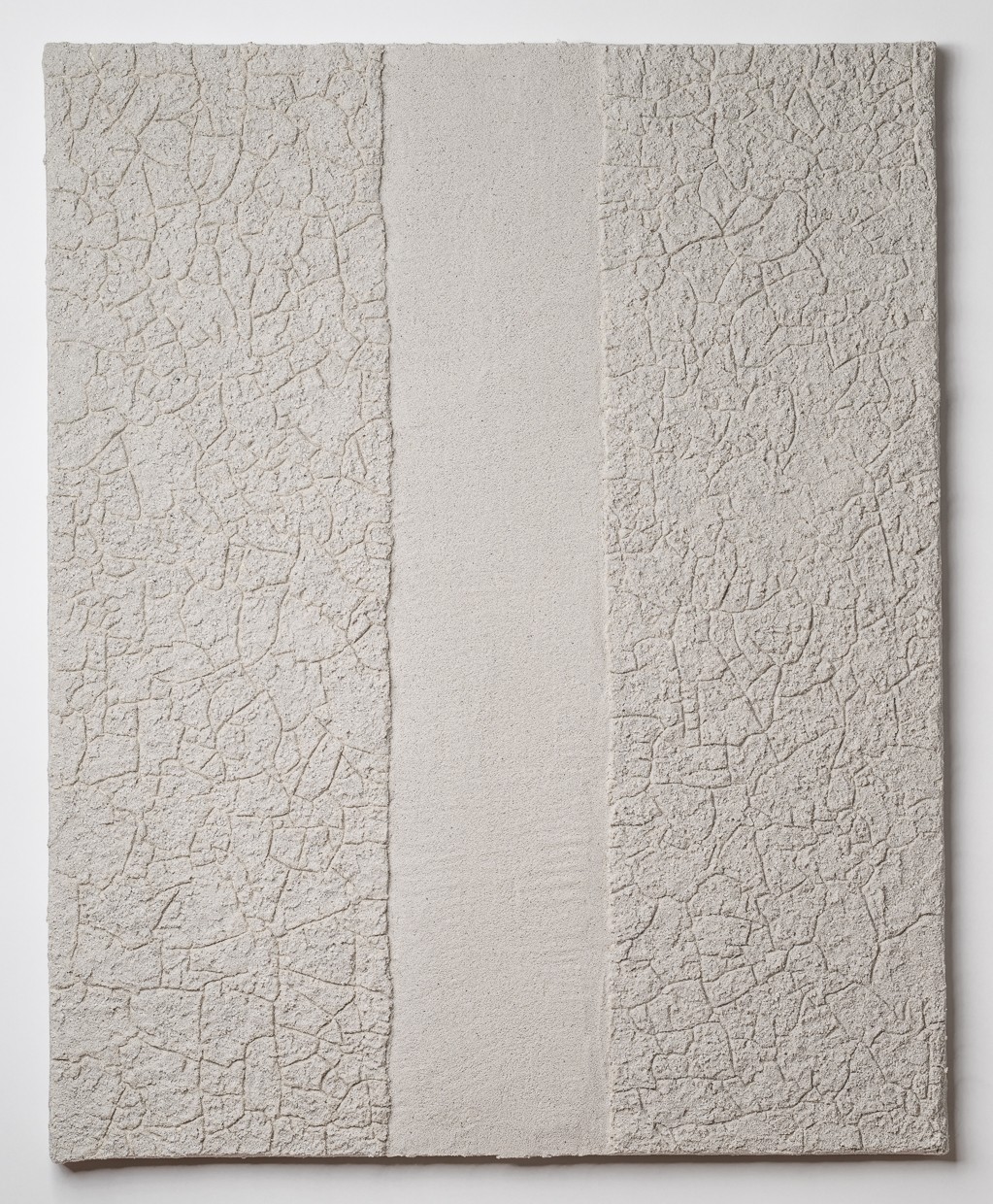
I do sometimes think about what it would be like to have a regular job. The last time that thought really stayed with me was not too long ago, when I had just secured my studio and was in the middle of building a new body of work. Financially, things were tight, and I was spending long hours alone, working through materials that weren’t behaving the way I expected. There was a moment late at night—I remember the space being quiet, covered in dust from the stone powder I had been using—when I wondered what it would feel like to have a more predictable routine. A steady paycheck, clear boundaries between work and rest, and less emotional investment in whether something succeeds or fails.
What made that moment difficult wasn’t just the financial pressure, but the accumulation of small uncertainties—waiting for responses, not knowing how or when opportunities might come, and carrying the weight of believing in something that isn’t always immediately visible to others.
But even in that moment, I realized that what I was really craving wasn’t a different life, but a sense of stability within this one. When I tried to imagine stepping away from my practice entirely, it felt like a kind of disconnection—from my history, from my way of processing the world, and from the reasons I began making work in the first place.
So I don’t think the conclusion was that I want a different path. It was more about recognizing the need to build a more sustainable structure around the life I’ve already chosen—whether that means teaching, collaborating, or finding other ways to support the practice without losing its core.
In that sense, the question itself has become less about choosing between two lives, and more about how to make this one livable, durable, and honest.
TAERIM, before we move on to more of these sorts of questions, can you take some time to bring our readers up to speed on you and what you do?
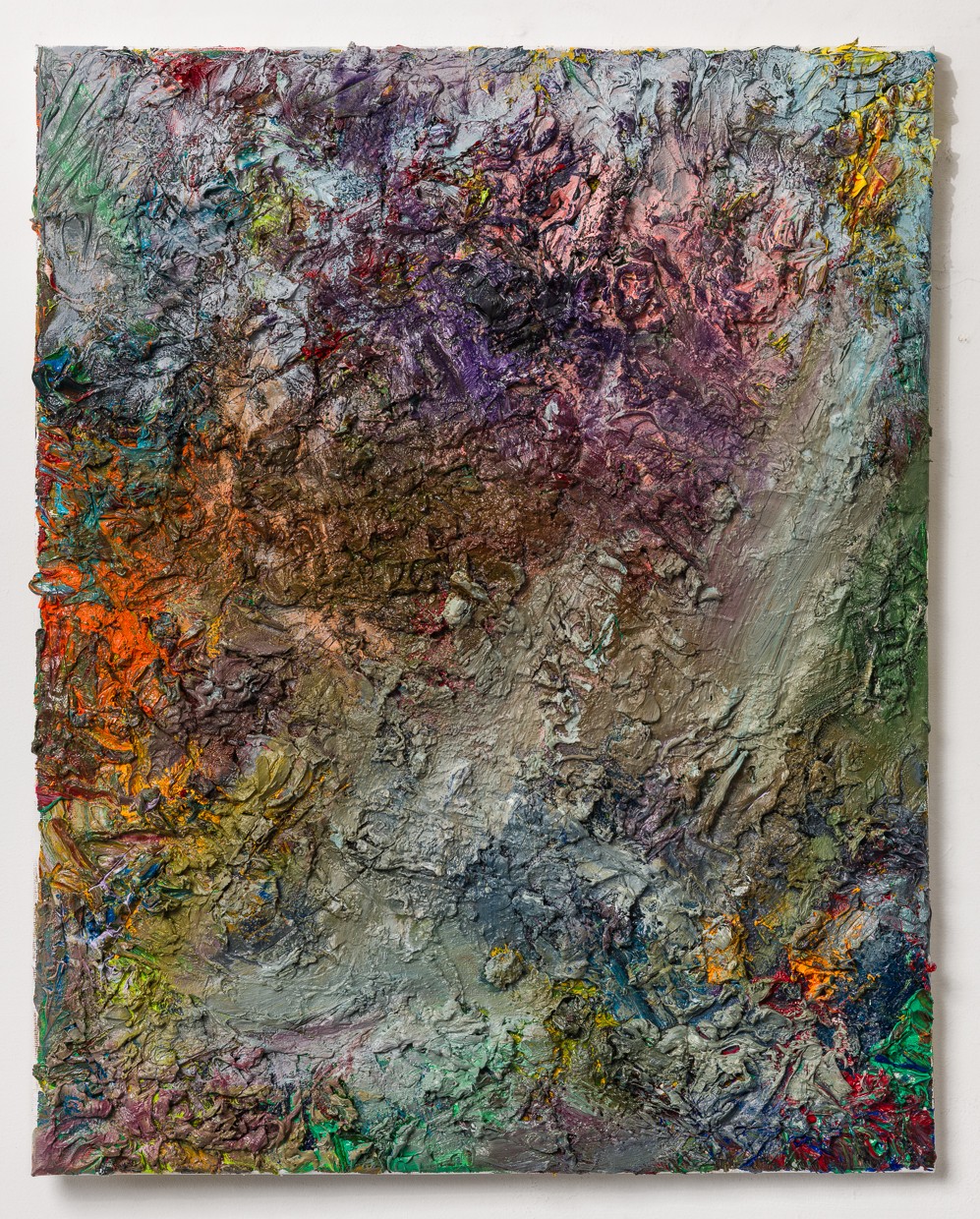
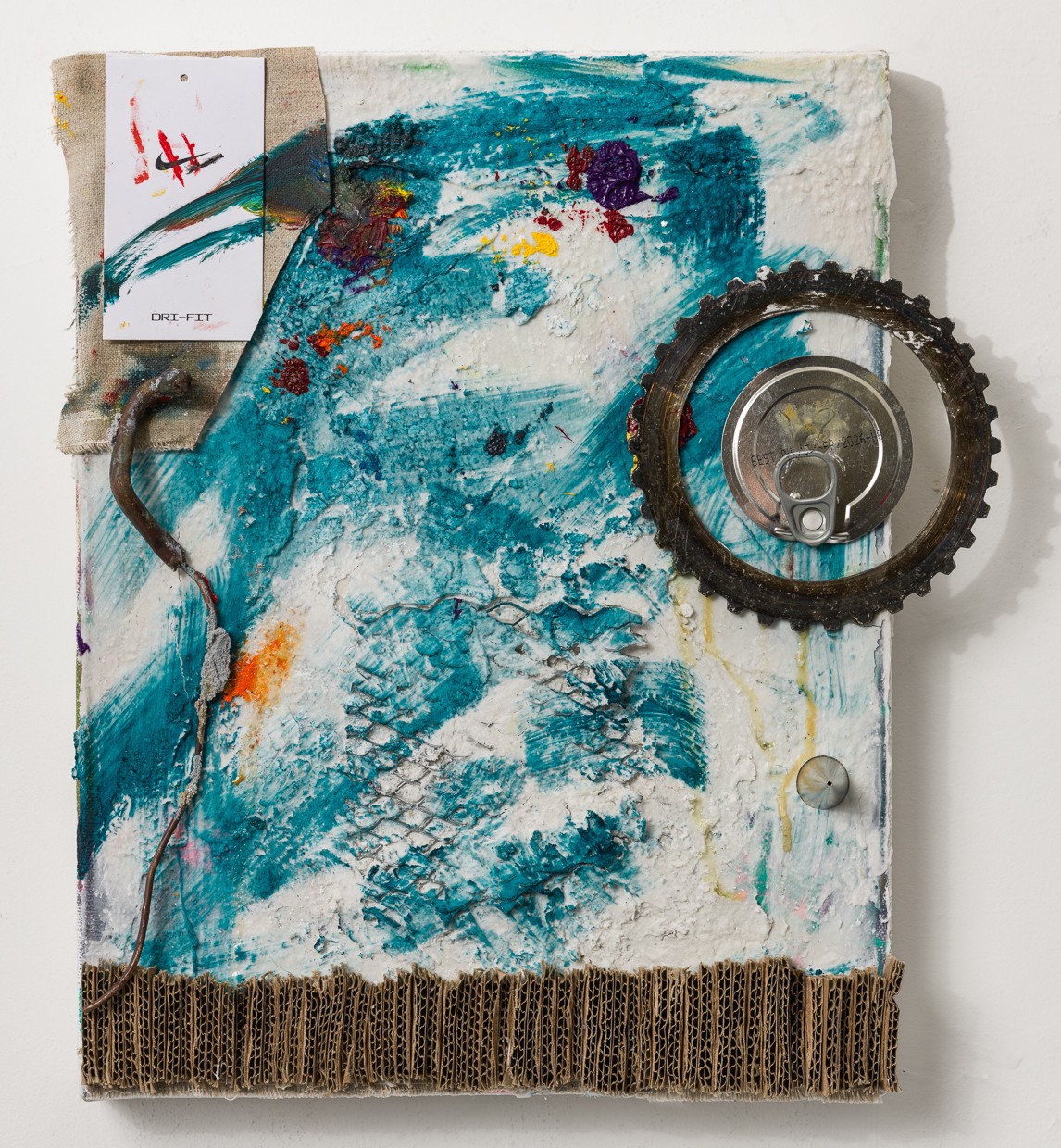
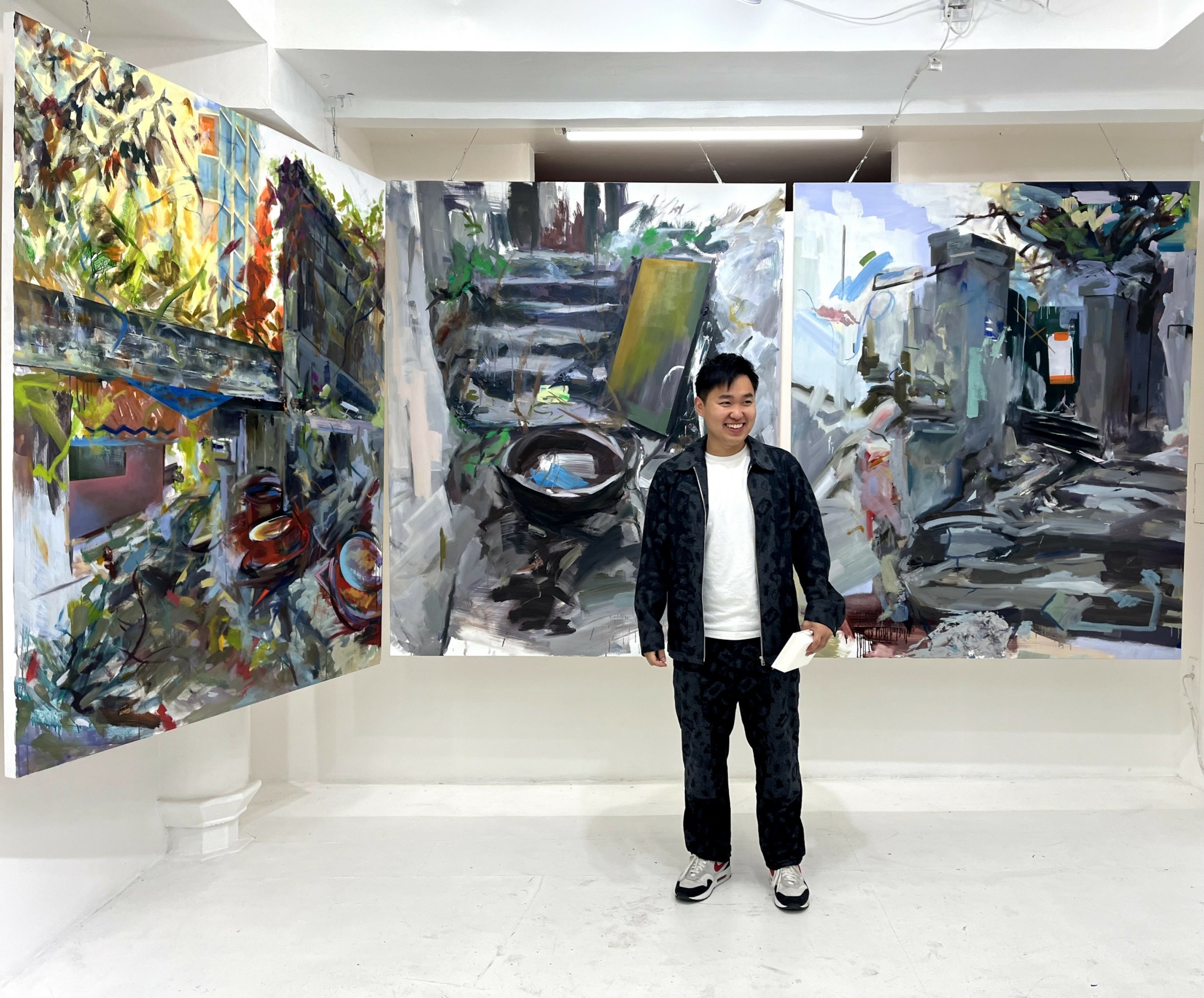
I am a New York–based painter and mixed media artist. My recent work explores themes of impermanence, solitude, and the emotional weight of overlooked spaces, often as a reflection of my own internal landscape.
In an earlier body of work, I focused on Geumho San, my hometown in Seoul—a gray, desolate place that once held personal meaning for me but gradually came to represent impermanence. In many ways, that landscape became a quiet metaphor for how I understood myself at the time: something shifting, uncertain, and difficult to hold onto.
After moving to New York, I began paying closer attention to what naturally drew my gaze. I found myself consistently returning to spaces that felt similarly quiet and overlooked—areas that seemed to be fading, neglected, or in transition. These are places that people often pass without noticing, yet they carry a subtle emotional presence that resonates with me.
This sensibility is closely tied to my personal history. After graduating from university, many of my earlier relationships faded, leaving me with a sense of disconnection. I also often think back to my parents’ initial opposition to my decision to pursue art. They understood the uncertainty and difficulty of that path. At the time, I struggled within the rigidity of the Korean education system, particularly the intense pressure to enter a prestigious university. I found it difficult to relate to subjects like math and science, and instead was drawn to drawing—especially images from books—which felt like a more intuitive and necessary form of engagement with the world.
Over time, however, I came to understand that my experience is not singular. Since moving to New York, I have encountered people from a wide range of cultural and personal backgrounds, each carrying their own forms of struggle, displacement, and resilience. This realization shifted my perspective: hardship is not exceptional, but universal. It is something that quietly connects us all.
This understanding has led me to incorporate visual elements such as muted gray tones, emptiness, and fractured or fleeting forms that suggest the instability of the human unconscious. Through painting and mixed media, I attempt to create spaces that hold these tensions—between presence and absence, permanence and disappearance—allowing the work to remain open, unresolved, and reflective of a shared human condition.
What’s the most rewarding aspect of being a creative in your experience?
For me, the most rewarding aspect of being an artist is the ability to translate personal experiences, emotions, and observations into tangible forms that can resonate with others. Creating work allows me to explore complex feelings—such as vulnerability,
resilience, and impermanence—in ways that words alone cannot express.
What makes this especially meaningful is when viewers engage with my work and find their own reflections within it. Seeing someone connect with a piece, whether it evokes memory, empathy, or understanding, affirms that these explorations are not just personal, but shared.
Ultimately, the greatest reward is the freedom to process, communicate, and hold space for human experience through my art. It’s both a deeply personal journey and a way to bridge connection with others, making the act of creation profoundly fulfilling.
In your view, what can society to do to best support artists, creatives and a thriving creative ecosystem?
In my view, society can best support artists and creatives by recognizing the value of creative work not only economically, but culturally and socially. This means providing fair opportunities for funding, residencies, and exhibitions, but also creating an environment where creative labor is respected, accessible, and sustainable.
Beyond financial support, fostering a thriving creative ecosystem requires education, mentorship, and open platforms for dialogue—spaces where artists can share ideas, experiment freely, and connect with diverse audiences.
Ultimately, supporting artists is not just about sustaining individual careers, but about cultivating a society that values imagination, empathy, and the critical perspectives that art brings to our shared human experience.
Contact Info:
- Website: https://www.taerimkim.com
- Instagram: zt_ry0