

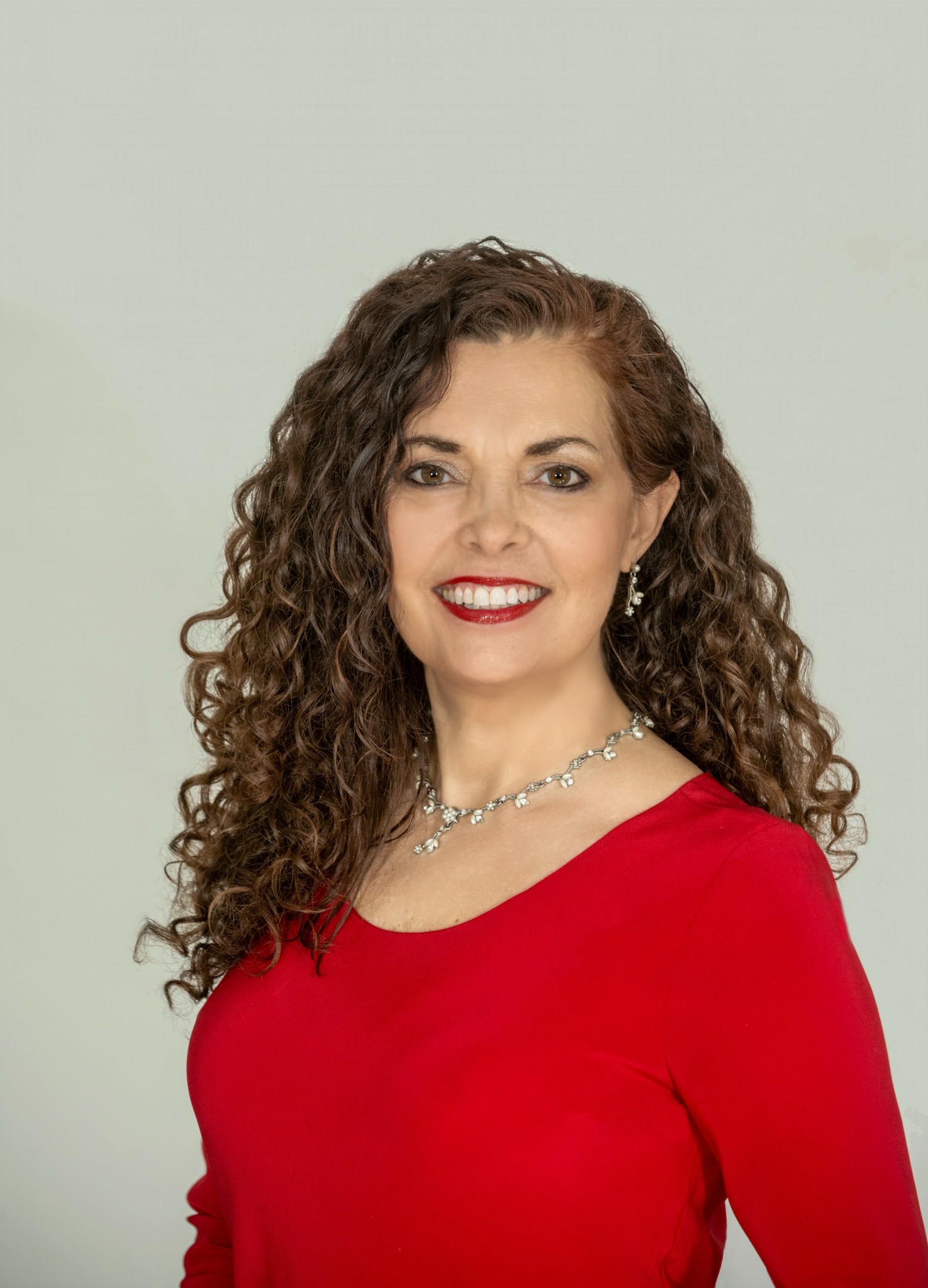

We’re excited to introduce you to the always interesting and insightful Susan Rich. We hope you’ll enjoy our conversation with Susan below.
Susan, looking forward to hearing all of your stories today. We’d love to hear the backstory of how you established your own practice.
After graduating medical school at the University of North Carolina at Chapel Hill, I moved to the greater Washington, DC metro area for a psychiatry residency at Georgetown University Medical Center and a child/adolescent psychiatry fellowship at Children’s National Medical Center. The unpredictable, long commute in the metropolitan area led me to seek out mentorship from psychiatrists with home offices to learn how to set up my practice in a residential setting to avoid commuting. While it allowed for a number of benefits, including writing off a portion of my mortgage, utility bills, and office renovations, there were a number of challenges. Fortunately, my husband at the time and I were able to find a modest home with a separate entrance and, with minimal remodeling, we were able to add an extra door to the side porch to allow patient entry and exit through separate doors. Permitting was fairly straightforward, and I operated the practice as a sole proprietorship for the first 9 years while I was paying off my student loans. Running a psychiatric practice out of a home office meant that I needed to be fairly selective with the patients I chose in order to avoid safety concerns for myself or my family.
Knowing what I have learned over these nearly 19 years in private practice, I most certainly would not take any patients who were recently admitted to the hospital for sucidal thoughts or actions. For the most part, I was careful not to take psychiatrically fragile patients because of a lack of staff for back up in case of an emergency. The one time I did not follow this plan, the situation snowballed, leading to a less than optimal outcome for the patient and a very risky situation for my practice. Despite the risk, I would most certainly encourage any young professional considering private practice to consider purchasing a home with a separate office in order to avoid high costs of renting space. I would recommend that they stay in the same place for the long term rather than bouncing between temporary or locum tenens work to “boost” their income. In order to grow a practice, one should spand time cultivating relationships with referring doctors and other health care providers.

Awesome – so before we get into the rest of our questions, can you briefly introduce yourself to our readers.
In April 1992, I was working in pharmaceutical research for a company in Research Triangle Park, NC and read a book called “The Broken Cord” recommended by a post doctoral fellow at Cornell University Medical Center where I was monitoring a clinical trial. The book is a semi-autobiography of a Native American anthropologist that adopted three Native Americh children with a condition called Fetal Alcohol Spectrum Disorder (FASD). The heart-wrenching memoir describes the author, Michael Dorris’s. journey of understanding the cause of his oldest son’s intellectual, physical, and emotional challenges. What struck me about the book was its description of prenatal alcohol exposure as the leading cause of intellectual disability and other neurodevelopmental problems as eartly as the first few weeks after conception – well before most women know they are pregnant. Before reading The Broken Cord, I had not known that it is the late third to early fourh week post conception that the major malformations (birth defects) known as “Fetal Alcohol Syndrome,” or FAS, occur with as little as 4-5 drinks over the course of an evening. I thought to myself, “If I didn’t know this with my Bachelor of Science degree in microbiology, what about my sister who worked in a furniture factory or other young women working in fast food., restaurants, bars, and other minimum wage jobs?” This hidden secret about alcohol (that even relatively moderate drinking early in pregnancy or at any point) eventually led me to leave my position in pharmaceutic research to attend the University of North Carolina for a Master of Public Health. Being the first person to attend college, attending graduate school was a major life decision – taking out student loans to achieve this academic goal.
Before, during and after public health school, I wrote grants and developed programs to teach Native American women preceonception health using culturally relevant health approaches. Planning for the 7th Generation was a project sponsored by the March of Dimes of North Carolina that led to an AmeriCorp program teaching lay health advisors to educate Native American high school students in Robeson County, NC about preconception health, family planning, and FASD prevention. During medical school at the University of North Carolina years later, I replicated the program in the Navajo area of Indian Health Service in collaboration with Navajo Family Health, the Arc of New Mexico and Arizona, and the March of Dimes of New Mexico,
The project I am most proud of is Grace Court, a 24=apartment unit transitional housing community for women in recovery to be reunited with their dependent children from foster care to be able to raise them with support for two years before moving into a more permanent residence. The program allows the women to work or be in school while receiving services, parent training, and support in an on-site community building built with a $300k grant from the US Department of Housing and Urban Development Special Needs Homeless Housing. The total cost of the project was $1,8 million. It has been replicated 7 times in the state of North Carolina. One of the original residents of Grace Court is now its director.
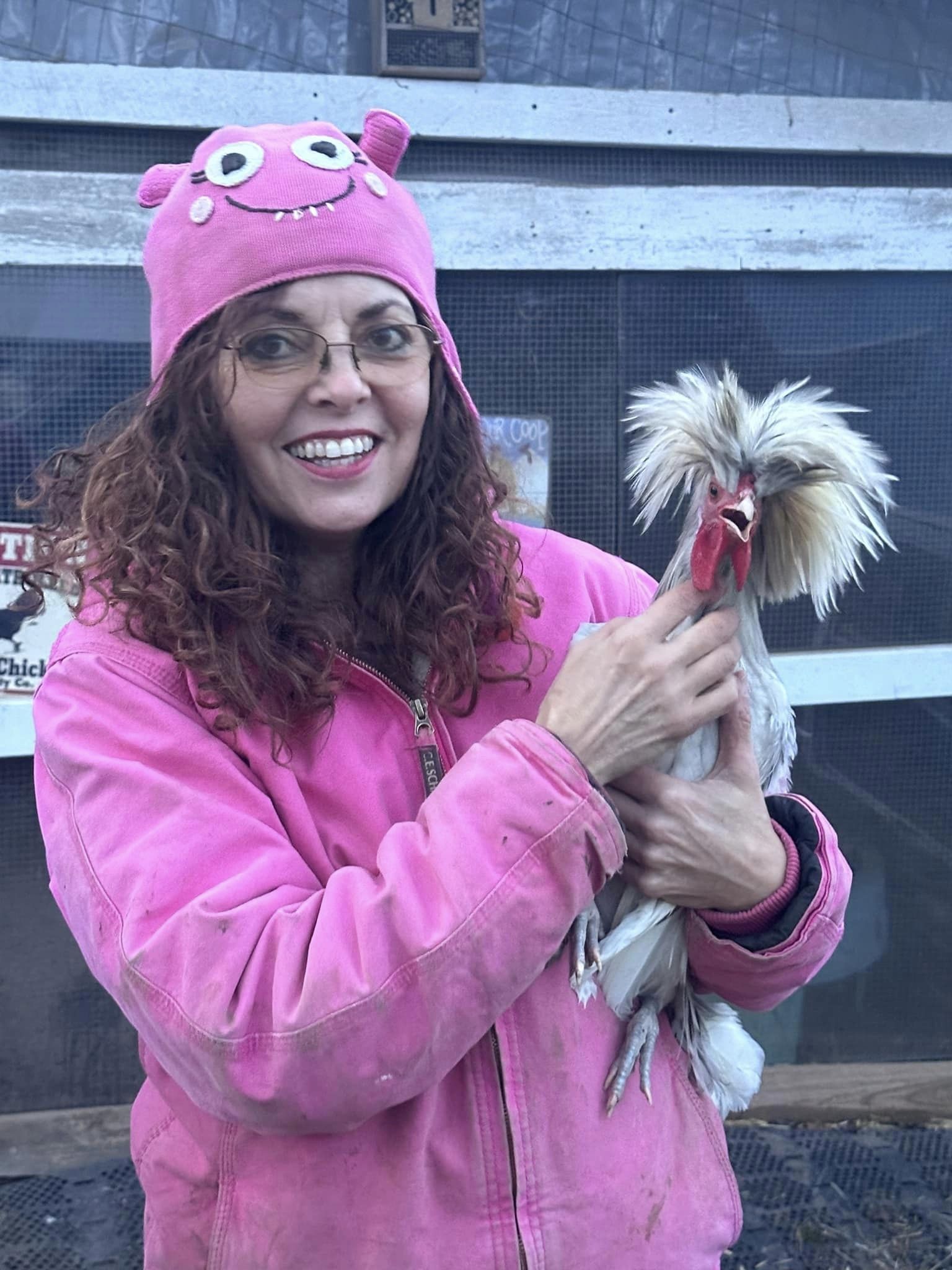
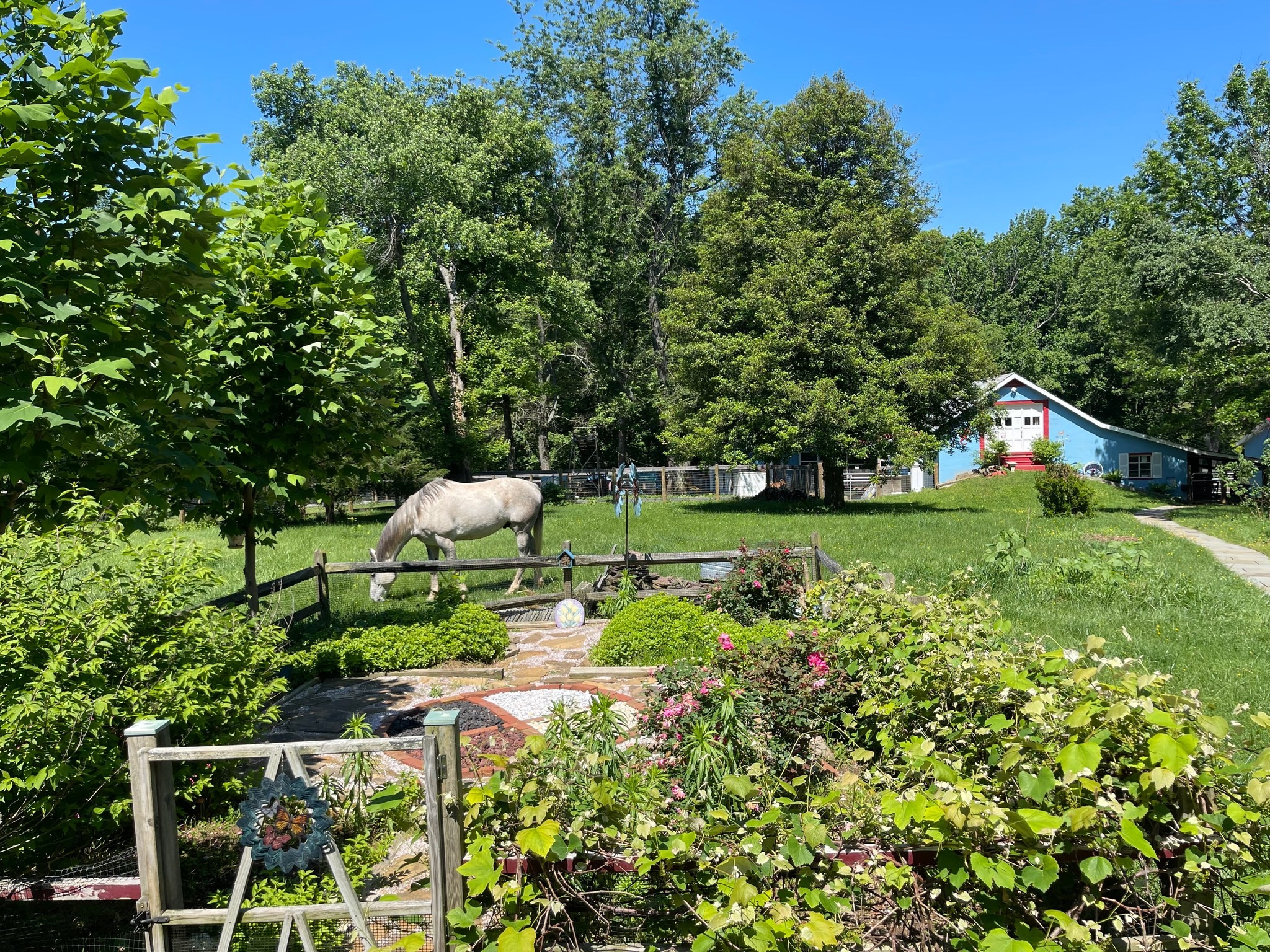
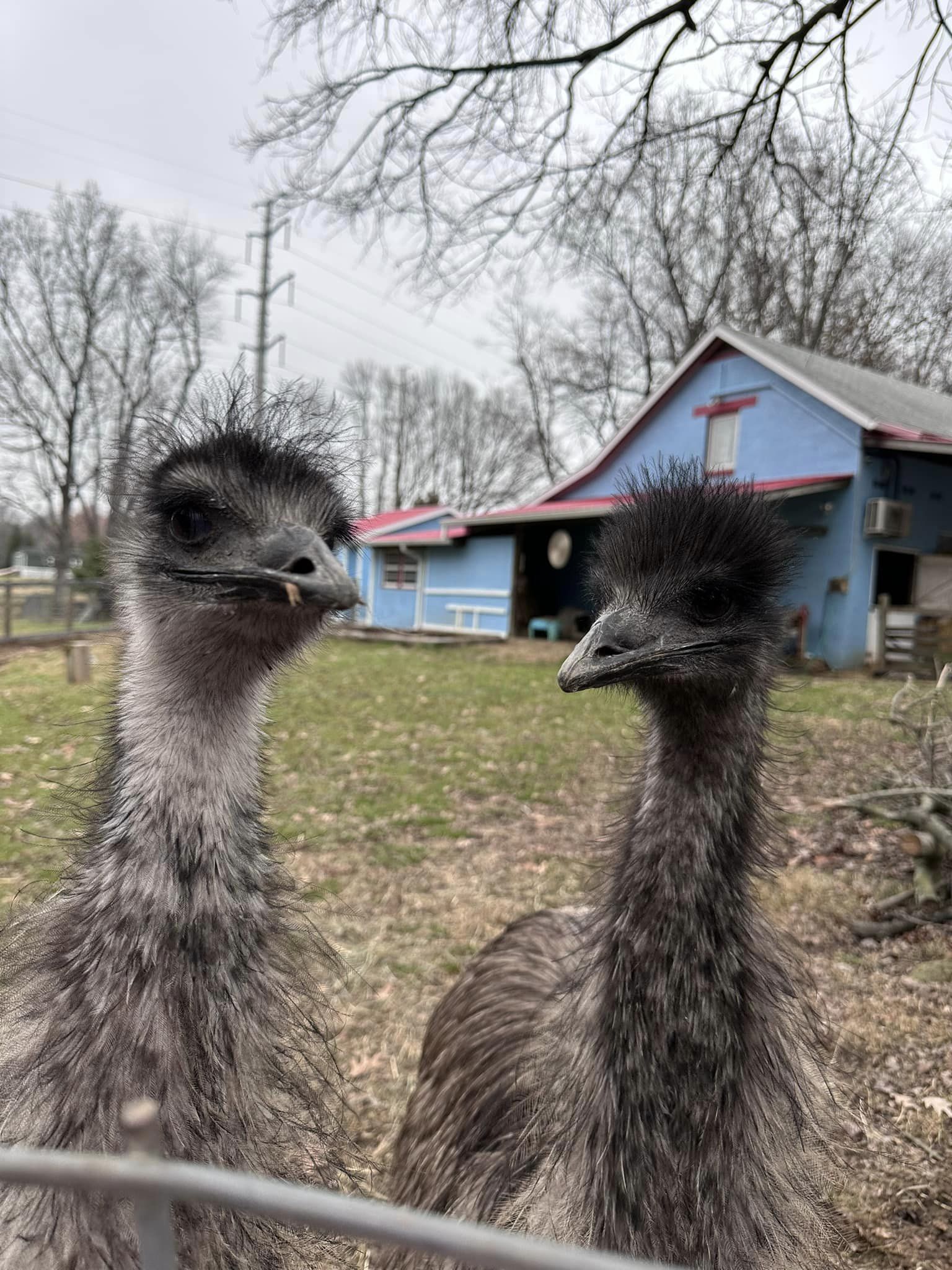
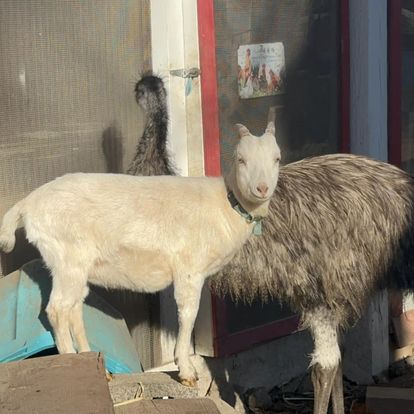
After graduating medical school in May 2001, when I moved to Maryland to begin my psychiatry residency, I was inspired by the beautiful equine horse country, envisioning a lovely farm for neurodiverse children and adolescents to find a sense of community and belonging Because community-based programs are limited for individuals with FASD and autism spectrum, the farm would be a place for meaning and purpose – often illusive for neurodiverse adolescents and young adults who have social communication and life skills challenges making it difficult to find their “tribe” and feel they are contributing to the community. After completing residency at Georgetown (2001-04), child/adolescent fellowship at Children’s National (2004-06), then paying off my student loans for the first 9.5 years of my private practice (2006-2015), I established a nonprofit, 7th Generation Foundation, Inc., in June 2014 and purchased a 6.43 acre farm in May 2016 to begin developing an inclusive green care farm animal sanctuary – Dream Catcher Meadows.
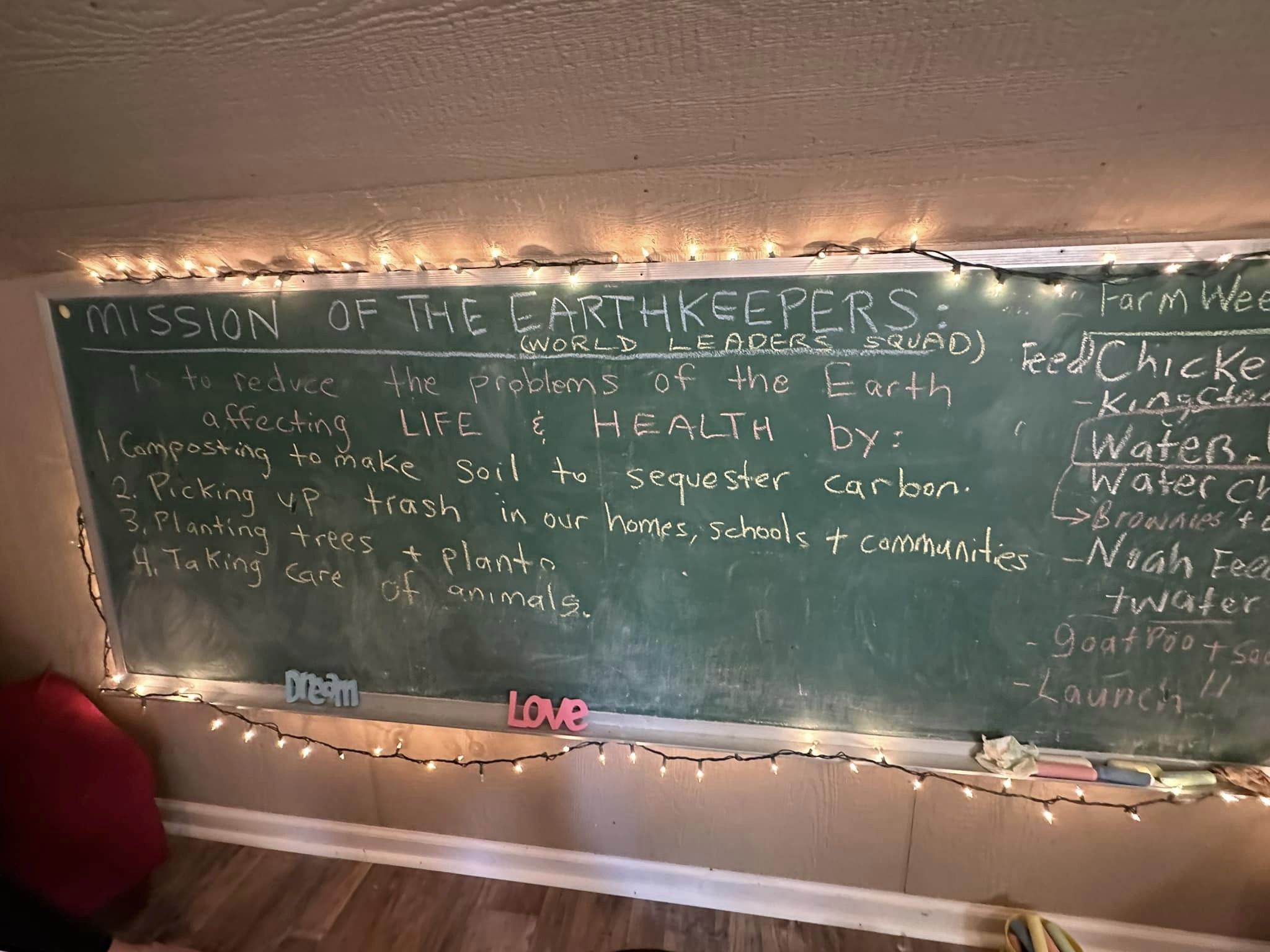
In the 2018 Maryland Legislative session, Senator Brian Feldman and our current Lt. Governor, Aruna Miller, co-sponsored a $50,000 bond bill, a state grant for capital improvements on the farm (replacing the 5.43 acres of pasture and paddock fencing) to make the farm more hospitable and safe for visitors and the animals. The Montgomery County Council awarded Dream Catcher Meadows two matching $25k community grants in 2018 and 2019 to replace all the roofs and gutters, and to rehabilitate and expand the existing animal shelters. Over the years, we have also put a fully-functional studio apartment with a full bathroom and kitchen that serves as the “Clubhouse” for our educational program, Earthkeepers Kinder Farming, meetings, and as a meeting place for program participants and volunteers. More recently, we have converted a horse-washing and storage shed into a Welcome Center complete with an ADA-compliant bathroom (with an incenerator toilet and urinal that drains into the pumpkin patches). a reception area, and a private office for a program director. We often host community civic organizations (scouting troops, church groups, schools, etc.) for single or long-term programs focusing on agricultural sustainability, environmental science, and one health (the idea that our human health is inextricably linked to environmental health).
In 2015, I was awarded both Distinguished Fellow in the American Psychiatric Association and Potomac Citizen of the Year by the Potomac Chamber of Commerce – perhaps the award I am most proud of. In 2016, my book was published = The Silent Epidemic: A Child Psychiatrist’s Journey beyond Death Row. The book is my own personal, professional and clinical perspectives about Neurodevelopmental Disorder associated with Prenatal Alcohol Exposure (ND-PAE), the diagnostic term for FASD.
Putting training and knowledge aside, what else do you think really matters in terms of succeeding in your field?
Intuition and empathy are important qualities for a child psychiatrist and public health entrepreneur. While remaining in a mindful/calm mood state, the psychiatrist uses these skills to illuminate and understand what a person is experiencing. Likewise, a public health entrepreneur uses similar intuitive and empathic skills to understand and create solutions to societal problems affecting life and health. Intuition is partly innate and partly garnered from years of training and a lifetime of education. Interpreting and responding to one’s own intuitive signals is developed over time while collecting information from perception (sensory processing), visual/spatial skills, recollection of stored memories, interpreting social cues. Empathy allows an indirect understanding of another person’s experience and internal feelings by picking up on a variety of nonverbal cues – such as tone, frequency and volume of the voice; facial expressions (e.g., social smile, eye widening or narrowing, eyebrow furrowing); posture and hand gestures; rate and depth of the breath; and quality of eye contact. Training and education help a psychiatrist refine intuition and empathy to improve one’s ability to understand people’s perspectives and problems.
How about pivoting – can you share the story of a time you’ve had to pivot?
In January 1994, I left a position as clinical research associate in clinical neurosciences at Burroughs Wellcome Company (BWCo), a pharmaceutical company in Research Triangle Park, NC. In April 1992, I had read the Broken Cord by Dr. Michael Dorris, which led to my beginning a Master of Public Health part time at the University of North Carolina School of Public Health in order to promote awareness about prenatal alcohol exposure. For nearly two years prior to leaving the position with BWCo, I had started speaking and presenting about preconception health and Fetal Alcohol Spectrum Disorder (FASD) at Native American festivals and pow wows. This work led to writing a grant to the March of Dimes of North Carolina to develop a training brochure – “Planning for the 7th Generation: A Preconceptional Guide” based on Iroquois cultural themes such as the Medicine Wheel and Dream Catchers. At the time, I was also taking classes toward alcohol and other drug abuse (AODA) prevention certification and hoped to attend a week-long prevention program hosted by the North Carolina Governor’s Institute on Alcohol and Substance Abuse. My immediate supervisor at BWCo told me I was unable to use my vacation leave time to attend a course and told me that I needed to leave my position and focus on my education or set aside the idea of the advanced AODA certification. I elected to leave the position in clinical neurosciences to attend graduate school in public health full time so that I would be a more successful change agent in that field.
Contact Info:
- Website: www.susandrich.com and www.prenatalalcoholexposure.com
- Instagram: @officialdreamcatchermeadows
- Facebook: https://www.facebook.com/SusanDRichMD and https://www.facebook.com/TheDreamCatcherFarm
- Linkedin: SusanDRichMDMPH
- Youtube: https://www.youtube.com/@thesilentepidemicofprenata2586
- Other: www.bettersafethansorryproject.wordpress.com
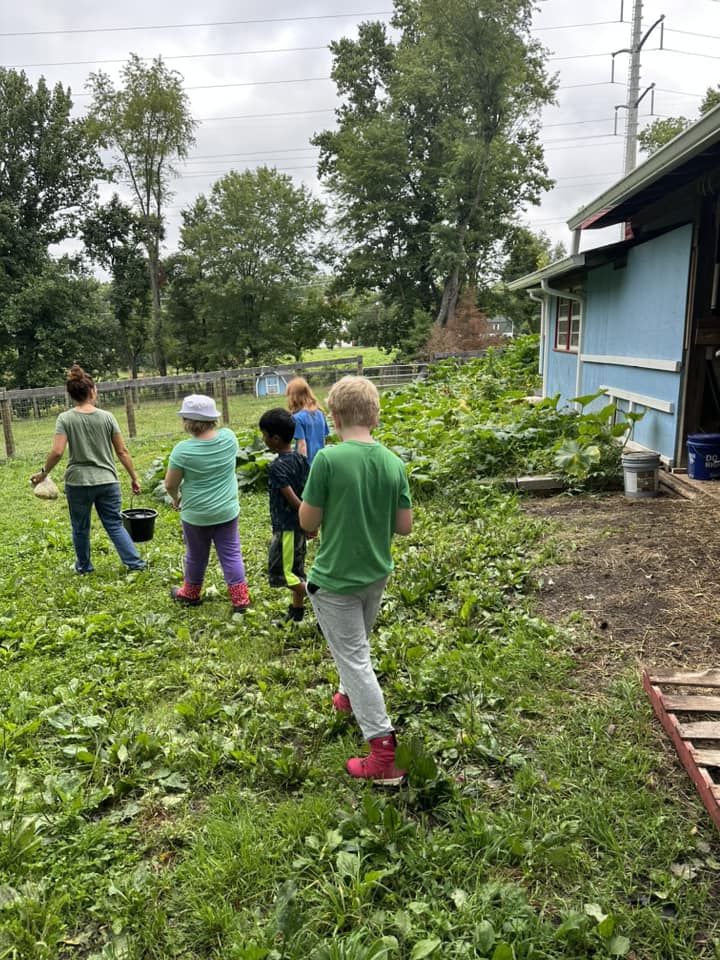
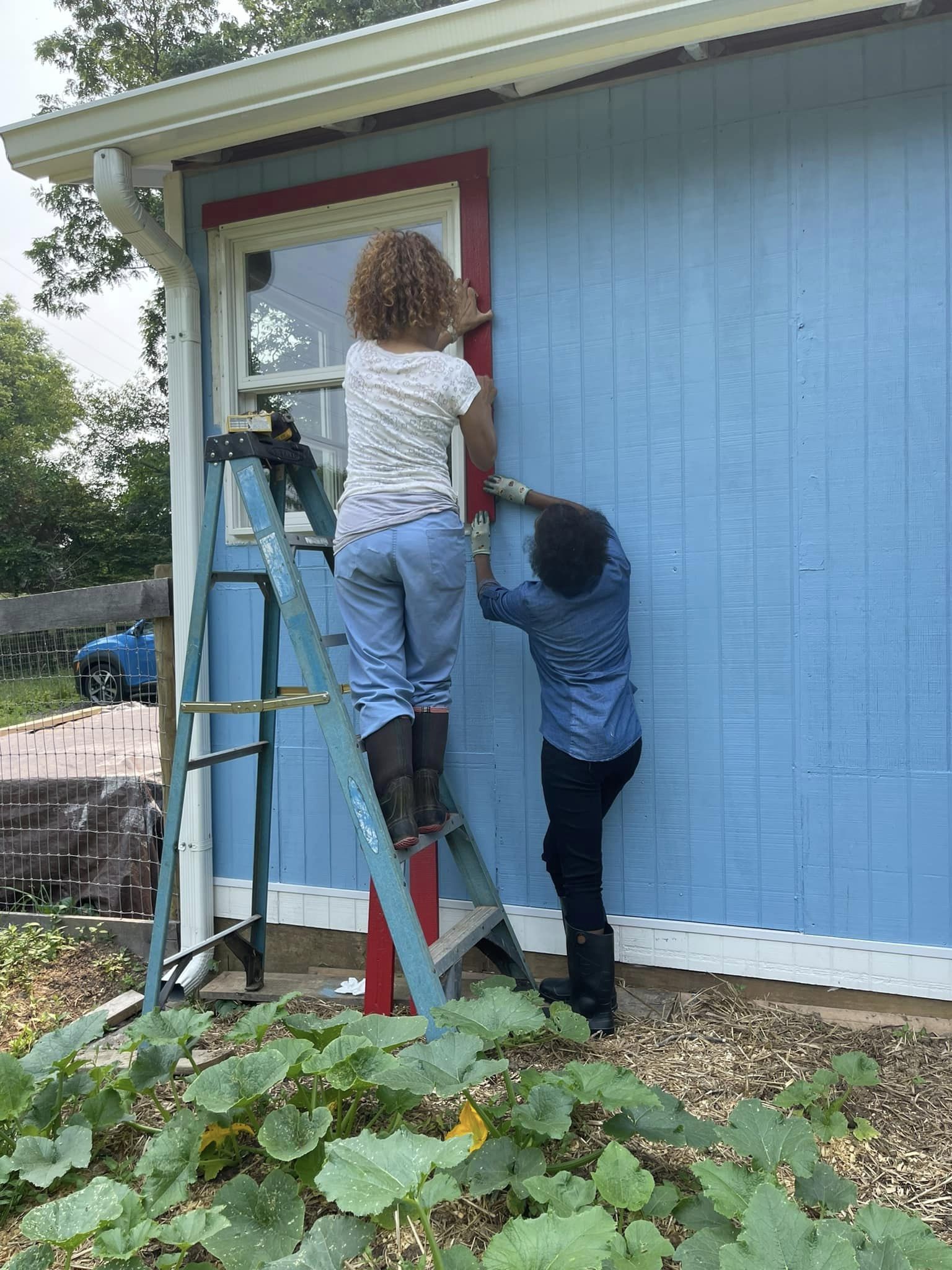
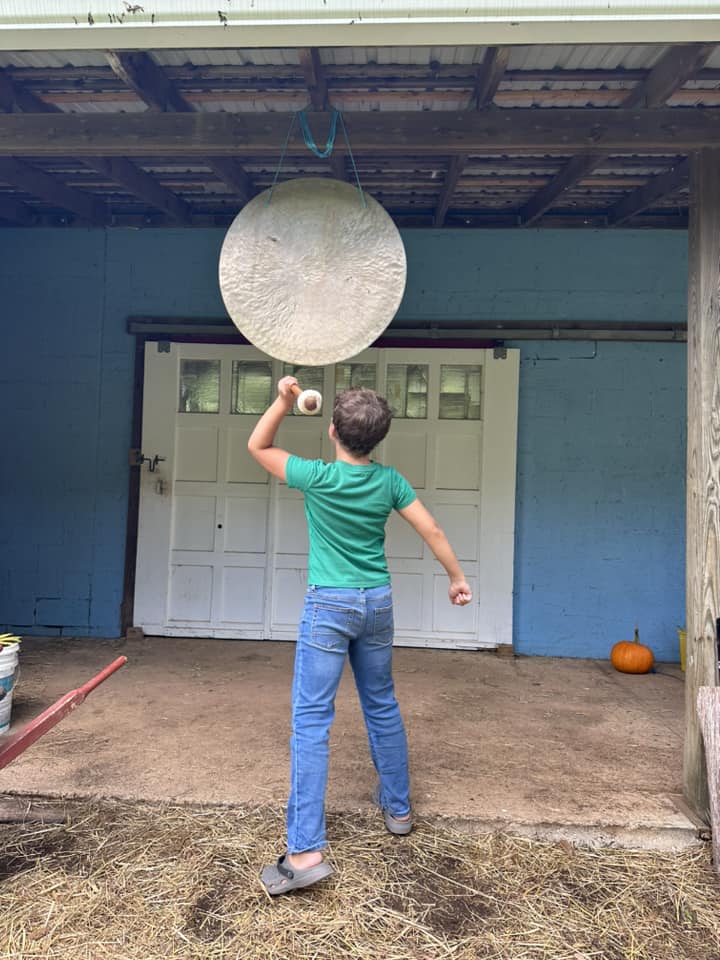
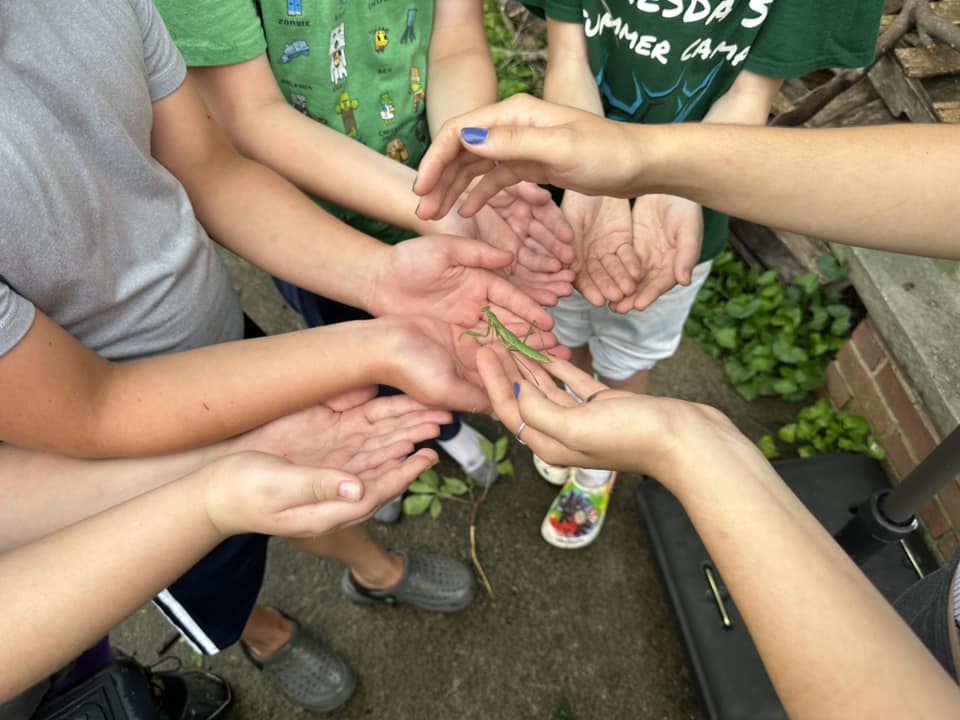
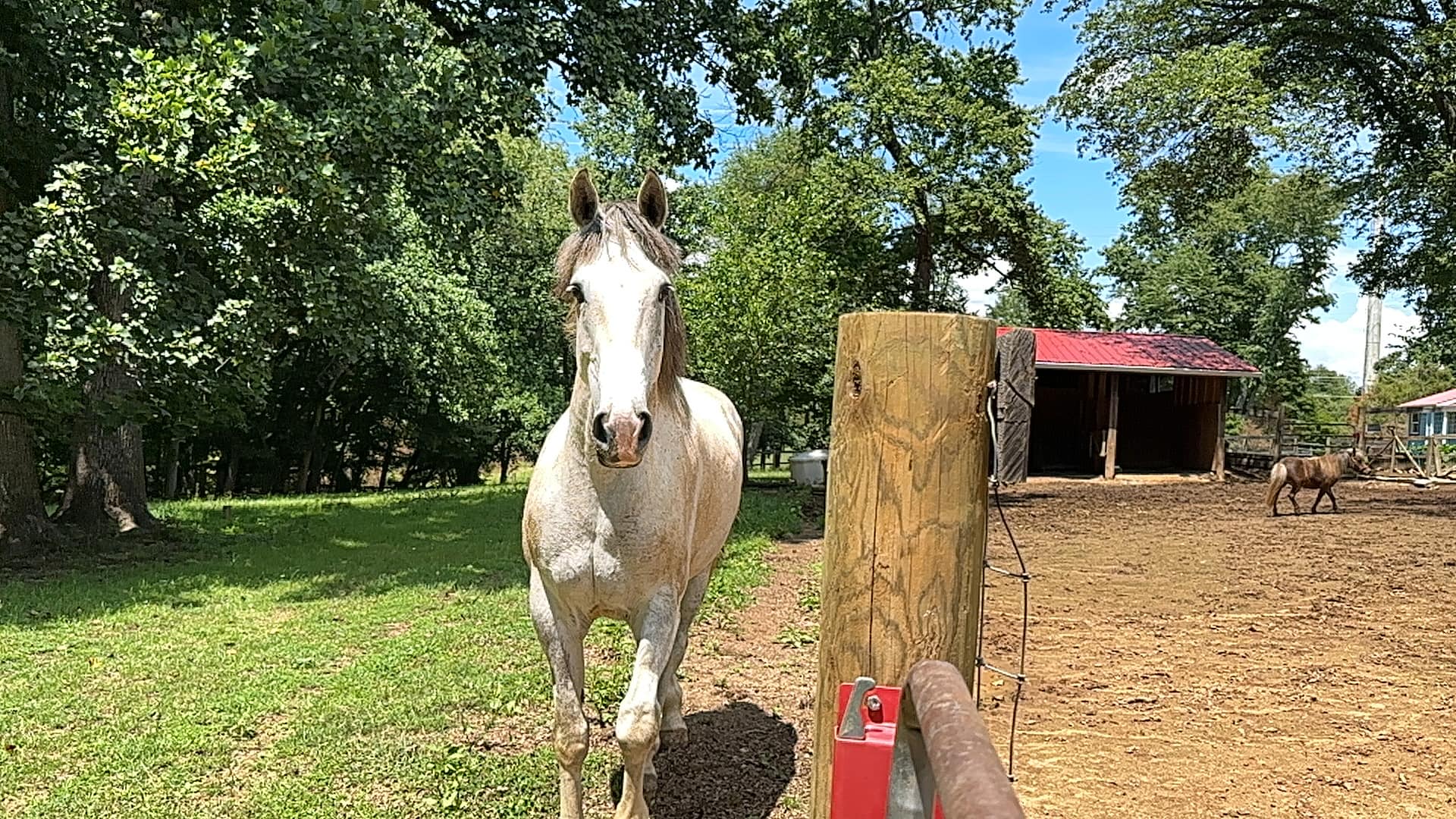
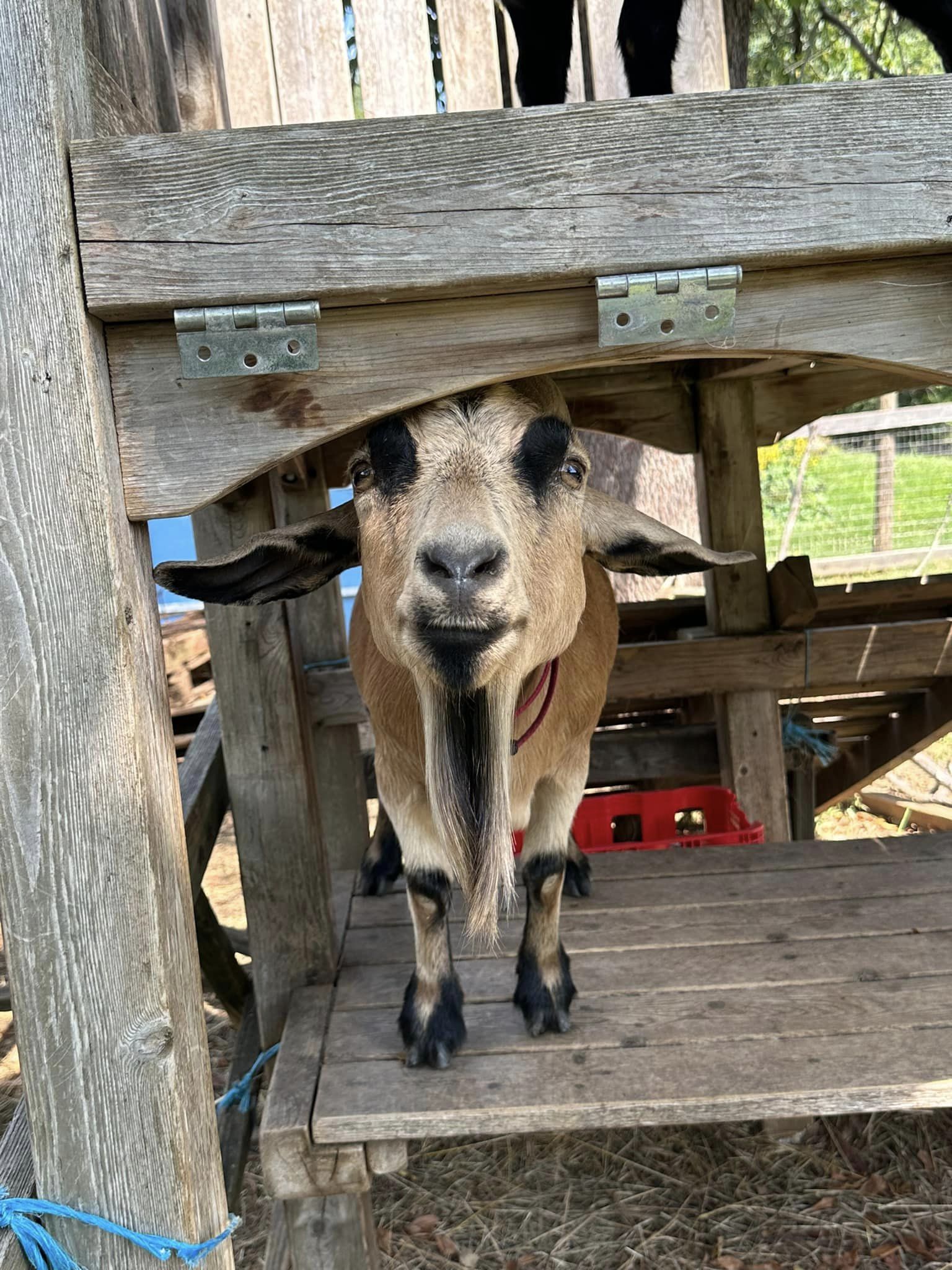
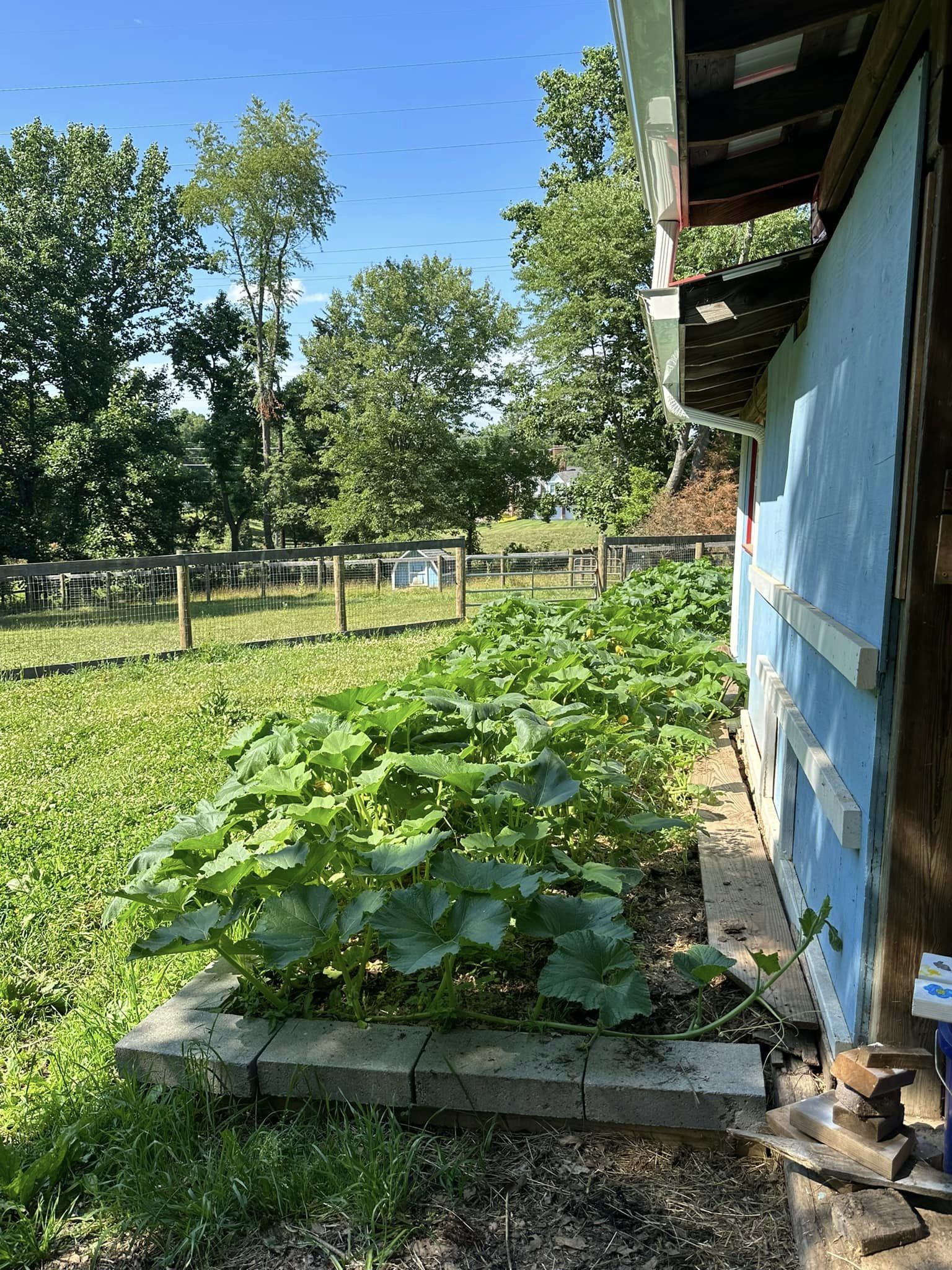
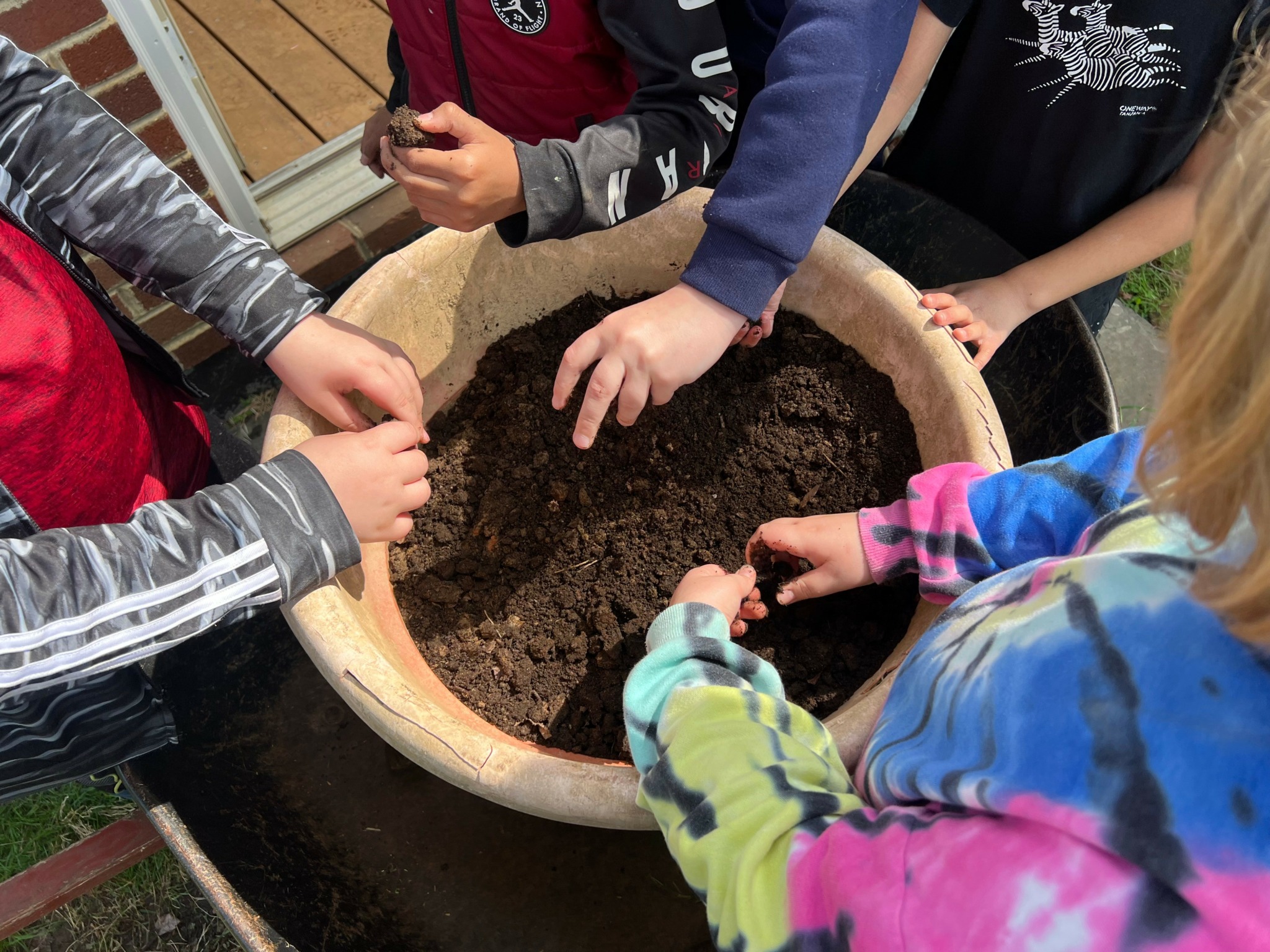
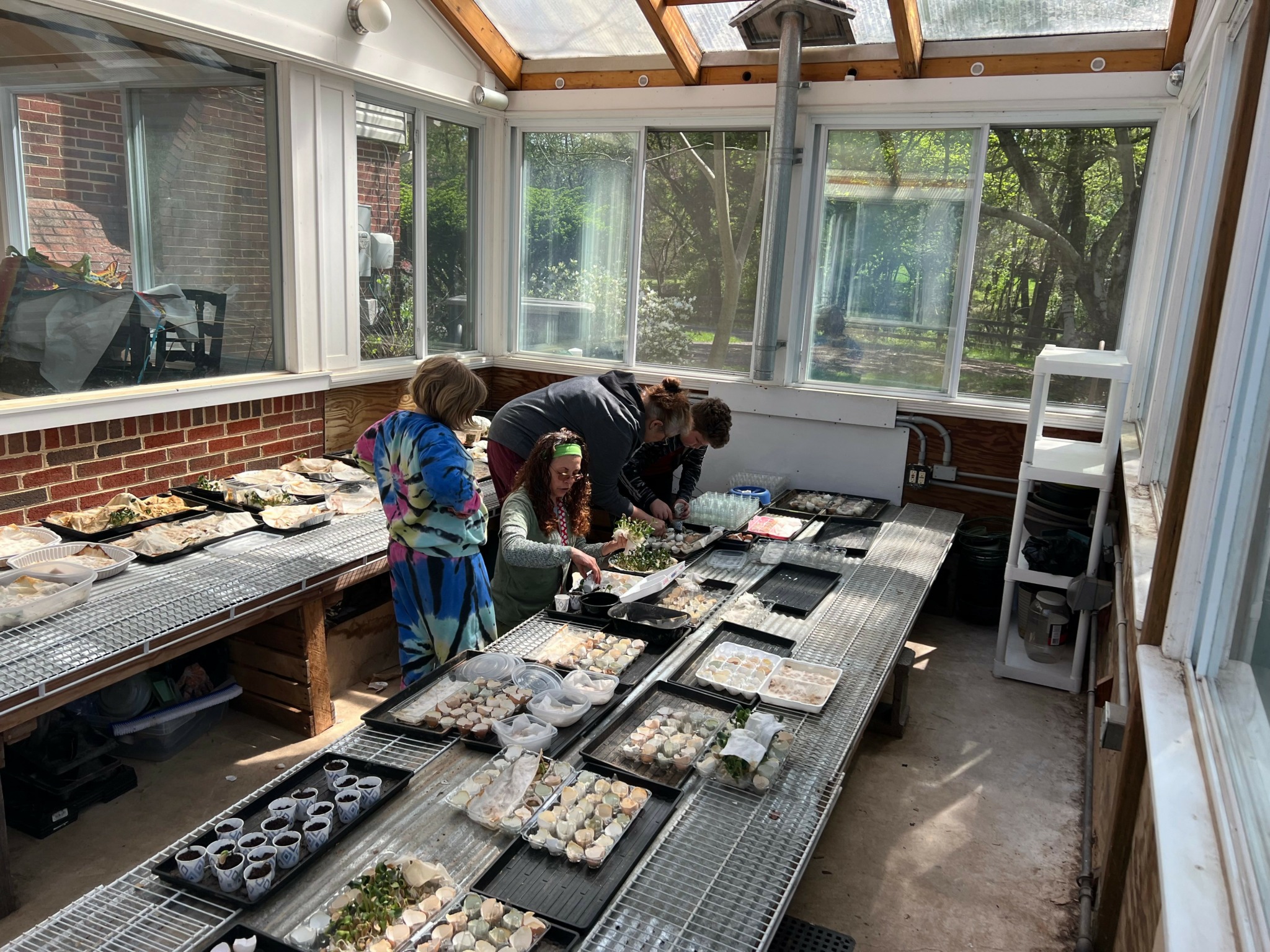
Image Credits
Photo one – Hilary Scwab Photography (I purchased the rights to use this photo at my discretion). All other photos are permitted to be used to promote Dream Catcher Meadows – a nonprofit inclusive green care farm animal sanctuary founded by me, Susan D. Rich, MD, MPH.