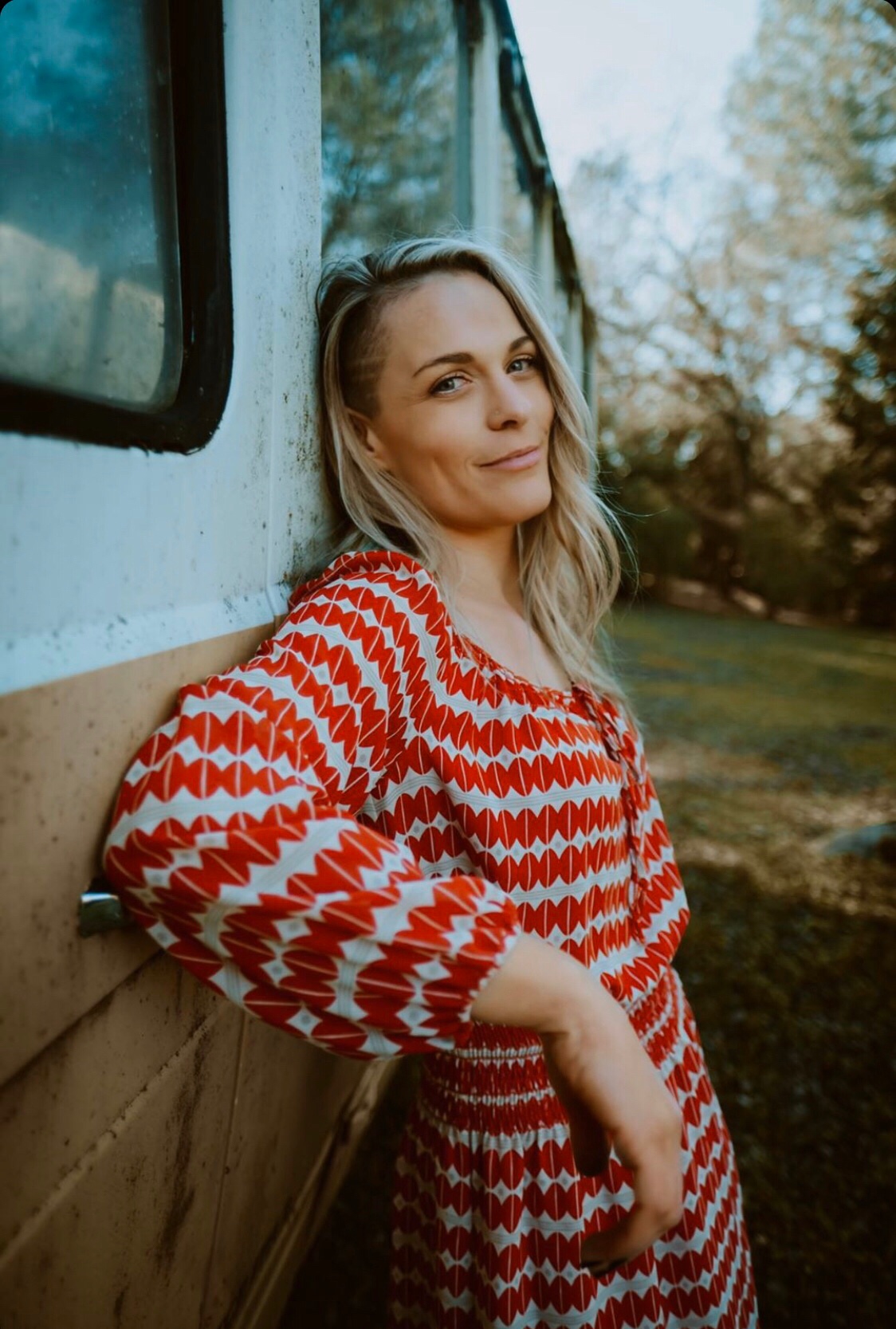

We caught up with the brilliant and insightful Sunny Welch a few weeks ago and have shared our conversation below.
Sunny , looking forward to hearing all of your stories today. Let’s start with the story of your mission. What should we know?
One night, I was awoken suddenly by terrified screams coming from the other room. I shot out of bed and ran to see what was happening. Once I opened the door, it didn’t take long to understand what was going on. In the kitchen, I saw a young Marine, the brother of my housemate, crying and begging me for help. He was gesturing to the other side of the apartment, pleading, “Make him stop! Please! Do something!” My eyes scanned the room and landed on my buddy, a Navy Corpsman and someone I had come to love as a brother, in the corner of the living room—dangerously close to making a decision that couldn’t be undone.
In that moment, it didn’t matter who wore a uniform to work and who didn’t. We were just people who needed to help each other find a safe way out of a very dangerous situation.
This is the reality far too many veterans face after service. The transition to civilian life isn’t just about finding a job or a place to live—it’s about rediscovering purpose, rebuilding identity, and creating a future worth fighting for. But too often, veterans face this transition alone, burdened by trauma, isolation, and uncertainty.
Every day in this country, 17 veterans die by suicide. For 20 years straight, over 6,000 confirmed veteran suicides have taken place annually. The numbers don’t lie. We can and must do better.
And when you look at how we transition people into the military, it’s clear why this problem exists.
A civilian doesn’t just become a service member overnight. The process is structured and personalized—starting with a recruiting office, followed by aptitude tests, months of training, boot camps, specialized schools, and finally after all of that preparation, they’re placed into a role. We invest heavily into the time and resources needed to ensure they are ready to do their jobs because their performance is often a matter of life or death.
At Joint 4ces, we know the stakes are just as high at the other end of a military contract. But the pathway from service to civilian life isn’t nearly as structured or supportive.
Instead, when their contract ends, service members are given just a five-day Transition Assistance Program (TAP)—a crash course in resume writing and professional emails. After years in a purpose-driven, disciplined environment, they are expected to adjust to civilian life in a week.
It’s not enough. Not even close.
Service to this country is a two-way contract. When someone raises their hand and takes the oath, they commit to upholding their duty—often at great personal cost. And in return, we as a nation promise that their sacrifice will be met with opportunity, not abandonment. They’re told that through service, they will gain access to the American Dream, not be left on the margins of society.
Yet far too often, we fail to keep that promise.
As an American citizen, I recognize that these commitments are made on behalf of all of us. And I, along with everyone on the Joint 4ces team, am committed to restoring integrity to this relationship.
We refuse to accept a system that prepares service members for war but leaves them unprepared for peace.
That’s why Joint 4ces is building a structured, purpose-driven transition pathway—one that mirrors the kind of investment the military makes when bringing civilians into service. Our model doesn’t just offer veterans a job—we provide a system of support, camaraderie, and mission-driven work that respects the gravity of their transition. Through sustainable agriculture, entrepreneurship, and cooperative economics, we ensure that veterans don’t just survive after service—they thrive.
Because no one should have to face that kind of night alone. Together, we can build a future where they don’t have to.
Sunny , love having you share your insights with us. Before we ask you more questions, maybe you can take a moment to introduce yourself to our readers who might have missed our earlier conversations?
About Me and the Mission Behind Joint 4ces
My name is Sunny Welch. I am a nonprofit founder, advocate, and crisis counselor dedicated to creating real, lasting solutions for transitioning service members. As a counselor on the national suicide hotline, I have spoken to people in their darkest moments, including many veterans who feel like they have nowhere to turn. My work in trauma-informed coaching has shown me how deep the struggles of transition can go—not just professionally, but personally.
I got into this work because I’ve seen too many veterans struggle through transition without a strong support system. I’ve been in the room when the weight of that transition became too much for a friend to bear. I’ve answered desperate calls from those who felt like they had no path forward. And I’ve seen too many people who served our country become another tragic statistic. As a nation, we’re not doing our best, and that is something I cannot accept.
What We Do at Joint 4ces
At Joint 4ces, we provide executive coaching for veteran entrepreneurs, agriculture-based therapy opportunities, and are developing a structured transition pathway from active duty to agriculture. Our programs ensure that veterans have access to the resources, skills, and support needed to build stable, purpose-driven futures.
Executive Coaching for Veteran Entrepreneurs
Securing Funding – Connecting veteran entrepreneurs with the capital they need to launch and scale their ventures.
Optimizing Operations – Helping business owners streamline processes and implement best practices.
Developing New Revenue Streams – Identifying opportunities for diversification and long-term sustainability.
Cultivating Values-Based Cultures – Encouraging leadership that aligns with integrity, resilience, and long-term stability.
Agriculture-Based Therapy & Job Training
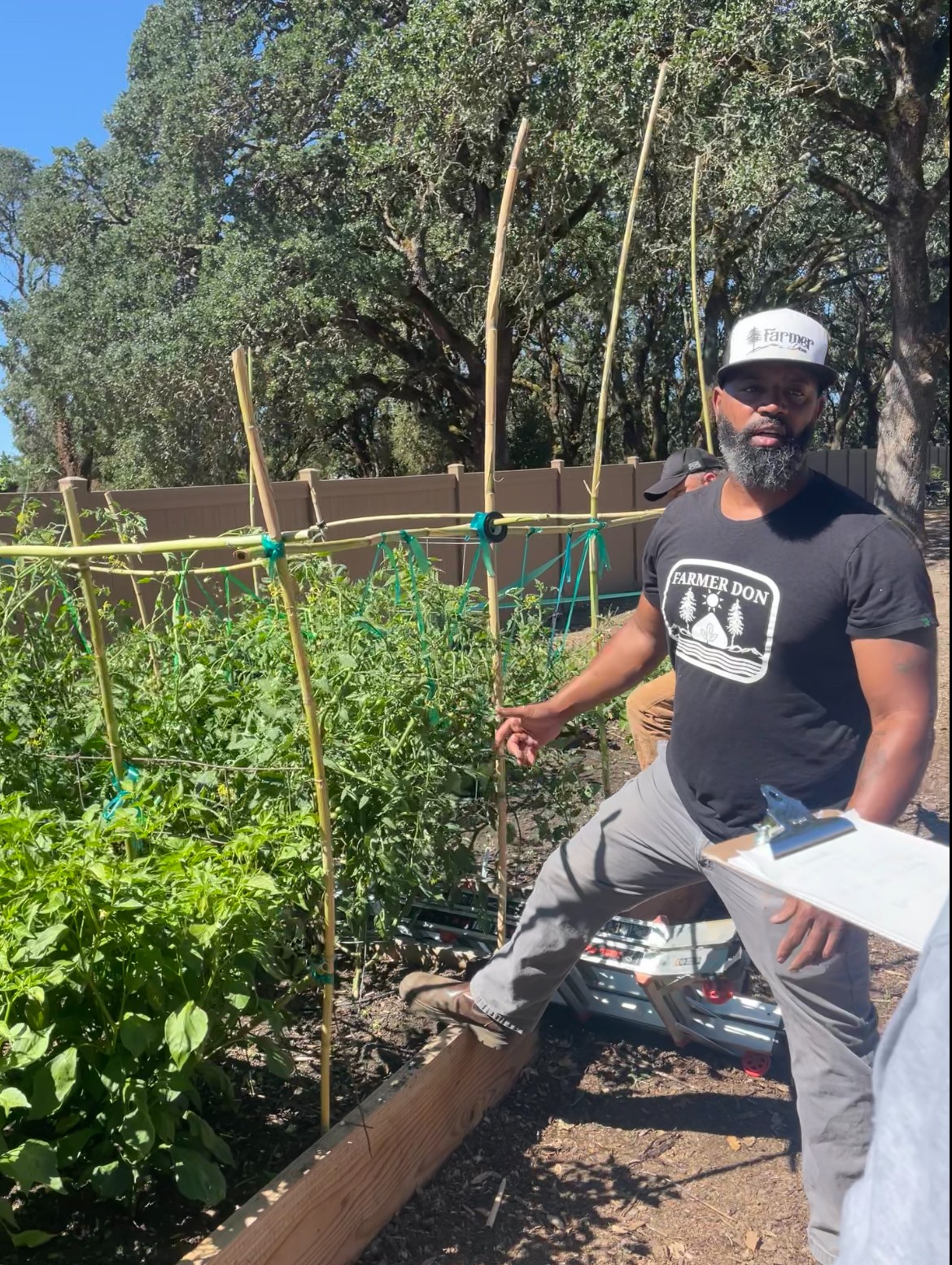
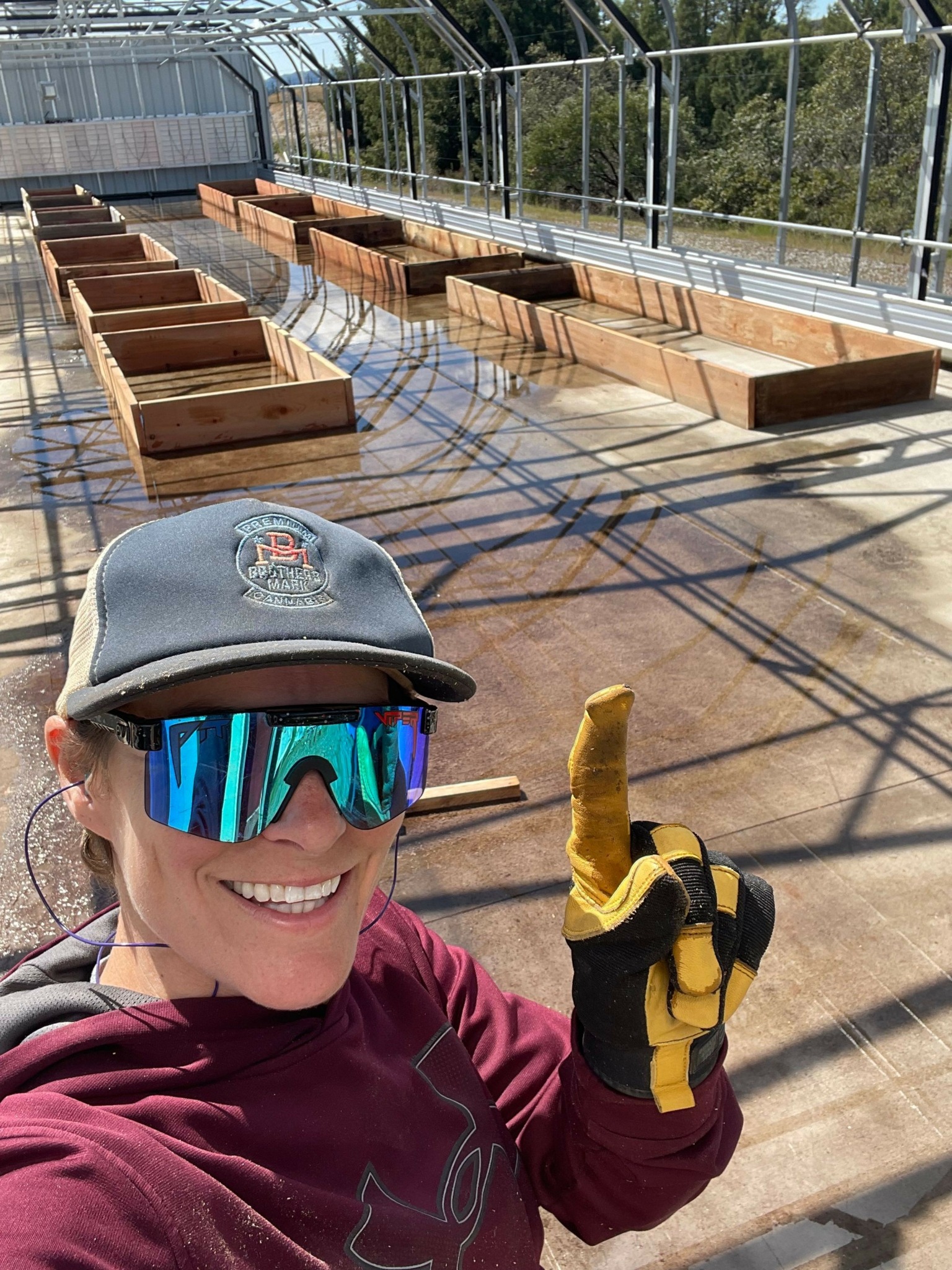
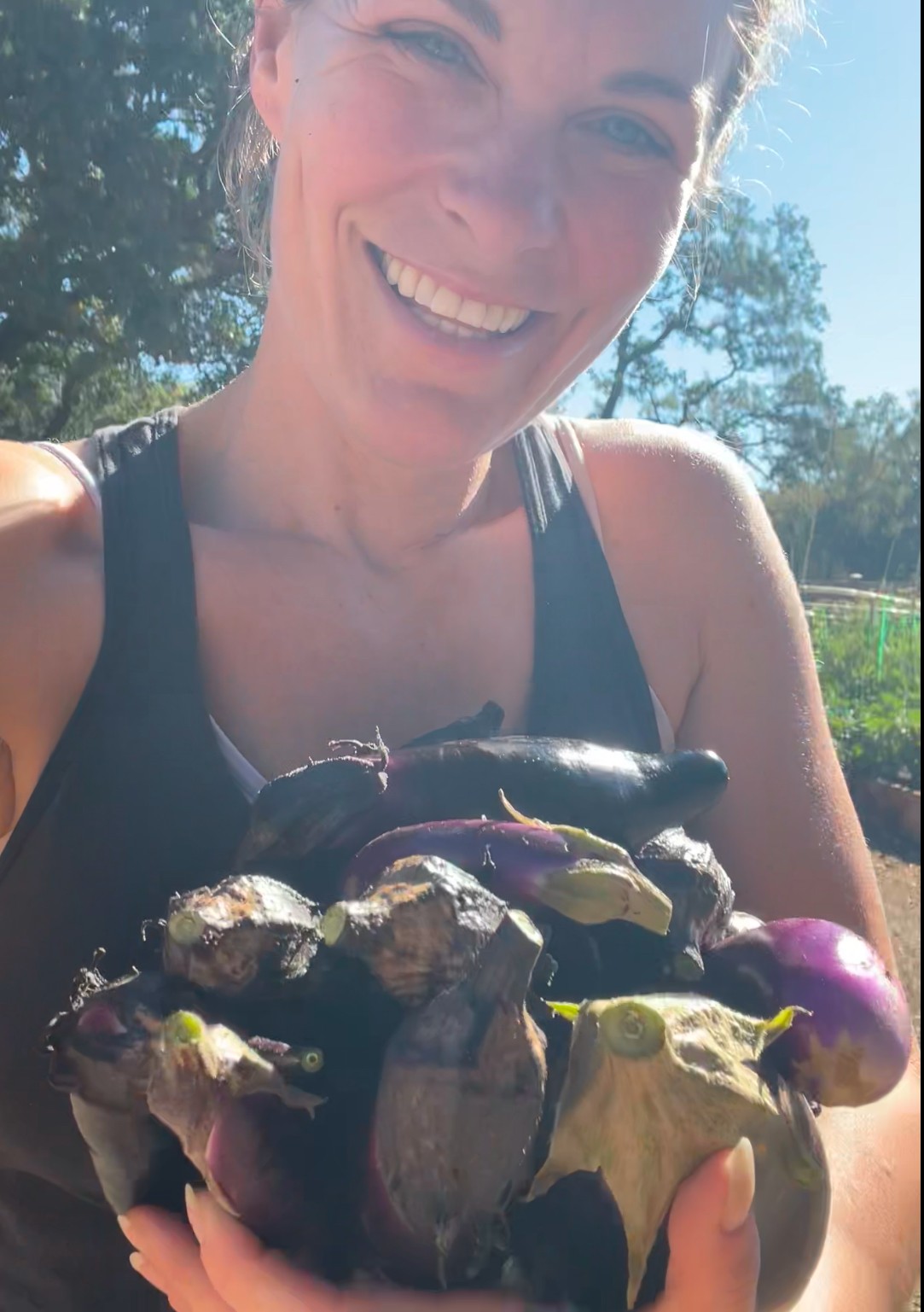
Community Gardens – Providing therapeutic agricultural spaces where veterans can engage in healing, hands-on work that fosters mental and emotional well-being.
Job Training Opportunities – Partnering with organizations in California and Washington State to connect veterans with career pathways in agriculture.
Active Duty to Agriculture Program (In Development)
This year-long live/work training program will provide structured, fully supported transition pathways for service members leaving active duty who want to build meaningful careers in agriculture.
Veterans will receive hands-on farming experience under the guidance of seasoned veteran farmers.
Personal development classes will equip graduates with the knowledge and confidence to build the future of their dreams.
We recognize that success after military service isn’t just about financial stability—it’s about having purpose, connection, and a clear path forward. Whether through entrepreneurship, agriculture, or hands-on job training, Joint 4ces is determined to ensure that veterans don’t just find jobs—they build fulfilling and sustainable futures.
The Problem We Solve
The current transition system is broken. While the military invests heavily in training civilians to become service members, it offers little to prepare them for life after service. A five-day crash course on resumes and email etiquette is not enough to replace the structure, mission, and camaraderie that defined years—sometimes decades—of service. The consequences of this failure are staggering: over 6,000 veterans die by suicide every year, and many more struggle with unemployment, homelessness, and loss of purpose.
At Joint 4ces, we are addressing these issues head-on by providing real opportunities—not just jobs, but meaningful, purpose-driven work that gives veterans a new mission and a sustainable path forward.
What Sets Us Apart
Unlike traditional transition programs that focus on quick job placements, we recognize that transitioning out of the military is more than just a job search—it’s a complete life reinvention. Our approach is holistic, long-term, and veteran-led, meaning we don’t just place people in jobs, we build an ecosystem where they can thrive, grow, and own their future.
We are also building a veteran-owned, sustainable farming network that does more than just provide employment—it strengthens food security, fosters entrepreneurship, and reinvests in local communities.
Additionally, I leverage my network and knowledge to help veteran entrepreneurs overcome challenges in both professional arenas and private lives. Whether it’s navigating funding, expanding business operations, or overcoming personal obstacles, I ensure that the people I work with get access to the resources and opportunities they need to succeed.
What I’m Most Proud Of
I’m most proud of the Joint 4ces team and the veterans we serve. Every time we help someone find purpose again, every time we build a new pathway to economic independence, and every time we prevent another veteran from slipping through the cracks—we’re proving that this model works and these individuals deserve a chance to thrive.
I’m proud that we are restoring integrity to the veteran-service contract, ensuring that service to this country is met with a real pathway to opportunity, not abandonment.
What I Want People to Know
If you are a transitioning service member looking for a future that feels as meaningful as your last mission, Joint 4ces is here for you. If you’re someone who believes in honoring our commitments to veterans not just with words, but with action—we invite you to stand with us.
We are here to build a future where veterans don’t just survive after service—they thrive.
Can you talk to us about how you funded your business?
Putting together the initial capital to incorporate Joint 4ces as a 501(c)(3) in 2020 was an unforgettable experience. At the time, the statistics around veteran suicide were as heartbreaking as they are today. It was estimated that, on average, 22 veterans a day were taking their own lives. I knew I wanted to raise both awareness and funds to make an impact, so I decided to push myself in a way that honored the struggle veterans face every day.
I partnered with a gym in Northern California to host a Veteran’s Day Row-a-Thon. The plan was simple but intense: I would row 22 miles nonstop, live-streaming the event, while raising money for Joint 4ces. To prepare, I spent weeks training and reaching out to sponsors, asking them to pledge $100 per mile. By the time Veteran’s Day arrived, all the slots were filled.
At 9 AM, I strapped in and started rowing. Each mile, I called out a sponsor’s name in gratitude and took calls from members of the veteran community throughout the day. It was grueling—physically exhausting and mentally draining—but nothing compared to the struggles too many veterans face when they feel like they have nowhere to turn. That thought kept me going.
By the end of the row, we had raised enough money to officially incorporate Joint 4ces as a nonprofit. But more importantly, we had started a conversation—about veteran suicide, the lack of structured transition support, and the urgent need for better solutions.
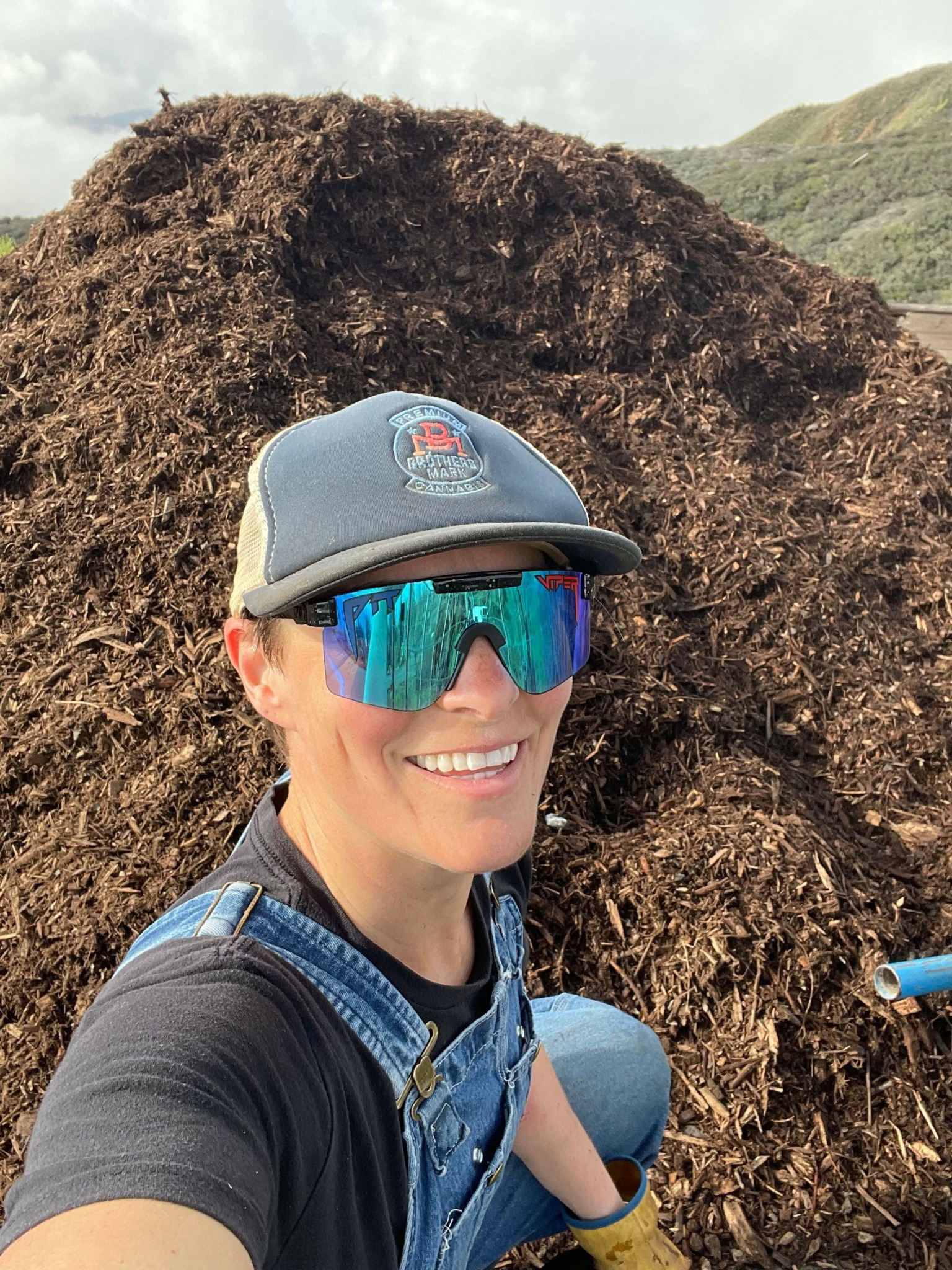
And as Joint 4ces has grown, the community has continued to show up for us in ways that prove just how much people believe in our mission. Businesses have contributed soil and nutrients, landowners have offered the use of their property to build gardens, and everyday citizens have donated funds to ensure we can keep moving forward.
That event wasn’t just about fundraising—it was about proving that when we show up for veterans in real, tangible ways, people will rally behind the cause. That spirit has fueled Joint 4ces ever since, and it’s why we continue to build solutions that truly honor the service and sacrifices of our veteran community.
Can you tell us the story behind how you met your business partner?
I met Joint 4ces Vice President, Dante Graham, through a mutual friend and respected leader in the Bay Area veteran community, Ryan Miller. One day, Ryan reposted a podcast appearance by Dante on social media. As I listened, I was struck by his story—his personal experience of finding peace and healing through farming. It immediately resonated with me, and I knew I had to reach out.
As it turned out, we were living only 30 minutes apart in Northern California, so we set up a meeting later that week. From the moment we sat down, it was clear we were aligned in our vision. We both cared deeply about the challenges veterans face after service, we both understood the power of collaboration, and we both brought complementary skill sets to the table. Most importantly, we shared the same relentless work ethic and drive to make an impact.
Within a couple of hours, we had gone from introductions to a full-blown whiteboard strategy session, mapping out what would soon become Joint 4ces Active Duty to Agriculture Pilot Program- a community garden installation on the grounds of a supportive housing community in Sonoma County where we would introduce formerly homeless veterans to the therapeutic aspects of gardening, reducing their upstream risk factors for suicide and improving their overall well-being. That first meeting wasn’t just about exchanging ideas—it was the beginning of a partnership built on trust, shared purpose, and a deep belief in what’s possible when veterans are given the right opportunities.
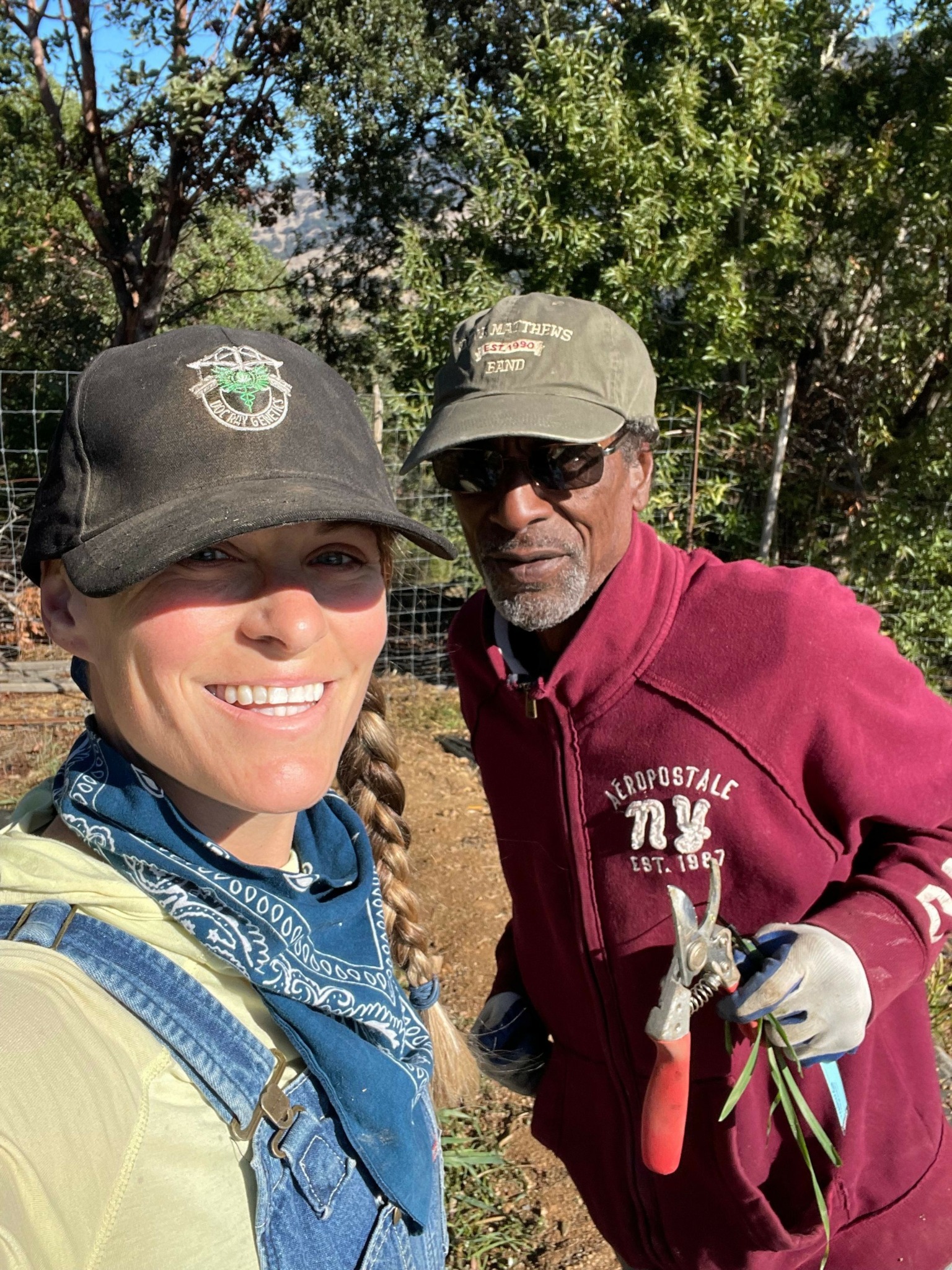
Dante is an Army veteran, a talented farmer, an entrepreneur, and a dedicated family man. His expertise in agriculture, combined with his leadership experience and commitment to service, has been instrumental in shaping Joint 4ces into what it is today. From that first conversation to now, it’s been clear—this mission is bigger than either of us, and together, we are building something that will change lives for generations to come.
Contact Info:
- Website: https://www.joint4ces.org
- Instagram: @sunnyv_eft @joint4ces
- Facebook: https://www.facebook.com/s.v.welch
- Linkedin: https://www.linkedin.com/in/sunny-welch-joint4ces/