Alright – so today we’ve got the honor of introducing you to Sunny Chen. We think you’ll enjoy our conversation, we’ve shared it below.
Sunny, appreciate you joining us today. We’d love to have you retell us the story behind how you came up with the idea for your business, I think our audience would really enjoy hearing the backstory.
The idea for my nonprofit, the ReSoap Foundation, emerged from an experience that changed my perspective on both individual needs and systemic issues. In 2022, I witnessed the heartbreaking aftermath of flash floods in central Appalachia—entire communities uprooted, lives disrupted, families left with little but the essentials. Wanting to help, I joined efforts in organizing a Christmas drive for those affected, gathering donated items for those who had lost nearly everything. During this time, a young boy’s humble request stood out to me profoundly. Unlike other children his age who might have wished for toys, he asked only for necessities—undergarments and sanitary products.
His request struck me in a way I hadn’t anticipated. This was more than a wish list item; it was a glimpse into a crisis I’d barely considered—hygiene poverty. That one moment shifted my understanding of the barriers people face and highlighted an often-overlooked issue that profoundly affects lives. I began researching hygiene poverty and was stunned to find the scale of it: millions of people worldwide suffering from preventable hygiene-related illnesses, deaths that could be averted with something as simple as soap. It was eye-opening, and it became clear to me that addressing this issue could be powerful. This realization wasn’t just moving; it was urgent.
I knew then that this was a worthwhile endeavor, not only because hygiene poverty is overlooked, but because it is so solvable. While other organizations address basic needs, the focus on hygiene—a foundation of health—was largely missing. ReSoap was born out of the need to fill this gap in a sustainable, impactful way. My excitement stemmed from both the practical logic and the vision: we could provide immediate relief through hygiene products, and at the same time educate communities, build awareness, and promote environmental solutions. The process hasn’t just been about distributing hygiene items; it’s been about providing the dignity and confidence people deserve, about empowering individuals with tools and knowledge.
As ReSoap has grown, my purpose has expanded to include addressing the environmental factors that contribute to the conditions I first saw in Appalachia. My work with experts revealed how environmental damage, like deforestation and mining, accelerates climate change, leading to more natural disasters. Addressing the root causes of these crises has deepened my commitment. Today, ReSoap is not just about hygiene—it’s about tackling interconnected problems of poverty, health, and environmental impact. Solving these issues means not only bringing immediate relief but also creating long-term solutions.
Awesome – so before we get into the rest of our questions, can you briefly introduce yourself to our readers.
I’m the founder and CEO of the ReSoap Foundation, a nonprofit organization dedicated to fighting hygiene poverty and tackling environmental issues. My journey into this work was ignited by a powerful experience in 2022, when devastating flash floods struck central Appalachia. I volunteered in the aftermath to support a Christmas drive for families affected by the disaster. A young boy’s simple request for basic necessities, rather than toys, profoundly impacted me. His need for essentials like undergarments and sanitary products opened my eyes to the stark reality of hygiene poverty—an issue that impacts millions worldwide, often overlooked despite its devastating impact on health and dignity.
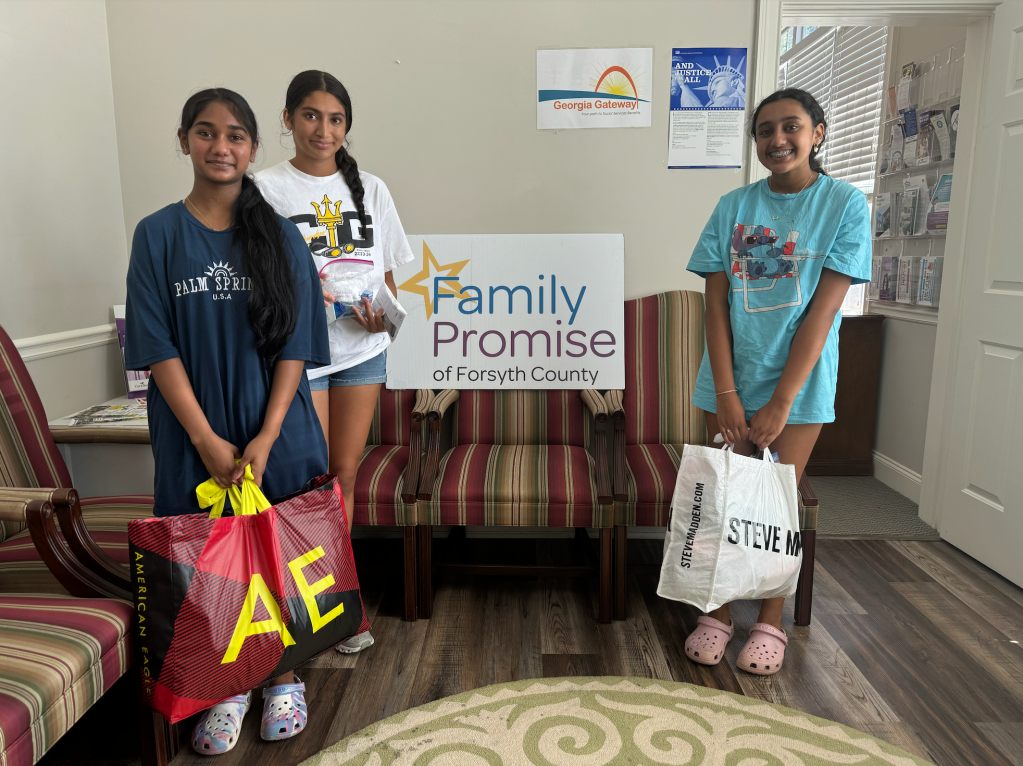
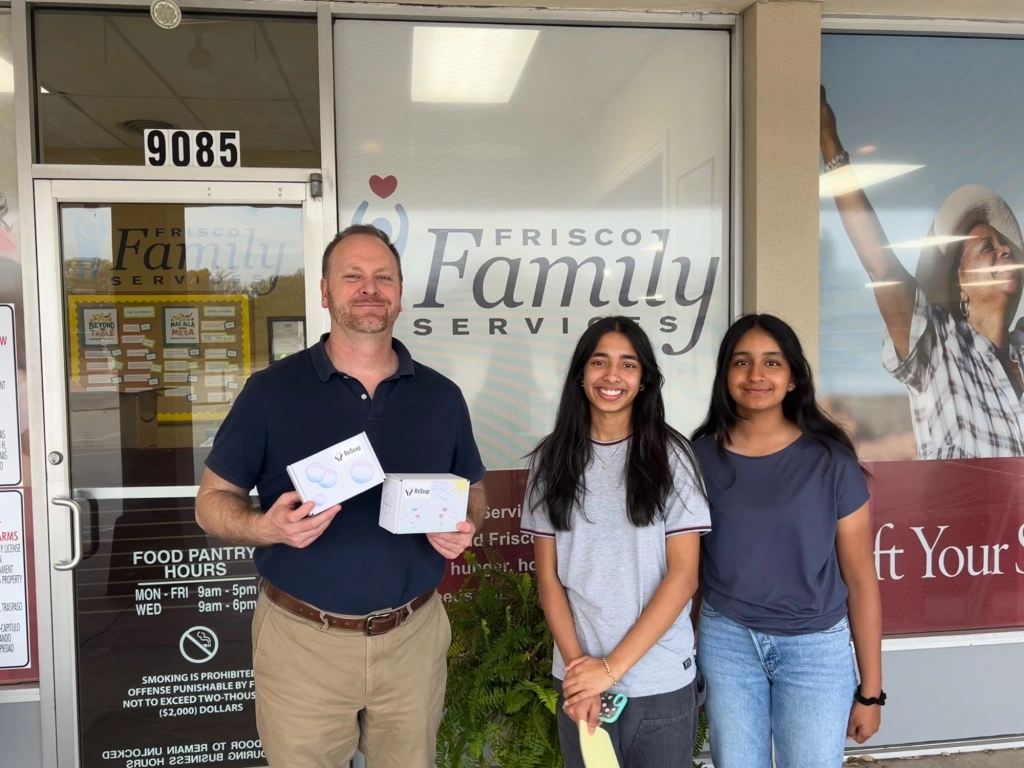
That experience was the spark that started my journey into an area I hadn’t previously considered in depth. I began researching hygiene poverty and was shocked to learn that countless people suffer from preventable, hygiene-related illnesses due to a lack of access to basic hygiene products. This led me to found the ReSoap Foundation. At ReSoap, we provide hygiene products like soap, toothpaste, and other essentials to underserved communities across the United States. We also work with local schools and communities to educate people on hygiene practices, especially children who may not have consistent access to these products or the knowledge of how critical they are to health and confidence.
But ReSoap isn’t just about donating products. It’s about sustainable solutions and addressing root causes. My research quickly revealed the environmental implications tied to many of the issues these communities face. Environmental damage—deforestation, mining, and industrial pollution—accelerates climate change, exacerbating natural disasters like the one in Appalachia that initially moved me to action. To combat these interconnected problems, ReSoap’s mission has expanded to include environmental education and advocacy. For example, we work to promote sustainable hygiene products and recycling practices that not only reduce waste but also lessen the environmental burden on already-vulnerable communities.
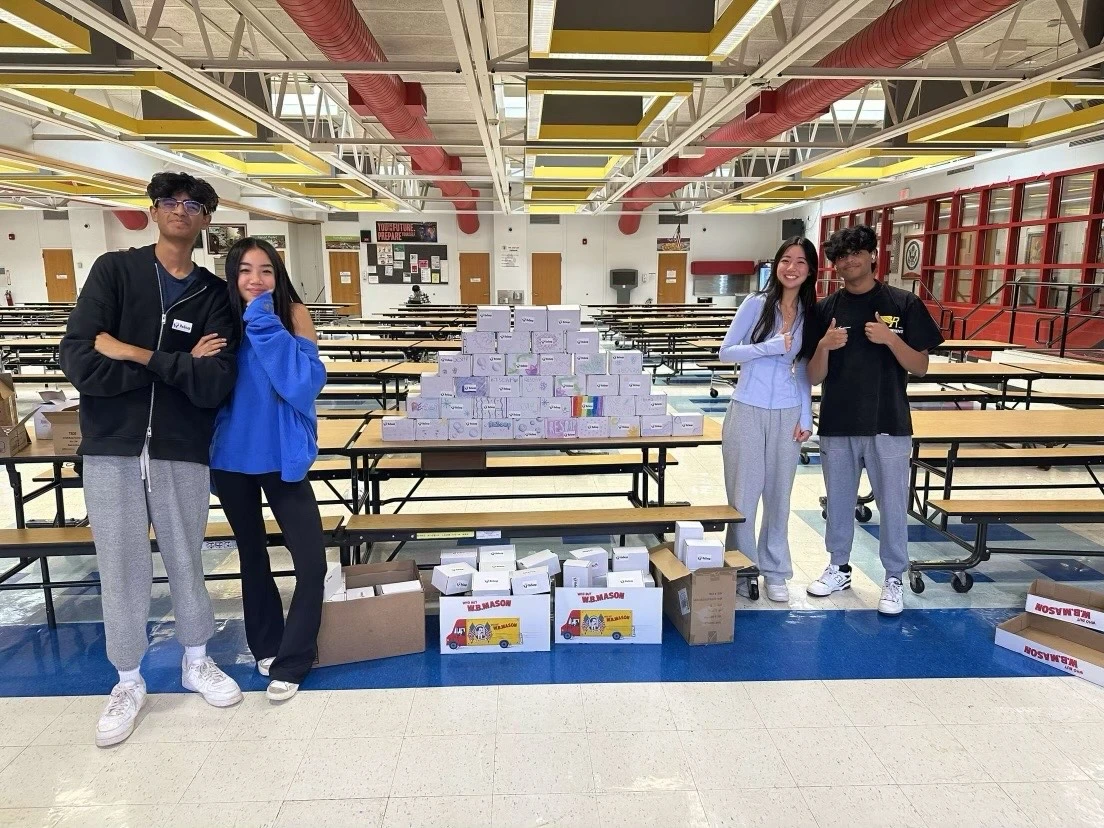
What sets ReSoap apart is our approach: we aren’t just treating symptoms. We’re dedicated to holistic, sustainable solutions that not only provide immediate relief but empower communities long-term. From supporting underprivileged schools with hygiene products to advocating for environmental sustainability, our aim is to create a ripple effect that reaches beyond immediate needs. I’m incredibly proud that we’ve grown from a local initiative to a nationwide effort, with thousands of hygiene items donated and countless individuals educated on hygiene and sustainability.
The main message I want to share about ReSoap is that our work is fueled by a commitment to human dignity and environmental justice. Hygiene is more than just physical health—it’s confidence, opportunity, and respect. And as we move forward, our mission is to continue bridging gaps between social and environmental issues, empowering individuals to live healthier lives and inspiring action for a more sustainable future.
Let’s talk about resilience next – do you have a story you can share with us?
A story that truly illustrates my resilience came during the early days of building the ReSoap Foundation. After I’d committed to tackling hygiene poverty, I thought my passion would be enough to fuel our growth and attract support. But the reality was far more challenging. In those initial months, I faced a series of setbacks that tested my dedication. I was reaching out to potential sponsors and donors, determined to build a network that could help provide hygiene supplies to underserved communities. But despite dozens of calls, emails, and countless presentations, we struggled to secure funding or support. Many organizations didn’t fully understand the scale of hygiene poverty or the environmental mission behind ReSoap, and some even questioned whether hygiene products were impactful enough to warrant investment.
In those moments, I was tempted to rethink everything. But I kept returning to the memory of that young boy in Appalachia, the boy who simply wanted undergarments and hygiene products. He reminded me of the countless people facing similar struggles, people who needed someone to advocate for their dignity and health. That thought kept me going when things got tough. Instead of backing down, I leaned into the challenge. I re-evaluated our messaging, gathered more research on hygiene poverty’s impact, and worked to show potential sponsors the critical link between hygiene access, health, and community resilience.
Eventually, our hard work paid off. With persistence and a renewed approach, we began to gain traction—first with small local sponsors, then larger ones, as our mission resonated with more people. Today, I look back on those early challenges with pride. Facing those obstacles taught me resilience not just as a trait but as a skill. Every setback reminded me of why ReSoap exists and sharpened my dedication to this work. Resilience is more than pushing through difficulties; it’s about returning to your purpose again and again, no matter how hard the path may be.

Any insights you can share with us about how you built up your social media presence?
Building ReSoap’s audience on social media was a gradual, strategic process that grew out of a desire to not only spread awareness about hygiene poverty but also connect with others passionate about social and environmental justice. When we started, our main challenge was figuring out how to make an often-overlooked issue like hygiene poverty feel relevant and compelling in the fast-paced world of social media. But we knew that platforms like Instagram and TikTok, with their visual storytelling and broad reach, would be the perfect place to start a conversation and inspire action.
On TikTok, we focused on creating engaging, quick videos that highlighted the impact of our work in a way that was both informative and relatable. For example, we’d post videos of our hygiene product donations, clips from volunteer events, and even “before and after” transformations showing the difference these products made for individuals and communities. We also leaned into trends where possible, using popular sounds or video formats but adapting them to fit our mission. TikTok’s algorithm rewards authenticity, so our videos aimed to connect on a personal level. By sharing genuine moments from our projects and adding a human face to our cause, we were able to grow our following and attract people who cared about our mission.
On Instagram, we took a more polished approach, sharing eye-catching infographics and high-quality photos that told the story of our impact. We found that educational content, like posts on the causes and consequences of hygiene poverty or the environmental challenges linked to the industry, resonated with our followers. By using a mix of carousel posts, stories, and reels, we were able to keep the content varied and engaging. Partnering with other organizations and influencers in the social and environmental justice space also helped us reach new audiences and lend credibility to our cause.
For anyone just starting to build a social media presence, my advice is to focus on consistency and authenticity. Find ways to connect your message with trending formats, but always stay true to your mission. Post regularly, but don’t be afraid to experiment and adjust your content based on what resonates with your audience. And remember, building a following doesn’t happen overnight—it requires time, patience, and genuine engagement with the community you’re trying to reach. The effort is worth it when you see people not only following you but actively supporting your mission and sharing your message with others.
Contact Info:
- Website: https://resoapfoundation.org/
- Instagram: https://www.instagram.com/resoapfoundation/
- Facebook: https://www.facebook.com/resoapfoundation
- Linkedin: https://www.linkedin.com/company/resoap-foundation?trk=similar-pages
- Other: Spotify: https://open.spotify.com/show/1urQvGx7U4o8xrqRbudQIR
Medium: https://medium.com/@resoapinvolvement