

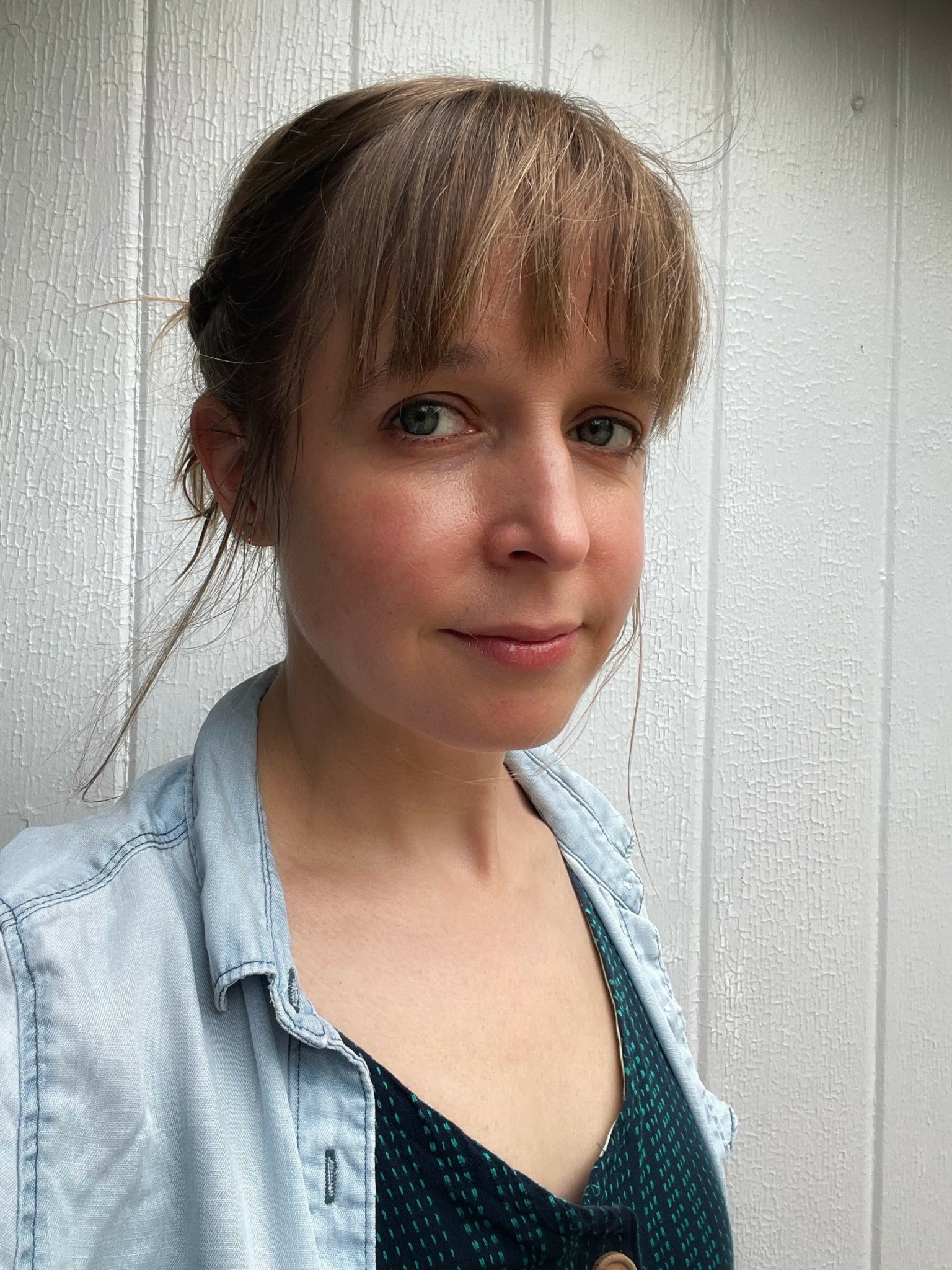

We’re excited to introduce you to the always interesting and insightful Stephanie Witchger. We hope you’ll enjoy our conversation with Stephanie below.
Stephanie, thanks for taking the time to share your stories with us today Almost every entrepreneur we know has considered donating a portion of their sales to an organization or cause – how did you make the decision of whether to donate? We’d love to hear the backstory if you’re open to sharing the details.
Rather than donating a portion of my sales, I look for opportunities where I can donate artwork that will then be used to help with fundraising. I’ve donated to a number of raffles and auctions over the years. I don’t follow any strict rules, but I do tend to look for causes and organizations that I’ve had personal experiences with and that I see doing work to support the arts (be that music, visual art, writing, etc.). I appreciate this opportunity to do something that enriches my life (making work) while also, hopefully, providing a unique (albeit modest) way for me to increase opportunities to access art and art education for all sorts of other artists and communities.
In Mary Jane Jacob’s book Dewey for Artists, she describes his model “in expending energy, you gain energy….a perpetual life cycle of inexhaustible energy by which makers generate energy for themselves – personal life energy – in the process of making. All the more amazing is that Dewey saw that, when works are made in this way, they generate energy for others. We feel this when in the presence of an object that has the quality of art (be it a work of fine art or not); we feel its presence, sensing the life investment of a maker who cared and was consciously present in the making. We share in the vitality of the work. While the values at stake for the maker may remain a mystery, we find value for ourselves. […] We are participants”
So I suppose I hope the things I donate can help in a multi-fold way, and follow Dewey’s model. First, individually for me in the making and the giving, then by the dollars raised and what the organizations can go out and do with those dollars, and finally by the work itself ideally finding its way into the life of someone else in a humble but meaningful way. Maybe this is all overly idealistic? But it is my hope anyway…
Great, appreciate you sharing that with us. Before we ask you to share more of your insights, can you take a moment to introduce yourself and how you got to where you are today to our readers.
So I guess I will start by sharing my artist statement, which is this:
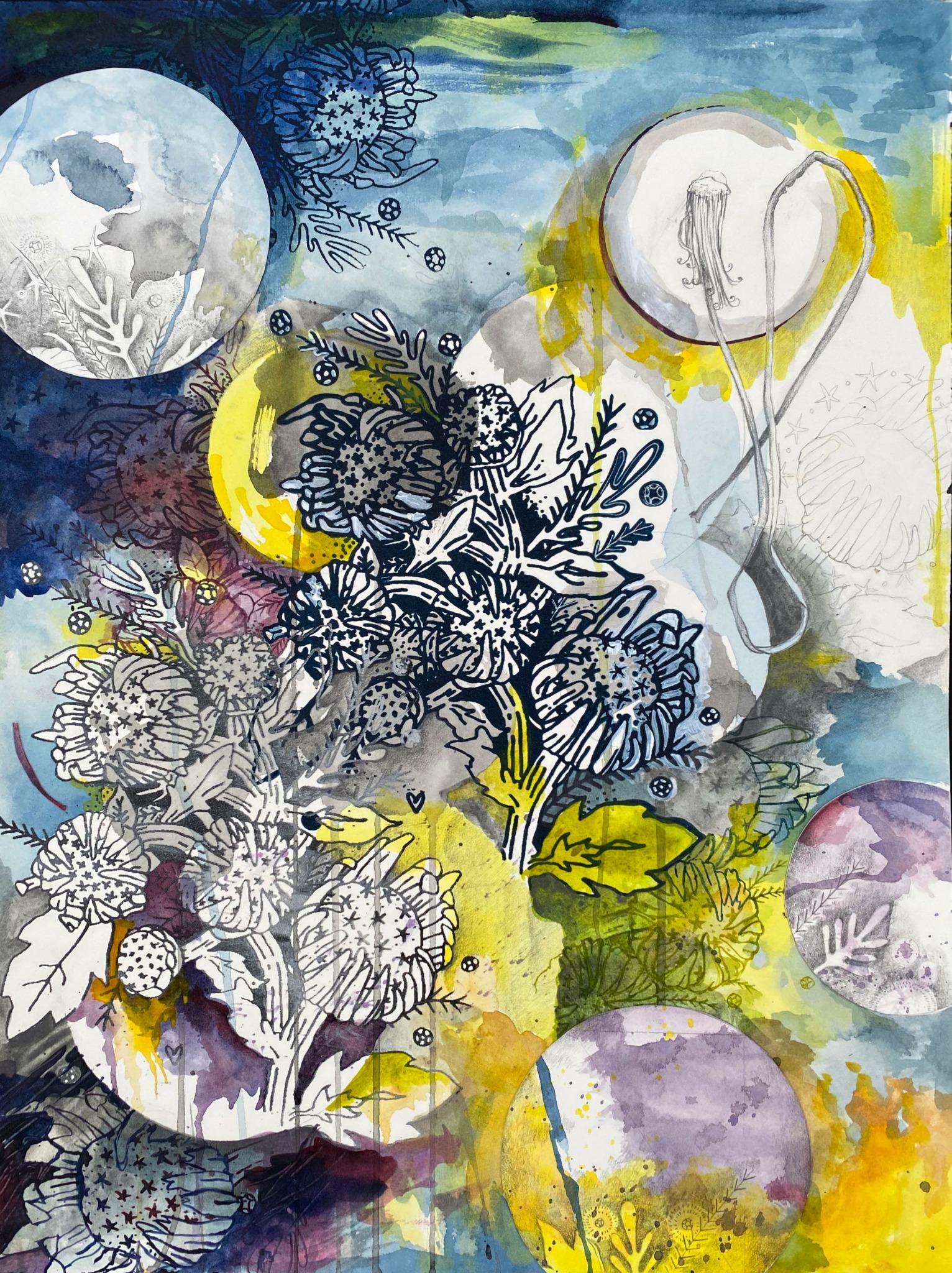
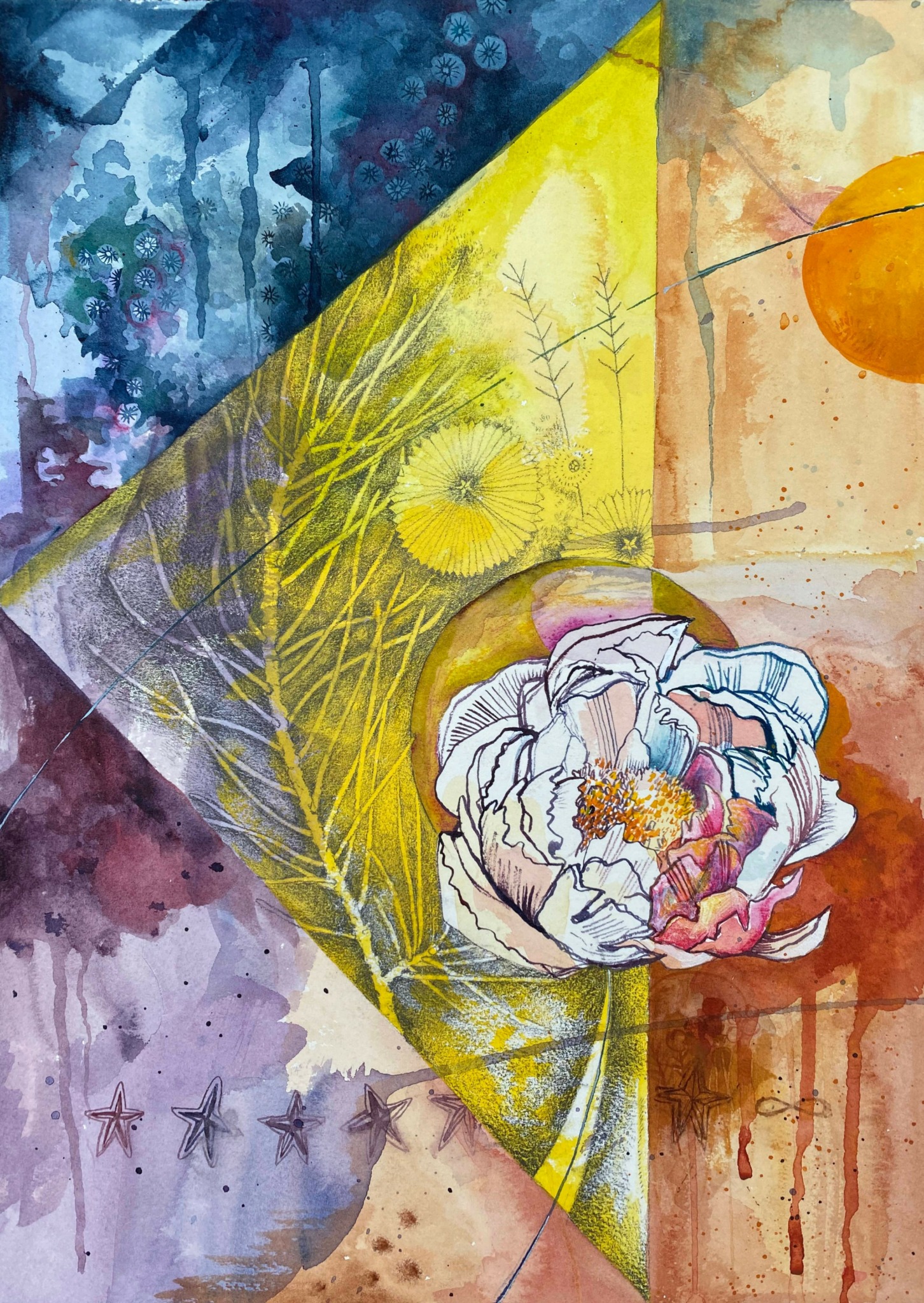
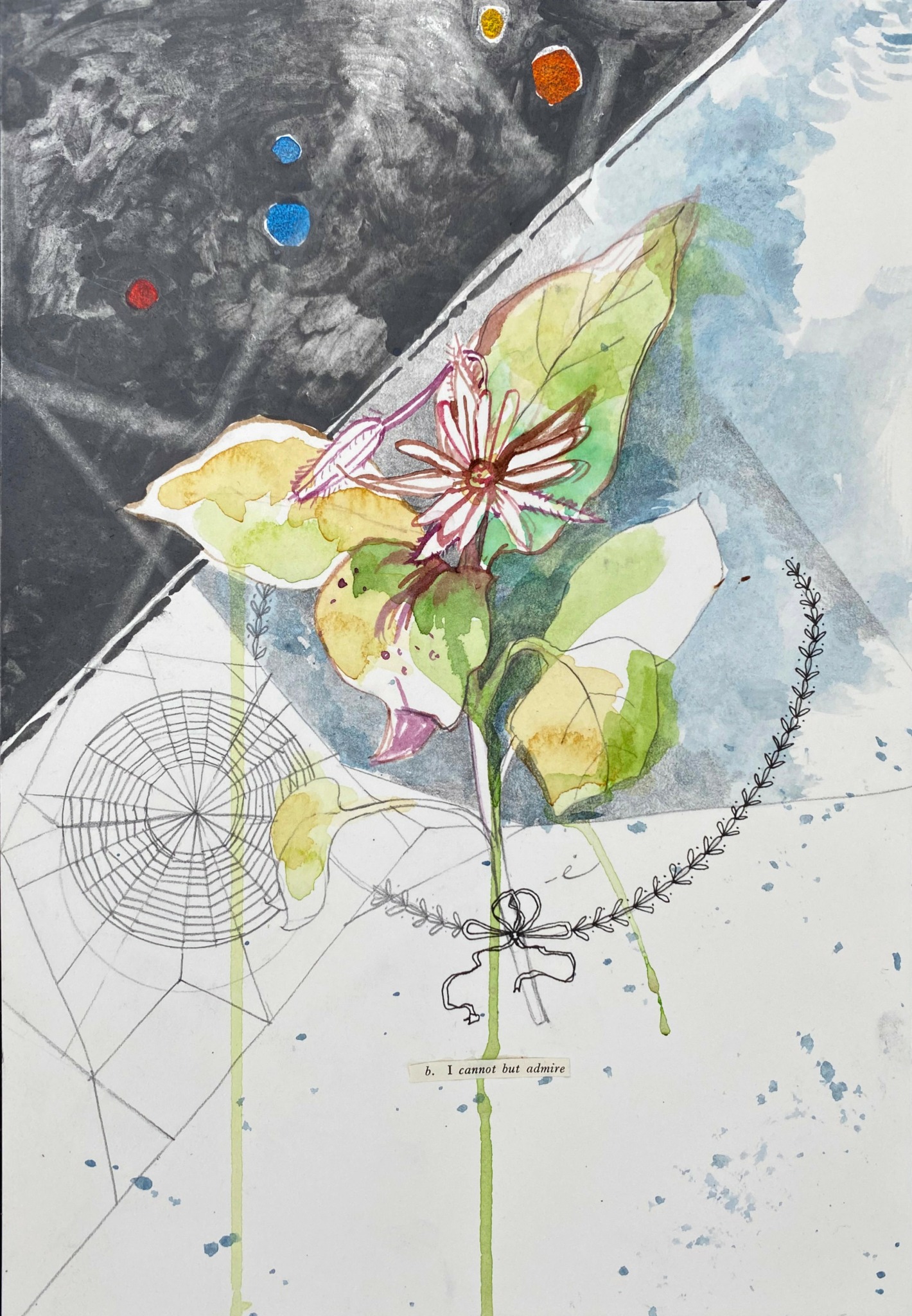
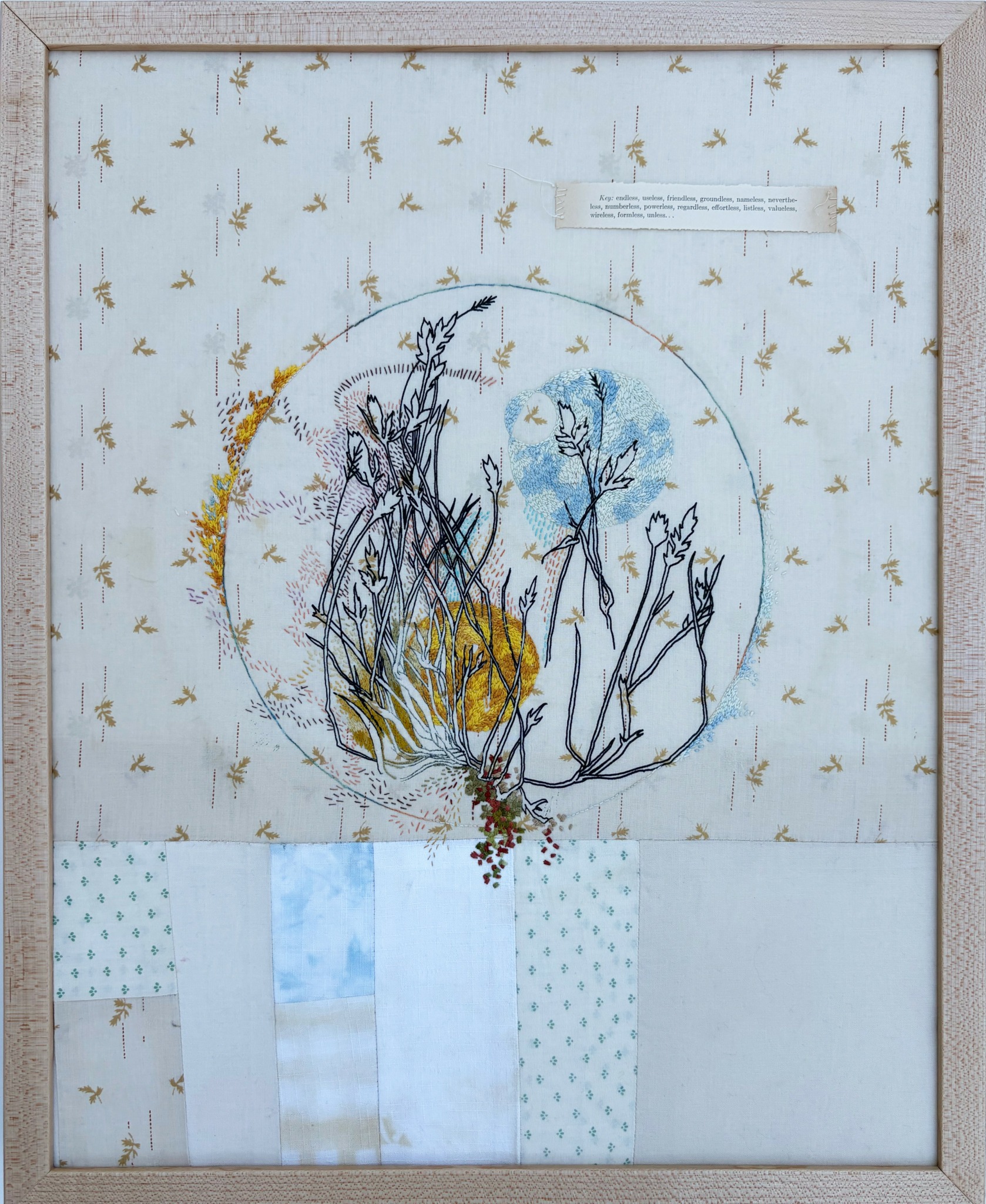
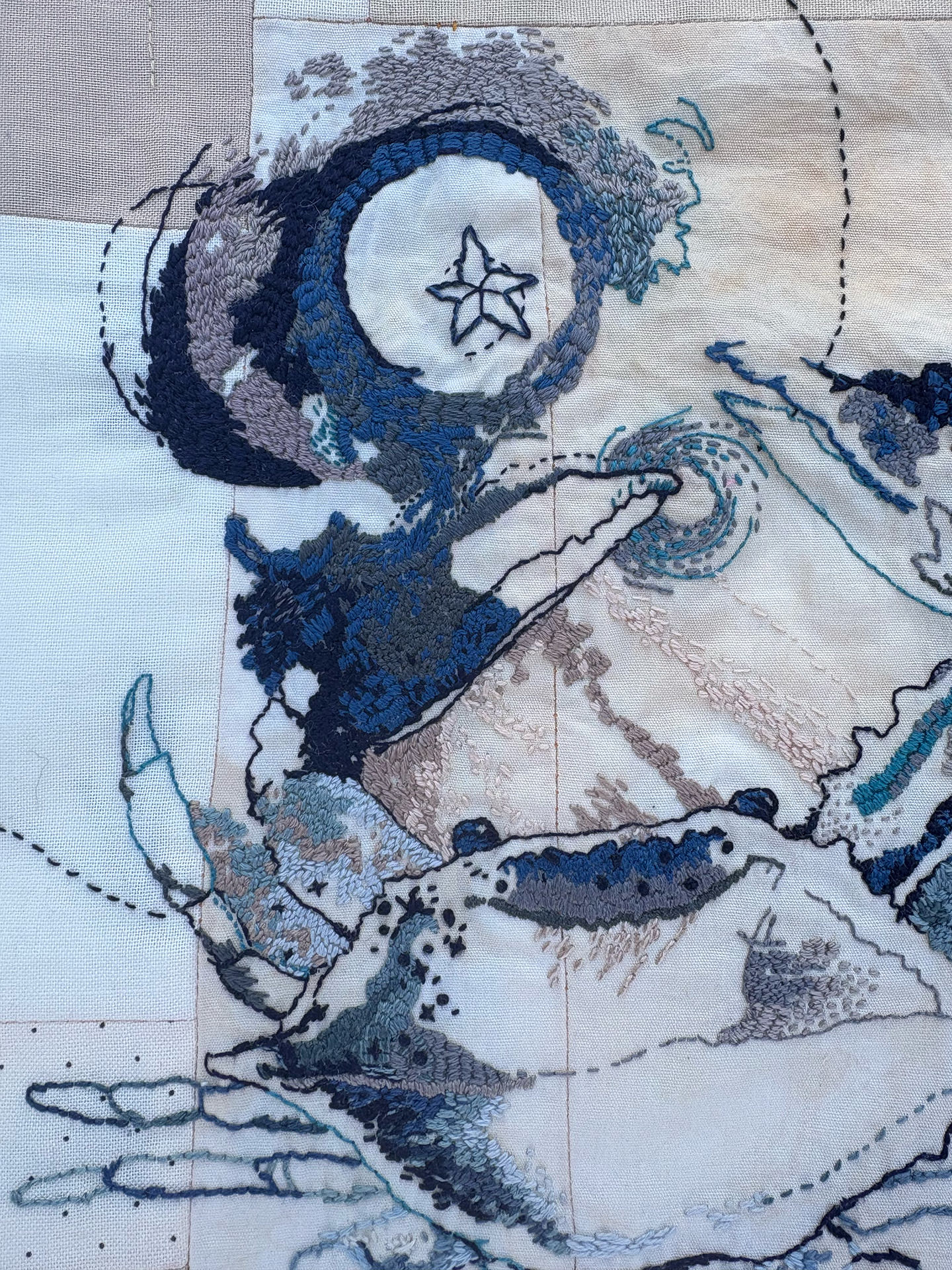
My work blends figurative and abstract elements in mixed media. I work with watercolor, graphite, paper, and thread. I like the pace of these materials. Each requires a gradual building up, which deepens my immersion in the company of the subjects and the marks I am putting down. When I work with them, I gain and lose time at once.
A new piece begins with an element that catches my eye. Tiny mum blossoms outside the grocery store one Sunday morning; a scrap torn from a rare book catalog years before; a friend shares a fragment of a poem in conversation that points me toward a particular color. One of these becomes an anchor, a starting place, and in the days and weeks ahead, a steady search unfolds.
I see my work as a place to give quiet attention and deeper appreciation to ephemeral and unnoticed bits of life. In these commonplace objects, I lock away the people, ideas, and moments I long to hold more closely. Even the inanimate vibrates with feeling, meanings, and questions. Each work acts as an opening into a world for exploring these vibrations. Life is a tangle of questions I can’t seem to answer nor put aside. Feelings contradict and confound me. Joy and sorrow, grief and gratitude, all this nothing and everything. It is in the tensions between these opposites that I find the force to work. And it is in this work that I search for my peace with these tensions.
And then I’ll try to add some context about my day to day life:
I work full time while also trying to keep an active art practice going. While this does sometimes mean I feel I don’t have as much time as I would like for art, there have been many ways in which it has also benefited my art practice.
Currently, I am Creative Operations Producer within a studio department at a video game company. My role includes a variety of duties but my current focus is on digital asset management. My work includes both the organization and cataloging of visual assets, as well as reference work assisting users in the navigation of this digital library and its contents.
The people I’ve worked with have been very impactful on my making. Every job I have held since college has had an aspect of being in service of the creative process. Even though my roles have never included directly creative work, I’ve often found myself working to support designers and photographers and illustrators in their processes. First in academic art department libraries and later in advertising and marketing departments.
The jobs which have been the most influential on me, have been the roles like my current one, nested in studio departments. Here I have worked closely with production artists, editors, retouchers, producers, and premedia specialists. These wonderful, curious people have also often been musicians, writers, illustrators, painters, designers, photographers, and general art enthusiasts outside of their job duties in the organizations where we work(ed) together. This environment has a similar energy to an art school or humanities department, rich with opportunity for interdisciplinary conversations and cross pollination of all sorts of ideas. It has been enlivening to provide mutual encouragement for what we do both in our careers and in our personal practices. These conversations and relationships have enhanced my commitment to my personal practice.
I think juggling and working to fit my creative process around a career has ultimately expanded my understanding of what a creative practice is. Before I would have defined my practice as the time at my actual desk, using my hands to shape something. Now I have come to think the practice includes everything: it is my thinking, my looking, my curiosity. Anywhere I am and in anything I am doing it can be a part of the frame I use to meet the day and the world. It shows up in the conversations I have with my colleagues and my family and my friends, in the way I look at things everywhere I go. At first I had to be very intentional: I had to decide what time of day I needed to protect for my artistic work; I had to seek out the opportunities to fit in artistic conversations; I had to think now I am looking for ideas and things to put into my work. But I’ve been delighted to find that with time there has been a very organic and natural collapsing in, so that now I feel all those things can happen at any time, without much conscious thought at all. I have to still be intentional about my at the desk time for my creative practice, but even that happens more organically than when I started. As much as being a maker is about the satisfaction of using our hands and materials, I have come to think a huge part of it is a mental mindset, a perspective for looking outward and inward. Now my mind is always one foot in the creative process in a way that has felt very positive for me.
If I am proud of something, it is to find that I am showing up and still trying to do this thing that I’ve loved and felt defined by since childhood. I am trying to make something and not letting expectations that I had or anyone else has stop me from “being an artist” in the ways that are available to me. I mean, to be clear, that wasn’t something I was able to do right away. After art school, there were a lot of years of searching and struggling and not feeling like an artist at all, but slowly, things have piled up and small moves have built into something bigger, with its own momentum and life. Really, I just want to encourage everyone who wants to make something, start today. Don’t wait for the perfect time, the perfect time is never coming. Maybe it won’t be exactly what you envisioned but take the beginning that IS available to you and see where it goes.
Can you share a story from your journey that illustrates your resilience?
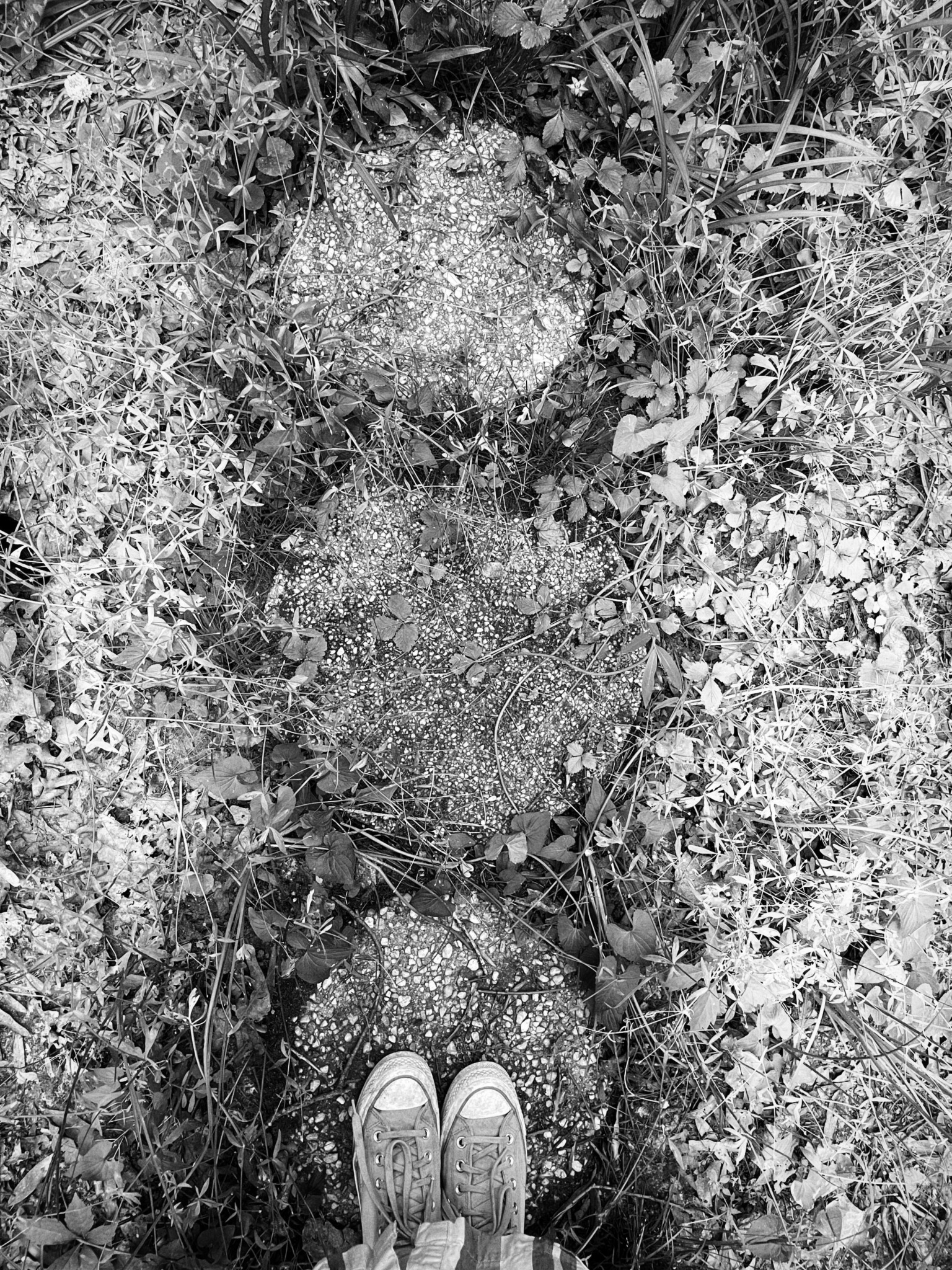
My general studio time for my personal work tends to be first thing in the very early morning, and I was sad to be away from it so much of the day. So I got in the habit of collecting photos as I went about my day to day. Looking for things that could be useful resources for drawing and painting and general inspiration the next time I was at my desk. It was practical due to the speed and a nice way to feel somewhat connected to my artistic work throughout the rest of my day. Gradually, I found I was taking more and more photos until eventually, pretty much by accident, the photography became its own body of work. I still collect and use photos as references to start other drawings, paintings, and embroidered pieces but now there are also many photos that I consider their own finished work. I would never ever have thought of myself as a photographer or as setting out to learn photography but it grew up out of using the phone camera as a part of my “sketchbook” practice because I was away from my studio space all day. And while I couldn’t stop long enough to do a little drawing or write up some notes, I could usually pause and take a few photos. It became an interesting challenge to think about how to create in the photos something of the atmosphere I create in other mediums. Photography is now something I take a great deal of pleasure in working with and I do think of as another one of my main mediums.
Learning and unlearning are both critical parts of growth – can you share a story of a time when you had to unlearn a lesson?
I think I had to unlearn the habit of defining myself so rigidly, by a singular thing. Without much thought or intention, I subscribed to this pressure to be one thing and perpetuated it in my life for long time. When meeting someone one of the first questions is often what do you do for your job? Which is fine, but what if we also made more space for sharing what we are curious and passionate about?
From as far back as I could remember, I was telling everyone I knew and hearing my family tell everyone they knew “that I was going to go to college to be an artist”. In some ways, this was such a gift because I felt I had a purpose and intention from the start and I felt what I truly wanted was completely supported by my family. That is amazing!
However, when I got done with art school and set out in my adult life, there was some heaviness that set in. For one thing, I’d just completed a goal I’d been living with for as long as I could remember and I had not had the foresight to define what the next goal should be. First and foremost, I had student loans and I needed a job, so I started working in libraries (which was work I dearly loved) but I felt so much shame because I wasn’t a full time artist, that I would not let myself fully embrace the pleasures of the work. And then I felt like a fake at being a librarian because I was still yearning to be a full time artist. I carried on like that for a few years and then I went off to get my Master’s in Library Science. Upon graduation I ended up working as an art producer, so now I could feel bad that I was neither a full time artist or a “real” librarian. And to be clear, there were things and people I enjoyed in all these jobs, and ways I could see them benefiting my development as a human but all I could focus on was failing to fit a specific expectation I had set out for myself.
Thankfully, eventually, through much reading and conversations with wonderful people, I realized this was just impossible and I started to figure out that I could in fact be aspects of what I wanted in any job or situtation. I needed to worry less about job titles, and what I told people I do at parties, and instead focus on the core things I liked to do and get creative about how to work those core aspects back into my life as it was. It wasn’t perfect and it wasn’t fast but over time this mental shift made a huge difference. Once I was able to stop putting those restrictions on myself, I felt so much less panic and pressure “to get on the right path asap”.
Contact Info:
- Website: https://www.stephaniestathamwitchger.com
- Instagram: @stephwitchger
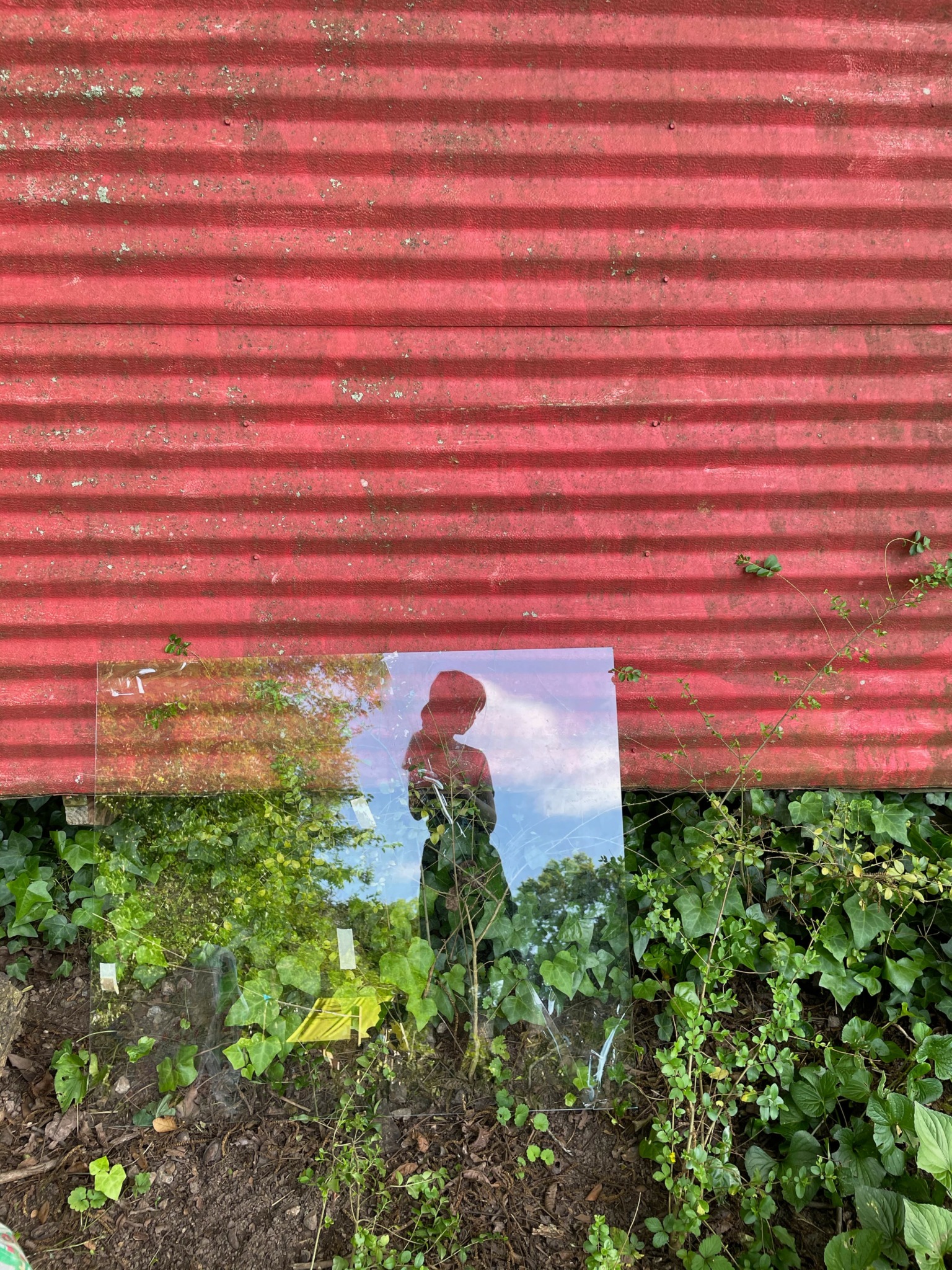
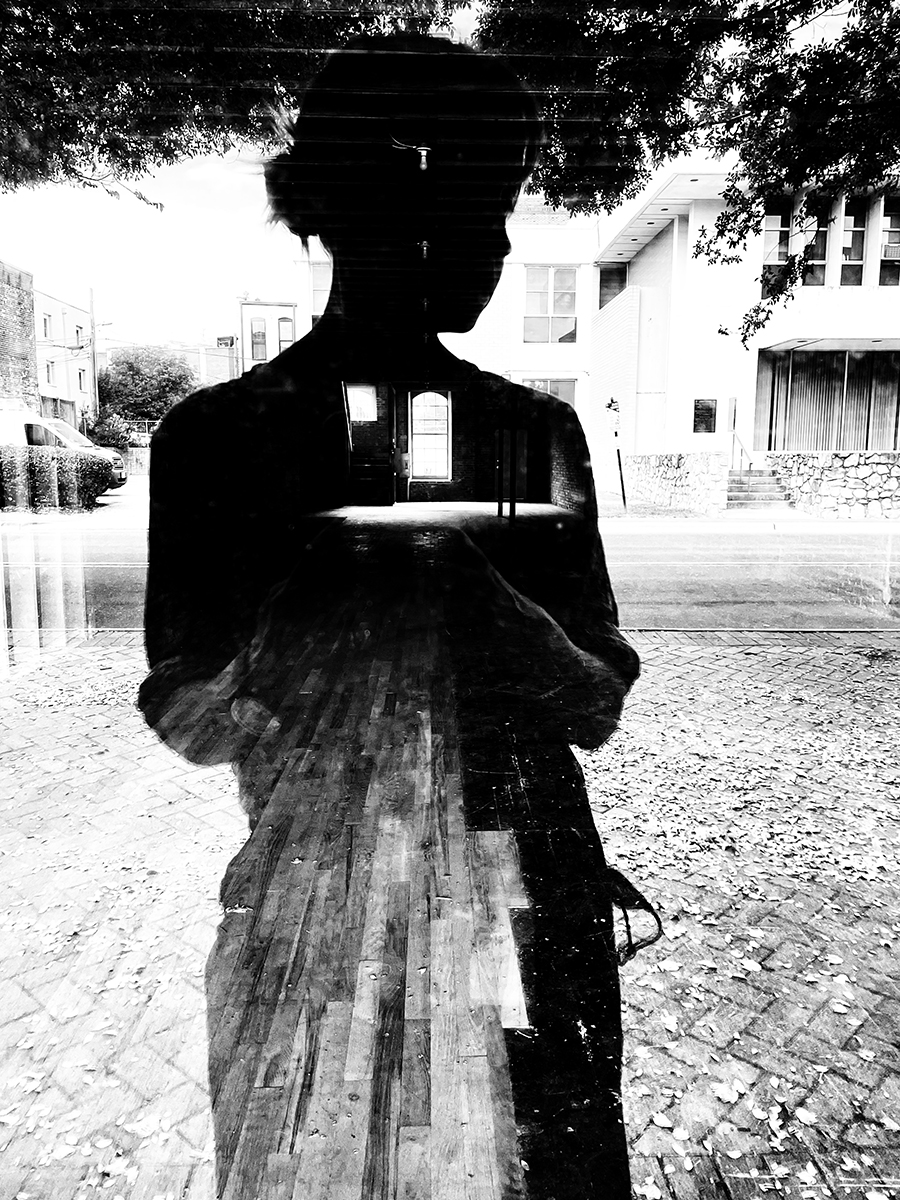
Image Credits
All images were taken by me.