



Alright – so today we’ve got the honor of introducing you to Stephanie Michaelian. We think you’ll enjoy our conversation, we’ve shared it below.
Stephanie , thanks for taking the time to share your stories with us today Setting up an independent practice is a daunting endeavor. Can you talk to us about what it was like for you – what were some of the main steps, challenges, etc.
I got into private practice during peak COVID, which was a bold move! This was during a time when psychotherapy had completely shifted into telehealth, and no one had any idea when we would be moving back into having in-person sessions again. I had finished graduate school the year prior, and I was working on completing my clinical hours (3000 to be exact) before I would be able to sit for my board exam and become a licensed therapist. As a pre-licensed clinician, I was not yet able to open my own private practice, so I joined a group practice and worked under a licensed therapist who provided me with great supervision, helped guide my treatment with my clients, and taught me how to market and advertise myself. Up until I decided to join the group practice, much of my clinical experience was in the school system providing counseling for children and teens presenting with several issues including anxiety, depression, trauma from a challenging home life, ADHD, and much more. I was well-equipped to treat that specific population, but I did not have experience treating adults, and I was ready to continue to develop my skillsets. I always knew I wanted to open my own private practice someday, so gaining that experience while receiving mentorship was an essential part of that process. I spent the next year and a half working at the group practice gaining experience with teens and young adults presenting with various issues including anxiety, life transitions, depression, relationship issues, trauma, and more. I finally finished my clinical hours, passed my board exam, and was ready to go! I had spent my time at the group practice building a caseload through networking and creating a referral system, as well as marketing my services through my website and various therapist directories. During that time, I was also able to really narrow down my niche and home in on who my ideal client was. It was so important to market myself to the individuals who I felt passionate about working with, and who I felt the most equipped to treat based on my experience and ongoing training. By doing that, I was set up to take my clients with me to my own private practice, and while the world was finally starting to open back up, I rented my own office space twice a week where I would see some clients in-person as well as continue to see many clients virtually. My advice to a young professional who might be considering starting their own practice would be to start early by working at a group practice while working on completing hours. But above that, it is imperative to narrow down a niche/specialty and market to your ideal client, as well as build a referral network with individuals who know you for your niche.

Stephanie , love having you share your insights with us. Before we ask you more questions, maybe you can take a moment to introduce yourself to our readers who might have missed our earlier conversations?
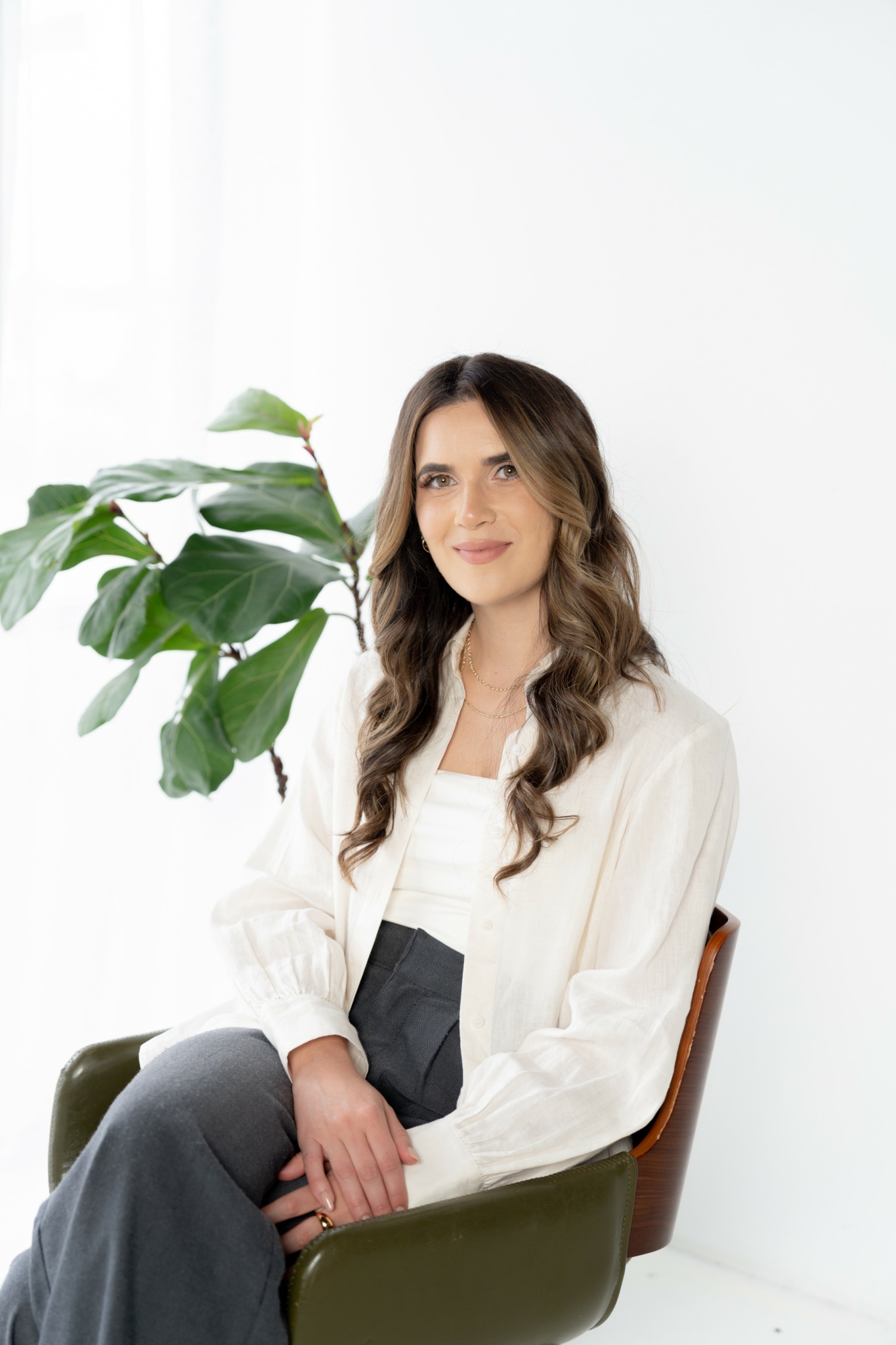
I’m a Licensed Marriage and Family Therapist in Los Angeles. I work primarily with young adults in their 20’s and 30’s who find themselves struggling with anxiety, depression, life transitions, as well as relationship issues. I also have a special interest in working with adult children of narcissistic parents who may be recovering from years of emotional abuse, as well as those recovering from narcissistic abuse from a romantic partner. I utilize a humanistic and existential approach, as much of my work with my clients entails helping them figure out who they are, why they are here, how they can show up in a way that brings them meaning, as well as build a life and an identity that they are proud of. I draw from a few other theories to individualize my work with my clients in different ways, whether that be utilizing CBT to help clients alleviate anxiety through exposure, or family systems theory to assist clients in understanding and working through dysfunctional family dynamics. I help my clients work to build their independence, autonomy, and boundaries, as well as create an identity outside of the one that they were conditioned to believe would provide them with the most acceptance from others. I help individuals who struggle with people-pleasing, those often contorting themselves into becoming the person they think they need to be to gain approval, belonging, and love from others. I also help those who may have had a challenging childhood that has made it hard for them to feel comfortable being their own person, and those who find themselves wanting to break free from their perfectionism and feel empowered to create a stronger sense of self that is grounded in authenticity. I’m incredibly passionate about helping individuals who continue finding themselves in the same recurring patterns, such as in dating, perhaps by choosing the same unavailable partners or tolerating unhealthy relationship dynamics. In addition, I help those who struggle to voice their opinion for fear that others won’t listen or will reject them, perhaps because they never actually felt heard or understood by others in their life.
If you could go back in time, do you think you would have chosen a different profession or specialty?
Absolutely, without a doubt. I feel so lucky to say that I really love what I do and I cannot imagine being in any other career. I have always been drawn to psychology and interested in understanding people’s behaviors. I am fascinated by the human experience and love learning about people’s origin stories and how that contributes to the decisions they make and the things they do. I am incredibly passionate about helping people understand themselves and seeing them make the changes that will lead them to the life they want to live and the person they want to be in this world. My interest in psychology stems from my own personal experiences, and I believe it is because of those experiences that I was able to become the person I am today and possess the natural qualities that make me an effective therapist.
Any advice for growing your clientele? What’s been most effective for you?
The most effective strategy for growing my clientele has been finding a niche or specialty that I am passionate about and marketing myself specifically to the individuals that would be looking for a therapist that specializes in those particular issues or concerns. It is incredibly normal for therapists in their early careers to market and advertise to a wider net of individuals in an effort not to limit themselves and to get as many people “through the door” as possible. But it is by narrowing down a specialty and casting a much smaller net that has led to my success in growing my practice. By speaking to my ideal client, I am hopefully able to reach those individuals who are struggling with a specific experience, and who may be looking for someone trained and experienced in being able to help. By narrowing down a niche, I am also able to build a referral network that includes other therapists or healthcare providers that know my specialty and can refer clients that they know I would be a good fit to work with.
Contact Info:
- Website: https://stephaniemichaelian.com
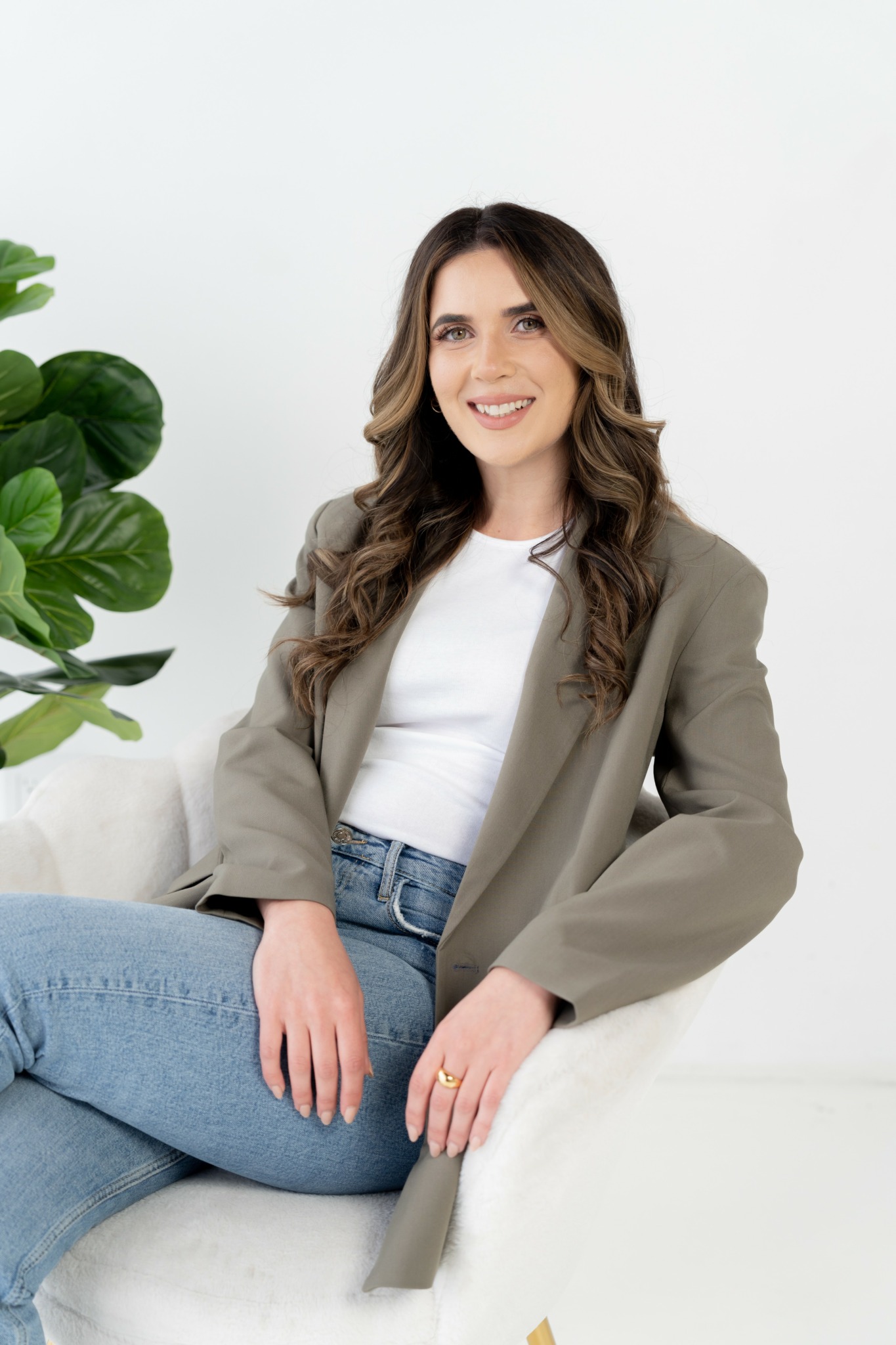
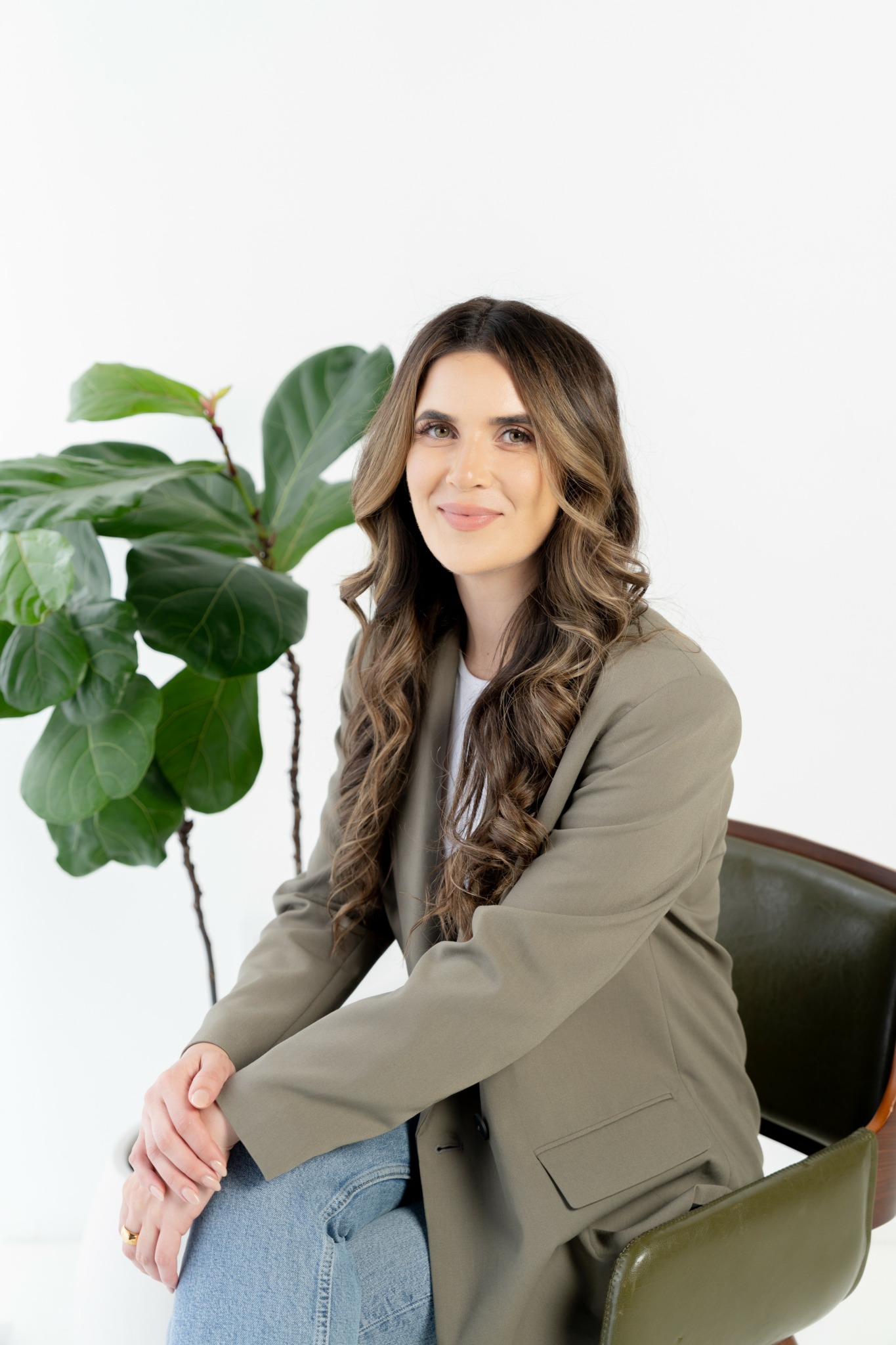
Image Credits
RTG Photography