

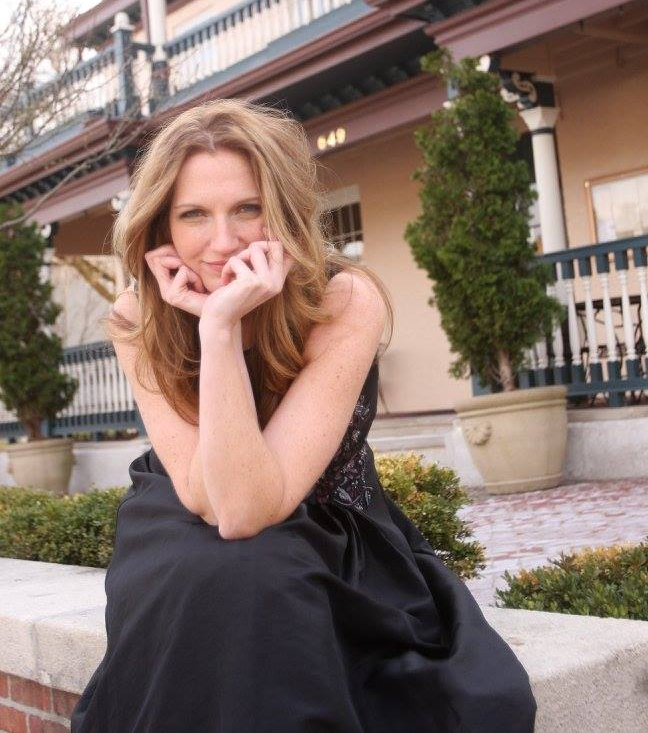

Alright – so today we’ve got the honor of introducing you to Steph West. We think you’ll enjoy our conversation, we’ve shared it below.
Steph, thanks for joining us, excited to have you contributing your stories and insights. Can you talk to us about a project that’s meant a lot to you?
My novel, and now screenplay, “Newcross,” is the most meaningful fiction project I’ve worked on to-date, for many reasons. It actually started as a short story called, “Nellie,” which I started to shoot as a short film. But halfway through production, I needed to select a thesis for my MFA and “Nellie,” always seemed to pack the most emotional punch with readers. So I selected it for my thesis, halted production on the short film, and started to turn it into a novel.
The short story/film “Nellie” then began to morph into this science fantasy/action-adventure epic that traveled into emotional and magical places I got excited about. As I developed it into “Newcross,” it took on so much meaning to me because I realized it was reflecting so much of my childhood with my older brother and the adventures we’d go on in the country. We grew up in what is considered Appalachia and the Midwest (southeastern Ohio) and we’d go three-wheeling, play in the creek, collect crawdads, adventure through the woods – very “Goonies”-like. As a child, the woods felt like magic; the way the sun filters through the leaves, and the crackle of branches and the unknown – it always felt like an adventure of some sort.
So I found myself capturing the magic and adventure of our childhood in what became the novel and screenplay, “Newcross.” It’s about a street-smart NYC detective named Fin Baker, who is whisked back in time to Newcross, Ohio, by her immortal father to meet the mother who abandoned her at birth, and save humanity from a life-ending dagger called The Grim. It’s got influences of “Clash of the Titans,” “Goonies,” and “Indiana Jones.”
You know, I remember going to the movie theater and getting popcorn and watching these big, adventure movies that were just fun and compelling and had great characters – the movies that made me love movies. And I translated that love into my own adventure story. I want to love going to the movies again for that kind of fun, and I hope audiences will eventually get to have that same kind of experience with “Newcross.”
Steph, love having you share your insights with us. Before we ask you more questions, maybe you can take a moment to introduce yourself to our readers who might have missed our earlier conversations?
Well, to start, I have always been a writer; there is absolutely no question about that. The first story I remember writing was called the “Great Hershey Bar Escape,” about two chocolate bars that escaped captivity from the chocolate factory, only to get free and then melt in the sun. I followed that up with a newspaper that I wrote 10 copies of and sold on the playground for forty-five cents a copy. The main story was “Ohio State Fat Baby is Born!” When I graduated college, I had to find a way to get paid to write, so I started as a photography stringer for the local paper and was eventually hired as a full-time general reporter. At that time, and this is the truth, even though I loved films and loved to act, I didn’t realize that women could make films or write films; everything I saw or heard led me to believe that men wrote and directed films, and women acted in them. The environment I grew up in, women had very specific roles, and being a filmmaker wasn’t one of them. But after my daughter was born and I moved to Columbus, I realized the extent of how wrong that belief and information was.
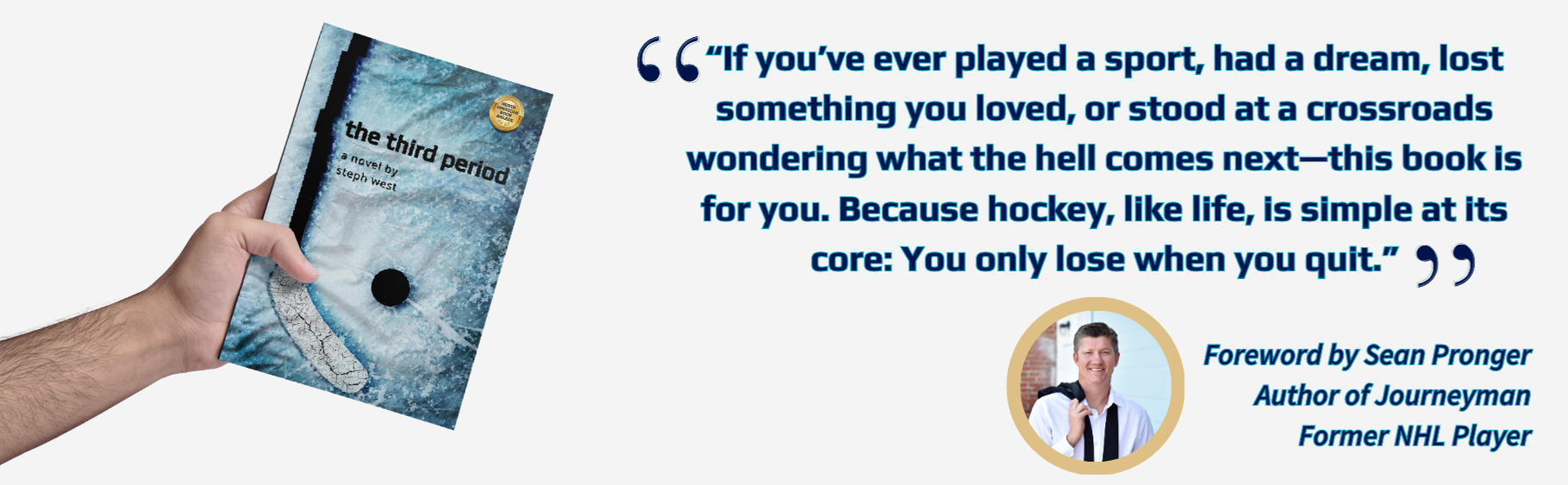
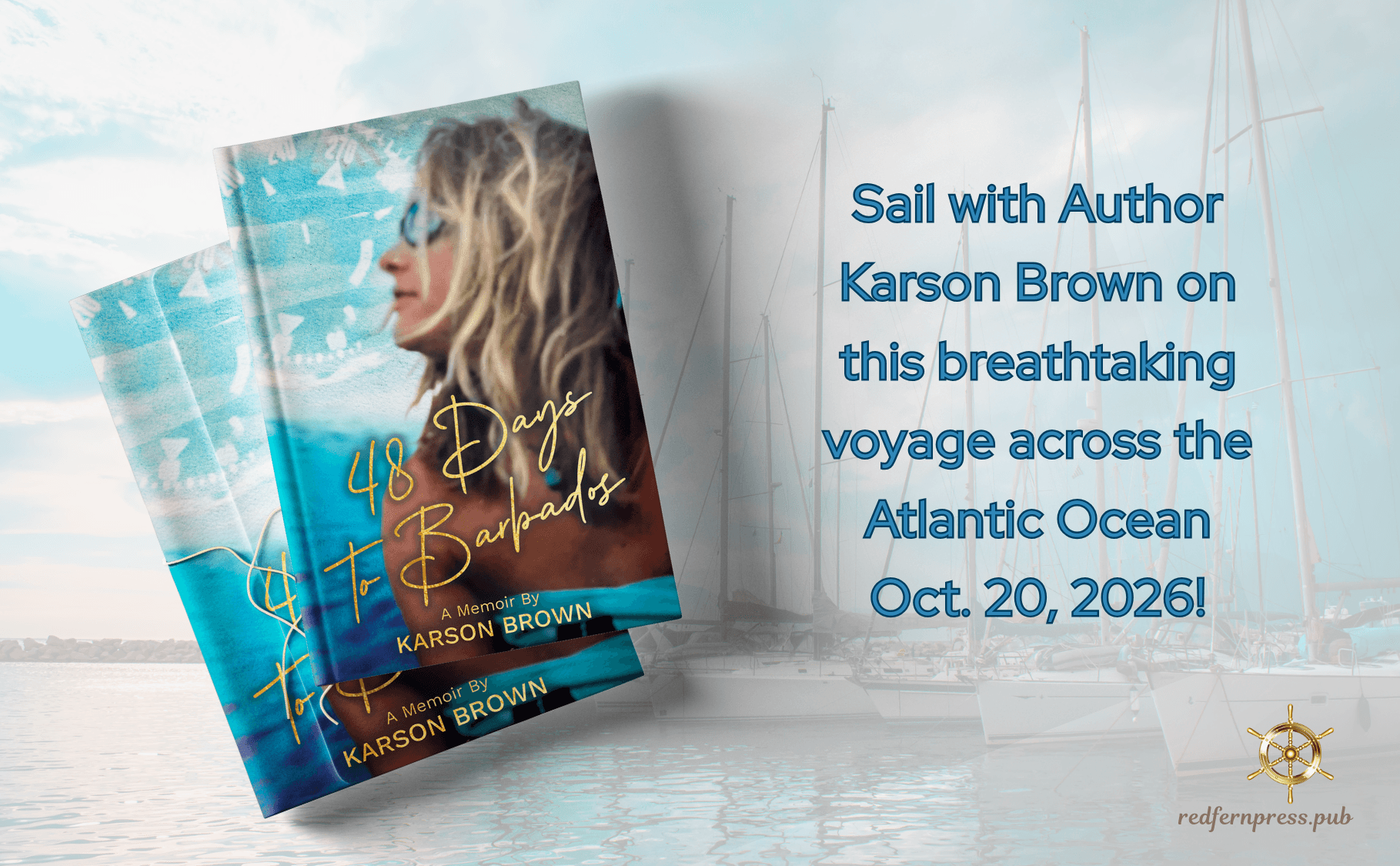
So, I wrote my first screenplay, “Small Town Secrets,” and it was requested by a couple agents and landed in the top 25% of the Project Greenlight contest when it was run by Matt Damon and Ben Affleck. And that was my first taste that I might be able to make and create the things I loved so much – movies. So I pursued it more heavily and eventually wrote and directed my first short film, “Olsky,” which ended up being an Emmy-nominated (regional) short film. I produced a few more award-winning, festival-accepted short films while also writing novels, and starting two indie companies, 11/1 Productions (a boutique production company for narrative projects only) and Red Fern Press, a small indie press.
My journalism background, and now my legal background, have had a profound effect on how I tell stories and why. I’m not just concerned about how women are portrayed in films and other content, but also about who is funding those endeavors and who is creating them. Who stands behind the camera is as, if not more, important than who is in front of it, because it’s the money, the director, the cinematographer, and the editor, who are ultimately shaping the story and how those characters are portrayed. The more women who are put into those spaces, particularly where the money trail is concerned (because women, myself included, continue to have a severe lack of access to funding), the better the content will be for women. Stories by women, for women, about women, are always going to ring more true because they will be more reflective of the full, dynamic female experience. My goal is to support that aspect and try to find ways to level the playing field for women and other marginalized populations in the entertainment space.
How about pivoting – can you share the story of a time you’ve had to pivot?
Life is about pivoting, especially now with AI changing the world the way computers did and then cell phones and then social media – if you’re not pivoting and actively practicing continued, lifelong learning, then you’re not going to succeed. And that’s true for anyone in any field in any part of life.
For me, my first big pivot was when digital killed the print star – I had to take my journalism skills and translate them into digital capabilities learning social media, video, producing, and audio. As I watched my journalist coworkers get laid off in huge masses, there was an existential crisis about, “Oh no, my field is being gutted, so I have to figure out how to survive.” I went to nursing school as a back-up while teaching myself new digital and video skills. Eventually, those skills got me recruited into digital marketing at a corporation and I fully pivoted my career.
Then, spring-boarding off that, I pivoted again into production and publishing. I had spent my career telling other’s stories and I finally wanted to tell, not just my own, but other’s stories that I felt aligned with my mission to bring more female stories forward, and to champion female writers and creators. This has been a long-tail process of trial and error, learning not just the creative space and the way it keeps changing at such a rapid pace, but also keeping pace with how audiences tastes are changing (but also staying the same, weirdly) and how to earn a sustainable living doing so, which has been the most difficult part.
In that vein, I pivoted again, ever-so-slightly, into the law, focusing my efforts on entertainment and sports law, to bring that area of knowledge into my business in a way that can support my mission and bottom-line.
Overall, I think the skill of pivoting is a necessary component in all fields, but especially in the creative space, where things can change very quickly. Your ability to capitalize on whatever the presented opportunity is will be the thing that moves you forward and helps you be successful.

What can society do to ensure an environment that’s helpful to artists and creatives?
This feels like such an important question during a time when AI is shifting how we work. In this critical time, the most important thing people can do to support artists and creatives is to be mindful of (1) where they spend their money and (2) how they’re using AI.
First, if you’re purchasing art or a book or a film, you should really do your due diligence to ensure that it was ethically created by a real artist and not by an AI bot. Generative AI and whether or not what it creates is violating copyrights has not been fully resolved by our legal system. So, when people spend their dollars, they should be spending it on books and art and films that come from real human beings and, if it has used AI, has used it ethically.
Second, in that same vein, if you are the person using ChatGPT or some other AI tool to “create” things, you should be aware that what you’re using and/or creating could be a copyright violation or plagerism. So, when you use AI, it should be for research or to help you get started, or to run a grammar check – anything more than that becomes an ethical concern that, not only are you possibly stealing someone else’s work that has trained AI, but what you’re turning in is actually not your own work. You didn’t use your own brain to create it, to problem-solve it, or to bring it to life, other than a prompt. And so, you haven’t actually done the real work that creates neuropathways in the brain which translates into complex learning, which is why reports on AI and digital technology making the next generation less intelligent rings true to some degree, because they’re relying on a digital tool using other people’s work to answer their questions, rather than forcing their brains to do that essential work.
So, to me, these are two key ways to support artists and creatives at this time in history.
Contact Info:
- Website: https://stephwest.org/
- Instagram: https://www.instagram.com/searchingforboston/
- Facebook: https://www.facebook.com/AuthorStephWest/
- Linkedin: https://www.linkedin.com/in/stephanieannwest/
- Youtube: https://www.youtube.com/channel/UCAaeJC-hEWGC8BoGblyzGbQ
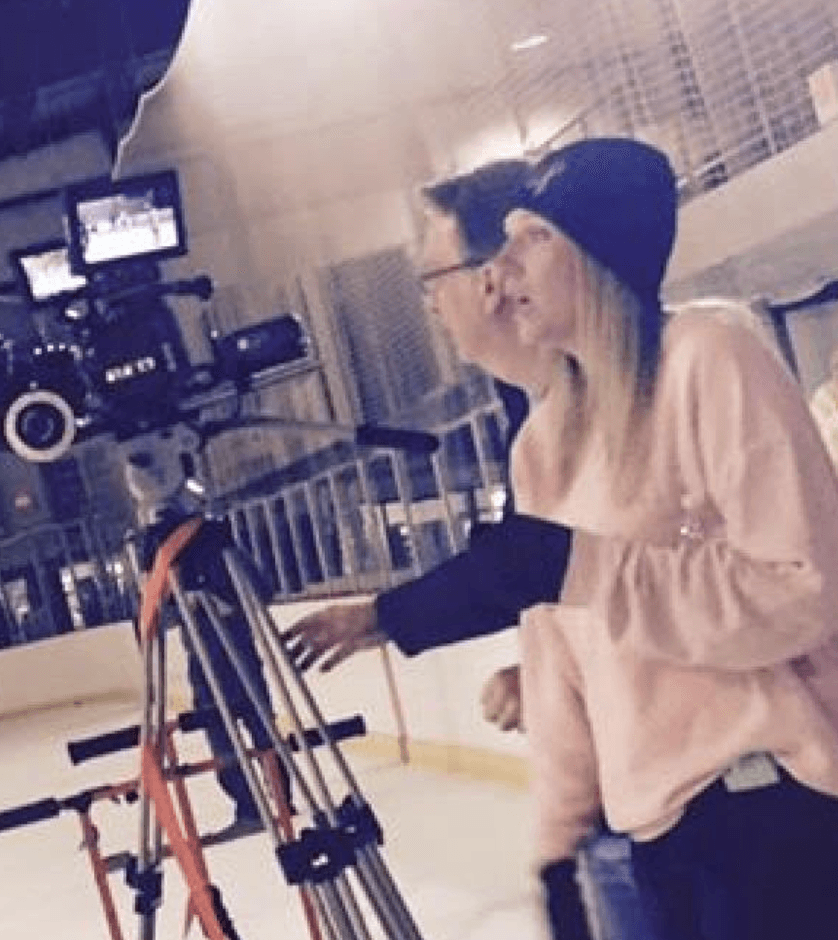
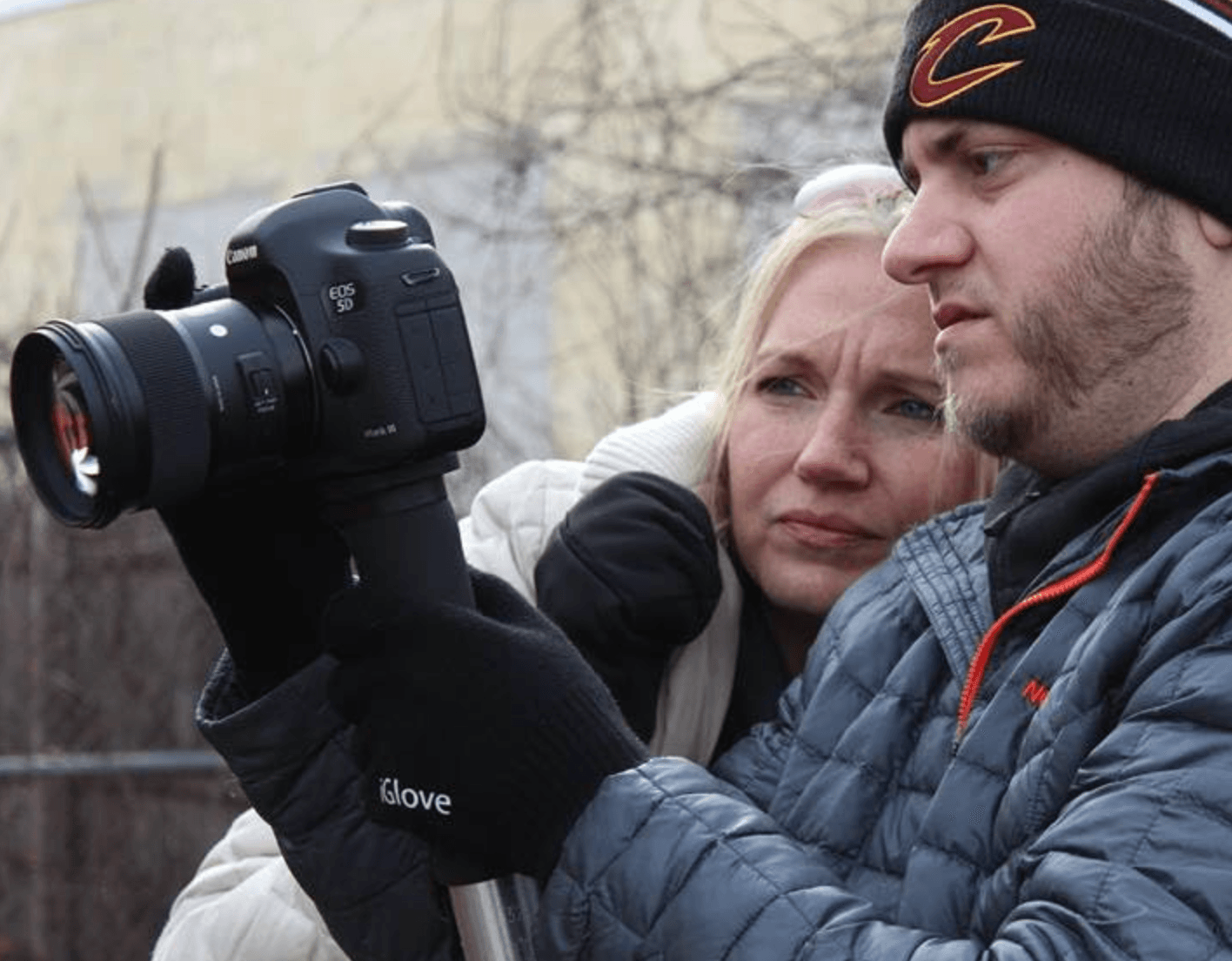
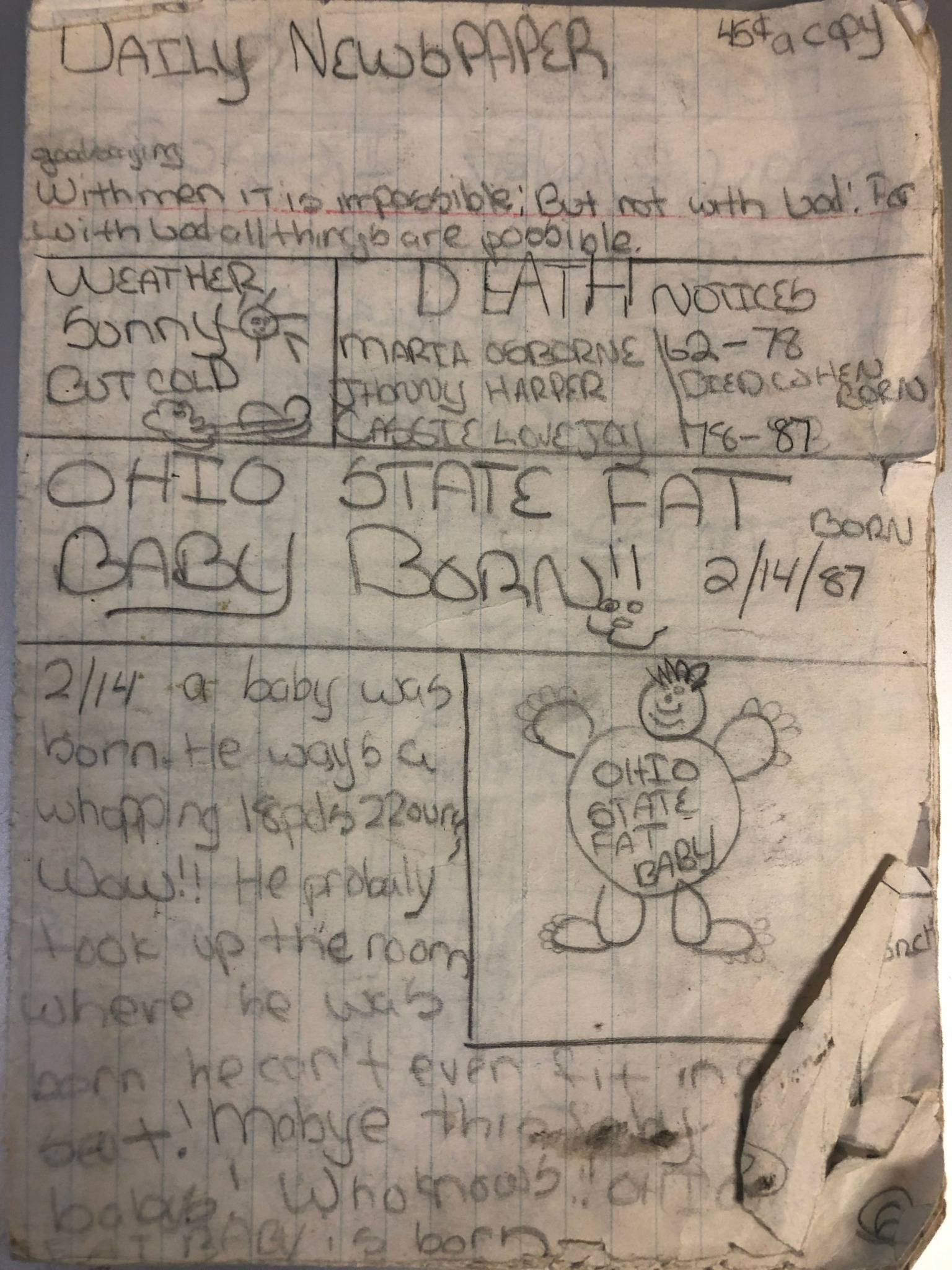
Image Credits
The main photo with my hands on my face should be credited as: Photo By Ben French
All book photos should be credited: Photo courtesy Red Fern Press
All on-set photos should be credited: Photo courtesy 11/1 Productions
All other photos: No credit required