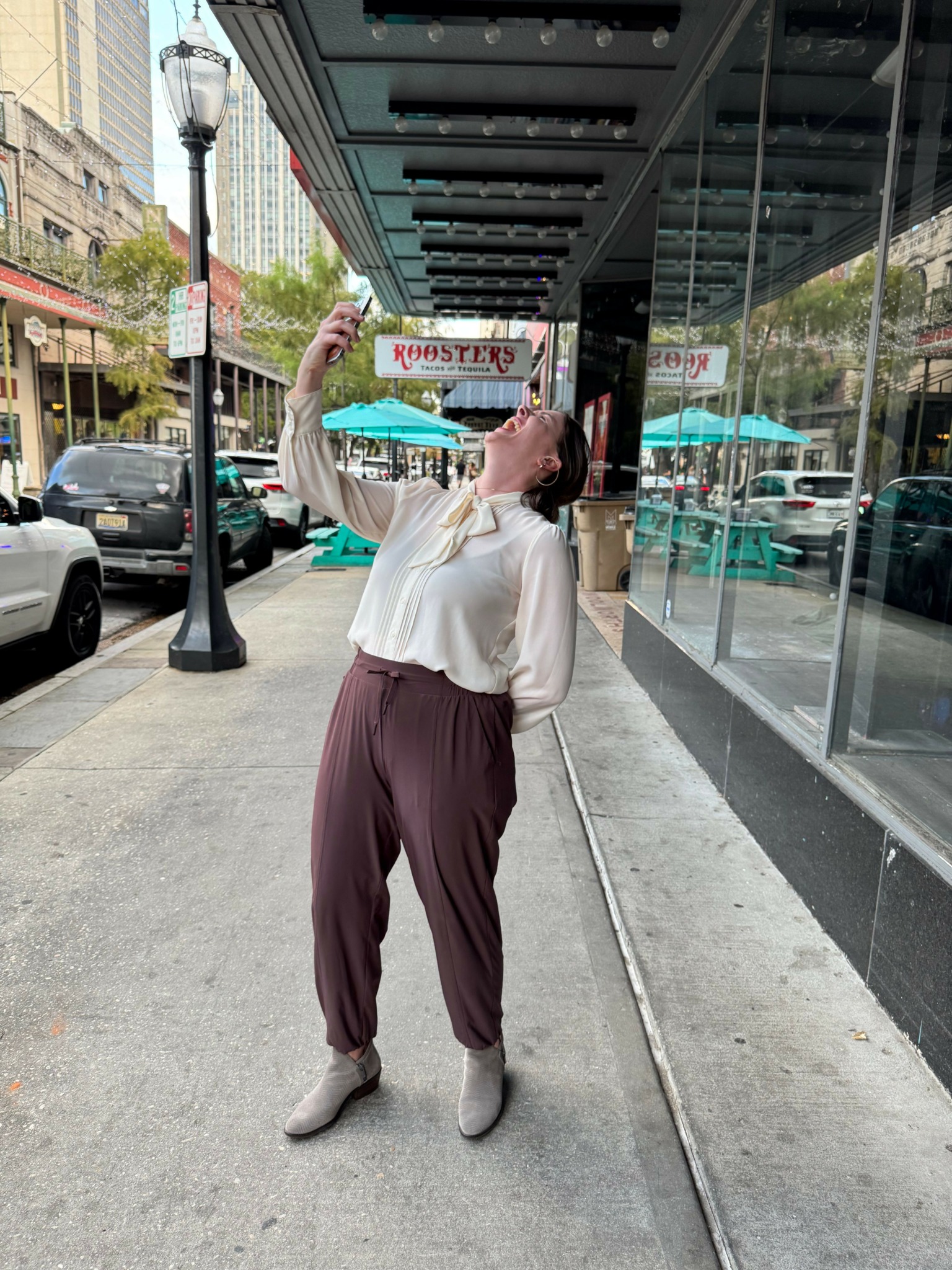
We were lucky to catch up with Steph Rubio recently and have shared our conversation below.
Steph, thanks for taking the time to share your stories with us today Almost all entrepreneurs have had to decide whether to start now or later? There are always pros and cons for waiting and so we’d love to hear what you think about your decision in retrospect. If you could go back in time, would you have started your business sooner, later or at the exact time you started?
If I could go back in time, I don’t think I would start my business sooner or later, what I would do is start with way more confidence, betting on myself much earlier, and a bit less afraid to go all in on one of the most hard working, resourceful, smart people I know – myself.
I started my business in 2022 after leaving a backend operations and administrative role where I was the sole business manager for the highest producing financial advisor in a local office. My attention to detail, anticipating needs, building systems, and keeping the wheels turning, much of that started in this role. But I was stifled, quite literally forbidden from answering questions and advising others around the office.
Here’s the thing: I make it my business to learn all things. So 5 years into this role, I didn’t just know how to make sure everything was in compliance, I also knew about investing and life insurance, the trade of the advisors. I knew IRS details. I won’t bore you with the rest, but the point is that I learn, fast, like a sponge and when others wanted to pick my brain, I would have a boss that hovered over and didn’t want them utilizing my time that he paid for. I wasn’t meant to just execute; I was meant to lead and educate, helping others grow with the knowledge I’ve collected from over two decades of working.
While I always knew I left because of how miserable this became, I didn’t fully realize until last year that the miserable was from misalignment because the one thing I’ve always been is a leader, helping others, grading the Algebra work for the teacher, that ish. So it wasn’t a characteristic that was being stifled, it was me.
By the time I finally decided to leave, I didn’t have the confidence to bet on myself, to trust myself. I didn’t even understand the magnitude of the value I brought to a business. I just needed a paycheck back then. I was so happy to be home with my family every night and weekend after years in a sales job that didn’t allow that. This lack of self-belief caused me to give up on myself more than once and retreat back to the perceived safety of stable jobs.
This wasn’t my first attempt at entrepreneurship. I started an online clothing boutique on Instagram in 2013 — long before Instagram became the marketing machine it is today. I shut it down within months because I didn’t get the buy-in I expected and didn’t believe I knew what I was doing, instead of sticking it out and learning, trusting the most capable person in most rooms – myself. I tried a direct-sales business when my son was young, selling makeup out of my car and in people’s homes quickly realizing that was not my lane. I started a blog in 2019 I hoped to monetize but I felt no joy talking about travel and food so I quit again.
The common thread was never a lack of drive or skill. It was survival. I needed financial stability. I wanted to be present for my family. I dropped my son off at daycare at six weeks old so I could go work a sales job that didn’t light me up and that reality has stayed with me. I was searching for a way to use my skills to build a life that felt aligned, but I didn’t yet believe I could pull it off.
Okay, back to 2022. A few months into opening my own Virtual Assisting Business I was already transitioning into Executive Assistance & Project Management. I had a pretty decent roster of impressive clients – a well-known interior designer that had me working in the backend of Magnolia Network, a CEO Harvard grad of an Edtech startup, people that had me shaking in my boots. Working with the Leadership team of the startup companies I supported is where I learned strategy — real strategy — helping develop and execute plans at the highest level.
With the support of my own mentor at the time throughout these few years, a powerhouse COO woman in these tech startups, my confidence gap finally closed. She saw how my brain worked and consistently reinforced that my insights mattered, even in a room and at a table where the pedigrees terrified me, the dirt poor little girl from the middle of nowhere in rural South United States. I was terrified to speak up in leadership meetings, surrounded by executives with impressive resumes, these people were meeting Bill Gates for crying out loud. This mentor? She encouraged me in private to speak up in these rooms, share my insight & expertise and often than not, it was the missing piece. No one laughed or shunned me or ridiculed me for not understanding the level of their conversation (that was all in my head). Over time, I didn’t need her validation anymore. I trusted myself and now I stand firm in my expertise.
That realization changed everything. I already knew how to see gaps, think holistically, plan for what’s coming, and lead people toward a desired outcome. I had been doing it for years. I just hadn’t owned it. That COO was the catalyst for me flipping my operations support business on its head in 2024 and moving into leading and educating other entrepreneurs on a similar path and just struggling to bet on themselves or needing to fill their knowledge gaps with true business strategy. She reignited my passion to lead. She is what I want to be for others getting in their own way.
So would I start my business sooner? Maybe — because I love what I do now and the impact I’m building. But what I truly wish I had started earlier was the belief in myself. That confidence would have saved me years of second-guessing and expanded my impact sooner.
Looking back, I wouldn’t change the timing nearly as much as I would change how early I learned to trust my own capabilities, to get super, eerily clear on what I want the future of my life and business to look like, not my partner, parents, friends, kids, ME. Because that’s not the kind of stuff you hide from. It’s actually what gives you the courage to keep going.
And my two decades of experience is just a tool I use to help service based entrepreneurs to grow their businesses.

As always, we appreciate you sharing your insights and we’ve got a few more questions for you, but before we get to all of that can you take a minute to introduce yourself and give our readers some of your back background and context?
You can scroll through social media right now and get 15 of the same type of expert in the same field telling you 20 different pieces of advice that you need to follow to find the client, set up the funnel, do the thing to finally reach that goal or make that money.
But the reality is that business is not cut and dry. There is no one way to run a business. There is no one way to achieve what you want to achieve. There are not two people whose lived experiences are the same, who have the same personality, approach, quirks, setbacks.
Which means the approach will always be somewhat unique if you ever have hopes of it leading you where you want to go.
That’s what a true business strategy looks to solve – getting intimately clear on where you wanna go in not only your business, but also in your life. What do you want every day to look like? What kind of clients are you working with? What kind of work are you doing? What kind of money are you making? What are people saying about your business, about your brand in rooms that you’re not even in?
And (this is the part most people, especially women and historically underrepresented groups miss), you need to do the same for your life. What do your days look like? What are you doing in your free time? What makes you freaking ecstatic to wake up every day? Slow mornings or restful evenings? Weekend adventures or cross country vacations every year? A farm with some chickens.
That’s your big, scary vision of the future and it’s time to say it out loud. To get audacious about what you want out of this life and you have to get clear on that first because if not, what are you even marching towards?
It’s like me getting in the car in Florida in the United States and driving to see my friend in Oregon. If I don’t put that destination into Apple Maps, how do I know I’ll get there? I can probably figure out I need to at least drive Northwest. You know I have some semblance of knowledge and that’s cool. That will get me to a destination, but I don’t know if it will get me to my desired destination. And that’s made even more impossible if I don’t know my desired destination.
Next up you audit what you’re currently doing, what moves you are currently taking, where are the gaps and this ranges every function of your business, not just a lead generation strategy. We’re looking at marketing, sales operations, client experience as well as your capacity and energy.
Once you have all of this data about where you want to go, what you’re currently doing to get there, suddenly you have a roadmap to get to that desired destination. You can reverse engineer your way to that future state.
If you know business of course because to design a strategy for your business you will need practical tools to fill any of those gaps.
My approach isn’t something that works one time based on something I successfully did once myself a few years ago.
My approach takes into account the experience of every stakeholder because when you run a business, you manage more relationships than just your clients or you fail to manage them and that also affects your reputation.
In business, your reputation is your revenue. And everyone who has a stake in your business carries that reputation. Your clients, past and present. Your collaborators and brand partners, your business buddies who have never paid you anything in their life but still carry your reputation, send you referrals and slide opportunities into your inbox, because they know you and trust you. Your team, the people that you hire to also help you carry the load of what you’re doing here. And yourself.
So your strategy should span all of this.
Another differentiator? I also always lead with why, not asking why, answering why. A lot of people tell you what to do — post this, market that way, use this workflow, try this offer. I do that AND I explain why it matters, how it connects to your bigger vision, and what the ripple effect is across your business. When people understand why, strategy sticks. They build skill, not just compliance.
Why not one more differentiator? I start with the person, not just the problem. I don’t spend six months solving surface-level issues only for someone to realize they don’t even like the business they’re building. We get clear first. We identify the root cause of the current situation because most often what people are solving is the surface level symptom, not the root of the problem to effect change for the long game, not just this month.
Then we decide. Then we execute. Then we monitor, tweak, and repeat.
I’m often called a business coach, when clients send referrals my way, or when I’m tagged on Threads because someone is looking for a business coach, but I’ve never actually referred to myself that way. I’m a strategic planner and mentor. I work at the intersection of strategy, systems, and self-leadership. I help clients see the full picture — top-down and bottom-up — identify gaps they cannot see, and learn to lead themselves and their businesses toward a future that actually feels aligned. I transform business owners into leaders by helping them turn those bomb diggity transferable skills into a stable company.
I want clients, past, present, and future, as well as readers to know that you’re allowed to want what you want — and you’re allowed to build a business that supports it, leveraging every stakeholder to share with the world that you are the best in the game.
Which means suddenly you’re not chasing this weeks marketing “hacks” to find clients. You’re attracting them, waking up to connection in your inbox. And even better? You’re keeping them so your marketing suddenly becomes easy as pie because your revenue engine is word of mouth.
And you’re not burning out while doing all of this. Because you learn to lead yourself too. You learn to care for the most important stakeholder of all, yourself. Yes, you. You hold this whole thing in the palm of your hand, in your head, in your heart. And eventually after all the sweat, tears, laughs, and late nights…into the world.
We’d love to hear about how you keep in touch with clients.
I don’t believe it’s just clients who build brand loyalty. I believe reputation builds revenue — and your reputation is carried by far more people than just the ones paying you right now.
When I think about brand loyalty, I’m thinking about multiple stakeholder groups: current and past clients, collaborators and brand partners, team members, peers and business friends who may never spend a dollar with you but recognize your work ethic immediately and see referrals your way as soon as they hear the need. And yourself. All of those people are carrying your name, your brand in rooms you’re not even in. That’s where loyalty is actually built.
The way I stay connected to these groups is rooted in the same core principles: integrity, consistency, communication, and follow-through. The strategy might look slightly different depending on the relationship, but the standard doesn’t change.
People trust — and recommend — leaders who stand on business. Who do what they say they’re going to do. Who excel at their craft. Who communicate proactively when something changes instead of disappearing. Who take ownership when something doesn’t go as planned. When people experience that consistently, they feel safe attaching their name to yours.
That’s how loyalty spreads beyond a single transaction and creates an entire ecosystem where your reputation is your real revenue engine.
With clients specifically, I focus on depth over frequency. Clear expectations, thoughtful onboarding, transparent communication, and being genuinely invested in their success — not just during the engagement, but after it. I care deeply about how people feel working with me and what they say once the container ends.
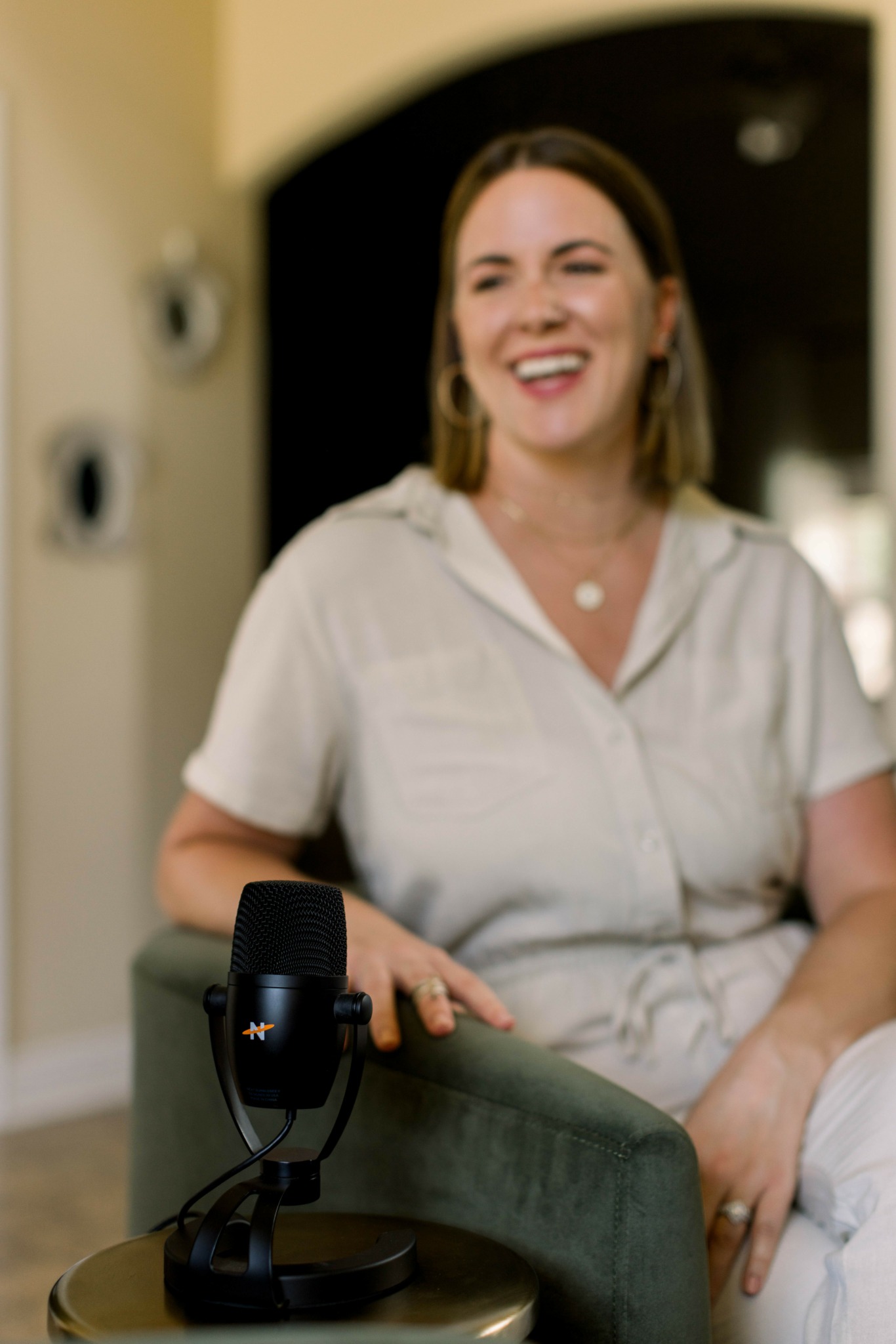
I’m intentional in my approach. My clients love me because I pay attention. Recently, someone said “I don’t know how you do it, but these guest workshops are always perfect timing” regarding a fire guest we had to lead a workshop inside my mastermind, the Rooted & Relentless Mastermind.
My answer? I pay attention. I listen to what everyone is saying week-to-week, what the real need and then I try to fill it myself or find experts who can. All I had to do was pay attention and this shouldn’t be the exception, it should be the norm.
It also helped that the container started with 7 audits covering all functions of their business, capacity, energy, and leadership so I had very raw data on gaps that I could throw into ChatGPT and ask it to spot the themes so I could source the knowledge or fill it.
Beyond clients, I’m intentional about how I show up in collaborations, on my podcast, and inside community spaces. I highlight others, credit contributions, and treat every interaction as part of a larger ecosystem — because it is. People notice how you move when you don’t “need” anything from them.
And just as importantly, I hold myself to the same standards. I don’t build trust by overpromising or pretending to have it all figured out. I build it by being honest, prepared, and consistent over time.
How do I use that intention to keep in touch?
I send handwritten cards – holiday’s, thank you’s, things like that.
When I see a birthday or anniversary on social media, say a story telling their kiddo happy birthday, I log that birthday in Asana so I can either send them one of those handwritten cards or just tell them, their kid, their dog happy birthday.
I send branded gifts at intentional touch points like onboarding and certain milestones.
And I use my systems to make this all super easy because we’re busy.
Brand loyalty isn’t built through gimmicks, fancy fonts, or a killer color palette. It’s built through reputation. And reputation is formed in the moments when no one is watching but everyone is remembering.
Alright – let’s talk about marketing or sales – do you have any fun stories about a risk you’ve taken or something else exciting on the sales and marketing side?
One of my favorite marketing and sales stories is actually pretty recent — it came from launching the founding round of my mastermind at the start of Q4 2025.
At the time, I was very aware of how loud and prescriptive online marketing advice had become. Everyone was teaching a step-by-step system based on something that worked really well a few times for them — and warning that if you deviated from it, you were doing it “wrong.” I decided to trust my instincts instead.
The first risk I took was branding-related. My mastermind was brand new, and I had just launched my podcast – The Rooted & Relentless podcast. What started as “just a name” had accidentally become a brand ecosystem. When it came time to name the mastermind, I had an idea I loved: The Clarity Coven. It was October, a little witchy, a little fun, and very me.
Several marketing professionals I respected advised against it. From a brand awareness standpoint, they suggested sticking strictly to one name everywhere. And they weren’t wrong — strategically, that advice makes complete sense. And I technically did that. The Rooted & Relentless Mastermind was born in October 2025.
But I also knew this: if you’re not having fun and letting your personality show up, people feel it, especially these days when authenticity is Queen because we’re in a post ChatGPT trust-pocalypse. So I compromised with myself. The mastermind would remain the Rooted & Relentless Mastermind — but the founding ten members would be called The Clarity Coven. They’d have their own little brand identity forever.
Then I leaned all the way in.
I dropped Easter eggs. I teased the name. I made it a reveal. And when those founding members joined, I sent them onboarding gift boxes — notebooks, handwritten notes, on-brand details — including a small “witchy” keepsake they could keep on their desk. Not only did it deepen the client experience, they shared it organically. Suddenly, my members and clients had an identity and a story they were proud to tell. And we were having fun throwing this all over social media, together.
That founding round sold out all ten spots.
The second risk I took was how I handled the actual sales process. I didn’t build a complex marketing and sales funnel. I didn’t rely on perfectly timed, pre-written email sequences alone. I had real conversations. Yes, I sent emails — but I also paid attention.
Wanna hear something else interesting? I had a waitlist of 15 people for 10 spots. On paper, that’s “too small.” Industry benchmarks typically expect anywhere from a 1–3% conversion rate from a waitlist, which would suggest I needed hundreds of subscribers to sell ten spots. I had no business going into this thinking I could sell 10 spots. I proved otherwise.
Here’s where it gets interesting: Toward the end of sales week, I reviewed the data in my email marketing platform and noticed a few people clicking the sales page multiple times but not buying. Clear interest — something was just unresolved. So I did something that a lot of people are afraid to do: I went into their DMs.
To be clear, I have a small, intimate, bought-in community so every single one of these waitlisters followed and engaged with me on Instagram already. So, I didn’t pitch. I didn’t pressure. I simply said, “I saw you were still considering this, which tells me you’re interested but something’s clearly going unanswered. I’d love to help you make a clear decision either way.”
Two people told me why it wasn’t the right time — great, clarity achieved. Decision made. Spiraling avoided. Psst…that’s leadership, quick decision. One person shared a concern based on a misconception about their phase of business potentially not being a fit. Valid concern, once I want to avoid too, fitting people into misfit offers. But that wasn’t the case so I took the chance to clarify, explained how it actually supported her needs, and she joined that same day.
That final conversion didn’t come from a funnel hack. It came from presence, trust, and relationship.
What that launch reinforced for me is this: marketing has never been one-size-fits-all. People didn’t stop responding — they stopped responding to formulaic, disconnected tactics. When you stay human, lead with integrity, and trust your relationships, sales don’t feel like selling. They feel like alignment.
That founding round worked not because I followed the rules — but because I stayed rooted in who I am and relentless about serving the people I was building for, my way.
Contact Info:
- Website: https://www.stephrubio.com/business-mentor
- Instagram: https://www.instagram.com/virtually_stephrubio
- Youtube: https://youtube.com/@rootedandrelentlesspod?si=jodYwusCQgEjDAW0
- Other: https://stephrubio.myflodesk.com/letsconnect