

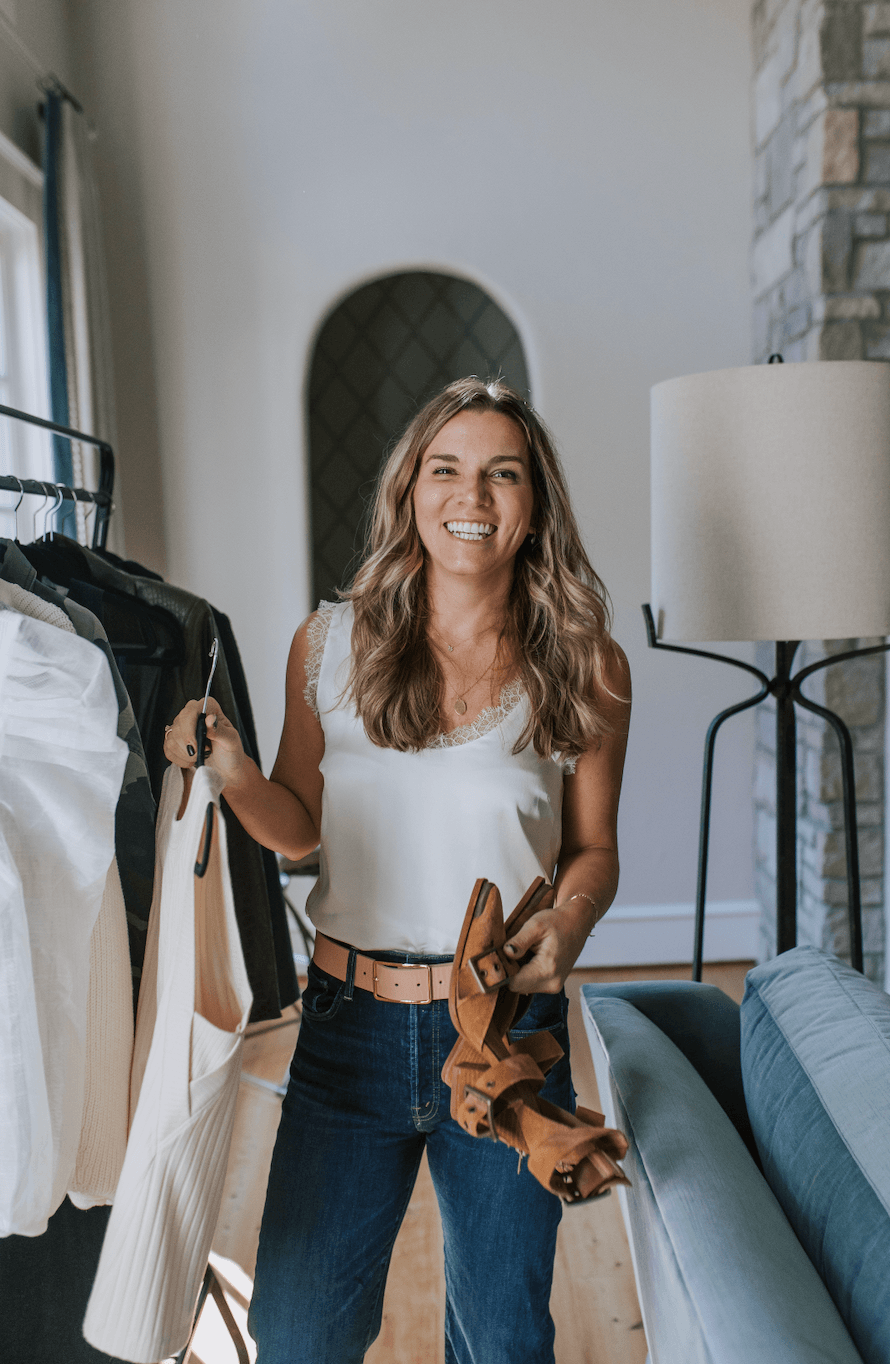

We caught up with the brilliant and insightful Stacey a few weeks ago and have shared our conversation below.
Hi Stacey, thanks for joining us today. Coming up with the idea is so exciting, but then comes the hard part – executing. Too often the media ignores the execution part and goes from idea to success, skipping over the nitty, gritty details of executing in the early days. We think that’s a disservice both to the entrepreneurs who built something amazing as well as the public who isn’t getting a realistic picture of what it takes to succeed. So, we’d really appreciate if you could open up about your execution story – how did you go from idea to execution?
I always say the execution happened quickly, but the foundation had been building for years.
I started in retail at 18 and kept coming back to it, even while I was teaching elementary school. I didn’t fully realize it at the time, but I was already doing what I do now—helping women figure out what works for their body, their lifestyle, and how to actually get dressed in a way that feels easy.
The turning point was pretty simple. I was on a beach trip with family and friends, and we were talking about dream jobs. I explained what it would look like to build a business around closet edits, personal shopping, and styling. At the time, it was just a conversation.
A couple of weeks later, I was on a trip to Atlanta with my mom, explaining the idea again, and she said, “You should just do it.” Then a friend there said, “Start—I’ll be your first client.” And she was.
From there, I didn’t wait until everything was perfect. I just started. I took on that first client, built the process as I went, and let the business grow in real time.
At the time, I was still teaching full-time, so that first year looked like working all day at school and then working with clients in the evenings and on weekends. I launched in summer 2021, got pregnant that fall, and had my daughter the next summer—so I was very motivated to build something that gave me flexibility long-term.
I think what really allowed me to move from idea to execution was not overcomplicating the start. I focused on serving one client well, refining as I went, and trusting that I didn’t need everything figured out to begin.
Stacey, love having you share your insights with us. Before we ask you more questions, maybe you can take a moment to introduce yourself to our readers who might have missed our earlier conversations?
I’m the founder of Curated Wears, and I help busy women simplify their closets so getting dressed feels effortless instead of overwhelming.
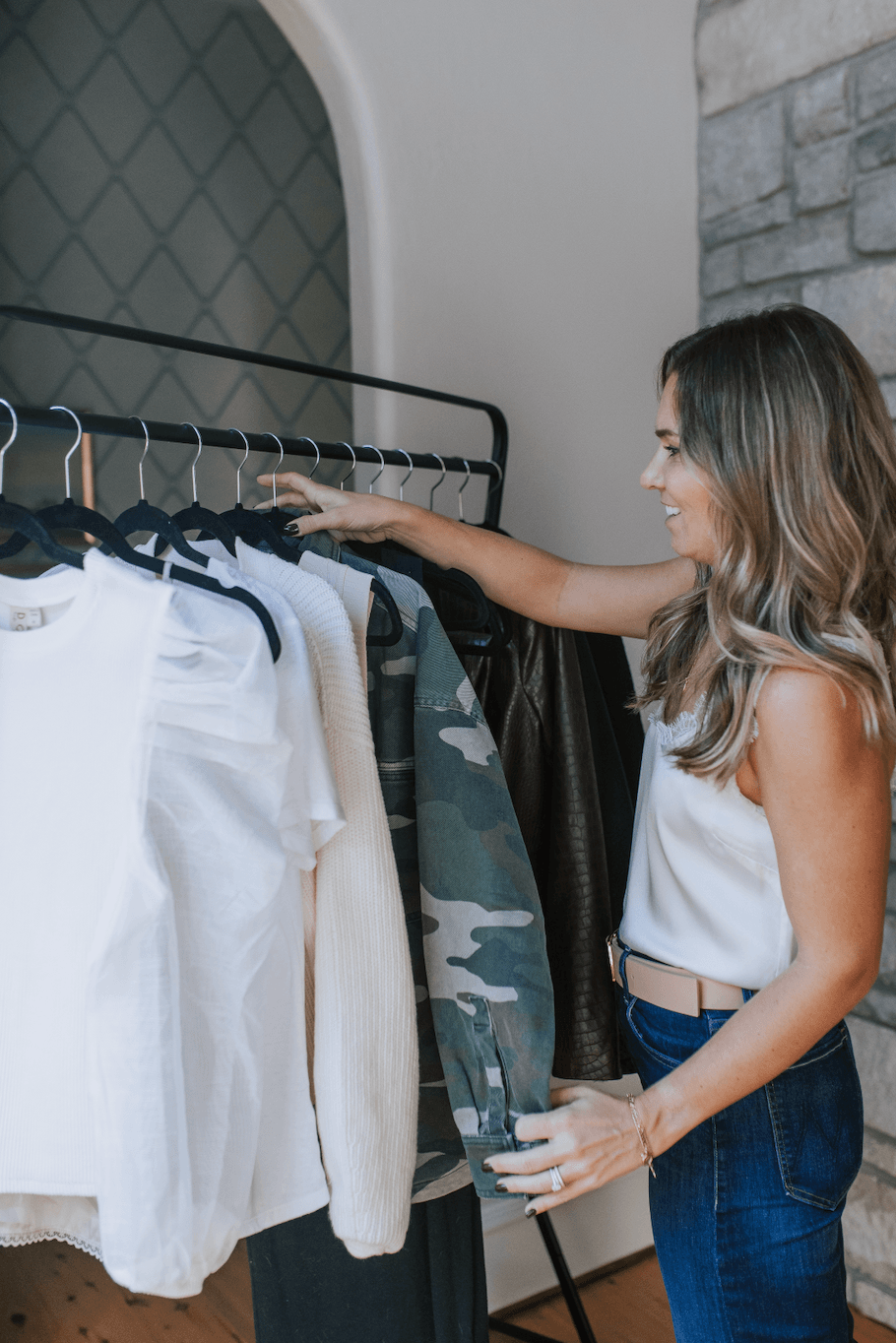
What I do is take something that’s part of your everyday life—getting dressed—and make it seamless. I start with closet edits, where I go in with a fresh, objective eye and help clients remove what isn’t serving them. From there, I reorganize their space so it actually functions for their life, shop intentionally to fill the gaps, and then style outfits so they know exactly how to wear what they own, including the new pieces.
The common thread across all of my clients is that they’re busy. Many are moms, many are business owners, and a lot are both. I also work with women in later stages of life, and what’s interesting is that while their days may look different, they’re all navigating some kind of transition. In those seasons, your closet can either support you or completely slow you down. My role is to make sure it supports you.
What sets me apart is that I’m not just focused on clothes—I’m focused on function. I’m deeply practical, but also very particular about how things fit, feel, and work together. I don’t believe in overcomplicating style. I believe in creating systems that make getting dressed easier.
At the end of the day, I’m taking a mental load off my clients’ plates. I’m helping them get time back, feel more confident, and remove one daily stressor from their life.
I’m incredibly proud of the relationships I’ve built with my clients, but I’m also really proud of the daily juggle it takes to build this business. Balancing motherhood, running Curated Wears, and figuring things out as I go does not look perfect, and it’s not supposed to. My oldest daughter recently got a toy laptop so she can sit next to me and “work,” and that moment meant everything to me. I love that my girls are growing up seeing that you can build something, work hard, and go after what you want, even when it’s a little bit chaotic.

Have you ever had to pivot?
I always laugh at this question because my entire career has been a series of pivots—but the most defining one was shifting from a traditional career path into building my own business.
I actually started in college as a fine arts major with an emphasis in painting. I’ve always been a very creative person, but I realized pretty quickly that it would be difficult to support myself that way long-term. So I pivoted into education and became an elementary school teacher.
What’s interesting is that even that pivot was rooted in what I still do today—I fell in love with the relationship side of teaching. I loved building trust with my students and their families, and that piece has carried into my business in a really meaningful way.
The next major pivot came when I started my business while I was still teaching. I was essentially balancing two careers at once, and I had to figure everything out in real time—how to serve clients, how to structure my process, how to actually deliver a high-level experience without having all the tools or systems in place yet.
In the beginning, everything was manual. I was building out every client project from scratch, piecing things together, and spending a lot of time figuring out how to make it all work. Over time, I realized that if I wanted to grow, I had to evolve. So I invested time into researching better systems, connecting with other women in my industry, and eventually moving everything into a more streamlined, app-based experience for my clients.
That pivot—from doing everything manually to creating a more efficient, elevated system—completely changed my business. It allowed me to serve clients at a higher level while also making the process more sustainable.
I think what I’ve learned is that pivots are rarely clean or comfortable, but they’re usually necessary. Every time I’ve made one, it’s been because I’ve outgrown something—and on the other side of it is always a better, more aligned version of what I’m building.

What’s worked well for you in terms of a source for new clients?
I’m really fortunate that the majority of my clients come from referrals. A lot of my clients know each other or are connected in some way, so it’s naturally grown into this network where one client leads to another, and then another.
It’s become this really special web of relationships, and I love that part of it. I obviously get to know my clients one-on-one, but it’s also so fun when I meet “their people” and can see how they’re all connected. There’s a level of trust that comes with that kind of referral, and it makes the process feel very natural from the start.
What’s been really interesting recently is that I’ve also started getting new clients through online searches and platforms like ChatGPT, which is something that honestly didn’t happen much before this past year. Over the last few months especially, I’ve seen a noticeable shift there.
It’s been a reminder of how much technology is evolving and how that’s starting to impact even very relationship-based businesses like mine. But at the core, whether someone finds me through a referral or online, the goal is the same—I want them to feel supported, understood, and taken care of from the very beginning.
Contact Info:
- Website: https://www.curatedwears.com
- Instagram: https://www.instagram.com/curatedwears
- Other: https://shopmy.us/shop/curatedwears

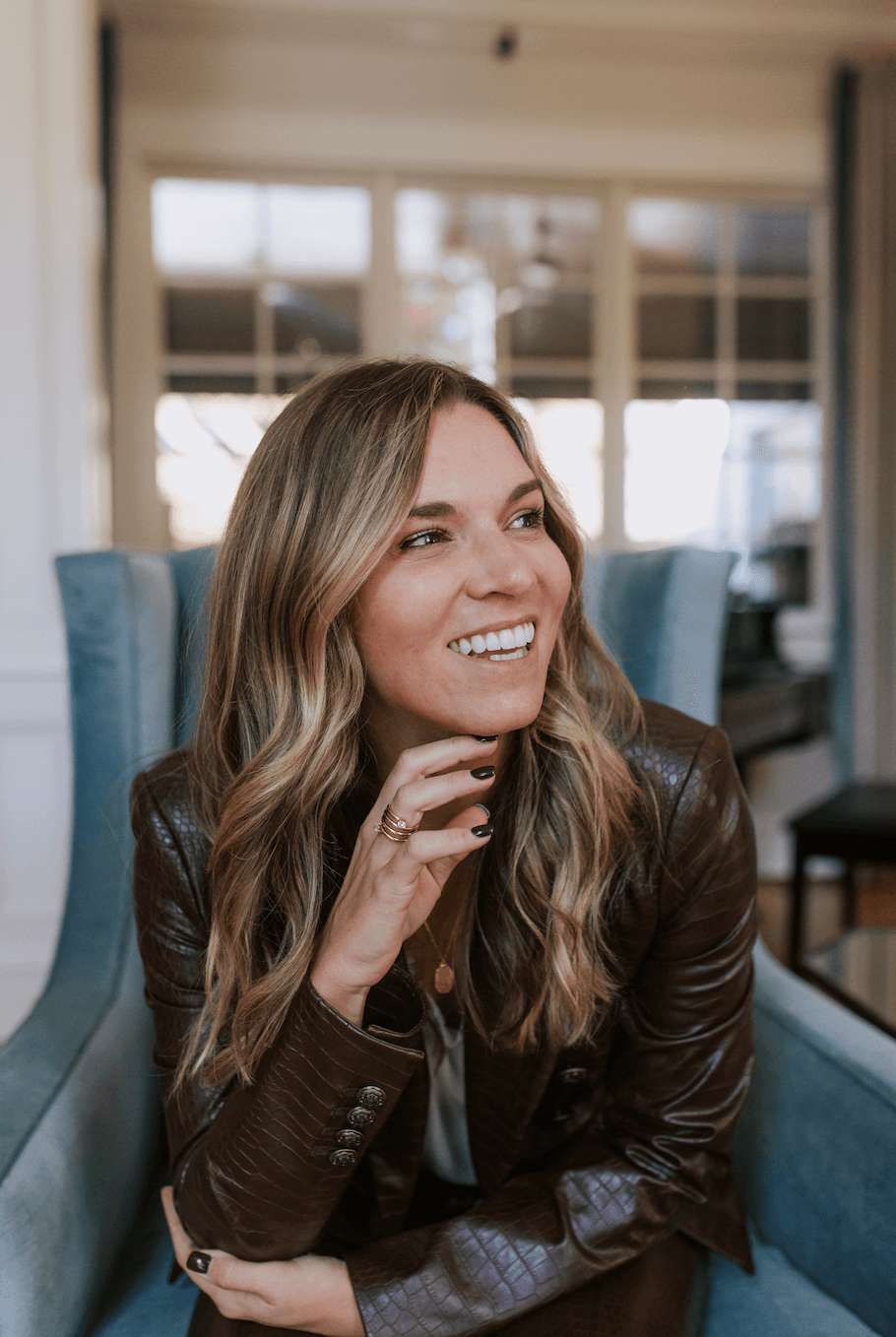
Image Credits
Lauren Ladd Photography