

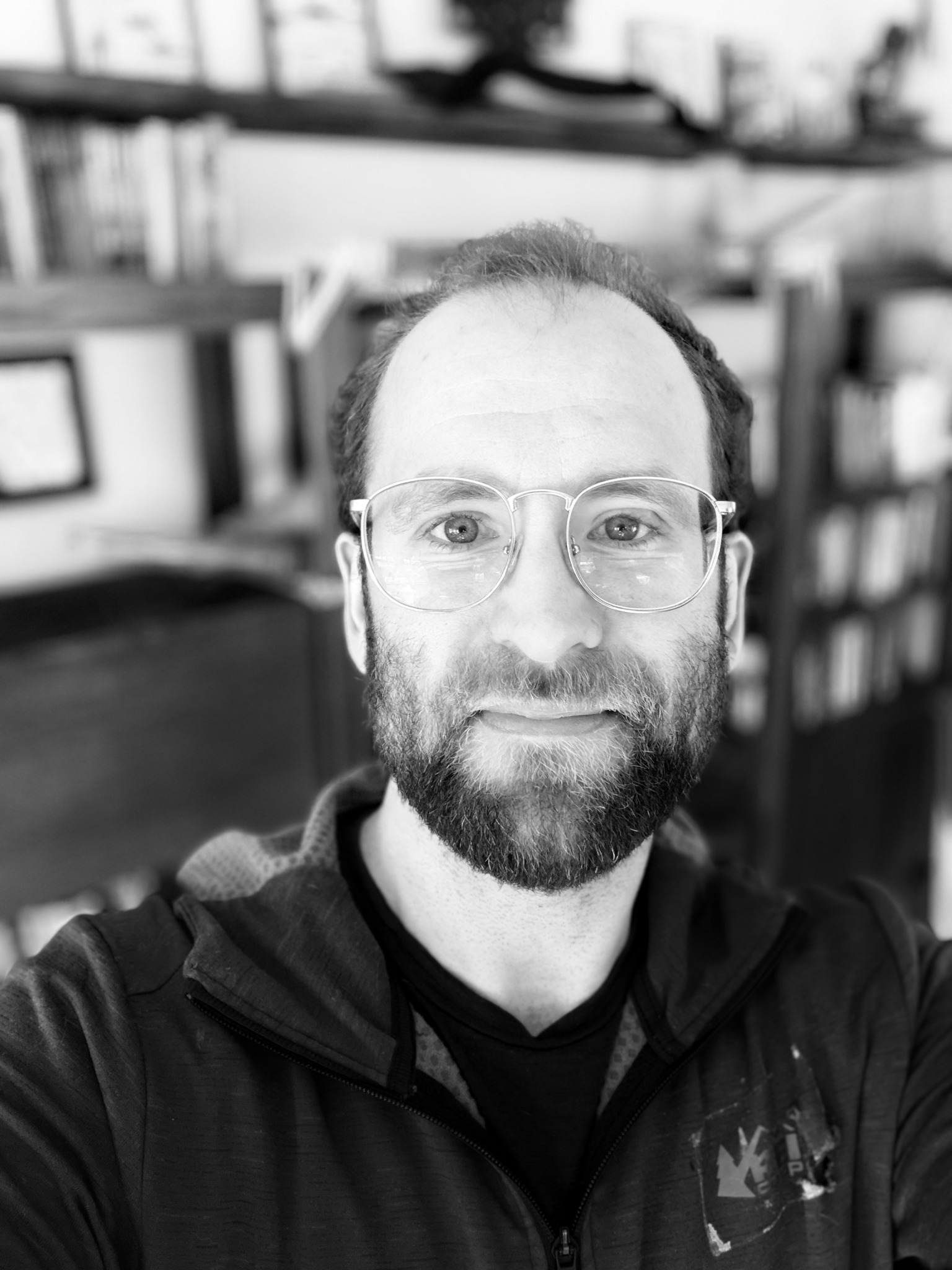

We were lucky to catch up with Soren Olsen recently and have shared our conversation below.
Hi Soren, thanks for joining us today. Are you happy as a creative professional? Do you sometimes wonder what it would be like to work for someone else?
I think about having a “regular job” all the time, but not because I want one. I think about it because the phrase itself reveals something deeper. Being an artist isn’t considered a regular job. And that raises a more important question: What does that say about us?
The doubt I feel isn’t just personal, it’s cultural. It comes from existing in a system that struggles to value art as essential. We readily pay for goods and services, for efficiency and productivity, but hesitate when it comes to supporting work that offers reflection, emotion, or meaning. Art becomes something extra, something indulgent, rather than something necessary.
But art is not optional. It shapes how we see the world, how we understand each other, how we imagine different futures. It asks questions that other industries avoid. It challenges power. It slows us down. And because of that, it often gets pushed aside.
So when I find myself wondering what it would be like to have a “regular job,” I realize I’m really confronting a cultural blind spot. The issue isn’t that being an artist is irregular, it’s that we’ve decided not to recognize it as real work.
Would I be happier in a regular job? No. But I would be happier in a culture that understood that this already is one.
Soren, love having you share your insights with us. Before we ask you more questions, maybe you can take a moment to introduce yourself to our readers who might have missed our earlier conversations?
I’m a director and interdisciplinary artist working at the intersection of theatre, design, and emerging technology. My work is driven by a fascination with how humans create meaning through story, ritual, and increasingly, through digital systems that shape our perception of reality.
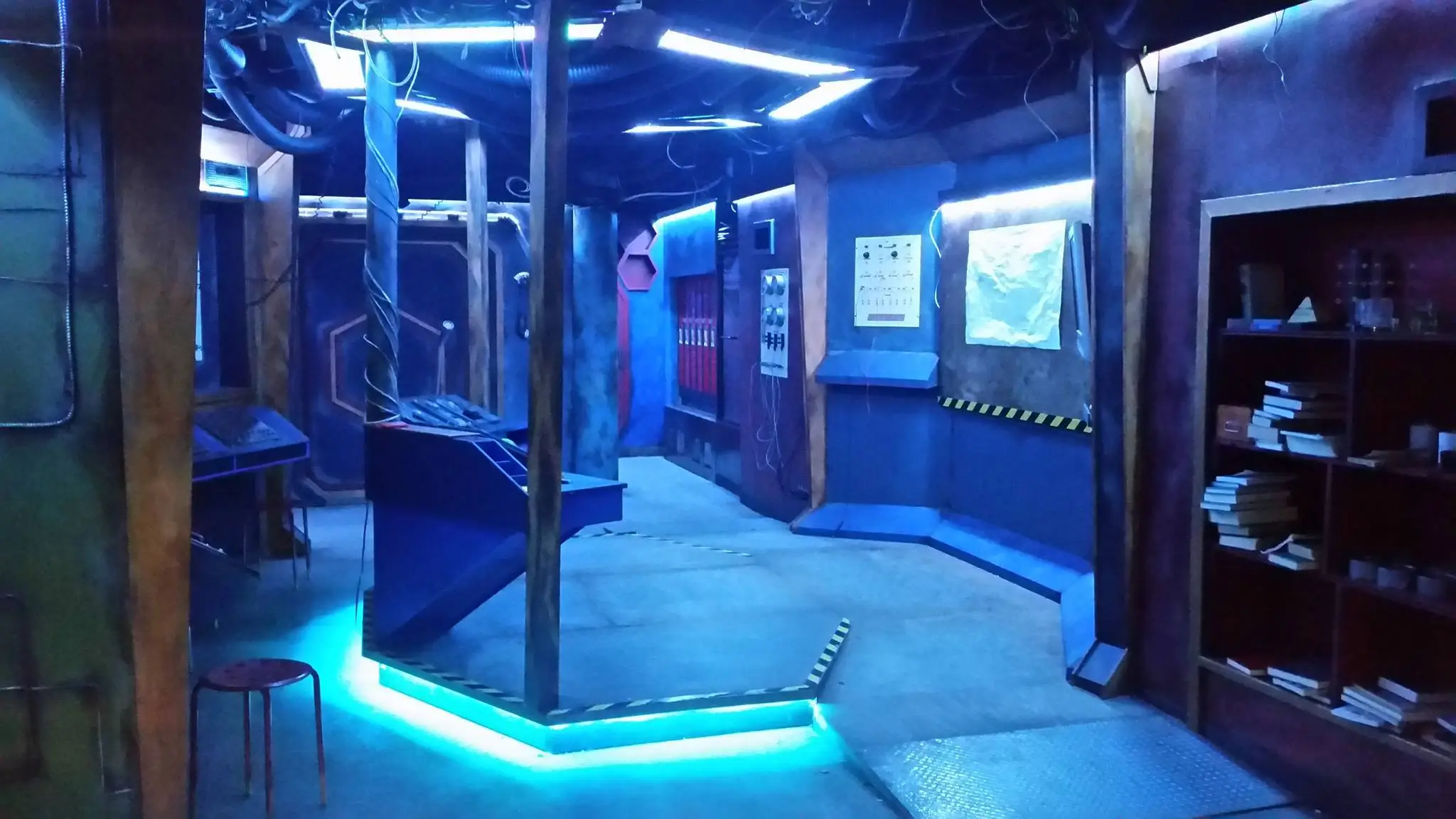
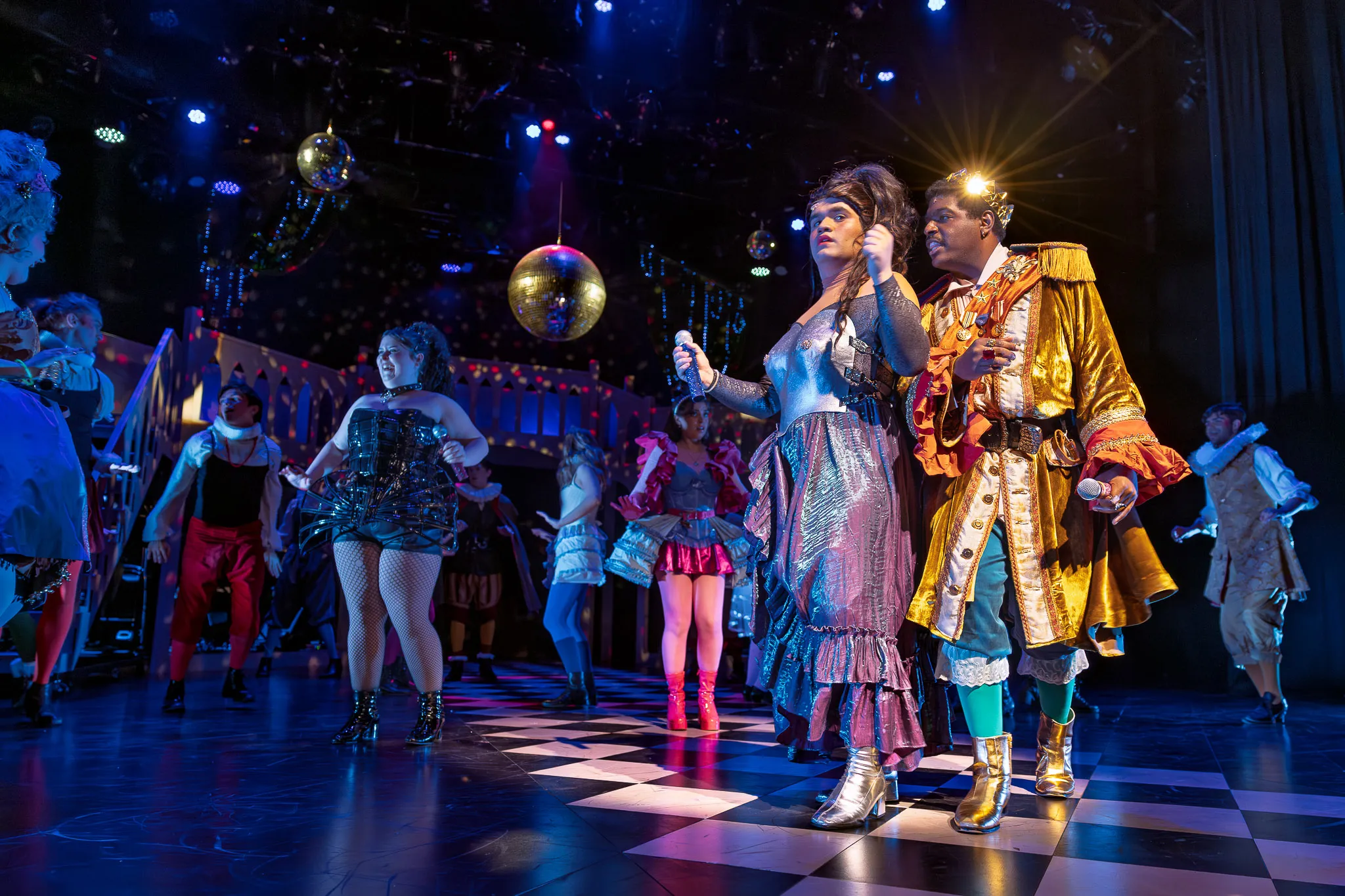
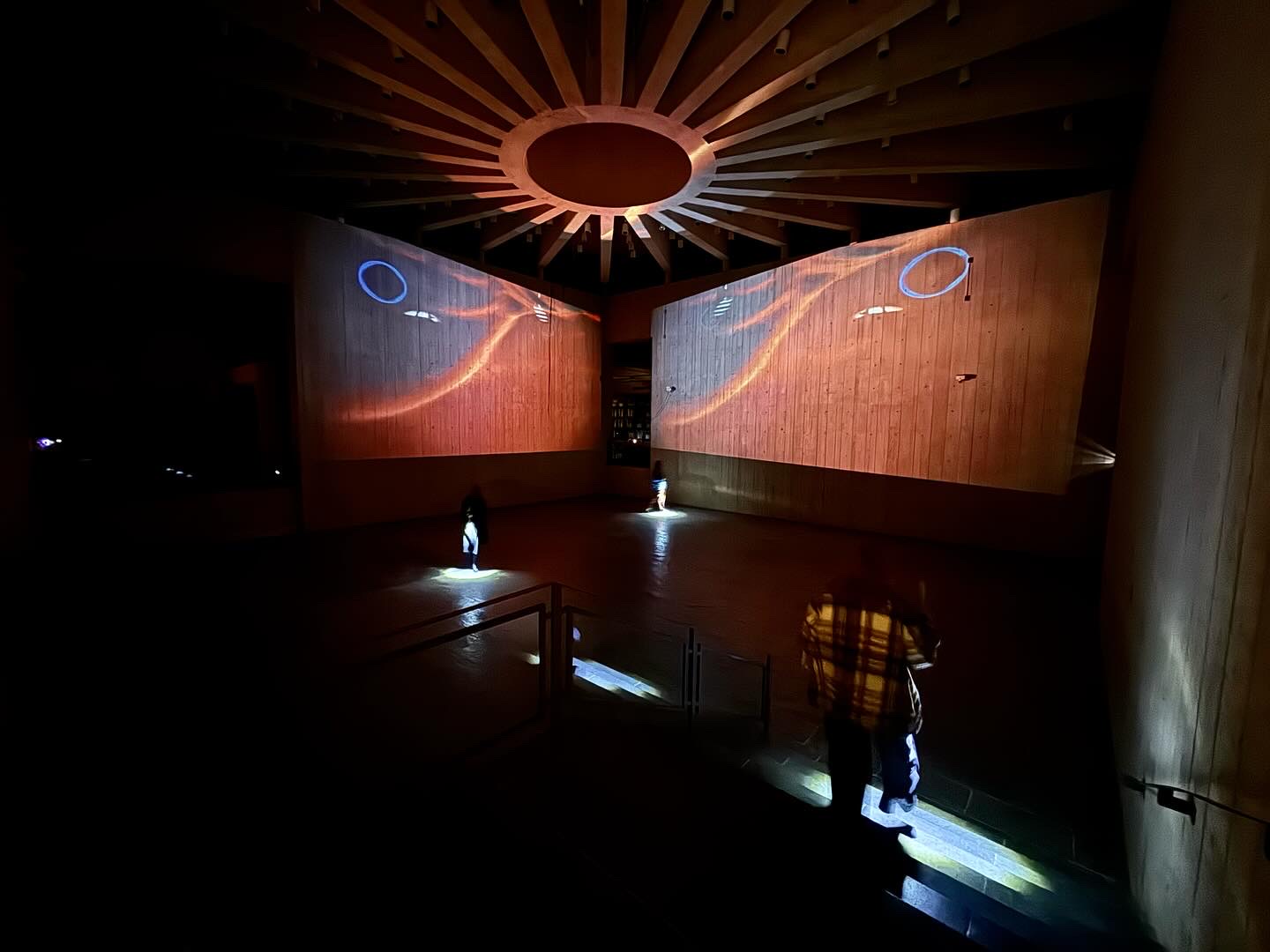
I came into this work through theatre, but quickly found myself pushing against its boundaries. I was less interested in preserving traditional forms and more interested in what happens when you bend them… when performance becomes immersive, when design carries as much narrative weight as text, and when audiences are not just observers but participants inside a constructed world. That curiosity has led me to work across disciplines, blending directing with lighting, sound, projection, and spatial design to create large-scale, image-driven experiences.
At its core, my work is about building environments that ask questions. I create performances and experiences that explore power, technology, belief systems, and the invisible structures that shape how we live. Whether I’m working on a theatrical production, an installation, or another collaborative project, I am interested in work that feels immediate, slightly dangerous, and deeply human.
For collaborators and clients, I bring a systems-based way of thinking to creative work. I am not just focused on individual moments, but on how all elements, visual, sonic, spatial, and narrative, interact to form a cohesive experience. This often means helping teams move beyond text-first approaches and into more expansive, devised processes, especially in moments where traditional methods fall short.
What sets me apart is that I am as invested in the architecture of the experience as I am in its content. I think like a director, but also like a designer and a builder. I am comfortable working in ambiguity, and I see uncertainty not as a problem, but as a necessary condition for discovering something new.
What I am most proud of is my willingness to take risks, both aesthetically and structurally. I am drawn to projects that do not have clear answers, where the process itself becomes part of the meaning. I care deeply about creating work that resonates beyond the moment, that lingers with an audience and continues to unfold after they leave.
If there is one thing I want people to understand about my work, it is this: I am not interested in creating content. I am interested in creating experiences that shift how we think and how we relate to the systems and environments we are part of.
How can we best help foster a strong, supportive environment for artists and creatives?
If we want a thriving creative ecosystem, we have to start by recognizing that artists are workers, and that creative labor has real value. The most effective way to support artists is not through sporadic grants, prestige-based funding, or the expectation of personal sacrifice. It is by providing consistent, baseline economic stability.
A universal basic income for artists would fundamentally change what is possible. It would allow more people to participate in creative work without needing independent wealth or unsustainable side jobs. It would shift art away from being something only the resourced or the reckless can pursue, and toward something that reflects a broader range of lived experiences.
When artists are supported, we do not just get more art. We get stronger communities, more cultural dialogue, and a greater capacity to question the systems we live within. Art is one of the few spaces where society can reflect on itself in a meaningful way. Without support, that space shrinks and becomes less representative.
Right now, many artists spend as much time surviving as they do creating. A basic income would not remove ambition or rigor. It would remove unnecessary precarity. It would give artists the conditions needed to take risks, to experiment, and to create work that is not driven solely by market pressures.
If we believe that art has value beyond entertainment, then we need to build systems that reflect that belief. A universal basic income is not just financial support. It is a statement that creative work is essential to a healthy, functioning society.
Have any books or other resources had a big impact on you?
Two books that have had a lasting impact on how I think about creative work, value, and systems are ‘The Gift’ and ‘Common as Air’ by Lewis Hyde.
‘The Gift’ fundamentally shifted how I understand art. Hyde makes the case that art operates within a gift economy, not a market economy. Its value comes from circulation, from being shared, from its ability to move between people and generate meaning. That idea has deeply influenced how I approach both making work and collaborating. It reframes success away from ownership and toward exchange.
‘Common as Air’ extends that thinking into a critique of modern copyright systems. Hyde argues that overly restrictive intellectual property laws do not protect creativity, but instead suffocate it. They limit access, restrict dialogue, and ultimately prevent artists from building on one another’s work. That idea feels especially urgent now, when so much creative and intellectual life is mediated through systems designed to control distribution rather than encourage it.
More recently, ‘Stolen Focus’ by Johann Hari has had a strong impact on me. The book synthesizes a range of research around attention, but what stood out most was its connection to ‘Cruel Optimism’ by Lauren Berlant. The idea of “cruel optimism,” that we remain attached to systems and technologies that actively undermine our well-being, feels essential for anyone working within or alongside digital platforms.
It has made me think more critically about surveillance capitalism and the ways our attention is extracted, shaped, and monetized. These systems are not neutral. They are designed to capture and redirect human energy in ways that often run counter to deep creative work, sustained thought, and genuine connection.
Together, these works have pushed me to think beyond individual practice and toward the larger ecosystems that shape creativity. They raise important questions about ownership, access, attention, and power. Not just how we make work, but under what conditions that work is allowed to exist, circulate, and matter.
This is also why I choose to work in live performance rather than primarily online. Live performance resists many of these systems. It exists in real time, in shared space, where attention is mutual rather than extracted, and where the exchange between artist and audience feels closer to a gift than a transaction. In that sense, it is not just an artistic preference, it is a philosophical one.
Contact Info:
- Website: https://www.sorenolsen.com
- Instagram: @sosospies
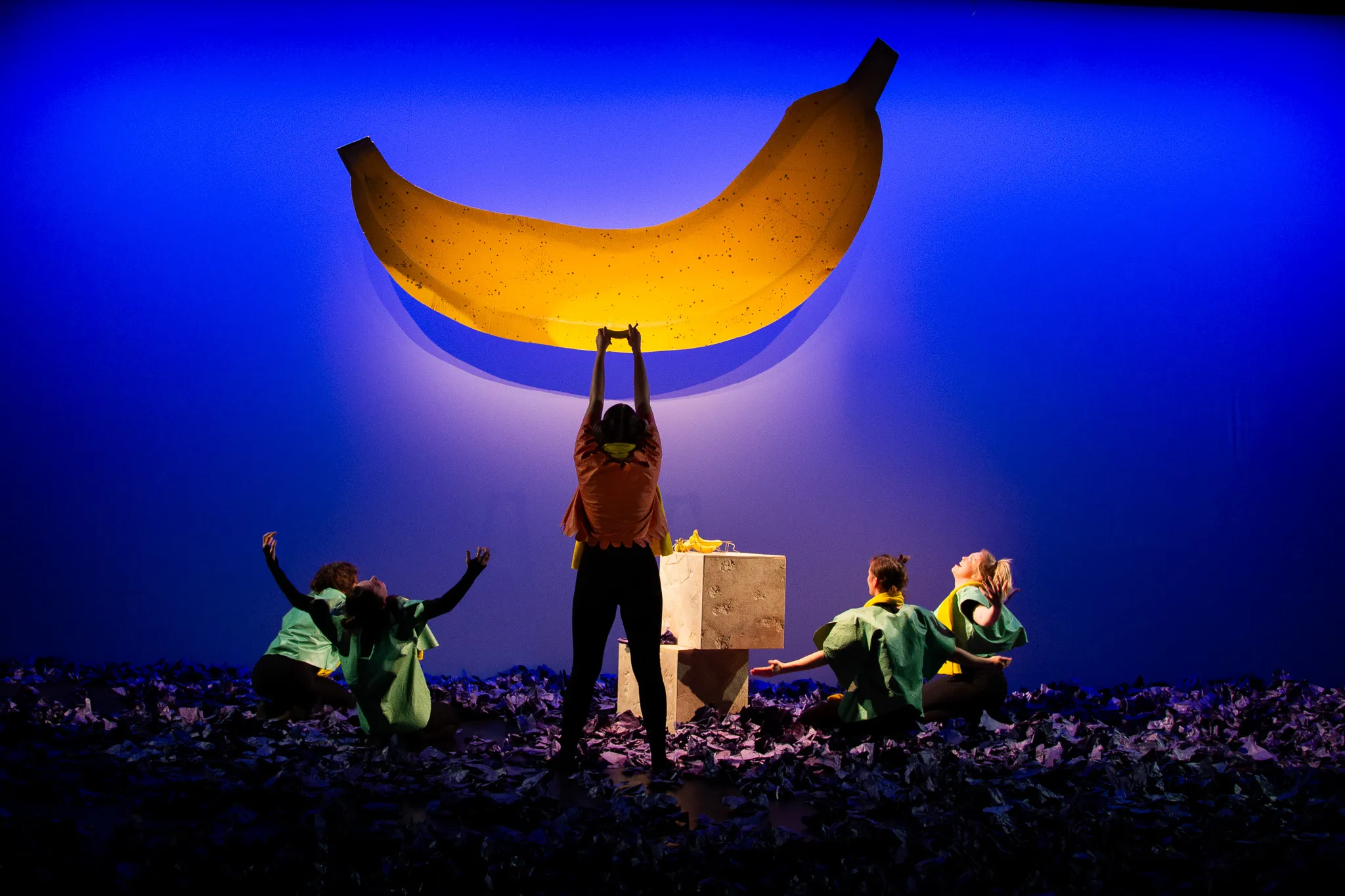
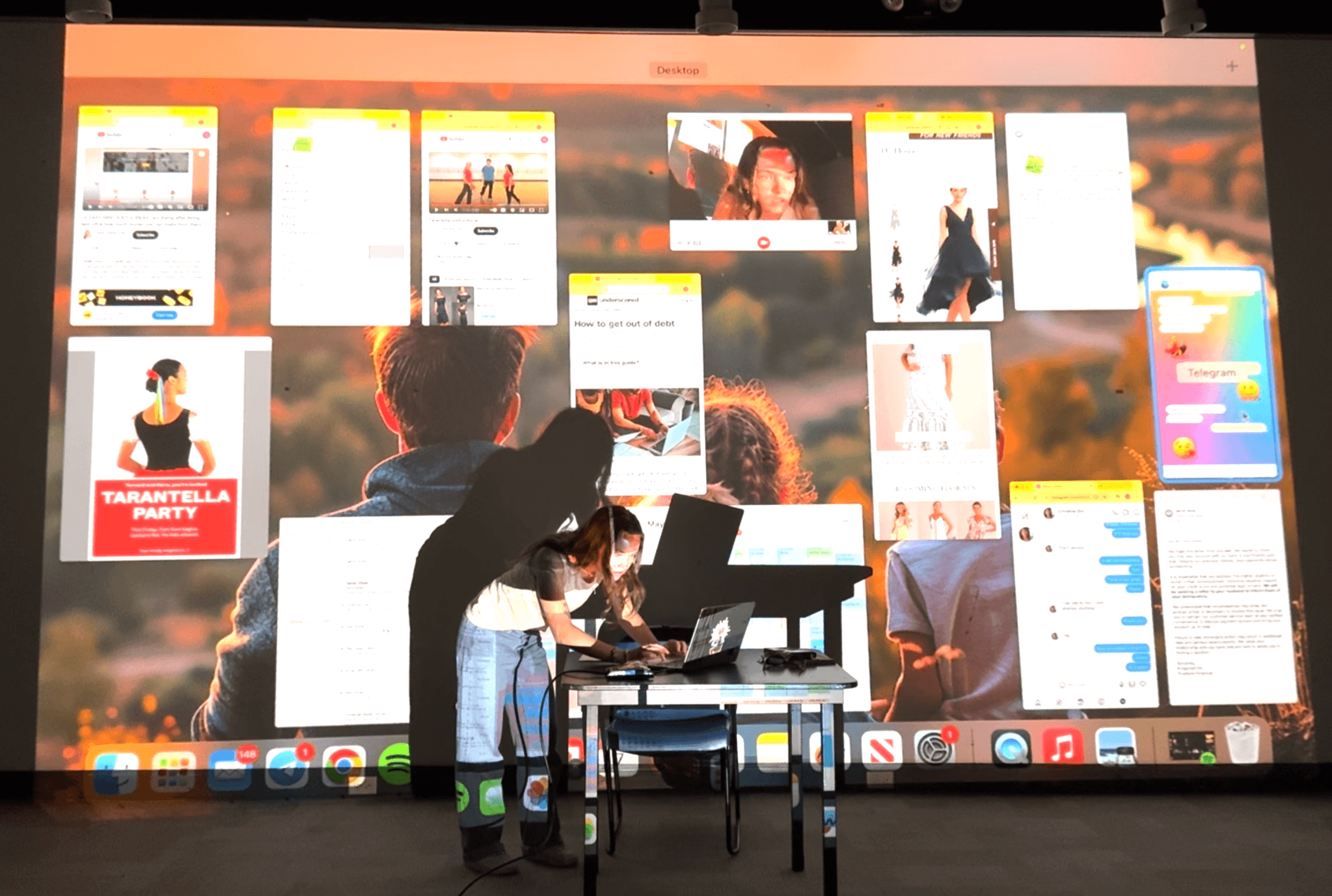
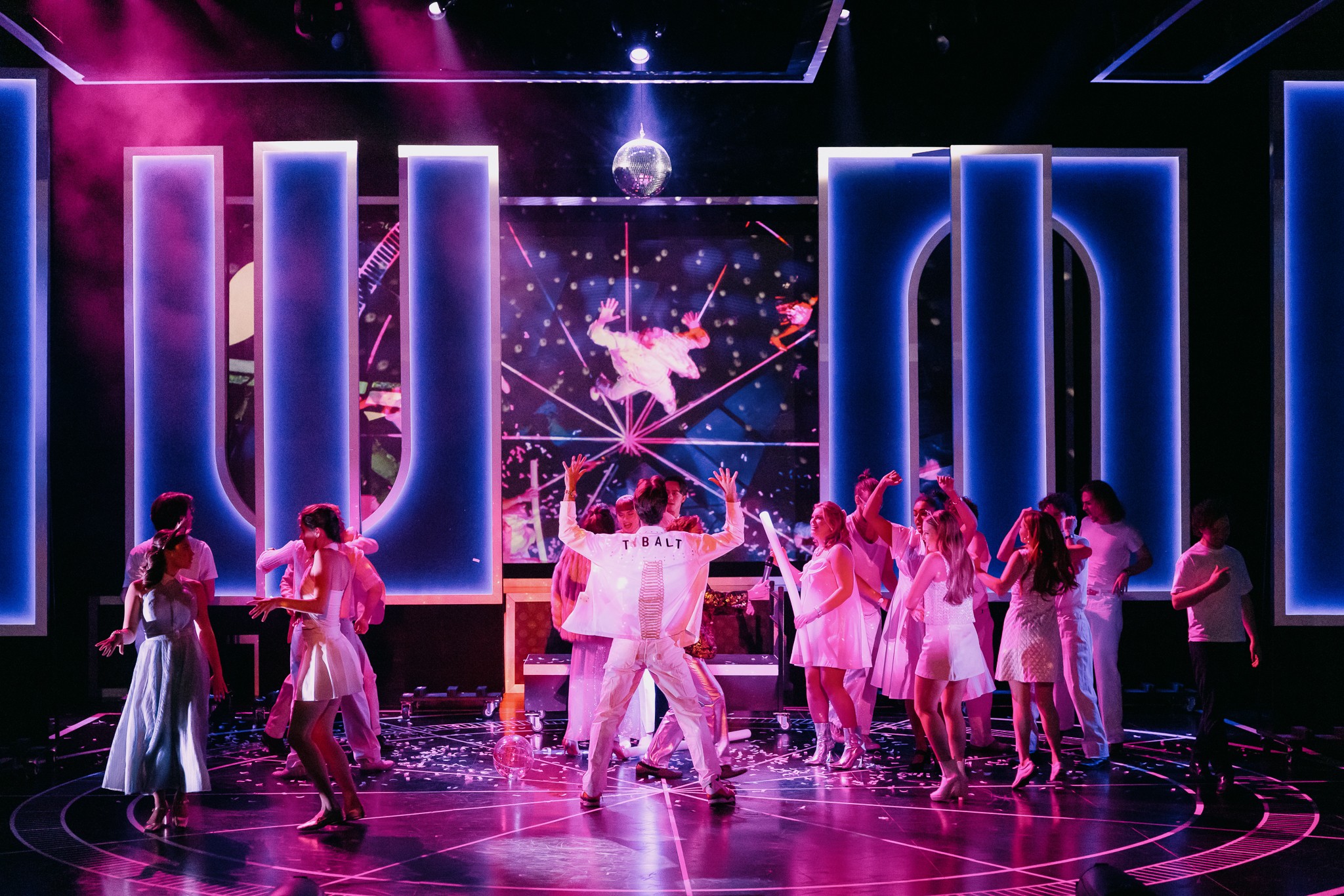
Image Credits
Jason Smith Photography.