



We were lucky to catch up with Sophia Kohler recently and have shared our conversation below.
Sophia, thanks for joining us, excited to have you contributing your stories and insights. Can you talk to us about a risk you’ve taken – walk us through the story?
The risk I took didn’t feel dramatic at the time, but it fundamentally changed the direction of my work.
I’ve always been interested in fashion, but as I learned more about the industry, particularly its environmental impact and labor practices, that interest became uncomfortable. I started to realize how much of what we wear depends on systems most consumers never see. The safer option would have been to wait and explore it privately. Instead, I decided to act.
As a high school student, I founded Smart Fashion as a platform to examine the fashion industry critically while still engaging with it creatively. That decision came with real uncertainty. I didn’t have formal credentials, industry status, or a clear roadmap. I was publishing research-based writing, reaching out to experts, and asking questions publicly, knowing that I might be dismissed or told I wasn’t qualified to lead those conversations.
There were moments when that risk felt very real. I worried about being taken seriously, about making mistakes in public, and about pushing back on an industry that often prefers to avoid scrutiny. But instead of waiting until I felt “ready,” I chose to learn through doing.
That risk paid off in ways I couldn’t have predicted. Smart Fashion grew into a platform that connected me with researchers, artisans, and global sustainability networks. It led to collaborations and research opportunities, and it taught me how to handle complex issues responsibly.
What I learned from that experience is that meaningful work often requires stepping forward before you feel fully prepared. Taking that risk showed me that credibility isn’t just something you earn after the fact. It’s something you build by doing the work, listening, and learning as you go.
Sophia, before we move on to more of these sorts of questions, can you take some time to bring our readers up to speed on you and what you do?
I’m a high school student, researcher, and the founder of Smart Fashion, a youth-led platform focused on sustainability and accountability in the fashion industry.
I got into fashion through creativity and self-expression, but that interest shifted as I learned more about how clothing is actually made. I began researching the environmental impact of textiles, labor practices in global supply chains, and the ways fast fashion encourages overconsumption. Once I understood how much of what we wear depends on invisible systems, it became hard to look at fashion the same way.
I started Smart Fashion to create a space that takes those realities seriously while still engaging with fashion creatively. The platform combines research-based writing, interviews, and educational content to make complex sustainability issues more accessible, especially for younger audiences. My work brings together ideas from science, policy, and design, with a focus on topics like microfiber pollution, textile waste, circular fashion, and material innovation.
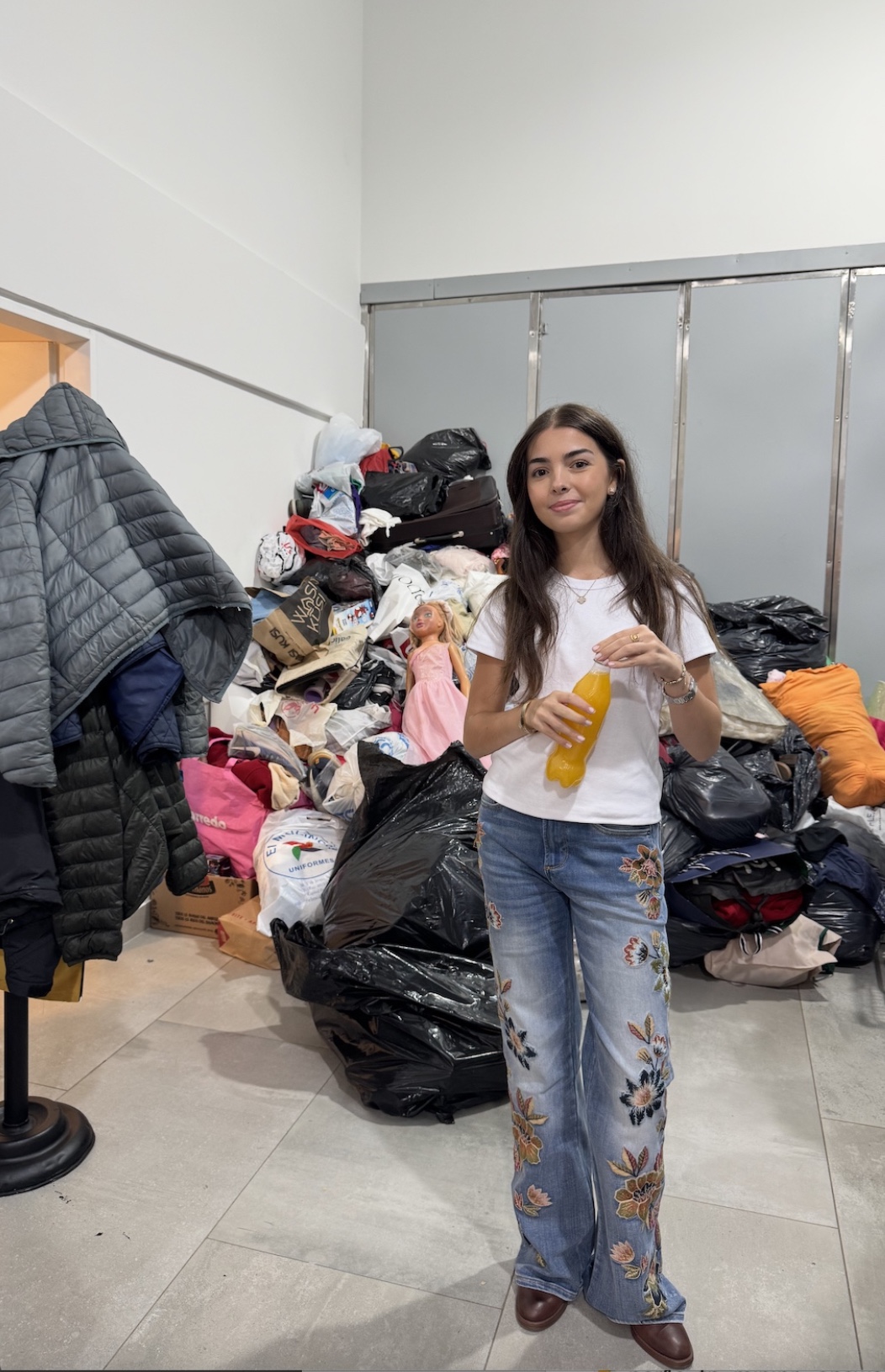
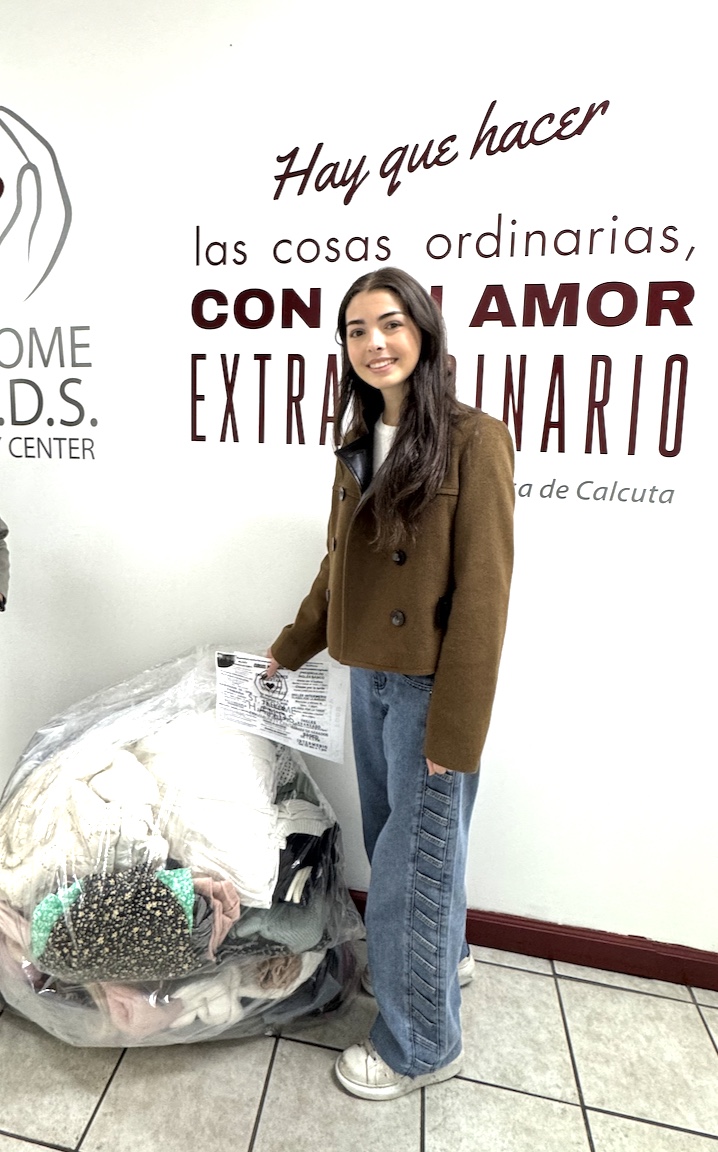
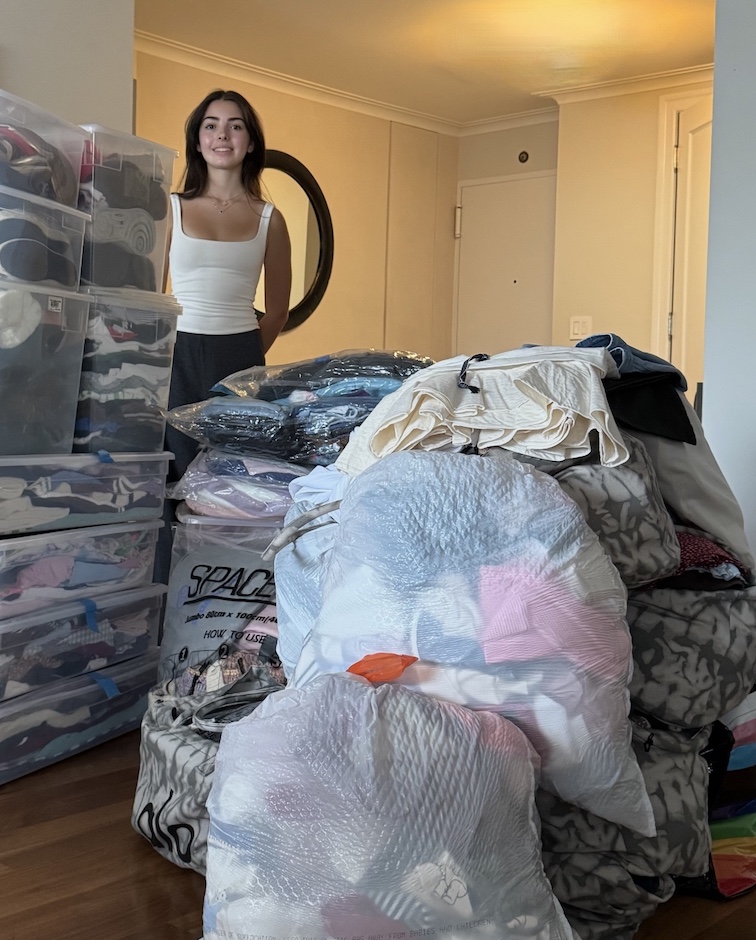
Beyond research and writing, I try to turn ideas into action. Through Smart Fashion, I’ve organized community clothing drives that prioritize redistribution and access, keeping wearable clothing in use and responding to local needs. I’ve also worked on hands-on projects, including developing a leather-like material from spent coffee grounds and researching microfiber release during domestic laundering. Along the way, I’ve collaborated with researchers, artisans, and sustainability organizations, and I use the platform to amplify voices that are often overlooked.
What sets my work apart is that I don’t approach fashion as something to either reject or romanticize. I focus on asking better questions about how systems function, who bears the costs, and what needs to change. I’m most proud of building Smart Fashion into a platform that connects research, storytelling, and community-based action, and encourages people to think more critically about their relationship with clothing without guilt or oversimplification.
Any stories or insights that might help us understand how you’ve built such a strong reputation?
My reputation grew because I focused on substance over speed. From the start, I treated sustainability in fashion as a complex challenge that requires research, nuance, and real accountability, not just opinions or quick takes. Through Smart Fashion, I’ve published detailed, evidence-based pieces on issues like microfiber pollution, textile waste, material innovation, and emerging recycling technologies, always prioritizing accuracy and context.
In 2025, Smart Fashion became a member of the UN Fashion & Lifestyle Network, which allowed me to participate in forums and discussions with researchers, policymakers, and industry professionals. Being part of those conversations helped me stay grounded in what is actually happening globally and shaped how I approach my work with care, curiosity, and attention to real-world constraints.
I have also tried to connect ideas to action in practical ways, from organizing community clothing drives to amplifying garment worker perspectives and highlighting people who are building solutions on the ground. Over time, staying consistent and intentional and focusing on meaningful impact rather than visibility helped build trust. That trust, earned slowly through the work itself, has been the foundation of my reputation.
We’d love to hear the story of how you built up your social media audience?
My social media didn’t grow quickly at all. In the beginning, it felt like I was mostly posting for friends and family, and for a while I wasn’t sure if anyone beyond that was really paying attention. I kept sharing anyway, using the platform as a place to document what I was learning and thinking through, rather than trying to build an audience.
Gradually, as I stayed consistent and focused on clarity and honesty, more people started to find the content. The community grew slowly and organically, as people who cared about the same issues engaged and shared it with others. That steady growth helped shape a more thoughtful and engaged audience.
For anyone just starting out, my advice is to be patient and intentional. Use social media as a tool for learning and connection, not validation. If you focus on sharing work you care about and explaining it clearly, the audience will grow in its own time.
Contact Info:
- Website: https://www.smartfashion.news
- Instagram: @smartfashion0
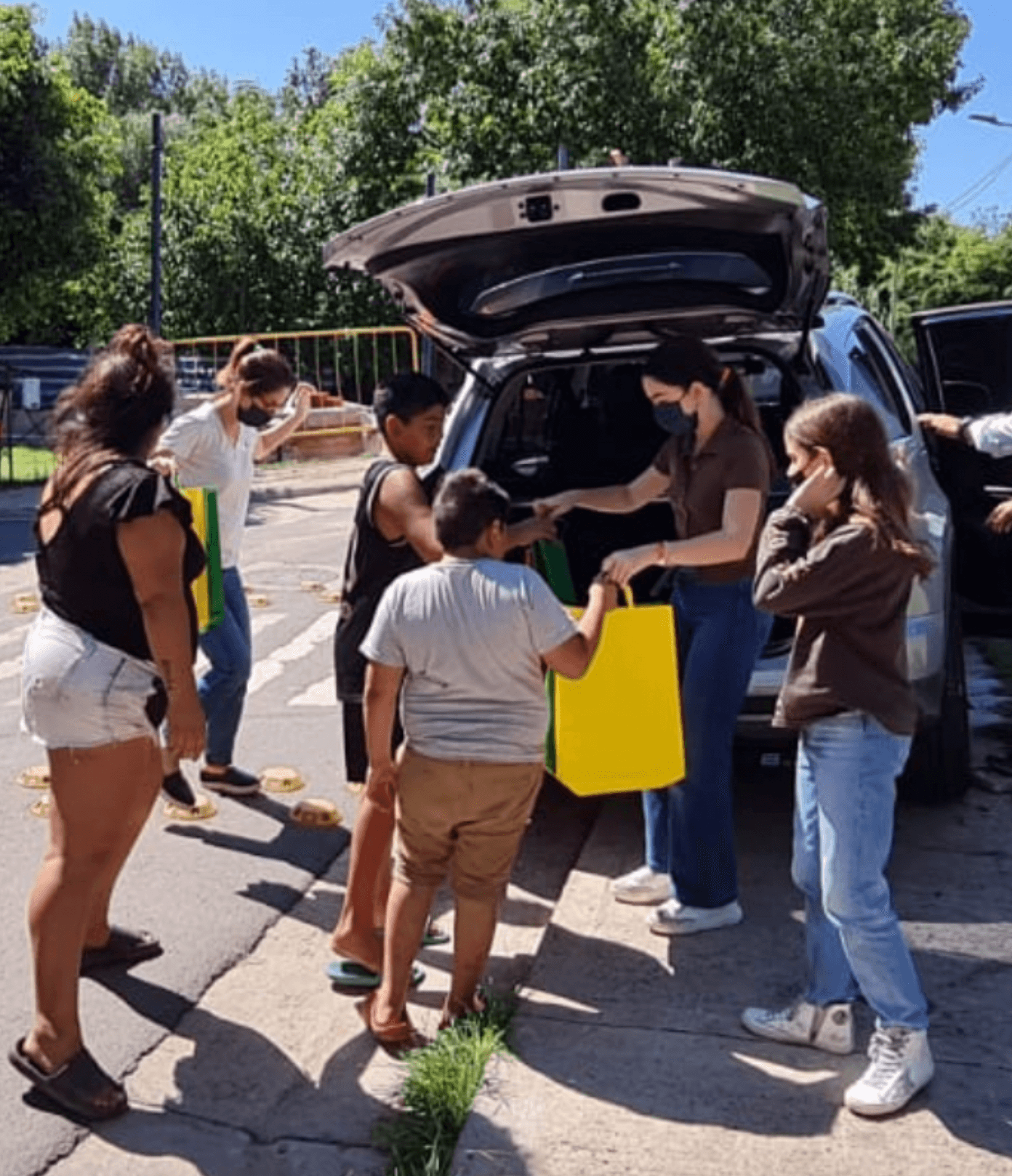
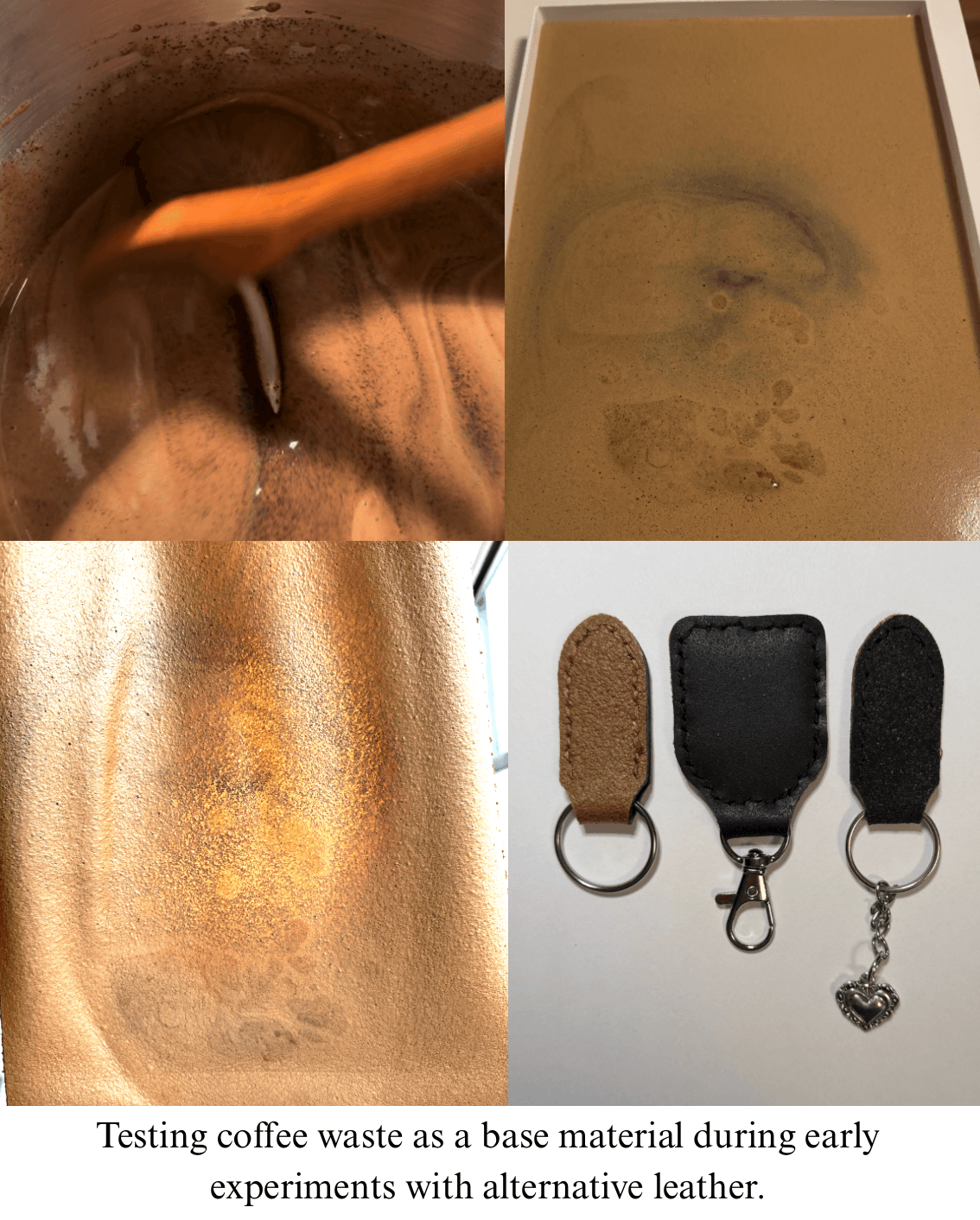
Image Credits
All images are my own.