


We were lucky to catch up with Siu Fung Chan recently and have shared our conversation below.
Siu Fung, thanks for joining us, excited to have you contributing your stories and insights. Are you able to earn a full-time living from your creative work? If so, can you walk us through your journey and how you made it happen?
Not fully — I’m not at the point where my creative work alone feels “forever stable” as a full-time income. But I’m much closer than I was when I started, and the progress has been real and measurable.
In the beginning, everything was experimentation: learning what topics I could talk about naturally, what my audience actually responded to, and how to turn ideas into stories people would finish watching. Early on, I made the classic mistake of thinking good content automatically wins. The truth is: good content needs structure, consistency, and distribution.
Key milestones for me were: finding a clear niche and identity, building a consistent upload rhythm, improving packaging (titles/thumbnails), and learning retention — how to keep viewers watching past the first minute. Another big milestone was building trust: when viewers return, comment, share, and recommend your work, opportunities start appearing — collaborations, paid projects, sponsorships that make sense, and community support.
If I could speed it up knowing what I know now, I would have treated it like a business earlier: set clear goals, track what works, and create repeatable content systems. I also would’ve diversified income sooner instead of waiting for one source to become “big enough.” The biggest lesson is that full-time creative work isn’t one breakthrough moment — it’s a series of small systems that compound over time.
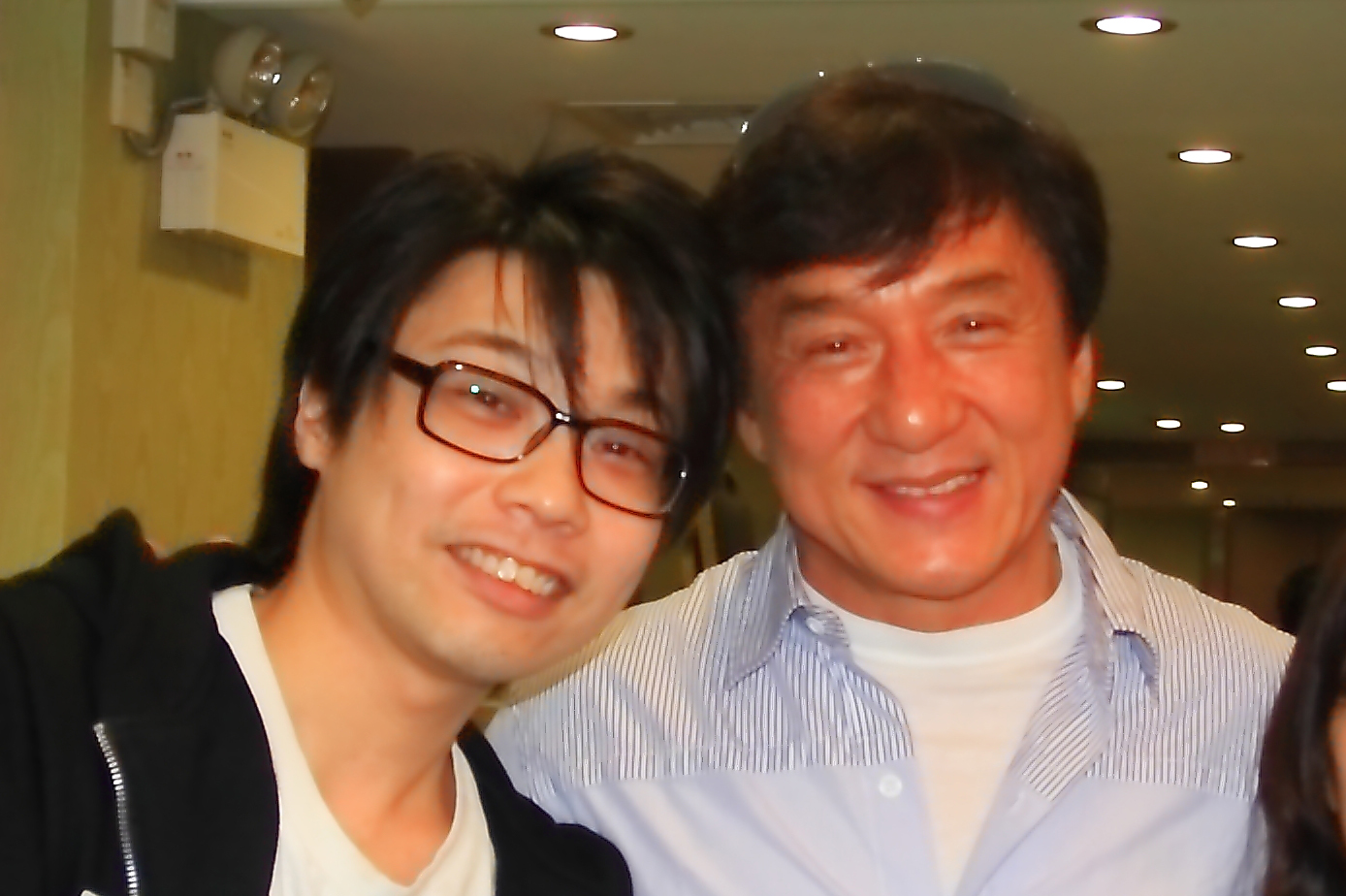
Great, appreciate you sharing that with us. Before we ask you to share more of your insights, can you take a moment to introduce yourself and how you got to where you are today to our readers.
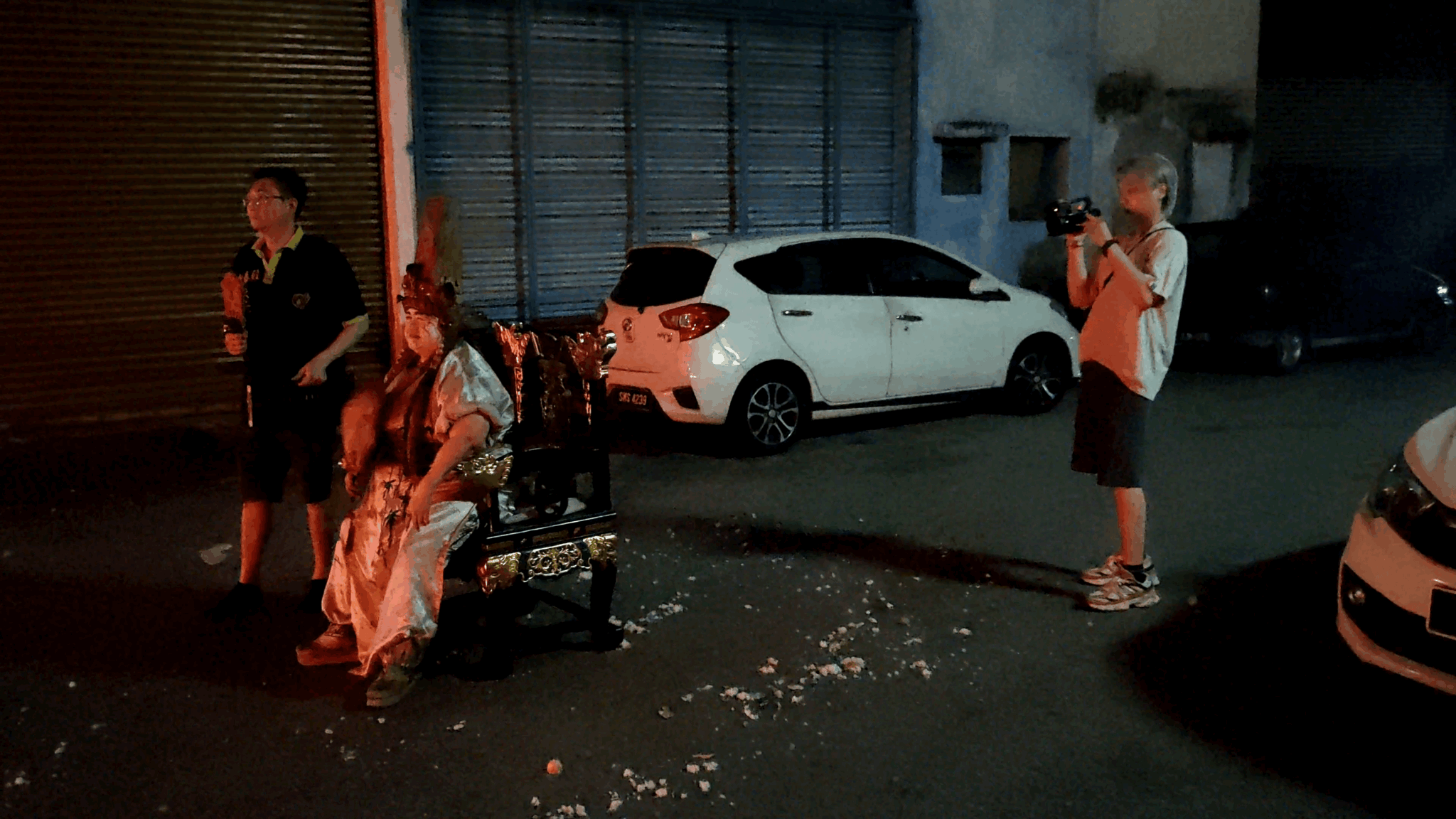
I’m a Hong Kong–born creator based in the San Francisco Bay Area, and I run a YouTube channel called “channel all in one” under the name Mr.Chan. My work sits at the intersection of culture, travel, and living spiritual traditions. I film on-location stories about temples, Taoist and Buddhist spaces, and the folk beliefs that shape everyday life — not as “mystery content,” but as cultural storytelling that’s respectful, grounded, and easy to understand.
I started because I’ve always been curious about how belief systems actually work in real life: what people do, why they do it, and how traditions change across places and generations. What began as personal documentation gradually became a public project, especially as I started filming across different countries — from Japan and Malaysia to the UK, France, and the United States. Traveling gave me a wider lens: the same “spiritual language” can show up in different forms, and the details matter.
Over time, I realized many people — especially diaspora audiences — want a clearer, more balanced way to learn about these topics: something that doesn’t sensationalize, doesn’t blindly believe everything, and doesn’t mock it either. I aim to make complex traditions understandable without flattening them, while encouraging curiosity and critical thinking side-by-side.
What I create includes long-form video essays and travel documentaries, short explainers, and occasional interview-style content. I spend a lot of time turning complex concepts into practical, plain-language narratives. My “product,” in a simple sense, is a library of stories and explainers that help viewers understand the meaning, history, and real-world context behind what they’re seeing — and feel more confident separating culture, faith, and misinformation.
My focus and mission are:
to make traditional spiritual culture accessible without dumbing it down,
to encourage curiosity and critical thinking side-by-side, and
to document temples and communities in a way that preserves living history.
What sets me apart is the combination of field filming and deep research. I care about sources, context, and ethics — especially around topics that are often misunderstood or exploited. I’m proud of building a body of work across different countries and communities, and of hearing from viewers who tell me they now visit temples, travel, or learn with more clarity and respect.
Going forward, I want people to know my brand stands for honest storytelling: culturally respectful, research-driven, and human. If you’re interested in collaborations, I’m open to working with cultural organizations, tourism partners, and brands that genuinely align with education and heritage.
Any resources you can share with us that might be helpful to other creatives?
Early on, I wish I had known about three types of resources much sooner.
First, creator education and analytics tools — not to “chase the algorithm,” but to understand viewers. Learning how to read retention, traffic sources, and search intent would have saved me months of guessing. Second, storytelling and scripting frameworks. Once I started outlining every video (hook → context → key points → payoff), my content became clearer and easier to finish watching. Third, research resources beyond the open internet: libraries, museum archives, and credible publications. For culture and temple-related topics, good sources help you stay respectful and avoid repeating myths as facts.
If I could go back, I’d also tell myself to build systems earlier: a repeatable filming checklist, a simple editing workflow, and a place to collect ideas and references. Those boring systems are what protect your creativity from burnout — because inspiration is great, but deadlines are louder.
We’d love to hear the story of how you built up your social media audience?
I built my audience slowly and intentionally. At the beginning, I wasn’t trying to go viral — I focused on serving a specific viewer: someone who’s curious about temples, folk belief, and spiritual culture, but wants it explained clearly and respectfully.
What helped most was consistency and clarity. I committed to a focused niche, improved my packaging (titles/thumbnails), and paid attention to the first minute of each video. I also listened closely to comments — viewers often tell you exactly what they’re confused about, which becomes your next topic. Over time, I added short-form clips to bring new people in, and used long-form videos to build trust and depth.
My advice: don’t try to build an audience — build a relationship. Choose one clear promise for your channel, make content that keeps that promise repeatedly, and give viewers a reason to return. If your work is culture-based, credibility matters: do the research, show respect, and be transparent about what’s fact versus interpretation. The audience you build that way may grow slower, but it lasts longer.
Contact Info:
- Website: https://tiktok.com/@avery_alva_shadow
- Instagram: https://www.instagram.com/channel.all.in.one
- Facebook: https://www.facebook.com/Channel.All.In.One.HK
- Youtube: https://www.youtube.com/@ChannelAllInOneHK
- Other: https://www.threads.com/@channel.all.in.one
https://www.lemon8-app.com/@avery_alva_shadow
Image Credits
channel all in one