

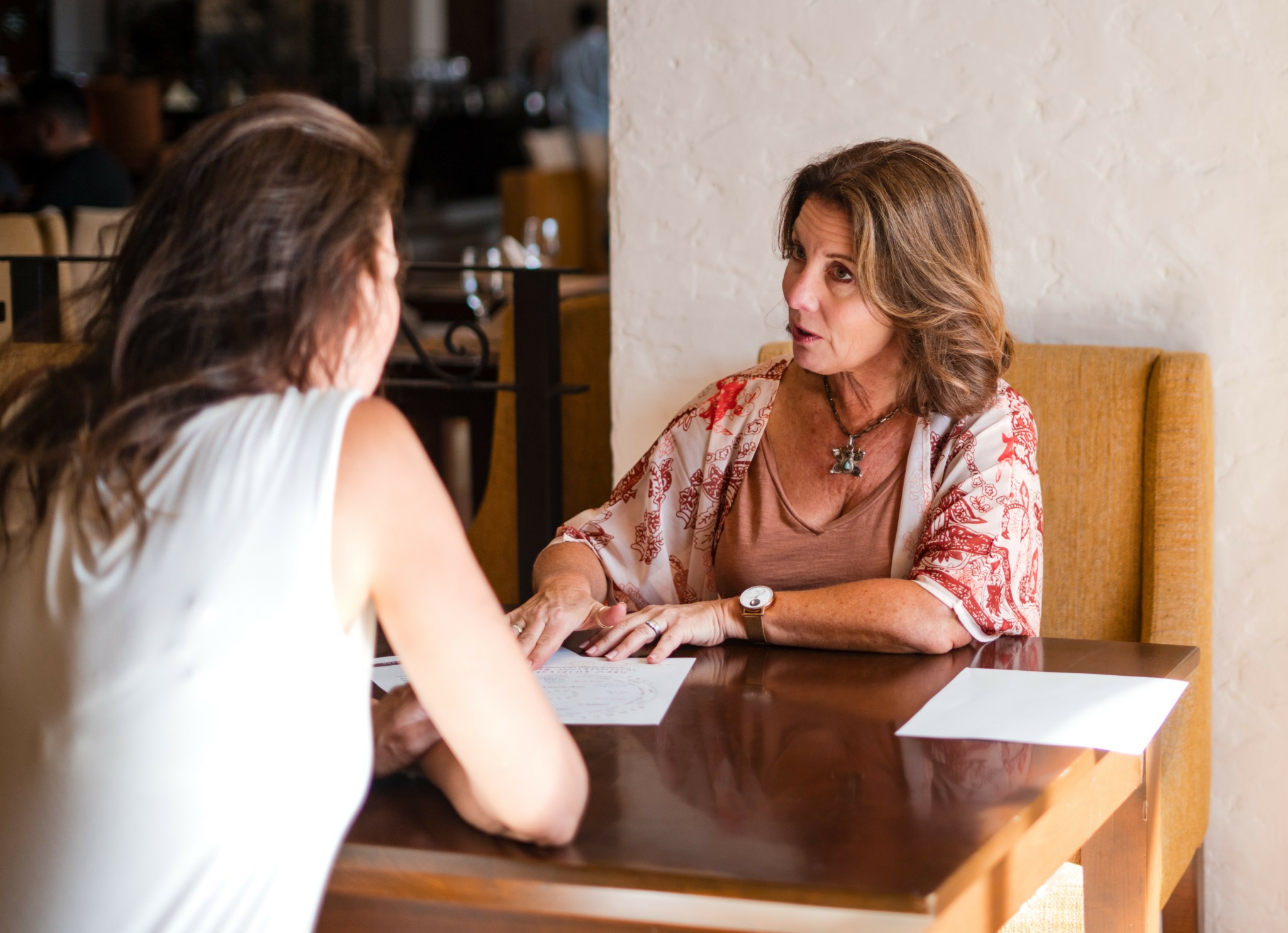

We recently connected with Sheri Moise and have shared our conversation below.
Sheri, looking forward to hearing all of your stories today. What were some of the most unexpected problems you’ve faced in your business and how did you resolve those issues?
One of the most unexpected problems I faced in my business was realizing how hard it was for people to see astrology as anything other than entertainment.
Most people are introduced to astrology through their Sun sign, maybe their Moon and Rising, or a quick horoscope about how their week might go. That framing runs deep. When I started my business, I underestimated just how ingrained it was.
My work uses astrology very differently. I use it as a planning and decision-making tool. It reveals timing, cycles, and patterns that affect when it’s easier or harder to launch, sell, make changes, or push for growth. It gives context for stalled momentum and helps entrepreneurs plan without forcing outcomes.
What surprised me was how often people couldn’t make that leap. They were curious, but they struggled to imagine astrology being used strategically. They wanted insight or reassurance. Not support for clearer thinking and smarter decisions in their business.
At first, I assumed I needed to explain the bridge more clearly. I added more education. More detail. More examples. That approach backfired. The work felt too abstract for people who wanted something quick and too unfamiliar for those who only knew astrology as entertainment.
That disconnect was especially frustrating because I came into this work after more than 25 years in corporate sales and marketing. I had spent my career watching how timing, market cycles, and buyer behavior influence results. Using astrology to see those patterns felt practical and obvious to me, even if it wasn’t how most people had been taught to think about it.
The real shift happened when I stopped trying to convince people to see astrology differently and became clearer about how I use it. I stopped leading with personality language and focused on planning, timing, and decision support. I began speaking directly to entrepreneurs who already felt the friction of doing the right things at the wrong time.
That changed everything.
The clients who found me after that shift weren’t looking for predictions or reassurance. They wanted a strategic lens that helped them plan smarter, launch with more awareness, and make decisions without burning themselves out.
What this experience taught me is that sometimes the challenge isn’t your skill or your message. It’s the mental model people bring with them. Once I stopped trying to bridge that gap for everyone, I was able to build a business rooted in practical results, not entertainment.
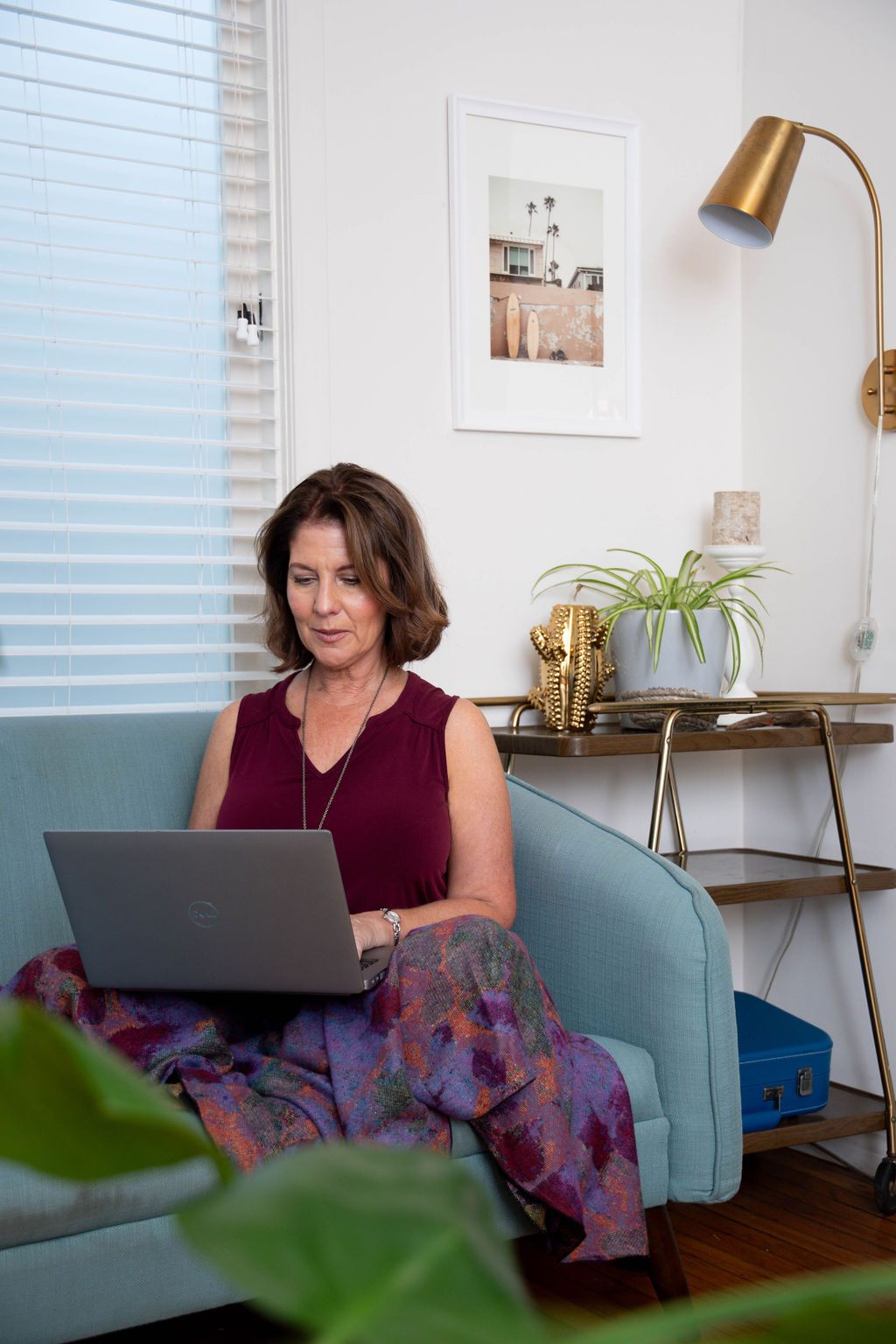
Awesome – so before we get into the rest of our questions, can you briefly introduce yourself to our readers.
I’m an Intuitive Business Astrologer and Strategic Advisor. I help entrepreneurs plan, launch, and make decisions using timing and data, not pressure or guesswork.
Before starting my business, I spent more than 25 years in corporate sales and marketing, primarily in consumer products and retail. I worked with major brands and retailers and saw firsthand how market cycles, buyer behavior, and timing influence results. Long before I used astrology professionally, I understood that effort alone doesn’t drive outcomes. Context matters. Timing matters. Pushing at the wrong moment can cost far more than waiting for the right one.
I came into this work after realizing that much of the advice being given to entrepreneurs ignored those realities. Success was framed around doing more, moving faster, and forcing momentum, even when it wasn’t supported. That approach doesn’t account for how different people operate, how markets shift, or how attention and energy move over time.
What sets my work apart is how I use astrology. I don’t use it for entertainment, personality descriptions, or predictions. I use it as a strategic planning tool. Astrology reveals cycles, patterns, and timing windows that support better decisions around launching, visibility, growth, and rest. It helps clients understand when to push, when to refine, and when to pause, without turning every slowdown into a personal failure.
I work primarily with seasoned entrepreneurs who want clarity and precision. They’re often successful, but tired of forcing strategies that don’t fit how they work. My work includes 1:1 planning and launch support, personalized timing and cycle analysis, and strategic guidance that helps clients map next steps in a way that’s sustainable and grounded in reality.
The problems I help clients solve aren’t surface-level. They’re questions like: Why isn’t this landing even though I’m doing everything right? Is this the right time to launch or expand? What deserves my energy right now, and what can wait?
What I’m most proud of is how this work helps people trust themselves again. Clients don’t leave with more rules or rigid plans. They leave with perspective. They understand their timing, their cycles, and how to work with them. That often leads to better results, but just as importantly, it reduces burnout and second-guessing.
If there’s one thing I want people to know, it’s this: astrology doesn’t replace strategy. It strengthens it. Used correctly, it becomes a powerful source of data that supports clearer decisions, smarter planning, and a business that actually supports your life.
Let’s talk about resilience next – do you have a story you can share with us?
One moment that shaped my resilience didn’t look dramatic from the outside, but it fundamentally changed how I work and make decisions.
There was a period when I was building my business while navigating a serious health challenge. At the same time, I was surrounded by messaging that told entrepreneurs to move faster, show up more, and push through no matter what. Rest was framed as laziness. Slowing down was framed as fear.
I tried to follow that advice for a while. It didn’t work.
My energy was inconsistent. My capacity shifted week to week. The more I tried to force myself into someone else’s version of productivity, the more disconnected I became from my own instincts. On the surface, it looked like I was doing the right things. Behind the scenes, I was exhausted and constantly questioning myself.
The turning point came when I stopped treating my body and my business as separate problems. Instead of asking how I could push harder, I started asking better questions. What actually needs to happen right now? What can wait? Where am I fighting timing instead of working with it?
That shift changed everything.
I rebuilt my business around cycles instead of constant output. I planned in phases. I allowed rest without guilt. Decisions were made based on capacity and timing, not comparison. Some weeks were focused and outward. Others were quieter and internal. Both were necessary.
What surprised me was that my business didn’t fall apart when I slowed down. It became more stable. Clients were better fits. My work felt clearer. And I stopped measuring success by how much I could endure.
That experience taught me that resilience isn’t about pushing through at all costs. It’s about responding intelligently to what’s actually happening. Knowing when to move, when to pause, and when to trust that slowing down is part of building something sustainable.
That lesson still guides how I work today, and it’s one I bring into every client conversation. You don’t build longevity by ignoring reality. You build it by learning how to work with it.
What’s a lesson you had to unlearn and what’s the backstory?
One of the biggest lessons I had to unlearn was the belief that there were shortcuts to clarity and momentum.
Earlier in my journey, I believed that if I invested in the right program, the right strategy, or the right expert, things would click faster. I wasn’t looking for magic, but I did believe someone else might be able to hand me a clearer path than the one I was piecing together on my own.
So I said yes to programs that promised speed. Clear formulas. Fast traction. Proven methods. In some cases, I enrolled before I was truly ready for what was being taught. In others, the container itself wasn’t designed to meet people where they actually were. Progress was measured by compliance, not comprehension.
What I didn’t see at the time was that I was outsourcing my own authority. I was following instructions instead of building discernment. And while the people running those programs may have meant well, there was very little room for context, timing, or individual readiness.
When things didn’t move the way I expected, the default assumption was that I needed to do more. Push harder. Work through resistance. That framing didn’t just miss the mark. It created doubt. I started questioning my instincts instead of the structure I was operating inside.
The unlearning began when I stepped back and got honest with myself. The issue wasn’t capability or commitment. It was sequencing. I was trying to skip steps I hadn’t fully lived yet. No strategy works when it’s applied out of order.
Once I stopped chasing shortcuts and started paying attention to timing, capacity, and readiness, everything shifted. I made fewer decisions, but better ones. I invested more selectively. I trusted my own pattern recognition again.
That lesson now sits at the core of my work. Sustainable growth doesn’t come from moving faster. It comes from making decisions you’re actually prepared to execute and integrating strategy at the right moment, not just the earliest one.
Unlearning the shortcut mentality didn’t slow me down in the long run. It gave me back my confidence, my clarity, and the ability to build something that actually lasts.
Contact Info:
- Website: https://sherimoise.com
- Instagram: https://www.instagram.com/sherimoise/
- Linkedin: https://linkedin.com/in/sherimoise
- Youtube: https://youtube.com/@sherimoise
