
We’re excited to introduce you to the always interesting and insightful Shenika. We hope you’ll enjoy our conversation with Shenika below.
Shenika, looking forward to hearing all of your stories today. Risking taking is a huge part of most people’s story but too often society overlooks those risks and only focuses on where you are today. Can you talk to us about a risk you’ve taken – it could be a big risk or a small one – but walk us through the backstory.
I took my first real risk at 16 years old, when I decided to start preparing tax returns for classmates and people in my community. I didn’t have capital, formal credentials, or a safety net, just a clear awareness that the financial systems around me were confusing, inaccessible, and often predatory. That early decision taught me something I didn’t fully understand at the time: meaningful work usually requires stepping forward before everything feels secure.
Years later, that same lesson was tested in a much bigger way.
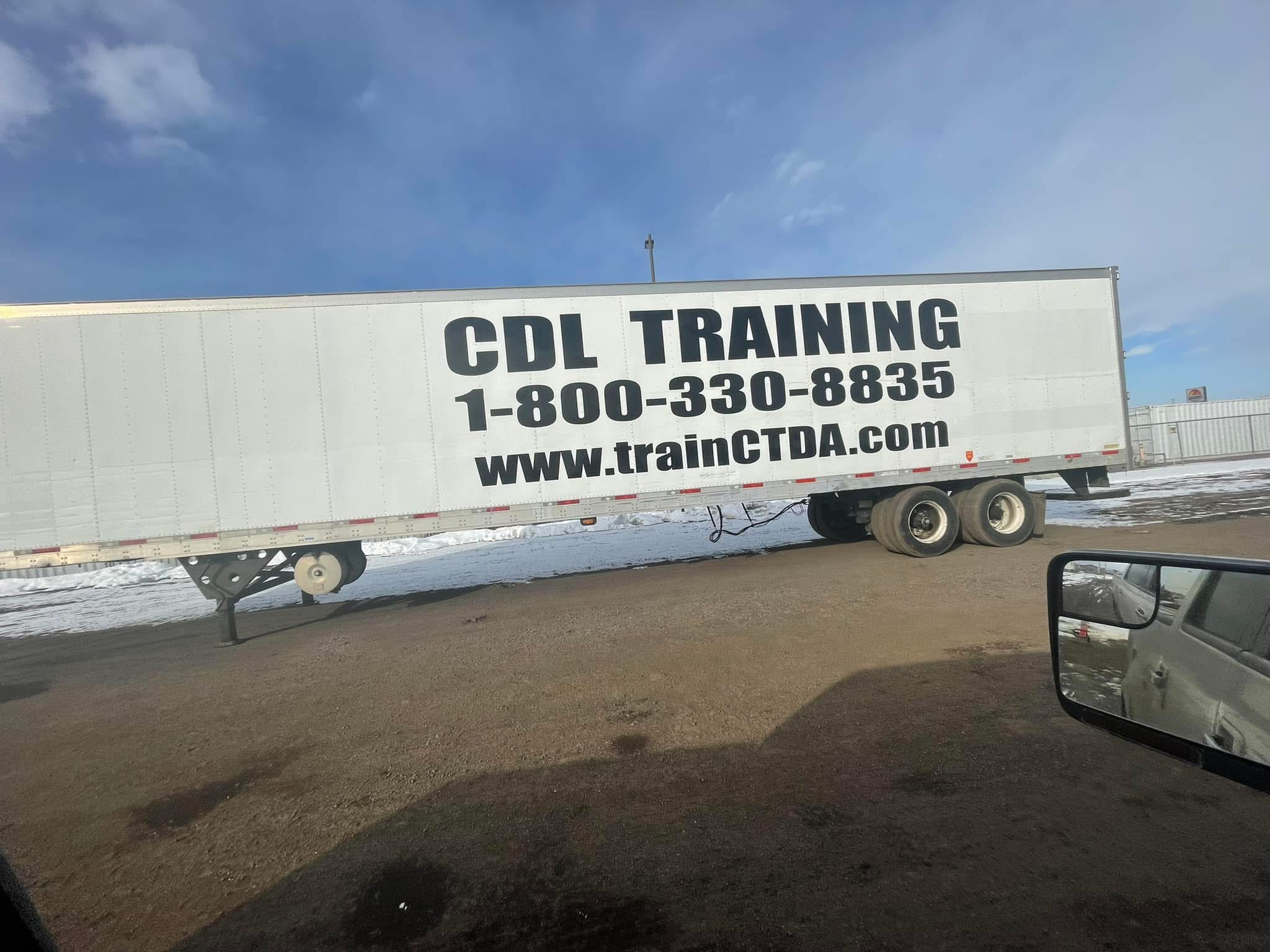
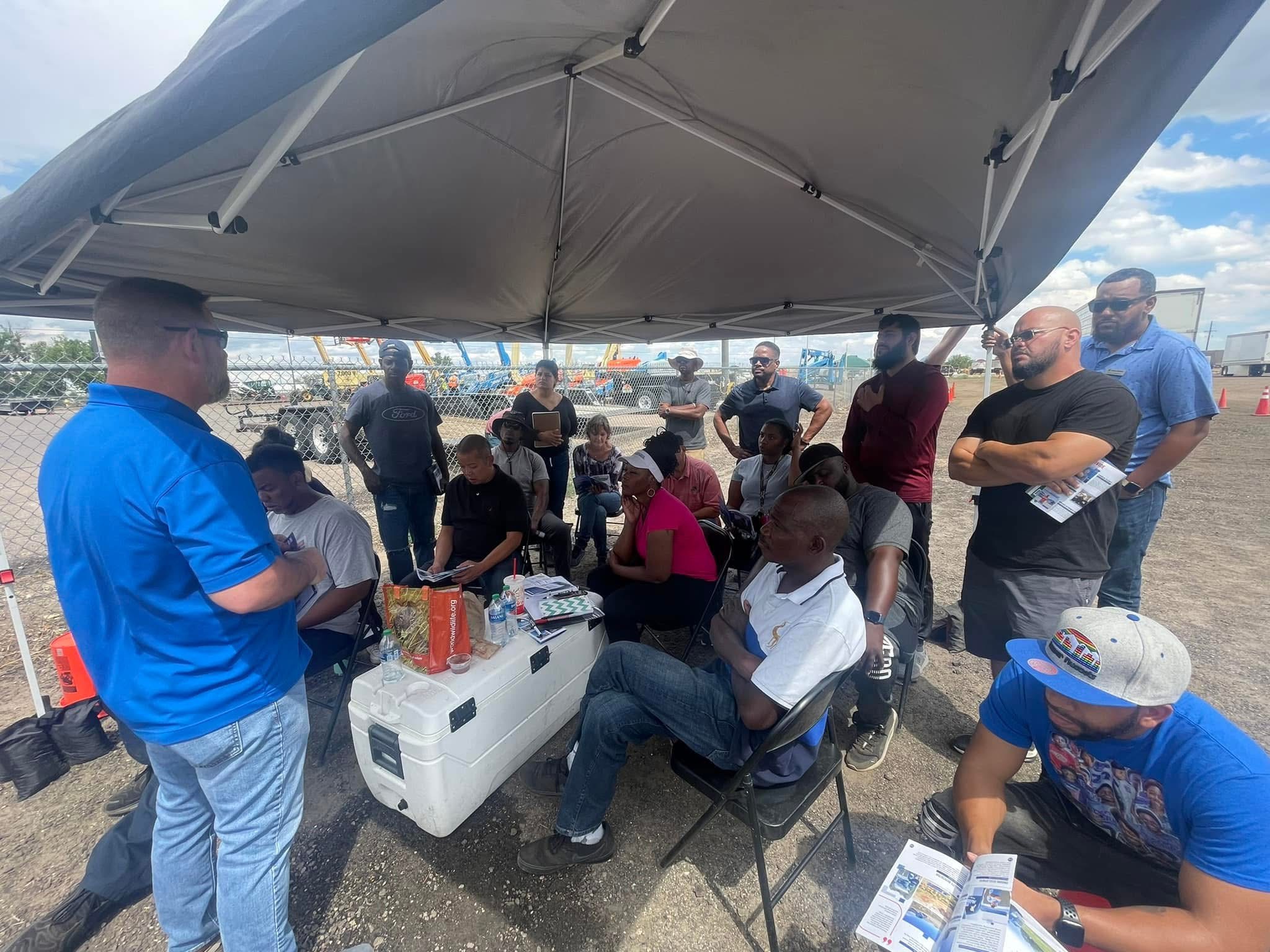
I was operating Carter Truck Driving Academy, one of the first Black-owned and woman-owned CDL training schools in the state of Colorado. The school had significant overhead and a mission I deeply believed in creating access to high-income trade careers in an industry where representation was almost nonexistent. Many of our students were funded through workforce and government programs, which meant reimbursements often arrived 60 to 90 days after services were delivered, while payroll, insurance, and operating costs were due immediately.
One week, those timelines collided.
Despite careful planning and exhausting every responsible option, I found myself short on payroll. I remember waking up that morning overwhelmed — not because of fear for myself, but because people were counting on me. Staff depended on their paychecks. Students depended on the school staying open. The work mattered.
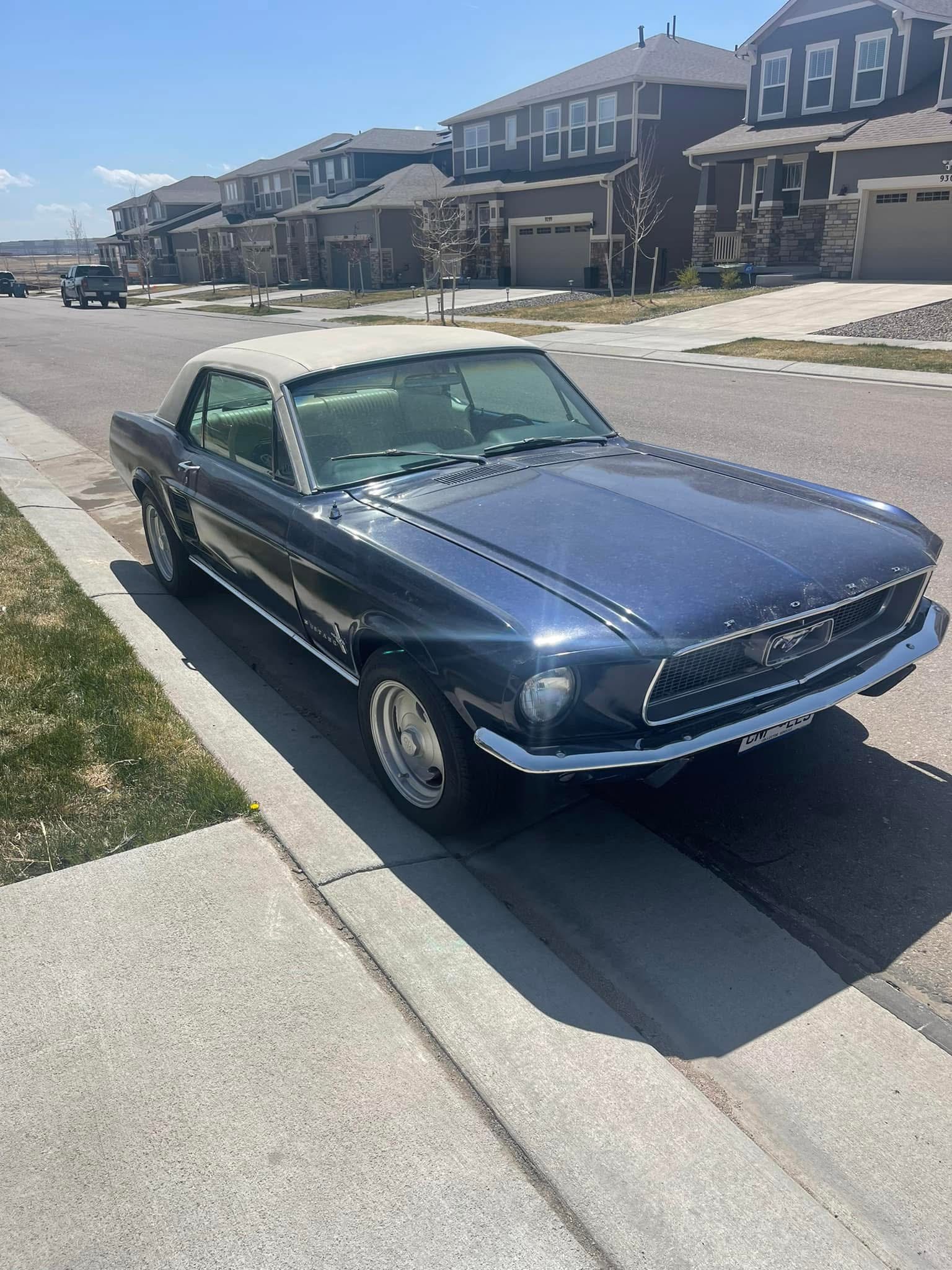
The only immediate option left to close the gap was to sell my car, a classic I had worked hard for and never imagined selling under pressure. I made the decision that same day. I put out an ad, sold the car, and covered payroll.
The school stayed open. My staff was paid. Students continued their training.
That risk reshaped how I lead. It showed me that leadership isn’t proven when things are stable, it’s proven when you’re willing to sacrifice personally to protect the integrity of the work. It also pushed me to build future ventures with stronger safeguards, clearer financial structures, and less dependence on delayed reimbursement systems.
That decision didn’t feel triumphant in the moment, but it clarified something fundamental for me: when you commit to building institutions that serve others, purpose has to outweigh comfort.
That risk didn’t just get me through a difficult season, it shaped the kind of leader I am now.
Shenika, before we move on to more of these sorts of questions, can you take some time to bring our readers up to speed on you and what you do?
I’m an entrepreneur, workforce development innovator, and economic access architect who has been building systems for my community since I was 16 years old.
I started my first business at 16 preparing tax returns for my classmates and people in my neighborhood. That early experience sparked a 25-year career in accounting and financial services, where I’ve worked with individuals and businesses at every income level and seen firsthand how deeply broken and inaccessible our economic systems really are.
Today, my work sits at the intersection of education, workforce development, and financial empowerment because I don’t believe any one system changes lives on its own.
I currently operate Carter Truck Driving Academy, a CDL training school based in Denver, Colorado. Carter Truck Driving Academy is one of the first Black-owned and woman-owned truck driving schools in the state. The school offers comprehensive CDL training through an inclusive lens and is designed to remove barriers to entry into high-income trade careers for people who are often excluded from traditional education and training systems. Operating a brick-and-mortar workforce training institution gave me firsthand insight into how delayed government reimbursements, regulatory constraints, and structural funding gaps can threaten even the most mission-driven organizations and it fundamentally shaped how I now design sustainable workforce pipelines.
Alongside workforce training, I’m the founder of Maddox Money Matters, an accounting and tax firm that is expanding into a full fintech platform rooted in my 25-year background in accounting and financial services. What started as a tax business is evolving into an inclusive financial ecosystem designed to go far beyond tax preparation. The goal is to offer tax services, financial literacy, homebuyer education, interest-rate advocacy, and protection against predatory lending especially for first-generation wealth builders navigating complex financial systems without guidance or institutional support.
I’m also the Executive Director of She STEAMs, a nonprofit founded by my longtime mentor, Demetrice Clemons, a former Henry County, Georgia Commissioner and visionary educator. She STEAMs introduces young girls to STEM careers and raises funds for girls who aspire to go to college or open businesses but lack financial access. We host an annual Kentucky Derby fundraiser in Atlanta to raise awareness, fund scholarships, and reinvest back into the same community that poured into me. Demetrice created a youth development pipeline more than 35 years ago as a young Spelman College graduate and educator, and I am a direct product of that vision. Her mentorship since I was 11 years old is a major reason I’m able to stand where I am today, building institutions instead of just businesses.
Separately, I’ve partnered with teacher and coach Eddie Russell Johnson to launch Oluwakemi Academy, a college, career, and trade readiness institute for youth in grades 6–12 (as young as 11 years old).
Coach Eddie brings more than 20 years of experience in public education and has recently transitioned into private school education. He is a proud Morehouse College graduate and the son of HBCU-educated parents, carrying forward a legacy of academic excellence, discipline, and community leadership. He believed in my vision from the very beginning and helped shape Oluwakemi Academy into more than a test-prep program. Together, we’ve built it as a civil-rights–level intervention designed to interrupt generational poverty, incarceration, and educational inequity by giving young people early exposure, real preparation, and multiple dignified pathways into their futures.
Oluwakemi Academy operates through immersive four-week cohorts that combine SAT and ACT preparation, essay writing, academic skill-building, leadership development, and early exposure to trade pathways — including certifications that can be earned with and without age restrictions.
For college-bound students, we provide structured SAT/ACT preparation and weekend college tours that include SEC schools, HBCUs, women’s colleges, men’s colleges, Hispanic-serving institutions, Native American institutions, and predominantly Black institutions.
For trade-bound students, we offer an apprenticeship-style pathway that prepares them for industry certifications so that by the time they graduate high school, they are thriving not just surviving.
What ties all of my work together is one mission:
building pipelines that move people from potential → skills → stability → ownership → leadership.
The problems I solve are systemic. I work with people who are talented but under-credentialed, ambitious but under-resourced, and capable but locked out of opportunity by systems that were never designed for them. My work is about replacing confusion with clarity, instability with infrastructure, and survival with sustainable pathways.
What sets me apart is that I don’t build businesses for trends, I build systems for generations.
I design my ventures to work together:
– early education access
– workforce training
– financial literacy
– entrepreneurship support
– and eventually public policy
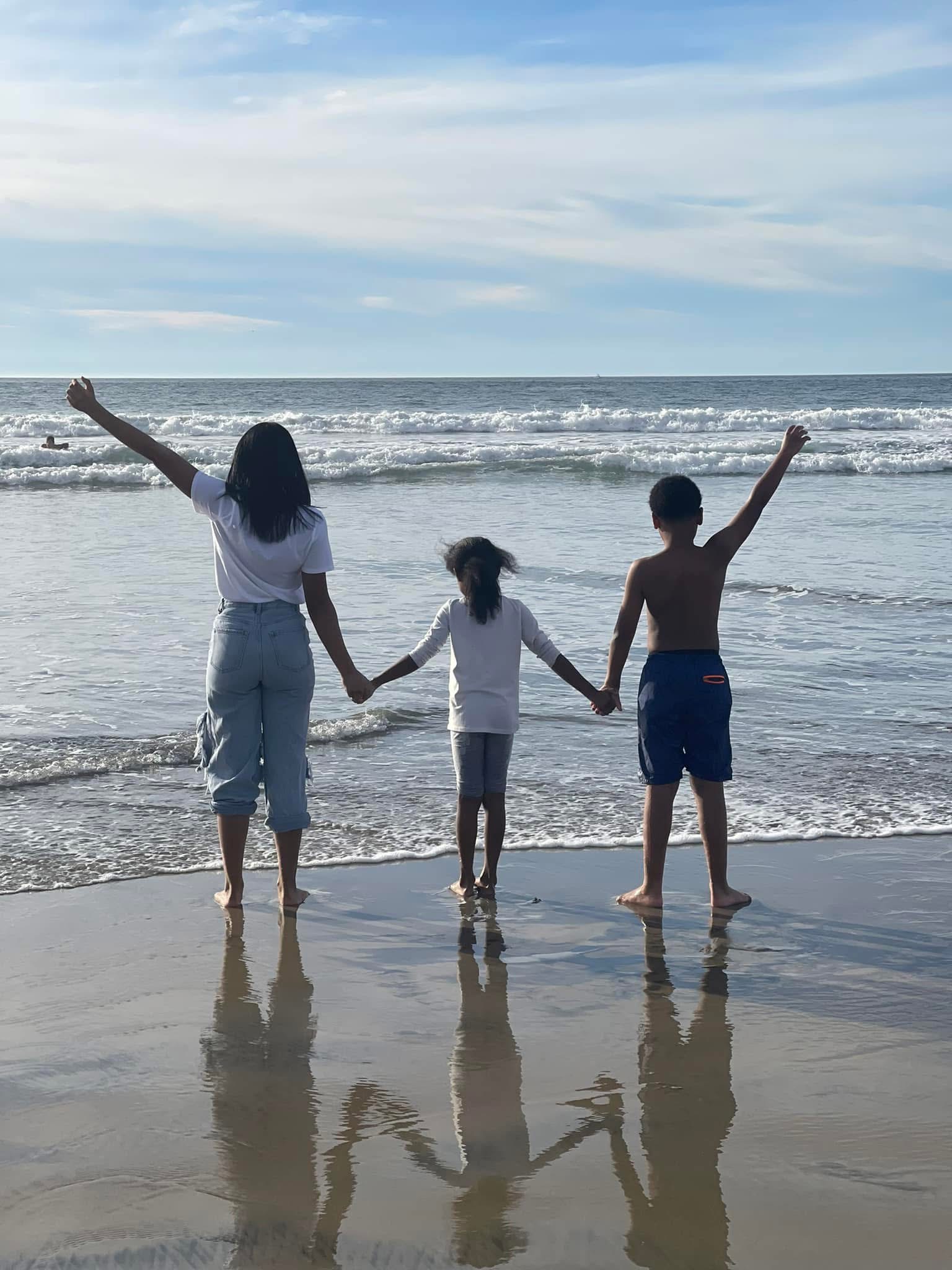
That mission is deeply personal. I’m a parent to three children with very different learning profiles. Watching three completely different education journeys unfold inside my own home showed me how uneven and inequitable our access systems really are. It made me realize that most people don’t fail because they lack ability, they fail because the system never adapts to how they learn.
I’m most proud of the fact that I’ve never stopped building, even when I had to rebuild from scratch emotionally, financially, and professionally. I’ve learned that resilience isn’t about pushing harder. It’s about redesigning your life so your success doesn’t require your self-destruction.
What I want people to know about me and my brand is this:
I’m not here to sell shortcuts.
I’m here to build infrastructure.
Long-term, I plan to bring these real-world systems into public service so they can scale beyond what one founder can do alone. I don’t believe policy should be written by people who’ve never built the systems they regulate. My goal is to be a leader who actually understands workforce pipelines, education access, and financial mobility because I built them myself.
Everything I do is rooted in one belief:
Access shouldn’t depend on zip code, family wealth, or perfect circumstances.
And I’m building the future I want my children and other people’s children to inherit.
What’s a lesson you had to unlearn and what’s the backstory?
One of the hardest lessons I had to unlearn was the belief that my worth came from how much I could carry for other people.
For most of my life, I was the fixer, the provider, the stabilizer, the emotional anchor in my family, in my relationships, and in my businesses. I thought strength meant never needing help and leadership meant absorbing everyone else’s chaos without flinching.
That belief didn’t come from nowhere.
I was raised by a strong mother and started my first business at 16. I learned early how to survive, adapt, and keep going no matter what was happening around me. Over time, that survival skill turned into an identity: the woman who always figures it out, no matter the cost.
The backstory is that this mindset quietly almost broke me.
I stayed too long in relationships that were emotionally unsafe because I thought love meant loyalty without boundaries. I kept businesses alive that were draining me financially and spiritually because I thought quitting meant failing. I said yes to clients, partners, and opportunities that were misaligned because I thought being needed was the same as being valued.
At one point, everything looked successful on paper while my personal life and emotional health were collapsing behind the scenes. I was rebuilding businesses, raising three children, navigating heartbreak, and trying to hold together an image of strength I no longer had the capacity to sustain.
The moment that changed everything wasn’t dramatic, it was quiet.
I realized that constantly saving other people was slowly erasing me.
Unlearning that meant redefining strength.
It meant choosing boundaries over being liked.
It meant walking away from familiarity even when it was comfortable.
It meant letting some dreams die so better ones could be born.
It meant rebuilding my life and my businesses in a way that didn’t require my self-destruction.
Today, I lead very differently.
I build systems instead of carrying everything myself.
I choose alignment over obligation.
I prioritize sustainability over speed.
I value peace as much as progress.
What I want other founders, creatives, and leaders especially Black women to know is this:
You are not required to bleed for your dreams.
Your job isn’t to save everyone.
Your job is to build something that can stand even when you rest.
Unlearning that lesson didn’t make me softer.
It made me freer.
And it made everything I’m building now stronger, healthier, and more sustainable than anything I’ve ever built before.
Can you open up about a time when you had a really close call with the business?
One of the most defining moments of my career came when I was operating Carter Truck Driving Academy. The school had significant overhead, and many of our students were funded through workforce and government programs. While those programs were critical for access, they also came with long reimbursement timelines often 60 to 90 days after services were delivered while payroll, insurance, and operating expenses were due immediately.
One week, those timelines collided.
Despite careful planning and exhausting every responsible option, I found myself short on payroll. I remember waking up that morning overwhelmed not because of fear for myself, but because people were counting on me. My staff depended on their paychecks. My students depended on the school staying open. The mission mattered.
I had already exhausted my line of credit and refused to take on predatory short-term lending that would have jeopardized the business long-term. The only immediate option left was to sell my car, a classic vehicle I had worked hard for and never imagined selling under pressure.
I made the decision that same day. I put out an ad, sold the car, and covered payroll.
My staff was paid. The school stayed open. Students continued their training.
That moment reshaped how I lead. It taught me that leadership isn’t proven when things are comfortable — it’s proven when you’re willing to sacrifice personally to protect the integrity of the work. It also fundamentally changed how I build businesses. I now design systems with sustainability, flexibility, and financial resilience at the center, so they don’t rely on crisis decisions to survive.
At the time, it didn’t feel heroic. But looking back, it clarified something essential for me: when you commit to building institutions that serve others, purpose has to outweigh possessions.
That experience didn’t just get me through a close call it shaped the leader I am today.
Contact Info:
- Website: https://www.shenikamaddox.com
- Instagram: https://www.instagram.com/shenikamaddoxofficial
- Facebook: https://www.facebook.com/ShenikaMaddoxOfficial/
- Linkedin: https://www.linkedin.com/in/shenikamaddoxofficial/