

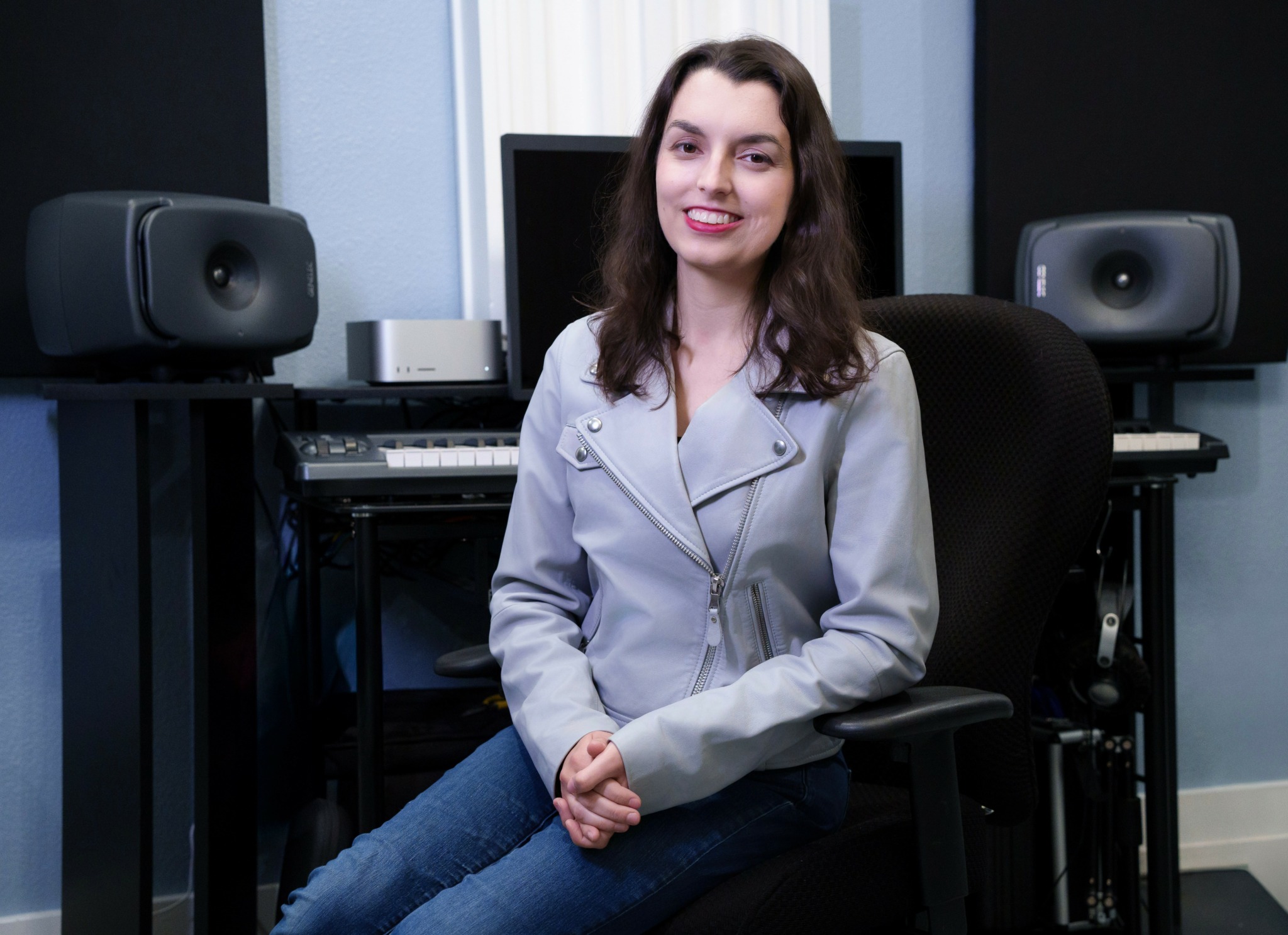

Alright – so today we’ve got the honor of introducing you to Shelby Lock. We think you’ll enjoy our conversation, we’ve shared it below.
Shelby, looking forward to hearing all of your stories today. Alright, so you had your idea and then what happened? Can you walk us through the story of how you went from just an idea to executing on the idea
Two years ago, I was living in rural central Virginia, working out of a former garage that became a bedroom and then finally my studio. All but one job I’d ever gotten was from people who were based elsewhere. I was working, but being so isolated from all the major music hubs meant I wasn’t progressing in my career as much as I’d hoped. So I did the cliche thing: I up and moved to the other side of the country to start over.
I chose Santa Cruz because of its rich arts and music culture, its natural beauty, and its location. It’s just over an hour to San Francisco and most of the Bay Area, and only a five-hour drive to LA. My brother was already out here, and the rest of my family followed. I knew if I came to California, there was a better chance I could take my career to the next level and make a go of it as a recording studio owner.
Santa Cruz is a small town, but there are way more musicians here than you’d normally expect for a town of 64,000 people. There are another 8 million+ people in the San Francisco Bay Area and the Monterey Bay Area. I did the math, and I figured out there were enough potential clients here to create a sustainable business. I knew I could offer something unique, so it wasn’t a matter of “competing” with other established studios. It was a matter of finding the people who were looking for the niche I have to offer as a mountaintop studio focused on acoustic music, and owned by a woman.
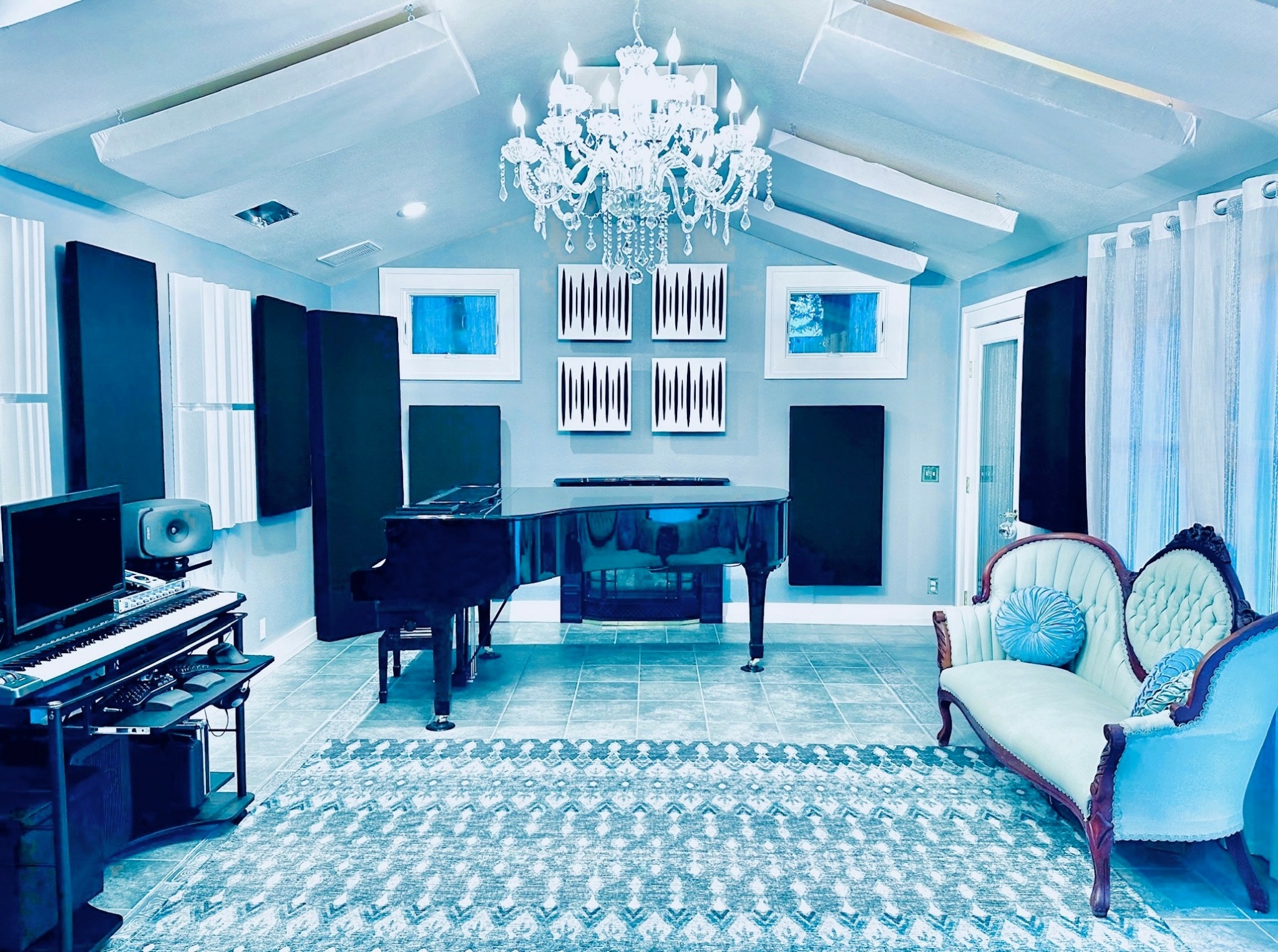
As soon as I moved out here, and got into the space, then the real work began. I wanted the space to not only sound great, but also to have a unique look that inspired clients and myself. This time, I was working out of a former atrium that was 26 feet by 14.5 feet with a vaulted ceiling. It had a one-and-a-half second reverb time, which is unheard of for any serious studio space. And it wasn’t even a pleasant-sounding room ambiance. I ended up having to buy a full pallet of mineral wool board to make enough acoustic panels to tame the space and make it suitable for music recording. I had to take a lot of acoustical measurements and break out my college acoustical physics textbook to be sure I got it right.
I’d set up an initial budget, looked at how much money I could put on a new business credit card without interest, and figured out how much I could spend without taking on more debt than I could pay off within a year. Most of the budget went to acoustical treatment and buying top-of-the-line studio monitors that allowed me to hear even the most subtle details in a recording. After all, if you can’t hear something in a recording, you can’t truly do accurate work. And if your room isn’t great, even the best studio monitors can’t make up for it.
I also ended up having to hire people to install central HVAC, which they made take longer than it should have. This was not just for temperature-related comfort, but also to help the piano stay in tune longer, and to minimize the risk of getting any sicknesses clients might unknowingly bring in. Being immune-compromised, minimizing the risk of infections was a serious consideration. In the end, my studio has some of the best air quality I’ve ever found at any studio. I have hospital-grade air filtration with MERV-16 filters, about six air changes per hour, and ventilation that makes the room almost as fresh as outdoor air.
The studio ended up taking a lot longer than I’d hoped to get everything off the ground, but today things are in full swing, and going swimmingly.
Awesome – so before we get into the rest of our questions, can you briefly introduce yourself to our readers.
I’m a recording studio owner-engineer and musician. This means I wear a lot of hats in my day-to-day work: recording engineer, mix engineer, mastering engineer, producer, pianist, composer, and studio manager. When a client hires me, I can be in any one of those roles, and often even all of them.
About half of my work comes from musical artists based in the Bay Area, and the other half comes from people from all over the world who hire me to work remotely.
Most people who come to me to record in-person are seeking out three things that set me apart from other recording studios:
1) My studio is in the scenic Santa Cruz Mountains, which provides a retreat-like experience for artists. It’s quiet up here, the air is fresh, and you are surrounded by old Redwoods. The studio features a large wall of windows so it never feels claustrophobic. Many studios, especially in heavily-populated areas, are in urban environments and even strip malls that aren’t particularly inspiring for a lot of artists.
2) I’m a conservatory-trained musician who also spent my formative years working and playing in Nashville, TN. I’m able to provide a level of creative guidance that many people who are strictly audio engineers don’t offer. Classical artists trust me because they know I’m “one of them” and can read a score. New singer-songwriters find it extremely valuable to know they’re working with someone who will listen to their vision, provide constructive feedback, and help them make their songs the best they can be.
3) I’ve worked hard to create an environment that welcomes people who may not feel at-home in a traditional studio environment. I’m a woman in a male-dominated field, so a lot of young women artists feel safer coming to record with me as opposed to a studio with all men they don’t even know. Since I’m also disabled and have created a fully wheelchair-accessible space, other people seek me out because they know I’m going to understand the nuances of living with and recording with a disability.
One thing I’m proud of is the fact my whole studio is very “me,” from the color scheme and visual vibe, to the kind of work I do, the way I work, and how I’ve incorporated accessibility into everything—and people are hiring me because they like these things. It’s very gratifying after spending some early days of my career feeling like I had to overcompensate for being a woman with a disability, and even having people tell me I didn’t belong. It goes to show that being different is often a strength, rather than a weakness, when it comes to having a successful business.
What do you think helped you build your reputation within your market?
I’m never the person who stops at “good enough.” If something can be done better, even if it takes me a bit longer, that’s how I’m going to do it. I’m fully invested in every single project I take on. I never phone it in or view a project as just another paycheck.
I work this way for a simple reason: I love what I do. The process of helping someone take their song from an idea to a polished recording released in the world is just as thrilling today as it was years ago when just starting out. It never gets old for me. I love the whole process whether I’m working with a GRAMMY®-winner or someone recording in a studio for the very first time.
I think my passion and dedication are very clear to anyone who works with me, and most of my work comes from word-of-mouth. Artists put their heart and soul into their songs, so they want to find someone who appreciates that and brings the same level of enthusiasm.

We’d love to hear a story of resilience from your journey.
Just having a creative career is a story of resilience, especially as an entrepreneur. Some weeks you feel like a total boss, have more work than you can handle, and everyone seems to want something from you all at the same time. Other weeks, you start to worry about what will happen when you finish your current projects, and you start questioning why you’re suddenly not quite getting as many new clients as you’d like.
The ebb and flow is just a natural part of having a business. When you have setbacks, you have to not let it get into your head. You have to keep going, and then do your best to learn from any failures. It’s never truly a failure if it teaches you a lesson that makes you better at what you do.
My whole career and life are built on resilience as someone who survived a serious illness that nearly took everything from me—which still affects me every day. I think I find it easier to roll with life’s punches as a result, and not much phases me. I live with a sense of urgency after realizing none of us is promised a chance to do anything later. All we have is now.
Contact Info:
- Website: https://silvermoonsound.com
- Instagram: https://instagram.com/silvermoonsound
- Facebook: https://facebook.com/shelbylockmusic
- Linkedin: https://linkedin.com/in/shelbylock
- Yelp: https://www.yelp.com/biz/silver-moon-sound-santa-cruz
- Other: https://shelbylock.com
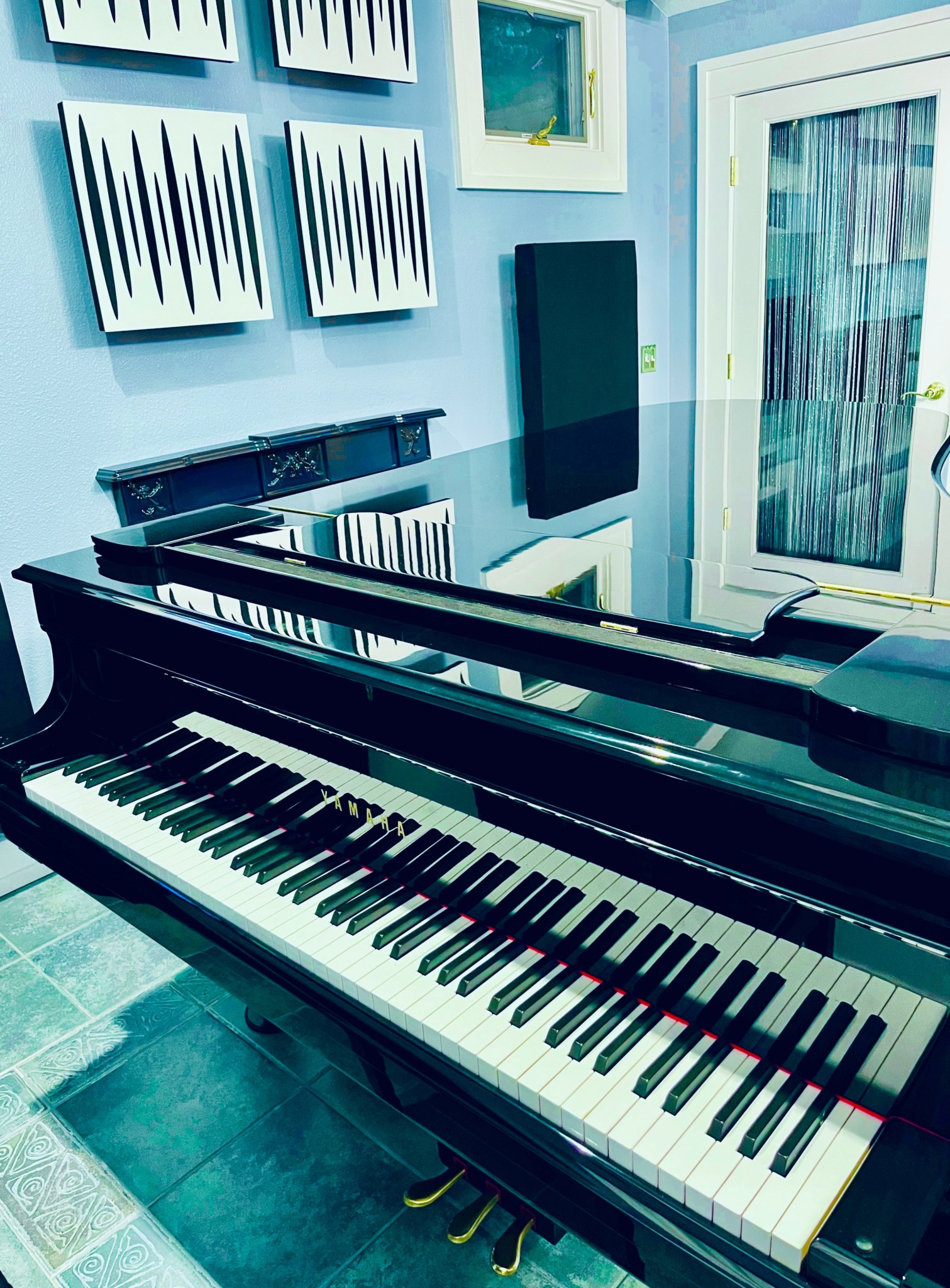
Image Credits
Photo of Shelby Lock: Molly Noori. All other images, Shelby Lock.