

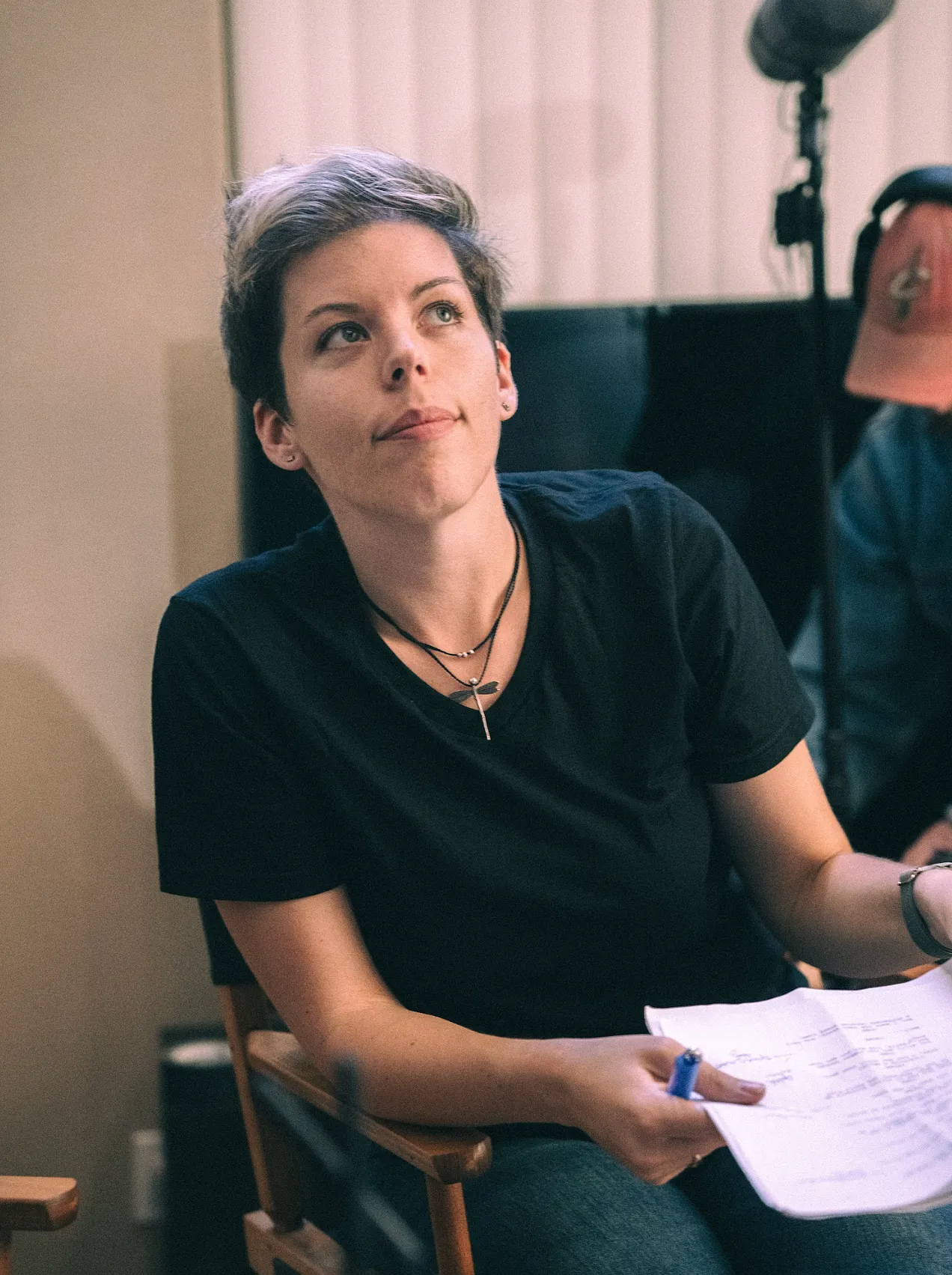

We were lucky to catch up with Shayla C. Durbois recently and have shared our conversation below.
Hi Shayla C., thanks for joining us today. The first dollar you earn is always exciting – it’s like the start of a new chapter and so we’d love to hear about the first time you sold or generated revenue from your creative work?
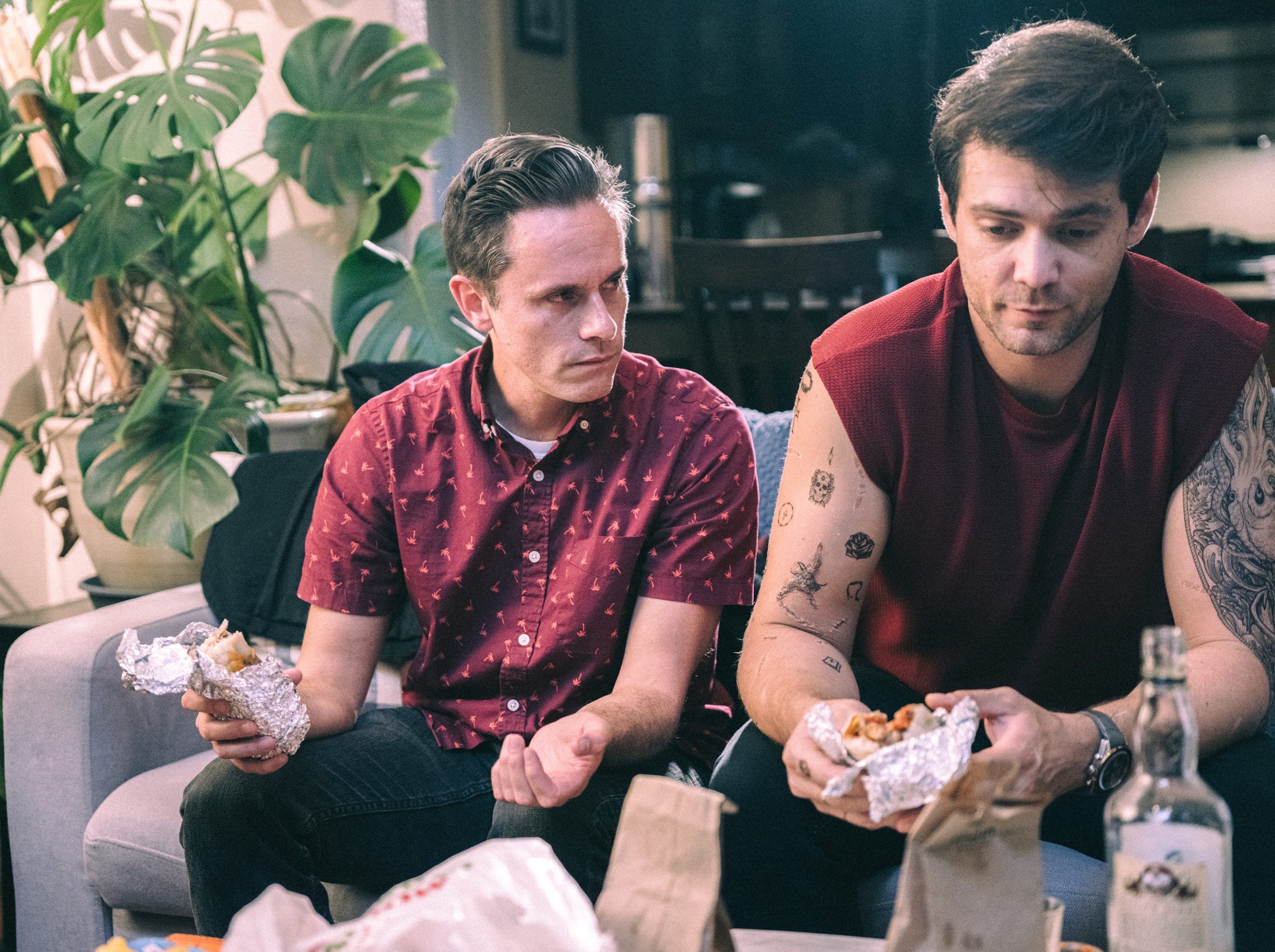
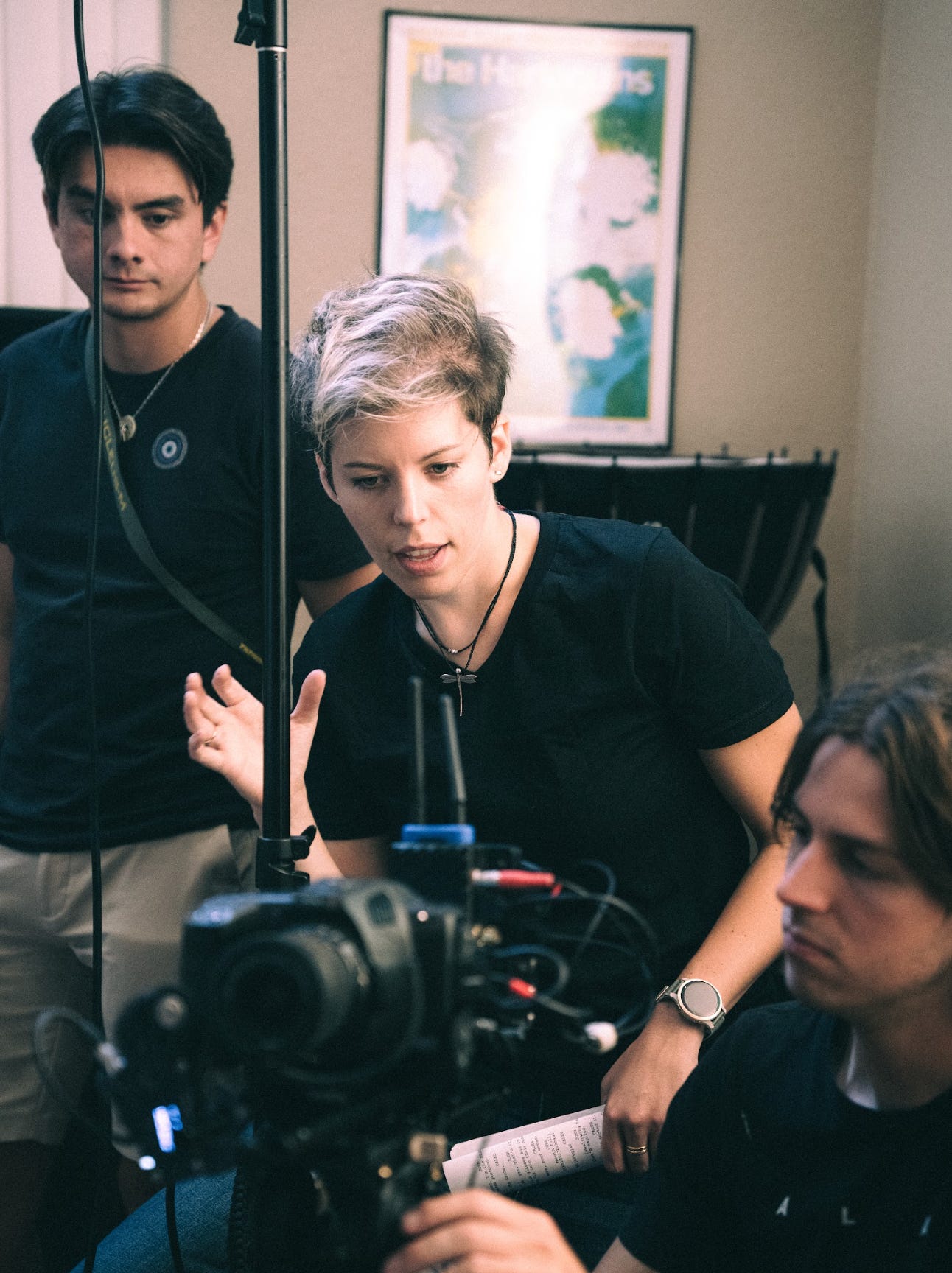
In 2022, I earned my master’s in creative writing from Harvard University, Extension School, and moved across the country to LA to be a screenwriter… just in time for the writer’s strike. Already hard to break into entertainment, suddenly it was impossible. Not only were there no jobs, but all the best writers were pitching themselves for those jobs. I kept working on scripts, getting jobs on set, and finally admitted to myself that I was a director. I then made a commitment to write and direct 14 short films in 2024, creating my own personal “Director Bootcamp Year.”
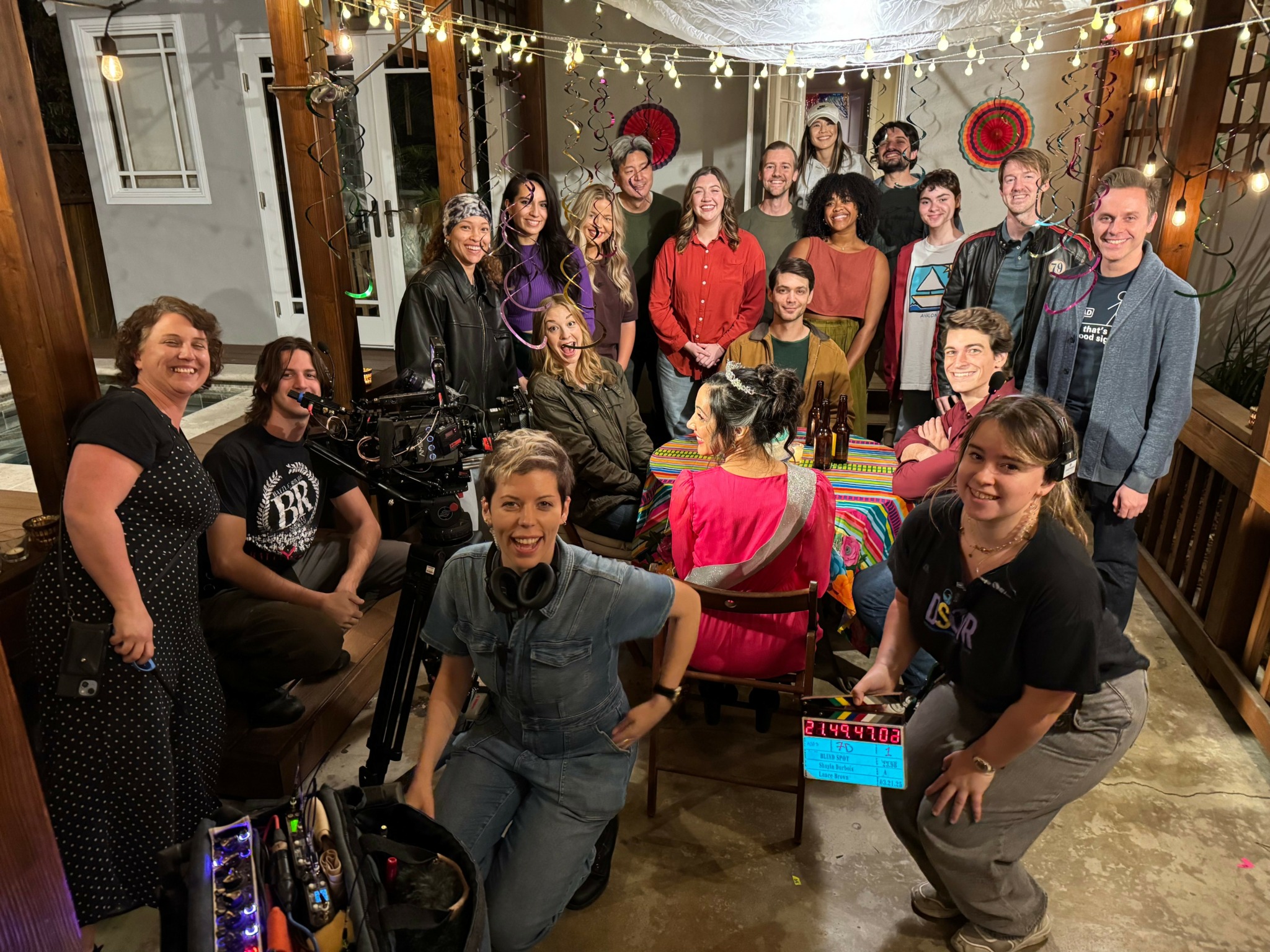
I started with an iPad and one actor, but with each project, my understanding and confidence grew. Quickly, people believed in me, saying “yes” when I invited them to work on my no-pay sets. The crews got bigger, the cast list longer, and my directing style found its legs. By film #6, I had gained a reputation among my friends as the “short film guru,” and was asked to give advice to another aspiring writer/director. I said yes immediately, knowing how hard this really is, and wanting help any way I could.
When we met for coffee, the first-time director let me know she would also be starring in the lead role. Having just assistant directed another short film where the first-time director was also the lead actress, I had the battle scars to know that this was a terrible idea. I gently but firmly told her that this was just not possible. If you’re a first-time director, focus on that and hire an actress. Or if it’s more important that you act in it, hire a director. She said, “Okay, you’re hired.”
“Wait, what?”
I hadn’t been pitching myself. I wasn’t angling for a paycheck. I just wanted to spare her the pain of a failed investment. But I was only at short film #6, and I had two months to go on the self imposed “14 films in 12 months” goal, and all of a sudden I had the opportunity to make money, not just spend it by investing in my own education.
“We’re filming in two weeks,” she said.
Excuse me?
Producing my own projects, I’d found two months was a more realistic window to produce a short film. Yet she had the location locked, the talent booked, and would provide all of the food and a very small budget for key positions and equipment. I did some mental math and realized I could find the right crew people in two weeks, lock the equipment, and figure out a shot list. Then the last bomb dropped.
“By the way, it’s in French.”
Excusez-moí?
Do I know French? Un petit peu. Despite my last name and 50% of my DNA belonging to the French people, I know just enough to be dangerous, and definitely not conversational. She reassured me I didn’t need to worry because she had the English version as well.
Immediately after that meeting I worked my networked and pulled a crew together, but it wasn’t until 9 pm the night before that we got our sound guy locked in. The various expenses of crew and equipment ended up being more than I hoped, and I fronted my own paycheck to bridge the difference. I did this because my primary goal was to get experience as a director, and even if I only made $1 on this short, I was still, officially, a PAID DIRECTOR.
Shoot day arrived, and as the crew got equipment together, I sat down with the actresses for a read through. I tracked along with the French pretty well, English script right next to me, until they started talking off script. When I saw they were done working through whatever question (again, I’m not conversational) I said, “Okay, let’s pick it up from ‘Oh Mon Dieu.’” The lead actress snapped to look at me, shocked.
“Did that come out of your mouth?” she asked. Chagrinned, I apologized for my terrible accent. “No,” she said, frowning at me, wide-eyed. “It was perfect.”
Oh, merci mon Dieu.
That set us off on an excellent start. Directing a short film where I had only a general idea of the actual words forced me to pay attention to the emotion of the performances. I knew the general meaning of each moment, and so I watched the actresses to see if they hit those marks in their tone of voice, posture, and facial expressions.
Our goal was 10 pages in one day, three scenes, two locations. For folks unfamiliar with movie production, to say this is ambitious is an understatement. Our shot list was whittled down to the essentials and even that was packed. Our team hustled, and I thanked God for a script supervisor whose French was better than mine.
We made our day. We got every shot, beginning to end. We even finished a little early. The lead actress came up to me at the end as the crew buzzed around us packing up equipment, carrying a wad of hundreds.
“That’s the budget, so you can pay everyone.” She looked me dead in the eye and said, “You are severely underpaid. That went so much better than I thought it was going to. There’s a little extra in there for you. Thank you for doing such a good job.”
It turned out that little bit extra was the exact amount of my own paycheck that I had fronted to pay for everything else. I never told her how much extra I had spent.
So, I am officially a paid director. There is something so satisfying about it coming on the 7th project, in a film of another language no less. In the end, I directed 9 short films, not 14. But an accounting of the year revealed that I had indeed worked on set on 14 different projects, in everything from PA to 1st AD to Producer. That “Director Bootcamp Year” took a series of twists and turns I never expected. Due to stress and simply being too busy to eat, I lost weight (had the pounds to spare ;) and gained a few white hairs, but now can say with perfect confidence, “I am a director.”
Cannes… me voilà.
Shayla C., love having you share your insights with us. Before we ask you more questions, maybe you can take a moment to introduce yourself to our readers who might have missed our earlier conversations?
I am a writer/director. I finished production on 9 short films, two of which have gone to festivals. I am in post-production on 6 short films. I am currently developing a feature film with an indie production company, which we plan to shoot in 2025. You can read my scripts on Coverfly, view a record of my entertainment work on IMDb, and keep up with my set-life journey on Instagram.
https://writers.coverfly.com/profile/writer-8772beff4-164794
https://www.imdb.com/name/nm15866076/?ref_=fn_all_nme_1
https://www.instagram.com/scdurbois/
Is there something you think non-creatives will struggle to understand about your journey as a creative?
The American economic system is developed around the 9 to 5. Budgeting and planning for retirement depend on a steady paycheck. Being a creative does not fit into these standards. We make money on gigs, working 12-hour days, sometimes overnight, or locked in our rooms by ourselves for days on end. There is a way for gig-based workers to budget their money, which ironically takes more financial awareness than your standard salaried laborer. Ironically, the world moved to remote working right as I was stepping away from the traditional “office work” model, but it still took me a long time to stop feeling guilty for not living the “9 to 5 grind.” My days were flexible, I chose what I worked on, but I deeply believed that because I wasn’t miserable, I wasn’t actually working hard. Ironically, even though I didn’t change out of PJs until 10 or 11 in the morning, I was working 10 to 12-hour days. I still do.
The truth is, professional artists are some of the hardest-working people out there, because if it’s not good… you can tell! We live or die based on the hundreds of hours nobody sees. That “overnight success” spent 10 years surviving on peanuts, honing his or her craft before it was good enough for the world to sit up and take notice.
I’ve also learned that taking care of my “creative self,” from the outside, looks like laziness. I watch a lot of TV shows and movies. I read books. I go to art museums. I take coffee meetings with other creatives. Why? Is it because I just can’t face the hard work? No, it’s because generating something out of nothing is brutal. We are literally pulling from our souls to make beauty, taking our vulnerability and putting it out there for the amusement of audiences. The care of a creative, indeed the “work” of a creative, may not look like you’re standard American employee. We don’t fit in the box, but that doesn’t mean we’re not working like dogs out here. It’s a business of endurance, last man standing wins, and so we have to nurture ourselves and rest, because we’re making culture that shifts the way societies see and understand their world.
Is there a particular goal or mission driving your creative journey?
My goal, is to change the world with story. Art changes the way we think, how we perceive the world. Art has the power to heal us, to help us see ourselves, and have greater compassion for ourselves and others. The world can be a heavy burden at times, and art lifts our gaze, freeing us from the weight.
My mission is to baptize the imagination. To feed the soul through the imagination, which only excellent stories can satisfy. To make culture and rebuild. The way a society views itself depends on the stories we tell. I aim to tell stories full of truth, brave enough to honestly examine the human experience, and not leave audiences in the full extent of human darkness, but point to the light, to hope. Eternity has been set in the hearts of every single person, and we need stories big enough to fully embrace the majesty of our souls, acknowledging depths, and calling us to greater heights.
Contact Info:
- Website: https://www.imdb.com/name/nm15866076/?ref_=fn_all_nme_1
- Instagram: https://www.instagram.com/scdurbois/
- Facebook: https://www.facebook.com/shayla.durbois
- Linkedin: https://www.linkedin.com/in/shayla-durbois/
- Other: https://writers.coverfly.com/profile/writer-8772beff4-164794
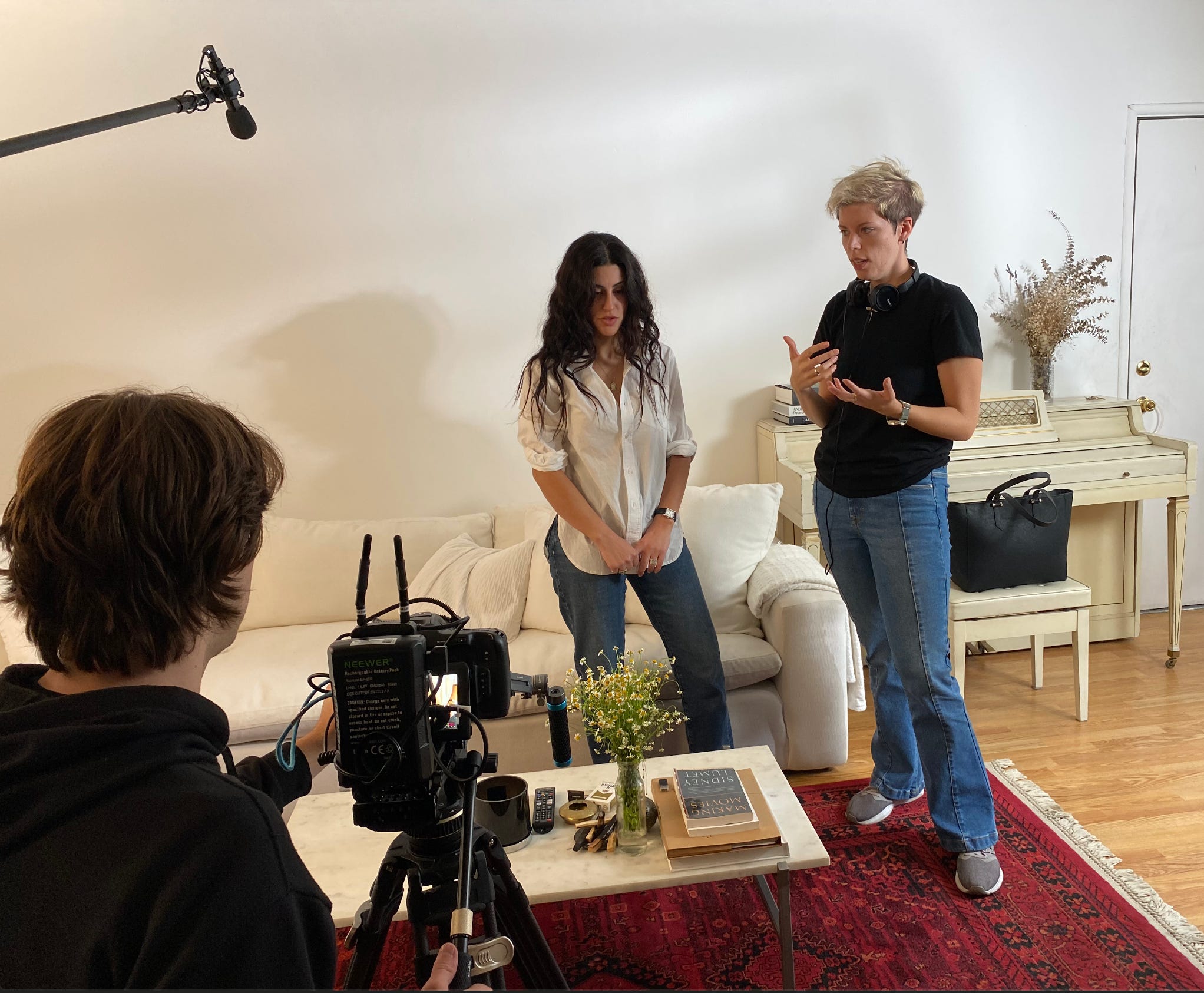
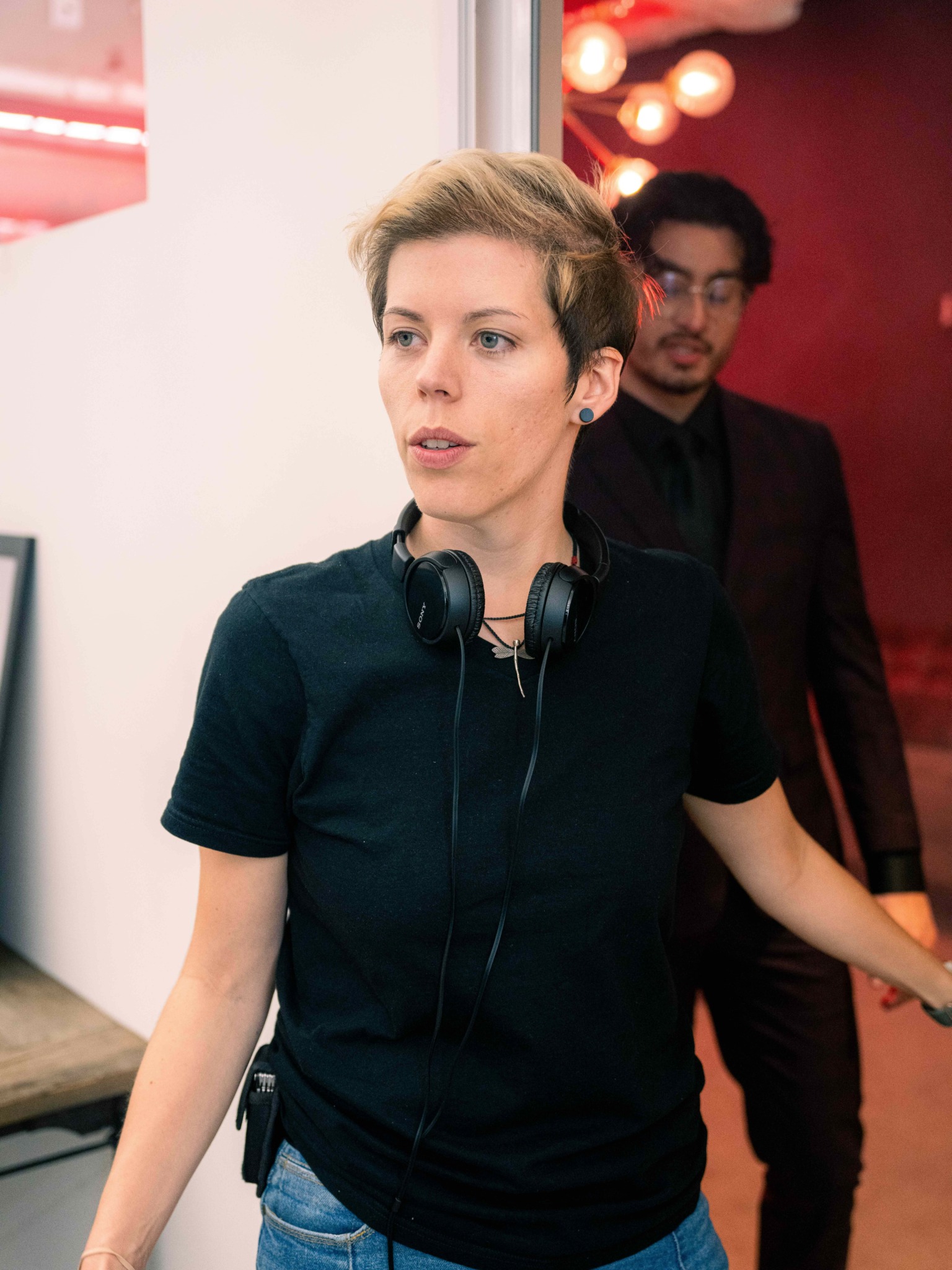
Image Credits
Chris Carter