

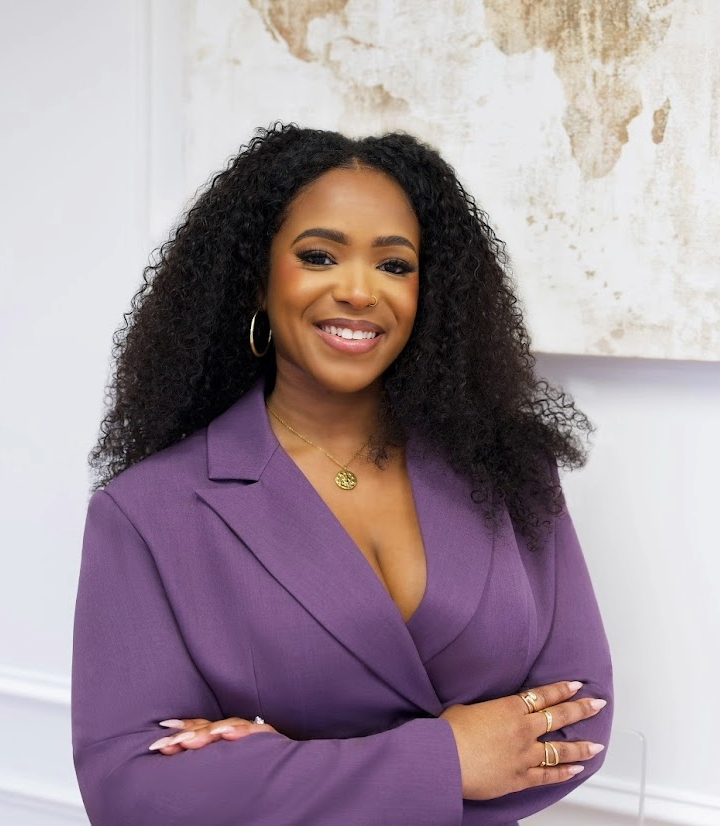

We were lucky to catch up with Shawna Dixon recently and have shared our conversation below.
Shawna , appreciate you joining us today. We’d love to have you retell us the story behind how you came up with the idea for your business, I think our audience would really enjoy hearing the backstory.
The idea for Purple Rose Petals came from what I was seeing both professionally and personally. As a therapist, I kept noticing the same pattern, especially within the Black community. People were struggling, but when you asked how they were doing, the answer was almost always, “I’m good.” There was this unspoken expectation to push through, stay strong, and keep things to yourself.
At the same time, I’ve seen the impact of mental health challenges within my own family. I’ve seen how life changing treatment and support can be, but I’ve also seen how stigma prevents people from ever getting to that point. That disconnect stayed with me and made me question why something so important still felt out of reach for so many.
I realized part of the issue wasn’t just access, it was relatability. Traditional conversations around mental health don’t always feel culturally relevant or safe for everyone. So I wanted to create something different. A space where mental health feels like a conversation you can actually see yourself in, not something that feels distant or clinical.
Purple Rose Petals was created to bridge that gap. It’s not just about therapy, it’s about making mental wellness feel accessible, engaging, and rooted in real community. Because when people feel seen, they’re more open to doing the work.


Shawna , love having you share your insights with us. Before we ask you more questions, maybe you can take a moment to introduce yourself to our readers who might have missed our earlier conversations?
I’m a licensed therapist, public health professional, and the founder of Purple Rose Petals Inc, a mental health platform and nonprofit designed to make mental wellness feel more accessible, relatable, and culturally relevant, especially for Black millennials.
My work sits at the intersection of mental health, community, and the workplace. While therapy is important, I’ve always believed mental wellness extends beyond the therapy room and should be reflected in the environments people navigate every day.
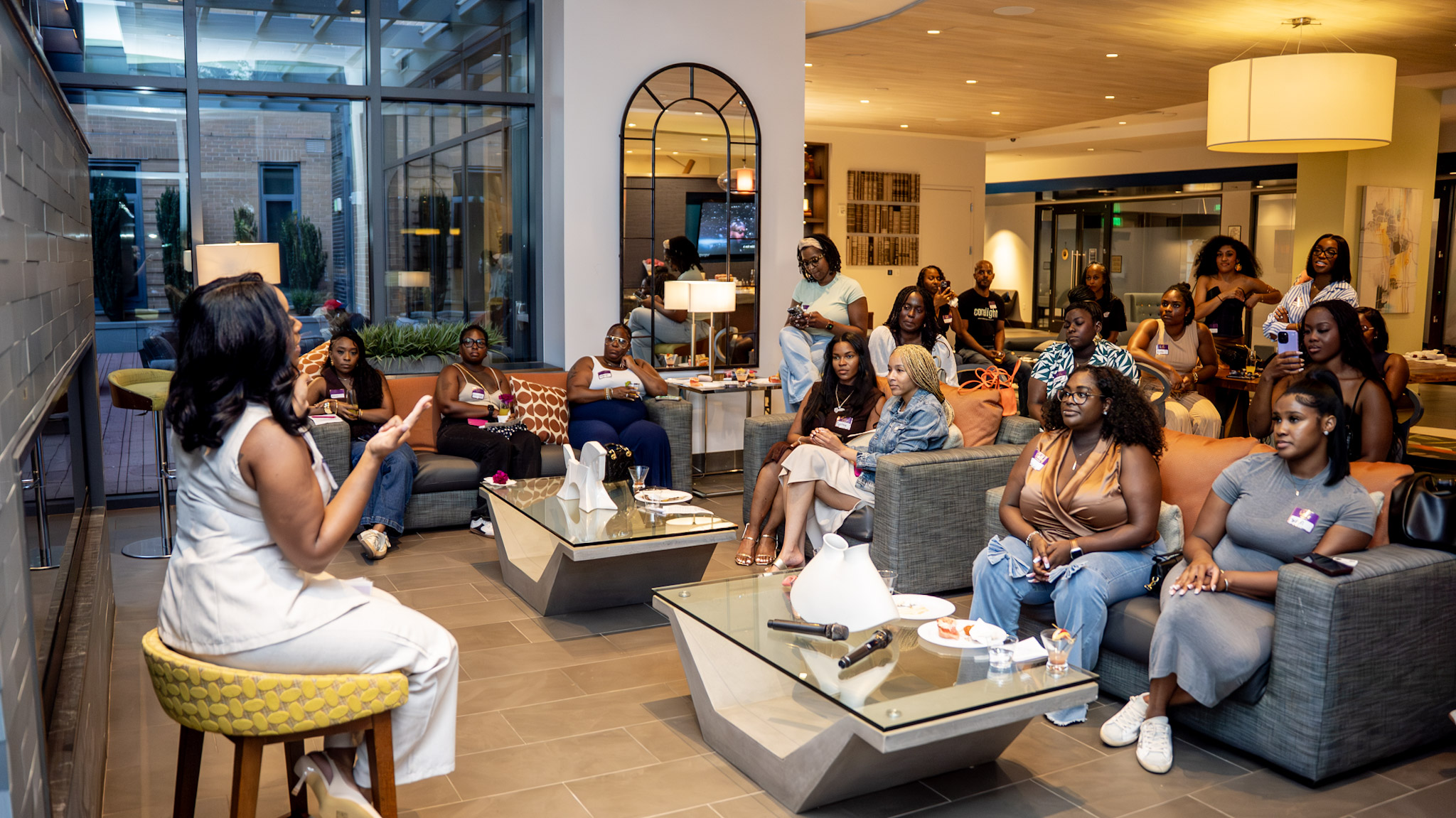
Through Purple Rose Petals, I create intentional experiences such as community events, panel discussions, and wellness activations that center real conversations around burnout, boundaries, stress, and life transitions. In addition, I partner with organizations and universities to provide workplace wellness trainings, interactive workshops, and consulting to help build healthier, more supportive work environments.
The problem I’m solving is the gap between awareness and action. A lot of people know mental health matters, but they don’t always feel connected to the way it’s presented or know where to start. Cultural stigma, lack of relatability, and workplace burnout often keep people stuck.
What sets Purple Rose Petals apart is the approach. We don’t just talk about mental health, we create experiences around it, whether that’s in community spaces or professional settings. The goal is always to make people feel supported and more open to engaging in their own wellness.
What I’m most proud of is the community and momentum we’ve built in a short amount of time. We’ve hosted sold out events and built strong engagement through organic growth and word of mouth, which reinforces that the need for this work is real.
At its core, Purple Rose Petals is about creating spaces where people don’t have to pretend they’re okay.


Can you tell us about what’s worked well for you in terms of growing your clientele?
The most effective strategy for growing my clientele has been focusing on real-life visibility, relationships, and aligned partnerships rather than relying solely on digital marketing.
In-person experiences have been one of the strongest drivers of growth because they allow people to experience the work in real time. That builds trust much faster than traditional marketing and often leads to referrals, repeat engagement, and new opportunities.
I’ve also been intentional about being present in spaces beyond my own. Attending events, supporting others doing similar work, and showing up consistently in community spaces has allowed me to build genuine relationships and stay connected to the ecosystem I serve. A lot of opportunities have come from simply being in the room.
Partnerships have played a key role as well. Collaborating with brands, venues, and organizations has helped expand my reach and introduce my work to aligned audiences.
Finally, clarity has been important. Being specific about who I serve and the problems I focus on makes it easier for both individuals and organizations to recognize the value and reach out.
At this point, most opportunities come through referrals, relationships, and shared spaces, which has been far more effective than trying to directly market to clients.

How did you build your audience on social media?
Building my audience on social media has been less about going viral and more about being intentional with my voice and the conversations I’m creating.
From the beginning, I focused on saying the things people were already feeling but didn’t always have the language for. As a therapist, I saw patterns in what people were struggling with, but I also noticed that a lot of mental health content online didn’t feel culturally relevant or reflective of the everyday experiences of Black millennials. So I created content that felt more honest, conversational, and relatable.
Instead of trying to sound overly polished or clinical, I leaned into clarity and authenticity. Topics like burnout, emotional avoidance, and the pressure to always be the “strong one” resonated because they reflected real life.
At the same time, I’m still building and learning. I’ve grown primarily through Instagram, but I’m continuing to explore what it looks like to expand onto other platforms and refine what works best for my audience. I see social media as an evolving tool, not a fixed formula.
For those just starting, my biggest advice is to focus on clarity over quantity. You don’t need to be everywhere, you need to be clear about who you’re speaking to and what you want them to walk away with. Speak directly to a specific audience, not everyone.
I’d also say don’t underestimate consistency, but consistency in your message, not just posting. When people know what to expect from you and feel seen in your content, they’ll keep coming back.
And finally, don’t get too caught up in numbers early on. Focus on building trust and connection. The growth will follow.
Contact Info:
- Website: https://Purplerosepetalsinc.com
- Instagram: @PurpleRosePetals
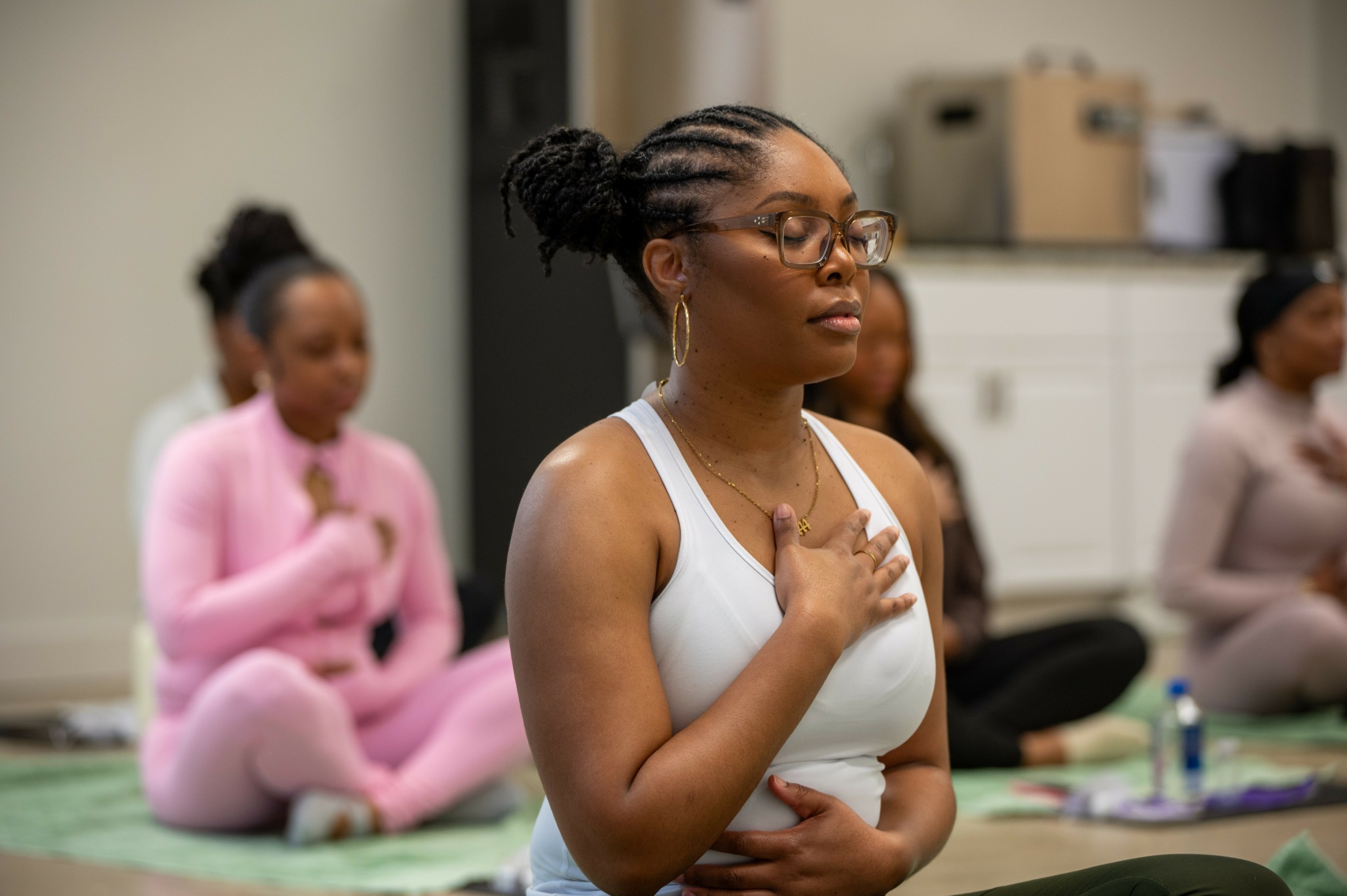
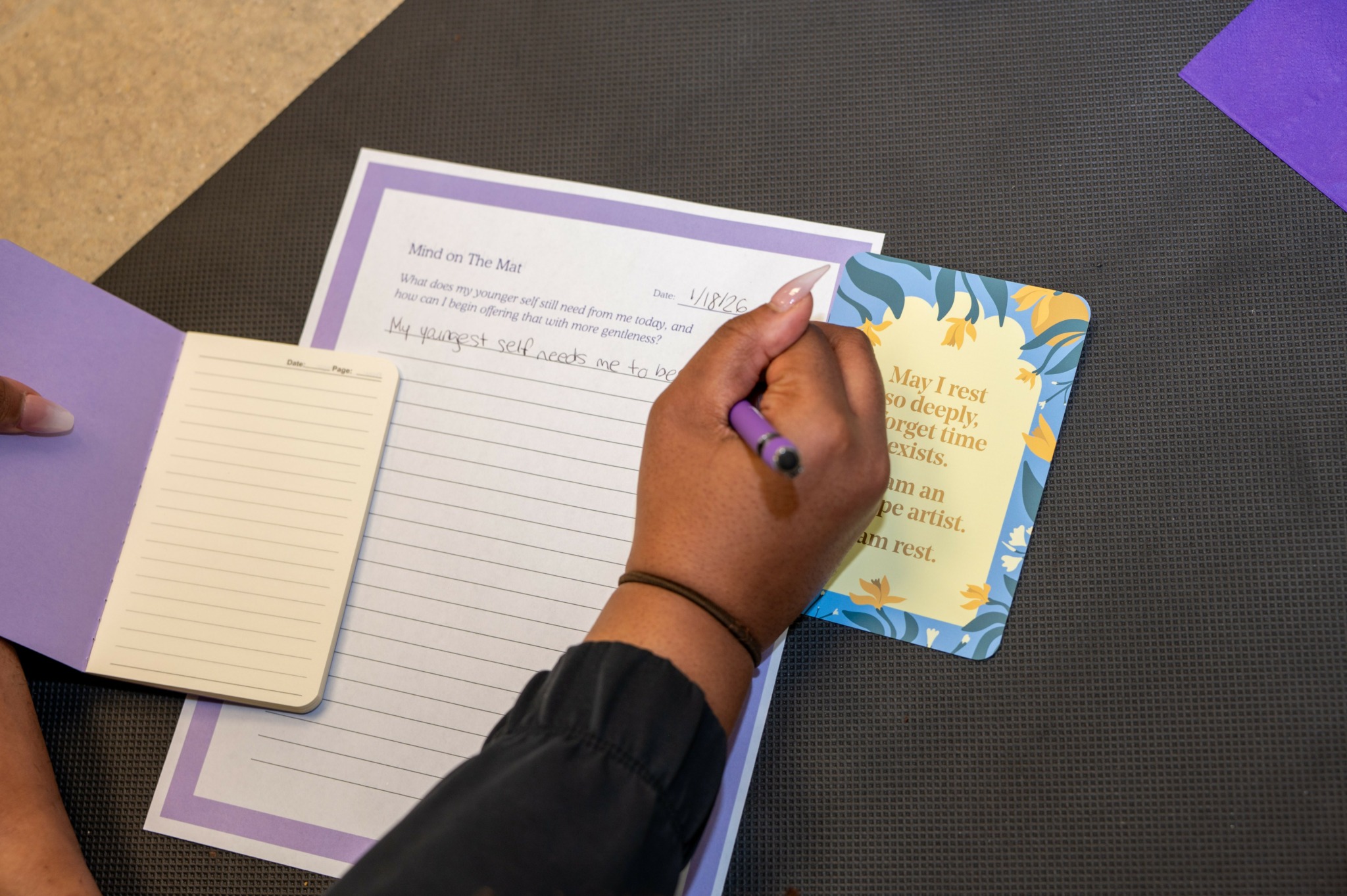
Image Credits
Lauren Collier
Danielle Mullins