

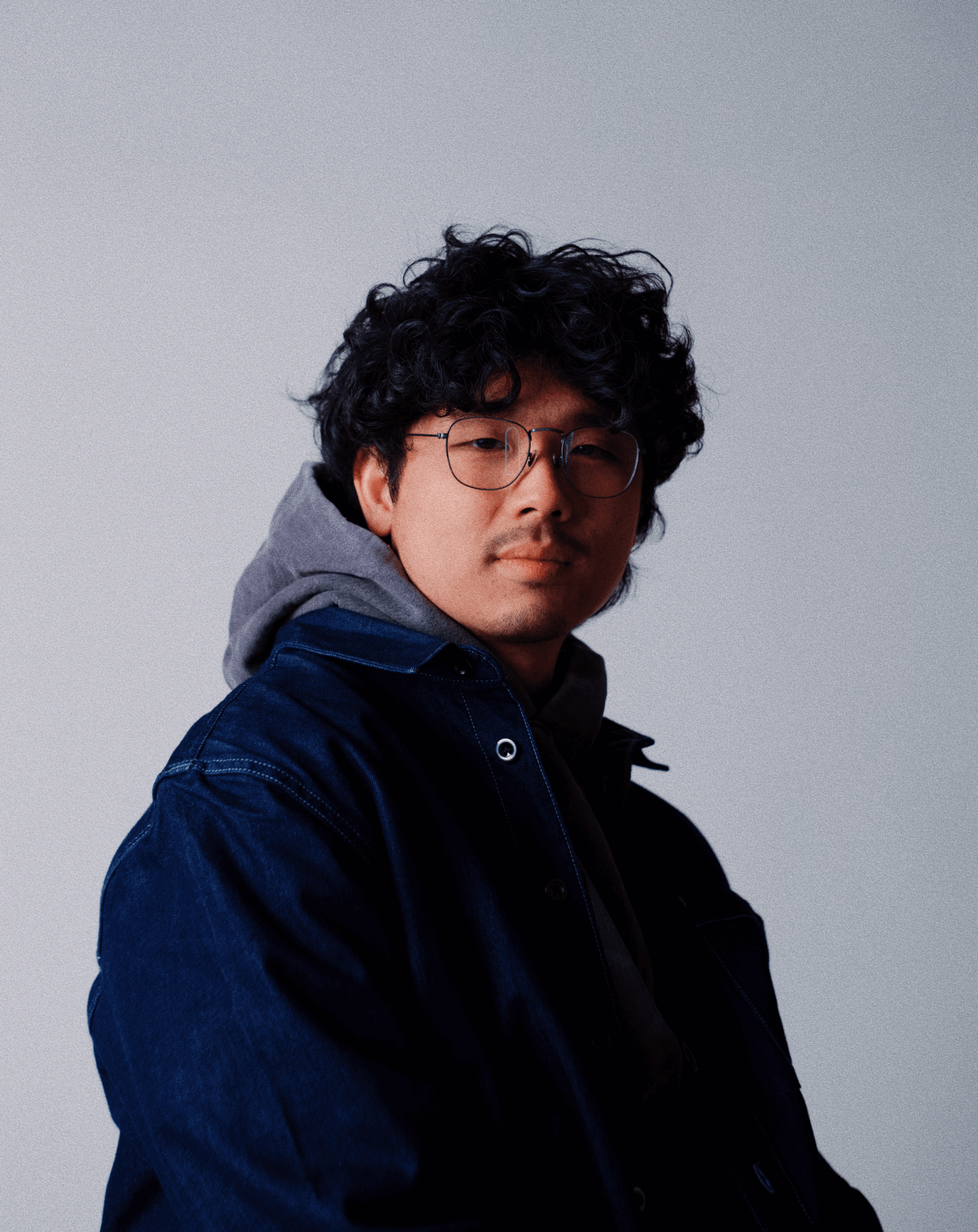

We caught up with the brilliant and insightful Seejon Czaplicki a few weeks ago and have shared our conversation below.
Alright, Seejon thanks for taking the time to share your stories and insights with us today. It’s always helpful to hear about times when someone’s had to take a risk – how did they think through the decision, why did they take the risk, and what ended up happening. We’d love to hear about a risk you’ve taken.
Risk and creativity go hand in hand, honestly I struggle to know how to be creative without taking a risk, often I’ll invent semi-hypothetical deadlines, just to engage with the risk of missing it. Restrictions, limitations and stakes are inherent with creative work. That said, a couple big risks I took recently:
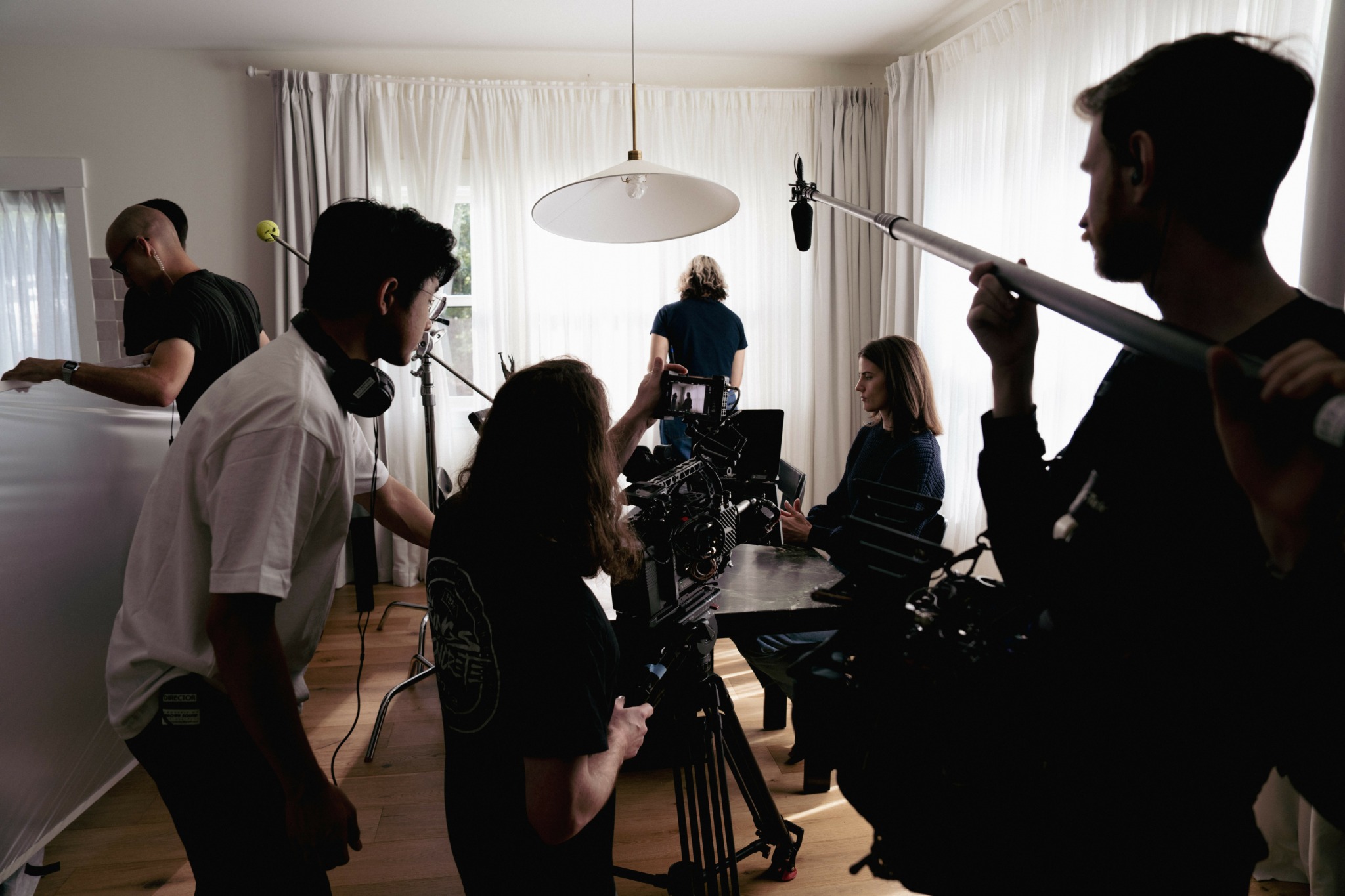
First, recently writing and directing my debut feature film without studio support, we were truly an independent production. This involved a great deal of personal and professional risk with travel, prep, building and leveraging relationships, remaining obsessed with the process in the midst of a whirwind. Dealing with health challenges at the time, and honestly, presently, I knew this had to be done, regardless of a traditional funding, it must happen and we’ll make it happen. We wouldn’t wait for anyone. So, I packed up my car, left my home in Los Angeles to move to a small midwest town: the wonderful Grand Rapids, but honestly — upending my life, leaving financial security to put everything into this film. From sleeping on couches, RVs, living out of a suitcase for almost two years, this was the only way to make this project. With incredible ambitions for it’s scale, this film — currently titled: Cul De Sac, a psychological drama about a couple attempting polyamory to solve their infertility — needed specific attention, it needed the bearance of risk and personal accountability to be crafted. I’m honored to have had the incredible support of the crew, the local michgan community and an incredible group of creative collaborators. But it was a big risk, leaped off a ledge and thankfully the best people were there to support: Laura, Erik, Marion, Baylor, Isabella, Jameson, Julian, Sydney, Spencer, Brandon… sorry just had to name drop a few there’s obviously much more — that’s a big thing I learned in that process: risk is not solved by taking it all on your own and forcing solution, risk is solved by opening up, being vulnerable, collaborating. You must build that critical mass. A small rock can be stopped, but a boulder keeps going (even if you don’t want it do anymore haha)
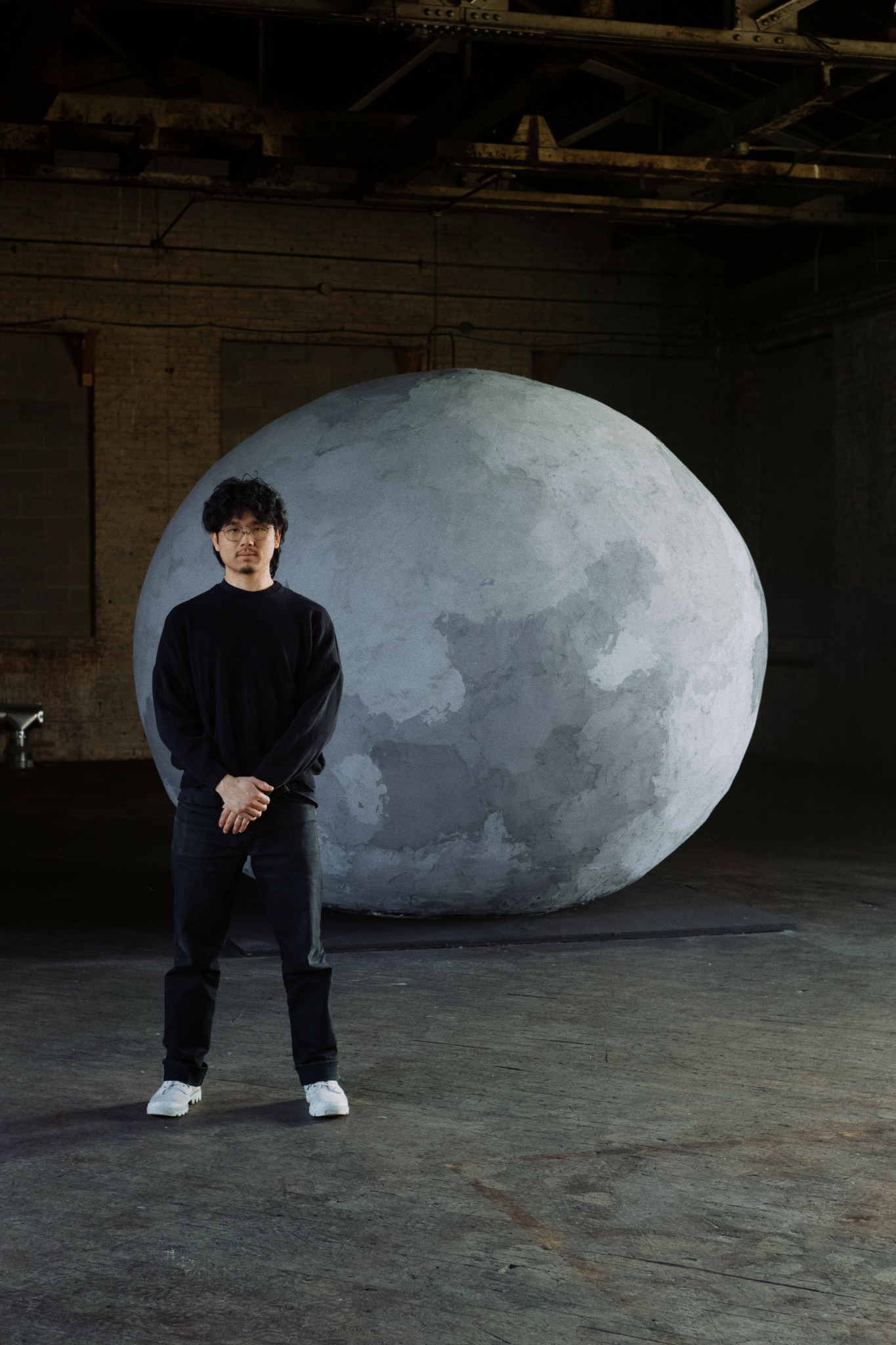
Oh yea, second risk. Recently endeavored on my first large scale sculpture work. In collab with my incredible co-artist: Isabella Werschky and the support of Hailey and Hammerspace Gallery. We set a deadline we thought we couldn’t meet, threw 4am late-nights and personally funded the one-night only exhibition of a 9 foot concrete sphere sculpture. Up until the final days, we still didn’t know if it’d be possible, or if we’d open this gallery with just a mess of wire mesh. This was designed as a one-day event, to be communally destroyed afterwards. Risk needn’t have reward, it’s fungibilty is in it’s ability to apply to all processes, to urge progression and it’s dialogue within the process is it’s own profit. It’s like life… every day you risk running out of food, losing your job, falling our of favor with your community, these risks keep you accountable, mobile, otherwise we’d be bed sores in a blank room.
As always, we appreciate you sharing your insights and we’ve got a few more questions for you, but before we get to all of that can you take a minute to introduce yourself and give our readers some of your background and context?
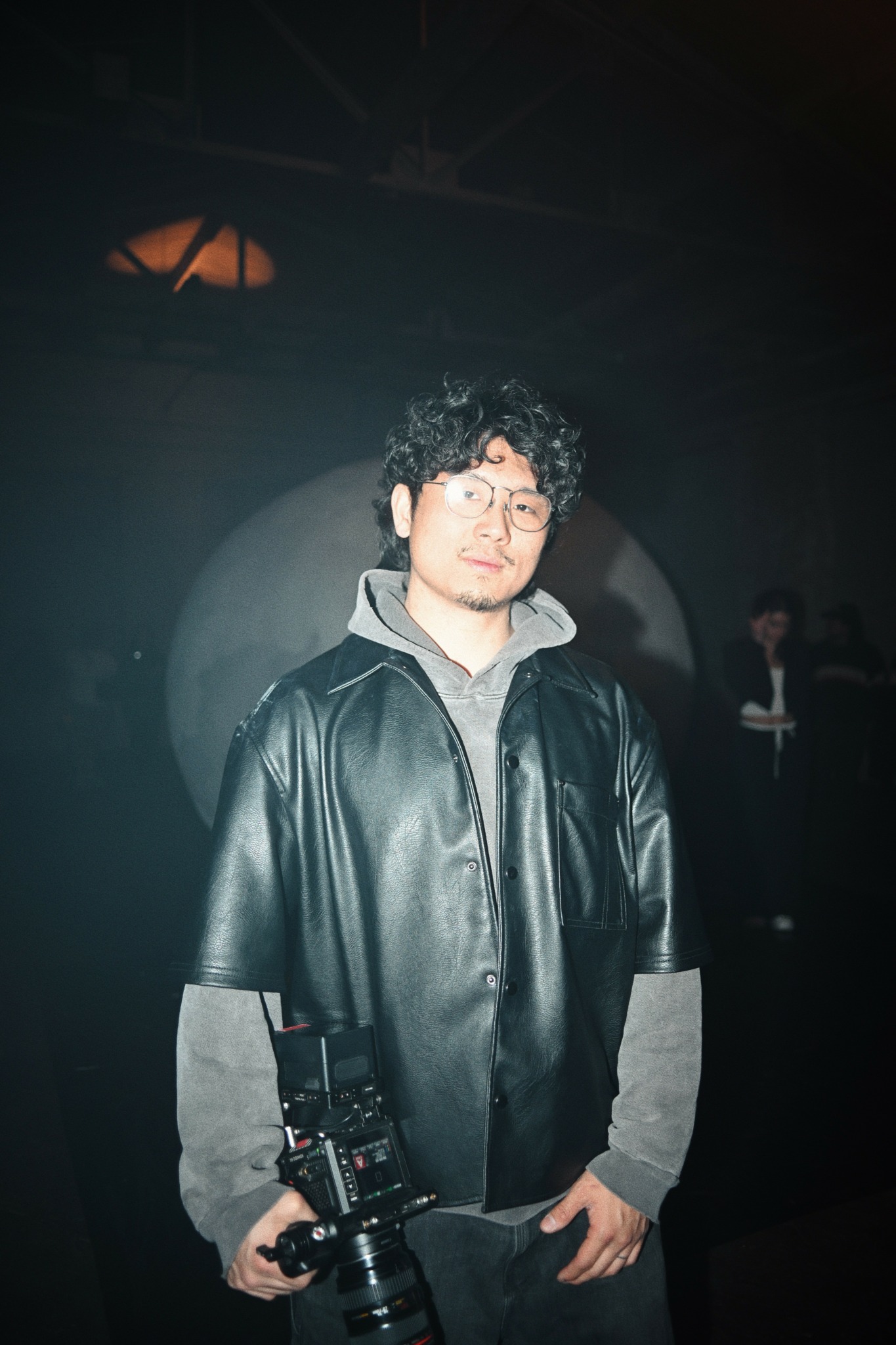
I’m a filmmaker based out of Los Angeles and Michgan. I was born in South Korea and grew up between Singapore and the Midwest. As a relatively unanchored person, I was compelled into creative work not out of a visual interest, but for me I found filmmaking specifically as an avenue to explore and dialogue on the dichotomies and intersections of various contexts and contrasts that I have encountered throughout my life. From cities to small towns, I found myself striving contemplatively over the nature of human communication and connection: questions of self, the spirit, and the beauty of our collective yearning towards catharsis. As humans, we all endure the rising and setting sun, as it bears down, we organize into our respective groups, yearning for it all to mean something. This is what filmmaking is to me.
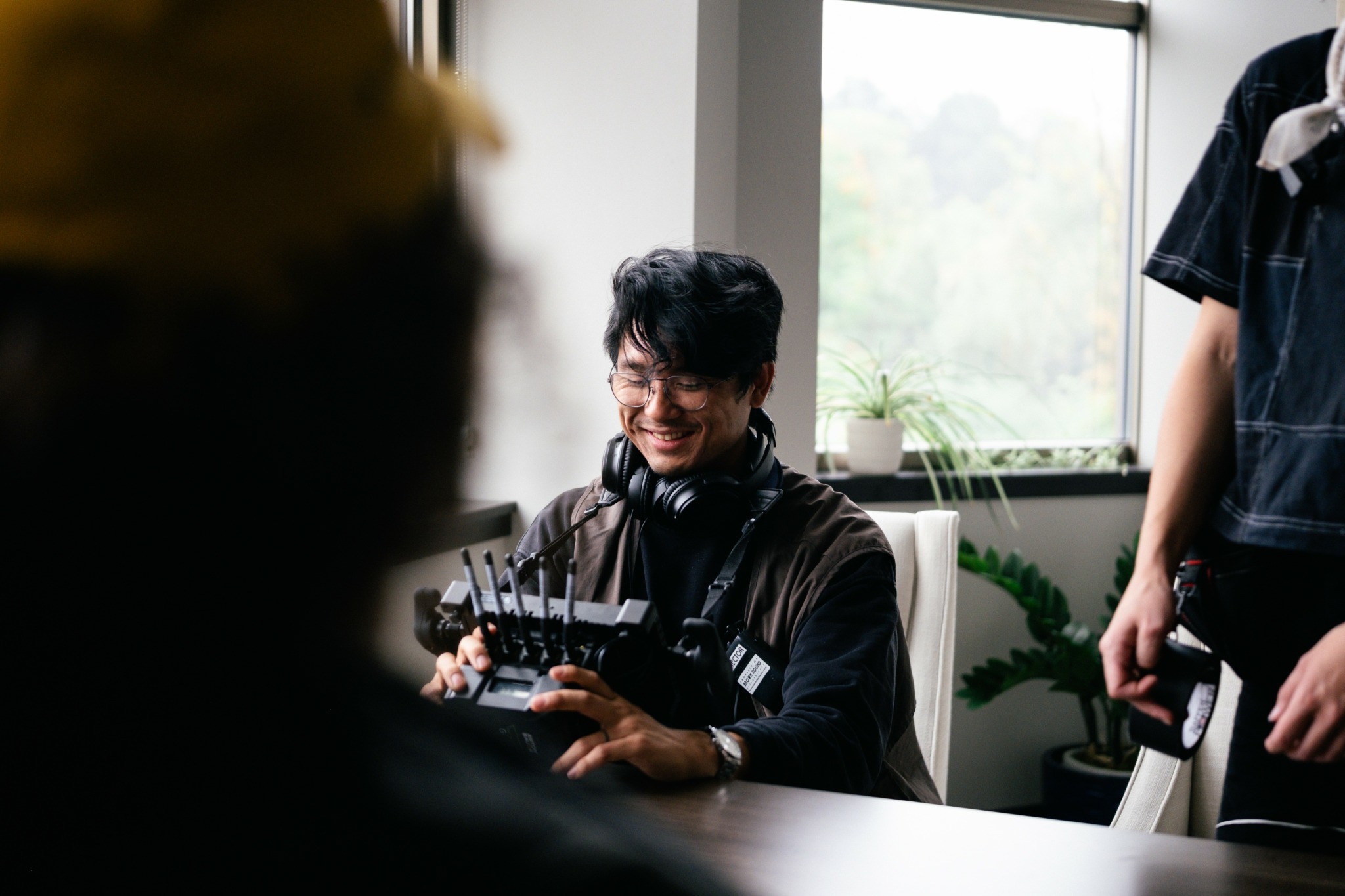
I graduated from ArtCenter College of Design with a BFA in Film Directing, since then I’ve balanced commercial directing and producing with developing my own narrative projects, usually under my creative label System of Objects. I think commercial and narrative work can inform each other, but usually it’s one direction. I bring my narrative sensibilities into my commercial work.
For me I take a collaborate approach when it comes to work, I don’t believe in a top-down hierarchical methodology to creativity, especially in production – as it often alleviates risk which is necesary for good work to be done. I think the best value comes from happy accidents, discoveries, and restrictions… especially restrictions. I approach directing from this specific place, embracing challenges, forging deep creative partnerships and ultimately focusing everything back to story and to people. This methodology informs both my narrative and artistic work as well as my commercial work, where I focus on story driven commerical content and documentaries.
Currently, I’m in post-production on my debut feature film, currently titled Cul De Sac, but that’s apt to change – a little insider info for the folks in the back. This film tackles both questions of self, animalism, the American dream and struggles for significance and control. We are also currently developing my next feature, The Poetry of Colors and Forms, a road film.
Any advice for growing your clientele? What’s been most effective for you?
Be a nice person to work with, work hard and follow through. Don’t have an ego and be ready to do anything needed to achieve the project. Okay, this is mainly for those working in commercial or with clients: an important thing is to understand where your skillset and work fits into the greater narrative, I see many young creatives burn out over their frustration over the things they cannot control. Look at the ask behind the ask, pitch against that and let go of what you can’t control – this will allow you to focus more on what you can actually impact and not get lost in the mush. You’ll make everyone else’s job easier and that’s the most important part. People like to work with those that make their work easier, who collaborate well and see solutions. This is maybe obvious, but you’d be surprised how many people I meet who think they’ll get hired just because they make good creative work. Good work should be a given. Your good work gets you in the door, your ability to solve problems gets you hired.
Any advice for managing a team?
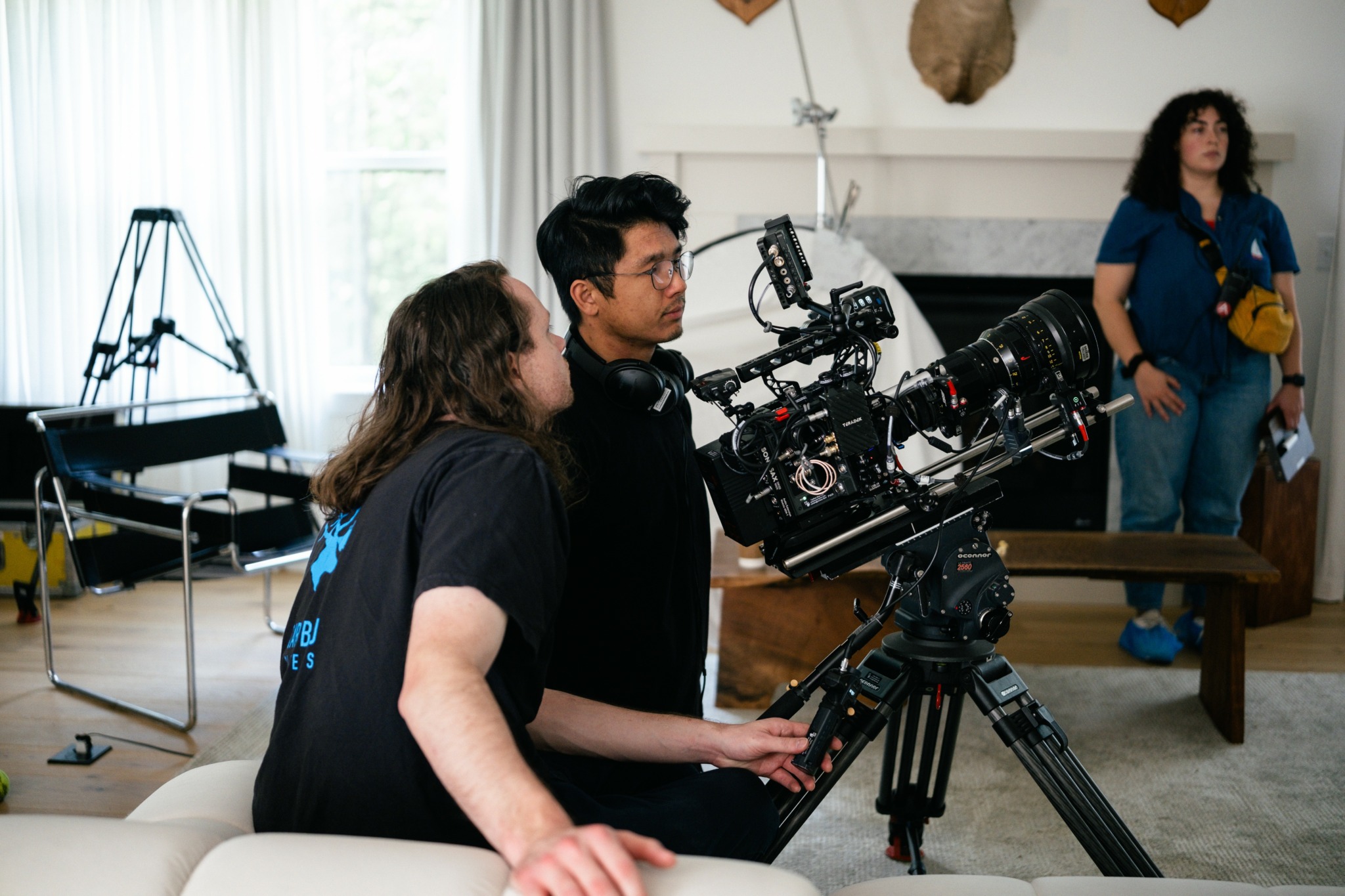
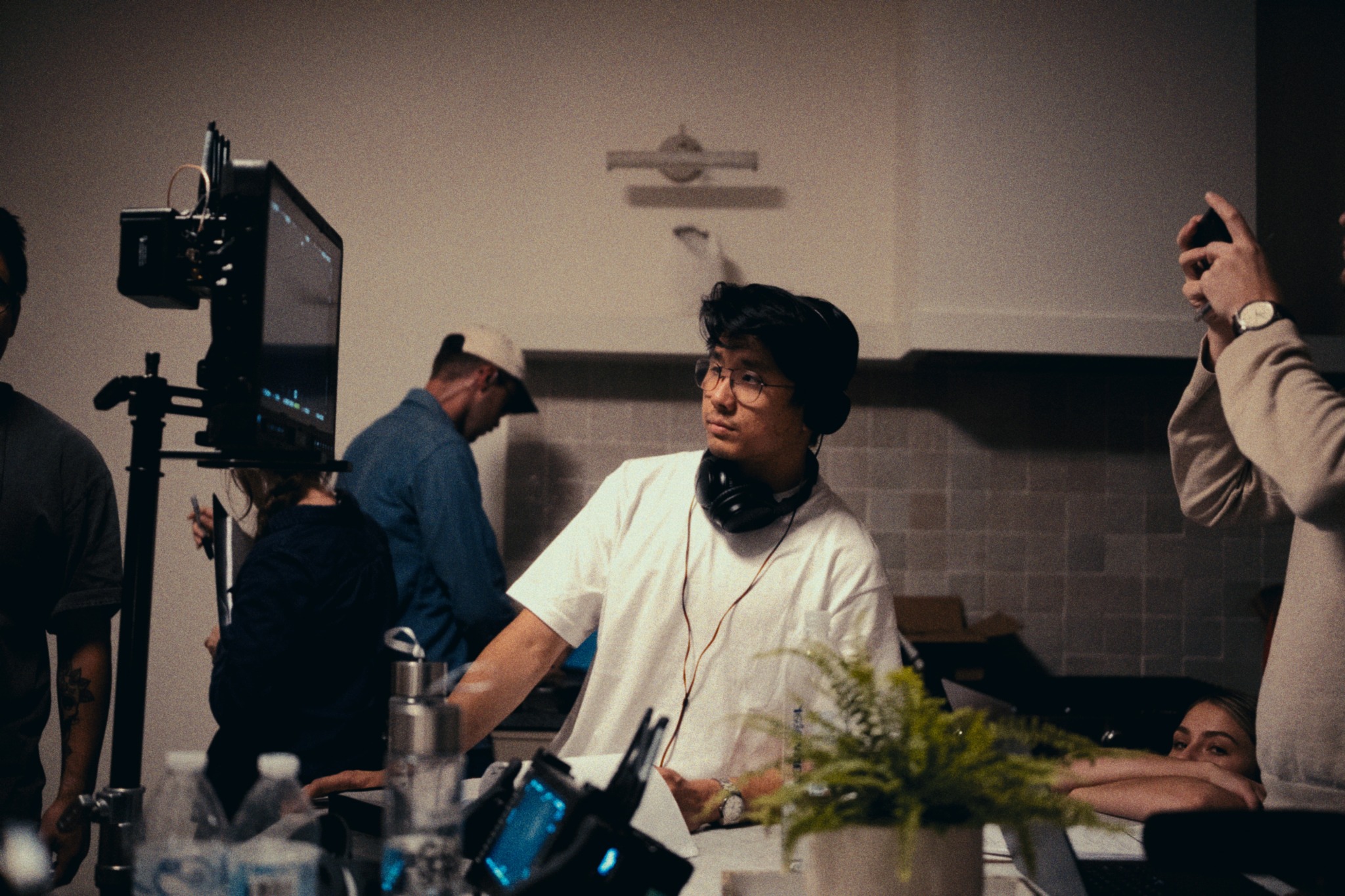
Be vulnerable and set big goals, explain them well and don’t micromanage. People lose morale when micromanaged, they also lose it when getting swamps of tasks unchained from clear direction. Leaders micromanage when they’re afraid of failure, or they think they’re making it easier – don’t spell out their work for them, set a overall direction that you can show genuine passion for and then let them do their work, let them fail, fail yourself, embrace failure. Failure is growing, a project without failure is stasis.
Also, people respond to your passion. No one is going to have more passion for your project than you will, so you need enough juice to fill your cup and to fill others. I said earlier, but vulnerability is key. If you don’t know something, if you’re unsure, communicate it. Everyone can already tell you’re unsure anyways, so hiding it puts up a wall. Trying to hide unsurity and then making back and forth decisions or drawing out work in an unreasonable way, that’s when people quit.
I’ve learnt much of this the hard way and made many mistakes, and still do – film is one of the few arts in which you need a team to achieve and starting out most of the time your crew is working for you for free or cheap, they are there because they care about you and they are having a good time, you are pressured to ensure that everyone is getting value AND that doesn’t end just because you start paying people. The bigger the budget, the bigger the team the more you need to ensure people are pulling personal value from the project, from interacting with you. Communicate clearly, make decisions quickly, don’t stress out, learn from your team, admit your mistakes… but what do I know. Maybe there’s a better way for all of this.
Contact Info:
- Website: https://seejonczaplicki.com
- Instagram: https://instagram.com/seejonczaplicki
- Linkedin: https://www.linkedin.com/in/seejon-czaplicki-28842661
- Other: https://www.imdb.com/name/nm7341951/
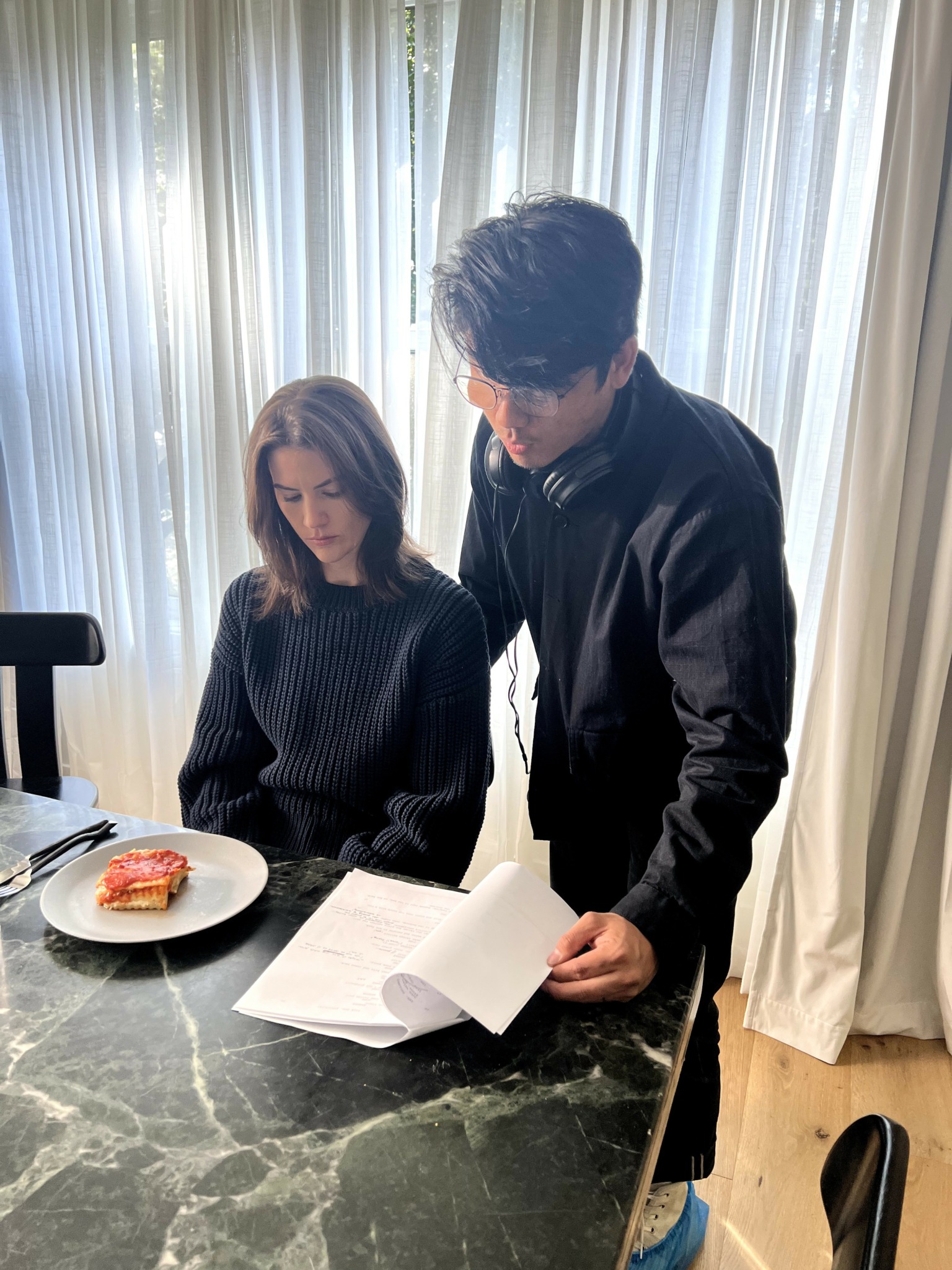
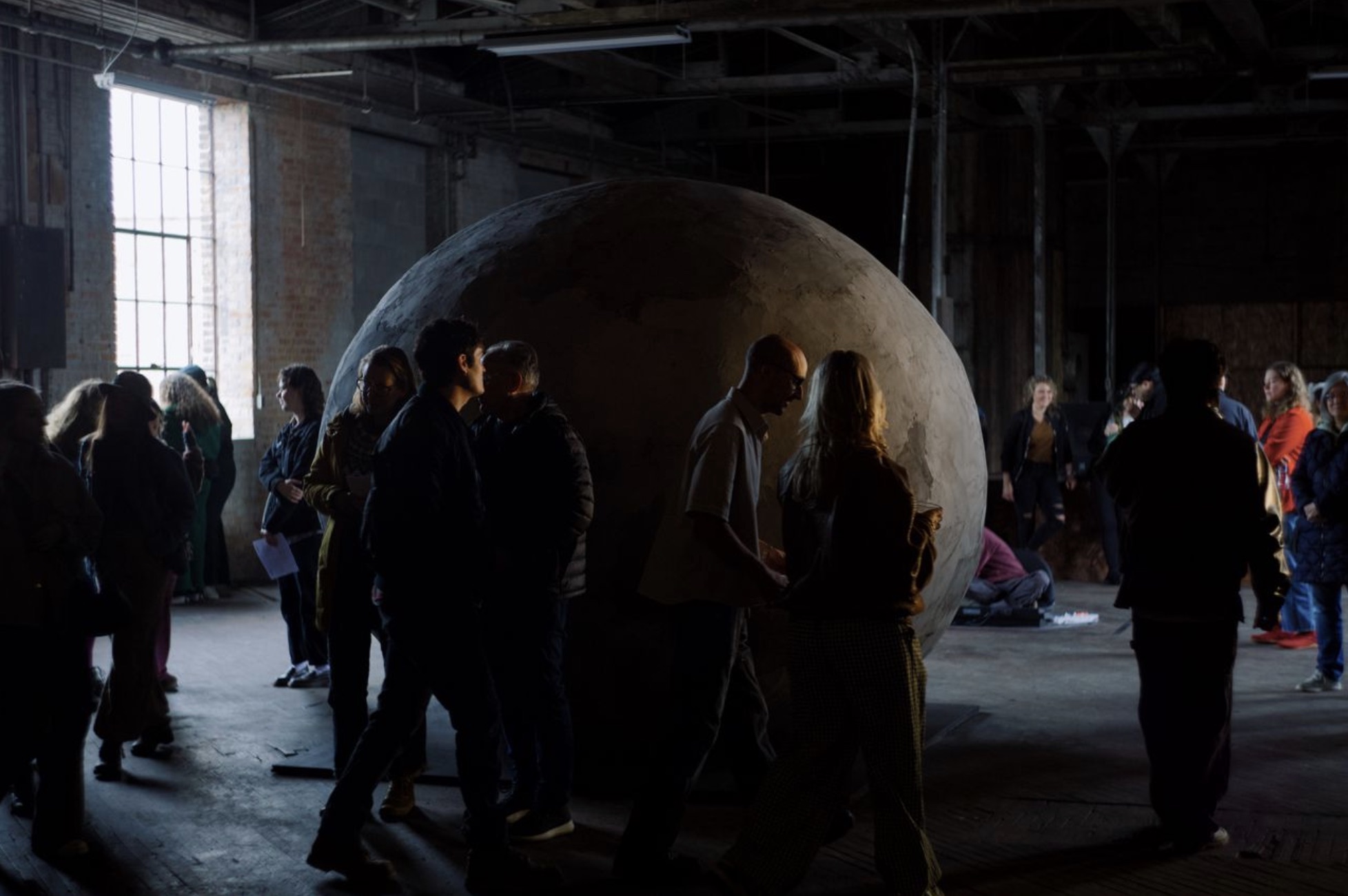
Image Credits
Joel Elderkin, Eli Beasley,