

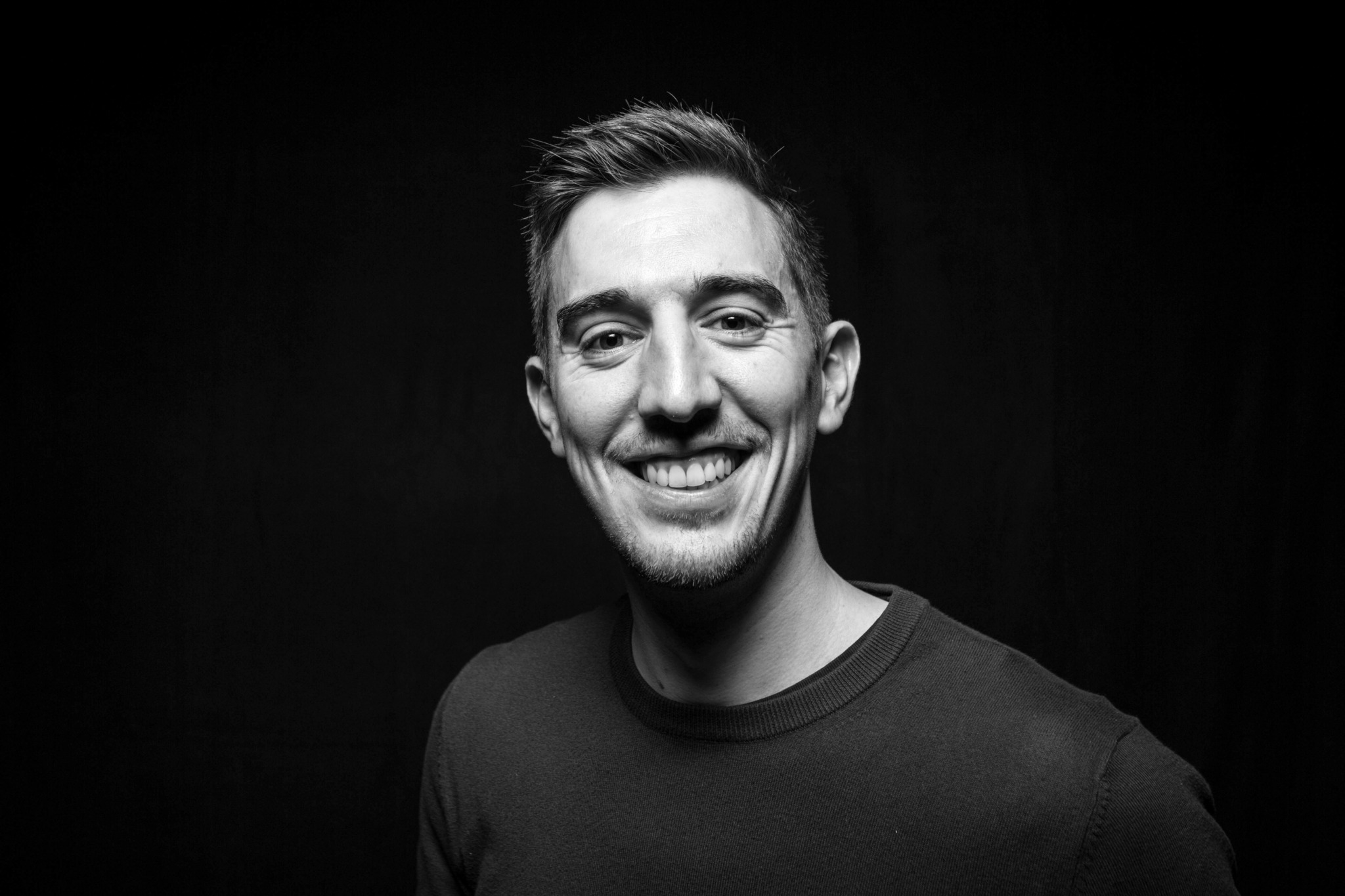

We caught up with the brilliant and insightful Sebastian Klinger a few weeks ago and have shared our conversation below.
Sebastian, looking forward to hearing all of your stories today. Earning a full time living from one’s creative career can be incredibly difficult. Have you been able to do so and if so, can you share some of the key parts of your journey and any important advice or lessons that might help creatives who haven’t been able to yet?
Yes, I am indeed working full-time as a freelance cinematographer and producer, and luckily I’m able to earn my living from my creative work exclusively. Back in 2017 I started my freelance career right after graduating from university. What certainly helped to make this step without ever having been employed at a company, is that I had already received occasional commercial assignments during my studies and even during college. This preliminary network based on personal recommendations and my general affinity for filmmaking since the age of 11 has given me enough confidence to become fully self-employed relatively quickly. Ever since, I always seem to have sufficient commercial work, which in turn has allowed me to dive deep into passion projects that don’t come with a regular paycheck. Funnily, as a Swiss citizen I’ve been trained to value financial stability. However, with the film industry being a risky line of work by default – especially when you are self-employed – I feel very lucky to not have been forced to switch to other types of income so far.
Seeing that I’ve always been relatively busy with work I don’t think I would have been able – nor felt the need – to speed up the process. On the contrary: like many filmmakers at a young age I used to do everything by myself; holding the camera, lighting it, recording sound, editing and delivering directly to clients – in many ways I acted as a one-man-show. Before and during Covid, this allowed me to make a ton of films, both narrative and commercial. Then, after gaining these valuable experiences, I fully committed to transitioning to larger projects and turning down smaller jobs. I felt that this was needed in order to hone in on my deepest passion, which is the craft of cinematography. Evidently, such a transition is a big risk as the fear of losing customers is a constant companion of a freelancer. Taking the risk and turning down jobs I don’t feel passionate about, however, has paid off so far in my career I believe.
Sebastian, love having you share your insights with us. Before we ask you more questions, maybe you can take a moment to introduce yourself to our readers who might have missed our earlier conversations?
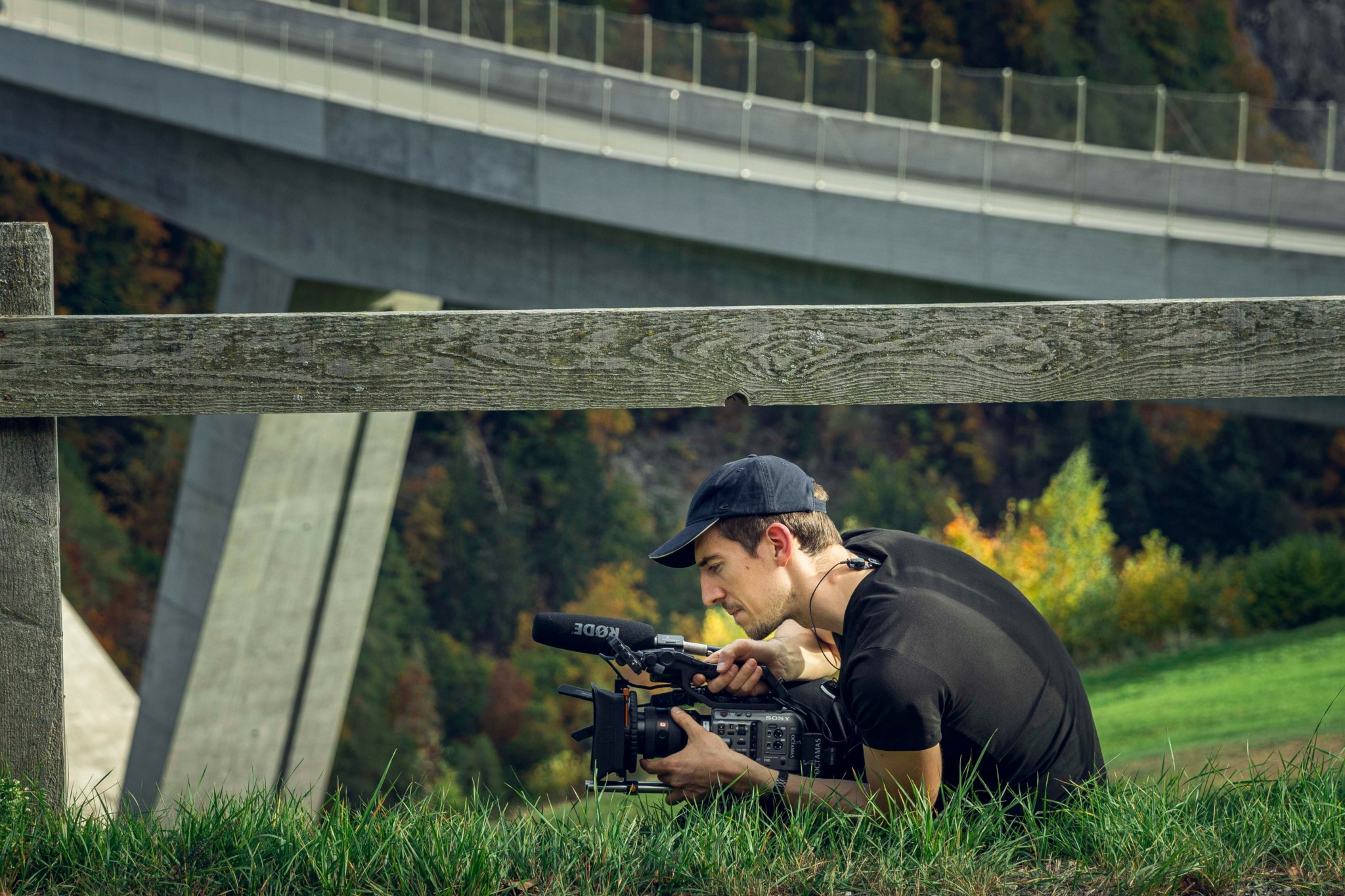
So, I’m Sebastian, a Swiss cinematographer and producer working on narrative and commercial films. Being a cinematographer means that I’m a crucial puzzle piece in developing a visual language for film projects and – together with the director and the team – craft evocative imagery that transcend to an audience. What I like most about it, is that I’m able to see the world through the eyes of a camera and become part of a story. With the camera in hand, I add layers of meaning to that story. Sometimes I act as a producer, too, which allows me to help other creative minds accomplish their visions. In my eyes this ties back to cinematography in many ways; by accompanying a project longer than just for the filming I fully immerse myself in the production and put my entire passion and time into it. I do believe this broader understanding of the film industry as a producer helps me to make better decisions and collaborate in new innovative ways as a cinematographer.
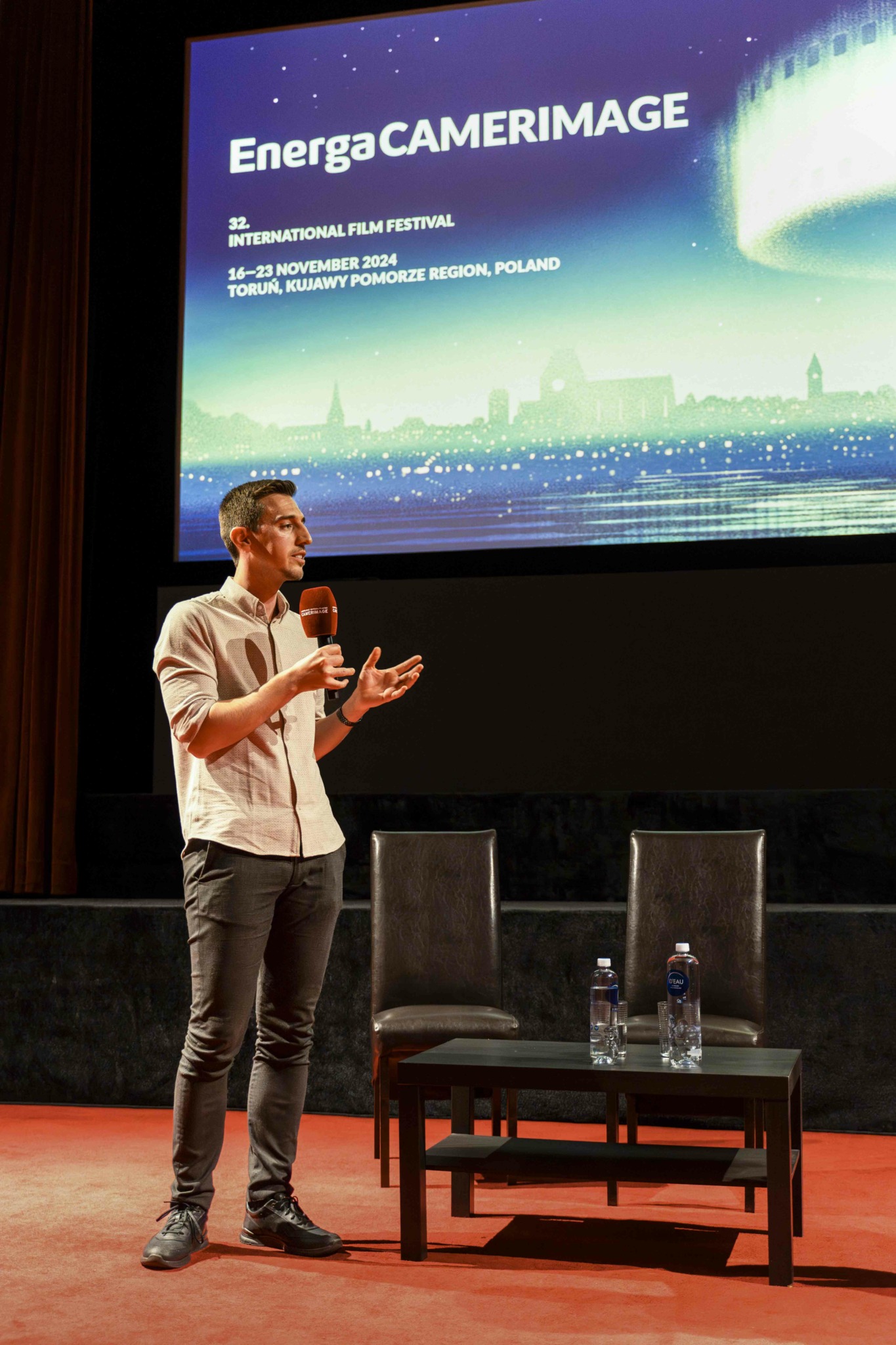
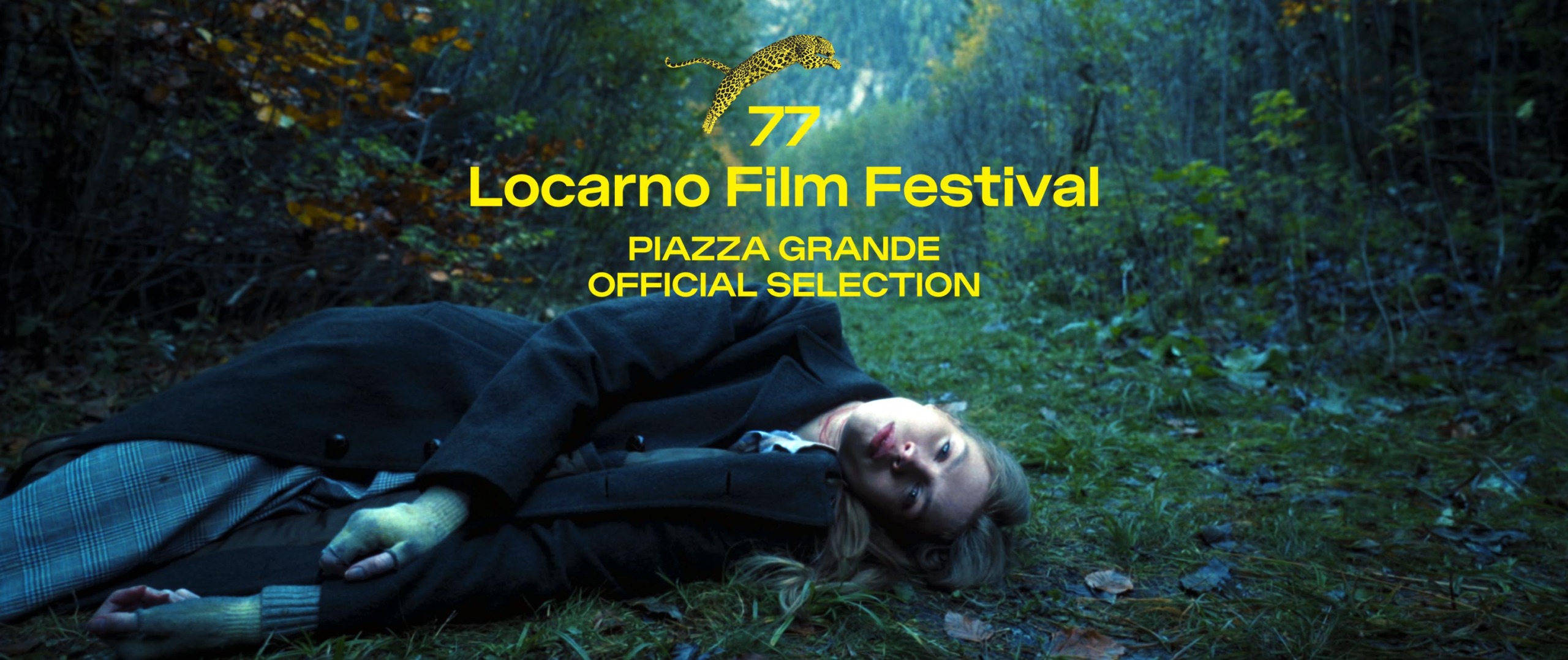
Recently, I finished a project that makes me very proud: together with the Student Academy Award-winning director Freddy Macdonald and the Swiss production company ORISONO I shot and produced a feature called SEW TORN. The 95-minute thriller is the continuation of a short film with the same title from 2019 that was acquired by Searchlight Pictures and qualified for the Oscars. The feature version now world premiered at SXSW and headlined the Piazza Grande at Locarno Film Festival. Furthermore, I got the chance to present it at Camerimage in Torun, Poland, which is the most important film festival in the world dedicated to the art of cinematography. There, being part of the festival’s selection and walking among the best cinematographers on the planet has been an unforgettable experience. The journey of this project truly has brought me to fascinating new places and encounters with brilliant filmmakers, and I feel very lucky to be able to continue my collaboration with Freddy on new exciting projects.
How about pivoting – can you share the story of a time you’ve had to pivot?
After graduating from university, I set my sight on pursuing a master’s degree at a proper film school abroad – this has been a dream of mine since I was a teenager. The options in Switzerland have been rather scarce, so I applied to numerous renowned schools in Germany and the UK. At the same time, my long-time collaborator and LA-based director Freddy Macdonald approached me and offered to shoot his feature debut SEW TORN. I started developing the project with him while still getting rejections from various film schools. There was one, however, that accepted me – the London Film School. I had always hoped to attend a film school in London, either London Film School or the National Film and Television School, so getting the news was very exciting. However, the development of SEW TORN had already taken shape in a way that made it clear to me that I had to choose between the school and the feature – the timeline simply wouldn’t line up. So, with a heavy heart I decided to turn down London Film School and give up on that dream knowing that I’d probably never attend film school after that. Instead, I’ve been rewarded with the most fulfilling experience of my professional life – the shooting of the SEW TORN feature.
Do you think there is something that non-creatives might struggle to understand about your journey as a creative? Maybe you can shed some light?
Sometimes there’s the perception among people who live outside of the filmmaking bubble that cinematographers are filming all the time, every day. However, in reality the time spent on an actual film set is just a fraction of the entire workload. As cinematographer and producer, I spend most of my time at the desk planning, preparing, researching, developing or networking. When I started working on SEW TORN I was involved for more than a year before the filming even started – which ultimately only took about a month to complete. And acting as a producer as well I’m now still contributing to the distribution and marketing of the film.
Naturally, as a self-employed cinematographer and producer, my daily work life and leisure time blend in a way that often makes it hard to distance myself from work completely. Generally, my job isn’t preventing me from seeing friends or enjoying life, but often I find myself pondering over some passion project on the weekends or late nights. While this might sound a bit unhealthy, it definitely helps that what I’m doing doesn’t feel like work at all – it’s simply an extended hobby that I’ve been fortunate enough to pursue professionally. In any other industry outside of filmmaking this likely wouldn’t work for me, which makes it even more apparent that I feel truly at home in this strange but beautiful profession.
Contact Info:
- Website: https://www.sebklinger.com
- Instagram: https://instagram.com/sebastian.klinger
- Facebook: https://facebook.com/sebastian.klinger.56
- Linkedin: https://linkedin.com/in/sebastianklinger
- Youtube: https://youtube.com/sebastianklinger
- Other: https://imdb.me/sebastianklinger
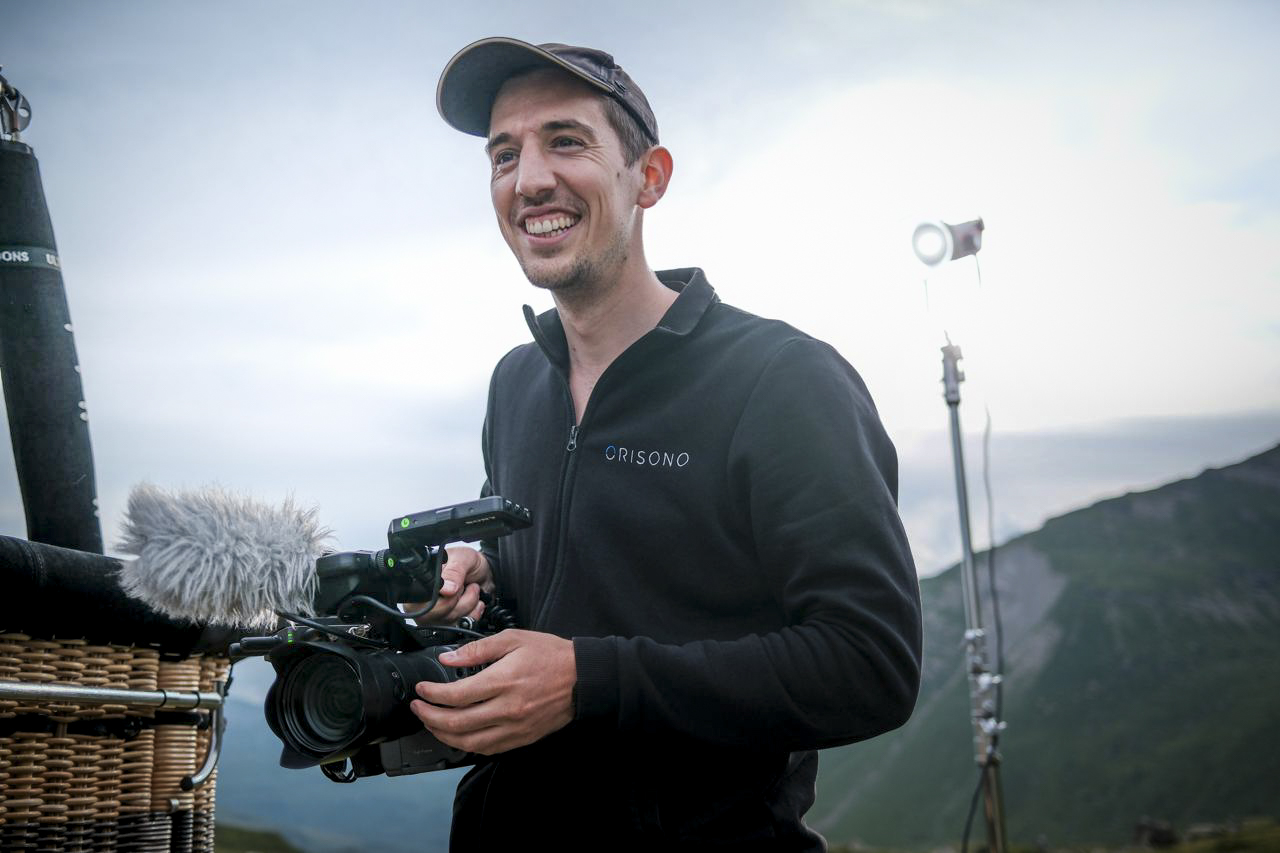
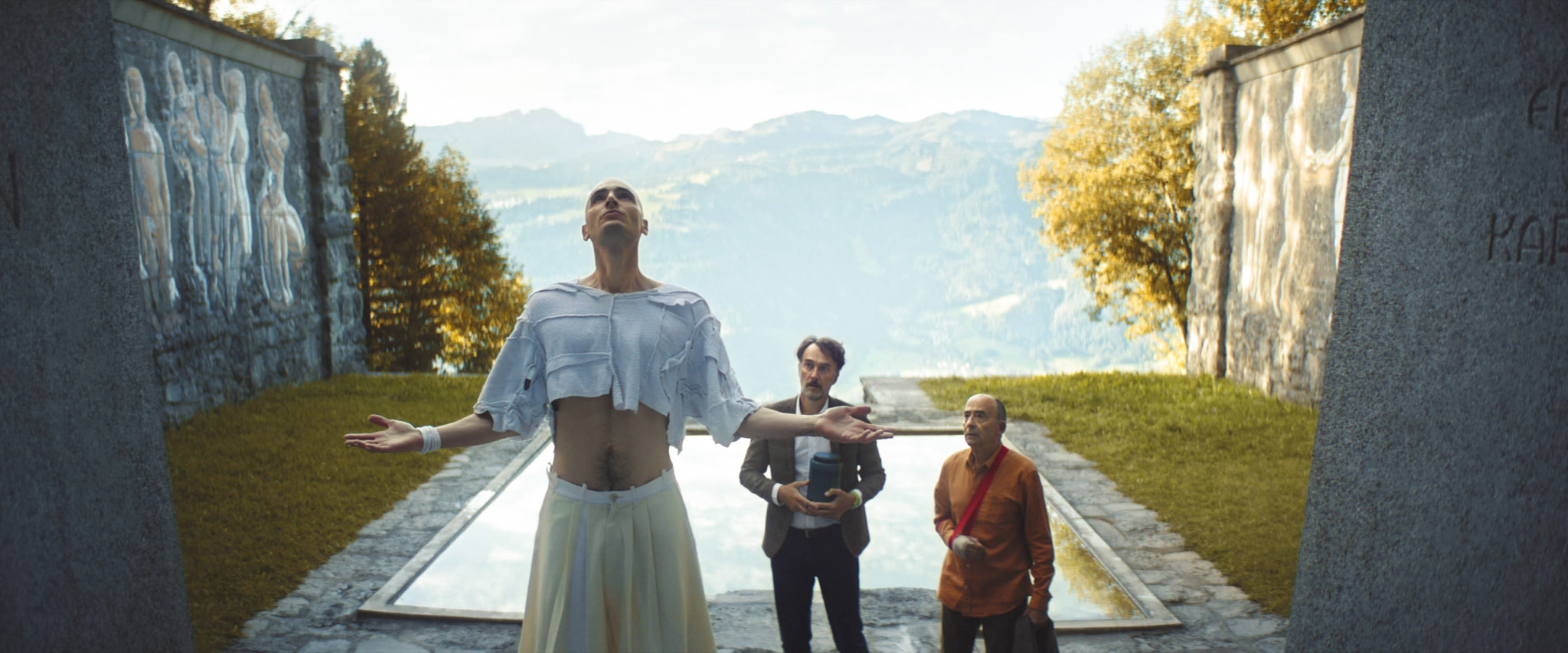
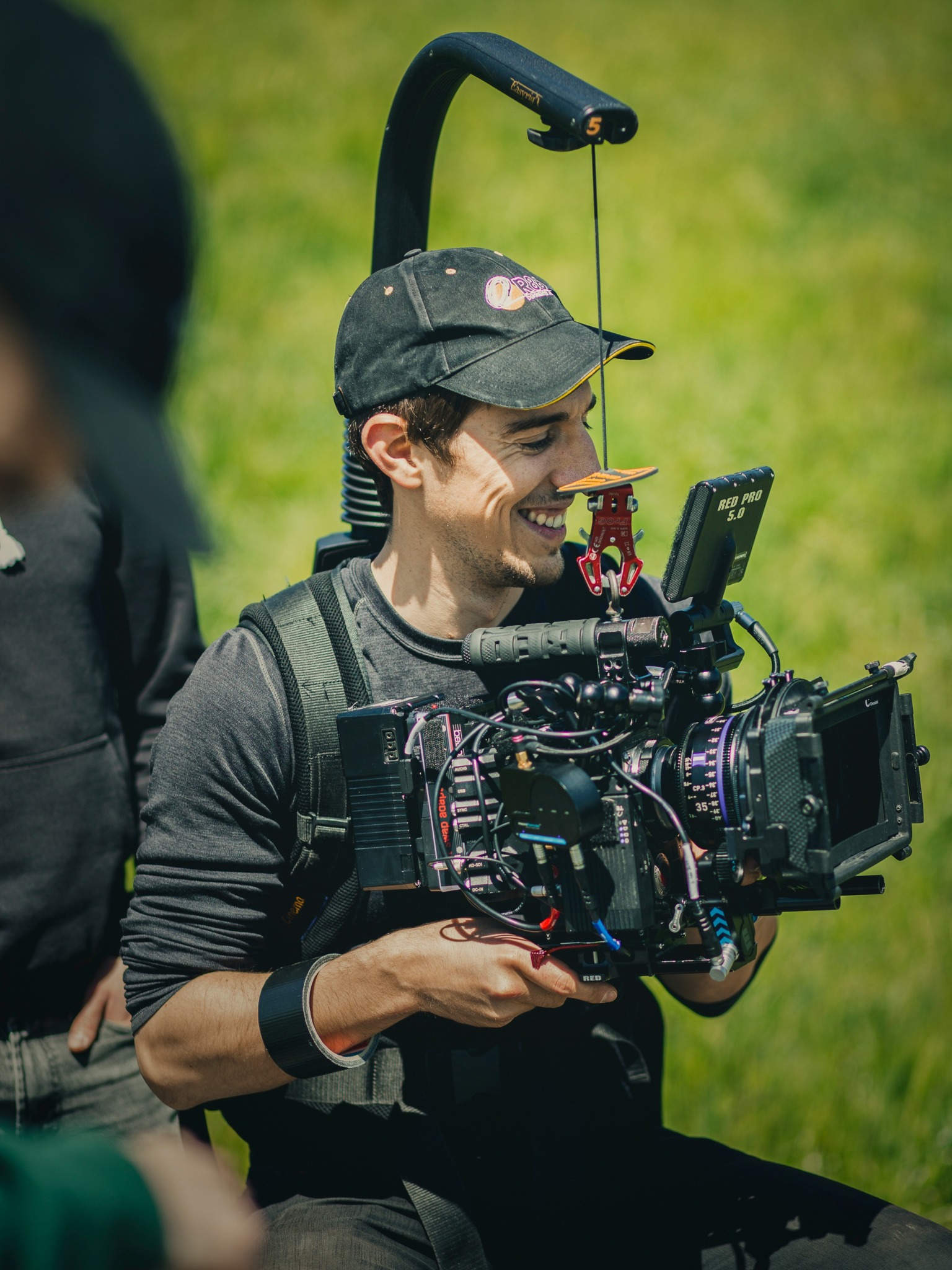
Image Credits
Daniel Raczynski, Łukasz Rafiński, Stefan Klinger, Aleksandar Valeks, Raphael Rohner