

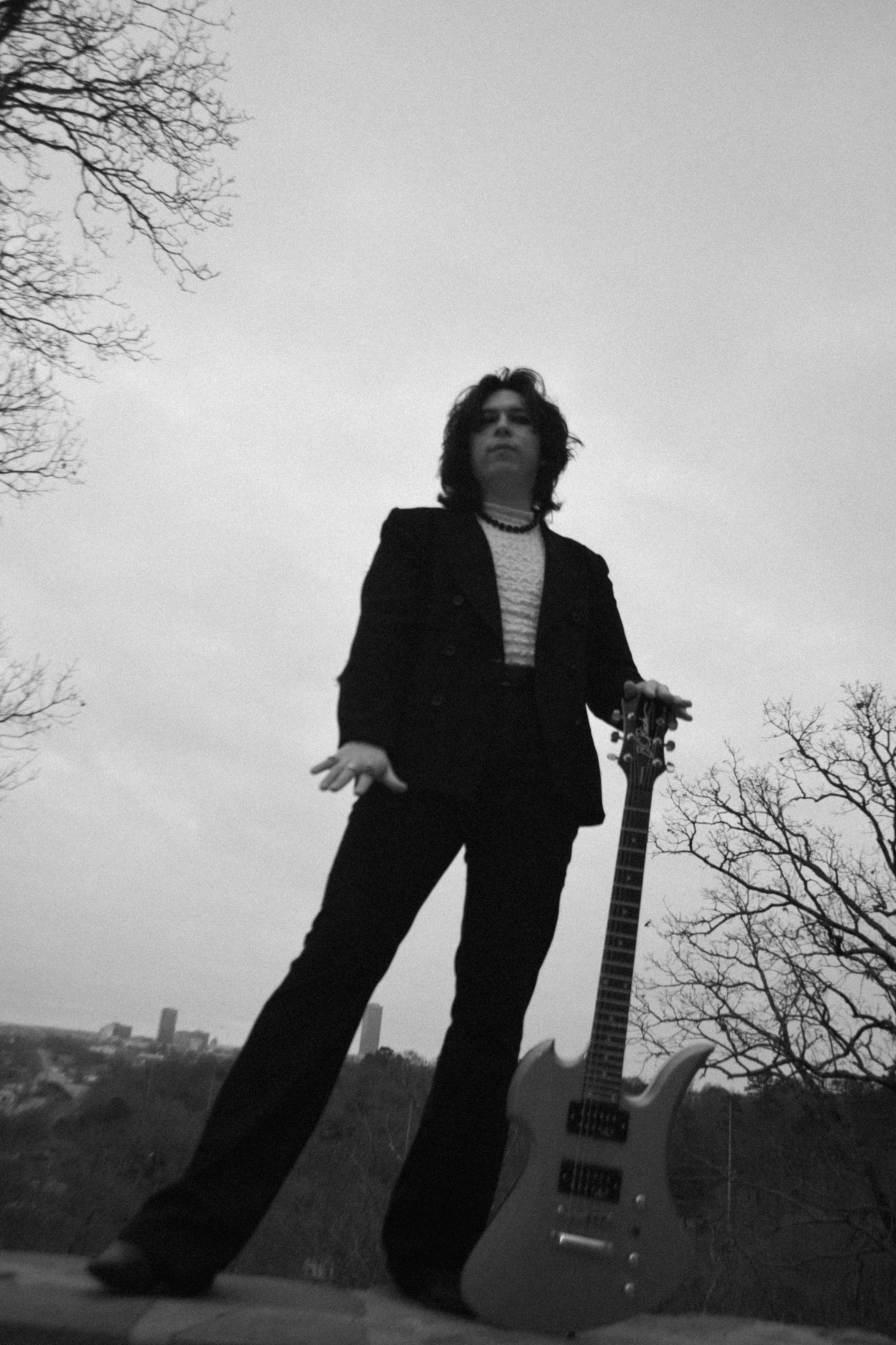

We’re excited to introduce you to the always interesting and insightful Sebastian Diaz. We hope you’ll enjoy our conversation with Sebastian below.
Sebastian, appreciate you joining us today. Learning the craft is often a unique journey from every creative – we’d love to hear about your journey and if knowing what you know now, you would have done anything differently to speed up the learning process.
From a purely technical level, I learned music through school band, having played saxophone from the 6th grade up into my late college years. I picked up guitar when I was about 13 and I cultivated my skills through playing at a local church every week. I pursued a fashion degree at university, and through that curriculum, I was able to develop a more holistic worldview and skillset when it came to how I would identify as an artist. I can record and produce my own music. I can sew. I know how to take and edit a picture. I know what my artistic language is. I’ve gone through a whole lot of repetition, mimicry, and analysis to get to where I am. However, I don’t see the development of my work as “learning to play music” or something so literal. Having proficiency is definitely important to me, but in all of my time studying the craft, the crucial thing that informs what I do is learning the answer to “why does this make me feel this way?” I’ll look at an album cover, I’ll listen to a song with a distinctive chord progression, I’ll pay attention to how someone sings a certain word, I’ll see a runway show use a certain color palette matched with a specific beat, I want to know how that works to make me feel what I feel.
Lamentably, I wish I spent more time creating things just based on my own groove in my youth as opposed to studying all the time. I spent a lot of time in my youth thinking that I could never create something worthwhile. Giving myself affirmations has always been difficult. It wouldn’t be until I became a young adult that I would give myself the chance to see what would come out of me. I wish I believed in myself more when I was younger, and that’s something that is still an ongoing learning process on my hardest days. I think the biggest skill any artist has to learn is how to believe in oneself and how to communicate an idea in the most beautiful way possible with the tools one has on hand. I have always been my own biggest obstacle. I’ve always been a curious individual, so my curiosity outweighs my depressed critic on most days. I find that when I’m too idle, I tend to spiral into a pit of despair, so I have to keep myself busy to avoid that, even if it’s as simple as reading through a chord sheet of a song or actually sitting down to record an idea. I learned to not sit still by discovering how awful I feel when I sit in my own thoughts for too long.
As always, we appreciate you sharing your insights and we’ve got a few more questions for you, but before we get to all of that can you take a minute to introduce yourself and give our readers some of your back background and context?
My name is Sebastian Diaz, and I am a 26-year-old musician, producer, and visual artist from Little Rock, Arkansas. I identify as non-binary/genderqueer. I am the child of Mexican immigrants, the oldest of five, having been born in Los Angeles, California. As a child, my biggest obsession was the stars, the cosmos, the apparent infinite reality that exists above our heads. I longed to be an astronaut and travel across the universe. It is that first obsession that still informs my artistic pursuits today.
I like to say that I make music as if I could play a synth, but I am a guitarist, so I make synth-pop inspired music through my guitar, at least as an instrumentalist. I love cinematic, thematic melodies, like the soundtrack of “Interstellar” or the crying lament at the end of “Purple Rain”. I would like to think that in my instrumental work I am searching for “love themes” for the specific space I’m exploring. I find it difficult to be incredibly poetic and abstract in my words, but capturing what I’m feeling in this ephemeral manner that’s open for interpretation feels natural and downright spiritual at times, which makes it exciting to me. I can focus on an overarching idea, say the fateful union of two lovers, and then make music that explores the various colors of that experience. That same attitude bleeds into my work with Social Capital, the band I have with my childhood best friend. As a primarily metal-oriented band, I actively try to compose music that exists in a fluid state. I’m not interested in staying in one area of emotion or expression; I want to explore the grey area of experience, the times that aren’t exactly completely cheery or endlessly dreadful, and have the music reflect that. I am romantic; I am incredibly anxious. I marvel at the beauty of the natural world; I can be relentlessly mean to myself. I love wandering through busy city streets; I often feel loneliness.
I believe in having a magpie mentality, as in, always having the curiosity and drive to collect, archive, record, study, anything that feels beautiful and carries potential to inform one’s artistic worldbuilding. I can feel equally excited by a Cannibal Corpse breakdown, the tailoring of a Savile Row suit, the beat of a Boy Harsher song, the feeling of holding hands with your person walking through a park — inspirationally, they are all the same to me. It is that mentality that makes me, I feel, a unique artist.
Is there mission driving your creative journey?
I am on a mission to discover what is fundamental to me. I have a huge love of physics and its pursuit to describe nature in a succinct manner. At the same time, I hold onto the childhood desire to travel among the stars and feel infinity that way. I don’t identify as religious or pertaining to a faith, but I do feel a spiritual purpose in making art. I am of the belief that we are the universe experiencing itself, that we are no more separate from the stars as we are to each other and the planet we inhabit. In that belief, I believe we can tap into a cosmic energy that is ever-present and try to decode it. Physics tells us that, at the most fundamental level, reality consists of fluctuating waves that travel through transcendent fields in both constant harmony and dissonance across space and time. I am in the pursuit to discover the frequencies of my soul and find where they resonate.
How can we best help foster a strong, supportive environment for artists and creatives?
I would argue that we need an entire societal overhaul to actually embody a spirit of the arts within our everyday lives. I have a tendency to be utopian in my ideas, but capitalism, especially in this technofeudalist form that it has taken, has to be destroyed. The profit motive has to be destroyed. The “attention economy” has to be destroyed. Our current economic structure, which I would argue is the main influence in our world, is completely antithetical to an artistic way of life. It becomes harder to desire to make something beautiful if you are in constant stress from a job that doesn’t really give a shit about you, if you’re always worrying if you have enough money for the week, or even if you can’t ask off to perform somewhere, much less attend something because it lands on a weekend. And perhaps to some, some level of strife is necessary to create. But I by no means believe in the idea that someone has to suffer just to create something beautiful, transcendent, or even valid. And that bleeds into the pressure of needing to constantly produce work as if you’re the SHEIN of artmaking. More and more, we are losing physical spaces to engage with art and with each other. The majority of communication is mediated through the internet, which has been bastardized by oligarchs into a data-mining scheme, data that is then used to surveil, advertise, and murder at its most extreme use. The internet forces us to become “content creators” just to be seen by our friend group and local community, or else the algorithm will suppress you. And if that is the main way in which we talk to each other, are we really living?
The way our cities are designed, at least in the American south where I am, is terrible. We need less emphasis on cars and more on public transit and inner-city pedestrian trails. We need to rezone our cities to where arts and culture are not separated across town from residential areas. We need affordable housing in our downtowns that aren’t catering to six-figure professionals. I want to see the weird queer art kids be able to live in my downtown and give it life. Suburbanization is poison. Our cities do more to separate us than they do to bring people together. We need more third spaces in our cities that aren’t restaurants. We need spaces that make people feel safe and excited to hang out at and are able to create something while they are there, and also witness something new. We need more artistic events that occur during the week and not just relegated to the weekend. We need more community practice spaces for musicians who don’t have the space in their apartment or home. I would go out on a limb and advocate for a public fund that is maintained through the city that is solely used for arts and culture. The same way how maintaining parks and roads is essential, maintaining and actively encouraging an artistic atmosphere is just as important. Businesses could apply for the fund and use those monies to host more “risky” events, such as full-band open mic nights, avant-garde art showings coupled with a drag show, jazz improv afternoons, experimental noise performances, and so on. The arts fund would exist as a symbol of an attitude that treats the beauty of human creativity as sacred and invaluable.
On a personal level, if you know an artist, tell them that what they do matters and if they feel the urge to create, they should. I want people to remember that we have this gift of creation, that we possess the ability to create and share unique worlds with each other. I want people to remember that in just our narrow sliver of reality, there is so much beauty to witness and explore. Our futures are indeterminate, and our perspectives are everything.
Contact Info:
- Instagram: https://instagram.com/_sebastiandiaz_/
- Youtube: https://youtube.com/@diazsebastian
- Other: https://linktr.ee/socialcapitalmusic
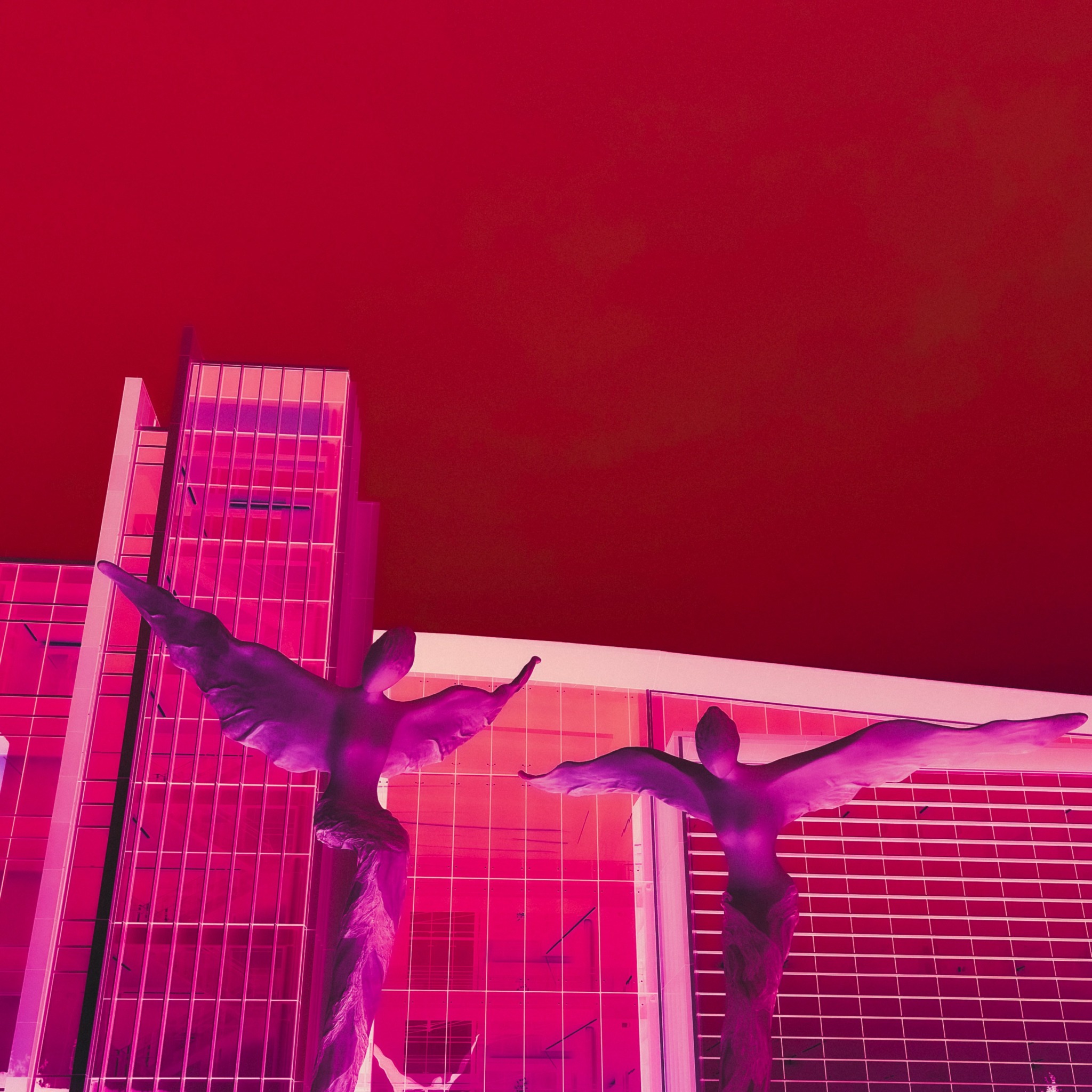
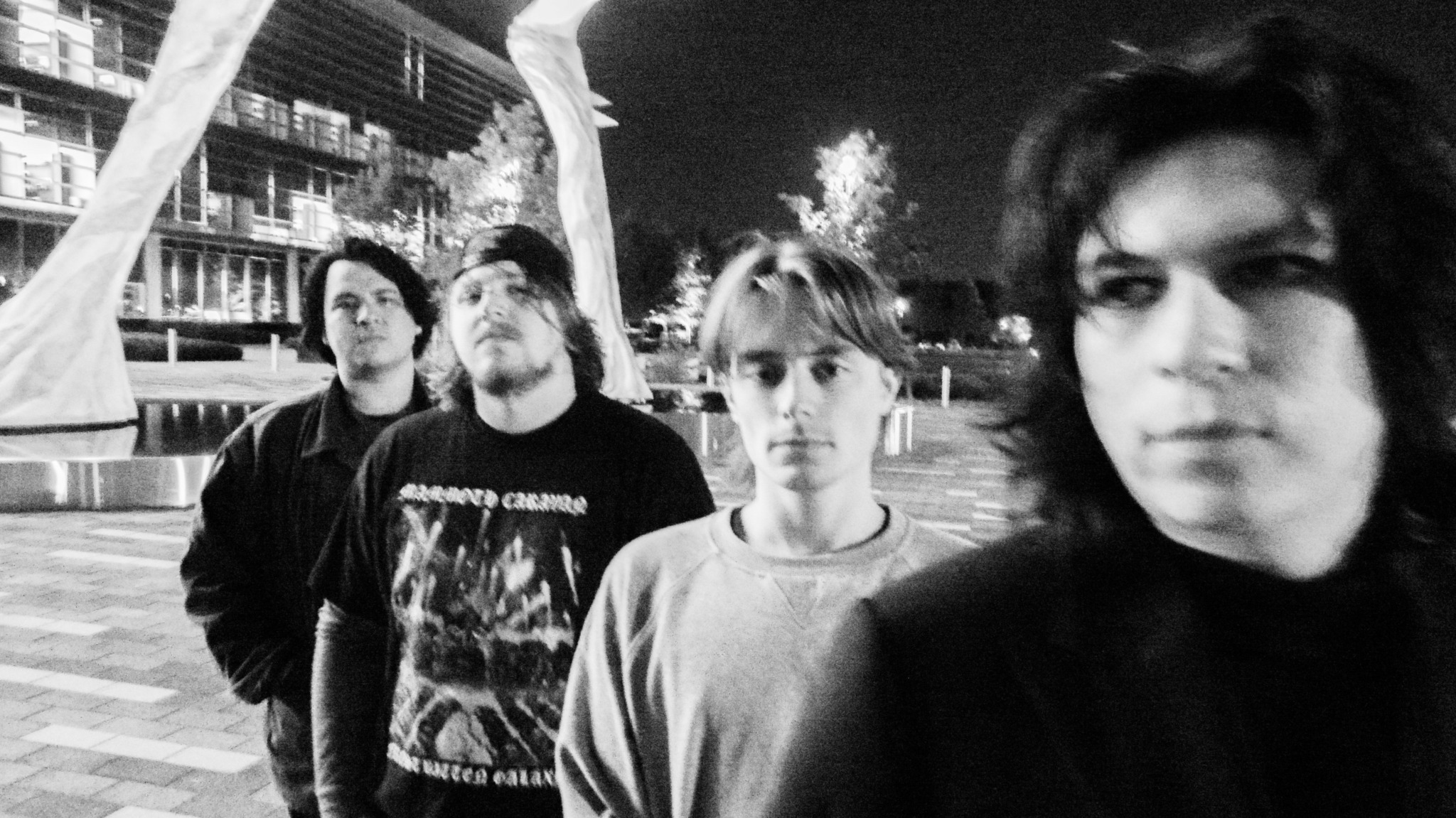
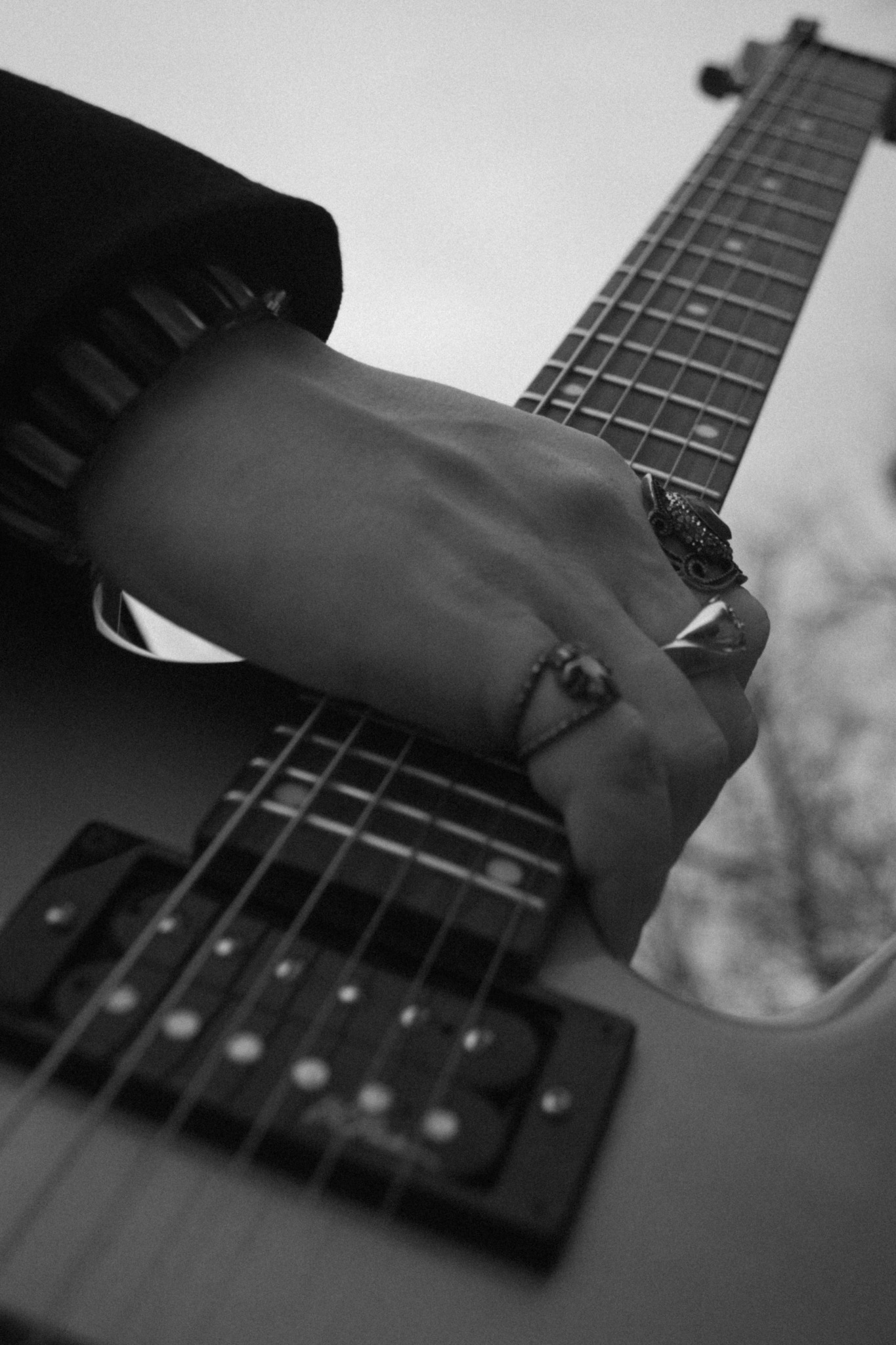
Image Credits
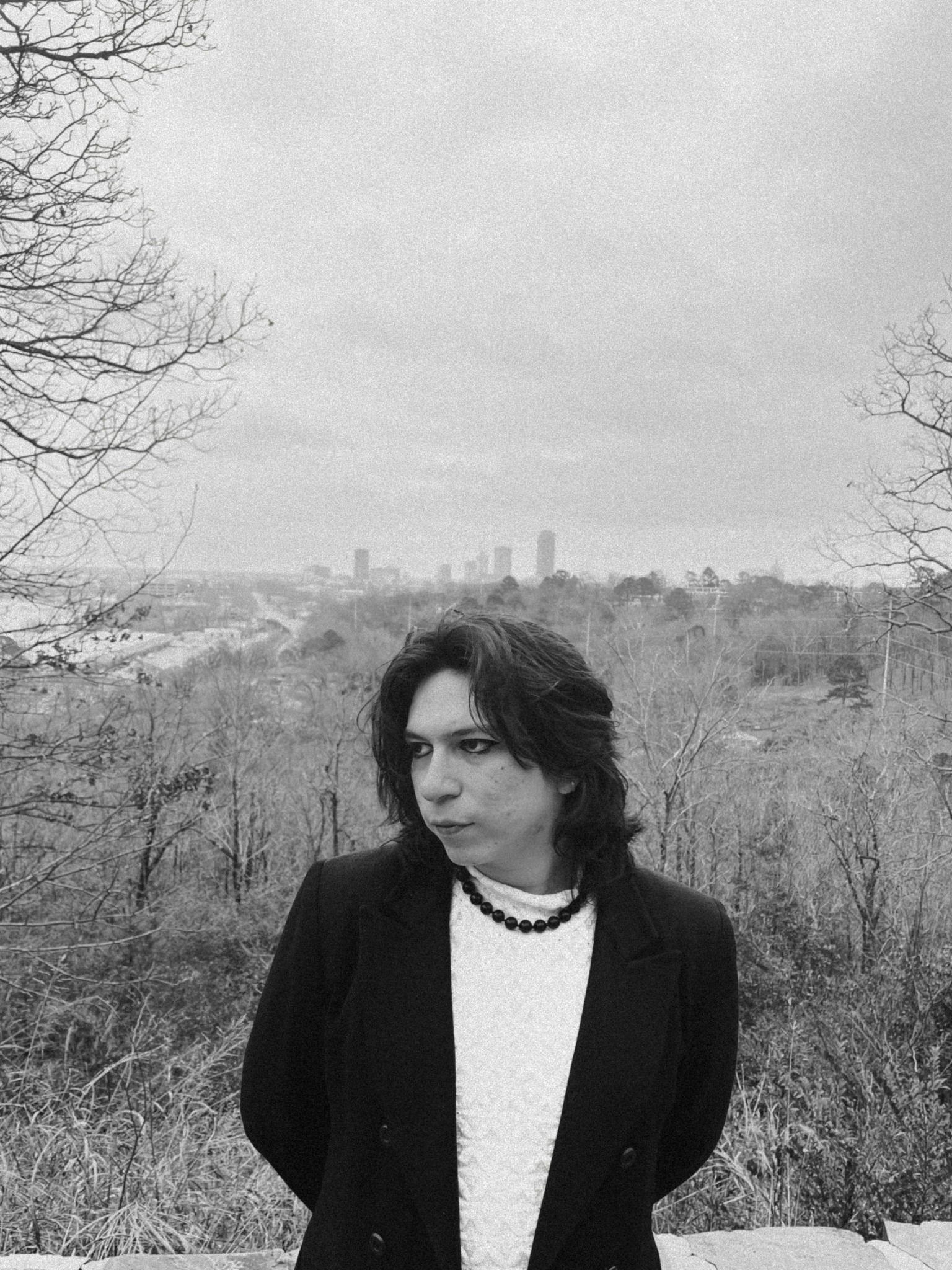
Portraits by Alan Diaz-Soto
Portrait of Social Capital by Jake Roedel
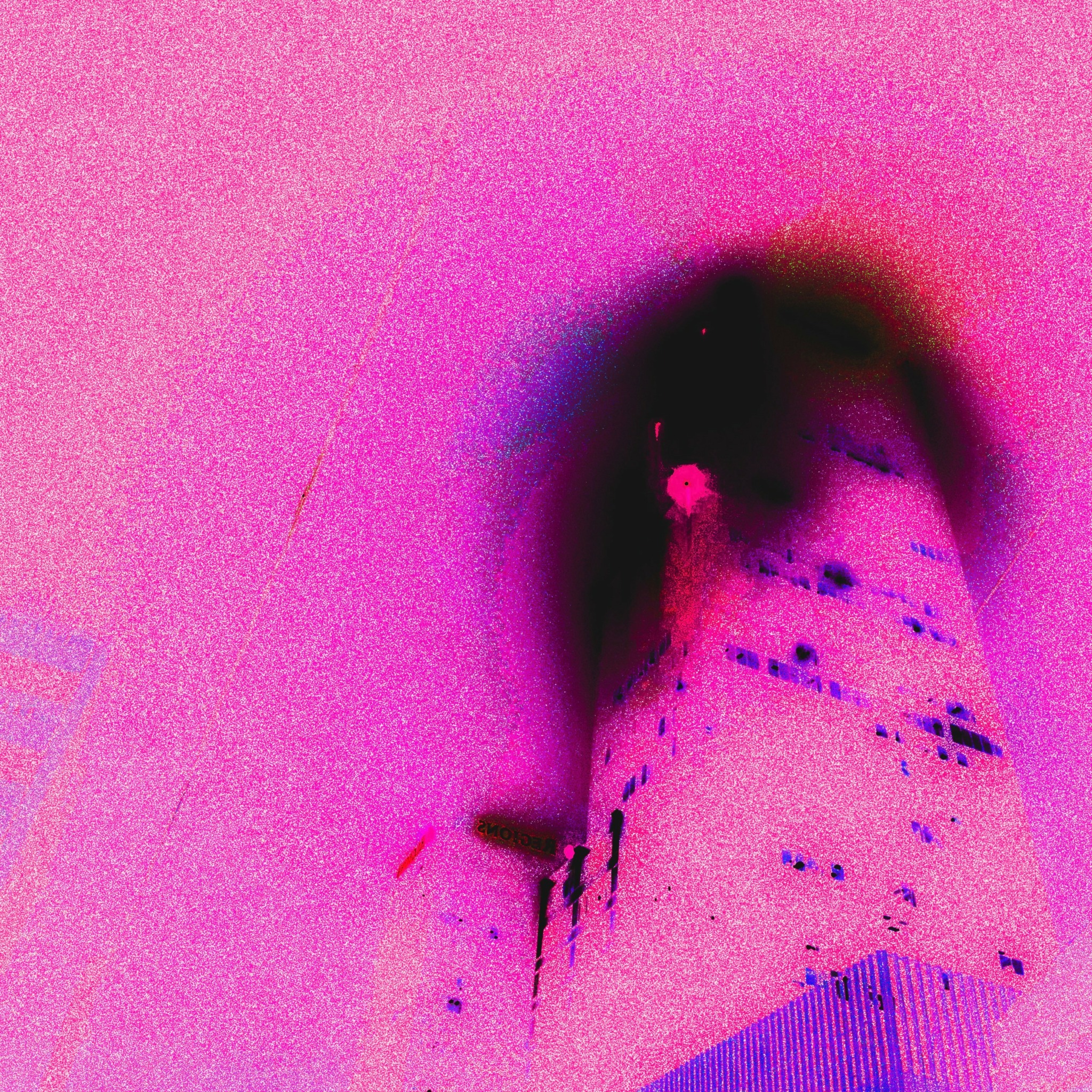
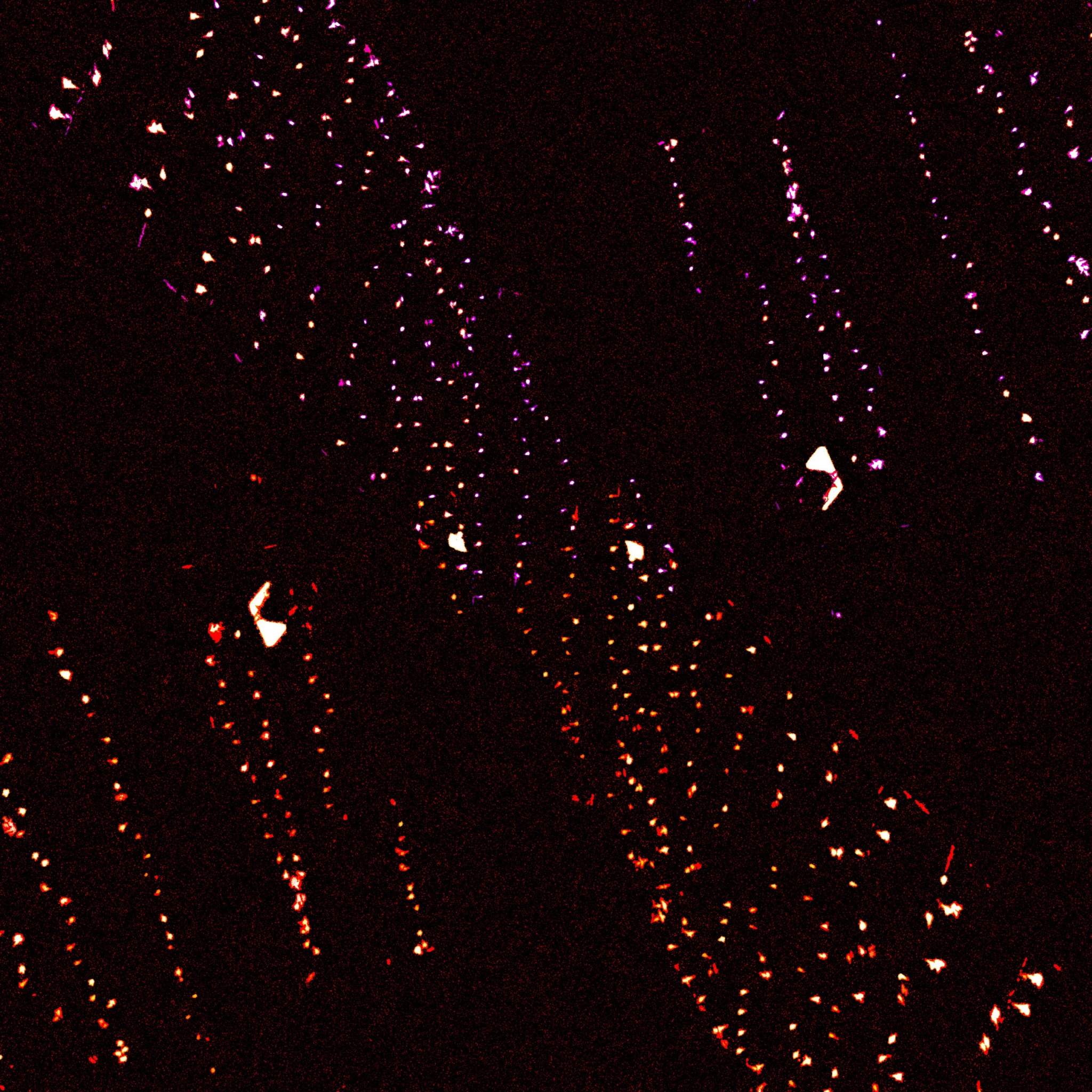
Visual artwork by Sebastian Diaz