
We were lucky to catch up with Scott Johnson recently and have shared our conversation below.
Scott, thanks for taking the time to share your stories with us today We’d love to hear your thoughts about making remote work effective.
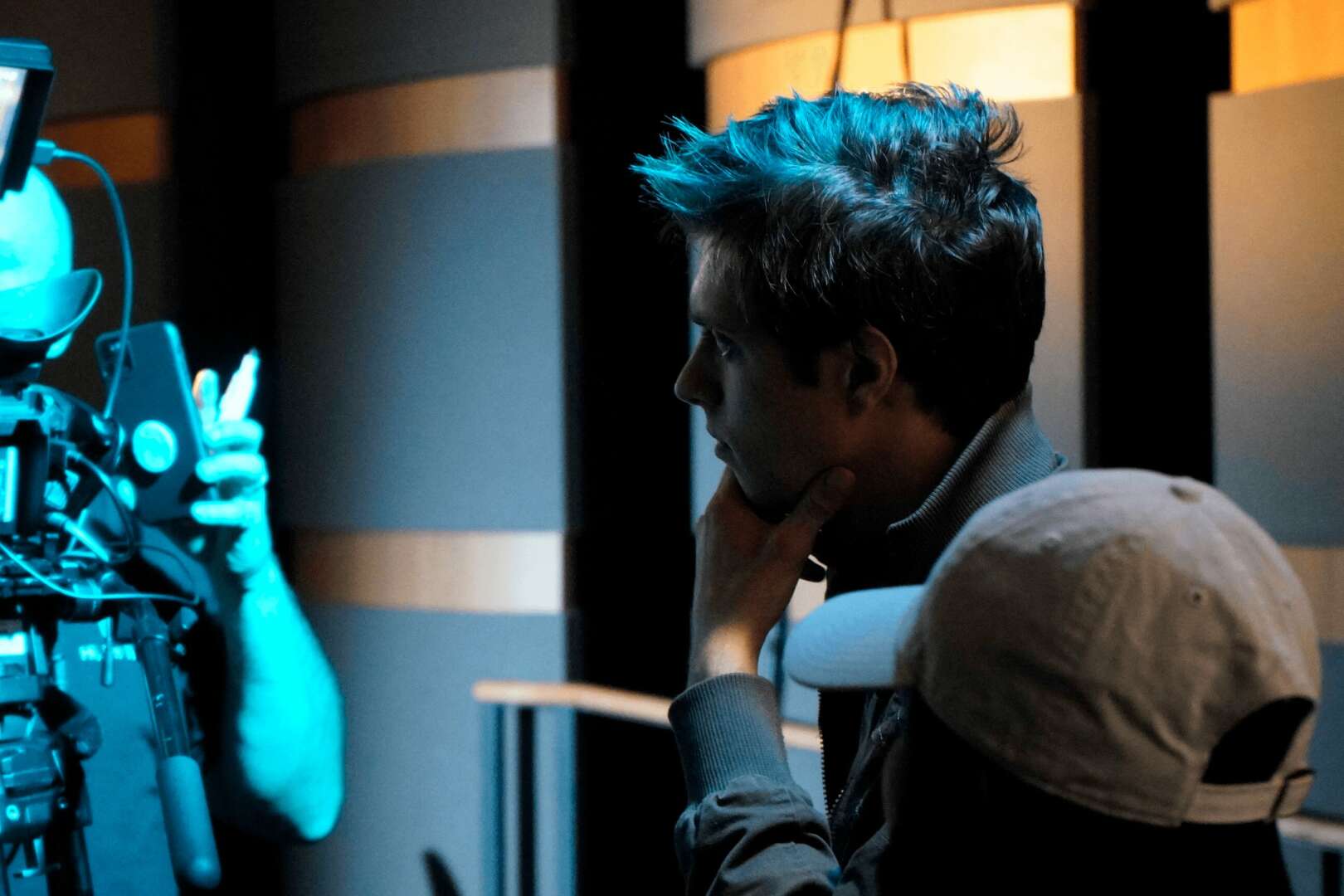
The pandemic hit when I was in the midst of film school. We went from running around on sets and shooting live to being stuck in isolation. In a field where collaboration was so integral, we had to invent a way to work together when we *weren’t* together. It was a learning experience for everyone. At the time, I was lucky enough to work with the USC faculty as they planned how to make virtual production possible. Still a student, I assisted in architecting production courses (that I had known like the back of my hand in person) into brand-new models that worked online. I was also fortunate enough to work on a faculty-led virtual production project to lay the groundwork for how virtual production would be done throughout the school—for hundreds of films. If anything, being at the forefront of the process not only showed me how important remote collaboration was going to become but also how we could turn it into something that was still very effective.
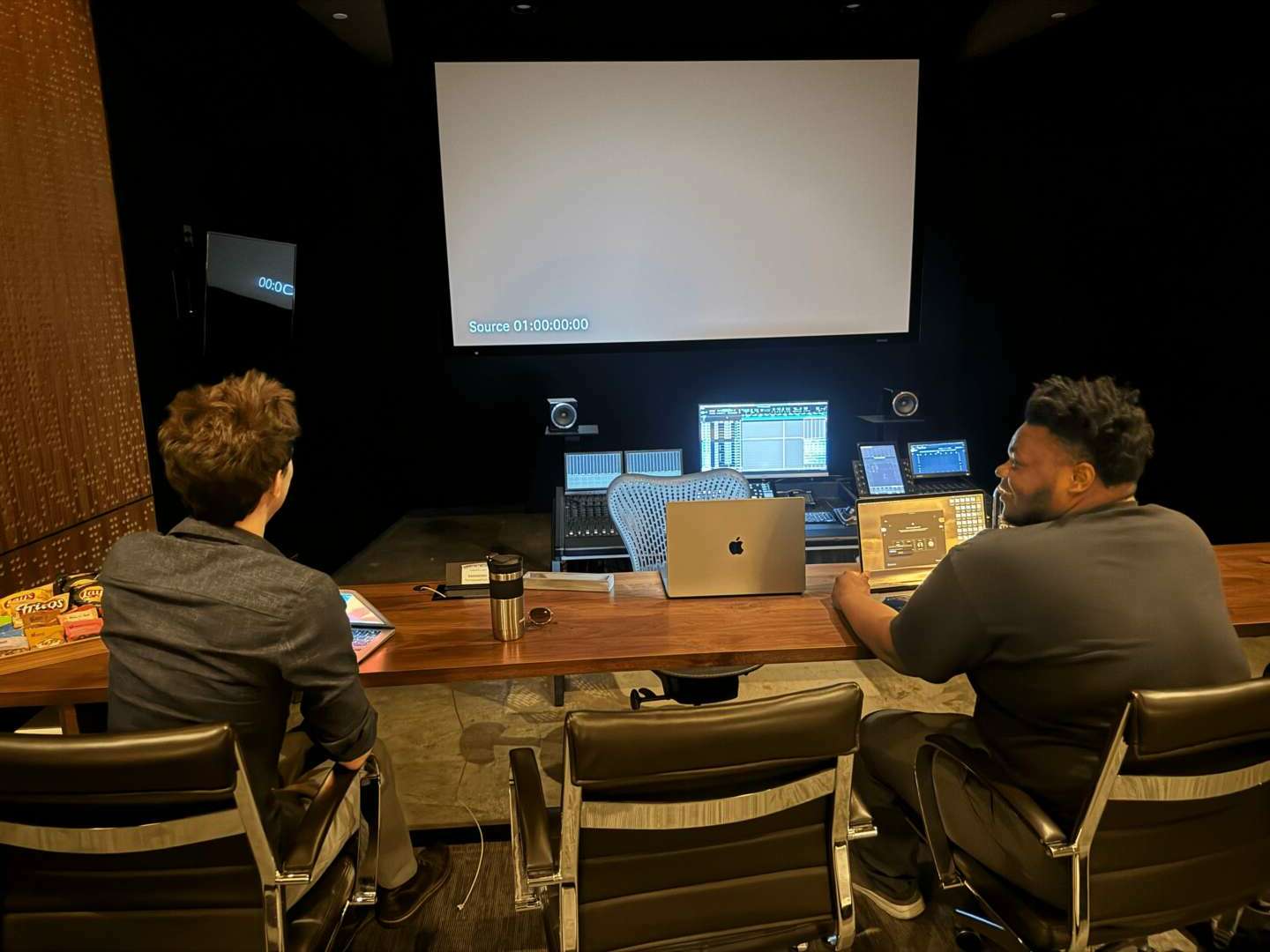
Beyond the pandemic and USC, it’s intrigued me how the habits (or conveniences) of remote work have stuck around. In the post-production world, where I often work, much of the duties can still occur remotely. Being a film composer, my work is often done in isolation already. The trick, I think, is to create enough opportunities to still bring people together. I love to bring my collaborators in and attend in-person meetings, and the days at the mix stage are always amazing—and revealing of how much more we discover once we’re finally all together in one room.
Scott, love having you share your insights with us. Before we ask you more questions, maybe you can take a moment to introduce yourself to our readers who might have missed our earlier conversations?
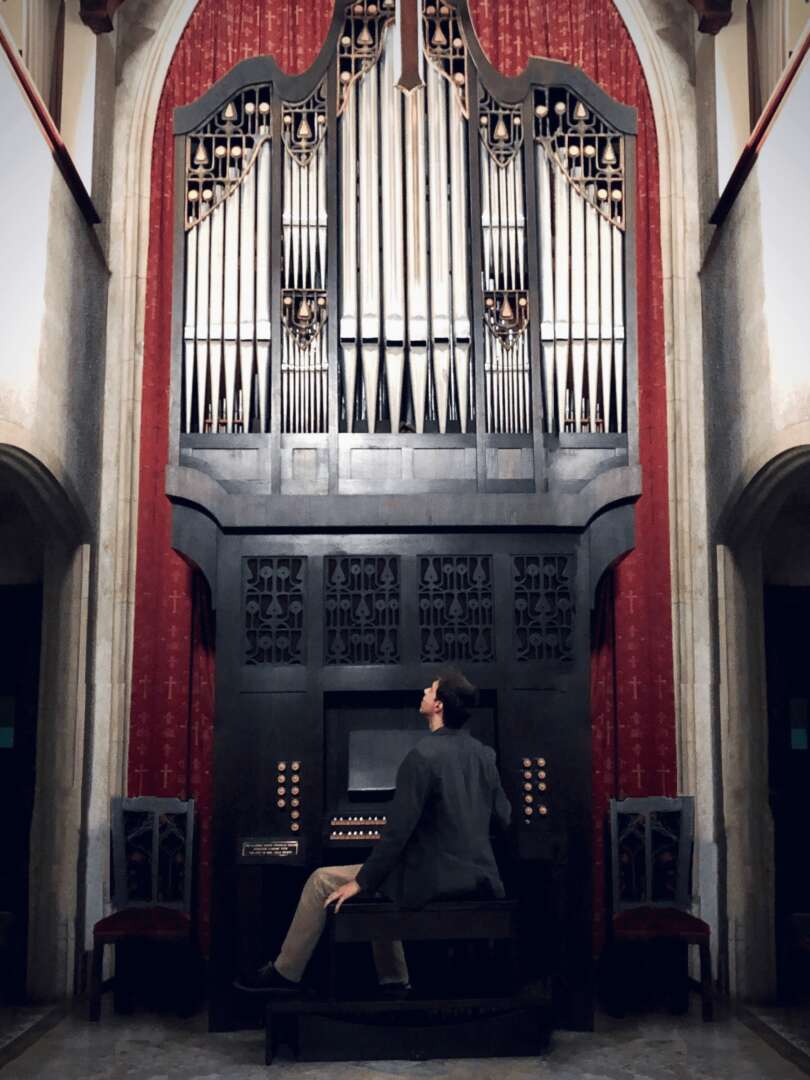
I was so young when I fell into film music that I don’t actually have a crystal clear memory of it happening. My recollection of it is a blur that I can only pull certain threads from, but even now, I still recall how vibrant the time was with passion and curiosity for filmmaking. I actually started out more as a filmmaker, just in love with the idea of storytelling and cinema and the experience of creating a narrative visually. And the great thing about technology now is that anyone can explore it in ways that were impossible years ago. I was making movies when I was very young. Naturally, the story would fall apart, and everyone would get tired, but I’d film what I could and try repurposing it through editing. One day, there was a cut that just wasn’t working. I remember transferring all the footage at the end of the day, and even though our shoot was chaos, I wondered if I could still bring a story out of it. I tried cutting something together, but it lacked the energy that our best days used to have.
As a means of dramatic problem-solving, I recorded a quick synthesizer part and placed it under the footage. I was amazed that, without changing an image, I had elevated the scene into something else. Of every element in the filmmaking process, creating the score quickly became my favorite. I would write scripts based on what I wanted to try musically. I loved challenging myself with new sounds or musical techniques.
Eventually, I started making movies just to score them.
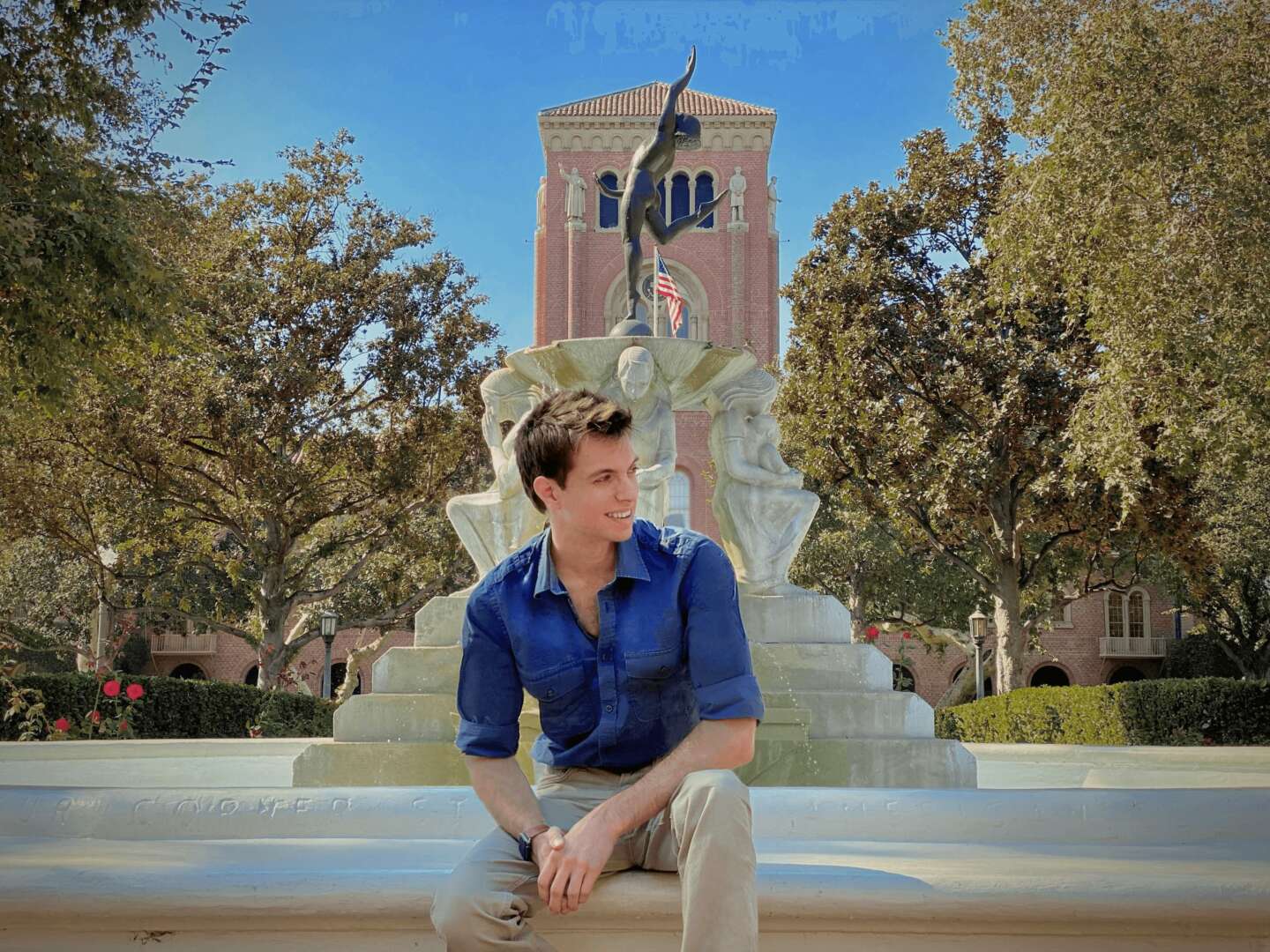
While I considered studying music in college, I always figured I’d rather be sitting right next to the filmmakers who inspire me. With film scoring my main focus, I was accepted to the USC School of Cinematic Arts Film & Television Production program. I completely threw myself into the community. With my network of filmmakers, everyone is passionate about taking things to the next level. We all love being a part of a team. Especially with a film score, it’s always an experiment. Every project we do goes through great thought, rewriting, and review. Collaboration is one of my favorite parts of the job.
What do you think helped you build your reputation within your market?
Being a good musician—as anyone in any band will tell you—is all about listening. The same is true in film scoring. It’s about listening to the director. And just like with bandmates, sometimes it’s not the spoken word you listen most to, but the unspoken feeling in the room. It’s amazing how much a director’s body language alone can tell me if a cue is working or not during a review. They’re the most important member of the band. More important than being a good player, I’m here to be a good listener.
One advantage to my film school experience was that, more than music, it gave me a thorough understanding of storytelling. Writing the notes is one thing, but what I think set me apart was that I brought a cultural understanding of what it meant to be a filmmaker, to tell a story. I spoke the language of film. In many ways, I write my scores like you’d write a screenplay or structure a narrative. And character, character, character. Understanding what makes a good character—what makes them change throughout a story—is essential to getting an emotional experience beneath your fingers.
Collaboration is everything to me. Working closely with directors, editors, and other creatives, I’ve learned to listen deeply and interpret their visions musically. The scores I create are not just background music but integral components of the storytelling process.
Lastly, I believe that authenticity and passion resonate with people the most. My genuine love for both music and film is evident in my work, and this authenticity has helped build trust and strong relationships with my clients and collaborators.
What’s worked well for you in terms of a source for new clients?
My community of peers and clients is somewhat unique because I attended USC film school instead of music school. On the one hand, I had a certain directness with all the filmmakers that the music students never quite managed; I took the same classes, walked the same halls, and was kept up all night by the same projects. I figured the best way to be around filmmakers 24/7 was to become one of them. Things took off pretty quickly from there the moment someone needed a composer.
In the film industry, relationships and personal recommendations hold significant weight. When directors, producers, and fellow composers speak highly of my work, it creates a powerful endorsement that attracts new clients. I’ve been fortunate to work with some incredibly talented filmmakers who have appreciated my dedication and the quality of my scores, leading them to recommend me to their peers.
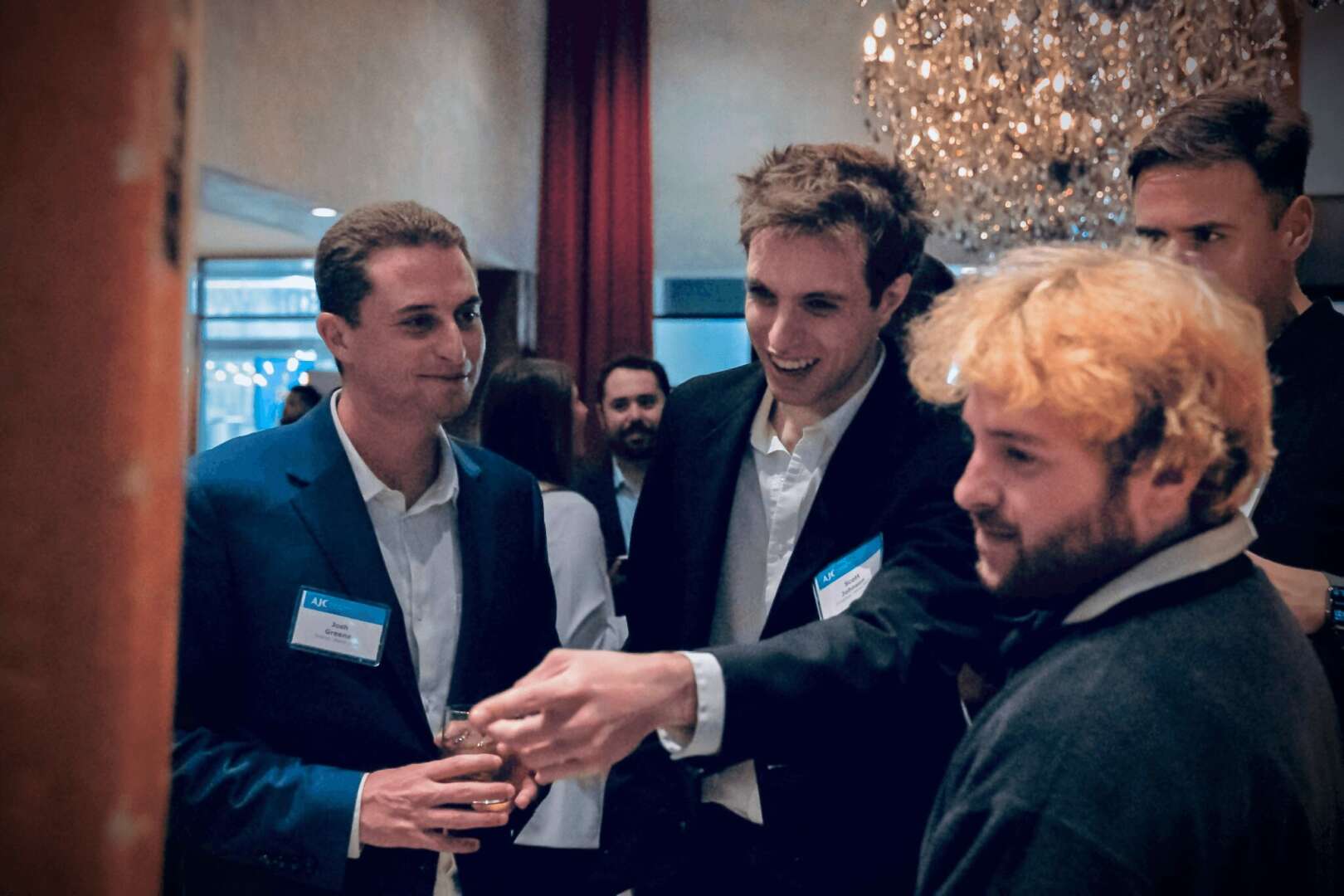
Networking within the industry has also been crucial. Attending film festivals, industry events, and workshops has allowed me to meet and connect with various professionals. I truly believe enthusiasm and curiosity go a long, long way.
Contact Info:
- Website: https://scottjohnsoncomposer.net
- Instagram: scottjohnsoncomposer
- Linkedin: scottjohnsoncomposer