
Alright – so today we’ve got the honor of introducing you to Scott Harris. We think you’ll enjoy our conversation, we’ve shared it below.
Hi Scott, thanks for joining us today. Please tell us about starting your own firm and if you’d do anything different knowing what you know now.
<div class=”EditableText” style=”border: 1px solid rgb(106, 130, 251); font-family: "Times New Roman"; font-size: medium; white-space-collapse: collapse;”><div class=”PreviewContentStyle Preview-Line-Height” style=”outline: 0px; line-height: 36px; white-space-collapse: preserve;”></div></div>
NAPAICC wasn’t a single decision—it was the result of seeing the insurance industry from multiple sides and realizing there was a gap that wasn’t being filled.
My career began in construction. For more than two decades, I worked on everything from new construction to historic renovations and complex restoration projects. Later, I moved into insurance claims and eventually worked as both a field and desk adjuster handling property losses. That experience gave me a unique perspective because I had seen how claims were viewed by contractors, homeowners, restoration companies, insurance carriers, and adjusters.
What stood out to me was that the policyholder was often the least informed person in the process, despite being the person most affected by the outcome.
When I decided to start NAPAICC (North American Public Adjusters Insurance Claims Consultants, Inc.), I didn’t begin with a large office, investors, or a detailed business plan. I started with industry knowledge, relationships, and a belief that policyholders deserved professional representation from someone who understood both construction and insurance.
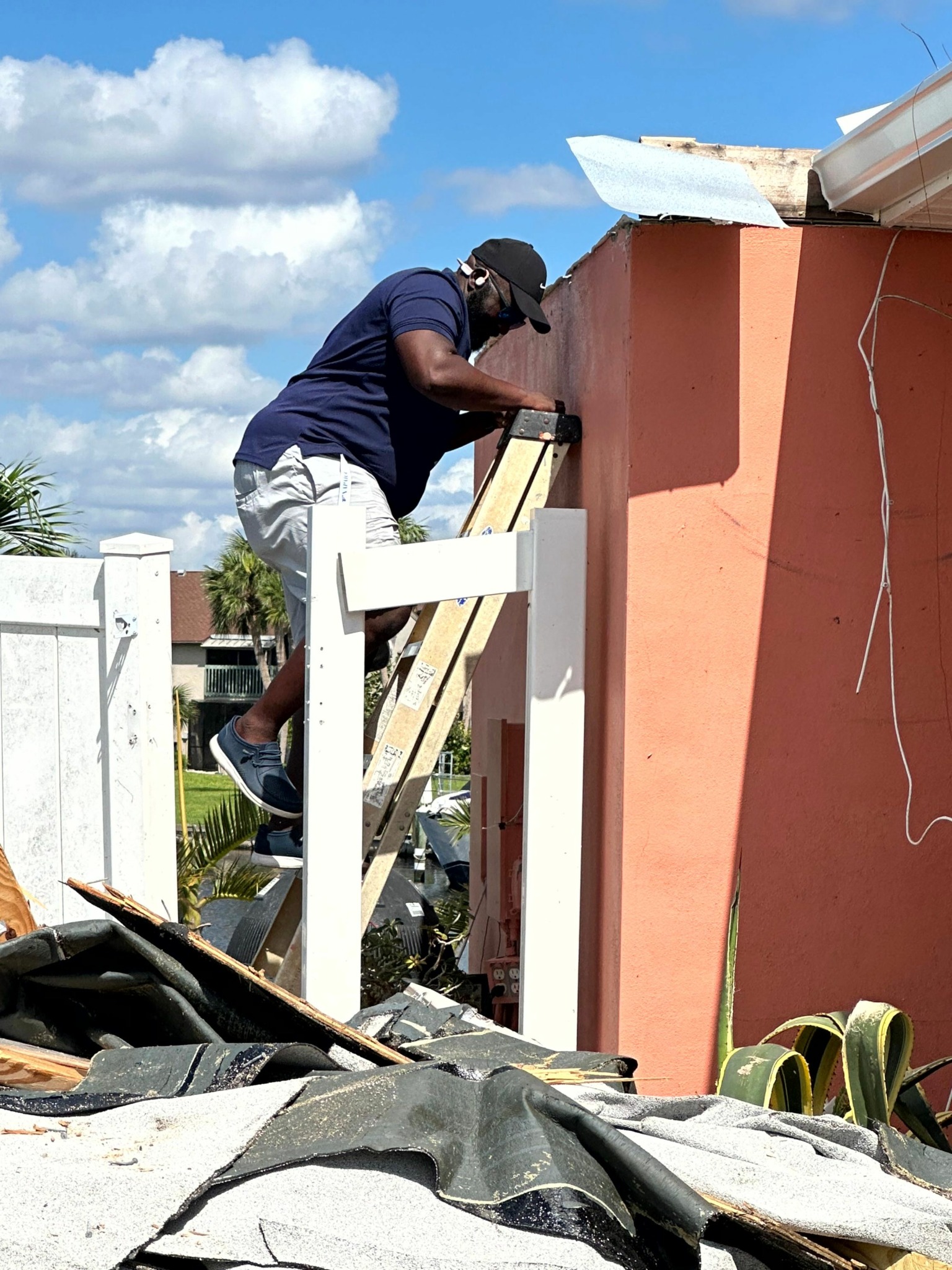
The early days were challenging. Like most entrepreneurs, I wore every hat. I was the adjuster, marketer, salesperson, administrator, bookkeeper, and technology department all at the same time. One day I would be inspecting a roof after a storm, and the next I would be building forms, designing workflows, or figuring out how to keep the business moving forward.
One of the biggest challenges was building systems. Many professionals are excellent at their trade but struggle when they become business owners. Running a company requires an entirely different skill set. You have to learn hiring, training, operations, accounting, marketing, technology, compliance, and leadership—often while still performing the work that generates revenue.
Another challenge was patience. Most people dramatically overestimate what they can accomplish in a year and underestimate what they can accomplish in five. Building credibility takes time. Building a reputation takes time. Building trust takes time. There are no shortcuts.
If I could go back and do anything differently, I would focus on systems much earlier. For years I concentrated on becoming better at claims. While that expertise was important, businesses scale through systems, processes, and people. I would have documented procedures sooner, invested in technology earlier, and spent more time developing future leaders rather than trying to do everything myself.
My advice to a young professional considering starting a firm is simple: become exceptionally good at your craft before you become an entrepreneur. Competence creates confidence. Confidence creates opportunity. Once you start your business, understand that your job is no longer just performing the work—your job becomes building an organization that can perform the work consistently without you.
Most importantly, maintain your integrity. Your reputation becomes your most valuable asset. Clients, referral partners, and employees may forget what you said, but they will remember whether they trusted you. In industries where people’s homes, businesses, and financial futures are at stake, trust is everything.
Looking back, I don’t believe entrepreneurship is about chasing freedom. It’s about accepting responsibility. You become responsible for your clients, your employees, your reputation, and the promises you make. That’s a heavy burden at times, but it’s also what makes building something meaningful so rewarding.
Great, appreciate you sharing that with us. Before we ask you to share more of your insights, can you take a moment to introduce yourself and how you got to where you are today to our readers.
My name is Scott Harris, Florida Public Adjuster, and I am the CEO and Co-Founder of NAPAICC, Inc. (North American Public Adjusters Insurance Claims Consultants, Inc.).
What makes my journey somewhat unusual is that I have worked on nearly every side of a property insurance claim. Before entering the insurance industry, I spent decades in construction, project management, restoration, and historic renovation. Later, I became an independent adjuster and eventually worked as both a field and desk adjuster handling property losses for insurance carriers. Today, I represent policyholders as a licensed public adjuster.
That experience allows me to see claims differently than many people in the industry. I understand how buildings are constructed, how they fail, how they are repaired, how claims are investigated, and how coverage decisions are made. Very few professionals have spent meaningful time on all sides of that equation.
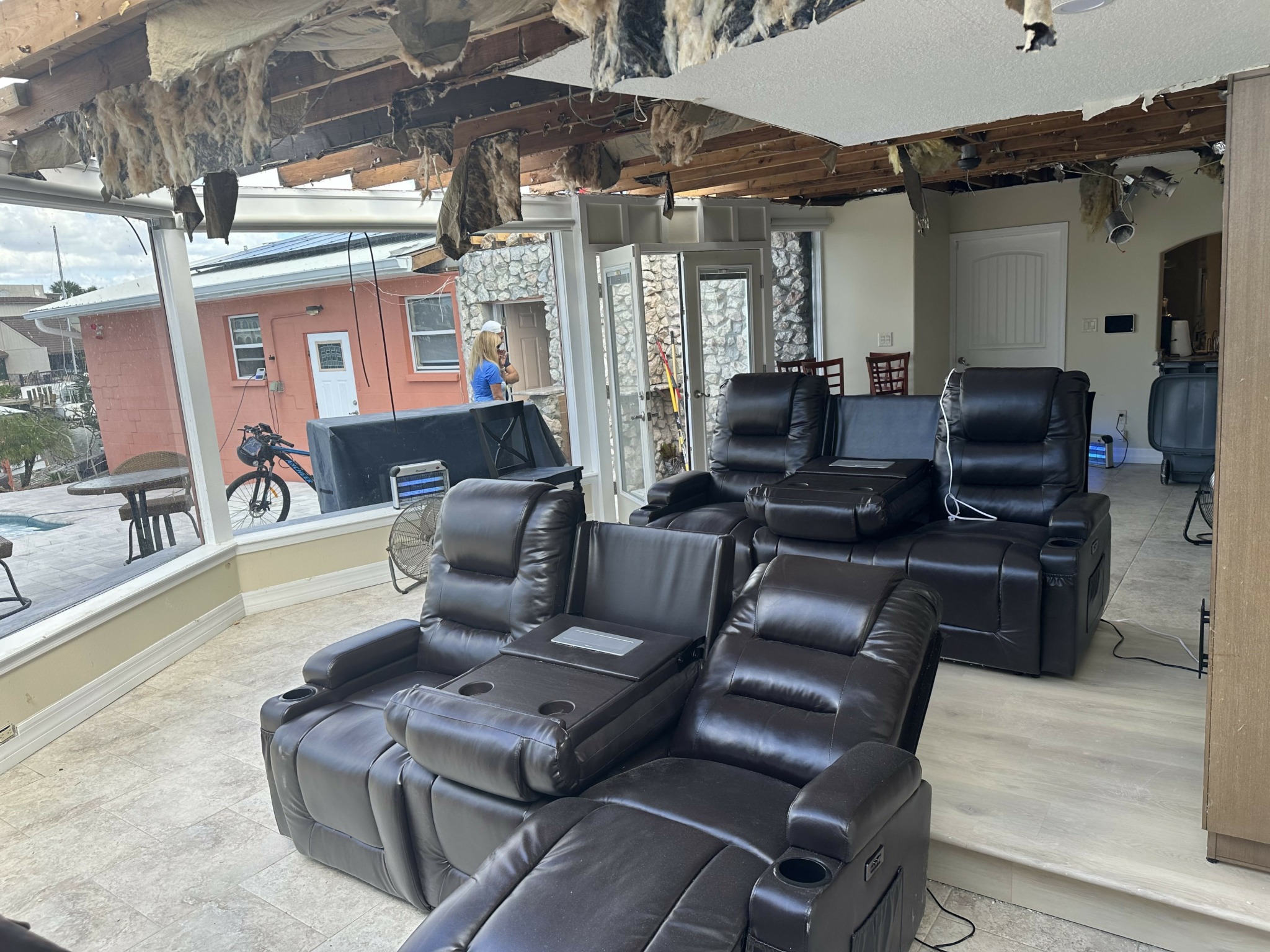
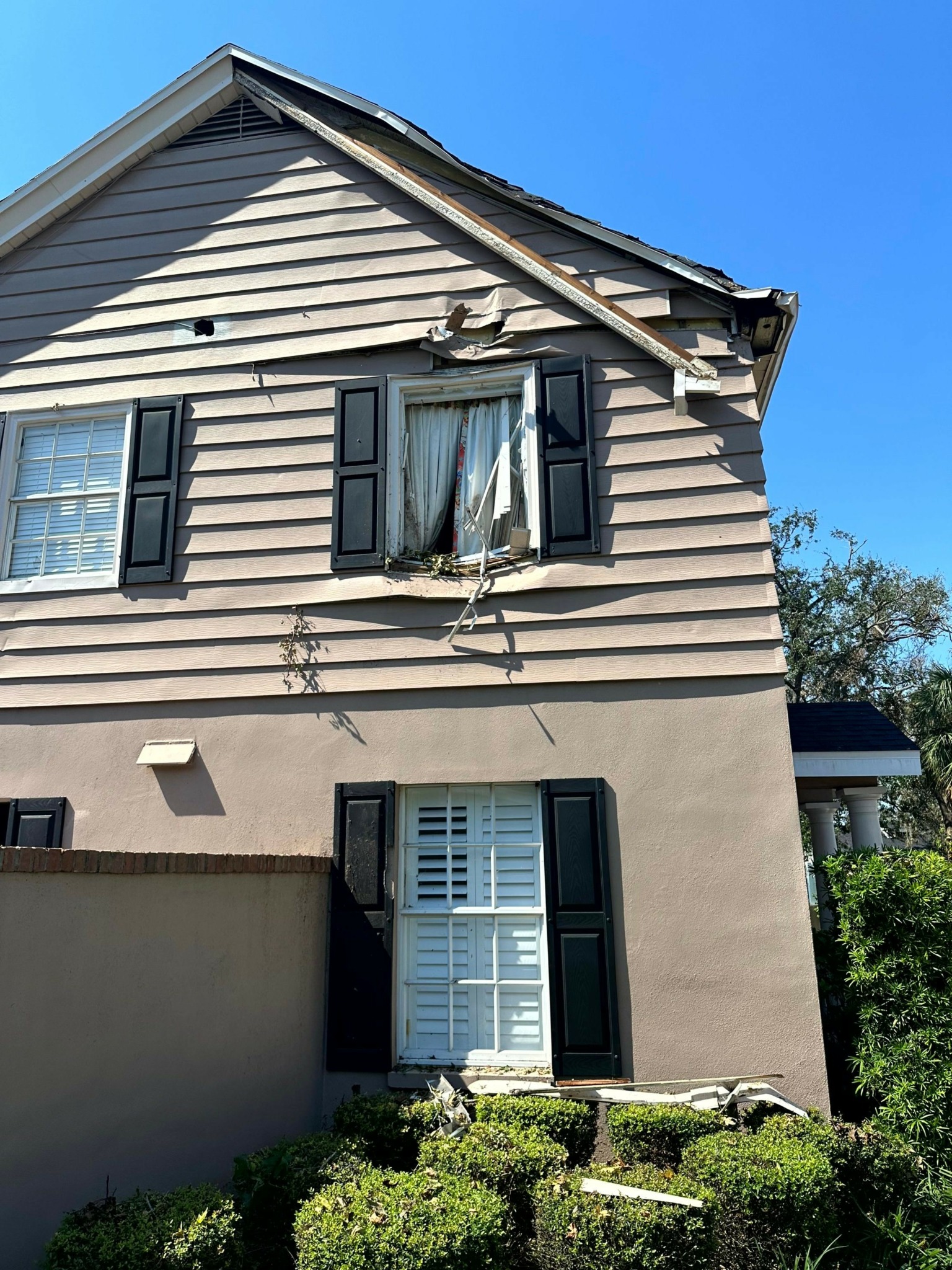
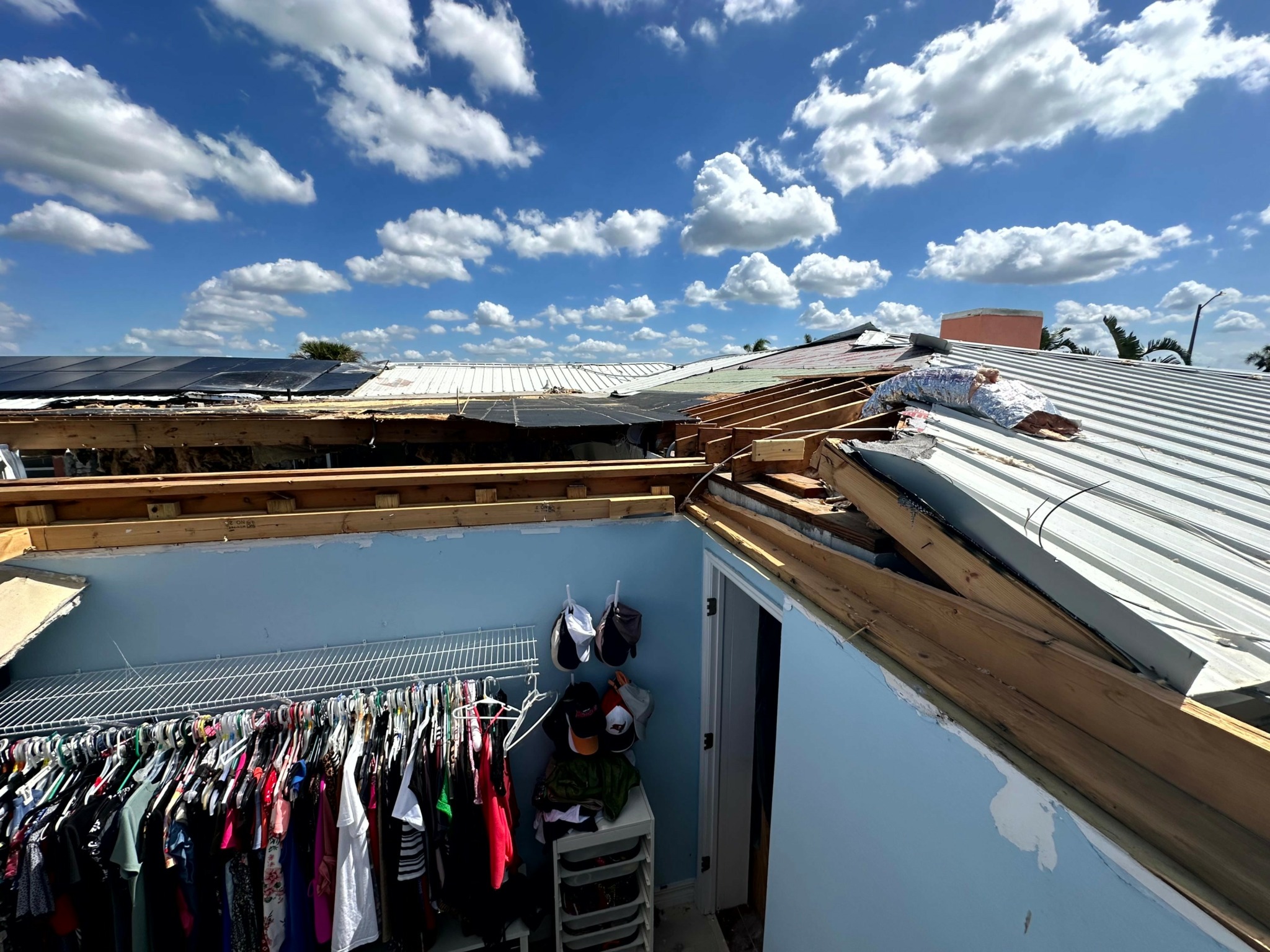
At NAPAICC, we represent homeowners, commercial property owners, condominium associations, and businesses that have suffered property damage from hurricanes, windstorms, water losses, fires, mold, lightning strikes, collapse events, and other insured losses. Our role is to help policyholders understand their coverage, document their damages, prepare their claims, and negotiate with insurance carriers.
Most people only experience a major property loss once or twice in their lifetime. Insurance companies handle thousands. That creates a knowledge imbalance that can leave policyholders overwhelmed during one of the most stressful periods of their lives. Our job is to level the playing field.
What sets us apart is that we do not approach claims as paperwork exercises. We approach them as construction projects, insurance investigations, and financial recovery events all at the same time. Every claim is a puzzle involving policy language, building science, estimating, documentation, negotiation, and often human emotion. Families are displaced. Businesses lose income. People are worried about their future. We never forget that there is a person behind every claim file.
Over the last several years, I have also become increasingly involved in discussing larger issues affecting property insurance across the country. The challenges facing homeowners today extend far beyond individual claims. Rising premiums, shrinking coverage, increasing deductibles, disaster-driven losses, and affordability concerns are changing the way Americans think about property ownership and risk. Through articles, podcasts, interviews, and educational content, I try to help consumers better understand what is happening and how to protect themselves.
One of the things I am most proud of is that our company has built a reputation for telling clients the truth, even when the truth is not what they want to hear. Insurance policies are contracts. Sometimes coverage exists. Sometimes it does not. Sometimes a claim is worth substantially more than the carrier believes. Sometimes expectations need to be adjusted. Our responsibility is to provide honest guidance and professional advocacy, not false hope.
I am also proud of the culture we continue to build. We believe integrity matters. Competence matters. Accountability matters. In an industry where trust is often in short supply, we work hard to earn it every day.
Looking forward, my vision extends beyond building a successful public adjusting firm. I believe technology and artificial intelligence will fundamentally change how policyholders access information and understand their rights. One of our long-term goals is to develop tools that help consumers better understand insurance policies, coverage issues, and claim processes before a loss ever occurs.
If there is one thing I want readers to know about me and our company, it is this: we believe policyholders deserve to understand the contract they purchased and to have access to qualified representation when disaster strikes. At the end of the day, our mission is simple—we help people navigate some of the most difficult days of their lives and work to ensure they receive every benefit they are entitled to under their insurance policy.
What do you think helped you build your reputation within your market?
I think my reputation was built the old-fashioned way—one file, one client, and one conversation at a time.
When I first entered the industry, there was no social media strategy, podcast, newsletter, or brand-building plan. My focus was simply learning my craft. I spent years in construction, restoration, and insurance claims before ever opening my own firm. That experience taught me that credibility is earned through competence, not marketing.
Over time, people began to realize that I wasn’t approaching claims from only one perspective. I understood how buildings were constructed, how damages occurred, how repairs were performed, and how insurance carriers evaluated losses. That combination allowed me to help clients understand both the technical and insurance aspects of a claim.
I also think honesty played a major role. In any professional service business, there is always pressure to tell people what they want to hear. I’ve tried to do the opposite. If I believe a claim has merit, I’ll fight aggressively for the client. If I believe expectations are unrealistic, I’ll say that too. Sometimes that costs you business in the short term, but it builds trust over the long term.
Another factor has been education. I spend a significant amount of time writing articles, producing content, speaking with consumers, and discussing insurance issues publicly. My goal has never been to create controversy for the sake of attention. My goal is to help people better understand a system that most only encounter when something has already gone wrong.
Ironically, some of the strongest relationships I’ve built have been with people who don’t always agree with me. I’ve worked with contractors, attorneys, engineers, adjusters, and insurance professionals from every side of the industry. When you are willing to have honest conversations and defend your position with facts rather than emotion, people may disagree with you, but they tend to respect you.
Ultimately, I think reputation comes down to consistency. Anyone can do the right thing when it’s easy. Reputation is built when it’s difficult, expensive, inconvenient, or unpopular. If clients, colleagues, and business partners know what to expect from you every time, trust begins to compound. In my experience, that trust becomes far more valuable than any marketing campaign ever could.
Have you ever had to pivot?
One of the biggest pivots in my life was leaving the relative stability of working within the insurance industry and deciding to build a business representing policyholders instead.
Before founding NAPAICC, I had spent decades in construction, restoration, project management, and insurance claims. I understood how buildings were constructed, how they were repaired, and how insurance claims were investigated. From the outside, it probably looked like a logical career progression. In reality, it felt more like standing at a crossroads.
Working inside the claims process gave me valuable insight into how insurance companies evaluate losses and make coverage decisions. At the same time, I began to recognize how overwhelming the process could be for homeowners and business owners who had never experienced a major loss before. Many people assumed their insurance policy would be straightforward until they actually had to use it.
The pivot came when I realized I wanted to spend my career helping policyholders navigate that process rather than simply participating in it from the carrier side. That decision meant leaving behind a predictable path and taking on all the risks that come with entrepreneurship.
Like many business owners, I underestimated how difficult the transition would be. Starting a company meant becoming responsible for everything. There was no department to call, no manager to escalate to, and no one else to blame when something went wrong. Every success and every mistake belonged to me.
The early years required learning skills that had nothing to do with insurance claims. I had to learn marketing, operations, hiring, technology, compliance, accounting, and leadership. Looking back, building the business was often harder than handling the claims themselves.
Another unexpected pivot came more recently. For years, my work focused almost entirely on individual claims. Today, I spend a significant amount of time discussing broader insurance issues through articles, podcasts, interviews, and educational content. What began as helping individual policyholders recover from losses evolved into helping consumers understand larger challenges affecting property insurance across the country.
That shift taught me an important lesson: sometimes the opportunity isn’t where you originally planned to go. It’s where your experience, skills, and purpose naturally intersect.
If there’s one thing I’ve learned about pivots, it’s that they rarely feel comfortable when you’re making them. Most meaningful changes involve uncertainty. You don’t get a guarantee that the new direction will work. You simply make the best decision you can with the information you have and commit to making it succeed.
Looking back, leaving the familiar path was one of the most difficult decisions I ever made, but it ultimately led me to build a company, a mission, and a career that aligns much more closely with who I am and what I believe.
Contact Info:
- Website: www.napaicc.com
- Facebook: https://www.facebook.com/NAPAICC
- Linkedin: https://www.linkedin.com/in/scott-harris-90a5981a1/
- Twitter: The NAPAICC INSIDER @NAPAICCINSIDER
- Youtube: https://www.youtube.com/@THENAPAICCINSIDER