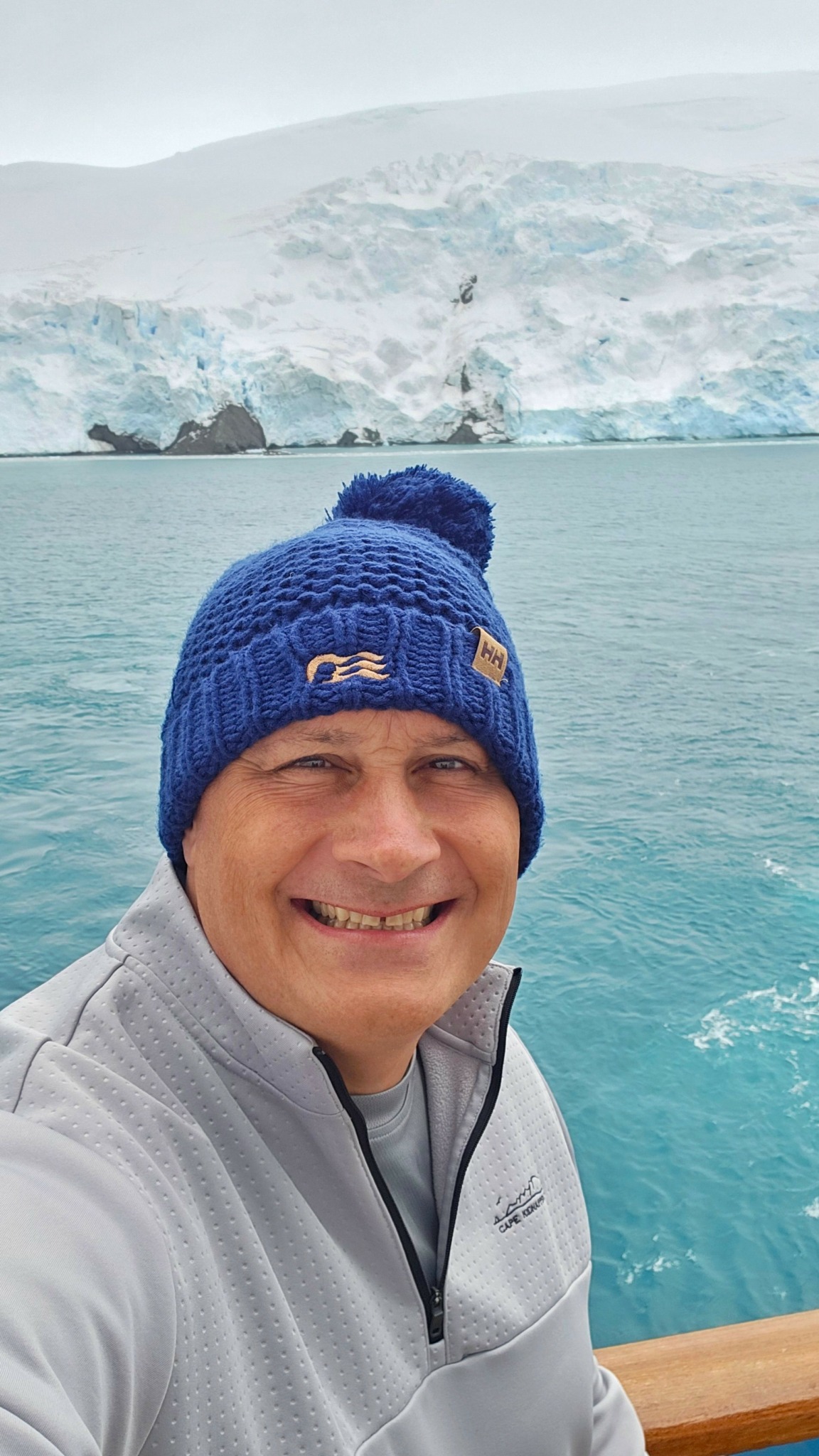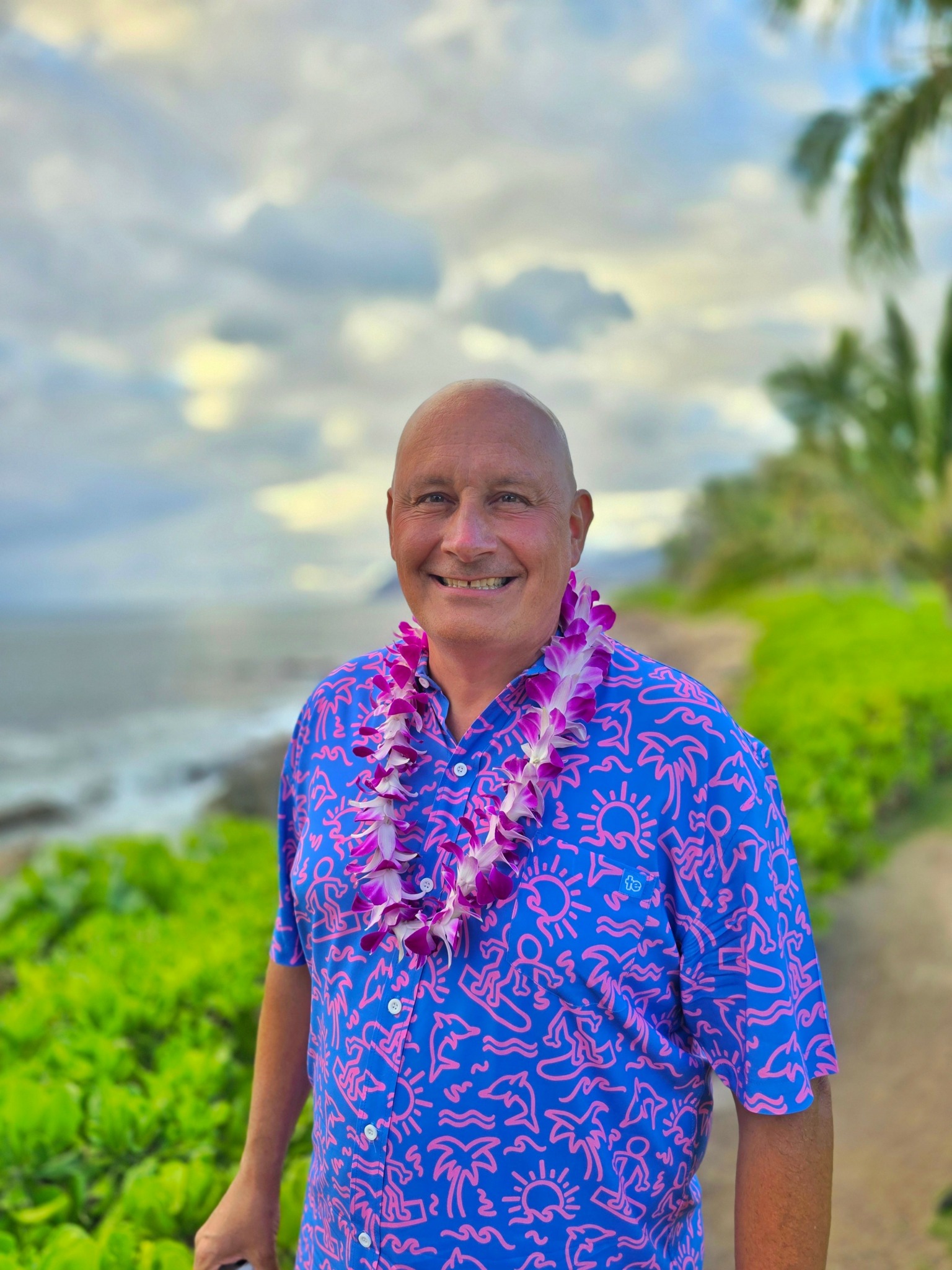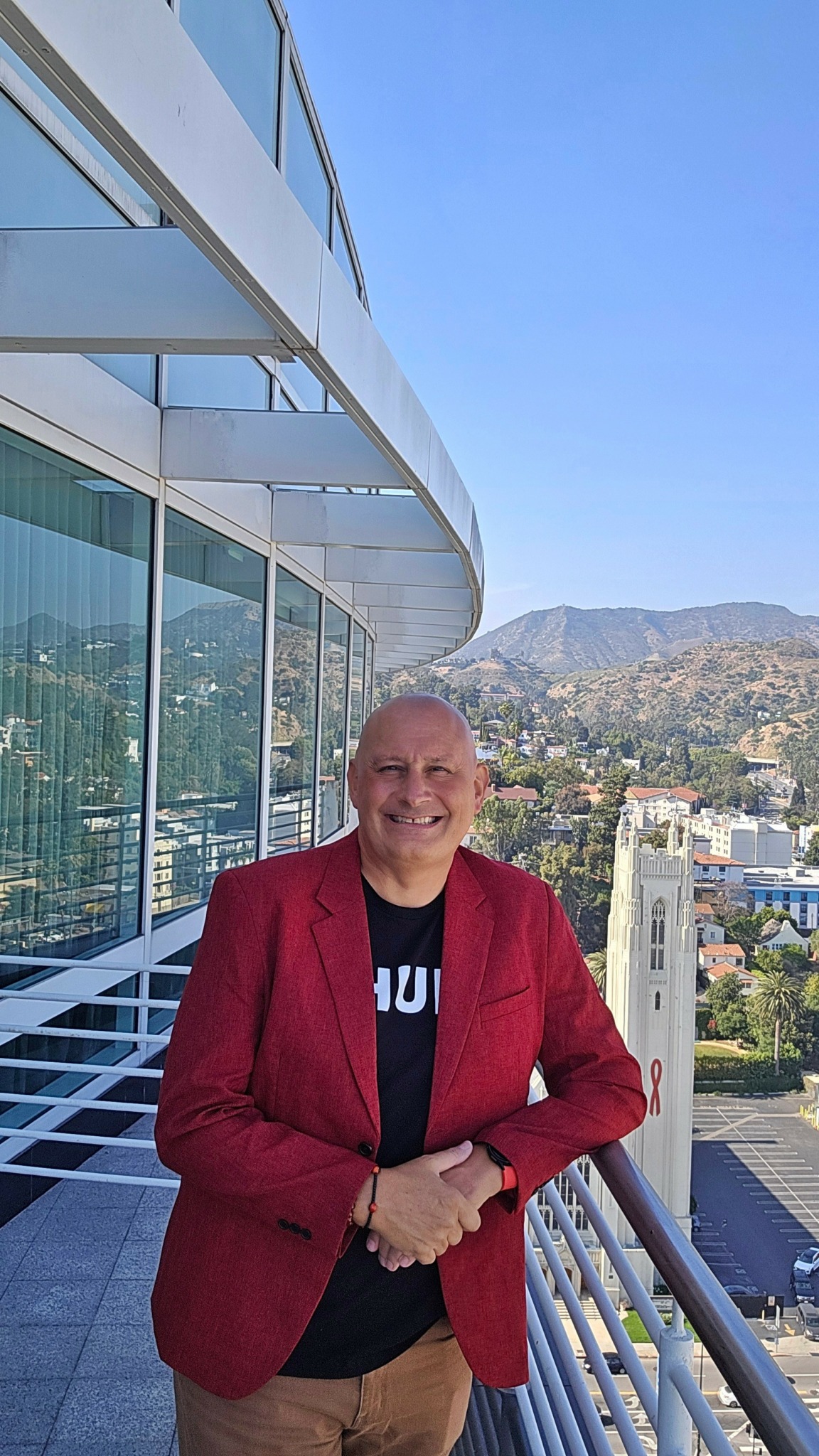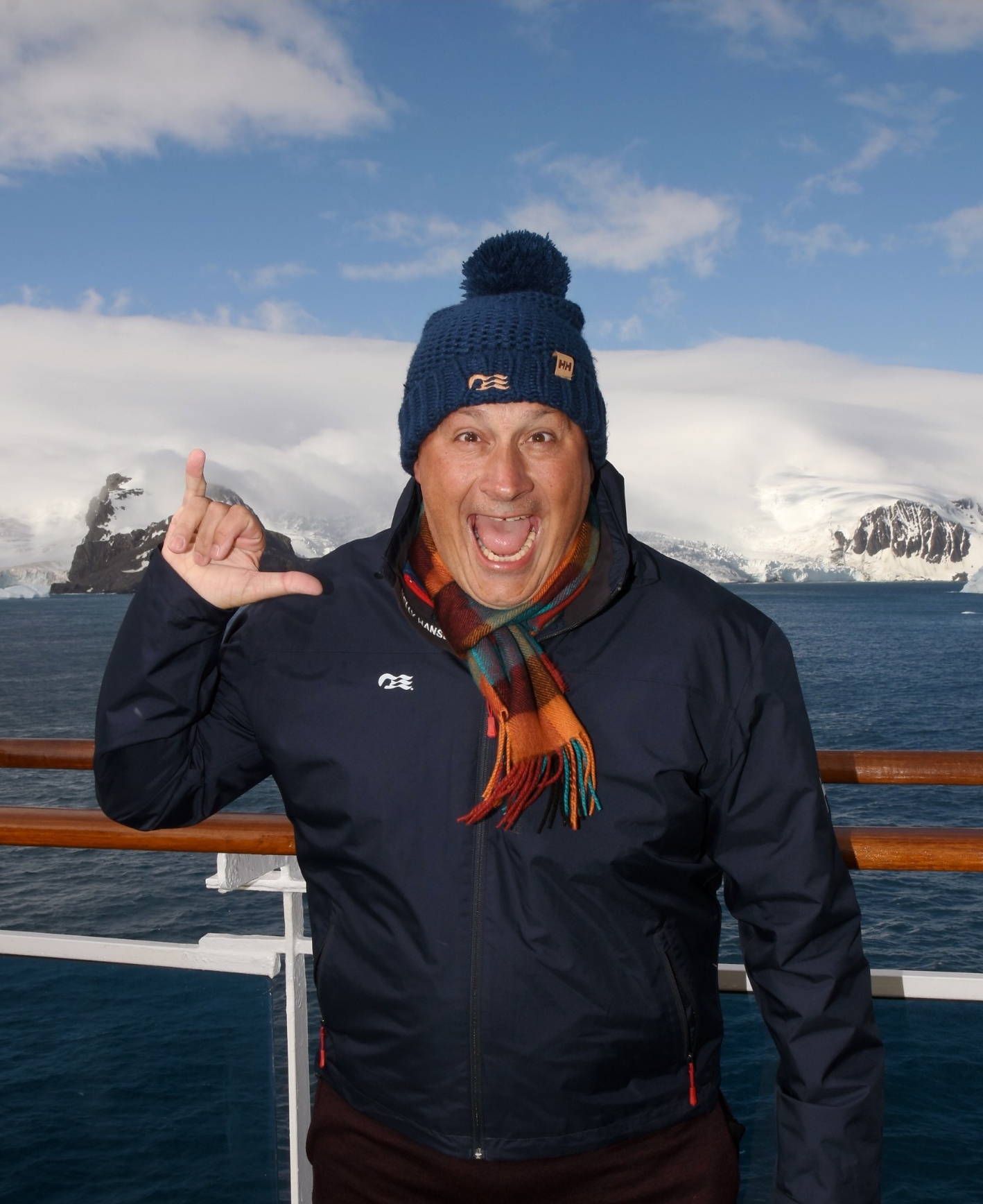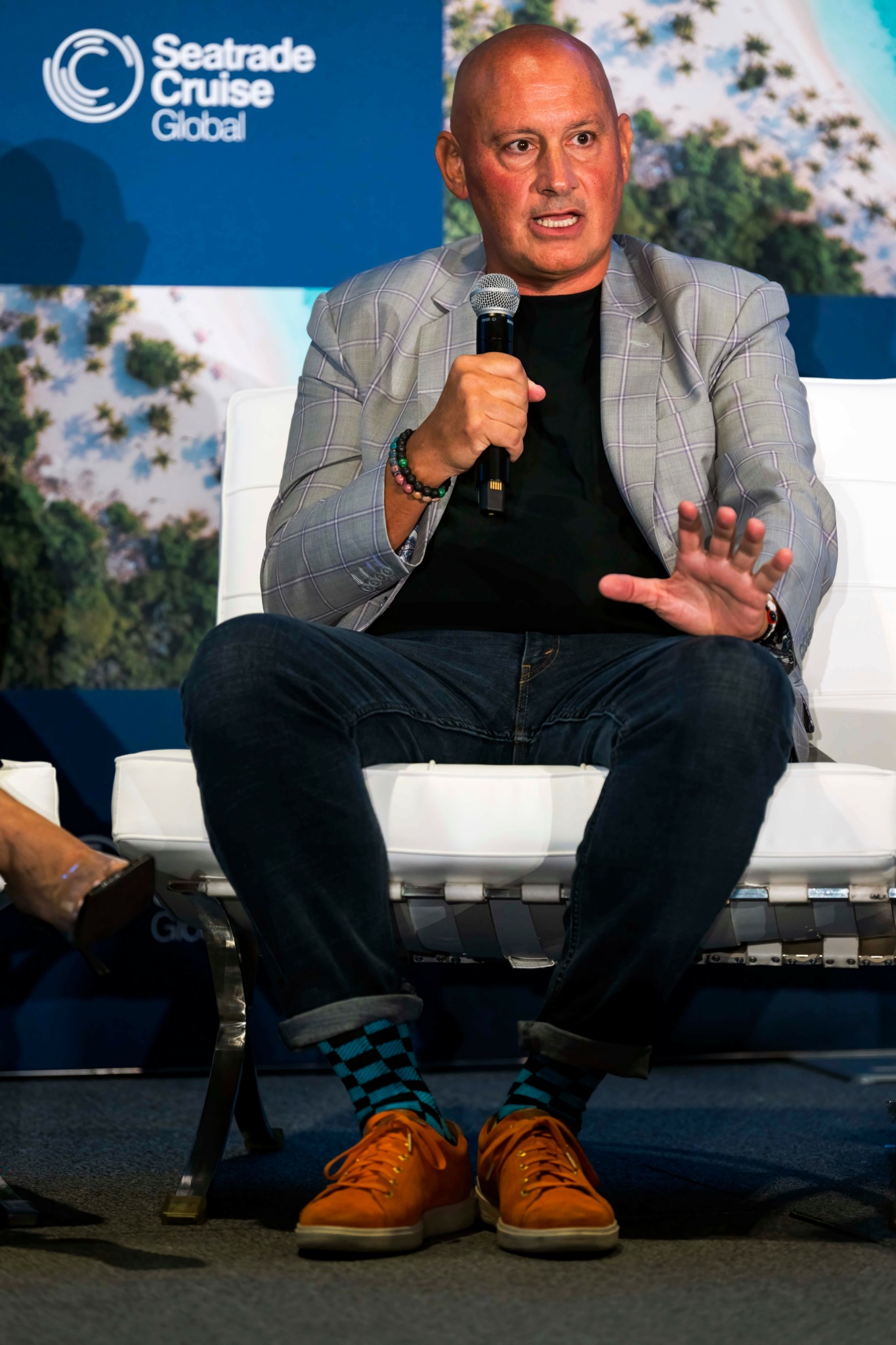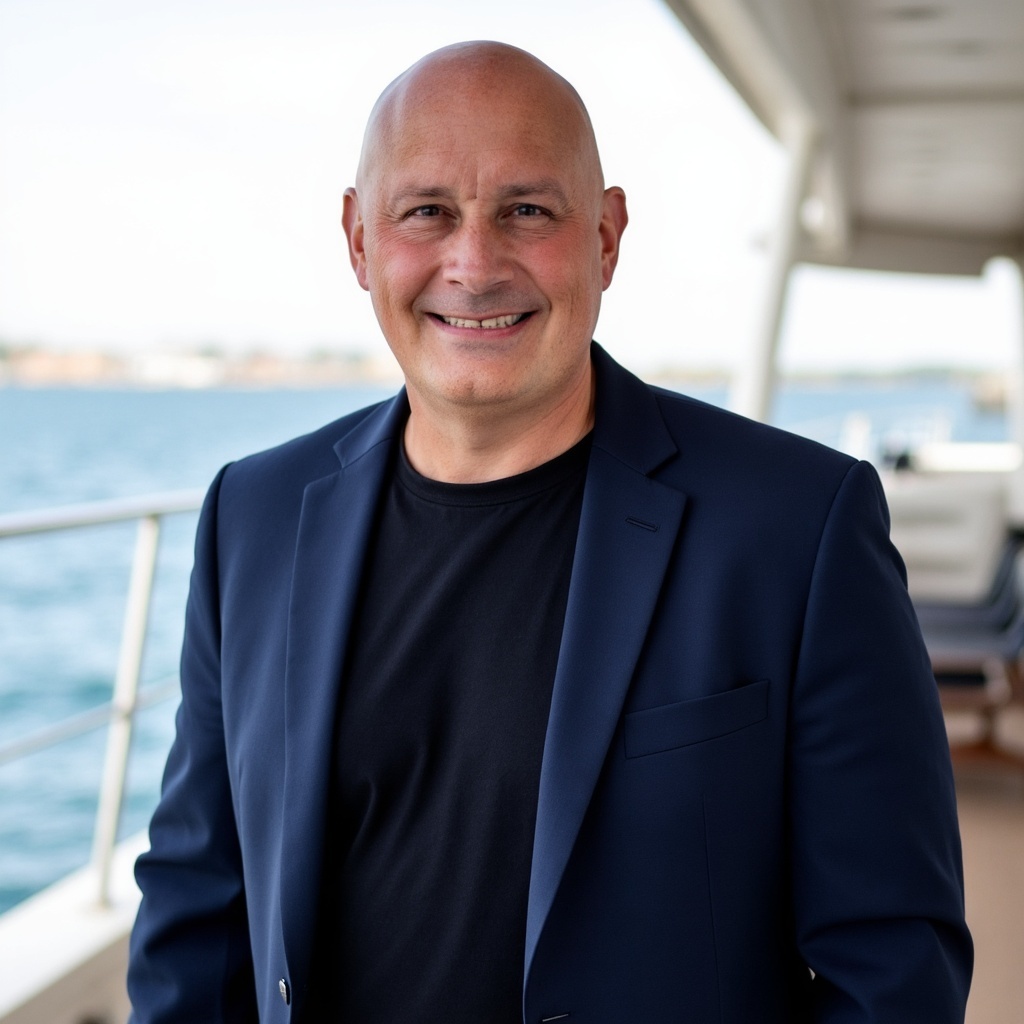

We’re excited to introduce you to the always interesting and insightful Scott Eddy. We hope you’ll enjoy our conversation with Scott below.
Scott, thanks for joining us, excited to have you contributing your stories and insights. Earning a full time living from one’s creative career can be incredibly difficult. Have you been able to do so and if so, can you share some of the key parts of your journey and any important advice or lessons that might help creatives who haven’t been able to yet?
I wasn’t earning a full-time living from creative work on day one, not even close. I came from a 10-year career in investment banking, so my mindset was very structured, very analytical, and honestly, not creative at all. When I left that world and moved to Thailand, I didn’t have some master plan to become a content creator or build a personal brand. That didn’t even exist yet. What I did have was curiosity, consistency, and a willingness to share what I was experiencing in real time.
In the early days, I treated content like a habit, not a business. I posted constantly, engaged with people, and paid attention to what resonated. Over time, that turned into an audience, and that audience turned into opportunities. I built the first digital agency in Asia during that period, and every single client came through my personal brand. That was the moment it clicked for me that attention is the asset, and everything else comes from that.
The major milestones weren’t viral moments, they were trust-building moments. Signing the first client through social media, getting asked to speak, landing brand partnerships, those things compound over time. Eventually, I sold the agency and went all in on my personal brand, focusing on hospitality, travel, and helping brands turn storytelling into real revenue.
If I could speed up the process knowing what I know now, I would have focused earlier on positioning and clarity. Too many people try to speak to everyone, and that slows everything down. The faster you define who you are, what you stand for, and who you’re speaking to, the faster opportunities start to come your way. I also would have leaned into long-form content sooner. Short-form builds reach, but long-form builds trust, and trust is what actually drives business.
The reality is, there’s no shortcut. It takes consistency, patience, and a willingness to show up every day even when nothing seems to be happening. But if you stick with it, build real relationships, and focus on delivering value instead of chasing vanity metrics, it absolutely can turn into a full-time living.
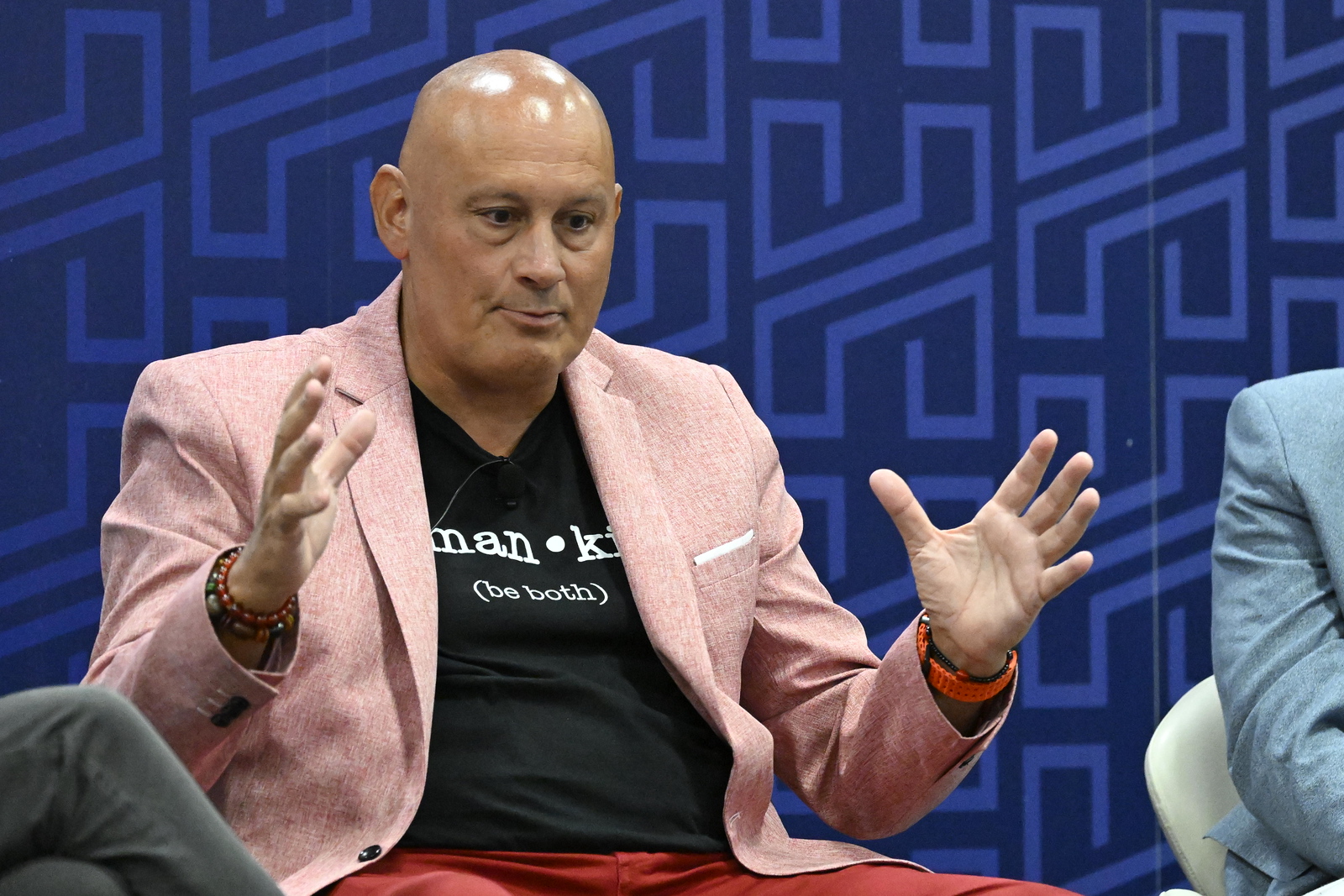
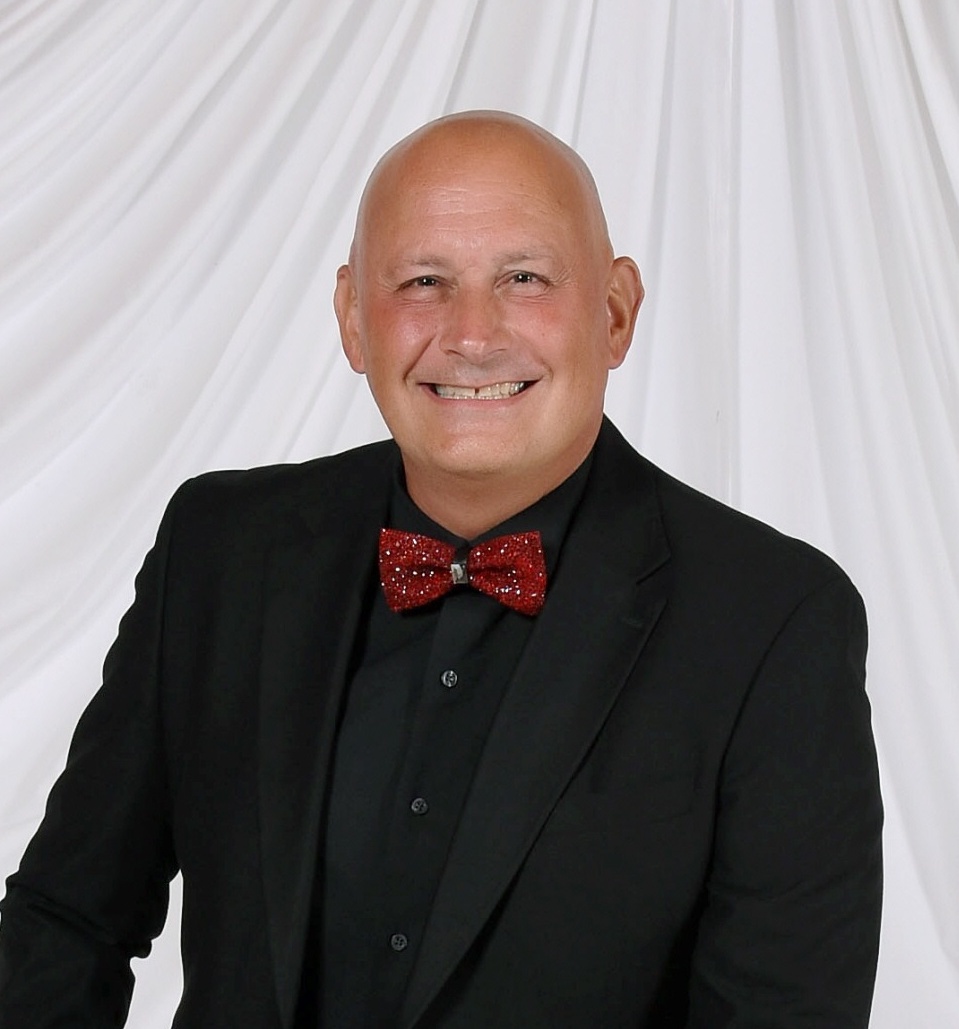
Awesome – so before we get into the rest of our questions, can you briefly introduce yourself to our readers.
I’m Scott Eddy, a hospitality marketing strategist, content creator, and keynote speaker. I spent the first 10 years of my career in investment banking, but after leaving that world, I moved to Thailand and ended up building the first digital agency in Asia. That agency was the largest in the region for five years, and what’s interesting is that every client came through my personal brand before terms like “personal branding” or “influencer marketing” even existed. That experience shaped how I look at business today.
Now I travel full-time, working with hotels, cruise lines, and destinations around the world. I don’t have a home, wherever I am is home, whether that’s a hotel or a cruise ship. My work sits at the intersection of storytelling and revenue. I help brands understand how to turn attention into actual business results, not just likes and views. That includes social media strategy, influencer campaigns, content creation, workshops, consulting, and photography through my team. Everything we do is built around one core idea, if your story doesn’t convert, it’s just noise.
The biggest problem I solve is clarity. A lot of brands are producing content, but they don’t know why they’re producing it or what it’s supposed to achieve. They chase trends, copy competitors, and end up blending in. I come in and help them define their positioning, build a clear content strategy, and create content that actually moves the needle. That could mean increasing direct bookings, improving engagement that leads to sales, or repositioning a property entirely in the market.
What sets me apart is that I’m not theory-based, I’ve lived this. I’ve built businesses off the back of content, I’ve signed clients who followed me for years without ever engaging publicly, and I’ve worked across more than 20 countries with some of the most respected brands in hospitality. I also say what most people won’t say. The industry is full of safe, polished messaging, and I believe that’s exactly why so much of it doesn’t work.
What I’m most proud of is the trust I’ve built over time. The audience, the clients, the long-term relationships, that doesn’t happen overnight. It comes from consistency and showing up every day with something real. If someone is discovering me or my brand for the first time, the main thing I’d want them to understand is this, I’m not here to create content for the sake of it. I’m here to help brands tell better stories that drive real results, and to push the hospitality industry to think bigger, act faster, and stop playing it safe.
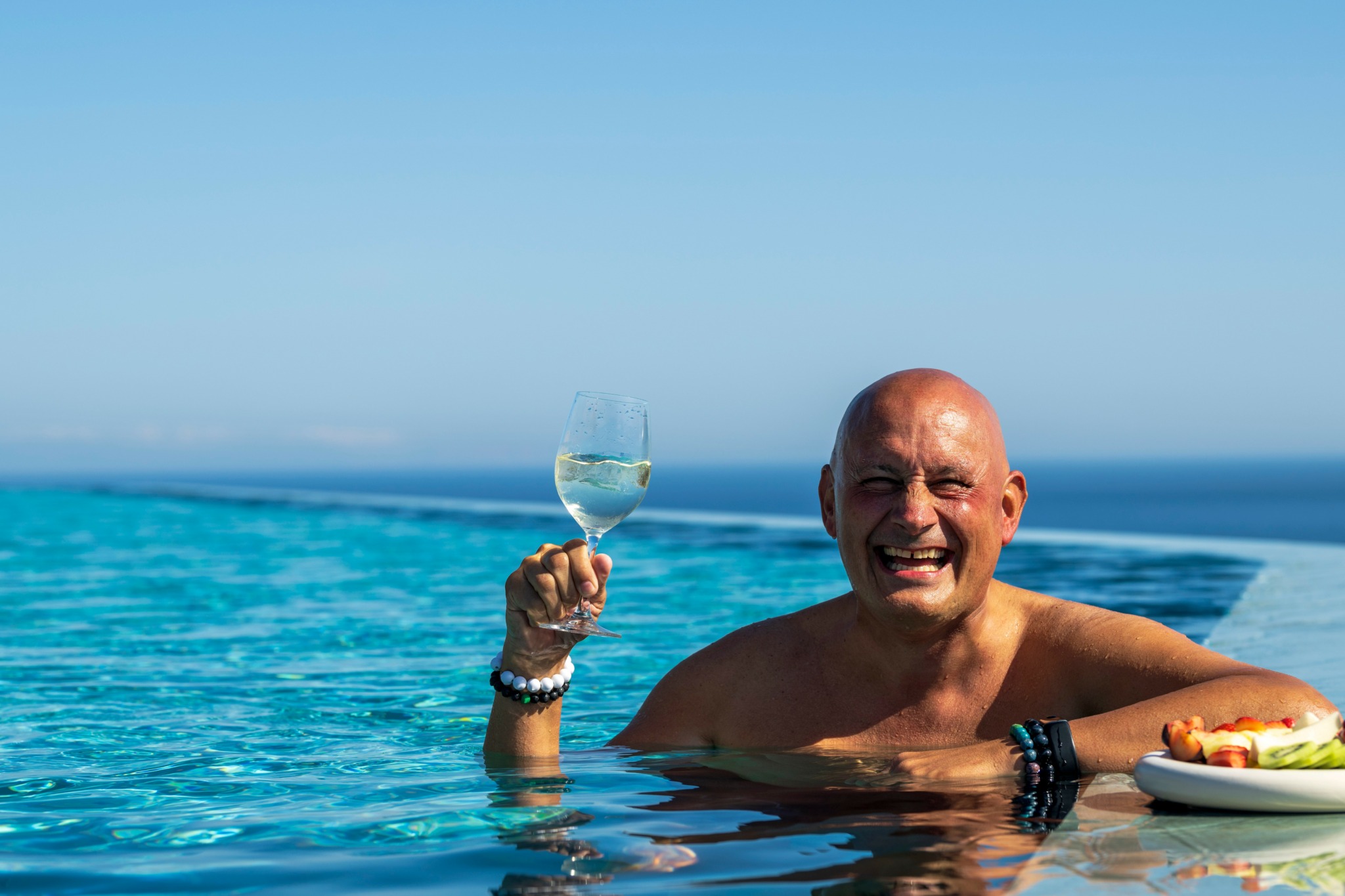

Have you ever had to pivot?
One of the biggest pivots in my life wasn’t planned, it was forced on me. I grew up with a very clear path. My father was a police officer, and from a young age, that was the direction my life was heading. It wasn’t even a question, it was just what I was going to do. But two weeks before I graduated high school, everything changed. My father was killed in a plane crash in the line of duty, and in an instant, the path I had been preparing for my entire life no longer felt like something I could step into.
At 18 years old, I didn’t have the maturity or clarity to process that kind of loss and still follow the same direction. So instead of moving forward with that plan, I pivoted without really knowing what I was doing. The only reason I ended up in investment banking was because of a connection. A friend of mine was working in the industry and knew the owners of a firm, and they gave me an opportunity to enter their training program. That moment changed everything, not because it was some lifelong passion, but because it opened a door I never would have even considered.
I spent the next 10 years in investment banking, and that experience shaped how I think about business, discipline, and risk. But if I’m being honest, it was never the end goal. It was a chapter that existed because life forced me to adapt. The real lesson from that pivot is that not all pivots come from inspiration, some come from disruption. And when they do, you don’t always get to overthink it, you just have to move forward and figure it out as you go.
Looking back, that moment taught me resilience more than anything else. It showed me that your path can change overnight, and when it does, the ability to adapt becomes your greatest asset. Every major move I’ve made since then, leaving banking, moving to Thailand, building a business, going all in on my personal brand, all of it traces back to that first pivot. It forced me to become comfortable with uncertainty, and that mindset has shaped everything I’ve built since.
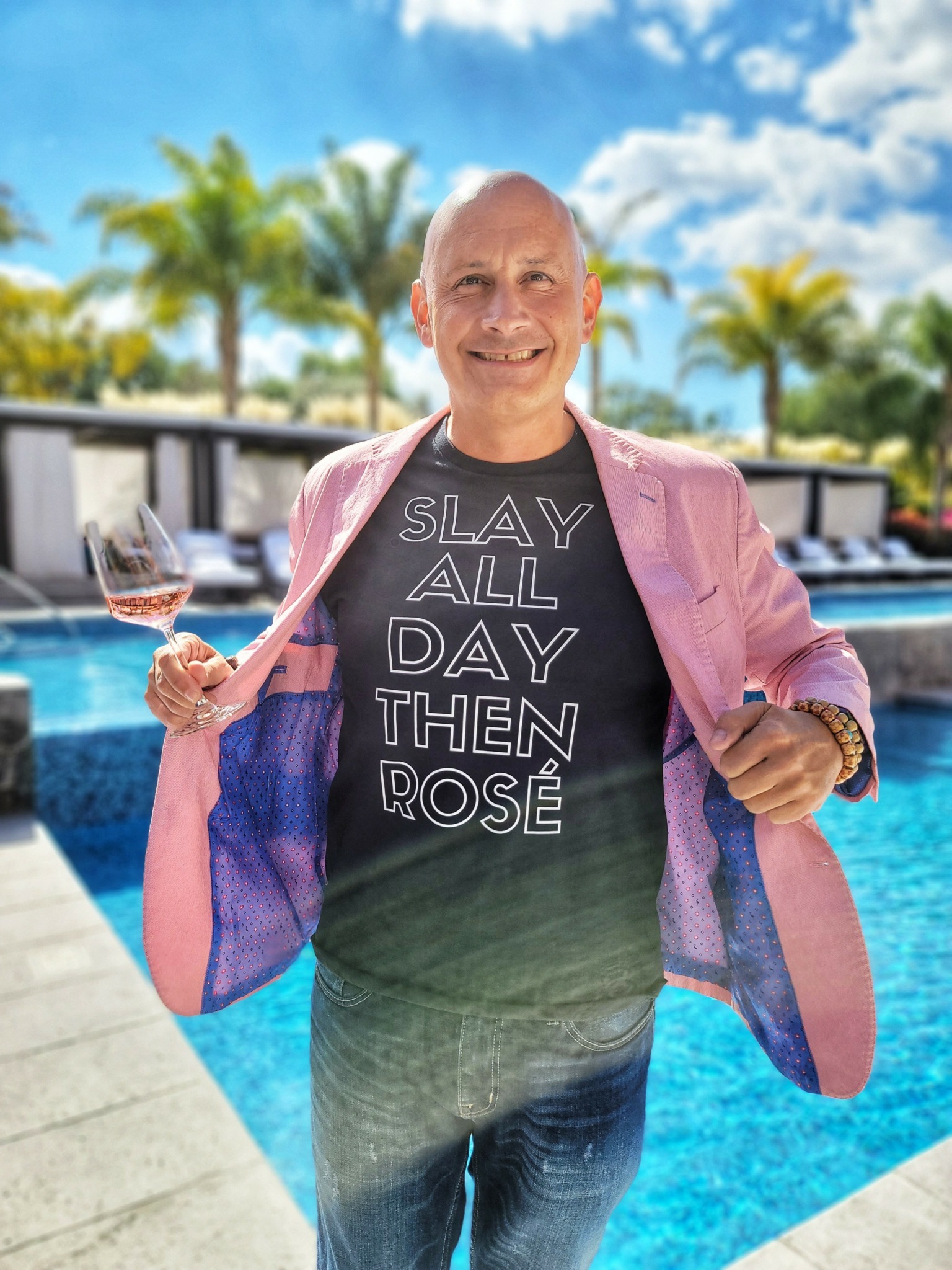
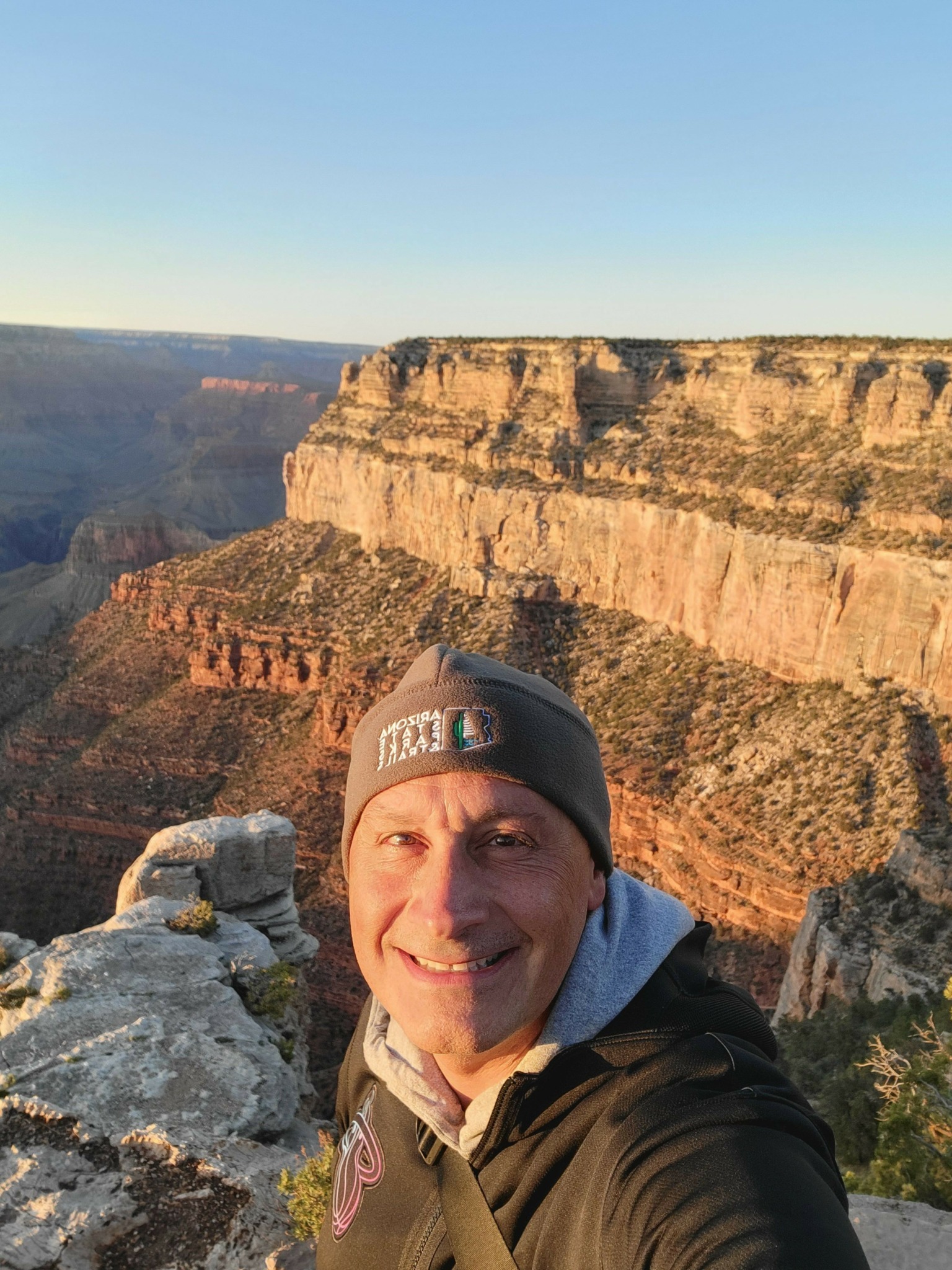
How did you build your audience on social media?
I built my audience the old way, before there were playbooks, before “creator economy” was even a term. I started on Twitter back in the early days and I didn’t treat it casually. I went all in. I wasn’t posting when I felt like it, I was posting every day, engaging every day, learning every day. I treated it like a full-time job long before it ever paid me anything.
What most people don’t understand is that growth didn’t come from one viral moment. It came from thousands of consistent actions. I replied to comments, I started conversations, I paid attention to what people cared about, and I adjusted in real time. I wasn’t trying to impress people, I was trying to connect with them. Over time, that built trust, and that trust turned into an audience, and eventually into business.
The biggest shift for me was realizing that attention is the asset. Once you have attention, you can build anything on top of it. My agency was built off my audience. My speaking career came from my audience. My brand partnerships came from my audience. But none of that happens if you treat social media like a side hobby.
If you’re starting today, my advice is simple, but most people won’t do it. First, pick a niche and be very clear about what you stand for. Trying to speak to everyone is the fastest way to be ignored. Second, commit to consistency. Not for a week or a month, but for years. If you’re not ready for that, don’t start. Third, engage more than you post. The real growth happens in conversations, not just content. Fourth, don’t chase trends, build a point of view. Trends get you temporary reach, a strong point of view builds a long-term brand.
And finally, go all in or don’t do it at all. This isn’t something you dabble in if you actually want results. The people who win are the ones who show up every day, even when nothing is happening, and keep going long enough for it to compound.
Contact Info:
- Instagram: https://www.instagram.com/mrscotteddy/
- Facebook: https://www.facebook.com/MrScottEddy
- Linkedin: https://www.linkedin.com/in/mrscotteddy/
- Twitter: https://x.com/MrScottEddy
- Youtube: https://www.youtube.com/@MrScottEddy
- Other: https://www.tiktok.com/@mrscotteddy