


We recently connected with Sasha Perelman and have shared our conversation below.
Sasha, appreciate you joining us today. What’s been the most meaningful project you’ve worked on?
The most meaningful project of my life is also the most personal one: my debut memoir, The Longest Road, published in December 2025.
I’ve spent nearly two decades as an experiential producer, crafting immersive moments for brands and audiences. I know how to build a story for someone else. But writing this book meant turning that lens entirely inward, and that terrified me.
The backstory begins in a jungle in Tulum, Mexico. I was sitting in an ayahuasca ceremony, gripping a locket around my neck that held a photo of my late mother, when I realized I had spent my entire life managing, controlling outcomes, anticipating disasters, holding everything together for everyone else. And underneath all of that efficiency was a story I had never let myself fully tell. My family’s story.
I am the daughter of Soviet Jewish immigrants who left everything, their home, their language, their community, so that I could have a different life. That sacrifice shaped me in ways I was only beginning to understand. The generational trauma, the inherited resilience, the silence around grief, it was all there, waiting.
The Longest Road became my answer to that silence. Part immigration saga, part healing journey, part love letter to my ancestors, it weaves my family’s history with my own reckoning with identity, loss, and transformation. Writing it required the kind of vulnerability I had always reserved for other people’s stories, never my own.
What makes it the most meaningful project isn’t the finished book. It’s what the process demanded of me. It asked me to stop running, to sit with what I’d inherited, and to trust that my story was worth telling. And in doing so, I discovered something I now believe deeply: that healing one person’s story has the power to unlock something in everyone who reads it.
The Longest Road is available now. And this, sharing it, is the next step on the road.
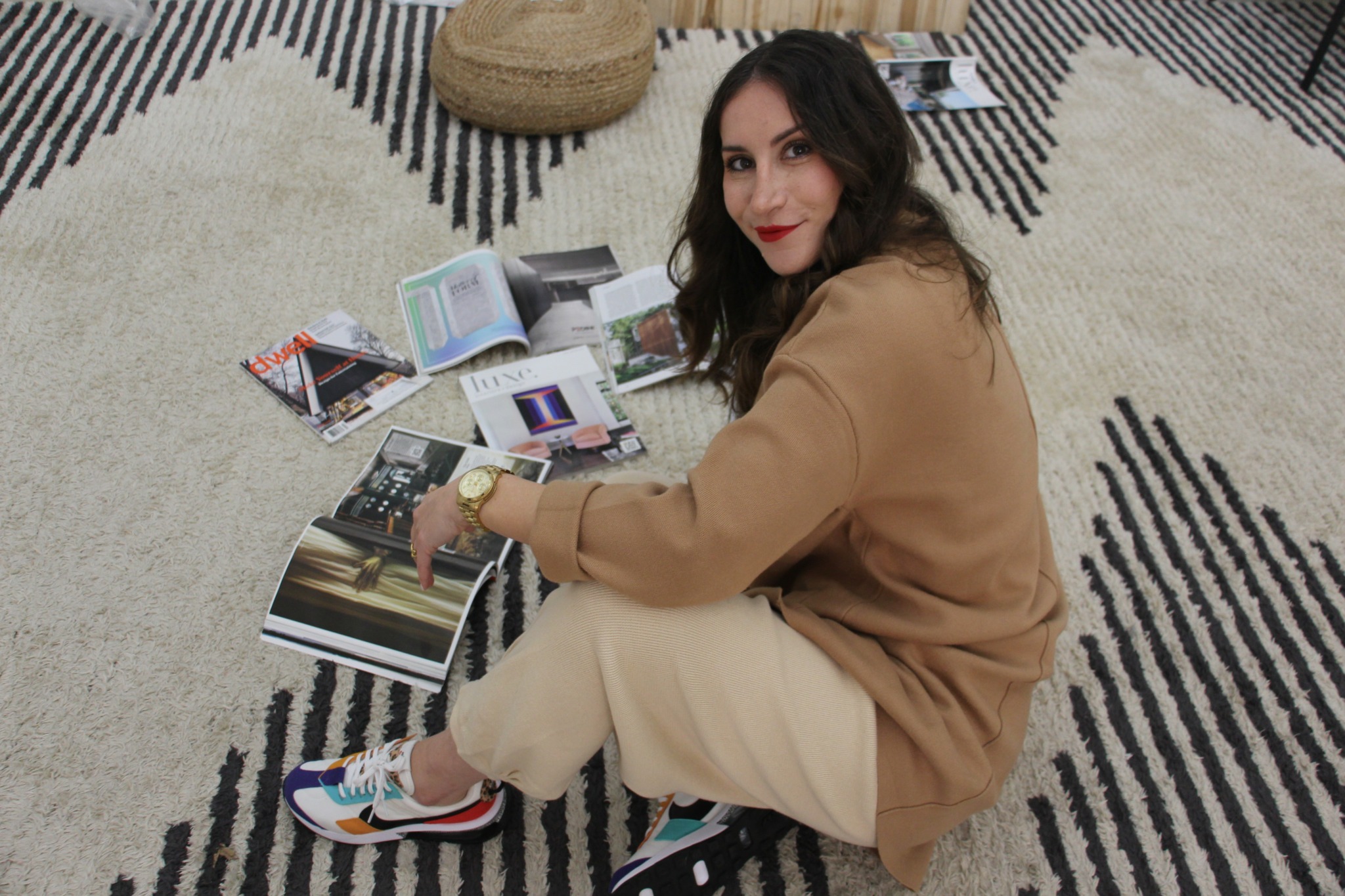
Sasha, love having you share your insights with us. Before we ask you more questions, maybe you can take a moment to introduce yourself to our readers who might have missed our earlier conversations?
I’m a Brooklyn-born, LA-based writer, experiential producer, and entrepreneur whose work lives at the intersection of storytelling, design, and transformation. I’m the founder of Rooted Design Collective, a women- and minority-owned global consultancy specializing in experiential marketing and spatial design, and the author of my debut memoir, The Longest Road, published in December 2025.
My path into this industry started early. I began creating experiences for people in high school and spent years honing my craft in the luxury beauty space before going all-in as a producer. I was doing it all for other brands and other people’s visions, and while I was good at it, something was missing. I wasn’t fully in alignment with my purpose. It was my cousin who first planted the seed: “Why don’t you start your own agency?” I thought he was crazy, but I did it anyways. I started with a dollar and a dream, called everyone I knew, and built what is now Rooted Design Collective.
Today, Rooted is a full-service experiential marketing and spatial design agency with over two decades of expertise behind it. We work with global brands, from Jaguar and Land Rover to San Pellegrino, Hinge, and Luxottica, producing immersive activations, brand launches, spatial environments, and high-touch experiences across verticals. We’ve produced at SXSW, Art Basel, Coachella, and beyond. Our services span transformative brand experiences, entertainment and production, creative styling and ambiance design, biophilic design, and strategic consulting. You can explore our work at designbyrooted.com.
What sets us apart is that we don’t just create moments. We create movements. Every project is rooted in strategy, storytelling, and intentionality. We ask: what do we want people to feel? What should they walk away knowing, believing, or ready to do? That philosophy has guided our work across industries, including spaces that have long been stigmatized, like cannabis, psychedelics, sexual wellness, and mental well-being. We’ve been pioneers in humanizing these conversations through experience design and education.
But the project I’m most proud of is the one that required the most personal courage: my debut memoir, The Longest Road. It is part immigration saga, part healing journey, part love letter to my ancestors, endorsed by Hal Elrod and New York Times bestselling author Regena Thomashauer, among others. Available now on Amazon and at sashaperelman.com.
Whether through an immersive brand experience or a page of memoir, my mission is the same: to create spaces, physical and emotional, where people feel something real. Where connection happens. Where transformation is possible. Storytelling is the most powerful tool I know, and I have built my entire career around that conviction.
I am a speaker, a thought leader, a creative, a producer, and now an author. And I’m just getting started.
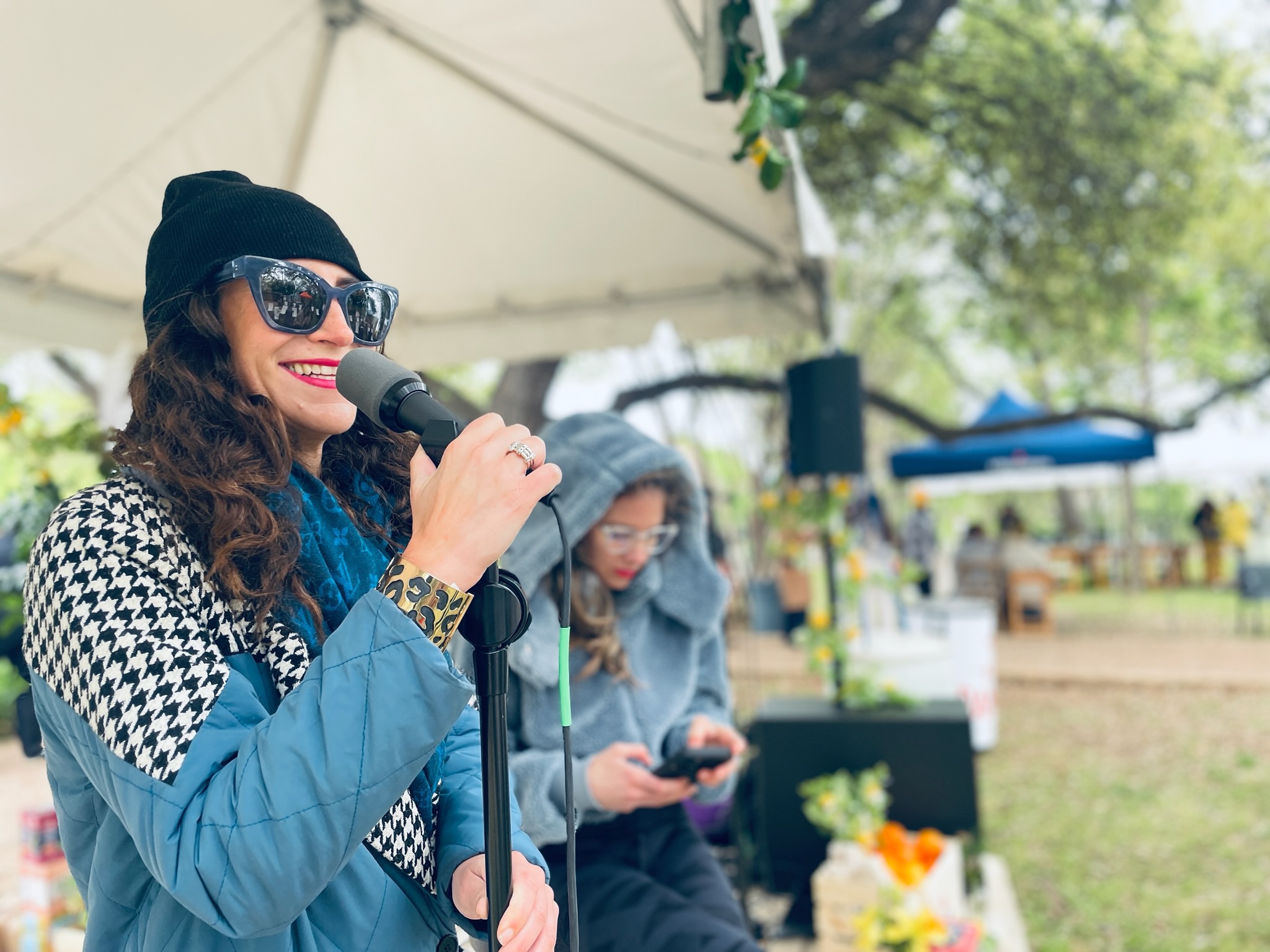
What do you think is the goal or mission that drives your creative journey?
My mission is to innovate the way we experience healing.
I’ve spent over two decades as an experiential producer, and what I know to be true is this: the most powerful moments aren’t the ones you watch, they’re the ones you inhabit. You don’t just see them. You feel them. They live in your body long after you’ve left the room. That understanding is now driving everything I create beyond the brand world, and it’s changing the way I think about what’s possible when we bring that same philosophy to healing, to generational trauma, to storytelling.
The Longest Road was the first expression of that. Writing a memoir isn’t just putting words on a page. It’s creating an immersive experience through language, building layers, texture, and dimension so the reader doesn’t just read the story, they inhabit it. I wanted every chapter to evoke something: curiosity, grief, joy, recognition, love. Because that’s what stays. That’s what heals.
But the book is just the beginning. I’m being called into spaces I never anticipated. I was recently invited to speak at Wisdom of Mothers, a virtual symposium, where I designed a multi-dimensional lineage workshop for participants. Not a lecture. Not a panel. An experience, rooted in the themes of the book, that invites people to explore their own inherited stories, to feel into what they’ve carried, and to begin to understand how that inheritance shapes who they are today.
That’s the intersection I’m building toward: generational trauma, healing, and experiential design. I believe we need more than information to heal. We need immersion. We need to be moved. And I believe joy, care, inspiration, curiosity, and love are not soft additions to this work. They are the work. When people leave one of my workshops or close the final page of my book, I want them to feel accompanied, expanded, and a little more free.

Is there something you think non-creatives will struggle to understand about your journey as a creative?
The thing most non-creatives don’t understand is that vulnerability is not a byproduct of creative work. It is the craft itself.
I built a career on control. As an experiential producer, my value was in anticipating every outcome, managing every variable, making sure nothing went wrong. I was the person in the room who had already imagined every possible disaster and quietly prevented it. That skill made me very good at my job. It also made me very good at keeping certain things at bay.
Writing The Longest Road dismantled all of that. There is nowhere to hide in a memoir. Every sentence either rings true or it doesn’t. You can’t dress it up with a lighting rig or rescue it with a last-minute production decision. It’s just you and the page and every story you’ve been carrying, waiting to be told honestly. That kind of sustained exposure to your own truth, held over years before anyone else even sees it, is something that’s genuinely difficult to explain to someone who measures success in deliverables and timelines.
There’s also a loneliness to the long game that surprises people. Brand activations have a clear arc: a client, a brief, a budget, a launch date, a moment of payoff. A memoir lives with you across years of doubt, revision, and quiet faith that the work matters even when you can’t yet prove it. Creatives learn to make peace with that uncertainty. We have to. The work demands it.
But perhaps the hardest thing to convey is this: creativity and healing are the same process. Both require you to turn inward, face what’s uncomfortable, and transform it into something that serves others. For most of my career I kept those two things separate. The book collapsed that boundary entirely. And now, in the workshops and experiences I’m designing around generational trauma and lineage, I’m not just producing something for an audience. I’m inviting people into the very same process I went through: the willingness to look at what they’ve inherited, feel it fully, and choose what to carry forward.
That’s not a skill you can put in a project plan. It’s a practice. And for those who’ve never had to do it, it can look effortless from the outside. What they don’t see is the courage it takes to begin.
Contact Info:
- Website: designbyrooted.com // sashaperelman.com
- Instagram: sasha.perelman // designbyrooted
- Facebook: https://www.facebook.com/sasha.perelman
- Linkedin: https://www.linkedin.com/in/sashaperelman/
- Youtube: https://www.youtube.com/@SashaPerelman
- Soundcloud: https://soundcloud.com/sasha-perelman
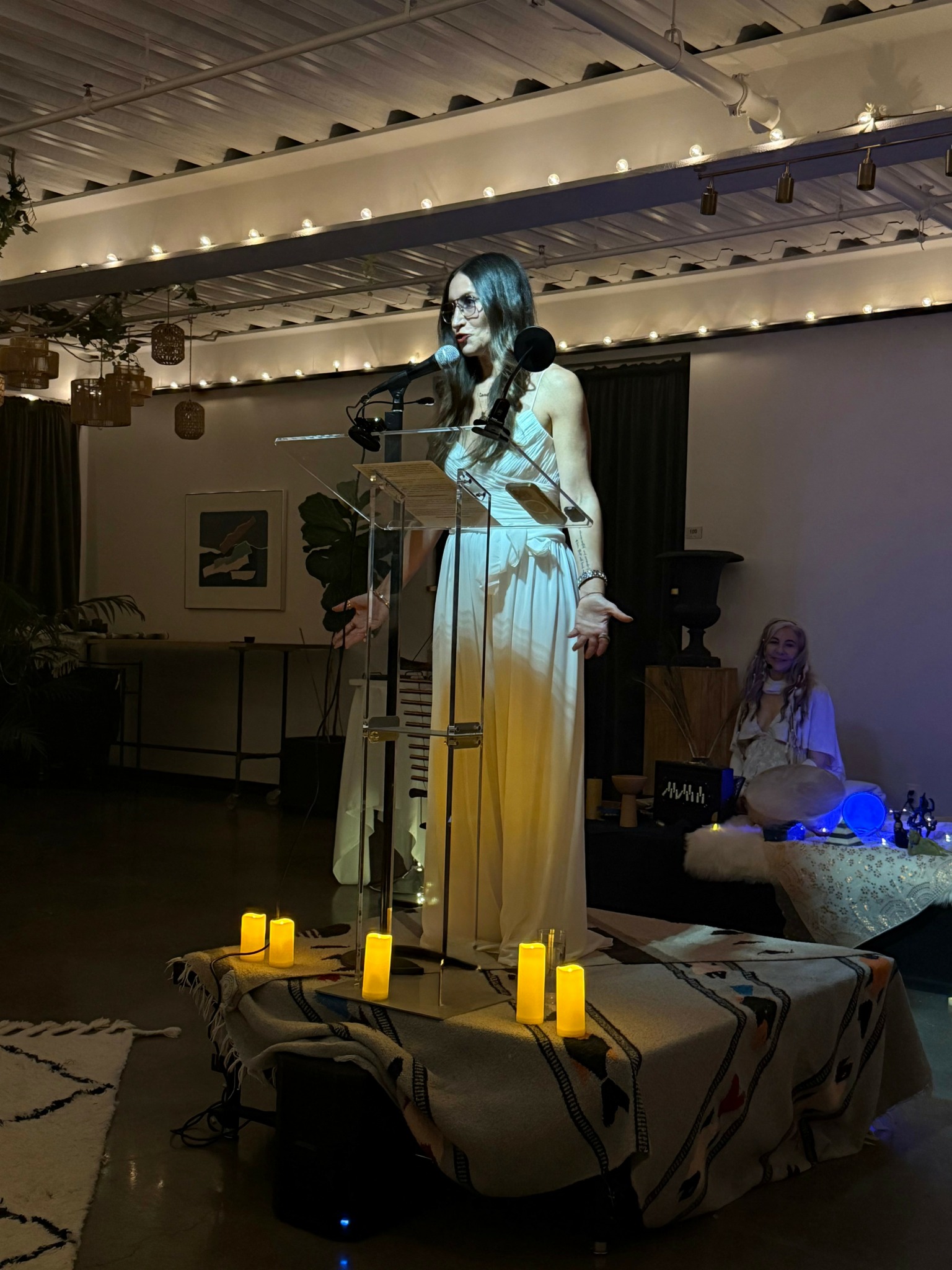
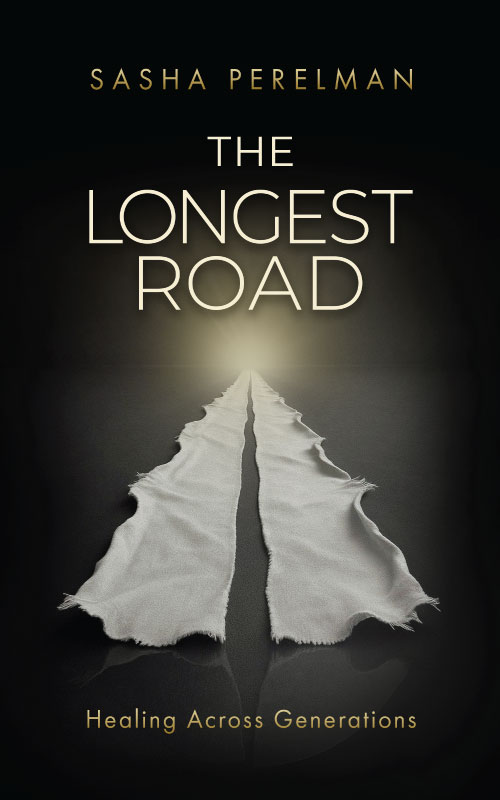
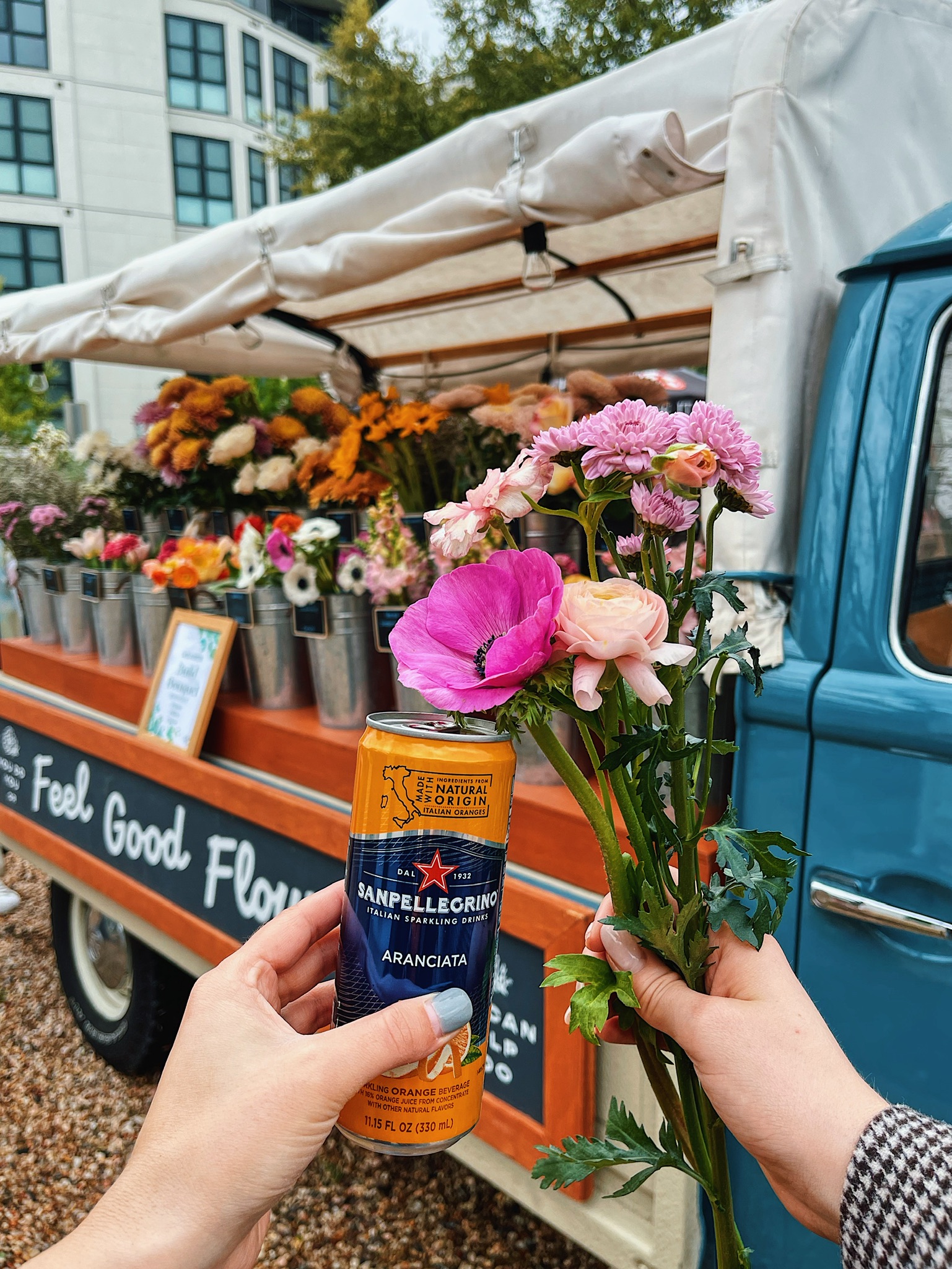
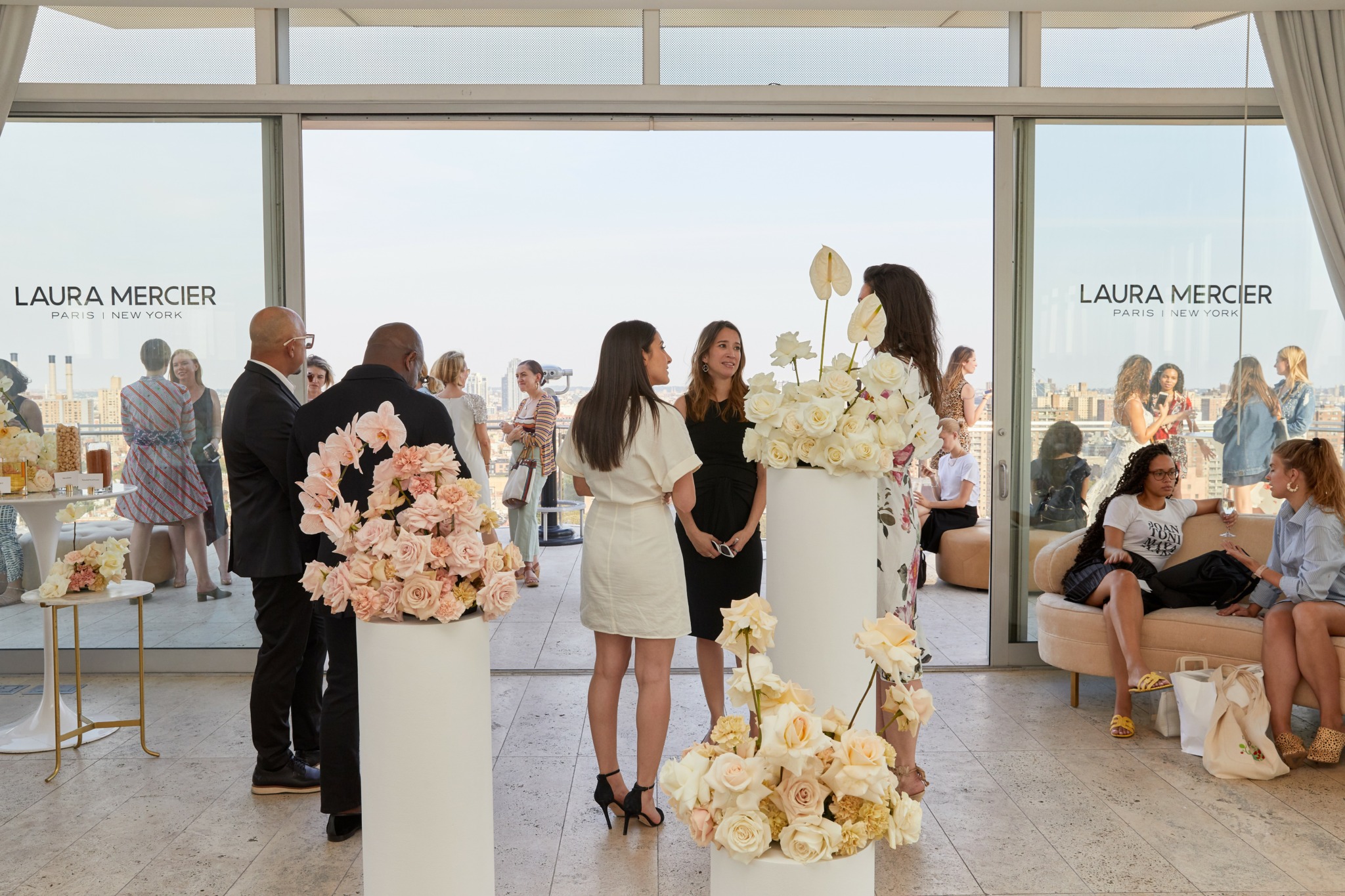
Image Credits
Katarina Benzova